Best Techniques for Ice Fishing Lake Trout
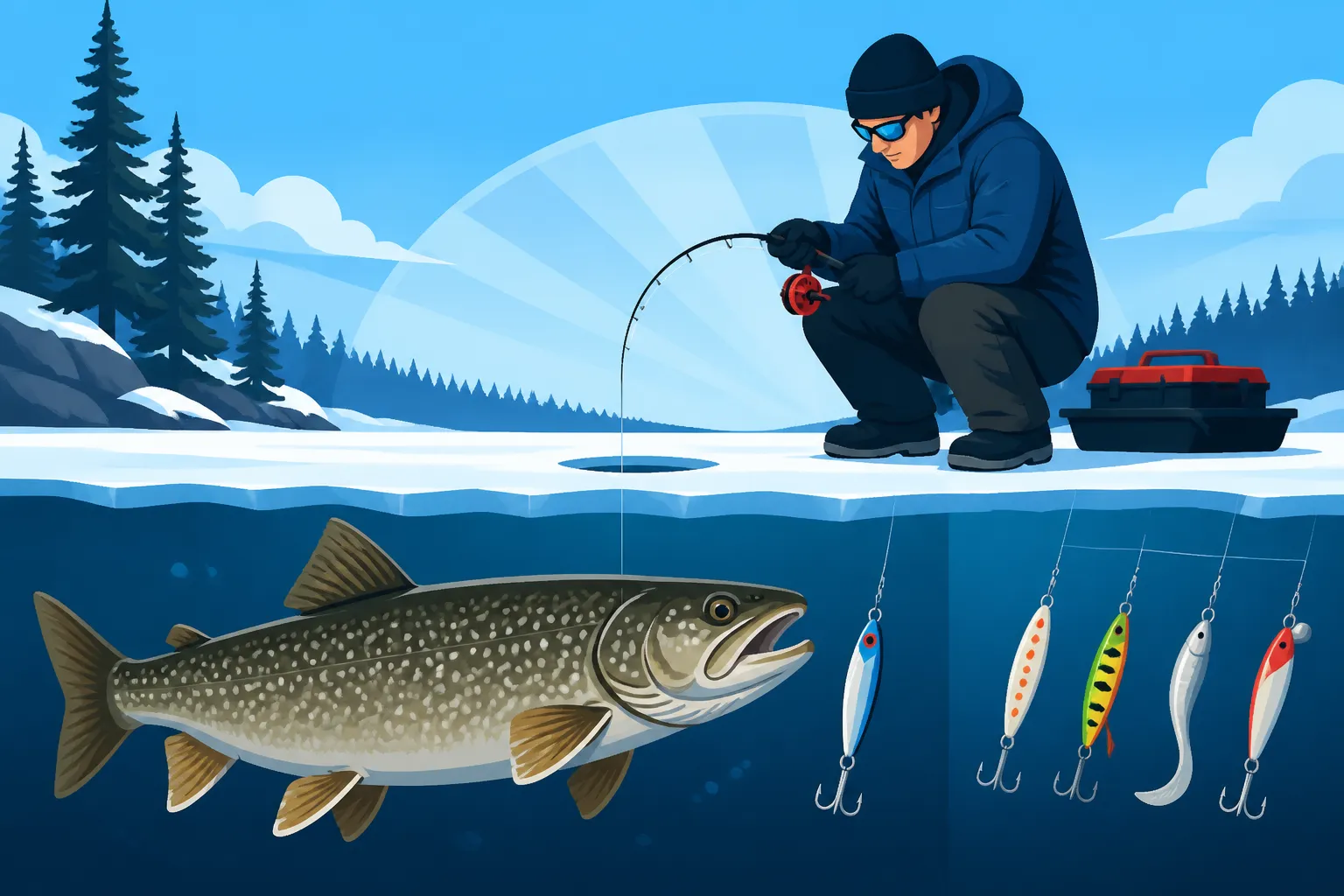
There’s nothing quite like the crisp, silent beauty of an Ontario winter, but for many anglers, the thought of chasing elusive lake trout under the ice can feel more daunting than delightful. It’s tough, isn’t it? These incredible fish often hold deep, move fast, and can be notoriously finicky, making it feel like you’re trying to find a needle in a frozen haystack. But don’t let that discourage you! This comprehensive guide is here to unravel the mysteries of ice fishing for lake trout, providing you with battle-tested techniques, essential gear recommendations, and practical tips to turn those frustrating outings into triumphant tales.
Understanding Lake Trout Behavior Under the Ice
When the mercury drops and the lakes freeze over, many fish species slow down, but lake trout remain incredibly active, albeit with some changes in their patterns. Knowing what makes them tick under a layer of ice is your first big step towards consistent success. It’s not just about drilling a hole; it’s about understanding their winter world.
Lake Trout Habits and Movement Under Ice
Unlike some shallower species that become sluggish or move to warmer, oxygen-rich pockets, lake trout thrive in cold, deep water. They’re built for it! Under the ice, their metabolism is still strong, and they continue to actively hunt. You might think they just sit on the bottom, but that’s rarely the case. They’re often cruising, patrolling drop-offs, underwater points, and structure, searching for food. This means they can cover a lot of ground quickly, making it a challenge to intercept them if you’re not actively searching or strategically placed.
During early ice, lake trout might still be found shallower, feeding on schools of baitfish that haven't yet moved to their deep-water winter haunts. But as winter progresses and the ice thickens, they tend to settle into their deeper patterns, often holding anywhere from 30 to 100+ feet, depending on the lake and available forage. They follow the food, and in winter, that often means finding schools of cisco, smelt, or even smaller whitefish. Understanding these movements is key to choosing your initial drilling locations. They can be found higher in the water column too, especially during low light conditions or when actively chasing bait.
Prime Lake Trout Habitat in Winter
Finding lake trout under the ice isn't about guesswork; it's about targeting specific types of underwater structure where they prefer to forage and ambush prey. These fish are masters of their environment, and they'll use contours, depths, and bottom features to their advantage. You need to think like a lake trout!
Look for major points that extend into deep water, especially those with steep drop-offs or shelves. Lake trout often patrol these edges, using the structure as a natural funnel for baitfish. Underwater islands or humps that rise significantly from the surrounding deep basin are also prime locations. These act as gathering points for forage and offer elevated ambush spots. Another excellent target is the edge of deep basins, particularly where the bottom transitions from a flat, soft area to a harder, rocky incline. This often indicates a thermocline (even in winter, there are subtle temperature differences) or a change in food availability. When you're looking for these hotspots, mapping apps and your fish finder become invaluable tools. For more in-depth knowledge on how these incredible fish behave, you might want to read our guide on How to Catch Lake Trout in Ontario.
Essential Gear for Ice Fishing Lake Trout
Success on the ice, especially when targeting powerful lake trout, often boils down to having the right tools for the job. You wouldn't bring a butter knife to a steak dinner, and similarly, you shouldn't head out for lakers with flimsy gear. Investing in quality equipment not only makes your trip more comfortable and safer but significantly increases your chances of landing that trophy fish.
Rods, Reels, and Line Selection
For lake trout, you need a robust setup that can handle powerful runs and the significant weight of these fish, often in deep water.
- Rods: Forget those tiny jigging rods you use for perch. You'll want a medium-heavy to heavy power ice rod, typically ranging from 36 to 48 inches in length. Look for a rod with a sensitive tip to detect subtle bites, but a strong backbone to set the hook and fight a large fish. Brands like Fenwick, Ugly Stik, and St. Croix offer excellent options specifically designed for heavy ice fishing. The longer length helps absorb shock and gives you more leverage over a battling lake trout.
- Reels: A good quality spinning reel in the 2500-4000 series is ideal. It needs a smooth drag system to prevent break-offs during powerful runs. A reel with a high retrieve rate can also be beneficial for quickly getting your lure back up from deep water, especially when hole-hopping. Shimano and Daiwa are reliable choices that hold up well in cold conditions. You can often find great deals on these models, perhaps even on Amazon.
- Line: This is crucial. Start with a main line of 15-30 lb braided line. Braid has zero stretch, which is essential for feeling bites and setting hooks in deep water. Its thin diameter also cuts through the water better, reducing line bow. However, braid is visible, so you'll need a fluorocarbon leader. Attach a 10-20 lb fluorocarbon leader, 6 to 10 feet long, using a strong knot like a FG knot or an Albright knot. Fluorocarbon is nearly invisible underwater and is more abrasion-resistant, protecting against sharp ice edges or a lake trout's rough mouth. For a complete overview of what you need to hit the ice, check out our piece on Best Ice Fishing Gear for Ontario.
Augers and Ice Huts
Efficiency and comfort are key for a successful lake trout ice trip. You’ll be drilling a lot of holes, and having a warm base camp can make all the difference.
- Augers: When targeting lake trout, especially if you're chasing them across a vast lake, you'll be drilling many holes, and these fish can grow quite large. This means you need an auger that's up to the task. Forget hand augers unless you're a glutton for punishment or only fishing early, thin ice. A power auger is almost a necessity. Propane augers, like those from Strikemaster or Eskimo, are popular for their reliability in cold weather and ease of starting. Electric augers, such as the Ion or Nils Master models, are gaining popularity for their quiet operation, lack of fumes, and lightweight design. They are fantastic for hole-hopping, allowing you to move swiftly without the exhaust of a gas unit. For optimal results, an 8 or 10-inch auger bit is recommended to accommodate larger fish and prevent your reel from hitting the ice during a fight. Choosing the right auger can dramatically impact your fishing experience; explore more options in our guide on the Best Ice Auger for Ontario Lakes.
- Ice Huts: Whether you opt for a portable pop-up style or a more permanent hard-sided shack depends on your style of fishing. Portable ice huts are perfect for the mobile angler who likes to "run and gun," drilling multiple holes and moving frequently. Brands like Clam, Eskimo, and Shappell offer insulated models that are surprisingly warm and quick to set up. These provide crucial protection from the elements, allowing you to focus on fishing rather than shivering. For those who prefer a more stationary approach, perhaps setting up camp for a full weekend, a hard-sided ice hut offers superior comfort, often including heaters, benches, and even cooking facilities. No matter your preference, an ice hut turns a potentially brutal day into a comfortable and extended fishing adventure, ensuring you can stay out longer and focus on catching that trophy. Find more details on choosing the perfect shelter in Best Ice Hut for Ontario Lakes.
Electronics: Fish Finders and Cameras
In the world of deep-water ice fishing for lake trout, electronics aren't just a luxury; they're practically mandatory. They are your eyes beneath the ice, helping you find fish, identify structure, and even see how fish are reacting to your presentation.
- Fish Finders (Flashers/Sonars): A high-quality flasher or sonar unit is your best friend. Brands like Vexilar, Marcum, and Humminbird are leaders in this field. A flasher gives you real-time feedback, showing your lure, baitfish, and any lake trout that move into your cone angle. This allows you to adjust your jigging presentation on the fly, enticing reluctant fish. Modern digital sonar units, often equipped with GPS and mapping capabilities, offer even more detail, showing intricate bottom contours, depth, and hardness. This is invaluable for pinpointing those key transitions where lake trout often lurk. Many units come with pre-loaded LakeMaster or Navionics maps of popular Ontario lakes, helping you navigate and identify structure even before you drill your first hole. When shopping for these crucial tools, checking out available models on Amazon can give you a good idea of features and prices. For a deeper dive into choosing the right unit, check out our article on the Best Fish Finders for Ontario Lakes.
- Underwater Cameras: While not as essential as a fish finder, an underwater camera can be an incredibly insightful tool, especially for learning how lake trout react to different lures and presentations. Brands like Aqua-Vu and Marcum offer high-definition cameras that can transmit images to a small screen, allowing you to observe fish behavior directly. Sometimes, seeing a lake trout ignore your lure can be frustrating, but it teaches you what not to do, helping you refine your technique. They can also confirm fish species and help you assess the size of a fish before you commit to the fight. This visual feedback is unparalleled for improving your understanding of lake trout and their underwater environment.
Top Techniques for Ice Fishing Lake Trout
Chasing lake trout through the ice is an active pursuit that demands versatility and quick adjustments. These fish are smart, powerful, and often require a dynamic approach to coax them into biting. You can’t just sit there and expect them to swim into your hole.
Jigging for Lake Trout
Active jigging is, without a doubt, one of the most effective techniques for ice fishing lake trout. It allows you to cover the water column, attract fish from a distance, and trigger aggressive strikes.
- Aggressive Jigging: Often, a fast, erratic jigging motion is what initially draws lake trout in. Start with a series of quick, sharp rips upwards, followed by a momentary pause, allowing your lure to flutter down. This mimics a fleeing baitfish. Vary the intensity and speed of your rips, sometimes pulling up several feet, other times just a foot or two. The goal is to create flash and vibration to get their attention from afar. Once you see a mark on your fish finder, slow down slightly, but maintain enough action to keep them interested.
- Subtle Jigging: When lake trout appear on your sonar but aren't committing, it’s time to switch to a more subtle approach. Instead of big rips, try short, gentle lifts and drops. Sometimes, just quivering the rod tip, making your lure dance almost in place, is enough to trigger a bite. Often, a lake trout will hit on the pause, so pay close attention as your lure flutters or hangs motionless. It's not uncommon for them to "shoulder" the lure, meaning they bump it gently before fully inhaling it. If you feel anything out of the ordinary, set the hook! The best jigging spoons for winter lake trout can be found on Amazon, offering a wide array of options to experiment with.
- "Killing" the Bait: A highly effective technique is to actively jig for a minute or two, drawing fish in, and then suddenly "kill" the bait – letting it fall and lie motionless on the bottom for 5-10 seconds. Many times, a curious lake trout, having followed the frantic action, will pounce on the seemingly helpless prey. This sudden change in pace can be irresistible. Remember, lake trout are curious predators, and sometimes, a little trickery goes a long way.
Deadsticking and Tip-Ups
While active jigging is excellent for drawing attention and covering water, sometimes a more passive, set-it-and-forget-it approach is just what’s needed. Deadsticking and tip-ups allow you to fish multiple depths or holes simultaneously, increasing your chances of intercepting a cruising laker.
- Deadsticking: This involves setting up a second rod in a separate hole, with a bait (often live bait or a substantial dead bait) suspended at a specific depth, usually just off the bottom or midway up the water column if you’ve seen fish cruising higher. The rod is placed in a rod holder, and you simply wait for a bite. The key here is minimal movement, letting the bait do its work naturally. A slightly softer rod tip on your deadstick can help absorb initial strikes and prevent the fish from feeling too much resistance. This is particularly effective when fish are somewhat shy or when you’re actively jigging in an adjacent hole, creating a "two-pronged" attack. It allows you to capitalize on fish that might not respond to aggressive jigging.
- Tip-Ups: These classic ice fishing devices are fantastic for covering a wide area and acting as an alarm system when a fish takes the bait. Each tip-up consists of a spool of line submerged in the water, and a flag that springs up when a fish pulls the line. You can rig tip-ups with live minnows, large shiners, or even whole dead baitfish (like smelt or cisco) on a quick-strike rig. Set them at various depths across several holes to determine the active feeding zone. Once a flag goes up, the race is on! Running to a tripped tip-up, hand-lining a powerful lake trout, is an exhilarating experience that every ice angler should try. Remember to use a heavy leader for your tip-ups, as lake trout have sharp teeth and incredible pulling power. Make sure you understand Ontario Lake Trout Limit and Possession Rules before deploying multiple lines, as there are specific regulations regarding how many lines you can legally use.
Best Baits and Lures for Winter Lake Trout
Lake trout are primarily piscivorous, meaning they love to eat other fish. This understanding should heavily influence your bait and lure choices. What they key on can vary by lake, time of year, and even time of day, so having a versatile selection is a smart move.
Artificial Baits: Jigs, Spoons, and Swimbaits
When it comes to artificials, flash, vibration, and a realistic profile are your best friends. These lures are designed to imitate the baitfish that lake trout feast upon.
- Jigs: Heavy jigs, often paired with a plastic swimbait or a strip of real bait, are incredibly effective. Look for lead-head or tungsten jigs in sizes from 1/2 oz to 2 oz, depending on depth and current. Colors like white, silver, chartreuse, and natural baitfish patterns (perch, smelt) are consistent producers. The jig's weight allows it to get down to deep-holding lakers quickly. You can tip them with a minnow head or a piece of sucker belly for added scent and appeal.
- Spoons: Jigging spoons are arguably the most iconic lake trout ice fishing lure. Their fluttering action on the drop and reflective flash are irresistible. Popular choices include Williams Wabler, Swedish Pimple, Acme Kastmaster, and the Bay de Noc Do-Jigger. Sizes range from 1/2 oz to 1.5 oz. Silver, gold, copper, or painted variations with accents of blue, green, or orange are all solid choices. The key is to experiment with different sizes and colors until you find what the fish are reacting to. On a bright, sunny day, a shiny silver spoon might be dynamite, while on an overcast day, a glow-in-the-dark or painted spoon could be more effective. For specific recommendations, our guide on the Best jigging spoon for winter lake trout offers some great starting points.
- Swimbaits: Soft plastic swimbaits, especially those designed to imitate cisco or smelt, rigged on a heavy jig head, are deadly. Look for paddle-tail or boot-tail swimbaits in the 3-6 inch range. The lifelike swimming action and subtle vibration they produce can be incredibly enticing to a lake trout. Colors mimicking natural baitfish, like white, silver, pearl, or even translucent hues, work well. These are particularly effective when lake trout are targeting larger baitfish and can be worked with a more controlled, horizontal retrieve.
Live and Dead Baits
Sometimes, nothing beats the real thing. Live and dead baits offer natural scent, texture, and profile that artificials can't always replicate.
- Live Minnows/Shiners: A lively minnow, hooked lightly through the back or lips, suspended under a tip-up or deadstick, is a proven killer. The natural movements of a struggling baitfish are often too much for a lake trout to resist. Larger minnows or shiners (3-6 inches) are generally preferred for lake trout. Ensure your bait is fresh and kept in good condition in a bait bucket with an aerator. The constant, natural movement of live bait is a powerful attractor, especially when fish are less active.
- Dead Bait (Smelt, Cisco, Sucker Strips): Don't underestimate the power of dead bait. Whole dead smelt or cisco, deployed under a tip-up or a deadstick, can be incredibly effective, especially for larger, more cautious lake trout. Rig them on a quick-strike rig to ensure a solid hookset. The scent trail they release in the water can draw fish in from a distance. Sucker strips, or a piece of whitefish belly, can be added to jigs or spoons for an extra layer of scent and visual appeal. The scent combined with the visual of a piece of natural prey can be a potent combination, particularly on days when fish aren't responding to flash and vibration alone. It’s always a good idea to have a variety of both artificial and natural baits on hand to adapt to the fish's preferences on any given day.
| Lure Type | Best Conditions | Retrieve Style | Ideal Depths | Key Features |
|---|---|---|---|---|
| Jigging Spoons | Active fish, sunny days, clear water | Sharp rips, long pauses, fluttering | 30-100+ feet | Flash, vibration, erratic fall |
| Heavy Jigs | Deep water, subtle bites | Short hops, quivering, dragging | 40-120+ feet | Fast descent, can be tipped with bait |
| Soft Swimbaits | Neutral to active fish, imitating bait | Smooth lifts, subtle glides, paddle tail action | 20-80 feet | Realistic profile, natural movement |
| Live Minnows | Finicky fish, slow bite | Static on tip-up/deadstick | Varied (where fish are holding) | Natural movement, scent, always attractive |
| Dead Bait | Large fish, scent trail, passive | Static on tip-up/deadstick | Varied (where fish are holding) | Strong scent, large profile, for selective lakers |
Locating Lake Trout and Reading the Ice
Finding lake trout under the ice is an art and a science. It requires keen observation, knowledge of their preferred habitats, and a healthy respect for safety. The vastness of a frozen lake can be intimidating, but with the right approach, you can narrow down your search effectively.
Interpreting Sonar and Mapping
Your fish finder is your window into the underwater world. Learning to interpret its readings quickly and accurately is paramount for lake trout success.
- Understanding Your Sonar: A flasher will show your lure as a bright band, and any fish that enter the cone angle as a separate band. Pay close attention to how fish react. Do they rise aggressively to meet your lure? Do they follow it but stay below? Do they appear and disappear quickly? These observations tell you how active they are and how you might need to adjust your presentation. Digital sonars offer more detailed graphs, allowing you to see bottom contours, baitfish schools, and even thermoclines more clearly. Learning to differentiate between baitfish schools and larger, individual lake trout marks is crucial. A large, thick, solid mark that follows your lure for a prolonged period is often a lake trout.
- Using Mapping Applications: Before you even step on the ice, utilize mapping apps like Navionics, LakeMaster, or even Google Maps to scout potential hotspots. Look for those deep points, humps, saddlebacks, and transitions we discussed earlier. Mark these areas as waypoints. Once on the ice, your GPS-enabled fish finder or handheld GPS will guide you directly to these spots. This saves an enormous amount of time and effort in blindly drilling holes. Many apps also offer satellite imagery, which can reveal access points, shoreline features, and even underwater structures near the shore. This pre-trip planning is invaluable, turning a random outing into a strategic hunt. Remember, lake trout can be anywhere in the water column, but structure often concentrates them or their food.
Safety Considerations and Ice Thickness
No fish is worth risking your life over. Ice fishing, while incredibly rewarding, demands a strict adherence to safety protocols. Ontario's lakes can be unpredictable, and ice conditions can vary dramatically even on the same body of water.
- Checking Ice Thickness: Always, always check the ice thickness as you go. Start near shore and use an auger or spud bar to test every few feet. A spud bar is your best friend when venturing onto new ice or unfamiliar areas. General guidelines for safe ice thickness are a minimum of 4 inches for ice fishing on foot, 5-7 inches for a snowmobile or ATV, and 8-12 inches for a small car or light truck. However, these are just guidelines; variations in current, springs, pressure cracks, and snow cover can create unsafe conditions even on seemingly thick ice. Be extra cautious around river mouths, narrows, and areas with moving water. For a full breakdown of what you need to know, read our guide on How thick ice needs to be to fish safely in Ontario.
- Essential Safety Gear: Never go alone, and always tell someone where you're going and when you expect to return. Carry a pair of ice picks (spikes) around your neck, ready to use in case you fall through. A rope, at least 50 feet long, is also essential for rescuing someone or being rescued. A fully charged cell phone (kept warm to preserve battery life), a first-aid kit, and a whistle are also critical. Dress in layers, including a waterproof and windproof outer shell, to stay warm and dry. Hypothermia is a real danger. Remember that conditions can change rapidly in Ontario's winter, so be prepared for anything.
Strategic Ice Fishing: Hole Hopping and Spread
Lake trout are known for being cruisers, constantly on the move in search of food. This means that a static approach to ice fishing, sitting in one hole all day, is often a recipe for frustration. To consistently catch these magnificent fish, you need to be just as mobile and strategic as they are.
The Art of Hole Hopping
Hole hopping is the cornerstone of successful ice fishing for lake trout. It's about being proactive, searching for active fish, and understanding that if they're not biting in one spot, they're probably biting somewhere else.
- Drill, Drop, and Watch: The technique is simple but effective: drill a series of holes along a promising contour, point, or hump. Space them out 20-50 feet apart. Then, move from hole to hole, dropping your transducer and jigging for just a few minutes, maybe 5-10 at most. If you don't see any fish marks on your sonar or get any bites, move to the next hole. Don't linger in unproductive water. Lake trout are often willing to bite if they are present and active. If you spend too long without any action, you're likely wasting valuable time.
- Patterning Fish: As you move, pay attention to the depth, structure, and activity level where you do encounter fish. Did you find them off a deep point in 60 feet of water? Were they suspended 20 feet off the bottom? Were they aggressive or subtle? This information helps you develop a "pattern" for the day, allowing you to focus your efforts on similar areas. For example, if you find one fish on the south side of a hump, it's a good bet to check the south side of other humps in the area. Hole hopping, especially with a fast electric auger, lets you quickly identify these patterns and stay on active fish throughout the day. This proactive approach is a game-changer for ice fishing for lake trout. For further insights into maximizing your chances, look into our Best Techniques for Ice Fishing Lake Trout guide.
Spreading Your Attack
While hole hopping with a single rod is effective for active searching, combining it with a "spread" of multiple lines can dramatically increase your coverage and efficiency, especially in lakes where you're permitted to use more than one line.
- Strategic Tip-Up Placement: If regulations allow (always check the current Ontario Fishing Regulations Summary), deploy several tip-ups around your main jigging area. Place them at varying depths and distances from your jigging hole. For instance, set one tip-up shallow on top of a hump, another along the drop-off, and a third deeper in the basin. This wide spread helps you locate the active depth and specific areas where lake trout are cruising. It's like casting a wider net, waiting for the fish to come to you, while you actively search in between.
- The "Hub and Spoke" Method: Consider setting up a "hub" hole where you do most of your active jigging with your primary rod and fish finder. Around this hub, drill several "spoke" holes in a radial pattern. You can then use your other legally permitted lines (often deadsticks or tip-ups) in these spoke holes, creating a strategic grid. This allows you to aggressively work your main hole, while your other lines act as passive detectors for cruising fish that might not be drawn to your active presentation. When a flag goes up on a tip-up, you know exactly where the fish are, and you can quickly switch your focus to that area, even drilling more holes nearby if the action warrants it. This combination of active searching and passive waiting maximizes your time on the ice and your chances of landing a magnificent Ontario lake trout.
Disclaimer
The information provided in this guide is for general informational purposes only. Fishing regulations, season dates, and limits in Ontario are subject to change. Always consult the most current official Ontario Fishing Regulations Summary before heading out on the water. Ice conditions can be extremely dangerous; always prioritize safety and never venture onto unsafe ice. The author and publisher are not responsible for any accidents, injuries, or legal infractions that may occur.