Rideau Lakes Fishing Spots
The Rideau Lakes system is absolutely stunning, but for anglers, its sheer size and intricate network of lakes, rivers, and canals can feel overwhelmingly complex. Trying to pinpoint the best spots for your target species amidst such a vast, interconnected waterway is a common struggle. This comprehensive guide is designed to cut through that confusion, giving you the insider knowledge on where to cast your line for the best chance at success on the Rideau Lakes.
Understanding the Rideau Canal System and Its Fisheries
Before we dive into specific hot spots, it's really important to grasp what makes the Rideau Lakes unique. This isn't just one big lake; it's a series of beautiful, interconnected lakes and rivers that form part of the historic Rideau Canal, a UNESCO World Heritage Site. This unique structure influences everything from water depth and clarity to the types of fish you'll find and how they behave. Understanding this intricate system is your first step to unlocking its fishing potential.
The Interconnected Waterways: A Fishing Labyrinth
Imagine a chain of pearls, each lake a pearl, linked by a winding thread of canals and river sections. That's essentially the Rideau Canal system. From Kingston to Ottawa, you're looking at over 202 kilometers of navigable water, connecting lakes like Upper Rideau, Big Rideau, Newboro, Indian, Opinicon, and Cranberry. What does this mean for fishing? Well, fish can move freely between these bodies of water, which means populations are often shared, and patterns can extend across multiple areas. However, each "pearl" or lake has its own distinct characteristics – some are deep and clear, others are shallower and weedy, and some offer a mix. This diversity is what makes the Rideau so rewarding, but also so challenging to master without local knowledge. The changing structure, depths, and bottom compositions from one lake to the next demand a versatile approach and an understanding of what each section offers.
Primary Fisheries: Warmwater Haven
The Rideau Lakes system is overwhelmingly a warmwater fishery, meaning species like bass, walleye, and pike thrive here. While you might occasionally find panfish like crappie, yellow perch, and bluegill in abundance, it's the larger predatory species that draw most anglers. Don't come here expecting a huge trout fishery; for that, you'd be heading further north to some of the cooler, deeper lakes in different parts of the province. The extensive shallow bays, weed lines, and rock structures that define much of the Rideau provide ideal habitat for these warmwater species, offering them plenty of cover, ambush points, and forage. This focus means your tackle box should be loaded with baits and lures geared towards these prevalent species, adapting your presentation to the specific type of cover you're fishing.
Navigating the Zones and Regulations
One crucial aspect of fishing any large, diverse waterway in Ontario is understanding the specific regulations that apply. The Rideau Lakes system falls within Fisheries Management Zone 18 (FMZ 18), but even within this zone, there can be special regulations for specific lakes or even parts of lakes. It’s absolutely vital to consult the annual Ontario Fishing Regulations Explained summary before heading out. This summary details everything from open seasons and catch limits to any size restrictions for different species. For instance, while a general walleye season might apply to FMZ 18, individual lakes might have slot limits or reduced possession limits. Ignoring these can lead to fines and a ruined trip. Additionally, remember to obtain your Ontario Fishing License Guide for 2026 and ensure you understand the difference between an Ontario Sport vs Conservation Fishing License and its implications for your catch limits. Always check for updates, as regulations can change yearly.
Key Fish Species and Where to Find Them
The Rideau Lakes boast a fantastic diversity of warmwater species, each with its preferred habitats and feeding patterns. Knowing what you're targeting and where to look for them is half the battle won. Let's break down the main contenders you're likely to encounter.
Chasing the Largemouth and Smallmouth Bass
The Rideau Lakes are truly a bass angler's paradise, offering incredible opportunities for both largemouth and smallmouth.
- Largemouth Bass: These green giants absolutely love cover. Think thick weed beds, lily pads, fallen trees, docks, and rocky shorelines with overhanging vegetation. If you see a shallow, protected bay choked with weeds and some emergent reeds, you've found a largemouth haven. They ambush their prey from these hiding spots. Lakes like Newboro, Indian, and Cranberry are renowned for their abundant largemouth populations due to their extensive shallow, weedy areas. For tips on how to target them, check out our guide on How to Catch Largemouth Bass in Ontario. Using weedless jigs, Texas-rigged plastics, or topwater frogs over the thick stuff can be incredibly effective, especially during low light conditions or on cloudy days. They are often found in water less than 10 feet deep, but can move to slightly deeper edges of cover in the heat of summer.
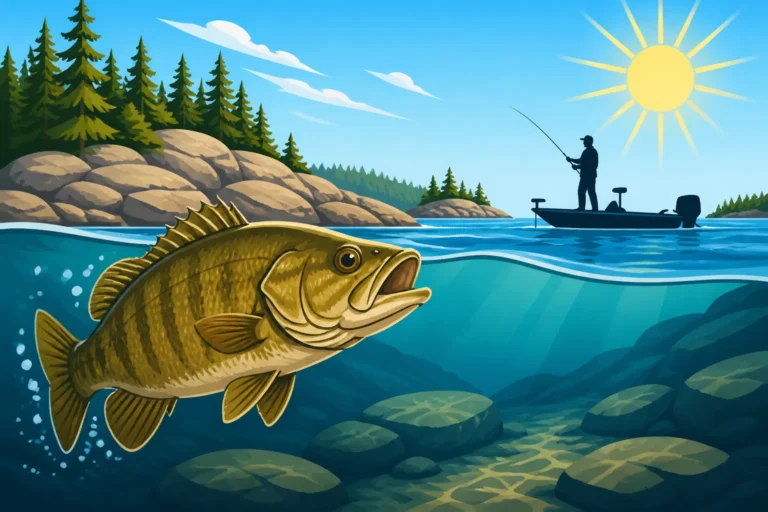
- Smallmouth Bass: In contrast to their green cousins, smallmouth prefer deeper, clearer water with rocky bottom structures. Look for them around rocky points, submerged humps, shoals, deep drop-offs, and areas with scattered boulders. Big Rideau Lake, Upper Rideau Lake, and sections of the main river channel offer prime smallmouth habitat. They are known for their hard fights and acrobatic jumps! When fishing for smallmouth, focus on baits that mimic crayfish or baitfish, such as tube jigs, swimbaits, and crankbaits that can be worked along the bottom or over structure. For more detailed techniques, our article on How to Catch Smallmouth Bass in Ontario has plenty of advice. These fish are often found deeper than largemouth, especially during the brighter parts of the day, congregating around structure in 10-30 feet of water.
Walleye Wonders: Elusive but Rewarding
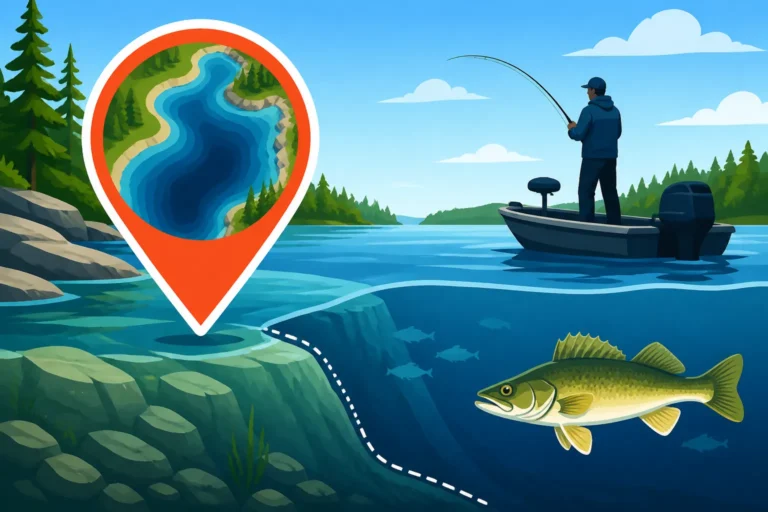
Ah, walleye – the prized catch for many Ontario anglers due to their delicious table fare and challenging nature. The Rideau Lakes definitely have a healthy walleye population, but they can be a bit more elusive than the bass. They are often found in deeper sections of the larger lakes and river channels, preferring areas with rocky points, humps, and current breaks. Walleye are light-sensitive, so they are most active during low-light conditions like dawn, dusk, or on overcast days. Night fishing can also be incredibly productive.
Big Rideau Lake, Upper Rideau Lake, and certain areas of the main Rideau River system leading into and out of these lakes are known walleye hotspots. Look for them relating to structure, especially where there's a good transition from shallow to deep water. Jigs tipped with live minnows or worms, crankbaits trolled along breaks, and bottom bouncers with crawler harnesses are popular and effective methods. Our guide on How to Catch Walleye in Ontario can help you refine your techniques. Finding a good guide through services like FishingBooker can often be the key to unlocking these elusive fish, as local expertise can make all the difference in locating their preferred haunts on such a large system.
Northern Pike: The Aggressive Predators
If you're looking for aggressive strikes and a feisty fight, the northern pike of the Rideau Lakes will deliver. These toothy predators are widespread throughout the entire system, inhabiting similar areas to largemouth bass – specifically, weed lines, lily pad edges, and shallow bays with plenty of cover. They love to lie in wait, ambushing anything that swims by. You'll find them in almost every lake and river section within the Rideau system.
Good places to target pike include Cranberry Lake, Lower Rideau Lake, and many of the shallower, weedier bays of Big Rideau and Upper Rideau. Large spoons, spinnerbaits, and swimbaits are excellent choices for enticing a strike. They aren't particularly picky, and their aggressive nature makes them a thrilling catch. Just be sure to use a steel leader to prevent bite-offs! For more on these fierce predators, check out our in-depth article on Northern Pike Fishing in Ontario. You'll often find them cruising the edges of weed beds in 5-15 feet of water, especially during the warmer months.
Panfish Paradise: Perch, Crappie, and Bluegill
While the big three (bass, walleye, pike) get a lot of attention, the Rideau Lakes are also fantastic for panfish, making it an excellent destination for families or those just looking for consistent action. Yellow perch, black crappie, and bluegill are abundant throughout the system.
- Yellow Perch: Found in nearly all lakes, perch often school up, making it possible to catch a lot once you locate them. They prefer areas with aquatic vegetation and moderate depths, often near drop-offs.
- Black Crappie: These tasty panfish often hide around submerged timber, brush piles, docks, and dense weed beds. Lakes like Cranberry, Newboro, and Indian are particularly known for their crappie populations. They can be found suspended in open water or tight to cover.
- Bluegill: Similar to largemouth, bluegill love shallow, weedy areas and are often found around docks, lily pads, and fallen trees.
Small jigs tipped with a grub, minnow, or a piece of worm, fished under a bobber, are deadly for panfish. Light tackle makes fighting even a modest perch or crappie a lot of fun. These species are particularly popular for Ice Fishing in Ontario during the winter months when they congregate in predictable areas.
Top Rideau Lakes for Diverse Fishing Experiences
With so many interconnected lakes, it can be hard to decide where to focus your efforts. Let's highlight a few of the standout lakes in the Rideau system, each offering something a little different for the discerning angler.
| Lake Name | Primary Species Targeted | Key Features for Anglers | Optimal Fishing Seasons |
|---|---|---|---|
| Upper Rideau Lake | Smallmouth Bass, Walleye, Lake Trout (rare) | Deep, clear water; rocky points, humps, sharp drop-offs; limited weed growth | Spring, Summer, Fall |
| Big Rideau Lake | Smallmouth Bass, Walleye, Northern Pike, Largemouth Bass | Large, diverse lake; deep channels, rocky structures, extensive shallow bays | Spring, Summer, Fall, Ice (selective) |
| Newboro Lake | Largemouth Bass, Crappie, Northern Pike, Walleye | Moderate depth; abundant weed beds, lily pads, submerged timber | Spring, Summer, Fall, Ice |
| Indian Lake | Largemouth Bass, Crappie, Northern Pike | Shallow, very weedy; excellent for topwater bass fishing | Spring, Summer, Fall |
| Cranberry Lake | Largemouth Bass, Northern Pike, Crappie | Extensive shallow bays, dense vegetation; classic warmwater habitat | Spring, Summer, Fall, Ice |
| Lower Rideau Lake | Largemouth Bass, Northern Pike, Walleye | Mix of depths, varied structure; good all-around fishing | Spring, Summer, Fall |
(Note: Lake Trout are rare in Upper Rideau and not a primary target, but occasionally caught. Their presence is a historical remnant of deeper, colder water pockets).
Upper Rideau Lake: Deep Water Secrets
Upper Rideau Lake is one of the deeper, clearer lakes in the system, offering a distinct fishing experience. If you're chasing smallmouth bass or searching for those elusive walleye, this is a prime spot. The lake features extensive rocky shoals, steep drop-offs, and submerged humps that attract baitfish and, consequently, their predators.
Anglers here often focus on precision jigging or slow-trolling crankbaits along contours. The clearer water often means the fish can be a bit warier, so finesse techniques can pay off, especially on bright, sunny days. Exploring the numerous islands and their surrounding structure will often reveal prime smallmouth holding areas. While not a primary trout fishery, its depth hints at the colder water preferences of some species, making it an interesting study in aquatic ecosystems. It's a fantastic lake for using your fish finder to locate schools of bait and the predators lurking beneath.
Big Rideau Lake: The Grandeur of the System
As its name suggests, Big Rideau Lake is indeed the largest and arguably the most diverse lake in the system. It offers everything from vast, deep open water to numerous shallow, weedy bays and intricate island chains. This diversity means you can find just about any species that inhabits the Rideau system here.
For smallmouth bass, concentrate on the numerous rocky points and islands that define the central and northern parts of the lake. Walleye can be found along deeper breaks and humps, especially towards dusk. The shallower, more protected bays, such as those near Portland or Murphy's Bay, are absolute havens for largemouth bass and northern pike. Given its size, Big Rideau can feel overwhelming, but breaking it down into smaller sections based on target species can make it more manageable. Consulting a local fishing charter from a service like FishingBooker for Big Rideau Lake can provide invaluable insights into current patterns and hot spots, helping you maximize your time on this expansive waterbody.
Newboro Lake and Indian Lake: Shallow Water Gems
If your heart beats for largemouth bass and panfish, then Newboro Lake and Indian Lake should be at the top of your list. These lakes are considerably shallower and feature extensive weed beds, lily pads, and submerged timber – classic largemouth and crappie habitat.
- Newboro Lake: Known for its fantastic crappie fishing, especially in the spring and fall, Newboro also holds a very healthy population of largemouth bass. The edges of the abundant weed lines and the numerous docks around the cottages are prime ambush points. Flipping jigs or working topwater lures over the pads can yield explosive strikes. It’s also connected directly to Upper Rideau Lake, allowing for some fish movement.
- Indian Lake: Even shallower and weedier than Newboro, Indian Lake is a topwater angler's dream for largemouth. The dense vegetation provides endless cover for bass and pike. Don't be afraid to throw frogs, buzzbaits, or weedless plastics directly into the thick stuff. The sheer amount of cover also means excellent populations of panfish, particularly bluegill and smaller pike, providing constant action. These lakes are perfect for exploring with a smaller boat or even a kayak, allowing you to get into the nooks and crannies where the big bass hide.
Lower Rideau Lake and Cranberry Lake: Diverse Opportunities
Further down the system, Lower Rideau Lake and Cranberry Lake continue the trend of offering excellent warmwater fishing, each with its own character.
- Lower Rideau Lake: This lake offers a good mix of depths and structure, providing opportunities for walleye, northern pike, and both species of bass. It's less explored by some anglers than its larger counterparts but can hold some real surprises. Look for the transition areas where rocky points meet weed beds for a chance at multiple species. The connection to the Rideau River system brings in a steady flow of fish.
- Cranberry Lake: Often regarded as one of the best pike lakes in the system, Cranberry Lake also boasts a very strong largemouth bass fishery. It features extensive shallow, weedy bays and a somewhat darker, tannin-stained water, which pike and bass love. The lake is also fantastic for crappie, especially during ice fishing season. Its consistent warmwater characteristics make it a reliable choice for action-packed days, particularly if you enjoy throwing bigger baits for aggressive fish.
Seasonal Strategies for Rideau Lakes Fishing
Fishing on the Rideau Lakes, like anywhere else, is heavily influenced by the seasons. Understanding how fish behavior changes with water temperature and forage availability throughout the year is key to consistent success.
Spring: Awakened Waters and Pre-Spawn Action
When the ice finally recedes and the water temperatures begin their slow climb in early spring, the Rideau Lakes truly come alive. This is a fantastic time to target northern pike and walleye as they move into shallower areas to feed and prepare for spawning. Pike are often found in very shallow, sun-warmed bays, especially around the first emerging green weeds. Spinnerbaits and spoons worked slowly can be highly effective. Walleye will be staging near their spawning grounds, which are typically rocky areas with current. Jigging plastics or live bait can be very productive.
As spring progresses into late May and early June, the bass seasons open. This is prime time for pre-spawn bass, where they feed heavily before moving to their beds. Largemouth will be in shallow, protected areas, while smallmouth will be staging on rocky points leading to spawning flats. This can be a short, intense window of opportunity for trophy fish. Always be mindful of specific opening dates for bass and other species, as well as any length restrictions, as outlined in the Ontario Fishing Season Dates by Zone for FMZ 18.
Summer: Deep Water and Early Morning Bites
Summer on the Rideau Lakes means warm water and often bright sunshine, which can push fish to deeper, cooler water, especially during the middle of the day. For bass, the early morning and late evening bites become crucial, when they move shallower to feed. During the day, look for largemouth deep in heavy cover or along the shaded edges of docks and lily pads. Smallmouth will retreat to deeper rock piles, humps, and drop-offs. Trolling for walleye in deeper water or jigging structure can be effective, particularly on overcast days or at night.
This is also a fantastic time for panfish, which can be caught throughout the day in their usual weedy and structural haunts. The key to summer fishing is often adapting to the sun and heat – fish deeper, fish slower, or fish during low-light periods. Using a guide from FishingBooker during the summer can significantly cut down on search time, as they'll know exactly which depths and structures are holding fish during the hot months. Remember to stay hydrated and use sunscreen when you're out on the water!
Fall: Feeding Frenzies and Trophy Hunts
Many experienced anglers consider fall to be one of the best times to fish the Rideau Lakes. As water temperatures begin to drop, fish sense the approaching winter and embark on aggressive feeding sprees, bulking up before the cold sets in. This means they are often more willing to chase baits and can be found in more predictable patterns.
Northern pike and muskellunge (though less prevalent, they are present in some areas) become incredibly active, often found along major weed lines or deeper rock structure as baitfish move out of the shallows. Larger baits and a more aggressive retrieve can trigger strikes. Walleye will also be feeding heavily, often moving into shallower bays during low light or congregating on deeper main lake structure. Both largemouth and smallmouth bass will be feeding heavily, often schooling up. Smallmouth can provide incredible action on deep points and humps, while largemouth will be tight to remaining healthy green weeds before they die back. This is a prime time for trophy potential across the board.
Winter: Ice Fishing Opportunities
When the lakes freeze over, the Rideau system transforms into an ice fishing wonderland. While not all lakes are safely accessible for ice fishing, many offer fantastic opportunities for those willing to brave the cold. Newboro Lake, Indian Lake, and Cranberry Lake are popular choices for their panfish populations, especially crappie and perch. You can often find large schools of these fish, providing steady action throughout the day.
Walleye and northern pike are also targeted through the ice, particularly on larger bodies of water like Big Rideau Lake. Ice fishing for walleye often involves jigging with spoons or small live baits near deep structure, while pike are usually caught on tip-ups with large minnows near weed edges. Always prioritize safety on the ice. Check local ice conditions regularly, tell someone where you're going, and carry appropriate safety gear. The camaraderie of a group ice fishing can be one of the most enjoyable aspects of winter angling in Ontario.
Access and Amenities for Anglers
Planning a fishing trip to the Rideau Lakes isn't just about knowing where the fish are; it's also about understanding how to access the water, where to stay, and what local resources are available to make your trip smooth and enjoyable.
Public Launches and Marinas
Given the popularity of the Rideau Lakes for both fishing and recreational boating, there are numerous public boat launches and private marinas scattered throughout the system. Most towns and villages along the Rideau Canal, such as Perth, Westport, Portland, Newboro, and Seeley's Bay, will have access points.
- Public Launches: These are typically managed by municipalities or the provincial park system (if applicable) and often have a small fee or are free. They usually offer basic ramps suitable for various boat sizes. A quick online search for "Rideau Lakes public boat launches" will give you updated locations and conditions.
- Marinas: Private marinas offer more comprehensive services, including fuel, boat rentals, tackle shops, sometimes mechanical services, and often cleaner, more convenient launching facilities, usually for a fee. Many also offer transient dockage if you're planning a multi-day trip and want to explore different parts of the system without trailering every day. Be sure to check Ontario Boating Laws for Anglers before heading out, as specific rules apply to safety equipment and operation.
Accommodations and Guides
The Rideau Lakes region is a popular tourist destination, so you'll find a wide range of accommodation options, from cozy cottage rentals and charming bed and breakfasts to full-service resorts and campgrounds. Many of these cater specifically to anglers, offering boat rentals, docks, and even fish cleaning stations.
If you're new to the system or want to maximize your chances of success, hiring a local fishing guide is an excellent investment. These guides know the lakes intimately, understand seasonal patterns, and can put you on fish quickly. They also provide all the necessary safety equipment and often tackle. Services like FishingBooker make it easy to find and book experienced local guides for the Rideau Lakes, ensuring you get the most out of your trip without the guesswork. A knowledgeable guide can teach you specific techniques for the local waters and show you spots you'd likely never find on your own.
Gear, Bait, and Local Expertise
Before you hit the water, it's wise to ensure you have the right gear. Most towns and villages around the Rideau will have bait and tackle shops where you can pick up essentials like live minnows, worms, and local lure recommendations. These shops are also invaluable sources of current fishing information – ask about recent catches, water conditions, and any specific patterns the fish are on.
For specific gear, considering the prevalence of warmwater species, your tackle box should include:
- For Bass: Jigs, plastic worms, swimbaits, topwater lures (frogs, poppers), crankbaits.
- For Walleye: Jigs (lead head, blade), crankbaits (trolling and casting), bottom bouncers, live bait rigs.
- For Pike: Spoons, spinnerbaits, large swimbaits, steel leaders.
- For Panfish: Small jigs, micro plastics, bobbers, light line.
A good Best Tackle Box Setup for Ontario Anglers ensures you're prepared for whatever the Rideau throws at you. Don't forget essentials like pliers for hook removal, a good landing net, and sun protection. Many smaller tackle shops are run by passionate local anglers who are more than happy to share their knowledge, which can be worth its weight in gold.
Disclaimer
Please remember that fishing conditions, regulations, and access can change. Always consult the most current Ontario fishing regulations summary provided by the Ministry of Natural Resources and Forestry (MNRF) before heading out. Safety on the water is paramount; wear a life jacket, be aware of weather conditions, and let someone know your float plan. This guide is for informational purposes only.