Lake Nipigon Fishing Guide
Few fishing destinations in Ontario evoke as much awe and intimidation as Lake Nipigon. Its sheer size, remote wilderness setting, and reputation for challenging but incredibly rewarding fishing can leave even seasoned anglers feeling a little overwhelmed. This guide is here to cut through the mystique, offering practical insights and detailed advice to help you confidently plan your unforgettable fishing adventure on this magnificent northern gem.
Discovering the Grandeur of Lake Nipigon's Fishery
Lake Nipigon isn't just a lake; it's an experience. Often referred to as Ontario's "fourth Great Lake" due to its immense size and depth, it holds a special, almost mythical, place in the hearts of anglers who dream of giant trout and endless walleye. But its grandeur comes with a raw, untamed beauty that demands respect and preparedness.
A Vast and Challenging Landscape
Imagine a body of water so vast that it has its own unique weather systems. That's Lake Nipigon. Spanning over 4,800 square kilometers, with depths plunging over 120 meters, it's the largest lake entirely within Ontario. Its shoreline is a labyrinth of rugged Canadian Shield, dense boreal forest, and countless islands – over 1,600 of them, to be exact! This expansive, untamed environment is what makes fishing here so incredibly rewarding, yet simultaneously challenging. The sheer scale means that fish populations are healthy and often grow to impressive sizes, but it also means you need to be strategic about where and how you fish. It’s not a small pond where you can just cast anywhere and expect results; it requires planning, local knowledge, or a skilled guide to truly unlock its secrets.
Why Anglers Flock to Nipigon
So, with all these challenges, why do anglers travel from far and wide, enduring long drives and remote access, just to cast a line in Lake Nipigon? The answer is simple: the fish. This lake is legendary for its trophy-sized lake trout, walleye, and northern pike. It holds the world record for brook trout (though that fish was caught in a tributary river, not the main lake, it speaks to the genetic potential of the system), and the average size of its walleye and lake trout often exceeds what you'd find in more pressured fisheries further south. It’s a place where the next bite could genuinely be the fish of a lifetime. Beyond the trophies, the pristine wilderness, the solitude, and the feeling of being truly immersed in nature are powerful draws. It's an adventure, not just a fishing trip, and that's precisely why it's a bucket-list destination for so many.
Prime Species to Pursue in Lake Nipigon
When you head to Lake Nipigon, you're primarily after three stellar game fish: lake trout, walleye, and northern pike. Each offers a distinct challenge and reward, making the fishing experience incredibly varied and exciting.
Pursuing the Legendary Lake Trout
Lake Nipigon is synonymous with truly enormous lake trout. We’re talking about fish that often push into the 20-30 pound range, with even larger specimens being caught regularly. These are ancient, powerful fish that thrive in Nipigon's deep, cold, oxygen-rich waters. The chase for these giants often involves deep-water trolling with large spoons or crankbaits, or aggressive jigging over structure. In the spring, just after ice-out, they can be found shallower, making them accessible to a wider range of techniques. As the water warms in summer, they retreat to the deep, cold pockets, often suspending over deep structures or congregating around underwater islands. Catching one of Nipigon's lakers is a true test of strength and patience, and the fight is nothing short of epic. For more detailed strategies, you might want to check out our guide on How to Catch Lake Trout in Ontario. Remember to consult the specific Ontario Bag and Possession Limits by Species for Lake Nipigon, as these can vary significantly from other zones.
The Abundant Walleye Fishery
While the lake trout grab the headlines, the walleye fishing on Lake Nipigon is consistently outstanding. This lake boasts a thriving population, and catching a limit of delicious "pickerel" is often a reality for anglers. Nipigon walleye are known for their vibrant gold flanks and tend to be larger than average, with many fish in the 3-5 pound range and true giants up to 10 pounds or more. They can be found in a variety of habitats, from rocky points and shoals to current areas around islands and river mouths. Jigging with soft plastics or bucktail jigs, casting crankbaits, or slow trolling with bottom bouncers and worm harnesses are all highly effective methods. The beauty of Nipigon's walleye fishery is its consistency; on days when the lakers are elusive, you can almost always count on some fantastic walleye action. Understanding the seasonal movements of these fish is key, as they transition from shallow spawning areas in spring to deeper structures in summer. Our comprehensive guide on Walleye Fishing in Ontario offers a ton of universal tips that apply wonderfully to Nipigon.
Battling Northern Pike
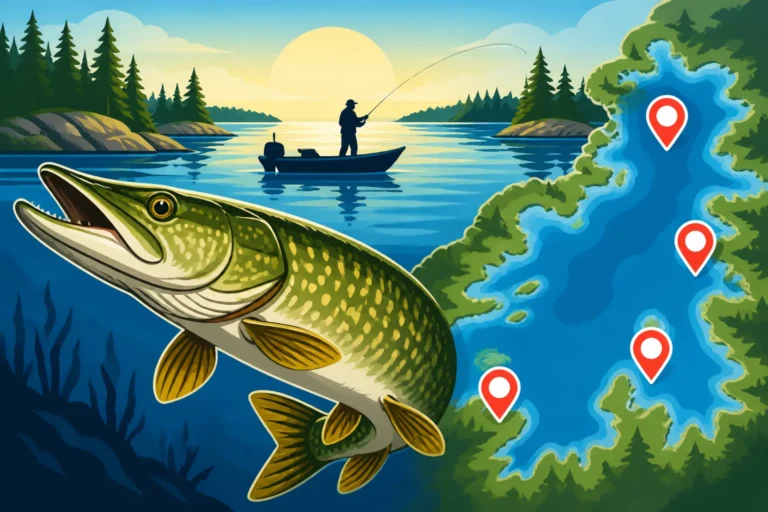
Northern pike in Lake Nipigon are not to be underestimated. While perhaps not as famed as the lake trout or walleye, Nipigon consistently produces pike in the 10-20 pound class, with toothy monsters even larger. These aggressive predators lurk in shallower bays, around weed lines, and near rocky drop-offs, especially in the warmer months. They'll readily strike large spoons, spinnerbaits, jerkbaits, and topwater lures, offering explosive action that can really get your heart pumping. When targeting pike, heavy leader material is absolutely essential to prevent their razor-sharp teeth from cutting your line. They provide thrilling fights and can be a great target when other species are finicky. Just be careful when handling them; those teeth are no joke! For more specific tactics, consider reading up on How to Catch Northern Pike in Ontario.
Beyond the Big Three: Other Catches
While lake trout, walleye, and northern pike are the main attractions, Lake Nipigon also offers opportunities for other species. Yellow perch are abundant and can provide excellent action, especially for those looking for a lighter tackle challenge or a tasty shore lunch. You'll find them schooling in many of the same areas as walleye, and they respond well to small jigs and live bait. Brook trout, while not typically found in the main lake, are present in many of the tributary rivers and streams that feed into Lake Nipigon. These native gems offer a completely different, often more intimate, fishing experience for fly anglers or those using ultra-light gear. Always be aware of specific regulations for these tributaries, as they might have special rules, including catch and release only sections, distinct from the main lake.
Seasonal Strategies for Lake Nipigon Success
Lake Nipigon's fishing opportunities change dramatically throughout the year, primarily dictated by water temperature and the feeding patterns of its target species. Understanding these seasonal shifts is crucial for maximizing your success.
Spring and Early Summer Opportunities
Spring, just after ice-out, marks a fantastic, albeit often chilly, time to fish Lake Nipigon. The water temperatures are cold, and many fish species, particularly walleye and pike, will be found in shallower waters as they recover from the spawn or are actively spawning themselves.
- Walleye: Shortly after the ice melts, walleye move into shallow, rocky areas, river mouths, and bays to spawn. This is a prime time for casting jigs with plastics or live bait (like minnows) in depths of 5-15 feet. They're often aggressive as they feed up after the spawn. As spring progresses into early summer, they'll start to spread out but will still be relatively shallow, making them excellent targets for casting crankbaits on wind-blown points.
- Lake Trout: In the cooler water of early spring, lake trout can be surprisingly shallow, sometimes even caught in depths less than 20 feet. Trolling spoons or stickbaits closer to shore, especially around rocky points and island drop-offs, can be very effective. This period offers a unique chance to target lakers without needing specialized deep-water gear.
- Northern Pike: Pike are also shallow in spring, congregating in weedy bays and around creek mouths to spawn. They become incredibly aggressive after spawning, making them easy targets for large spoons, spinnerbaits, and even topwater lures fished in shallow cover. This is perhaps one of the easiest times to target trophy pike on Nipigon.
Summer's Deep Water Game
As the long days of summer arrive and surface water temperatures rise, many of Lake Nipigon's prized species, especially the lake trout, retreat to the cooler, oxygen-rich depths.
- Lake Trout: Mid-summer is prime time for deep-water laker fishing. You'll need downriggers, heavy weights, or specialized jigging spoons to reach them in depths of 60 to 120 feet. Trolling large spoons (like Northern King or Williams Wabler) or diving crankbaits at specific depths using electronics to find suspended fish or structure is the most common technique. Vertical jigging with heavy spoons or tubes over humps and underwater islands can also be incredibly productive. This is where your fish finder truly becomes your best friend. For more on this, check out our piece on Trolling Techniques for Ontario Lake Trout.
- Walleye: While some walleye will remain shallower throughout summer, many will move to deeper main lake structures, especially offshore reefs and points that top out in 20-40 feet of water. Bottom bouncers with worm harnesses, deep-diving crankbaits, or heavy jigs presented precisely on structure are the go-to methods. Night fishing can also be highly effective for walleye during the summer months, as they often move shallower under the cover of darkness.
- Northern Pike: Pike remain in shallow weed beds and around rocky shorelines, but they can become a bit more sluggish during the hottest parts of the day. Early morning and late evening topwater action can be fantastic, as can throwing large soft plastics or swimbaits into dense cover. Look for cooler water inflows or areas with moving water if the main lake bays get too warm.
Fall's Feeding Frenzy
Fall is often considered one of the best times to fish Lake Nipigon, as all species go on a major feeding binge in preparation for winter. The cooler air and water temperatures revitalize the fish, and they become incredibly active.
- Lake Trout: The ultimate fall target. As the lake turns over and water temperatures cool, lake trout return to shallower depths, often in 20-50 feet. Trolling large spoons and crankbaits along rocky shorelines, reefs, and points is incredibly effective. This is when you can encounter some of the biggest lakers of the year, fat and sassy from months of feeding. Casting large spoons or heavy jigs into structure can also produce violent strikes.
- Walleye: Fall walleye fishing is exceptional. They move into shallower bays and river mouths to feed heavily on baitfish. Jigging, casting crankbaits, and trolling are all excellent techniques. Look for areas where baitfish are schooling up, and you're likely to find hungry walleye close behind.
- Northern Pike: Pike are also very active in the fall, bulking up for winter. They'll be found in similar shallow cover as earlier in the year but will often be more aggressive. Large jerkbaits, swimbaits, and spoons can draw powerful strikes from big pike.
The Thrill of Ice Fishing
When Lake Nipigon freezes over, typically from December into April, a whole new world of fishing opens up. Ice fishing here is truly an adventure, often requiring snowmobiles to reach remote spots, but the rewards can be immense.
- Lake Trout: Ice fishing for lake trout is a popular pursuit on Nipigon. Anglers use heavy jigging rods with large tube jigs, spoons, or specialized ice fishing lures tipped with bait. They target deep humps, drop-offs, and suspended fish using powerful electronics to mark fish and structure. Drifting dead bait under a tip-up in deep water is also a classic technique.
- Walleye: Walleye can be found schooling in various depths under the ice. Jigging with smaller spoons, lipless crankbaits, or aggressive jigging rap-style baits tipped with a minnow head can be very effective. Look for them over flats adjacent to deeper water or around submerged structure.
- Northern Pike: Pike are ambush predators, and they remain active under the ice. Tip-ups set with large live or dead baits (often smelts or herring) in shallower, weedy bays or along rocky drop-offs are the most popular method. They offer a thrilling flag-raising experience.
Ice fishing on a lake as large as Nipigon requires careful attention to safety and local ice conditions. Always prioritize safety and let someone know your plans. If you're new to ice fishing, consider going with an experienced guide. Our general guide on Best Ice Fishing Gear for Ontario might be a helpful starting point for preparations.
Essential Gear and Techniques for Navigating Nipigon
Lake Nipigon demands a certain level of preparedness, not just for the elements, but also for the powerful fish that reside within its waters. Having the right gear and understanding effective techniques will greatly enhance your success and enjoyment.
Robust Rods, Reels, and Line Choices
For lake trout and larger pike, you'll want a stout rod. A medium-heavy to heavy power spinning or baitcasting rod, typically 7 to 8 feet long, will give you the backbone needed to fight large fish and cast heavy lures. Look for rods with a fast action for good hook sets. For walleye, a medium power, fast action rod in the 6'6" to 7'6" range is ideal, offering sensitivity for detecting subtle bites and enough power for solid hook sets.
When it comes to reels, durability and a smooth drag system are paramount. For lake trout and pike, a high-quality baitcasting reel with a strong gear ratio or a large spinning reel (4000-5000 series) will handle the abuse. For walleye, a 2500-3000 series spinning reel is typically sufficient.
Line choice is critical. Braided line, with its superior strength-to-diameter ratio and no stretch, is excellent for main lines, especially for deep-water jigging or trolling where sensitivity is key. Use 20-30 lb test for walleye and 30-50 lb test for lake trout and pike. Always tie on a fluorocarbon leader (10-20 lb for walleye, 25-40 lb for lake trout) for stealth and abrasion resistance. For pike, a wire or heavy fluorocarbon leader (60-80 lb) is absolutely essential to prevent bite-offs. A reliable leader is non-negotiable when those sharp teeth are involved! You can learn more about general rod and reel considerations in our guide on Best Fishing Rods for Ontario Lakes.
Proven Lures and Baits
Knowing what lures and baits trigger strikes on Nipigon can save you a lot of time and frustration.
- Lake Trout: Large trolling spoons like Williams Wabler, Northern King, or Daredevil in silver, blue/silver, or fluorescent colours are perennial favourites. Diving crankbaits like Rapala Deep Tail Dancers or similar magnum crankbaits also work well. For jigging, heavy tube jigs (4-6 inches), bucktail jigs, or specialized jigging spoons (e.g., Whitefish jigs, Gibbs Delta) in white, chartreuse, or natural baitfish patterns are highly effective. Tipping jigs with a piece of cut bait can sometimes seal the deal.
- Walleye: Jigs are king here. 3/8 to 5/8 oz jigs tipped with soft plastic swimbaits, grubs, or live bait (minnows or nightcrawlers) are incredibly effective. Blade baits, lipless crankbaits, and crankbaits like Rapala Shad Raps or Berkley Flicker Shads in natural or bright colours are also excellent, especially when trolling. Bottom bouncers with worm harnesses, featuring bright beads or spinner blades, are a classic choice for covering water and presenting live bait. Our article on Best Tackle for Ontario Walleye provides more insights.
- Northern Pike: Large spoons (red and white Daredevil, silver or gold EGB), spinnerbaits with large blades, big jerkbaits, and substantial swimbaits are all great options. For topwater action, large poppers or walk-the-dog lures can be exhilarating. Remember, bigger baits often mean bigger pike!
Boat and Navigation Essentials
Fishing Lake Nipigon safely and effectively requires a robust boat suitable for large water. A deep-V hull aluminum or fibreglass boat, 16 feet or longer, with a reliable outboard motor (at least 60 HP, but ideally 90 HP+) is highly recommended. The lake can become very rough very quickly, and a smaller boat simply won't offer the safety or comfort needed.
Navigation: Given the lake's immense size and numerous islands, a reliable GPS system with detailed mapping (like Navionics or Lakemaster charts) is absolutely essential. Many areas are unmarked, and getting lost or running aground can be a serious issue, especially in bad weather. A marine VHF radio is also a critical safety item, as cell service is spotty to non-existent across much of the lake.
Safety Gear: Don't even think about launching without all required Life Jacket Requirements for Ontario Boaters and other mandatory safety equipment for your vessel. This includes a sound-signaling device, bailing bucket, throw rope, paddles, and a fully charged fire extinguisher. Given the remote nature of the lake, extra fuel, tools, first-aid kit, and emergency supplies are also highly advisable. Always check the weather forecast before heading out and be prepared to stay put if conditions deteriorate. FishingBooker, when arranging trips, often stresses the importance of safety equipment and seasoned guides for such large bodies of water.
Accessing Lake Nipigon and Local Expertise
While Lake Nipigon is remote, there are established ways to access its waters and tap into the local knowledge that can turn a good trip into a legendary one.
Public Launches and Road Access
Getting to Lake Nipigon usually means heading north from Thunder Bay. The Trans-Canada Highway (Highway 11/17) brings you into the town of Nipigon, which is the primary gateway. From there, roads branch off, offering various access points.
- Nipigon Bay: The town of Nipigon provides several public boat launches directly into Nipigon Bay, which is connected to the main lake. This is a common starting point for many anglers.
- Orientation on the Lake: While the Nipigon River (the outflow from Lake Nipigon into Lake Superior) is famous for its brook trout, the main body of Lake Nipigon itself is vast. The easiest access points tend to be around the southern and eastern shores. For example, some lodges and outfitters have private launches further north on the eastern side, accessible via logging roads. It's not a lake with dozens of easy public ramps; planning your entry point is crucial.
- Remote Access: Many of the very best fishing areas require longer boat rides or access via rough logging roads, often best navigated with a 4×4 vehicle. Always be aware of active logging operations if using these roads. Always tell someone where you are going and when you expect to return.
Securing Guide Services and Accommodations
For a lake as complex and vast as Nipigon, hiring a local guide, especially for your first trip, is arguably the best investment you can make. Local guides possess invaluable knowledge about current fish patterns, productive spots, and safe navigation. They can dramatically cut down on your learning curve and increase your chances of success. They also come equipped with the right gear and boats. Platforms like FishingBooker can be an excellent resource for finding reputable guides in the Lake Nipigon area, allowing you to compare services and read reviews before committing.
When it comes to accommodations, you have a few options:
- Lodges and Outfitters: Several fishing lodges operate on or near Lake Nipigon, offering everything from basic cabins to full-service American Plan packages. These lodges often include boats, motors, and even guides as part of their packages. They're an excellent choice for a comfortable and convenient trip.
- Camping: For the more adventurous, there are opportunities for remote wilderness camping on Crown land islands, though regulations and responsible practices must be followed. There are also some established provincial park campgrounds in the wider region, like those along Lake Superior, that can serve as a base camp for day trips to Nipigon Bay.
- Hotels/Motels: The town of Nipigon has a few basic hotels and motels, providing a good base for accessing the southern part of the lake.
Understanding Ontario's Fishing Regulations
Before you even pack your first lure, you need to understand the rules. Lake Nipigon falls within specific Fisheries Management Zones (FMZs), primarily FMZ 2, but depending on which bay or tributary you fish, you might encounter different zones. Each zone has its own set of rules regarding open seasons, size limits, and possession limits for various species.
- Outdoors Card and Fishing License: Every angler (unless exempt by age) needs an Ontario Outdoors Card and a valid fishing license. You can choose between a Sport fishing license (higher limits) or a Conservation fishing license (lower limits, promoting catch and release). Detailed information can be found in our guide to the Ontario Fishing License Guide for 2026 or Where and How to Buy an Ontario Fishing License.
- Zone-Specific Regulations: Critically, you must consult the current Ontario Fishing Regulations Summary for FMZ 2. Limits for Lake Trout, Walleye, and Northern Pike on Lake Nipigon can be very specific, sometimes differing from general provincial rules. For instance, there might be specific slot limits for certain species to protect trophy-sized fish, or reduced possession limits. Our article on Ontario Fishing Regulations Explained can give you a general overview, but always check the current summary for Lake Nipigon. You can also explore the Ontario Fisheries Management Zones, Explained for a broader context.
It's your responsibility to know and follow the rules. Violations can result in hefty fines and even the confiscation of your gear and vehicle. Don't risk it; be informed!
Conservation and Responsible Angling on Lake Nipigon
Lake Nipigon is a precious, relatively untouched wilderness fishery. To keep it that way for future generations, every angler has a role to play in practicing responsible angling and conservation.
Catch and Release Practices
While Lake Nipigon offers opportunities to keep some fish for a delicious shore lunch or dinner, many anglers choose to release the majority of their catch, especially the larger, older fish. This is particularly true for trophy lake trout and large walleye, which are crucial for maintaining the genetic quality and abundance of the fishery.
When practicing catch and release:
- Minimize Handling: Keep the fish in the water as much as possible. If you must remove it, do so quickly and gently.
- Use Proper Tools: Have long-nosed pliers or a jaw spreader readily available for easy hook removal. A large, rubberized landing net helps protect the fish's slime coat and fins.
- Handle with Care: Support the fish horizontally, especially large ones. Avoid holding them vertically by the jaw or gills, which can cause internal damage.
- Revive Gently: If a fish is lethargic, hold it gently in the water, facing into any current, until it swims away under its own power.
- Barbless Hooks: Consider using barbless hooks or pinching down barbs on your lures. This makes hook removal much easier and less traumatic for the fish.
These practices ensure that the fish you release have the best chance of survival, contributing to the health of Nipigon's incredible fishery.
Protecting This Pristine Ecosystem
Beyond fish handling, responsible angling extends to protecting the entire ecosystem of Lake Nipigon.
- Pack It In, Pack It Out: Leave no trace. Everything you bring onto the lake and its islands, you must take back out, including all garbage, fishing line, and food waste. This pristine environment deserves our utmost respect.
- Preventing Invasive Species: Be vigilant about preventing the spread of invasive species. Before launching your boat or kayak, ensure it is thoroughly cleaned, drained, and dry. Inspect your trailer, fishing gear, and live wells for any plant matter or organisms that could be transported from other waters. The last thing this amazing lake needs is a new invader.
- Respect Wildlife: Lake Nipigon is home to a vast array of wildlife, including moose, bears, eagles, and various waterfowl. Observe them from a respectful distance and avoid disturbing their natural habitats.
- Fire Safety: If you're camping on Crown land, be extremely cautious with campfires. Always check local fire bans before lighting one, and ensure any fire is completely extinguished before leaving. The dense boreal forest is highly susceptible to wildfires.
By adhering to these principles, we can all contribute to preserving the wild beauty and exceptional fishing opportunities that Lake Nipigon offers, ensuring that this Northern Ontario gem remains a world-class destination for generations of anglers to come.
Lake Nipigon Fishing Overview
Here's a quick summary of the prime species and tactics for Lake Nipigon:
| Species | Best Season | Common Techniques | Recommended Lures/Baits | Key Considerations |
|---|---|---|---|---|
| Lake Trout | Fall, Ice Fishing, Spring | Deep Trolling, Vertical Jigging, Shallow Trolling (Spring) | Large Spoons (Williams, Northern King), Tube Jigs, Bucktails, Diving Crankbaits | Deep, cold water; robust gear; precise electronics |
| Walleye | Spring, Fall, Summer | Jigging, Trolling, Casting Crankbaits, Bottom Bouncing | Jigs w/ Plastics/Live Bait, Crankbaits (Shad Rap), Worm Harnesses, Blade Baits | Found shallower in spring/fall, deeper structure in summer; delicious table fare |
| Northern Pike | Spring, Summer, Fall | Casting, Trolling, Topwater | Large Spoons (Daredevil), Spinnerbaits, Jerkbaits, Topwater Lures, Swimbaits | Aggressive fighters; use wire/heavy fluoro leaders; found in bays/weeds |
| Yellow Perch | Year-round | Jigging, Live Bait | Small Jigs, Minnows, Worms | Great for light tackle and shore lunch; often school with walleye |
Disclaimer
Fishing in Ontario involves inherent risks, including but not limited to changing weather conditions, personal injury, and property damage. Always prioritize safety, check local weather forecasts, and ensure all required safety equipment is on board. Adhere strictly to all current Ontario fishing regulations, including licensing, season dates, and bag limits. This guide provides general information and recommendations; local conditions and regulations can change, so always consult the most up-to-date official sources before planning your trip. The author and publisher are not responsible for any accidents, injuries, or legal infractions that may occur.