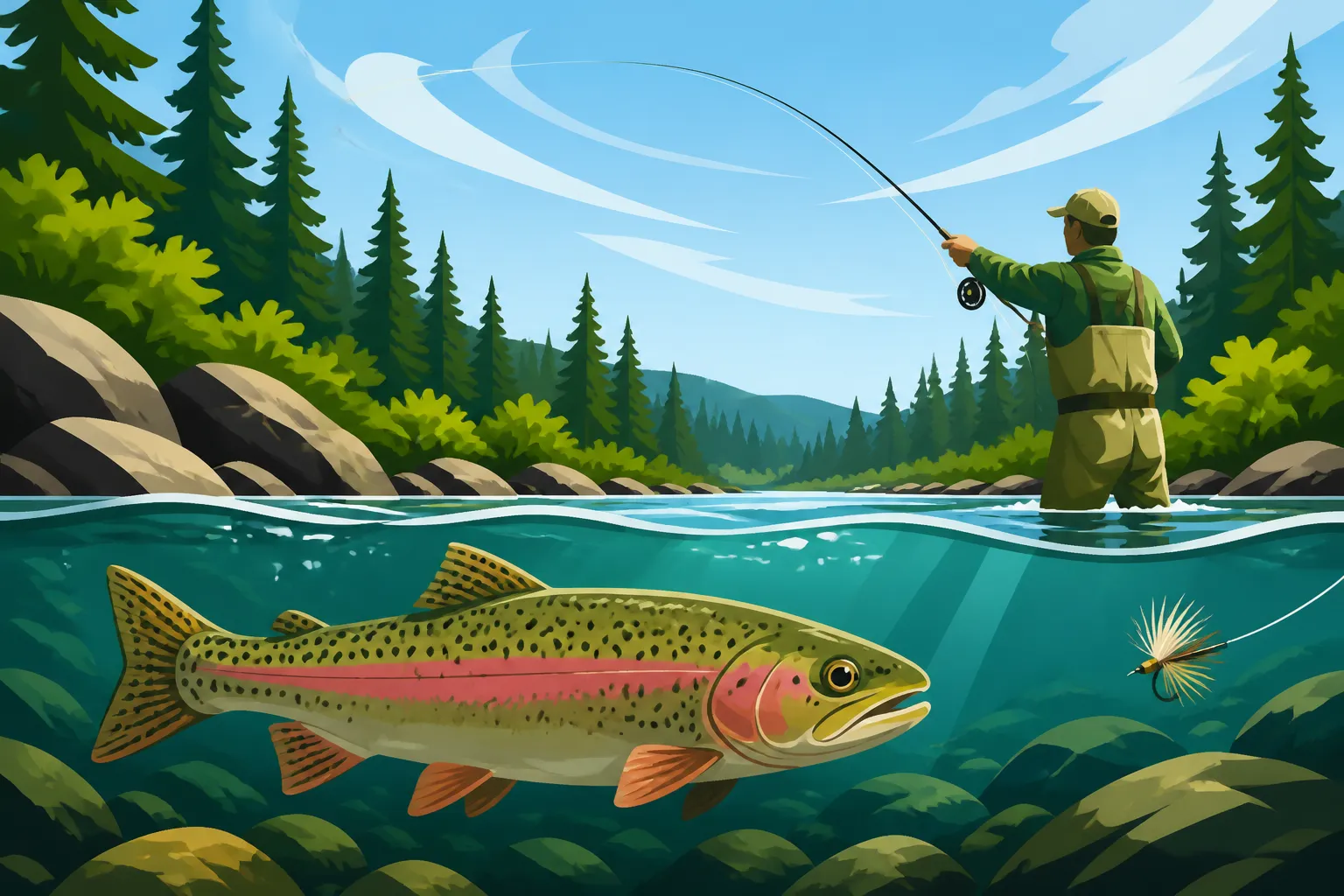
Best trout streams open to fly fishing only
It's incredibly frustrating when you're geared up for a serene day on the water, only to find your favorite trout stream bustling with anglers using all sorts of methods, often making the experience less about the delicate art of fly fishing and more about crowds. Many of us long for those tranquil spots where the challenge lies solely in presenting the perfect fly, not in navigating around other gear. This guide is here to help you discover those rare gems in Ontario – streams designated specifically for fly fishing only – providing the pure, unadulterated trout fishing experience you've been dreaming of.
Understanding "Fly Fishing Only" Regulations in Ontario
Navigating the world of fishing regulations can feel like trying to tie a tiny fly on a windy day – confusing and sometimes a little maddening. When it comes to "fly fishing only" waters in Ontario, these designations aren't just suggestions; they are strictly enforced rules put in place to protect sensitive trout populations and provide a unique angling experience. These regulations are typically found in specific sections of rivers or smaller streams, often targeting areas known for their wild or self-sustaining trout populations. The goal is to reduce fishing pressure, minimize habitat disturbance, and promote catch-and-release practices that are more inherent to fly fishing.
Why These Special Regulations Exist
The reasons behind "fly fishing only" rules are rooted deeply in conservation and angler experience. Firstly, fly fishing, when done responsibly, is generally considered to have a lower impact on fish and their habitat compared to other methods. The use of single, barbless hooks and the inherent focus on delicate presentation often lead to less fish mortality, especially for species like brook trout or brown trout that can be particularly vulnerable. These pristine environments are often critical spawning grounds or provide crucial cold-water refuge for trout, making their protection paramount.
Secondly, these regulations preserve the aesthetic and challenging nature of fly fishing. They ensure that anglers seeking this specific discipline can do so without interference from methods that might be more disruptive to the fish or the natural ambiance of the stream. It creates a space where the pursuit is less about quantity and more about the quality of the experience, the skill involved, and the connection to nature. It's about finding that perfect drift and outsmarting a wary trout on its terms.
How to Identify and Verify Regulated Waters
Finding these specific "fly fishing only" zones requires a bit of detective work, but it's essential for staying compliant and ensuring you're in the right place. Your absolute first stop should always be the current Ontario Fishing Regulations Summary. This comprehensive document, updated annually, is your bible for all things fishing in the province. Within its pages, you'll find detailed descriptions of specific zones, including special regulations for particular water bodies or sections of rivers. Look for sections detailing "Special Regulation Waters" or "Trout Sanctuaries" within your desired Fisheries Management Zone (FMZ).
Beyond the official summary, local bait and tackle shops, especially those specializing in fly fishing, are invaluable resources. They often have firsthand knowledge of these specific stretches of water and can provide current conditions or even suggest local guides who know the ins and outs. Online forums and dedicated fly-fishing groups in Ontario can also offer insights, but always cross-reference any information with the official regulations. For a clearer picture, the Ontario Fish ON-Line Interactive Zone Map, Explained can help visualize these zones, but always consult the text for specific rules.
Top Fly Fishing Only Trout Streams in Ontario
While Ontario boasts countless incredible trout streams, only a select few are designated as "fly fishing only." These spots offer a purist's paradise, demanding skill and respect for the fishery. It's important to remember that even within these streams, regulations can vary by specific section, so always consult the latest summary.
Grand River's Upper Sections
The Grand River, a Canadian Heritage River, is undeniably one of Ontario's most renowned fly-fishing destinations, particularly its upper reaches near Fergus and Elora. While much of the river is open to various angling methods, specific stretches are clearly marked as "fly fishing only" and often also as "catch and release." These sections are famous for their healthy populations of wild brown trout and rainbow trout. The cold, clear water, rich insect life, and diverse structure make it a challenging yet rewarding fishery. You'll find everything from riffles and runs to deeper pools and undercut banks where large trout love to hide.
Anglers targeting these stretches often focus on presenting delicate dry flies during prolific hatches, or nymphing techniques to fool fish feeding sub-surface. The complexity of the river, with its limestone bedrock and varied currents, demands precise casting and reading of the water. Many passionate fly anglers consider the Grand River a true test of skill, often spending years refining their approach to its wily trout. Guides operating on the Grand River often have intricate knowledge of these specific fly-fishing-only stretches, offering invaluable insights for newcomers. If you're looking to book a guided trip to maximize your success and learn the nuances of this incredible river, platforms like FishingBooker can help you find experienced local guides.
Credit River's Designated Trout Zones
Much like the Grand River, the Credit River, particularly its headwaters and certain stretches downstream in the Caledon and Erin areas, holds special significance for fly anglers. While not entirely "fly fishing only," specific conservation areas and designated trout waters within the Credit River system have very strict regulations, often limiting gear to flies only and mandating catch and release. These sections are primarily known for their wild brook trout and a robust population of brown trout. The river here can be smaller and more intimate than the Grand, often requiring stealthier approaches and shorter casts.
The beauty of the Credit River's designated zones lies in their pristine nature and the challenge they present. Wading can be tricky due to slippery rocks and varied depths, making good Wading Boots for Rocky Streams essential. Anglers frequently use light tackle and focus on presenting small, realistic fly patterns. During spring, you might find some excellent opportunities for early season trout, while summer months demand searching for cooler, oxygenated pockets. Respecting the delicate ecosystem is paramount here, and anglers are encouraged to practice careful handling of fish, minimizing their time out of water.
Smaller, Less Publicized "Heritage" Streams
Beyond the well-known major rivers, Ontario is home to a network of smaller, often un-named or locally recognized "heritage" streams that may have "fly fishing only" or highly restrictive regulations. These are typically smaller creeks, often tributaries to larger systems, that flow through private lands or less accessible public conservation areas. These streams are usually the domain of native brook trout, fish that thrive in cold, clean, oxygenated water. Finding these spots can be challenging, as their locations are often closely guarded by local anglers and conservation groups to protect their delicate ecosystems.
These streams demand a different approach. Expect dense overhead cover, requiring roll casts or bow-and-arrow casts, and a focus on short, accurate presentations. The trout here are often smaller but incredibly vibrant and aggressive, making for exhilarating sight-fishing opportunities. Access might involve bushwhacking or gaining permission from landowners. Always double-check regulations for these smaller waters, as they can sometimes be temporary or subject to unique local rules. When exploring such areas, always ensure you have your Ontario Fishing License Guide for 2026 handy and understand the local Ontario Fishing Regulations Explained to avoid any issues.
Essential Gear and Techniques for Ontario's Fly-Fishing Only Waters
Venturing into "fly fishing only" waters means embracing a specific set of tools and skills. It’s not just about having a fly rod; it’s about having the right fly rod, the appropriate flies, and the techniques to effectively present them in these often-challenging environments. Precision and subtlety are key when targeting wary trout in these protected sanctuaries.
Rod, Reel, and Line Selection
For most of Ontario's dedicated trout streams, a lightweight setup is your best friend. A 7.5 to 9-foot fly rod in a 3-weight or 4-weight is typically ideal. This provides enough backbone to cast small to medium-sized flies accurately, yet offers the sensitivity needed to feel subtle takes from delicate-feeding trout. A 5-weight rod can also be versatile, especially if you anticipate slightly larger fish or windier conditions. Paired with a matching reel that balances the rod well and a floating weight-forward fly line, you'll have a capable setup. Many anglers also carry a spare spool with a different line type, perhaps a sink-tip, if they anticipate needing to get flies deeper in specific situations, though floating line covers most fly-fishing-only scenarios.
When it comes to leader and tippet, discretion is paramount. For these clear, often low-pressure waters, long leaders (9-12 feet) tapering down to fine tippet (5X, 6X, or even 7X) are crucial for presenting flies naturally without spooking the fish. Fluorocarbon tippet can be advantageous due to its invisibility underwater and its abrasion resistance, which is helpful around rocky bottoms or submerged timber. Having a selection of tippet spools in various sizes is always a good idea.
Key Fly Patterns for Ontario Trout
The phrase "match the hatch" rings truer than ever on fly-fishing-only waters. Observing the insects present in or around the stream is your best bet for choosing effective flies. However, a core selection will cover most situations.
Dry Flies:
- Elk Hair Caddis: A fantastic all-rounder, imitating adult caddisflies. Sizes #12-18.
- Parachute Adams: Represents a variety of mayflies and is easily visible on the water. Sizes #14-20.
- ** stimulator: Great for larger stonefly or caddisfly imitations. Sizes #10-14.**
- Terrestrials: In late summer and fall, ants, beetles, and grasshopper patterns can be deadly. Sizes #10-16.
Nymphs:
- Pheasant Tail Nymph: A classic mayfly nymph imitation that almost always works. Sizes #14-20.
- Hare's Ear Nymph: Another versatile pattern, imitating various aquatic insects. Sizes #12-18.
- Prince Nymph: A flashier pattern that can trigger strikes even when fish aren't actively feeding. Sizes #12-16.
- Zebra Midge: For small midge larvae, especially effective in winter or slower pools. Sizes #18-22.
Streamers:
- Woolly Bugger: A staple that can imitate baitfish, leeches, or large insects. Black, olive, or brown in sizes #8-12.
- Muddler Minnow: Excellent for imitating sculpins or other small baitfish. Sizes #6-12.
For a deeper dive, check out this guide on Fly Patterns for Ontario Trout Streams to ensure your fly box is perfectly stocked.
Essential Techniques and Presentation
Successful fly fishing on these sensitive waters hinges on subtle, natural presentations.
- Reading the Water: Learn to identify holding lies: riffles, runs, pools, undercut banks, current seams, and structure like logs or boulders. Trout will be in places where they can feed easily with minimal energy expenditure while feeling secure.
- Casting Accuracy: Pinpoint casts are often required to get your fly into tight pockets or under overhanging branches. Practice your roll casts and various types of accurate overhead casts.
- Drag-Free Drift: This is paramount. Your fly must float or drift at the same speed as the current, without any tugging from your line. This often requires mending your line upstream during the drift.
- Nymphing Techniques: Indicator nymphing (using a bobber-like indicator) or Euro nymphing (direct contact with nymphs, no indicator) are incredibly effective when trout are feeding subsurface.
- Stealth: Approach the water carefully. Trout in these areas are often highly aware of their surroundings. Wear subdued clothing, minimize noise, and try to stay low to the ground, especially when fishing smaller streams.
For more detailed strategies, consider exploring articles on Wading Techniques for Ontario Trout Streams and general Fly Fishing for Trout in Ontario to refine your approach.
Here's a quick comparison of common fly patterns for Ontario's "fly fishing only" trout streams:
| Fly Type | Common Patterns | Imitates | Best Seasons | Ideal Conditions | Notes |
|---|---|---|---|---|---|
| Dry Flies | Parachute Adams, Elk Hair Caddis, Stimulator, Hoppers | Mayflies, Caddisflies, Stoneflies, Terrestrials | Spring, Summer, Fall | Hatches, warmer days | Delicate presentation, visible take |
| Nymphs | Pheasant Tail, Hare's Ear, Prince, Zebra Midge | Mayfly/Caddisfly Larvae, Midges, Small Insects | Year-round | Subsurface feeding | Drag-free drift crucial, often weighted |
| Streamers | Woolly Bugger, Muddler Minnow | Baitfish, Leeches, Sculpins | All Seasons | Aggressive fish, high water | Active retrieves, target structure |
Conservation and Etiquette on Sensitive Fly Fishing Only Waters
These unique "fly fishing only" waters are often delicate ecosystems, home to precious wild trout populations. As anglers, we have a profound responsibility to protect them, ensuring they remain vibrant for generations to come. Your actions on the stream directly impact the health of the fishery and the quality of the experience for everyone.
Practicing Responsible Catch and Release
Given that many "fly fishing only" sections are also catch-and-release, mastering responsible handling is non-negotiable. The goal is to release the fish in the best possible condition, maximizing its survival rate.
- Minimize Handling: Try to keep the fish in the water as much as possible. If you must lift it for a quick photo, do so gently and support its full weight, especially around the belly.
- Wet Hands: Always wet your hands before touching a fish. Dry hands can remove the protective slime coat, making the fish vulnerable to disease.
- Barbless Hooks: Most fly-fishing-only regulations mandate barbless hooks, or at least pinch down your barbs. This makes hook removal quicker and causes less damage to the fish's mouth.
- Quick Release: Remove the hook as quickly and gently as possible. If the fish is deeply hooked (which is rare with flies and barbless hooks), cut the line rather than trying to rip the hook out.
- Revive the Fish: Hold the fish gently in the current, facing upstream, until it can swim away under its own power. Never throw or toss a fish back into the water.
- Gear for Release: A proper catch-and-release net with fine, knotless mesh is highly recommended. These nets protect the fish's fins and slime coat. A good pair of hemostats or long-nosed pliers will aid in quick hook removal.
Remember, the survival of these wild populations depends on every angler's commitment to these practices.
Respecting the Environment and Other Anglers
Beyond fish handling, responsible angling encompasses a broader respect for the environment and the community of anglers who share these special places.
- "Leave No Trace" Principles: Pack out everything you pack in, including all trash, broken line, and discarded tippet. These streams are often in pristine natural settings; let's keep them that way.
- Wading Safely and Minimally: While wading is often necessary, try to minimize your disturbance to the stream bed. Avoid shuffling your feet excessively, which can dislodge insect larvae and stir up sediment. Be mindful of potential redds (fish spawning beds), especially during spawning seasons.
- Private Property: Many "fly fishing only" sections might border or even pass through private land. Always respect "No Trespassing" signs and seek permission if you're unsure about access. Ignorance of boundaries is not an excuse.
- Angler Etiquette: These streams are often small, and peace is part of the experience. Give other anglers ample space, especially if they are already fishing a stretch of water. Don't crowd them or cast over their lines. If you arrive at a spot where someone is already fishing, either move further upstream or downstream to an unoccupied area, or politely ask if you can fish nearby. A simple nod or wave is often all that's needed.
- Know Your Ontario Boating Laws for Anglers: Even if you're wading, understanding waterway rules is crucial, especially where streams might merge or cross navigable sections. While you might not be in a boat, some rules about disturbing wildlife or waterway access might still apply.
By adhering to these principles, you contribute to a sustainable and enjoyable fly-fishing culture in Ontario. If you're new to these waters or prefer to have an expert show you the ropes, consider hiring a local guide. Websites like FishingBooker are excellent resources for finding experienced guides who specialize in fly fishing and adhere to strict conservation practices on Ontario's best trout streams. They can teach you the intricacies of these specific waters and techniques like Euro Nymphing Ontario Trout Streams to ensure a successful and responsible outing.
Disclaimer
The information provided in this guide is for general informational purposes only and is not intended to be legal advice. Fishing regulations in Ontario are subject to change by the Ministry of Natural Resources and Forestry (MNRF). It is the angler's sole responsibility to consult the most current official Ontario Fishing Regulations Summary before engaging in any fishing activity. Failure to comply with regulations can result in significant fines and penalties. Always prioritize safety and conservation.