Best walleye spots on Lake Nipissing
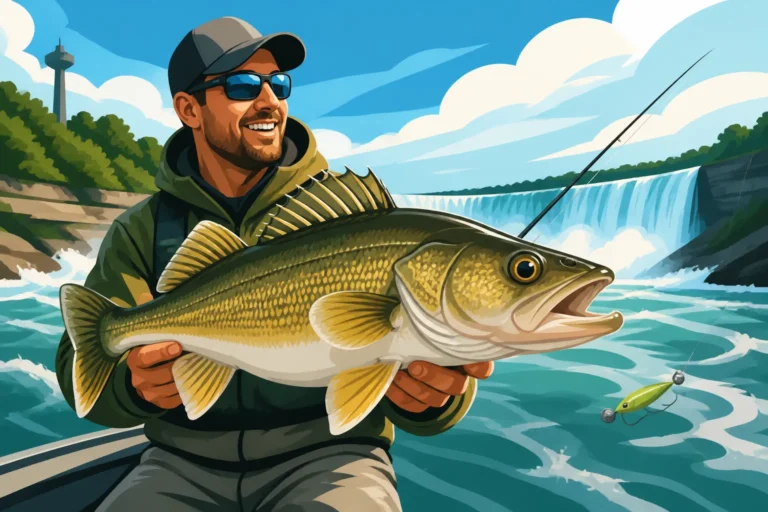
Trying to find those elusive walleye on a massive body of water like Lake Nipissing can feel like an overwhelming challenge, especially if you're not intimately familiar with its sprawling depths and intricate structure. It’s easy to spend a whole day drifting, casting, and feeling frustrated without a single bite, leaving you wondering where everyone else is finding those golden ghosts. This guide is designed to cut through that frustration, offering you a detailed breakdown of the best walleye spots on Lake Nipissing, alongside the strategies you'll need to turn a slow day into a successful one.
Understanding Lake Nipissing's Walleye Habitat
Lake Nipissing isn't just a big lake; it's a dynamic ecosystem, and understanding its various features is key to unlocking its walleye potential. Walleye are creatures of habit, driven by forage, light conditions, and structural elements. Knowing what to look for and where can drastically improve your chances.
Key Structural Elements for Walleye
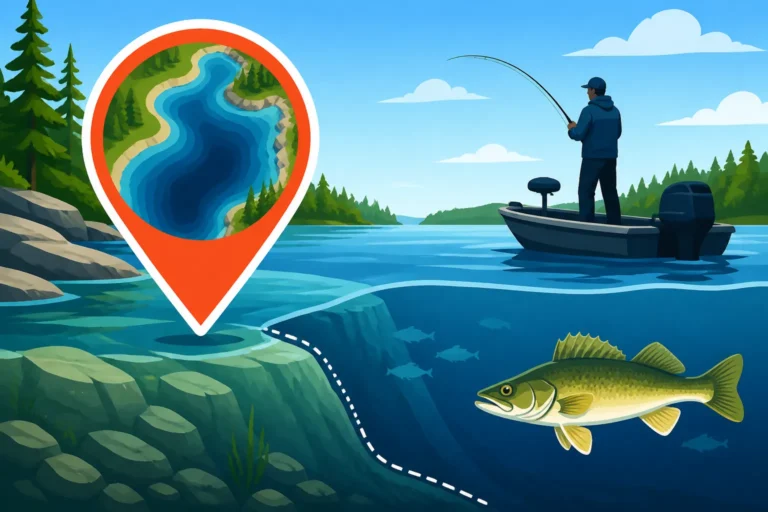
Walleye on Lake Nipissing love structure. This includes everything from gradual sloping flats to sharp drop-offs, expansive weed beds, and especially rocky reefs and shoals. These features provide ambush points for feeding and protection from bright sunlight.
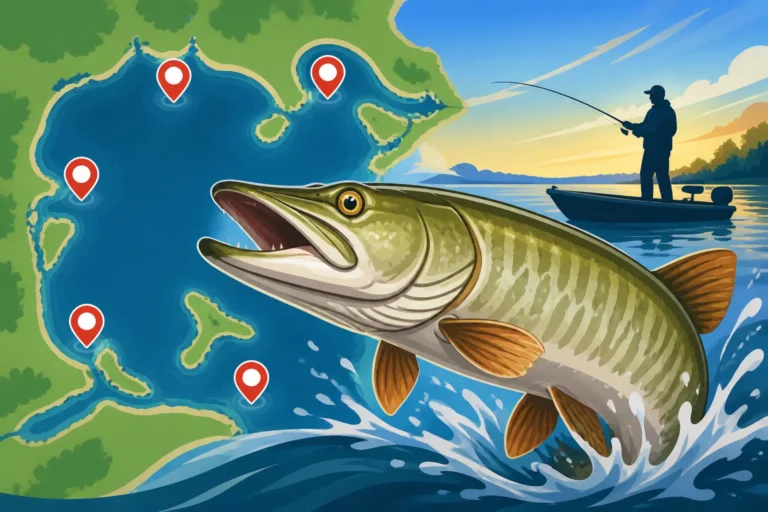
Lake Nipissing is relatively shallow for its size, with an average depth of around 15 feet, but it boasts numerous humps, shoals, and islands that act as magnets for walleye. For instance, the many islands in the central and western parts of the lake, like those leading into West Bay or the waters around the Manitou Islands, often hold rocky points and submerged reefs that attract baitfish, and in turn, walleye. These areas create current breaks and diverse habitat, making them prime real estate for predatory fish. During summer, when the sun is high, walleye will often retreat to the cooler, deeper sides of these structures or burrow into the denser parts of weed lines. Keep an eye out for areas where sand transitions to rock, or where shallow flats suddenly plunge into deeper water – these are classic walleye highways.
Forage and Water Conditions
Walleye are opportunistic feeders, and their location is heavily dictated by the presence of baitfish. On Lake Nipissing, common forage includes yellow perch, cisco (lake herring), minnows, and shiners. The availability and movement of these prey species directly influence where you'll find walleye throughout the year.
The lake’s water can vary from clear in certain areas to more turbid, especially after heavy rains or in shallower bays with high wind activity. Walleye are notoriously light-sensitive, preferring low-light conditions. This means they'll often be found in deeper water, under heavy cloud cover, or during dawn and dusk in shallower zones. In the muddier or stained waters often found in areas like the lower reaches of the Sturgeon River delta or parts of Cache Bay, walleye might be more active during daylight hours, as the reduced light penetration offers them comfort. Understanding the local baitfish patterns and how water clarity affects walleye behavior is crucial. Many experienced anglers track the perch schools, knowing that where the perch are, the walleye won't be far behind. You can learn more about What walleye eat in Ontario lakes to help you pick the best baits.
Top Walleye Hotspots on Lake Nipissing
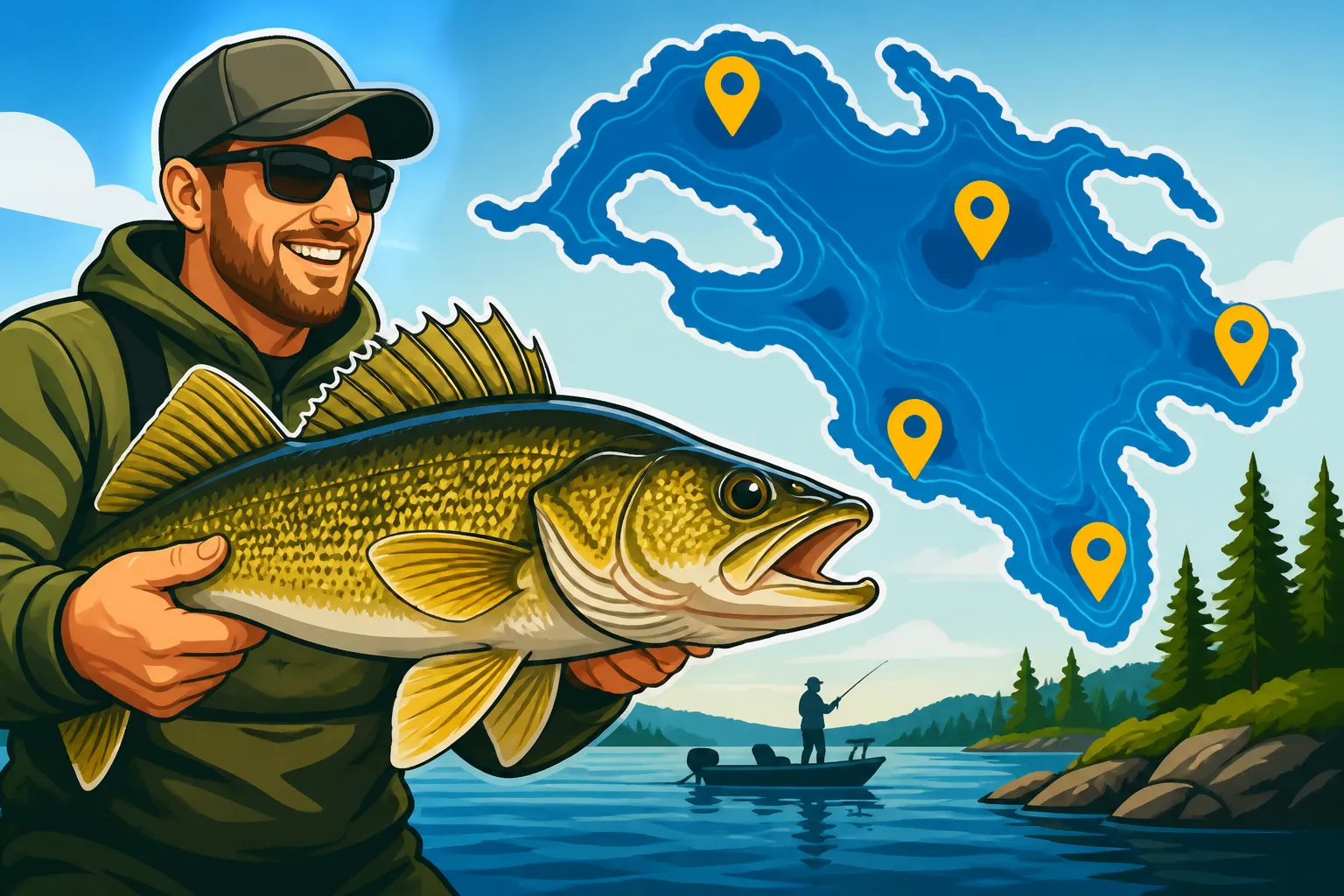
Lake Nipissing offers a plethora of walleye opportunities, but certain areas consistently produce better results due to their prime habitat and forage availability. Let's dive into some of the most reliable spots.
Western Basins and Islands
The western part of Lake Nipissing, particularly around West Bay and the Sturgeon River mouth, is legendary for its walleye fishing. This area offers a mix of riverine influence, expansive shallow flats, and numerous islands providing diverse structure.
The confluence where the Sturgeon River flows into Lake Nipissing is a perennial hotspot, especially during the spring walleye opener and again in the fall. Walleye congregate here, attracted by the river's current, the abundance of baitfish, and the varied bottom structure. As the season progresses, walleye disperse into West Bay, utilizing the deeper channels and the edges of the vast weed flats. The multitude of small islands, humps, and shoals scattered throughout this western region, such as those near Iron Island, offer excellent fishing opportunities. These structures often have rocky points and drop-offs that serve as perfect ambush points. Drifting over these submerged structures with live bait or casting crankbaits along the weed edges can be incredibly effective. Anglers often find success by focusing on the 10-20 foot depth range around these islands, especially during mid-day.
Central and Eastern Shores
While the western side gets a lot of attention, the central and eastern portions of Lake Nipissing, including areas around Callander Bay and the North Bay shoreline, hold their own secrets for walleye. These areas, though often busier, still yield fantastic results for those who know where to look.
Callander Bay, on the southeastern side of the lake, is a large, relatively shallow bay with extensive weed growth and numerous smaller islands and reefs. It's a fantastic spot for spring and fall walleye, as fish move into shallower water to feed. The bay's protected nature also makes it a good option on windy days when the main lake is too rough. Look for walleye along the deeper weed lines, particularly where they transition to rock or sand. Trolling crankbaits or casting jigs tipped with a minnow or worm can be very productive here. Further north, the shoreline stretching towards North Bay, while more developed, still offers productive points and submerged structures. The areas outside of the marinas and public access points can hold unexpected gems, especially during periods of low light or when fish are following bait schools along the main lake's deeper contours. You might want to explore the Lake Nipissing Fishing Guide for more detailed information on this entire region.
South Bay Secrets
South Bay, a large, relatively isolated bay on the southern end of Lake Nipissing, offers a unique and often less pressured walleye experience. Its diverse habitat makes it a consistent producer throughout the year.
South Bay features a mix of rocky shorelines, deeper channels, and extensive weed beds, providing excellent habitat for walleye and their forage. The entrance to South Bay, with its transition from the main lake basin, is often a prime location, as walleye use these channels for movement. Within the bay, focus on the numerous points, humps, and submerged islands. Many of these structures top out in 8-15 feet of water and are surrounded by deeper basins, making them ideal feeding zones. Trolling a bottom bouncer with a crawler harness or drifting jigs over these contours can be highly effective. The eastern arm of South Bay, often less explored, can also offer fantastic fishing, particularly in areas with good weed-to-rock transitions. If you're looking for a quieter experience with the potential for solid walleye, South Bay is definitely worth the venture. Remember to always check the Ontario Fishing Regulations Explained before heading out.
Seasonal Strategies for Lake Nipissing Walleye
Walleye behavior changes dramatically with the seasons, influenced by water temperature, spawning cycles, and forage availability. Adapting your tactics to the time of year is crucial for consistent success.
Spring Opener Tactics
The spring walleye opener on Lake Nipissing is a highly anticipated event, with anglers eager to get out after a long winter. Walleye during this period are typically in their post-spawn phase, actively feeding and often found in shallower, warmer waters.
After the ice retreats and the season opens, walleye will often linger near their spawning grounds or move into shallow bays and river mouths where water temperatures rise more quickly and baitfish are abundant. Areas like the Sturgeon River mouth, the protected shallow flats of West Bay, and the shallower parts of Callander Bay are prime locations. Fish will be relatively shallow, often in 5-15 feet of water, feeding aggressively to recover from spawning. Effective techniques include casting jigs tipped with live minnows, soft plastics, or paddle tails. Trolling shallow-diving crankbaits along emerging weed lines or over sand flats can also be incredibly productive. Focus your efforts during early mornings and late evenings, or on cloudy days when walleye are most active in these shallower zones. Make sure you know the exact Ontario Walleye Opener Dates by Zone as they can vary slightly.
Summer Deep Water Drifting
As summer progresses and water temperatures climb, Lake Nipissing walleye often transition to deeper, cooler water and become more structure-oriented. This is when understanding the lake's bottom contours truly pays off.
During the heat of summer, walleye will move to main lake humps, rock piles, and deep-water points, seeking thermal refuge and consistent access to forage like cisco and perch. You'll find them in depths ranging from 20-40 feet, sometimes even deeper, depending on the day and conditions. Vertical jigging with spoons or heavy jigs, often tipped with a minnow or worm, becomes a very effective method. Trolling with bottom bouncers and worm harnesses, or deep-diving crankbaits (like those from the Rapala Deep Tail Dancer or Berkley Flicker Shad lines), can cover a lot of water and locate scattered fish. Focus on mid-lake structures, sharp break lines, and the edges of deeper channels. If you're planning a trip, considering checking with a local charter. Many use services like FishingBooker to list their trips, providing a great way to find an experienced captain who specializes in summer walleye patterns.
Fall Transition Feeding Frenzy
The cooler water temperatures of autumn trigger a pre-winter feeding frenzy for walleye on Lake Nipissing. Fish become incredibly active, often moving back into shallower areas as they gorge on baitfish.
Fall can be one of the most rewarding times to target walleye on Lake Nipissing. As surface waters cool, walleye will push baitfish into shallower bays, points, and along main lake shorelines, especially areas with a good mix of rock and weeds. Depths of 10-25 feet are often key. Trolling medium-to-deep diving crankbaits is highly effective, allowing you to cover vast stretches of water. Casting large jigging raps, blade baits, or heavy jigs tipped with minnows can also produce big walleye, particularly around rocky points and breaks. Look for areas where schools of baitfish are congregating, often visible on your fish finder or marked by active birds. This time of year, walleye are putting on weight for winter, so they are less finicky and more likely to strike aggressively. Many anglers even opt for a multi-day trip during this prime season, often arranging accommodation and guides through services found on platforms like FishingBooker.
Planning Your Lake Nipissing Walleye Trip
A successful fishing trip involves more than just knowing where the fish are; it also requires planning, the right gear, and an understanding of local rules.
Engaging Local Expertise
Lake Nipissing is vast, and its walleye patterns can be complex. While this guide provides a solid starting point, nothing beats local knowledge. Professional fishing guides spend countless hours on the water, tracking fish movements and adapting to changing conditions.
If you're new to Lake Nipissing or want to maximize your chances, consider hiring a local guide. These experts not only know the current hotspots but also the most effective techniques for the conditions. They often have specialized equipment, from top-tier boats to Best Fish Finders for Ontario Lakes, and can teach you valuable skills. Platforms like FishingBooker are an excellent resource for finding reputable guides on Lake Nipissing. You can browse various charters, read reviews from other anglers, and book directly, ensuring you're connecting with a seasoned pro who can put you on the fish. A good guide can significantly shorten your learning curve and provide an unforgettable experience.
Essential Gear and Regulations
Beyond knowing the spots, having the right gear and respecting the rules are paramount. A well-equipped angler is a successful and responsible angler.
For walleye on Lake Nipissing, a medium to medium-heavy spinning or baitcasting rod, paired with a reliable reel spooled with 10-20 lb braided line and a fluorocarbon leader, is a versatile setup. Essential tackle includes a variety of jigs (1/4 to 1 oz), crankbaits (both shallow and deep divers), and bottom bouncers with worm harnesses. Don't forget a quality net, pliers, and a cooler for your catch. Most importantly, familiarize yourself with the Ontario Fishing License Guide for 2026 and ensure you have the appropriate license, whether it's an Ontario Sport vs Conservation Fishing License. Always carry a copy of the current Ontario Fishing Regulations Summary, available online or at license vendors, to ensure you comply with size limits, possession limits, and any special regulations for specific zones or species on Lake Nipissing.
| Walleye Hotspot | Primary Season(s) | Typical Depth (feet) | Recommended Techniques | Notes |
|---|---|---|---|---|
| Sturgeon River Mouth | Spring, Fall | 5-15 | Jigging (minnows/plastics), shallow crankbaits | Current breaks, post-spawn congregation, pre-winter feed |
| West Bay Islands | Summer, Fall | 10-25 | Trolling (crankbaits/harnesses), jigging | Rocky reefs, weed edges, baitfish schools |
| Callander Bay | Spring, Fall | 8-20 | Trolling (crankbaits), casting jigs | Extensive weed beds, protected from wind, shallow focus |
| Manitou Islands | Summer | 15-35 | Vertical jigging, deep trolling | Deep water structure, rocky humps, offshore |
| South Bay Points | All Year | 10-30 | Bottom bouncers, drifting jigs, deep crankbaits | Diverse habitat, less pressure, good structure |
| North Bay Shoreline | Spring, Fall | 5-20 | Casting jigs, trolling shallow crankbaits | Shoreline access, points, current breaks |
Disclaimer
The information provided in this guide is for general informational purposes only. Fishing conditions, regulations, and fish behavior can change rapidly. Always consult the most current Ontario Fishing Regulations Summary for the specific zone you are fishing in before heading out on the water. Stay safe and enjoy your time on Lake Nipissing!