Lake Nipissing Fishing Guide
Lake Nipissing, a vast and enigmatic body of water in Northern Ontario, presents both incredible opportunities and considerable challenges for anglers. Its sheer size and diverse structure can feel overwhelming, making it tough to know where to start, especially if you're chasing a specific species or visiting for the first time. This guide is designed to cut through that confusion, offering a comprehensive look at what makes Lake Nipissing a bucket-list destination and how to maximize your chances of a successful and memorable fishing adventure.
Lake Nipissing's Unique Appeal for Anglers
Lake Nipissing isn't just another big lake; it's a living legend in Ontario's fishing community. Often dubbed the "Gateway to the North," it's a massive, relatively shallow lake that offers an incredible diversity of angling experiences. Its reputation for abundant walleye, aggressive pike, and elusive muskie draws anglers from across North America, all seeking to experience its rich waters. But beyond the fish, it's the sheer beauty and wildness of the landscape that truly captivates.
A Fishery for All Seasons
One of the most remarkable aspects of Lake Nipissing is its year-round appeal. Each season brings a completely different fishing dynamic, offering fresh challenges and rewards. In the spring, anglers eagerly await the opening of walleye season, often hitting the shallow bays as soon as the ice is out, while the water is still chilly. The lake truly comes alive in the summer, with boats dotting the horizon and a multitude of species actively feeding. Come fall, the big fish start putting on the feedbag, making it prime time for trophy hunters.
And then there's winter. Lake Nipissing transforms into a massive ice fishing village, with thousands of ice huts appearing like magic. The sheer scale of the ice fishing operation here is something to behold, attracting families and serious anglers alike. It’s a completely different world out there, offering unique experiences like jigging for yellow perch or setting up tip-ups for northern pike through the ice. Regardless of when you visit, Lake Nipissing promises an adventure tailored to the season.
A Diverse Aquatic Ecosystem
Despite its relatively shallow average depth, Lake Nipissing boasts a surprisingly diverse aquatic ecosystem that supports its thriving fish populations. The lake features a mix of rocky shoals, expansive weed beds, numerous islands, and varying bottom compositions from sand to mud. This variety creates a multitude of habitats for different fish species, from the shallow, warm bays perfect for largemouth bass to the deeper, rockier structures where lake trout might be found (though they are not as prevalent as the other main species).
The interconnectedness of the lake with various rivers, like the South River and Sturgeon River, further enriches its environment, providing spawning grounds and migratory routes for many species. This ecological balance is what underpins the lake's incredible productivity, consistently producing impressive catches year after year. Understanding these varied habitats is key to deciphering where the fish are hiding, which changes not only with the season but even throughout a single day.
Connecting to Ontario's Rich Fishing Heritage
Fishing Lake Nipissing isn't just about catching fish; it's about connecting with a deeply ingrained part of Ontario's heritage. For generations, this lake has been a focal point for Indigenous communities, early settlers, and recreational anglers. The towns and communities surrounding the lake, such as North Bay, Callander, and Sturgeon Falls, have a strong fishing culture, with many local businesses catering specifically to anglers.
Visiting Nipissing is often about more than just a single trip; it's about becoming part of a tradition. You'll hear stories from seasoned locals, watch generations of families fish side-by-side, and witness the passion that this lake inspires. It's a place where the love of angling runs deep, and every cast feels like a nod to the countless anglers who have come before. This connection to a broader fishing narrative makes every trip to Lake Nipissing feel a bit more special, a real dive into the heart of northern angling.
Understanding Lake Nipissing's Key Species
Lake Nipissing is renowned for its diverse angling opportunities, but a few species truly stand out and draw the majority of the attention. Knowing what makes each of these fish tick – their habits, preferred habitats, and feeding patterns – is crucial for any successful trip. It’s not just about what you catch, but understanding the intricate dance between predator and prey in this incredible fishery.
Walleye: The Golden Prize
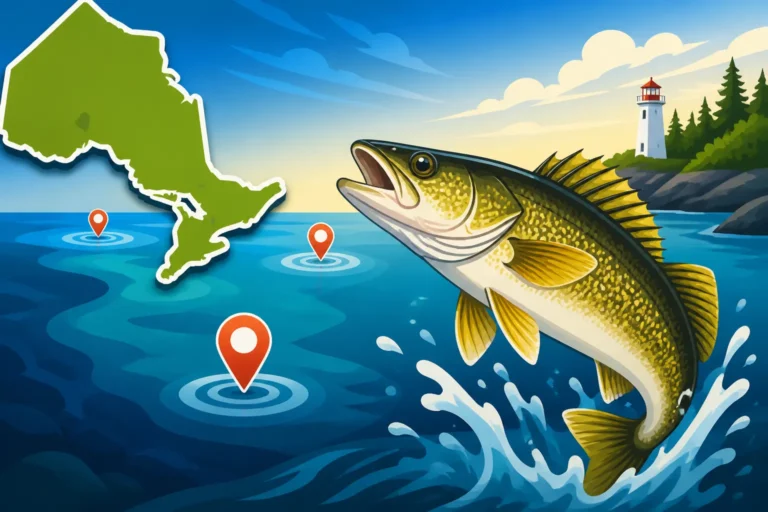
Ah, the walleye! For many, this is the main reason they make the pilgrimage to Lake Nipissing. Known for its delicious white flesh and notoriously challenging bite, the walleye is often called "pickerel" by locals, adding a touch of Northern Ontario charm. Nipissing has a reputation for producing not just numbers of walleye, but also some truly impressive specimens, often in the 5-7 pound range, with even larger fish landed regularly.
Walleye in Nipissing are typically found on or near structure, especially rocky shoals, humps, and the edges of weed beds. They prefer cooler, darker waters and are most active during low-light conditions, like dawn, dusk, or under cloudy skies. Their diet consists primarily of baitfish, such as yellow perch, cisco, and shiners. Anglers often target them using jigs tipped with minnows or soft plastics, crankbaits trolled along break lines, or bottom bouncers with worm harnesses. Understanding their seasonal movements – from shallow spawning areas in spring to deeper main lake structures in summer and back to transition zones in fall – is key to consistent success. For a detailed dive into techniques, check out our guide on how to catch walleye in Ontario.
Northern Pike: Aggressive Predators
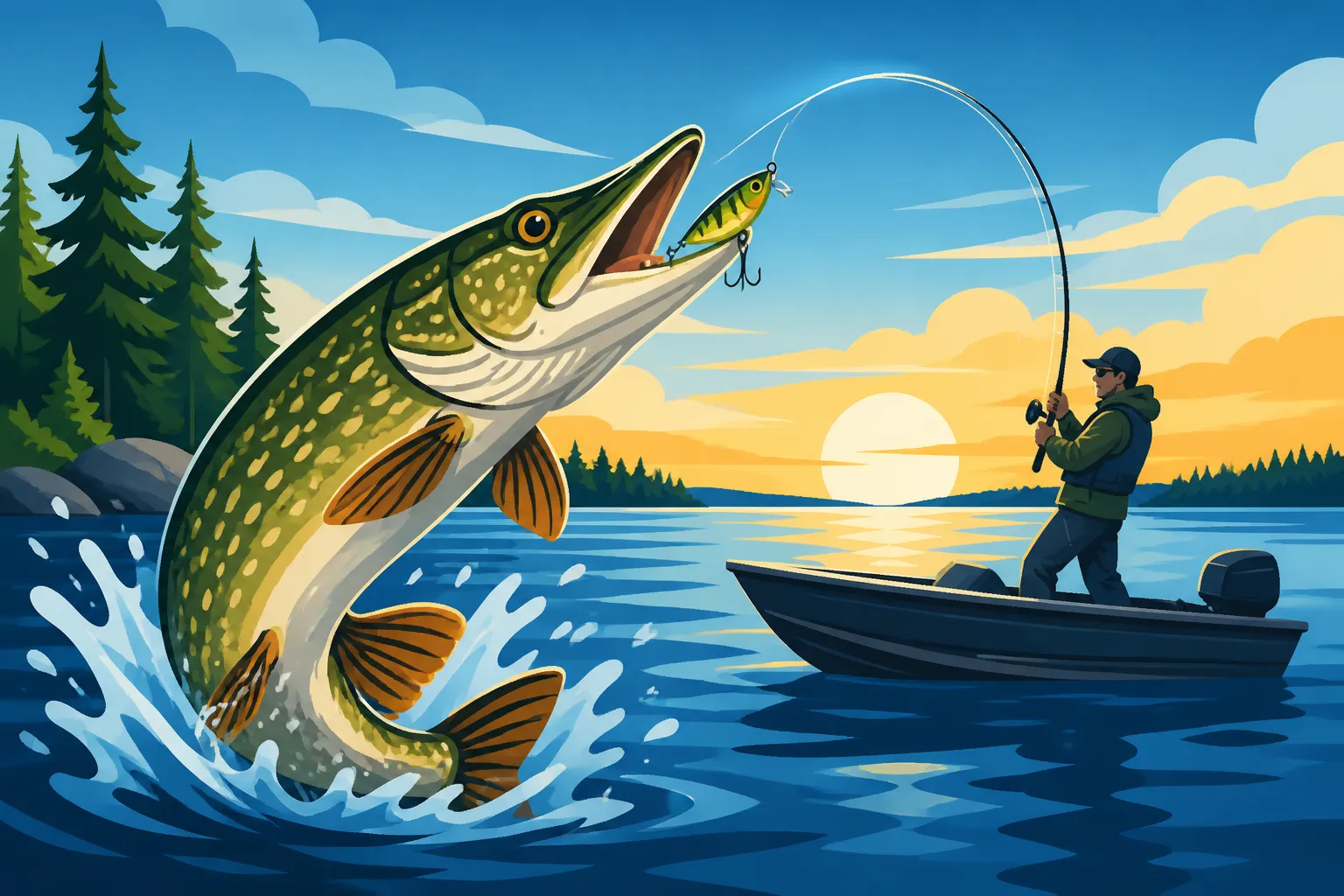
If you're looking for a thrilling fight, the northern pike of Lake Nipissing will not disappoint. These aggressive, toothy predators are abundant throughout the lake and are known for their explosive strikes and powerful runs. While many pike caught are "hammer handles" (smaller, slender fish), Nipissing has a strong population of larger fish, with trophies exceeding 15 pounds making regular appearances. They are often found lurking in weed beds, around fallen timber, or along the edges of drop-offs, patiently waiting to ambush unsuspecting prey.
Pike are opportunistic eaters, preying on nearly any fish they can fit into their mouths, as well as frogs, ducklings, and even small mammals. They are often targeted with large spoons, inline spinners, spinnerbaits, and jerkbaits. Live bait, particularly large shiners or suckers under a float, can also be incredibly effective, especially for larger fish. During the winter, when the lake is frozen over, pike provide fantastic action for ice anglers using tip-ups baited with dead smelt or minnows. Knowing the Ontario Northern Pike Winter Season in FMZ 20 can be particularly useful for those planning an ice fishing trip. Be sure to use a wire leader or heavy fluorocarbon to prevent bite-offs from their razor-sharp teeth!
Muskellunge: The Fish of 10,000 Casts
For the dedicated trophy hunter, Lake Nipissing offers the ultimate challenge: the muskellunge. Often referred to simply as "muskie," these giants are the apex predators of the lake, renowned for their elusive nature and formidable size. Nipissing has long been a storied muskie fishery, consistently producing fish over 50 inches, with the potential for true giants. Catching a muskie is a test of patience, persistence, and skill, often requiring countless casts for just one unforgettable strike.
Muskie prefer ambush points like dense weed edges, rocky points, and submerged timber. They typically feed on larger baitfish, waterfowl, and even smaller mammals. Anglers pursuing muskie use specialized heavy-duty gear, casting or trolling massive bucktails, crankbaits, gliders, and soft plastics. The "figure-eight" boat-side maneuver, where you continue to sweep your lure in a large "8" pattern next to the boat after a retrieve, is a critical technique to entice follows into striking at the last second. Remember, muskie fishing is not for the faint of heart, but the reward of landing one of these magnificent creatures is unparalleled. Our guide on How to Catch Muskie in Ontario offers more in-depth strategies.
Smallmouth Bass: Feisty Fighters
While walleye and muskie might grab the headlines, the smallmouth bass in Lake Nipissing offer incredible, fast-paced action. Known for their powerful fights, acrobatic jumps, and willingness to strike a variety of lures, smallmouth bass are a favorite among many anglers. They are widespread across the lake, particularly preferring rocky shorelines, points, shoals, and areas with gravel or sand bottoms where they can ambush baitfish.
Nipissing's smallmouth population thrives in the lake's diverse structure, and it's not uncommon to encounter fish in the 3-5 pound range, with larger specimens always a possibility. Anglers targeting smallmouth often use techniques like dropshotting, casting tube jigs, Ned rigs, or creature baits along rocky bottom. Topwater lures, like poppers and walk-the-dog baits, provide explosive action on calm mornings and evenings. Crankbaits and spinnerbaits are also effective for covering water and locating active fish. They put up such a spirited fight that even experienced anglers find them incredibly exciting to catch.
Navigating Lake Nipissing's Geography
Lake Nipissing is a big body of water – the third-largest lake entirely within Ontario – and its vastness can be daunting. But once you start to understand its key geographical features, it becomes a lot less intimidating and a lot more predictable. Fish relate heavily to structure, and Nipissing offers an incredible array of it. Knowing the major bays, islands, shoals, and river systems is like having a secret map to where the fish are hiding.
Major Bays and Their Fishing Opportunities
The various bays of Lake Nipissing offer distinct fishing opportunities, each with its own character and species concentrations. These sheltered areas often warm up faster in the spring, making them prime spots for early-season action, and provide refuge during rough weather.
- Callander Bay: Located on the southeastern side of the lake, Callander Bay is a popular spot, particularly for walleye and northern pike. It features varied depths, weed beds, and proximity to the town of Callander, offering easy access. The shallower, weedy areas hold pike, while walleye often relate to the deeper edges and transition zones. It's a fantastic spot for spring and fall fishing, and a hotspot for ice fishing in winter.
- South Bay: Further west from Callander, South Bay is another significant arm of the lake. It's known for its excellent walleye and smallmouth bass fishing, with numerous rocky points and shoals creating ideal habitat. The South River flows into this bay, providing current and nutrients that attract baitfish, and therefore, predators. Anglers often find success here by targeting the many small islands and submerged reefs.
- West Arm: Stretching towards the town of Sturgeon Falls, the West Arm is characterized by a slightly narrower, more river-like section with deeper channels and extensive weed growth. This area is a muskie haven, and also holds excellent populations of walleye and pike. The numerous submerged logs and thick vegetation offer perfect ambush points for these predatory species. It's a complex area to navigate but incredibly rewarding for those who learn its secrets.
The Shoals and Islands: Structure for Success
Beyond the bays, the main lake basin of Lake Nipissing is dotted with countless islands and submerged shoals, which are absolute magnets for fish. These structures break up the flat bottom, providing cover, feeding grounds, and navigational cues for various species.
- Goose Island and the surrounding area: This large island complex in the central part of the lake is famous for its rocky structure, humps, and proximity to deeper water. It's a classic walleye and smallmouth bass hotspot, especially as the season progresses and fish move out of the shallower bays. The transition zones around these islands, where shallow rocks meet deeper water, are key areas to focus on.
- Manitou Islands: These historic islands, located in the north-central part of the lake, are another significant area. The water surrounding the Manitou Islands features intricate rocky structures, sudden drop-offs, and current breaks. This complexity makes it an ideal habitat for muskie and large pike, as well as providing excellent ambush points for walleye. Charting a course around these islands requires careful navigation, but the fishing rewards can be immense.
- Submerged Shoals and Humps: Lake Nipissing is notorious for its many shallow, unmarked shoals that can be dangerous for boaters but are goldmines for anglers. These underwater islands, often rising abruptly from a deeper flat, concentrate baitfish and provide excellent feeding stations for walleye and smallmouth bass. Using a good GPS and depth sounder is paramount for both safety and success when exploring these areas. Always consult up-to-date navigational charts and err on the side of caution. Many excellent fishing spots are marked on nautical maps, like the popular areas around the Goose Islands or the various humps in the main basin. You can use resources like the Ontario Fish ON-Line Interactive Zone Map, Explained to get a better sense of the depths and features.
Inflow and Outflow Rivers: Natural Funnels
The rivers flowing into and out of Lake Nipissing play a critical role in its ecology and fishing dynamics. These waterways act as natural funnels, concentrating fish during certain times of the year and providing essential spawning grounds.
- Sturgeon River: Entering the lake on its northwestern side near Sturgeon Falls, the Sturgeon River is a vital artery for the Nipissing fishery. This river is a renowned walleye and pike fishery itself, and fish from the lake often migrate into the river for spawning in the spring. The confluence of the river with the lake, and the associated current breaks and depth changes, are prime areas for targeting active fish. Its shallower, winding sections are also excellent for smallmouth bass.
- South River: Flowing into South Bay, the South River provides similar benefits on the southern side of the lake. Like the Sturgeon River, it's a significant spawning ground for walleye and pike, and the areas around its mouth can be incredibly productive during migratory periods. The flow of fresh water and nutrients often concentrates baitfish, making it an attractive spot for predators.
- French River (Outflow): Lake Nipissing outflows into the French River, which then carries its waters to Georgian Bay. The upper reaches of the French River, particularly close to the lake, offer fantastic fishing, especially for muskie and walleye. The current, rocky points, and numerous islands of the French River create prime habitat. While technically no longer Lake Nipissing, this interconnected system means that fish can and do move between the two bodies of water, further enriching the overall fishing experience. Anglers often target the areas immediately downstream from the dam at the lake's outflow.
Essential Gear and Tackle for Nipissing
Approaching a vast and diverse fishery like Lake Nipissing means you can't just show up with one rod and a handful of lures. To truly make the most of your trip and be ready for whatever the lake throws at you – whether it's a subtle walleye bite or an aggressive muskie strike – having the right gear is paramount. It’s about being prepared, not overpacked.
Rods, Reels, and Line for Multi-Species Action
Given the variety of species in Lake Nipissing, a multi-purpose approach to your rod and reel selection is wise. You'll likely want a few different setups to cover your bases.
- Walleye & Smallmouth Bass: For walleye and smallmouth, a medium to medium-heavy spinning rod, typically 6'6" to 7' in length, is ideal. Pair this with a 2500 or 3000 series spinning reel spooled with 10-15 lb braided line. Braid offers sensitivity and strength, and you can add a 6-10 lb fluorocarbon leader for stealth. This setup is versatile enough for jigging, casting crankbaits, or working soft plastics.
- Northern Pike: For pike, you'll want to step up your gear. A medium-heavy to heavy power casting or spinning rod, 7' to 8' long, is perfect. Match this with a robust baitcasting reel (300 series) or a larger spinning reel (4000-5000 series) spooled with 20-40 lb braided line. A steel or heavy fluorocarbon leader (30-80 lb) is absolutely essential to prevent bite-offs. This setup will handle the larger lures and the powerful fights of a big pike.
- Muskellunge: This is where the gear gets serious. Muskie fishing requires specialized heavy-duty equipment. You'll need a heavy to extra-heavy power baitcasting rod, typically 8' to 9'6" in length, paired with a low-profile baitcasting reel designed for large lures (e.g., a 400 or 500 series). Spool up with 65-100 lb braided line, and always use an appropriate muskie leader (at least 12-18 inches of 100-150 lb fluorocarbon or wire). This robust setup is critical for casting heavy baits all day and safely handling these powerful fish. For more guidance on specialized gear, consider our article on the Best Muskie Gear for Ontario Waters.
Lure Selection: What to Bring for Each Fish
Having the right lures in your tackle box is just as important as your rod and reel. Focus on versatile options that imitate common baitfish in Lake Nipissing.
- Walleye:
- Jigs: 1/4 oz to 1 oz jigs in various colors (chartreuse, orange, white, black) are staples. Tip them with live minnows, plastic grubs, or swimbaits.
- Crankbaits: Medium-diving crankbaits in perch, shad, or firetiger patterns are excellent for trolling or casting over shoals. Examples include Rapala Shad Raps or Berkley Flicker Shads.
- Bottom Bouncers/Crawler Harnesses: For drifting or slow trolling, a bottom bouncer with a worm harness (tipped with a worm or plastic) is a proven walleye catcher.
- Northern Pike:
- Spoons: Classic spoons like the Eppinger Daredevle or Len Thompson in red/white, five of diamonds, or silver patterns are deadly.
- Spinnerbaits: Large spinnerbaits with tandem blades are great for working through weeds.
- Jerkbaits/Swimbaits: Bigger hard jerkbaits and soft plastic swimbaits that imitate baitfish can trigger aggressive strikes.
- Muskellunge:
- Bucktails: These are probably the most iconic muskie lures. Bring a variety of sizes and colors (black, black/nickel, orange, chartreuse).
- Crankbaits/Glide Baits: Large diving crankbaits for trolling and glide baits for casting are also very effective. Brands like Musky Mania and Livingston Lures offer excellent options.
- Topwater: For thrilling surface strikes, large topwater lures are a must-have in the right conditions.
- Smallmouth Bass:
- Tube Jigs: 3.5" to 4" tubes in green pumpkin, smoke, or watermelon are deadly on rocky bottoms.
- Dropshot Rigs: Small plastic worms or minnow imitations on a dropshot are incredibly effective for finicky smallmouth.
- Crankbaits/Jerkbaits: Small to medium-sized crankbaits and jerkbaits in natural colors are excellent for covering water.
- Topwater: Poppers and walking baits for early morning and late evening action.
Electronics: The Modern Angler's Edge
In a lake as vast and complex as Nipissing, modern electronics aren't just a luxury; they're nearly a necessity.
- Fish Finder/Sonar: A quality fish finder is your best friend. Look for units with CHIRP sonar, Down Imaging, and Side Imaging capabilities. These technologies allow you to see fish, bait balls, and most importantly, subtle changes in bottom composition and structure that are invisible from the surface. Brands like Humminbird (Helix, Solix series) and Lowrance (HDS Live, Elite FS series) offer excellent options. Being able to mark a hidden rock pile or the edge of a deep weed line can transform a slow day into a memorable one.
- GPS/Chartplotter: An integrated GPS with detailed mapping is crucial for navigation and for marking your hot spots. Lake Nipissing has many shallow areas and unmarked hazards, so a reliable chartplotter will keep you safe and on course. It also allows you to precisely return to productive areas, saving valuable fishing time. Having up-to-date Navionics or Lakemaster charts installed is highly recommended.
- Electric Trolling Motor (with Spot-Lock): While not strictly electronics, a quality electric trolling motor, particularly one with GPS-enabled "Spot-Lock" or "Anchor Mode," is a game-changer. This feature allows you to electronically hold your boat in a precise position over a fishing spot, regardless of wind or current, freeing you up to focus on fishing. It's invaluable for jigging a shoal, working a point, or staying on a school of fish.
Seasonal Fishing Strategies on Lake Nipissing
Lake Nipissing offers fantastic fishing throughout the year, but the strategies you employ must adapt to the changing seasons. Fish behavior is heavily influenced by water temperature, available food, and spawning cycles. Understanding these shifts is the difference between a frustrating day on the water and a memorable one. For a broader overview of season dates, consider our guide on Ontario Fishing Season Dates by Zone.
Spring: Walleye Opener and Post-Spawn Action
Spring on Lake Nipissing is a time of awakening, both for the lake's ecosystem and for eager anglers. As the ice recedes and water temperatures begin to climb, fish become active, often focusing on shallow, warmer water.
- Walleye Opener: The spring walleye opener is arguably the most anticipated event of the year. Walleye move into shallow bays and river mouths to spawn shortly after ice-out. Once the season opens (check local regulations for precise dates for your zone), these areas remain productive as post-spawn fish recover and begin to feed aggressively. Look for them in 6-15 feet of water, especially around new weed growth, rocky points, and mud flats adjacent to spawning areas. Slow-trolling small crankbaits or casting jigs tipped with minnows are extremely effective. The fish are often schooled up, so once you find one, there are usually more.
- Pike in the Shallows: Northern pike are also very active in the spring, often found in the same shallow, weedy bays as walleye. They are recovering from their own spawn and are incredibly aggressive. Casting large spoons, spinnerbaits, or shallow-running crankbaits into sparse weed beds and along reed lines can lead to explosive strikes. The warmer water and abundant baitfish make these areas a prime feeding ground.
- Smallmouth Bass Pre-Spawn: While the bass season usually opens later in the spring, once it does, pre-spawn smallmouth are staging on rocky points and shoals leading into spawning flats. They are often concentrated and can be caught on tube jigs, dropshots, or jerkbaits. They haven't moved to their deeper summer haunts yet, making them more accessible in the shallower to mid-depth ranges.
Summer: Deep Water and Topwater Excitement
Summer brings warmer water temperatures, pushing some fish to deeper water, while others remain in the shallows, especially during low light.
- Walleye in Deeper Water: As surface temperatures rise, walleye often move to deeper main lake structures. Focus on the edges of major shoals, humps, and steep drop-offs in 20-40 feet of water. Trolling crankbaits at specific depths using planer boards or downriggers is highly effective. Vertical jigging with heavy jigs or spoons over marked fish on sonar is also a proven method. Night fishing for walleye can be exceptional in summer, as they move shallower to feed under the cover of darkness.
- Muskie and Pike in Weeds: Summer is prime time for muskie and large pike, who will relate heavily to the expansive weed beds and deep weed lines. Cast large bucktails, jerkbaits, and soft plastics along these edges or over submerged weed flats. Look for distinct weed edges on your sonar and troll along them, or cast into pockets within the weeds. Topwater lures can also produce incredible strikes during early morning or late evening in calmer conditions.
- Smallmouth Bass Topwater Action: Smallmouth bass in summer are active on rocky points, shoals, and islands. Early morning and late evening can provide fantastic topwater action with poppers and walking baits. During the day, they'll retreat to slightly deeper water, where dropshotting, jigging tubes, or casting small crankbaits around boulders and ledges will be effective.
Fall: Trophy Hunting and Feeding Frenzies
Fall is arguably the favorite season for many Lake Nipissing anglers, especially those seeking trophy fish. As water temperatures cool, fish begin to feed heavily in preparation for winter.
- Aggressive Walleye: Walleye become incredibly aggressive in the fall. They often move back shallower onto major shoals and points, feeding heavily on schools of baitfish. Trolling large crankbaits or casting blade baits and heavy jigs can produce big fish. Concentrate on areas where you mark bait on your fish finder, as walleye will not be far behind. This is the time to catch some of the heaviest walleye of the year.
- Giant Muskie: For muskie hunters, fall is the holy grail. These giants pack on weight, and large baits are the name of the game. Trolling massive crankbaits or casting oversized bucktails, glide baits, and soft plastics near deep weed edges, rocky points, and submerged timber can connect you with a true trophy. Muskie will often follow baits for long distances, so maintaining focus and executing a strong figure-eight at the boat is critical.
- Pike Feeding Frenzy: Northern pike, like walleye, will be in a feeding frenzy in the fall. They'll be found in shallower bays and along prominent points, chasing baitfish. Larger spoons, spinnerbaits, and jerkbaits worked aggressively can elicit ferocious strikes. This is a great time to catch both numbers and size for pike before the ice sets in.
Winter: Ice Fishing Paradise
When Lake Nipissing freezes over, it transforms into an ice fishing mecca, drawing thousands of anglers from across the region. The sheer scale of the ice fishing operation is impressive, with entire communities of ice huts popping up. For comprehensive rules, check out our guide on Ice Fishing in Ontario.
- Walleye Through the Ice: Walleye are a primary target for ice anglers. They are often found on major humps, shoals, and main lake points, typically in 15-30 feet of water. Jigging with spoons (like a Northland Buck-Shot Rattle Spoon) tipped with a minnow head, or using a live minnow on a tip-up, are popular and effective methods. Early ice and late ice tend to be the most productive periods.
- Perch and Pike Action: Yellow perch provide consistent action throughout the ice season, especially in shallower bays and flats in 10-20 feet of water. Small jigging spoons, tiny soft plastics, or minnows on small hooks are deadly. Pike are also a popular target, often caught on tip-ups set with dead bait (smelt, sucker) near weed edges or drop-offs. They can offer a real thrill as you race across the ice to a tripped flag.
- Safety First: Ice fishing requires strict adherence to safety protocols. Always check ice thickness, travel with a partner, and carry essential safety gear like ice picks, a spud bar, and a flotation suit. Conditions can change rapidly, so staying informed about local ice conditions is paramount.
| Species | Best Season(s) | Preferred Depth (ft) | Common Lures/Baits |
|---|---|---|---|
| Walleye | Spring, Fall, Winter | 10-40 | Jigs (minnows/plastics), Crankbaits, Worm Harnesses |
| Northern Pike | Spring, Summer, Fall, Winter | 5-30 | Spoons, Spinnerbaits, Jerkbaits, Live Bait |
| Muskellunge | Summer, Fall | 10-25 (weed edges/structure) | Bucktails, Crankbaits, Glide Baits, Topwater |
| Smallmouth Bass | Spring (late), Summer, Fall | 5-25 | Tube Jigs, Dropshot Rigs, Crankbaits, Topwater |
Planning Your Trip: Logistics and Local Resources
A successful fishing trip to Lake Nipissing requires more than just knowing where and how to fish; it demands careful planning. From finding a place to stay to understanding local regulations, being prepared can make all the difference in ensuring a smooth and enjoyable experience.
Accommodation and Guides
Lake Nipissing is surrounded by a wealth of options for lodging, catering to every budget and preference. Whether you're looking for a rustic cabin, a full-service resort, or a simple motel room, you'll find something to suit your needs.
- Resorts and Lodges: Numerous fishing resorts and lodges are scattered around the lake, particularly near towns like North Bay, Callander, and Sturgeon Falls. Many of these cater specifically to anglers, offering boat rentals, bait and tackle shops, fish cleaning stations, and even package deals that include meals and guided trips. Popular options include Memquisit Lodge, a long-standing fixture on the West Arm, or Chaudiere Lodge on the French River which is just downstream from the lake. Booking in advance, especially during peak season (walleye opener, summer, and winter ice fishing), is highly recommended.
- Hotels and Motels: For those who prefer more conventional lodging, towns like North Bay offer a wide selection of hotels and motels, ranging from budget-friendly to more upscale options. These provide a comfortable base from which to explore different parts of the lake.
- Fishing Guides: For first-timers or those looking to maximize their chances of success, hiring a local fishing guide is an invaluable investment. A good guide knows the lake's ever-changing moods, where the fish are biting, and what techniques are working best. They often provide all the necessary gear, expertise, and safety equipment, allowing you to simply enjoy the fishing. You can often find guides associated with lodges, or you can use online platforms like FishingBooker to browse and book experienced local guides for Lake Nipissing. Many guides specialize in specific species, like muskie or walleye, so be sure to communicate your targets.
Regulations and Safety Essentials
Fishing in Ontario comes with specific rules and regulations designed to protect the fisheries for future generations. Ignorance is no excuse, so make sure you're up-to-date.
- Fishing License: Every angler aged 18-64 (or 16-64 for non-residents) needs an Ontario fishing license and an Outdoors Card to fish legally in the province. These can be purchased online through the Ontario government website, at ServiceOntario locations, or at authorized license vendors (like many bait shops). Be sure to understand the difference between a Sport Fishing License and a Conservation Fishing License, as they dictate your catch limits. For comprehensive information, read our Ontario Fishing License Guide for 2026.
- Lake Nipissing Specific Regulations: Lake Nipissing falls within Fisheries Management Zone (FMZ) 11. However, like many large lakes, it has specific regulations that can differ from the general FMZ 11 rules, especially regarding size limits, slot limits, and possession limits for key species like walleye. Always consult the current Ontario Fishing Regulations Summary for FMZ 11 (and any Lake Nipissing specific regulations listed within it) before heading out. Pay close attention to walleye opener dates and limits.
- Boating Laws: If you're operating a motorized boat, you'll need an Ontario Pleasure Craft Operator Card (PCOC) and ensure your boat carries all required safety equipment, including life jackets for everyone on board. Familiarize yourself with Ontario Boating Laws for Anglers and Life Jacket Requirements for Ontario Boaters to ensure compliance.
- Safety Gear: Lake Nipissing is a large body of water that can become rough quickly. Always carry a well-stocked first-aid kit, extra water and food, a fully charged cell phone (though service can be spotty in some areas), a marine radio, and personal flotation devices for everyone. Let someone know your float plan (where you're going and when you expect to return). In winter, ice fishing demands its own set of safety precautions, including checking ice thickness regularly and carrying ice picks.
Getting Around: Boat Launches and Access Points
Accessing Lake Nipissing is generally straightforward, with numerous public and private boat launches available around its perimeter.
- North Bay Area: North Bay, being the largest urban center on the lake, offers several excellent boat launches, including the municipal marina and various private ramps. These provide easy access to the central and eastern portions of the lake.
- Callander: The town of Callander has a popular public boat launch, offering access to Callander Bay and the southeastern part of the lake.
- Sturgeon Falls: On the western side, Sturgeon Falls provides access to the West Arm and the Sturgeon River. There are public launches available here as well.
- Other Smaller Communities: Smaller communities and lodges around the lake also often have their own boat launches, making it convenient to access different fishing grounds. Always check local signs for fees or restrictions. For those without a boat, many lodges offer boat rentals, and local guides booked through services like FishingBooker will typically provide their own vessels. Ensure your trailer is in good repair, and remember that some launches can be steep or require a 4×4, especially during low water periods.
Conservation and Responsible Angling Practices
Lake Nipissing is a truly special place, and its continued health and incredible fishery depend on the responsible actions of every angler. We all have a role to play in protecting this resource for future generations. Fishing isn't just about what we take; it's about what we leave behind and how we respect the environment.
Protecting Nipissing's Future
The pressures on a popular fishery like Lake Nipissing are considerable. Sustainable practices are essential to ensure that the lake remains vibrant and productive for years to come.
- Follow Regulations Religiously: This might seem obvious, but it's the foundation of conservation. Adhere strictly to all size limits, possession limits, and season dates. These regulations are scientifically determined to protect fish populations, especially during vulnerable spawning periods. Taking more than your limit or keeping undersized fish directly harms the future health of the fishery. Understanding the specific Ontario Bag and Possession Limits by Species is critical before you even wet a line.
- Minimize Environmental Impact: Pack out everything you pack in. This includes all trash, broken lines, old lures, and any other debris. Avoid littering, and if you see litter, consider picking it up. Use lead-free tackle whenever possible, as lead can be toxic to wildlife. Be mindful of your boat's wake in sensitive areas, especially near shorelines where fish might be spawning or young fish are growing.
- Prevent Invasive Species: Invasive species are a grave threat to any ecosystem, and Lake Nipissing is no exception. Always "Clean, Drain, Dry" your boat, trailer, and all fishing gear before moving it from one body of water to another. This means removing all visible plants and animals, draining all water (livewells, bilge, transom), and drying everything thoroughly. This simple act can prevent the spread of devastating invaders like zebra mussels or Eurasian watermilfoil.
- Respect Private Property and Other Anglers: Be courteous and respectful of other anglers and waterfront property owners. Maintain a reasonable distance from other boats and avoid casting into their fishing areas. If fishing near private property, ensure you have permission to access it. A little common courtesy goes a long way in fostering a positive fishing community.
Catch and Release Best Practices
While many anglers enjoy keeping some fish for the table (within legal limits, of course), practicing responsible catch and release, especially for larger fish or protected species, is a cornerstone of modern conservation.
- Handle Fish Gently: When you land a fish you intend to release, minimize its time out of water. Use wet hands or a wet net to handle the fish, as dry hands can remove the protective slime layer, making the fish susceptible to disease. Avoid squeezing the fish, especially around the gills or belly.
- Use Proper Tools: Have long-nosed pliers or a dehooking tool readily available to quickly remove hooks. For toothy species like pike and muskie, a jaw spreader and heavy-duty cutters are essential. Never use your hands to remove a hook from a muskie or large pike – their teeth are incredibly sharp and can cause serious injury.
- Careful Hook Removal: If the fish is deeply hooked, especially in the gills, it might be best to cut the line as close to the hook as possible rather than attempting to rip it out. This often gives the fish a better chance of survival. Circle hooks can also reduce gut hooking in live bait situations.
- Revive Before Releasing: Hold the fish gently in the water, facing into the current (if any), until it regains its strength and can swim away on its own. For large fish, like muskie, this might take several minutes. Never simply toss a fish back into the water if it's still lethargic or floating on its side. Watch it swim away strongly, ensuring it has a good chance to survive. This is especially important for muskellunge, which are a true trophy species and critical to the lake's ecosystem.
Disclaimer
The information provided in this Lake Nipissing Fishing Guide is for general guidance and informational purposes only. Fishing conditions, regulations, and access points can change frequently. Always consult the most current Ontario Fishing Regulations Summary for Fisheries Management Zone 11 and any specific Lake Nipissing rules before you go fishing. Safety should always be your top priority. Ensure you have all necessary licenses and safety equipment, and always check weather and ice conditions before venturing out. The author and publisher assume no responsibility for any loss, injury, or inconvenience sustained by anyone using this information.