Rideau Lakes best fishing spots
Navigating the sprawling, interconnected waters of the Rideau Lakes system can feel like trying to find a needle in a haystack, especially when you're dreaming of landing that trophy fish. It's easy to get overwhelmed by the sheer size and diverse habitats. This guide is designed to cut through the confusion, pinpointing the best fishing spots across the Rideau system and offering practical advice to help you maximize your time on the water, whether you're after bass, walleye, or pike.
Understanding the Unique Character of the Rideau Lakes
The Rideau Lakes aren't just one big body of water; they're a complex, beautiful network of lakes and rivers, linked by the historic Rideau Canal. This unique structure is precisely what makes it such a phenomenal fishery, but also what makes it challenging to pinpoint the best spots. The varying depths, structures, and currents create a tapestry of habitats, each favouring different species at different times of the year. It's a system that truly rewards those who take the time to understand its nuances.
The Rideau Canal System and its Fisheries
Imagine a natural waterway that has been lovingly enhanced over two centuries to connect communities and facilitate travel. That's the Rideau Canal, and it's this very history that shapes its fishing. You'll find everything from vast, open lakes like Big Rideau Lake, resembling inland seas with deep trenches and rocky shoals, to narrow, meandering river sections and shallow, weedy bays. This incredible diversity means you're not just fishing one type of water; you're exploring a whole range of aquatic ecosystems within a single system.
The locks and dams, while engineered for navigation, also create interesting current breaks and bottlenecks that concentrate baitfish and, consequently, predatory species. These areas can be absolute goldmines, offering consistent action if you know how to approach them. The varying water flow and habitat types – from clear, rocky stretches to tannin-stained, nutrient-rich bays – mean that a species like smallmouth bass might thrive in one section, while a largemouth or pike dominates another just a few kilometres away. Understanding these transitions is key to unlocking the Rideau's full potential.
Key Species Thriving in Rideau Waters
The Rideau Lakes system is renowned for its exceptional multi-species fishing, making it a dream destination for anglers who enjoy variety. The most sought-after species here are undoubtedly walleye, northern pike, and both largemouth and smallmouth bass. Each of these fish has found its niche within the diverse Rideau habitats, offering different challenges and rewards for the dedicated angler.
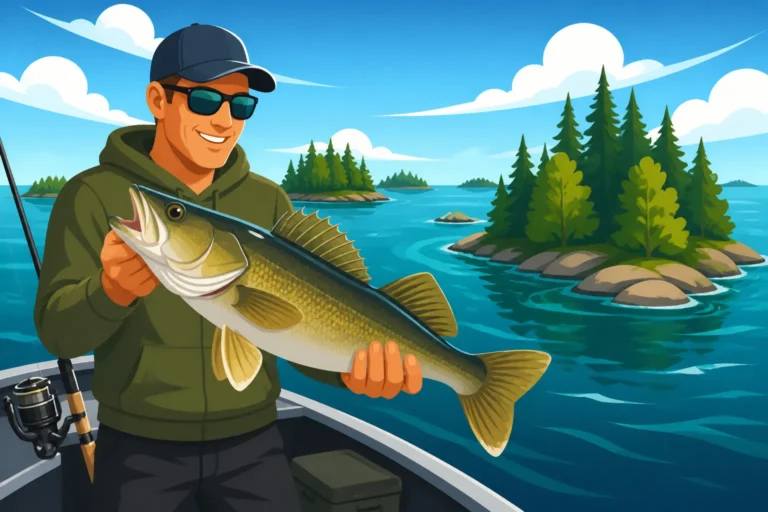
Walleye, often called pickerel in Ontario, are a favourite, known for their delicious fillets and strong fighting spirit. You'll typically find them near deeper drop-offs, rocky points, and submerged humps, especially during low light conditions or when they're schooling up. Northern Pike are also abundant, lurking in the system's many weed beds and shallow bays, ready to ambush unsuspecting prey. They offer thrilling, explosive strikes and are a blast to catch on aggressive lures. Meanwhile, the bass fishery is truly world-class; largemouth prefer the dense vegetation and lily pad fields of shallower bays, while smallmouth gravitate towards rocky shorelines, deep points, and offshore humps. Beyond these mainstays, panfish like black crappie and yellow perch are plentiful, providing fantastic action for all ages and skill levels, particularly in the quieter, weed-choked areas.
Top Fishing Hotspots Across the Rideau Lakes System
The Rideau Lakes system is massive, stretching over 200 kilometres from Kingston to Ottawa. To truly find the best spots, it helps to break it down into manageable sections, each with its own character and resident fish populations. While fish move, these areas consistently produce for specific species due to their unique underwater topography and habitat. Remember, local knowledge is invaluable here, and platforms like FishingBooker can connect you with guides who spend every day on these waters.
Upper Rideau Lake and Big Rideau Lake
Starting from the western end of the system, Upper Rideau Lake and Big Rideau Lake stand out as prime destinations. Big Rideau, in particular, is the largest and deepest lake in the system, boasting depths exceeding 100 feet in some areas. These deeper waters make it a strong contender for lake trout, which prefer the cooler, oxygen-rich depths, especially during the warmer months. Look for these majestic fish by trolling deep or jigging near known deep-water structure.
For smallmouth bass, the numerous rocky points, humps, and shoals throughout both lakes are absolute magnets. Target areas where rock transitions into deeper water, casting tubes, drop shots, or crankbaits. Walleye can be found along the weed lines adjacent to deeper breaks, particularly at dawn and dusk. Areas around Hoggs Bay on Big Rideau are popular for their diverse structure. Given the size of these lakes, a good fish finder is indispensable for locating submerged features and schools of baitfish, which will ultimately lead you to the game fish.
Newboro Lake and Indian Lake
Moving further along the canal system, Newboro Lake and Indian Lake offer a different flavour of fishing, characterized by a mix of shallow, productive bays and deeper channels. Newboro Lake is famous for its excellent largemouth bass fishing, with extensive weed beds, lily pads, and submerged timber providing perfect cover. Flipping jigs, pitching soft plastics, or working topwater frogs over these dense mats can be incredibly effective. The lake also holds solid populations of northern pike, which will often be found shadowing the bass in these same weed-rich environments.
Indian Lake, connected to Newboro via the Newboro Lock, shares many of these characteristics but also boasts some fantastic walleye fishing. Focus your efforts around rocky humps and drop-offs, especially those near current-producing areas from the lock. Crappie fishing can also be exceptional in the spring and fall in the quieter, sheltered bays of both lakes, often congregating around submerged brush piles or docks. These lakes offer a more intimate feel than the vastness of Big Rideau, making them a popular choice for anglers seeking consistent action across multiple species.
Lower Rideau Lakes (e.g., Lower Rideau, Otter Lake, Poonamalie Lock)
As you descend towards the Ottawa River, the lower section of the Rideau system, including lakes like Lower Rideau, Otter Lake, and the areas around the Poonamalie Lock, tends to be shallower and more abundant with aquatic vegetation. This makes them absolute havens for largemouth bass and northern pike. The extensive weed beds provide ideal ambush points for pike and offer crucial cover for largemouth. Spinnerbaits, chatterbaits, and weedless frogs are excellent choices for working these areas, drawing aggressive strikes from the resident predators.
Otter Lake, while smaller, is known for its incredible panfish opportunities, particularly for black crappie and yellow perch. These fish often school up around docks, submerged timber, and the edges of weed lines, making them a great target for light tackle anglers or families. The currents and structure created by the Poonamalie Lock can also hold surprising numbers of walleye and smallmouth bass, particularly during periods of increased water flow. It's a spot where you might not expect it, but the constant movement of water can draw in a variety of species. Be sure to check the Ontario Fishing Regulations Explained for any specific rules around lock areas.
Strategies for Success on the Rideau Lakes
Fishing the Rideau Lakes successfully requires more than just knowing where the fish might be; it requires understanding when and how to target them effectively. The system's diverse nature means that what works on one lake or for one species won't necessarily translate to another. Adapting your approach based on the season, the target species, and the specific habitat is crucial.
Seasonal Approaches and Techniques
The Rideau Lakes offer phenomenal fishing opportunities year-round, but your strategies need to shift with the seasons. Spring, after ice-out, sees northern pike and walleye move into shallower bays and river sections for spawning. Target these areas with smaller crankbaits, jigs, or live minnows. Once the bass season opens, typically in late June, you'll find largemouth in the emergent vegetation and smallmouth on rocky points as they finish their spawn and begin to feed aggressively. This is often the Best Time of Year to Fish in Ontario for many species.
Summer fishing often means targeting deeper structure for walleye and smallmouth bass as they seek cooler water, using vertical jigging, drop shot rigs, or trolling. Largemouth bass will still be in the weeds, but often prefer topwater lures in the early morning or late evening, or Texas-rigged plastics punched through mats during the heat of the day. Fall fishing is a personal favourite for many, as all species go on a feeding frenzy to prepare for winter. Fish aggressively with larger baits; muskie, in particular, become very active. Finally, winter brings excellent ice fishing for perch, crappie, walleye, and even pike in many of the system's shallower bays, with Lake Simcoe being another popular ice fishing destination.
Essential Gear and Bait for Rideau Fishing
Given the multi-species potential of the Rideau Lakes, coming prepared with a versatile tackle selection is key. For walleye and smallmouth bass, you'll want a good selection of jigs (ranging from 1/8 to 1/2 oz), soft plastic tubes, grubs, and creature baits, along with a variety of crankbaits that dive to different depths. Popular colours include green pumpkin, watermelon, black, and natural baitfish patterns. For northern pike and largemouth bass, bring spinnerbaits, chatterbaits, weedless frogs, and larger swimbaits, especially in chartreuse, white, or firetiger patterns. Live bait, such as minnows and worms, can also be highly effective for walleye, perch, and crappie.
A medium-heavy spinning rod or baitcasting setup, spooled with 10-20 lb braided line and a fluorocarbon leader, will cover most situations. Don't forget a quality fish finder, especially if you're exploring the deeper parts of Big Rideau Lake; it's invaluable for locating submerged structure and schools of baitfish. A good pair of polarized sunglasses will help you spot shallow cover and cruising fish, and a landing net is a must for safely handling your catch, especially if you're practicing catch and release. For specific gear recommendations, you might find the guide on Best Tackle for Ontario Walleye helpful.
Hiring a Local Guide or Charter Service
While this guide aims to equip you with valuable information, there's simply no substitute for local expertise, especially on a system as vast and intricate as the Rideau Lakes. Hiring a local fishing guide or charter service can dramatically increase your chances of success and shorten the learning curve, allowing you to focus on the joy of fishing rather than navigating or guessing. These professionals spend countless hours on the water, tracking fish movements, understanding seasonal patterns, and knowing the subtle nuances of specific spots that aren't obvious to the casual visitor.
They can provide specialized gear, teach you effective techniques for the local conditions, and, most importantly, put you directly on the fish. This is particularly valuable if you're targeting a specific species or are new to the area. For those looking to find experienced and reputable local guides on the Rideau Lakes, platforms like FishingBooker offer a convenient way to browse, compare, and book charters. They list a variety of captains with intimate knowledge of the region, ensuring you get the most out of your fishing adventure without the frustration of trial and error.
Navigating Regulations and Access
Before you even think about casting a line, it's critical to understand the rules and how to access the Rideau Lakes responsibly. Ontario has comprehensive fishing regulations designed to protect its fisheries, and ignorance is no excuse for breaking them. Taking a few moments to review the basics will save you a potential headache and ensure you're contributing to sustainable angling practices.
Understanding Ontario Fishing Regulations
The Rideau Lakes system falls primarily within Fisheries Management Zone (FMZ) 18. This means you need to consult the specific regulations for FMZ 18 in the annual Reading the Ontario Fishing Regulations Summary published by the Ministry of Natural Resources and Forestry (MNRF). This summary outlines season dates, catch limits (both daily and possession), and size restrictions for all species, which can vary significantly even within different zones. For example, walleye limits and open seasons can differ from other parts of the province.
It's also essential to have a valid Ontario fishing license and an Outdoors Card. You can easily learn Where and How to Buy an Ontario Fishing License online or from authorized vendors. Make sure you understand the difference between a Sport Fishing License and a Conservation Fishing License, as they have different catch and possession limits. A Conservation license typically has lower limits and is a great option if you plan to keep a few fish for dinner but prioritize catch and release. Non-residents also have specific license requirements, which you can read more about in our guide on Non-Resident Annual Fishing License Cost in Ontario. Always carry your license with you when fishing, either in physical or digital format.
Public Access Points and Launch Ramps
Accessing the Rideau Lakes is relatively straightforward, with numerous public boat launches and access points scattered throughout the system. Key towns and villages along the Rideau Waterway, such as Perth, Westport, Portland, Merrickville, and Smiths Falls, often provide municipal boat ramps, though some may charge a small fee for launch and parking. These launches are generally well-maintained and suitable for a variety of boat sizes.
For bank anglers or those launching canoes and kayaks, many parks, conservation areas, and even some lock stations offer informal access. For instance, the lock stations themselves often have docks and grassy areas where you can fish or launch smaller craft. Always look for designated parking and be mindful of private property. Websites and local tourism offices in the Rideau Lakes region often provide maps detailing public access points. If you're planning to stay for a while, consider checking out accommodation options that offer private dock access, which can make early morning starts even easier.
| Lake Section | Key Lakes | Primary Species | Best Features/Techniques |
|---|---|---|---|
| Upper Rideau | Big Rideau Lake, Upper Rideau Lake | Smallmouth Bass, Lake Trout, Walleye | Deep rocky points, offshore humps, deep trolling/jigging, rocky shorelines for bass |
| Central Rideau | Newboro Lake, Indian Lake, Clear Lake | Largemouth Bass, Northern Pike, Walleye, Crappie | Extensive weed beds, lily pads, submerged timber (flipping/pitching), rocky humps near current for walleye |
| Lower Rideau | Lower Rideau Lake, Otter Lake, Long Reach | Largemouth Bass, Northern Pike, Crappie, Perch | Shallow, dense vegetation (spinnerbaits, frogs), docks, brush piles for panfish |
Disclaimer
Fishing regulations, license requirements, and access points in Ontario are subject to change. Always consult the most current Ontario Fishing Regulations Summary and relevant government websites (such as the Ministry of Natural Resources and Forestry) before heading out. The information provided in this guide is for general informational purposes only and should not be considered legal advice. Always prioritize safety on the water and be aware of local conditions.