Thousand Islands Fishing Guide
Ah, the Thousand Islands! If you've ever gazed out at that breathtaking expanse of water, dotted with emerald islands and historic castles, you might feel a mix of awe and a little intimidation. It's truly a fisher's paradise, but its sheer size and intricate network of channels, shoals, and deep pockets can make it feel like an impossible puzzle to crack for anyone new to the area. This guide is designed to cut through that complexity, offering you a comprehensive look at how to tackle this magnificent fishery, understand its unique quirks, and ultimately, put you on the fish of a lifetime.
Understanding the Unique Fishery of the Thousand Islands
The Thousand Islands region isn't just a pretty backdrop for a postcard; it's a dynamic, complex ecosystem that presents incredible opportunities and challenges for anglers. Stretching for miles along the Ontario-New York border, where Lake Ontario empties into the St. Lawrence River, this area boasts a truly unique aquatic environment.
A Landscape Formed by Glaciers and History
The very topography of the Thousand Islands is a testament to ancient geological forces. Imagine massive glaciers retreating thousands of years ago, carving out the rugged Canadian Shield landscape and leaving behind a labyrinth of depressions and high points. As the glaciers melted, these depressions filled with water, creating the stunning mosaic of over 1,864 islands (yes, more than a thousand!) that we see today. Each island, by definition, must have at least one tree and be larger than one square foot in size. This ancient geological history means that beneath the surface, you'll find an incredible diversity of structure: sheer rock walls, rocky shoals, underwater humps, deep crevices, and scattered boulders.
This varied underwater landscape is a dream come true for a wide range of fish species. From ambush predators like Northern Pike and Muskellunge lurking in weed-choked bays to Smallmouth Bass patrolling rocky points and Walleye hugging transition lines, the structure here provides endless options for fish to hide, feed, and spawn. Understanding this foundational geology is key to deciphering where fish might be holding at different times of the year, as they often relate directly to these underwater features that were sculpted long before any angler cast a line here. It's not just about the islands you can see, but the underwater topography that truly dictates fish behaviour.
The Mighty St. Lawrence River's Influence
While often thought of as a lake region, the Thousand Islands is fundamentally shaped by the powerful flow of the St. Lawrence River. This isn't stagnant water; it's a living, breathing river system that acts as a highway for migrating fish and constantly replenishes nutrients. The river brings with it a steady current, which varies significantly in strength depending on the channel and depth. In narrower passages and around prominent points, the current can be quite strong, forcing baitfish and game fish to hold in eddies and slack water pockets.
This current is a double-edged sword for anglers. On one hand, it concentrates fish and provides highly oxygenated water, making for vibrant and active fisheries. On the other hand, it demands specific fishing techniques and heavier tackle to keep your bait in the strike zone. You'll need to learn how to read the current, identify seams where fast water meets slow, and understand how fish use these dynamics to their advantage. The St. Lawrence is also incredibly deep in many areas, plummeting to over 200 feet in some channels, providing a cold-water refuge for certain species during the heat of summer. This continuous flow and the diverse depth contours, from shallow flats to sudden drops, contribute to a richly diverse fishery that is truly unique in Ontario.
Prime Fishing Seasons and Target Species
The Thousand Islands offers fantastic fishing opportunities throughout the open water season, but the prime target species and techniques will shift as the seasons change. Understanding these patterns is crucial for a successful trip.
Spring Fishing: Awakening the Waters
As the ice finally recedes from the St. Lawrence River and surrounding bays, usually in late April or early May, the Thousand Islands springs to life. This is a time of transition, with water temperatures slowly climbing and fish moving from their deep wintering grounds into shallower areas for feeding and spawning. For many anglers, spring offers some of the most exciting action of the year.
The walleye opener in this region (part of FMZ 20) typically happens on the first Saturday of May, kicking off a flurry of activity. Post-spawn walleye will be hungry and can be found congregating on shallow flats adjacent to deeper water, often near current breaks or rocky points. They'll be looking to ambush baitfish that are also moving shallower. Similarly, the bass opener (smallmouth and largemouth) usually follows in late June. While the season is closed for the early spring, pre-spawn smallmouth can be observed preparing for their spawn on rocky shoals. Pike, however, are open earlier and provide excellent early-season action. They've often spawned even before the ice is completely gone and will be aggressively feeding in warming shallow bays, around new weed growth, and along shoreline structure. Light tackle can be a blast for these hungry predators. If you're looking for more specific dates, our guide on Ontario Walleye Opener Dates by Zone and Ontario Bass Opener Dates by Zone can provide precise information for your planning. For those keen on targeting pike, understanding the Best Techniques for Early Spring Pike will give you a distinct advantage.
Summer Fishing: High Season Action
Summer on the Thousand Islands is vibrant and bustling, both with recreational boaters and hungry fish. As water temperatures continue to rise, many species move into their preferred warm-water habitats, often relating to deeper structure or dense weed beds, while others, like smallmouth, remain active in shallower, current-swept areas. This is when the true diversity of the fishery shines.
Smallmouth bass are incredibly active throughout the summer, often found on rocky points, around islands, and along shoals where current is present. Topwater action can be phenomenal in the early morning and late evening, while deeper structure and drop-offs produce during the bright midday sun. For the ultimate thrill, summer is prime time for muskellunge. These true giants patrol expansive weed lines, current edges, and deep rocky structures, constantly on the hunt for a substantial meal. Anglers often spend long hours casting massive baits, hoping for that one explosive strike. Our guide on Best Lures for Muskie Fishing in Ontario offers fantastic insights into what these toothy critters prefer. Don't forget that pike remain active, often retreating to denser weeds or slightly deeper water than in spring. While walleye can become more challenging during bright summer days, they are still catchable, especially during low-light hours or by targeting deep humps and transition zones. Understanding the Best Time of Day to Catch Walleye can significantly increase your summer walleye success. The clear waters here can also mean fish are spookier, so using longer fluorocarbon leaders and subtle presentations becomes more critical.
Fall Fishing: Trophy Hunters' Paradise
As summer gives way to the crisp air of autumn, the Thousand Islands transforms into a trophy hunter's dream. The dropping water temperatures signal to many species that it's time to feed heavily in preparation for winter, leading to some of the year's most exciting fishing. The crowds thin out, and the fish, especially the larger ones, become incredibly active.
This is arguably the absolute best time of year to target muskellunge. They become exceptionally aggressive, putting on a feeding frenzy before the cold sets in. Large baits, both casting and trolling, are the name of the game, and anglers who put in the time are often rewarded with their biggest fish of the season. Our guide on Best Techniques for Fall Muskie Fishing dives deep into strategies for this rewarding pursuit. Walleye also become more predictable in the fall, congregating in large schools on deep main-river structure, especially along sharp breaks and current seams. Jigging with heavier baits or slow-trolling with deep-diving crankbaits can be highly effective. The low-light conditions of fall often extend into much of the day, offering prolonged periods of strong walleye bites. Smallmouth bass, too, are still very active, feeding heavily on crawfish and baitfish on rocky points and humps before eventually retreating to deeper wintering areas. The cooler temperatures make for a more comfortable day on the water, and the stunning fall foliage provides an unforgettable backdrop to your fishing adventure. For those willing to brave the chill, fall offers unparalleled opportunities for truly memorable catches.
Top Species to Target in the Thousand Islands
The Thousand Islands boasts a diverse array of fish species, each offering a unique challenge and reward to anglers. Knowing what to expect and how to approach each one is key to maximizing your success.
Smallmouth Bass: The Bronzeback Battlers
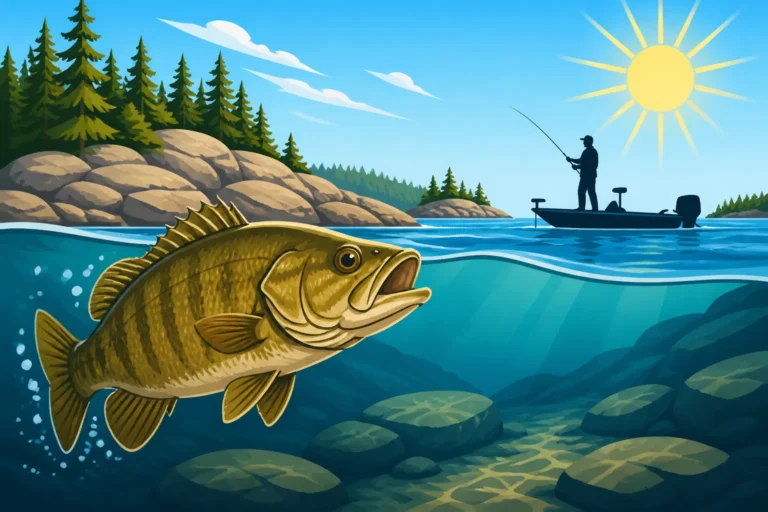
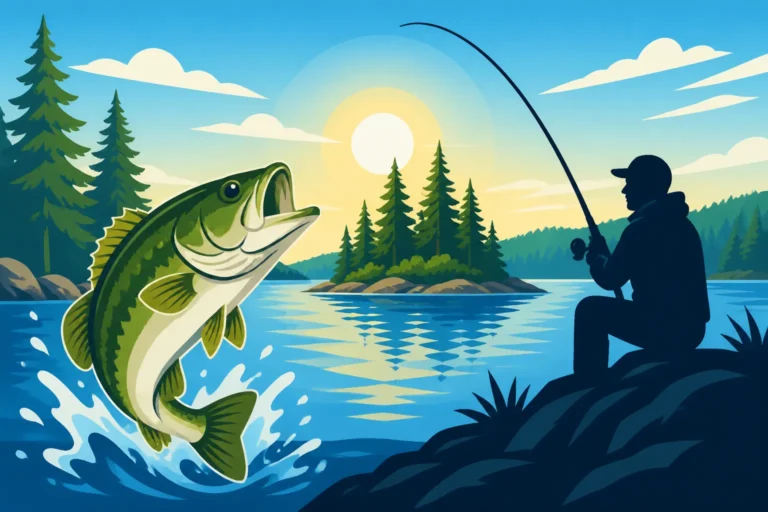
If there's one fish that truly embodies the spirit of fishing in the Thousand Islands, it's the smallmouth bass. These powerful, hard-fighting fish are incredibly abundant throughout the region, thriving in the clear, oxygen-rich waters and diverse rocky structure. They are often referred to as "bronzebacks" for their distinctive coloration and are known for their acrobatic jumps and tenacious battles once hooked.
Smallmouth bass in the Thousand Islands love structure and current. You'll find them patrolling rocky points, shoals, underwater humps, current seams, and the edges of islands. They feed aggressively on crawfish, gobies, and various baitfish. Anglers find success with a wide array of lures, including tube jigs, drop shots, spinnerbaits, crankbaits, and topwater lures. When the bass are active, particularly in summer, they'll readily smash a topwater popper or walking bait, providing thrilling visual strikes. For deeper-holding fish, a drop shot or a jig-and-grub combination fished slowly along contours can be incredibly effective. The sheer number of islands and rocky outcrops means there's almost endless habitat for these feisty fish. To delve deeper into tackling these incredible fish, check out our comprehensive guide on Smallmouth Bass Fishing in Ontario. You might even find some useful cross-species information in our guide on Best Crankbaits for Ontario Walleye that applies well to smallmouth, or specifically target them with the Best Tube Jig for Smallmouth Bass.
Muskellunge: The Apex Predators
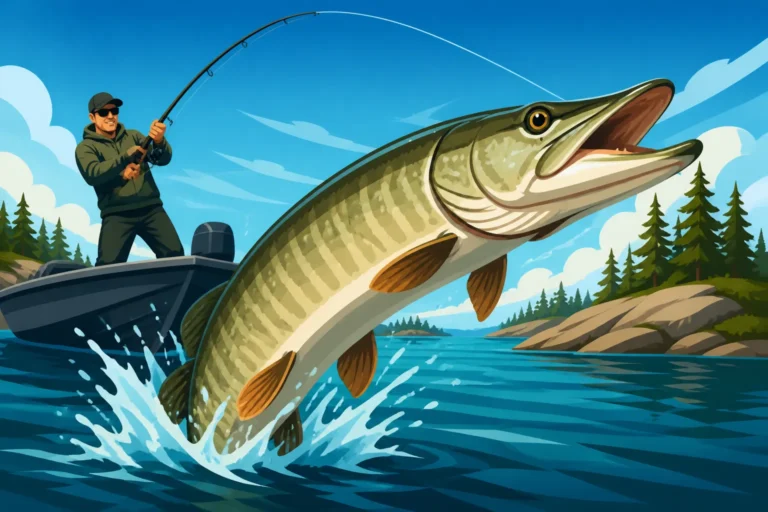
For many serious anglers, the Thousand Islands is synonymous with giant muskellunge. This region is world-renowned for its trophy-sized 'ski, attracting anglers from far and wide who dream of hooking into one of these freshwater leviathans. Muskies are the undisputed apex predators of the St. Lawrence River, growing to impressive sizes, often exceeding 50 inches in length and tipping the scales at over 40 pounds. They are elusive, demanding, and utterly captivating.
Targeting muskellunge is not for the faint of heart; it requires specialized heavy tackle, immense patience, and a willingness to cast (or troll) large baits for hours on end, knowing that a single strike can come at any moment. Muskies prefer to ambush their prey, so they often relate to distinct ambush points like deep weed lines, submerged timber, current breaks, and rocky drop-offs. Popular techniques include casting massive bucktails, crankbaits, and glide baits, or slow-trolling oversized plugs along known muskie corridors. Many anglers opt for guided trips to maximize their chances, as local guides have intimate knowledge of the best spots and patterns. If you're serious about chasing these giants, consider booking a trip through a reputable service like FishingBooker, where you can find experienced local guides specializing in trophy muskie. Getting familiar with Muskellunge Fishing in Ontario and discovering some of the Best Muskie Waters in Ontario will give you a head start, along with understanding the Best Muskie Gear for Ontario Waters.
Walleye: Delicious & Elusive
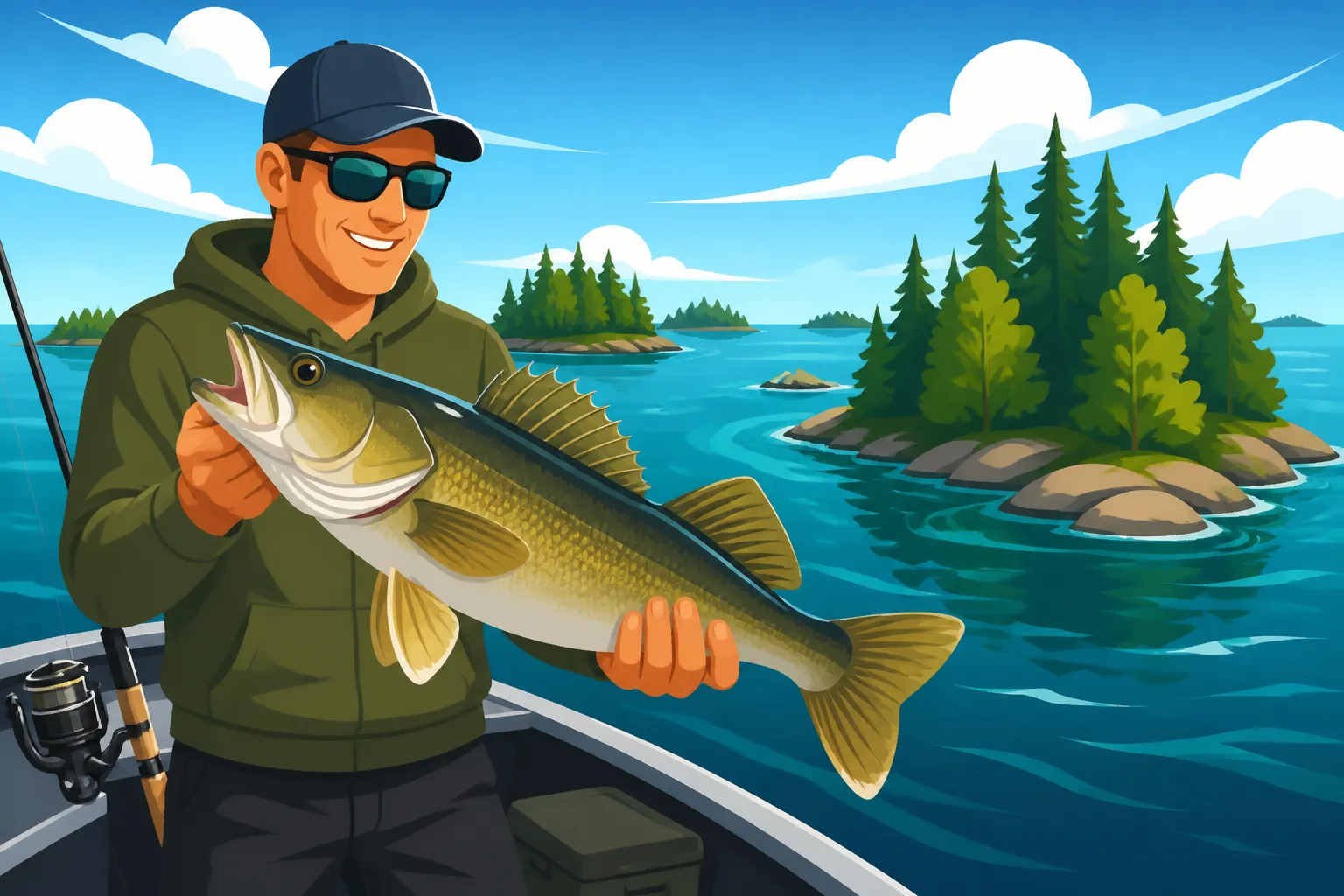
Walleye are another highly sought-after species in the Thousand Islands, prized for their delicious table fare and challenging nature. While they might not reach the massive sizes found in some Western Ontario lakes, the St. Lawrence River system consistently produces healthy numbers of respectable walleye, with plenty of opportunities for a great meal.
These light-sensitive fish are most active during low-light conditions, such as dawn, dusk, overcast days, or at night. They prefer to hug structure and current breaks, often found on the edges of deep channels, rocky points, humps, and submerged shoals where they can ambush baitfish. Jigging with bucktail jigs, plastic grubs, or live bait (like minnows or nightcrawlers) is a popular and effective method. Trolling deep-diving crankbaits or crawler harnesses can also be very productive, especially when covering large flats or targeting specific depth contours. Understanding the nuances of current and bottom transitions is crucial for consistently finding walleye in the Thousand Islands. Many anglers swear by fishing around major shoals or bridge structures during periods of low light for the best results. Our comprehensive guide on Walleye Fishing in Ontario offers detailed strategies to help you connect with these tasty fish, and you can also learn How to Catch Walleye in Ontario with various techniques.
Northern Pike: Aggressive Ambushers
Northern Pike are widely distributed throughout the Thousand Islands and are known for their aggressive strikes and sharp teeth. While they might sometimes be overshadowed by their larger muskie cousins, pike provide consistent action and can grow to impressive sizes themselves, often exceeding 10-15 pounds. They are a fantastic target for anglers of all skill levels, from beginners to seasoned veterans.
Pike are ambush predators, meaning they love to hide in cover and dart out to strike unsuspecting prey. You'll typically find them in and around weed beds, lily pads, submerged logs, and any kind of shoreline cover. Early spring sees them in very shallow, warming bays, while in summer they might retreat to slightly deeper weed edges or cooler current breaks. Spoons, spinnerbaits, large inline spinners, and jerkbaits are all highly effective for pike. They are not particularly picky eaters, which makes them a great confidence booster, especially on days when other species are reluctant to bite. Just be sure to use a wire or heavy fluorocarbon leader to prevent their sharp teeth from cutting your line! They put up a spirited fight and are a lot of fun on medium-heavy spinning or baitcasting gear. For more details on these toothy critters, check out our Northern Pike Fishing in Ontario guide.
Essential Techniques and Strategies for Success
Fishing the vast and complex waters of the Thousand Islands requires a strategic approach. It's not just about what you throw, but where and how you present it, and how you navigate this unique environment.
Reading the Current and Structure
One of the most critical skills for fishing the Thousand Islands is learning to "read" the water, particularly understanding current and structure. The St. Lawrence River's flow creates distinct current seams, eddies, and slack water pockets that dictate where fish will hold. Fish, especially walleye and smallmouth, will position themselves out of the main current, often just on the edge of a fast-moving channel, expending minimal energy while waiting for prey to be swept past them. Look for obvious current breaks around points, islands, bridge abutments, or deep holes.
Beneath the surface, the glacial history has left an incredible array of structure. Submerged rocky shoals, underwater humps, sheer rock walls, and gradual drop-offs are everywhere. A good quality fish finder with GPS and mapping capabilities is an invaluable tool here. Learning to interpret the sonar readings for bottom contours, baitfish schools, and even individual fish arches will be a game-changer. Marking waypoints on your GPS for productive spots or interesting underwater features will help you return to them. Don't underestimate the power of local knowledge either; sometimes the best spots are revealed through subtle clues on the surface that only an experienced eye can discern. Utilizing resources like the Ontario Fish ON-Line Interactive Zone Map can also help you visualize potential structure before you even launch your boat.
Lure Selection and Presentation
Given the diversity of species and habitats in the Thousand Islands, your tackle box should be equally diverse. Matching your lure selection and presentation to the target species, time of year, and prevailing conditions is paramount.
For smallmouth bass, jigs (tube jigs, football jigs), drop shots, Ned rigs, spinnerbaits, lipless crankbaits, and topwater lures are all highly effective. In clear water, natural colours and subtle presentations often work best. For muskellunge, you'll need large bucktails, crankbaits, jerkbaits, and glide baits, often 8-14 inches long. Your presentation needs to be assertive and often incorporate a "figure eight" boat-side maneuver to trigger a follow-up strike. Walleye often respond well to jigs tipped with live bait (minnows or crawlers), blade baits, deep-diving crankbaits, or crawler harnesses trolled slowly. For northern pike, spoons, spinnerbaits, and large soft plastics are excellent choices. The key is to adapt. If the current is strong, use heavier jigs or crankbaits that can get down to the desired depth. If the water is clear, opt for fluorocarbon leaders and natural bait colours. On overcast days or in stained water, brighter colours or lures with more flash and vibration can be more effective. Experimentation is always your friend on these waters.
Navigating the Complex Waterway
Navigating the Thousand Islands can be challenging, even for experienced boaters. The sheer number of islands, coupled with numerous unmarked shoals and submerged rock hazards, demands constant vigilance and respect for the water. The deeper channels are usually well-marked with buoys, but venturing into shallower bays or between smaller islands requires extreme caution.
A reliable GPS unit with detailed marine charts (like those from Navionics or Garmin) is absolutely essential. Don't rely solely on visual cues, especially if you're unfamiliar with an area. Always be aware of your draft and give yourself plenty of clearance around potential hazards. The strong currents in certain areas can also make boat handling tricky, particularly when docking or holding position. If you're using a smaller boat or kayak, be mindful of changing weather conditions and larger boat traffic, as wakes can be significant. For those who aren't comfortable navigating such complex waters on their own, or who simply want to maximize their fishing time, hiring a local fishing guide is an excellent option. Guides not only know where the fish are but are also intimately familiar with the safe passages and hidden dangers. Many excellent guides can be found and booked through platforms like FishingBooker, offering peace of mind and a better chance at success.
Planning Your Thousand Islands Fishing Trip
A successful fishing trip to the Thousand Islands goes beyond just knowing where and how to fish. Proper planning, from understanding regulations to securing accommodation, can make all the difference.
Licenses and Regulations
First and foremost, before you even think about casting a line in the Thousand Islands, you need to ensure you have the correct Ontario fishing license. The regulations in Ontario are specific and can vary by fishing zone, species, and season. The Thousand Islands region primarily falls within Fisheries Management Zone (FMZ) 20, so you'll need to consult the specific rules for this zone.
Ontario offers different types of licenses, including a standard Outdoors Card (which you need to purchase first), and then either a Sport Fishing license or a Conservation Fishing license. The Sport Fishing license generally allows for higher catch and possession limits, while the Conservation license has reduced limits, promoting catch and release for many species. Make sure you understand the difference and choose the one that suits your fishing style. You'll also need to be aware of species-specific regulations, such as slot limits, daily catch limits, and possession limits for species like walleye, bass, and muskie. These can change annually, so always refer to the most current Ontario Fishing Regulations Summary. Fishing without a valid license or violating regulations can result in hefty fines and penalties. Our comprehensive Ontario Fishing License Guide for 2026 is a great place to start, and our Ontario Fishing Regulations Explained delves into the specifics you'll need to know.
Boat Rentals and Guide Services
The Thousand Islands is vast, and having access to a boat is almost a prerequisite for a truly successful fishing trip. You have a few options:
- Bring Your Own Boat: Many anglers trailer their boats to the region. There are numerous public and private boat launches available in towns like Gananoque, Rockport, and Brockville. Just be prepared for potential launch fees and ensure your vessel is properly equipped and registered according to Ontario Boating Laws for Anglers.
- Rent a Boat: If you don't own a boat or prefer not to trailer yours, several marinas and resorts in the area offer boat rentals, ranging from small utility boats to larger fishing vessels. Ensure you understand the rental terms, safety equipment requirements, and have a Pleasure Craft Operator Card (PCOC) if required.
- Hire a Guide: For many, especially those new to the area or targeting specific species like muskie, hiring a local fishing guide is an invaluable investment. A guide provides the boat, specialized gear, and, most importantly, years of local knowledge about where the fish are biting, what techniques are working, and how to safely navigate the complex waters. They can save you countless hours of searching and greatly increase your chances of success. You can find excellent, experienced guides for the Thousand Islands on platforms like FishingBooker, making the booking process straightforward and reliable. They are often booked well in advance, especially during peak seasons, so plan ahead!
Accommodation and Amenities
The Thousand Islands region is a popular tourist destination, offering a wide range of accommodation options to suit every budget and preference. Choosing the right base for your fishing adventure can enhance your overall experience.
- Hotels and Motels: Towns like Gananoque, Rockport, and Brockville offer various hotels and motels, from budget-friendly options to more upscale waterfront resorts. Many are conveniently located near marinas, restaurants, and local attractions.
- Cottage and Cabin Rentals: For longer stays or group trips, renting a private cottage or cabin on one of the many islands or along the mainland shoreline can be an excellent choice. This provides more space, privacy, and often direct water access for your boat. Websites like Airbnb or local real estate agents can help you find suitable rentals.
- Fishing Lodges and Resorts: There are several dedicated fishing lodges and resorts in the area that cater specifically to anglers. These often include boat rentals, guided fishing packages, bait and tackle shops, and cleaning facilities, making them a convenient one-stop shop for your trip.
- Camping: For a more rustic experience, there are provincial parks and private campgrounds in the vicinity, offering tent and RV sites. Just ensure they have adequate access to boat launches if you plan to bring your own vessel.
No matter where you choose to stay, you'll find plenty of amenities, including grocery stores, restaurants, tackle shops, and fuel stations, ensuring you have everything you need for a comfortable and productive fishing trip.
Thousand Islands Fishing Overview
Here’s a quick overview of some popular species and general recommendations for fishing in the Thousand Islands:
| Species | Prime Season | Typical Habitat | Recommended Lures/Baits | Notes |
|---|---|---|---|---|
| Smallmouth Bass | Spring, Summer, Fall | Rocky points, shoals, current seams, island edges | Tube jigs, drop shots, crankbaits, topwater, spinnerbaits | Abundant, strong fighters, clear water often requires finesse. |
| Muskellunge | Summer, Fall | Deep weed lines, current breaks, rocky humps, submerged timber | Large bucktails, crankbaits (8"+), jerkbaits, glide baits | Trophy potential, requires heavy gear and immense patience. |
| Walleye | Spring, Fall | Deep channels, rocky points, humps, current eddies | Jigs (tipped with minnows/worms), blade baits, deep crankbaits, crawler harnesses | Best in low light, excellent table fare, respond to current breaks. |
| Northern Pike | Spring, Summer, Fall | Weed beds, lily pads, shoreline cover, current breaks | Spoons, spinnerbaits, jerkbaits, large soft plastics | Aggressive, consistent action, use a wire leader. |
Disclaimer
Please note that fishing regulations, season dates, and limits can change. Always consult the most current Ontario Fishing Regulations Summary before heading out on the water to ensure you are compliant with all local rules and regulations. Fishing involves inherent risks, so always prioritize safety, wear appropriate personal flotation devices, and be aware of weather conditions.