Bay of Quinte Walleye Fishing
It's a common angler's dream to hit a body of water known for truly exceptional fishing, but sometimes the sheer reputation of a place can be intimidating. You hear whispers of "trophy walleye" and "non-stop action" from the Bay of Quinte, and while exciting, it can also leave you wondering where to even begin in such a vast and productive fishery. This guide is here to cut through the mystery, offering a comprehensive look at how to approach, fish, and ultimately succeed in landing some of Ontario's most sought-after walleye in the legendary Bay of Quinte.
Understanding the Bay of Quinte Walleye Phenomenon
The Bay of Quinte isn't just a good walleye fishery; it's often hailed as one of the best in North America, particularly for large, mature fish. This reputation isn't built on folklore; it's a testament to a unique ecosystem that consistently produces incredible results for anglers willing to put in the time. Understanding why it's so good is the first step in unlocking its potential.
Why the Bay is a Walleye Haven
The Bay of Quinte, nestled along the northern shore of Lake Ontario, acts like a giant, fertile nursery for walleye. It's a relatively shallow, elongated bay, stretching for approximately 100 kilometers from Trenton in the west to Amherstview in the east. This unique geography provides an abundance of ideal habitat – think shallow, weedy bays for spawning and early growth, and deeper, open water sections for mature fish to feed and grow to colossal sizes. The bay receives nutrient-rich inflows from several rivers, including the Trent River, and benefits from the vast forage base of Lake Ontario itself. This constant influx of nutrients fuels a vibrant food web, from small baitfish like alewives and gobies to larger forage like perch and smelt, all contributing to the walleye's incredible growth rates.
Moreover, the Bay of Quinte's connection to Lake Ontario is crucial. While many walleye are resident to the bay, a significant population migrates in from the deeper waters of Lake Ontario, especially during the fall. This migratory pattern brings in a fresh influx of large, often older, walleye, further boosting the bay's trophy potential. The management efforts by the Ontario Ministry of Natural Resources and Forestry (MNRF) also play a vital role, carefully monitoring populations and setting regulations to ensure the sustainability of this incredible fishery. It's a delicate balance of natural bounty and careful stewardship that makes the Bay of Quinte truly special.
Trophy Potential and Average Sizes
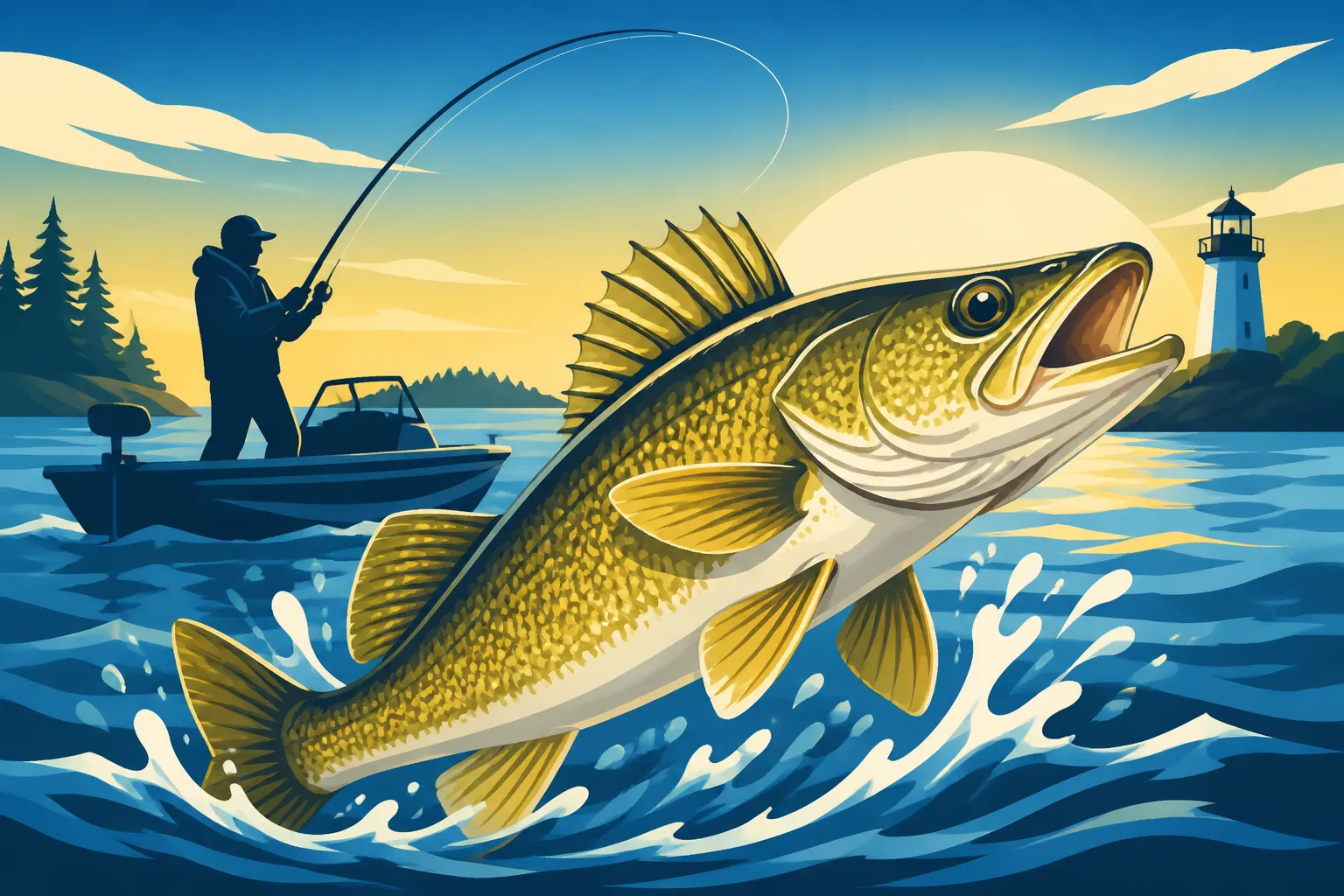
When we talk about "trophy walleye" in the Bay of Quinte, we're not just throwing around a buzzword. This bay consistently produces walleye in the 8 to 12-pound range, with many fish exceeding that. Double-digit walleye are a real possibility here, and fish pushing into the mid-teens are caught every season. The current Ontario record walleye weight was actually caught not far from the Bay of Quinte itself, a testament to the big fish potential of the region. Anglers regularly report fish measuring in the high 20s to low 30s inches, making every hook-up an exciting prospect.
What's truly remarkable is not just the potential for a single monster, but the average size of the fish you'll encounter. Unlike some fisheries where you might weed through countless small walleye to find a keeper, the Bay of Quinte tends to deliver a higher proportion of quality fish. Even smaller "keepers" are often in the 3 to 5-pound range, providing a fantastic fight and excellent table fare if you choose to keep within your Ontario Bag and Possession Limits by Species. This consistent quality means that even on a "slower" day, you're still likely to encounter impressive fish. Many anglers specifically target the Bay of Quinte for its renowned "fall run," where massive schools of hungry walleye stack up, offering unparalleled opportunities for truly memorable catches.
Key Seasons and Prime Times for Walleye
Timing is everything when it comes to maximizing your chances on the Bay of Quinte. While walleye can be caught year-round (where seasons allow), certain periods offer distinct advantages and opportunities, often coinciding with significant biological events for the fish. Understanding these seasonal shifts is crucial for adapting your strategy and being in the right place at the right time. For general information on Ontario Fishing Seasons by Zone and Month, it's always good to consult the official regulations.
Spring Opener and Post-Spawn Action
The spring opener for walleye in the Bay of Quinte's Fisheries Management Zone 20, typically the first Saturday in May, marks the official start of the season for many excited anglers. After spawning in the rivers and shallow bays, walleye begin to disperse and actively feed to regain their energy. This post-spawn period can be incredibly productive, as fish are often hungry and somewhat predictable as they move into deeper sections of the bay. In early spring, the water temperatures are still quite cool, typically in the 40s and low 50s Fahrenheit, which means walleye are often found in shallower areas adjacent to their spawning grounds, or migrating along prominent current breaks and structure.
You'll find many anglers focusing on the river mouths, like the Trent River, and the transition areas where the rivers meet the bay. Trolling small crankbaits or jigging with minnow-imitating lures can be very effective as these fish move. Look for areas where warmer water might be collecting, or where fresh baitfish are entering the bay. The bite can be aggressive, but also fleeting, as fish transition out of their post-spawn recovery mode. Don't be afraid to experiment with different depths, even shallow water (5-15 feet), especially during low light conditions or on overcast days when these fish feel more secure feeding closer to the surface. Understanding the Ontario Walleye Opener Dates by Zone for FMZ 20 is paramount to planning your first trip of the season.
Summer Deep Water Tactics
As the Bay of Quinte warms up through June, July, and August, the walleye tend to move deeper, seeking cooler, more oxygenated water and following their primary forage. This means summer fishing often shifts to open water trolling strategies. Don't be fooled by the heat; excellent fishing can still be had, but you need to adapt your approach to find those fish. Walleye will suspend over deep basins or hug the bottom along humps, ledges, and channel edges, often in depths ranging from 20 to 50 feet, or even deeper depending on water clarity and baitfish location.
The key to summer walleye fishing on the Bay of Quinte is covering water and presenting baits at the right depth. Downriggers, planer boards, and weighted line systems are indispensable tools for getting crankbaits and crawler harnesses down to where the fish are holding. Look for schools of baitfish on your sonar; where the bait is, the walleye won't be far behind. Early mornings, late evenings, and even night fishing can be incredibly productive during the warmer months, as walleye will often move shallower to feed under the cover of darkness. Don't overlook current seams or deeper points within the bay, as these can act as ambush points for hungry walleye throughout the summer.
Fall Turnover and Trophy Run
Without a doubt, the fall period, roughly from late September through November, is what truly put the Bay of Quinte on the map for trophy walleye. As water temperatures begin to cool and the bay experiences its seasonal "turnover," a mass migration of large walleye from Lake Ontario into the bay commences. These fish are actively bulking up for winter and are incredibly aggressive. This is the time when double-digit walleye become a common occurrence, and anglers travel from all over to participate in what's famously known as the "fall walleye run."
During the fall, walleye will often congregate in massive schools, following baitfish into the bay. The western end, particularly around Trenton and Belleville, often sees the earliest and heaviest concentrations of these migratory giants. Trolling large crankbaits, especially those with a wide wobble and good diving depth, is the go-to technique. Think Rapala Deep Tail Dancers, Reef Runners, or Bandit Walleye Deep divers in natural baitfish patterns or bright, aggressive colors. Pay close attention to current, depth changes, and any structure that might funnel baitfish. This can be a challenging but incredibly rewarding time to fish, with cold weather and sometimes rough conditions being offset by the potential for the biggest walleye of your life. For comprehensive advice on How to Catch Walleye in Ontario, focusing on fall strategies is especially useful here. Many anglers even look to resources like FishingBooker to find experienced charters that specialize in navigating the fall trophy run and putting clients on big fish.
Top Fishing Spots and Structure in the Bay
The Bay of Quinte is a vast waterway, and knowing where to focus your efforts can be the difference between a frustrating day and a fantastic one. While walleye can be found throughout the bay, certain areas consistently hold fish due to their unique structural features, baitfish concentrations, or proximity to migratory routes.
Western Basin Hotspots
The western basin of the Bay of Quinte, from Trenton east towards Belleville, is arguably the most famous and heavily fished section, especially during the spring and fall runs. This area is characterized by the inflow of the Trent River, which provides crucial spawning grounds and acts as a major migration corridor. The sheer volume of water entering the bay creates significant current, attracting baitfish and, consequently, hungry walleye.
Key areas to target in the Western Basin include:
- Trenton and the Trent River Mouth: Immediately after the walleye opener, and again during the peak of the fall run, the area where the Trent River enters the bay is a major congregation point. Look for current breaks, deeper channels, and submerged humps here. Trolling can be excellent, but vertical jigging is also very effective, especially right in the river channel or around the bridge pilings.
- Big Island: This large island west of Belleville offers a variety of structure. The points, bays, and shoals around Big Island are prime feeding areas. The deeper channel that runs alongside Big Island is a particularly productive trolling run for large walleye, especially as they move in and out of the Trent River system.
- Conway Shoal: Located roughly between Trenton and Belleville, Conway Shoal is a well-known walleye magnet. This large, submerged structure rises from deeper water, creating an ideal ambush point for walleye. It's a classic example of structure holding fish, offering both shallow and deeper edges to explore.
- Bays and Points near Belleville: The numerous small bays and points stretching towards Belleville, such as Meyers Creek or the areas around Zwick's Island, offer varied depths and cover. In spring, these shallower, protected bays can hold post-spawn fish. In fall, the deeper points extending into the main bay often intercept migrating walleye.
The western basin is usually the first to warm up and often the first to experience the major migrations, making it a perennial favorite for anglers seeking numbers and size.
Central and Eastern Bay Structure
While the western basin often gets the most press, the central and eastern sections of the Bay of Quinte, stretching from Belleville east to Amherstview and the approach to Lake Ontario, should not be overlooked. These areas offer different types of structure and can be incredibly productive, especially during the summer months when fish disperse, or when specific conditions push them eastward.
Notable spots in the Central and Eastern Bay include:
- Telegraph Narrows: This narrow stretch of the bay near Deseronto creates a significant current, acting as a natural funnel for baitfish and migrating walleye. The deeper channel here, combined with various points and ledges, makes it a prime trolling area. The walleye here tend to be very aggressive due to the current.
- Picton Bay and Adolphus Reach: While technically a bit south of the main Bay of Quinte, these deeper, clearer waters connected to the eastern bay can hold walleye, especially during the summer. Adolphus Reach, with its deep trench, is a known area for larger, suspended walleye. This is where trolling techniques for How to Catch Lake Trout in Ontario might even overlap with walleye, given the depth.
- The Big Traverse and Hay Bay: These larger, shallower bays in the central section offer extensive weed beds and mud flats. While not always holding the biggest migratory walleye, they can be excellent for resident fish, particularly during low light conditions or if you're targeting perch alongside your walleye. These areas are also popular for ice fishing for yellow perch, which are a major forage for walleye.
- Amherstview and Kingston Approaches: As you move further east towards the confluence with Lake Ontario, the bay widens and deepens. The underwater structure becomes more complex, with subtle humps, rock piles, and extended points. These areas are less pressured than the western basin and can hold some truly enormous walleye, particularly those moving between the bay and the main lake. Consulting a detailed chart or utilizing a quality fish finder is essential here to pinpoint subtle structure.
River Mouths and Tributary Influence
Beyond the Trent River, several smaller rivers and tributaries feed into the Bay of Quinte, each playing a role in the overall ecosystem and offering unique fishing opportunities. These river mouths are natural draws for walleye, especially during spawning periods or when baitfish are concentrated.
Consider these additional tributary influences:
- Salmon River: Flowing into the bay near Shannonville, the Salmon River mouth can be a hotspot, particularly in the spring as walleye finish spawning and begin to feed. The currents and slightly murkier water can provide excellent conditions for early season trolling or casting blade baits.
- Napanee River: Entering the bay near the town of Napanee, this river system also contributes to the bay's productivity. The confluence area and the immediate surrounding structure can hold good numbers of walleye, particularly resident fish that utilize these waters more frequently than the migratory Lake Ontario population.
- Smaller Creeks and Drainages: Don't overlook the myriad of smaller creeks and drainages that enter the bay, especially after significant rainfall. These inflows can carry nutrients and baitfish, creating localized feeding opportunities. While they might not hold large schools, a keen eye for subtle current breaks or stained water lines can lead to unexpected catches. Using the Ontario Fish ON-Line Interactive Zone Map, Explained can help identify these smaller features and plan your approach.
When exploring these river mouth areas, pay attention to water clarity, current speed, and any sudden changes in depth. Walleye often use these features to ambush bait, and subtle presentations, such as jigging or slowly drifting live bait, can be incredibly effective.
Effective Techniques and Lures for Bay of Quinte Walleye
Successfully fishing the Bay of Quinte for walleye requires a diverse toolkit of techniques and a willingness to adapt. The tactics that work in spring might be entirely different from those that excel in the fall, and even day-to-day conditions can necessitate a change in approach.
Trolling with Crankbaits and Harnesses
Trolling is undeniably the most popular and often the most effective method for covering water and finding walleye in the Bay of Quinte, especially for the larger migratory fish. This is particularly true during the summer when fish are dispersed and suspended, and during the fall run when large schools are actively moving and feeding.
- Crankbaits: When trolling, crankbaits are king. You'll want a selection of deep-diving models that can reach depths from 10 to 50 feet, depending on the season and where the fish are holding. Popular choices include:
- Rapala Deep Tail Dancers: Known for their wide wobble and ability to reach significant depths. Sizes 7-11 are common.
- Bandit Walleye Deep: Another excellent deep diver, often preferred for their tight wiggle and durability.
- Reef Runner: A classic walleye crankbait, available in various sizes and dive depths.
- Storm ThunderStick Deep: Good for mimicking baitfish.
Colors vary widely, but natural baitfish patterns (perch, alewife, smelt), chrome with blue or black backs, and chartreuse or firetiger are perennial favorites. Experiment with speed; usually, 1.5 to 2.5 mph is a good starting point, but let the fish tell you what they prefer. Using lead core line, snap weights, or downriggers is often necessary to get these baits to their maximum depth.
- Crawler Harnesses: While crankbaits dominate, crawler harnesses (also known as worm harnesses) can be incredibly effective, especially when fish are less aggressive or when fishing slightly shallower. These rigs typically consist of two or three hooks snelled together, adorned with beads or small spinner blades, and tipped with a live nightcrawler. Trolled slowly, often with a bottom bouncer or in conjunction with planer boards, they offer a natural presentation that many walleye simply can't resist. On a tough bite, a slow-trolled crawler harness can often out-produce flashier crankbaits.
Remember to vary your trolling passes, hitting different depths and staying alert for any changes in sonar readings that indicate baitfish or walleye concentrations. Using mapping software and GPS on your boat is incredibly helpful for marking productive passes and replicating them. When you hit a fish, mark the spot and make another pass!
Jigging and Vertical Presentations
While trolling covers water, jigging and other vertical presentations shine when walleye are concentrated in specific areas, such as around humps, points, drop-offs, or river channels. This is a more active, hands-on approach that can be incredibly rewarding, especially during the spring and sometimes in late fall or for ice fishing.
- Jigging: Traditional jigging involves using lead-head jigs tipped with soft plastics (paddle tails, curly tails, minnow imitations), live minnows, or even Gulp! baits. The key is to present the jig vertically, bouncing it off the bottom or suspending it just above structure where walleye might be holding. Colors like white, chartreuse, black, and various shiner patterns are popular. The weight of the jig depends on depth and current, but 1/4 oz to 1 oz are common.
- Blade Baits: Lures like the Heddon Sonar or Silver Buddy are fantastic for vertical jigging. Their unique design creates a lot of vibration and flash on the lift, then flutters enticingly on the drop, mimicking a dying baitfish. These are particularly effective when walleye are actively feeding and can be found suspended or near the bottom.
- Spoons: While often associated with ice fishing or lake trout, jigging spoons can also be effective for walleye in deeper water. Their flash and erratic fall can trigger strikes from curious or aggressive fish. Colors like silver, gold, and white are good starting points.
- Lipless Crankbaits: These baits, like the Rapala Rippin' Rap or a classic Rat-L-Trap, can be vertically jigged or cast and retrieved. Their loud rattles and vibrating action can call in walleye from a distance. They are particularly effective when ripping through weed beds or over subtle structure.
The beauty of vertical presentations is the direct control you have over the lure. You can feel every bump and bite, and quickly adjust your depth and retrieve to match the walleye's mood. It's often a preferred method when you've pinpointed a school of fish on your fish finder.
Live Bait Rigs for Finicky Fish
Sometimes, especially when the bite is tough or conditions are challenging, live bait can be the ultimate equalizer. Walleye are predators, but they are also opportunists, and a natural, struggling baitfish or worm is often too tempting to pass up.
- Slip Bobber Rigs: For fishing around docks, weed edges, or specific pieces of structure in shallower to medium depths, a slip bobber rig is hard to beat. This setup allows you to present a live minnow, leech, or nightcrawler at a precise depth, suspending it tantalizingly in front of the walleye. The slip bobber allows for easy casting, and when a fish bites, the line slides through the bobber, giving the walleye less resistance.
- Bottom Bouncer Rigs: When drifting or slowly trolling, especially over irregular bottom or subtle structure, a bottom bouncer rig with a live minnow or crawler harness is incredibly effective. The wire arm of the bottom bouncer helps keep your bait off the snags while maintaining contact with the bottom, where many walleye forage. This rig allows for a natural, slow-moving presentation that can entice finicky fish.
- Drop-Shot Rigs: Increasingly popular for walleye, especially in clear water or when fish are suspended and unresponsive to other presentations, the drop-shot rig offers a subtle, horizontal presentation of a live minnow or soft plastic. The weight is at the bottom, and the hook (and bait) is tied directly to the line a foot or two above it, allowing the bait to hover enticingly in one spot with minimal movement. This finesse technique can be deadly when walleye are pressured.
Always check Ontario Fishing Regulations Explained for any specific rules regarding live bait, especially when crossing into different zones or using baitfish from other waters, as invasive species are a serious concern. While live bait requires more effort to procure and maintain, its effectiveness, particularly on challenging days, makes it a valuable tool in any Bay of Quinte angler's arsenal.
Navigating Regulations and Conservation Efforts
Fishing on the Bay of Quinte, like anywhere else in Ontario, means adhering to specific rules designed to protect the fishery for future generations. Understanding these regulations is not just about avoiding penalties; it's about being a responsible angler and contributing to the conservation of this incredible natural resource. The Bay of Quinte falls predominantly within Ontario Fisheries Management Zones, Explained FMZ 20, which has its own unique set of rules.
Understanding Zone 20 Rules
Fisheries Management Zone 20 encompasses Lake Ontario and the Bay of Quinte, and it has specific regulations for various species, including walleye. It's crucial to obtain and thoroughly read the most current Ontario Fishing Regulations Summary before heading out. This summary details season dates, size limits, and possession limits specific to the zone.
For walleye in FMZ 20, there are typically very clear opening and closing dates for the season, usually opening on the first Saturday in May and remaining open until December 31st. This extensive season allows for year-round angling opportunities within the bay's specific walleye seasons. However, always double-check these dates as they can change annually. Additionally, there are often minimum or maximum size limits (slot sizes) designed to protect spawning-size fish and ensure a healthy population structure. For example, a common regulation might be that walleye between X and Y inches must be immediately released, while fish under X inches or over Y inches can be kept within your bag limit. These slot limits are vital for sustaining the trophy potential of the Bay of Quinte.
It's also important to be aware of any special regulations for specific waters within FMZ 20, such as catch-and-release-only sections or gear restrictions. While less common for walleye in the main bay, these localized rules exist for other species or sensitive areas and highlight the need for due diligence. Carrying a physical or digital copy of the regulations on your boat is always a good practice.
Sport vs. Conservation Limits
Ontario offers two main types of fishing licenses: a Sport Fishing License and a Conservation Fishing License. The primary difference between the two lies in the daily catch and possession limits.
- Sport Fishing License: This license allows you to retain a higher number of fish, up to the published Sport fishing limits for each species in the relevant FMZ. For walleye in FMZ 20, a Sport fishing license might allow you to keep a daily limit of two or three fish, with a specific size restriction.
- Conservation Fishing License: This license is designed for anglers who wish to take fewer fish or practice more catch-and-release. The limits for a Conservation fishing license are typically lower, often half of the Sport fishing limits, or sometimes even zero for certain protected species. For Bay of Quinte walleye, this might mean a daily limit of one fish, adhering to the same size restrictions.
When you purchase your Ontario Sport vs Conservation Fishing License, you are making a choice about your intent for the trip. If you plan to keep a few fish for a meal, a Conservation license is often sufficient. If you're hoping to fill a larger cooler (while still respecting limits), a Sport license might be more appropriate. Many anglers opt for the Conservation license, especially in a trophy fishery like the Bay of Quinte, preferring to release the larger, older fish that are crucial for spawning.
Beyond the specific limits, responsible angling also involves practicing proper catch-and-release techniques, especially for large walleye. This includes using appropriate tackle to land fish quickly, minimizing their time out of water, handling them gently, and using tools like a large rubberized net to avoid damaging fins and slime coats. If you're unsure about specific limits or best practices, don't hesitate to ask local bait shops or charter operators; they are often excellent sources of up-to-date, localized information.
Planning Your Bay of Quinte Walleye Trip
A successful trip to the Bay of Quinte goes beyond just knowing where and how to fish. Thoughtful planning, from accommodations to gear, ensures a comfortable and productive experience, allowing you to fully enjoy the legendary walleye fishing this region offers.
Choosing Accommodations and Guides
The Bay of Quinte region boasts a variety of towns and cities that serve as excellent bases for a fishing trip, each offering different amenities and proximity to prime fishing grounds.
- Trenton: Located at the western end of the bay where the Trent River enters, Trenton is a popular choice, especially for those targeting the early spring and late fall walleye runs. It offers several hotels, motels, and access to marinas.
- Belleville: As the largest city directly on the bay, Belleville provides the most comprehensive range of services, including numerous accommodations, restaurants, bait and tackle shops, and multiple public boat launches. Its central location makes it a great hub for exploring both the western and central parts of the bay.
- Picton & Prince Edward County: While a bit off the main bay, Prince Edward County offers charming boutique accommodations, wineries, and excellent food. It's a fantastic option if you want to combine your fishing trip with a broader tourism experience, with access to the deeper waters of Adolphus Reach and eastern bay locations.
- Deseronto & Napanee: These smaller towns along the central and eastern bay offer a more laid-back atmosphere, often with cottage rentals and smaller marinas. They can be excellent choices for accessing the Telegraph Narrows or the less pressured eastern sections.
Hiring a Guide: For first-time visitors or those wanting to maximize their chances of catching trophy walleye, especially during specific runs, hiring a local fishing guide or charter is highly recommended. These professionals have intimate knowledge of the bay, current walleye patterns, and the best techniques. They provide all the necessary gear, often including specialized trolling setups, and can save you valuable time figuring out the fishery. Websites like FishingBooker are excellent resources for finding reputable Bay of Quinte walleye charters, allowing you to compare options, read reviews, and book directly. A good guide will not only put you on fish but also teach you valuable techniques and insights into the bay's ecosystem. Many guides also operate out of specific towns like Trenton or Belleville, making it easy to coordinate with your chosen accommodation.
Essential Gear and Boat Considerations
The gear you bring will significantly impact your success and enjoyment on the Bay of Quinte. Given the potential for large fish and the diverse techniques used, being well-equipped is crucial.
- Rods and Reels: For trolling, medium-heavy to heavy action rods (7 to 9 feet) paired with stout baitcasting reels are standard. These need to handle the pull of heavy crankbaits, lead core line, and powerful walleye. For jigging, a medium-light to medium action spinning rod (6'6" to 7'6") with a sensitive tip is ideal for detecting subtle bites. For live bait, versatile spinning or baitcasting setups will work.
- Line: Braided line (20-30 lb test) with a fluorocarbon leader (10-20 lb test) is a popular choice for trolling, offering sensitivity and abrasion resistance. For jigging, fluorocarbon or monofilament in 8-12 lb test is common.
- Lures & Bait: As discussed, a wide selection of deep-diving crankbaits is essential, covering various colors and sizes. Don't forget jig heads, soft plastics, blade baits, and if using live bait, a good supply of minnows or nightcrawlers (check local availability and regulations).
- Electronics: A high-quality fish finder with GPS and mapping capabilities is almost a necessity for navigating the bay, identifying structure, marking baitfish, and locating walleye schools. Side-imaging and down-imaging can be particularly useful for finding subtle changes in the bottom contour.
- Safety Gear: Always carry all required Ontario Boating Laws for Anglers safety equipment, including life jackets for everyone on board (check Life Jacket Requirements for Ontario Boaters), a first-aid kit, whistle/horn, bailing device, and navigation lights. The Bay of Quinte can get rough, especially with strong winds, so a reliable boat capable of handling choppy conditions is paramount.
- Boat Type: While smaller boats can fish the bay on calm days, a stable fishing boat (16-foot or larger) with a reliable outboard is ideal. Those planning extensive trolling often opt for larger, deeper V-hull boats or even dedicated walleye boats designed for big water. Make sure your boat and trailer are in good working order, as you'll likely be trailering to access different parts of the bay.
Bringing appropriate clothing for all weather conditions, including rain gear and warm layers, is also crucial, especially during the colder spring and fall months. And of course, a good camera to capture those trophy walleye memories!
Disclaimer
The information provided in this guide is for general informational purposes only and is subject to change. Anglers are responsible for consulting the most current Ontario fishing regulations, available from the Ontario Ministry of Natural Resources and Forestry (MNRF) or official government websites, before engaging in any fishing activities. Always prioritize safety on the water and adhere to all local, provincial, and federal laws.