Best fishing spots along Highway 17
Hitting the road for a fishing trip in Ontario, especially along a major artery like Highway 17, can be both incredibly exciting and a little overwhelming. You've got hundreds, if not thousands, of kilometers of diverse landscape, and knowing where to pull off, drop a line, and find some action without getting lost or breaking regulations is a common challenge. This guide is designed to cut through that noise, offering you a realistic look at some of the best fishing spots Highway 17 has to offer, from roadside gems to accessible larger waters.
Understanding Highway 17's Fishing Landscape
Highway 17 isn't just a road; it's an epic journey through the heart of Ontario's most incredible fishing territory. Spanning from the Quebec border in the east to the Manitoba border in the west, this highway provides access to an astounding variety of aquatic ecosystems, each with its own unique charm and challenges for anglers. You're not just driving through a single fishing region; you're traversing multiple, each demanding a different approach and offering different rewards.
The Sheer Scale of Highway 17's Reach
Think about it: Highway 17 is part of the Trans-Canada Highway, and it snakes through everything from the quiet farmland and dense forests of Eastern Ontario, past the rocky shores of Georgian Bay and the vastness of Lake Superior, and finally into the wild, lake-dotted expanse of Sunset Country in the far west. This incredible length means you could start your day casting for walleye in a slow-moving river near Ottawa and, a few days later, be targeting lake trout in the depths of Lake Superior or chasing trophy muskie on Lake of the Woods. It's a logistical challenge, for sure, but also an unparalleled opportunity to experience Ontario's diverse fishing first-hand, often with convenient roadside access. Planning is key when covering such distances, and understanding the general geography will help you narrow down your focus based on your target species and preferred fishing style.
Fisheries Management Zones You'll Encounter
As you drive along Highway 17, you'll inevitably cross into different Fisheries Management Zones (FMZs). These zones are crucial because they dictate specific regulations, season dates, and catch limits for various fish species. What's legal to keep or when a season opens in FMZ 17 (Lake Superior), for example, might be entirely different from FMZ 18 (Lake Huron/Georgian Bay) or FMZ 12 (Northwestern Ontario). It's not just about getting your Ontario Fishing License Guide for 2026 in order; it's about knowing the local rules for where you're dropping your line. Before you even pack your bags, make sure to consult the current Ontario Fishing Regulations Explained or the handy Fish ON-Line interactive map. Don't assume that just because you're driving along the same highway, the rules remain consistent. Ignorance of the law is no excuse, and wardens patrol these areas regularly.
Types of Fish You Can Expect to Catch
Given the immense diversity of waters along Highway 17, the variety of fish you can target is truly impressive.
- Eastern Ontario: Expect a strong presence of smallmouth and largemouth bass, northern pike, and walleye in the rivers and smaller lakes. Panfish like yellow perch and black crappie are also abundant.
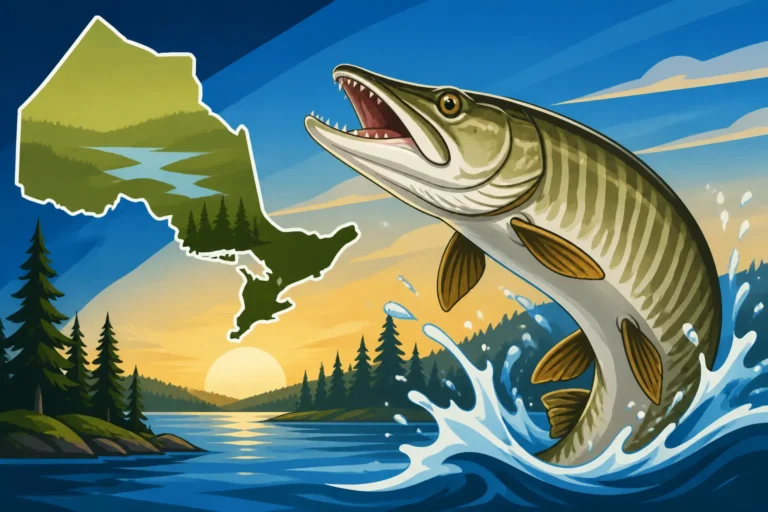
- Central Ontario (Georgian Bay/North Channel): This area is famous for its smallmouth bass, northern pike, and especially for its muskellunge. Lake trout and walleye are also present in many of the larger, deeper lakes.
- Lake Superior: The mighty Lake Superior offers opportunities for lake trout, splake, rainbow trout (steelhead), brook trout (coaster brook trout), and Pacific salmon species like chinook and coho salmon, particularly in the tributaries.
- Western Ontario (Sunset Country): This is truly a multi-species paradise. Walleye, northern pike, smallmouth bass, lake trout, and muskellunge are all found in incredible numbers in the vast lakes of the region, including Rainy Lake, Eagle Lake, and the legendary Lake of the Woods.
Whether you're after a delicious walleye dinner, a hard-fighting smallmouth, or the thrill of a trophy muskie, Highway 17 will lead you there. You'll want to plan your trip based on your preferred species, as different areas excel for different fish. For more detailed information on specific species, check out resources like How to Catch Walleye in Ontario or How to Catch Muskie in Ontario.
Eastern Ontario Hotspots Along Highway 17
As you leave the hustle and bustle of the Ottawa Valley and head west, Highway 17 provides direct access to some fantastic fishing, often within easy reach of the roadside. This section is characterized by its blend of larger river systems and numerous smaller, more intimate lakes, offering a variety of experiences for different angling preferences.
Ottawa River and Its Tributaries
The Ottawa River itself is a massive, productive waterway that Highway 17 parallels and crosses multiple times. It's a renowned fishery for several species. You'll find numerous access points, including boat launches and shore fishing opportunities, especially around towns like Arnprior, Renfrew, and Pembroke.
- Target Species: Walleye, smallmouth bass, largemouth bass, northern pike, channel catfish, and various panfish.
- Techniques: Jigging with soft plastics or minnows for walleye, casting crankbaits or topwater lures for bass, and throwing spoons or spinnerbaits for pike are all highly effective.
- Access: Look for municipal parks with boat launches or public access points under bridges. Some sections offer fantastic shore fishing, especially where smaller creeks flow into the main river, creating current breaks and feeding lanes. It's a great spot for both boat anglers and those looking for Best Shore Fishing Spots in Ontario. Many local guides operate on the Ottawa River and can be found through platforms like FishingBooker, offering guided trips that put you on the fish quickly.
Beyond the main river, several tributaries like the Madawaska River and Bonnechere River, which Highway 17 crosses or runs near, offer excellent fishing. These smaller rivers often hold good populations of smallmouth bass and pike, and in their upper reaches, some can even hold brook trout. Always check local regulations for specific tributary rules, as they can sometimes differ from the main river.
Smaller Lakes and Ponds
Scattered along and just off Highway 17 in Eastern Ontario are countless smaller lakes and ponds. While they might not be as famous as the Ottawa River, these often-overlooked spots can provide incredible fishing, especially for those seeking a quieter experience or targeting panfish and smaller bass.
- Examples: Lakes like White Lake, Muskrat Lake, and others in the Renfrew County area are often easily accessible. You might need to explore a bit, but many offer public boat launches or roadside parking with walk-in access.
- Target Species: Largemouth bass, northern pike, yellow perch, black crappie, and sunfish. These lakes are perfect for a casual day of fishing, whether you're bringing the kids or just want to relax.
- Tactics: Simple setups work best here. Worms under a bobber are deadly for panfish, while soft plastics or small crankbaits can entice bass and pike. If you have a canoe or kayak, these smaller lakes are ideal for exploring weed lines and lily pad beds. Consider exploring opportunities for Best Kayak Fishing Spots in Ontario here. These often fly under the radar, providing less pressure and potentially more consistent action.
When exploring these smaller bodies of water, be mindful of private property signs and always pack out what you pack in. These spots are often maintained by local communities and depend on responsible angling to remain viable.
Central and Northern Ontario Gems
As Highway 17 snakes further north and west, it plunges into the rugged Canadian Shield, bringing anglers face-to-face with some of Ontario's most iconic and productive fishing grounds. This stretch offers a dramatically different landscape, characterized by vast, deep lakes, intricate coastlines, and pristine wilderness.
Georgian Bay and North Channel Access Points
The highway grazes the eastern and northern shores of Georgian Bay, part of Lake Huron, offering incredible opportunities for both boat and shore anglers. The North Channel, specifically, is a renowned fishery.
- Target Species: World-class smallmouth bass fishing, abundant northern pike, and significant populations of muskellunge. Lake trout are also present in the deeper sections.
- Access: Towns like Parry Sound, Sudbury (via Highway 69), Spanish, and Blind River offer numerous public boat launches and access points. Some provincial parks along the route, such as Killarney Provincial Park, also provide fishing access to Georgian Bay and its inland lakes. For those seeking true giants, a guided muskie trip might be worth considering, and FishingBooker can connect you with experienced local captains.
- Techniques: For smallmouth, cast tube jigs, drop shots, or topwater lures around rocky points, shoals, and islands. Pike respond well to spoons and spinnerbaits in weed beds. Muskie anglers often throw large bucktails, glide baits, or crankbaits, focusing on structure and weed edges. The North Channel is especially famous for its clear waters and abundant smallmouth bass action, providing fantastic sight-fishing opportunities on calm days. Always remember the importance of catch and release for these magnificent fish, especially muskie.
This area truly highlights the raw beauty and challenging fishing that Ontario is famous for. The clear, cold waters demand a refined approach, but the rewards can be spectacular.
Lake Superior's Rugged Coastline
As Highway 17 turns northwest from Sault Ste. Marie, it hugs the awe-inspiring northern shore of Lake Superior, the largest freshwater lake in the world by surface area. This is a region of dramatic cliffs, deep bays, and cold, clear waters.
- Target Species: Lake trout are king here, along with various salmonids like rainbow trout (steelhead), brook trout (coaster trout), chinook salmon, and coho salmon, particularly near river mouths. Splake are also stocked in many nearshore areas.
- Access: Access points are found in towns like Marathon, Terrace Bay, Rossport, and Nipigon. Many small harbors and river mouths offer excellent shore fishing opportunities, especially during spring and fall runs of trout and salmon. Charter services are available in some larger towns for offshore lake trout fishing.
- Techniques: Trolling with downriggers and spoons or stickbaits is popular for lake trout and salmon in the vast open waters. Fly fishing or casting spoons and spinners in tributaries during spring and fall can yield excellent results for steelhead and salmon. Shore anglers often use spawn sacs, roe bags, or casting spoons near river mouths. Remember, Lake Superior is notoriously cold and can get rough quickly, so safety precautions and awareness of Ontario Boating Laws for Anglers are paramount. Fishing Lake Superior is an experience unlike any other, demanding respect for its immense power and beauty.
The fishing here can be incredibly rewarding, offering the chance to catch truly wild and powerful fish against a backdrop of unparalleled natural grandeur. However, it's also a challenging environment, and proper preparation is essential.
The Vastness of Lake of the Woods and Beyond
Continuing west from Thunder Bay, Highway 17 leads into Ontario's "Sunset Country," a region synonymous with epic freshwater fishing. This area is characterized by literally thousands of lakes, including some of the largest and most famous fishing destinations in North America, such as Lake of the Woods, Rainy Lake, and Eagle Lake.
- Target Species: This is a multi-species mecca. Walleye, northern pike, smallmouth bass, lake trout, and muskellunge are all found in incredible abundance and often reach trophy sizes. Best Walleye Lakes in Ontario and Best Muskie Waters in Ontario are often found here.
- Access: Towns like Dryden, Kenora, and Fort Frances (via Highway 11, which connects to 17) serve as gateways to these immense fisheries. There are countless public boat launches, lodges, and resorts that cater specifically to anglers. Many remote lakes are also accessible via portages or float plane services for those seeking true wilderness experiences.
- Techniques:
- Walleye: Jigging with live bait (minnows or leeches), trolling crankbaits, or drifting with crawler harnesses are all highly effective. Look for them on points, reefs, and weed edges.
- Muskellunge: Large bucktails, jerkbaits, glide baits, and topwater lures are the go-to. Focus on casting near structure, weed lines, and rocky outcrops.
- Smallmouth Bass: Topwater lures, tubes, and crankbaits fished around rocky shorelines, islands, and shoals are very productive.
- Lake Trout: Trolling deep with spoons or stickbaits, or jigging vertically over deep structure, especially during summer.
- Planning: Given the sheer size and complexity of these lakes, hiring a local guide, perhaps found through FishingBooker, can dramatically improve your success, especially if it's your first time in the area. They know the subtle nuances of these waters and can put you on the fish. Many lodges also offer packages that include guides and boat rentals.
Fishing in Sunset Country is an unforgettable experience, offering pristine waters, abundant fish, and the chance to truly disconnect from the everyday. Just be sure to bring bug spray!
| Fishing Region Along Highway 17 | Primary Target Species | Common Techniques | Key Access Points |
|---|---|---|---|
| Eastern Ontario (Ottawa Valley) | Walleye, Smallmouth Bass, Pike, Panfish | Jigging, Casting, Bobber Fishing | Arnprior, Pembroke, Renfrew |
| Central Ontario (Georgian Bay/North Channel) | Smallmouth Bass, Muskie, Pike, Lake Trout | Casting (tubes, topwater, bucktails), Trolling | Parry Sound, Spanish, Blind River, Killarney |
| Lake Superior Shoreline | Lake Trout, Steelhead, Salmon, Brook Trout | Trolling (downriggers), Fly Fishing, Shore Casting | Marathon, Terrace Bay, Rossport, Nipigon |
| Western Ontario (Sunset Country) | Walleye, Muskie, Smallmouth Bass, Lake Trout, Pike | Jigging, Trolling, Casting (various lures) | Dryden, Kenora, Fort Frances |
Tips for Fishing Along Highway 17
Embarking on a fishing adventure along Highway 17 requires more than just knowing where the fish are. It demands thoughtful planning, the right gear, and a keen understanding of Ontario's fishing regulations to ensure a successful and enjoyable trip.
Planning Your Trip and Accommodations
A long journey like the one along Highway 17 means you'll need to plan for more than just fishing holes. Think about where you'll be staying. Are you looking for rustic Ontario Provincial Park Fishing Guide campsites, comfortable motels in towns like Sault Ste. Marie or Kenora, or perhaps a full-service fishing lodge? Booking accommodations, especially during peak seasons, is crucial. If you're venturing into remote areas, be prepared for limited cell service and bring adequate navigation tools. For those driving long distances, breaking up the trip into segments, each focusing on a specific fishing area, can prevent burnout and maximize your time on the water. Websites like FishingBooker can also be a valuable resource for finding charter captains and guided trips, which often include boat and gear, reducing your packing burden. Don't forget to factor in travel time between spots, as Highway 17 is long, and speeds can vary.
Essential Gear for Roadside Angling
Given the vast differences in water bodies along Highway 17, your gear selection needs to be versatile.
- Rods & Reels: A medium-heavy spinning combo is a good all-around choice for bass, pike, and walleye. If you're specifically targeting muskie or lake trout, you'll need heavier baitcasting or trolling setups.
- Tackle: Pack a diverse array of lures. Spinnerbaits, spoons, crankbaits, jigs with various soft plastics, and topwater lures will cover most situations. Include a selection of terminal tackle like hooks, weights, swivels, and leaders. For pike and muskie, wire leaders are a must to prevent bite-offs.
- Essentials: Always carry a first-aid kit, bug spray, sunscreen, polarized sunglasses (they greatly help in spotting fish and structure), rain gear, and a reliable cooler for keeping your catch (if you plan to keep any, remember to follow strict bag limits). A good map or a GPS device with pre-loaded fishing spots is invaluable, especially in areas with limited signage. Consider a quality Best Tackle Box Setup for Ontario Anglers that keeps everything organized and accessible.
- Boating: If you're bringing your own boat, ensure it's in good working order and you have all the required safety equipment, including life jackets for everyone on board. If you're planning to use a kayak or canoe, a good PFD and paddle are non-negotiable.
Navigating Regulations and Licenses
This is perhaps the most critical aspect of fishing along Highway 17. Ontario's fishing regulations are extensive and vary significantly by Fisheries Management Zone.
- Outdoors Card & License: You'll need an Ontario Outdoors Card, Explained and a valid fishing license. Make sure you understand the difference between a Sport Fishing and a Conservation Fishing license, as they have different catch and possession limits. Non-residents have specific licensing requirements as well.
- Zone-Specific Rules: Every time you enter a new FMZ, you must check the regulations for that specific zone. This includes season dates for various species, daily catch limits, and possession limits. Some lakes or rivers even have special regulations (e.g., slot limits, catch-and-release only). You can find this information in the annual Ontario Fishing Regulations Summary.
- Boating Regulations: If you're operating any motorized vessel, you'll need a Pleasure Craft Operator Card (PCOC). Familiarize yourself with all Ontario Boating Laws for Anglers, including requirements for safety equipment on board.
Always double-check the current regulations before you cast your first line. Not adhering to these rules can result in hefty fines and even loss of equipment. Respecting the regulations helps ensure the sustainability of Ontario's incredible fisheries for future generations.
Disclaimer
The information provided in this guide is for general informational purposes only and is subject to change. Fishing regulations, season dates, and access points can vary. Always consult the most current Ontario fishing regulations summary and local authorities before planning any fishing trip. The author and publisher are not responsible for any inaccuracies, omissions, or actions taken based on the information presented herein. Fish responsibly and safely.