How to Catch Muskie in Ontario
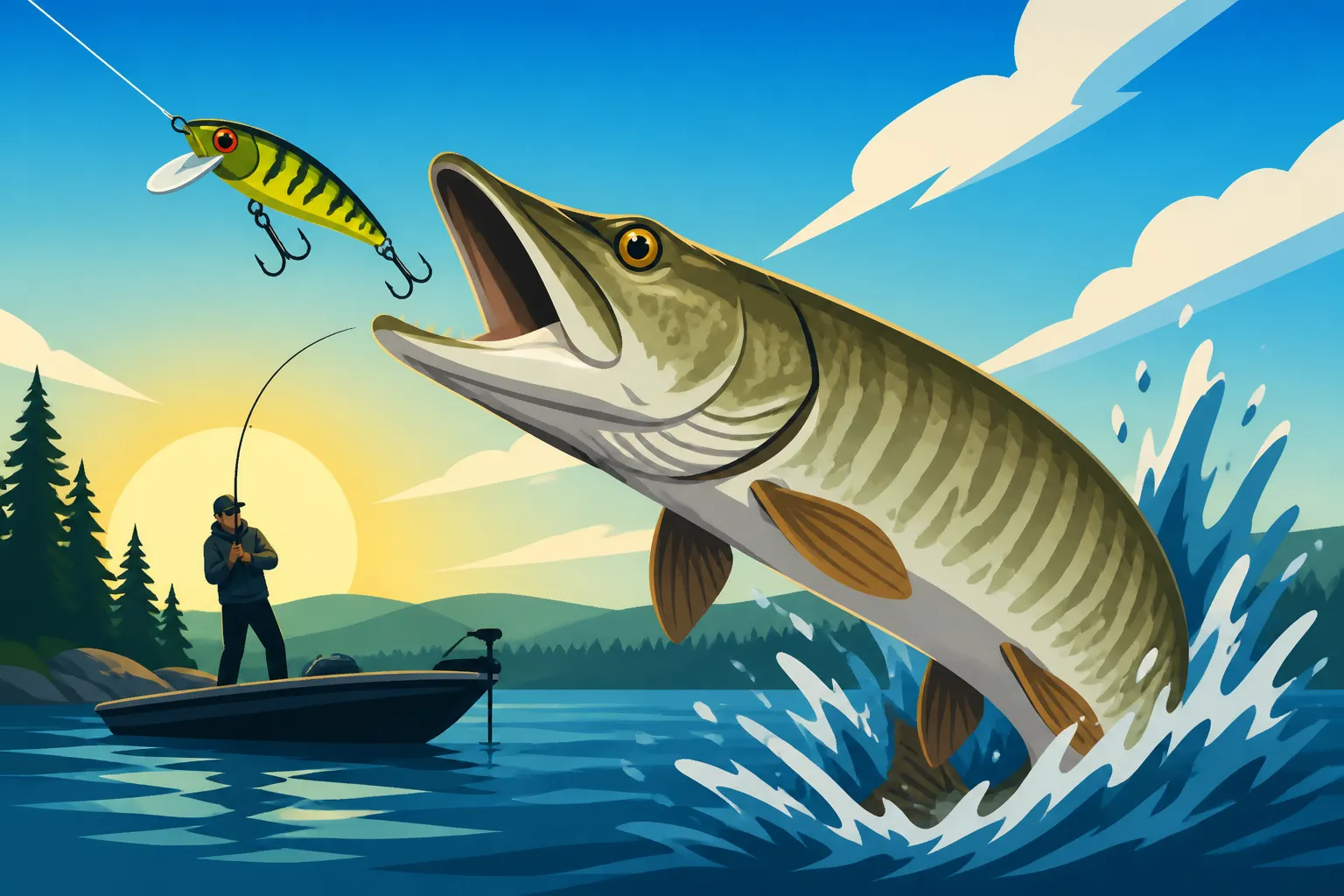
The thrill of chasing a true freshwater apex predator is an experience unlike any other, and for many anglers, the muskellunge represents the ultimate challenge. If you've ever spent countless hours casting, wondering what it takes to land one of these elusive giants in Ontario's vast waters, you're not alone. This comprehensive guide is dedicated to demystifying muskie fishing, offering you the deep insights and practical strategies you need to increase your odds and finally connect with a fish of a thousand casts.
Understanding Ontario Muskellunge
Before you even make your first cast, truly understanding the muskellunge (or "muskie" as we fondly call them) is paramount. These fish aren't just big; they're intelligent, territorial, and have a unique behavioral repertoire that sets them apart from almost every other freshwater species. Knowing their habits, preferred environments, and physical prowess will equip you with a significant advantage.
Muskie Identification and Key Characteristics
Muskellunge are unmistakable, once you know what to look for. They belong to the pike family, but they are generally larger and more robust than their northern pike cousins. The most reliable way to tell them apart, especially in waters where both species coexist, is to count the pores on the underside of their jaw – muskie typically have 6-9 pores on each side, whereas northern pike usually have 5 or less. Another good indicator is their coloration: muskie often have dark bars, spots, or blotches on a lighter background, while pike usually have lighter spots on a darker body. They possess a long, cylindrical body, a powerful forked tail for explosive bursts of speed, and a large, duck-billed mouth armed with rows of needle-sharp teeth. These teeth aren't just for show; they're designed to grip and hold onto prey, making them formidable predators. An average adult muskie in Ontario might range from 30 to 50 inches, but giants exceeding 50 inches and even pushing past 60 inches are the stuff of legends and often the target of dedicated anglers.
Typical Habitat and Behavior
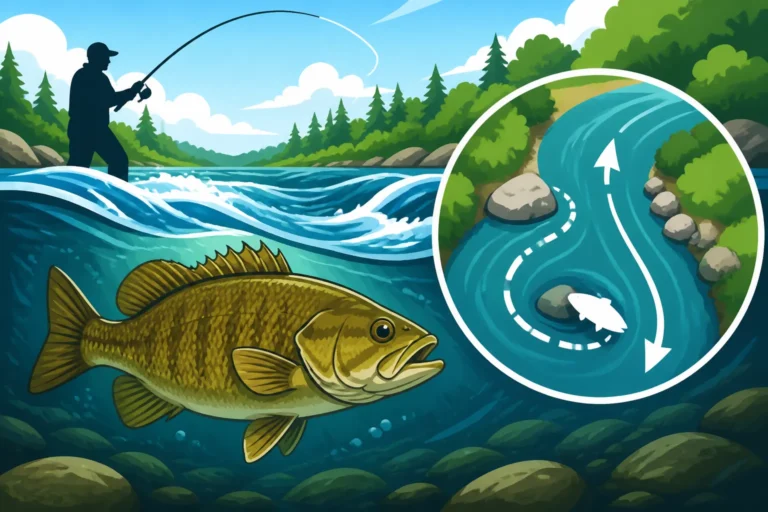
Muskellunge are structure-oriented predators, meaning they love to ambush their prey from cover. In Ontario's diverse aquatic environments, this can translate to a variety of habitats. In lakes, you'll often find them lurking around weed lines, submerged timber, rock piles, sudden depth changes, and points extending into deeper water. Rivers present different opportunities, with muskie favoring current breaks, eddies behind boulders, fallen trees, and deep pockets near shore. They are highly predatory and opportunistic feeders, consuming a diet primarily composed of other fish, but they won't hesitate to strike at ducks, muskrats, or even smaller muskie. Their behavior can be quite enigmatic; they are often referred to as the "fish of a thousand casts" because of their seemingly unpredictable feeding windows and periods of inactivity. They are sight feeders, relying heavily on their keen vision to spot prey, especially in clear water. Understanding this means presenting lures that mimic their natural prey in an enticing manner. They also tend to be solitary, fiercely defending their chosen ambush points.
Ontario's Muskie Hotspots
Ontario is a world-renowned destination for muskie fishing, boasting an incredible array of productive waters. When we talk about Best Muskie Waters in Ontario, several names immediately come to mind. For sheer numbers of large fish, Lake St. Clair is often cited as a global hotspot. Its shallow, fertile waters, abundant baitfish, and extensive weed beds provide ideal conditions for muskie growth. Anglers specifically looking for a Lake St Clair Muskie Fishing adventure will find it hard to beat. Further north, Georgian Bay offers a different challenge, with its vast, rocky structure and deep, clear waters holding some truly enormous muskie. Targeting these fish in Georgian Bay Muskie Fishing requires robust equipment and a deep understanding of its complex underwater topography. The Kawartha Lakes system, particularly Rice Lake and Pigeon Lake, are also excellent, known for both numbers and size. The Ottawa River, forming part of the border with Quebec, is another phenomenal muskie fishery, with its diverse riverine habitats. Other notable mentions include the French River, Lake of the Woods, Eagle Lake, and the vast wilderness lakes of Northwestern Ontario, where truly untouched muskie populations thrive. Each of these locations offers a unique fishing experience, from open-water trolling to casting heavy baits into dense cover.
Essential Gear for Ontario Muskie Fishing
Chasing muskellunge is not for the faint of heart, nor is it for anglers with inadequate gear. These fish are powerful, aggressive, and demand equipment that can withstand immense stress. Investing in the right tools is crucial, not just for success, but also for safety and the well-being of the fish. Skimping on tackle here often leads to lost fish, broken equipment, and frustration.
Rods, Reels, and Line Selection
For muskie, you need heavy-duty gear. Forget your bass or walleye setups; they simply won't cut it. A typical muskie rod is a heavy or extra-heavy power baitcasting rod, ranging from 8 to 10 feet in length. The longer rods provide better casting distance for heavy baits and more leverage for fighting large fish. Popular choices include rods from companies like St. Croix or Shimano, designed specifically for muskie fishing. For reels, a robust baitcasting reel with a strong drag system and a high line capacity is essential. Look for models with a low gear ratio (around 5.1:1) for retrieving large, heavy baits and a high gear ratio (around 7.1:1 or higher) for burning smaller baits or quickly taking up slack. Reels from Daiwa or Abu Garcia are commonly favoured.
When it comes to line, braided line is the only way to go. Its zero stretch properties allow for solid hooksets and direct power transfer to the fish, crucial when dealing with heavy baits and powerful runs. A common choice is 80 to 100-pound test braided line. While incredibly strong, braid can be susceptible to abrasion from sharp rocks or the muskie's teeth. To combat this, always use a heavy-duty leader. A fluorocarbon leader of 100 to 150-pound test, or a multi-strand steel leader, about 18-36 inches long, is critical. This leader provides an invisible, abrasion-resistant barrier against those formidable teeth. Swivels and snaps used to connect your leader to your main line and your leader to your lure must also be heavy-duty, rated for at least 150 pounds to prevent failure during a fight or when a muskie violently shakes its head. You can find a great selection of these specialized items on platforms like Amazon, making it easy to outfit yourself properly.
Lure Arsenal for Different Seasons
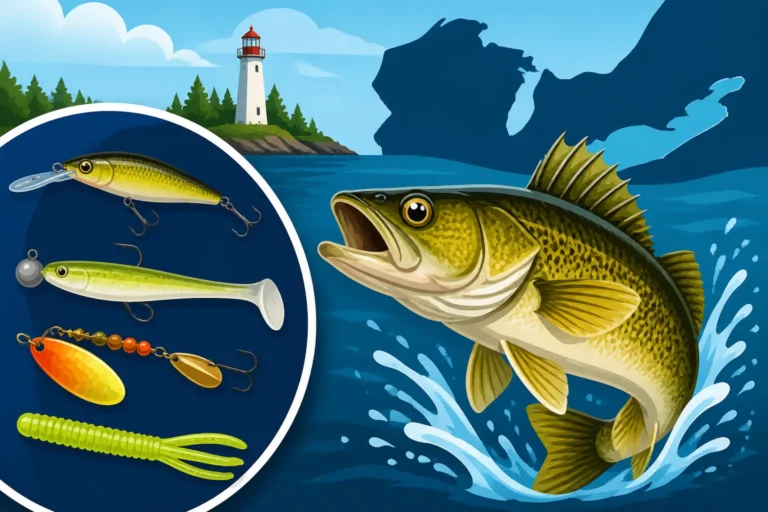
The muskie lure market is vast and diverse, with specific baits designed for various conditions and seasons. A well-rounded tackle box will include a variety of lure types, colours, and sizes. For spring and early summer, smaller bucktails (like Musky Frenzy's EZ Rider), inline spinners, and shallower running crankbaits are often effective, especially in cooler water or when fish are more active in shallower areas. As summer progresses and water temperatures rise, muskie often move deeper or hold tighter to cover, requiring different presentations. Large bucktails, jerkbaits (both glide baits and dive-and-rise styles), topwater lures for explosive surface strikes, and soft plastic swimbaits (like those from Bondy Bait Company) become more prominent. For fall, when muskie are bulking up for winter, anglers often "go big" with their lures. Giant bucktails, large wooden crankbaits, extra-large soft plastics, and heavy duty glide baits are par for the course. These substantial offerings mimic the large meals muskie are seeking before the cold sets in. It’s a good idea to research Best Lures for Muskie Fishing in Ontario to get a more detailed breakdown by species. Colours vary depending on water clarity and light conditions; natural baitfish patterns in clear water, and brighter, flashier colours in stained water or low light are generally good starting points. Always have a variety on hand.
Crucial Accessories and Safety Gear
Muskie fishing isn't just about rods and lures; it's also about preparedness. A large, rubber-coated landing net is absolutely essential for safely landing and handling these big fish. Look for a net with a wide hoop and deep bag, specifically designed for muskie. Brands like Frabill or Beckman are popular choices, and you can often find competitive prices on Amazon. This type of net protects the fish's slime coat and fins much better than traditional knotted nets.
Long-nosed pliers or jaw spreaders are non-negotiable for hook removal, as reaching into a muskie's mouth with bare hands is a recipe for serious injury. A good pair of bolt cutters or sturdy side cutters can also be a lifesaver, allowing you to quickly snip hooks if they are deeply embedded or in a precarious position, prioritizing the fish's safety. A fish ruler or bump board will help you measure your catch accurately for catch-and-release records. Beyond fish-handling tools, personal safety equipment like a quality life jacket (even if you're a strong swimmer, accidents happen), a first-aid kit, and adequate sun protection are crucial. If you're using a boat, ensure it's equipped with all the required safety gear as per Ontario Boating Laws for Anglers. Remember, a large, thrashing muskie can create a dangerous situation in a boat, so having the right tools and knowing how to use them quickly is paramount for both angler and fish safety.
Top Techniques for Muskie Success
Successfully catching a muskie often comes down to a combination of presentation, persistence, and understanding when to switch up your approach. These aren't passive fish; they often require an aggressive, varied strategy to entice a strike.
Casting and Retrieving Muskellunge Baits
Casting is perhaps the most popular and often the most exciting way to target muskie. It involves meticulously working your lure through prime muskie habitat, such as weed edges, rock shoals, fallen trees, and shallow bays. The key is to make accurate casts to potential ambush points. Once your lure hits the water, the retrieve becomes paramount. Different lures require different retrieves:
- Bucktails and Inline Spinners: These are often retrieved at a fast, steady pace to keep the blades spinning and create maximum flash and vibration. Varying the retrieve speed, adding occasional pauses, or subtle rod tip twitches can sometimes trigger a reluctant follower.
- Crankbaits: These can be retrieved steadily, but often benefit from a "stop-and-go" retrieve, allowing the bait to dive, then float or suspend on the pause, mimicking a wounded baitfish. "Rip-jigging" them through weeds can also be very effective.
- Jerkbaits (Glide Baits): These require a rhythmic rod twitch and pause, making the lure "walk the dog" subsurface, gliding from side to side. It’s a highly interactive retrieve that takes practice but can be incredibly effective. The pause is often when the strike occurs.
- Topwater Lures: Think aggressive, splashy retrieves for these! Walk-the-dog, chuggers, and prop baits all create commotion on the surface, drawing strikes from above. These are particularly exhilarating as you get to witness the full, explosive strike.
Always be ready for a strike, especially on the pause or as the lure approaches the boat. Muskie often follow a lure right to the boat, making the "figure eight" maneuver absolutely critical.
Trolling Strategies for Open Water
While casting is exciting, trolling is often a more efficient way to cover vast expanses of water, especially in larger lakes or when targeting deeper-holding muskie. Trolling involves dragging lures behind a boat at a specific speed and depth. This technique is particularly effective for covering long weed lines, offshore humps, or open water basins where baitfish schools might be present.
- Speed and Depth: Varying your trolling speed is crucial, often between 3 to 6 mph, but sometimes slower or faster depending on the lure and muskie mood. Large crankbaits, deep-diving plugs, and oversized soft plastic baits are popular choices. Using lead core line, diving planers, or downriggers can help achieve the desired depth in deeper water.
- Contouring Structure: Instead of just straight-lining, try to troll along the contours of submerged islands, main lake points, or sudden depth changes (known as breaks). This keeps your lures in the prime strike zone for longer.
- Multiple Lines: Many anglers use multiple rod setups when trolling, each running a different lure at a different depth or distance from the boat. This allows you to experiment and quickly identify what the muskie are keying in on. Just be mindful of Ontario Boating Laws for Anglers regarding the number of lines permitted.
Trolling can be a waiting game, but when a rod doubles over, the fight is usually spectacular. It's a great technique for covering water and finding active fish that might not respond to casting.
Figure Eight and Boatside Tactics
This is arguably the most critical and often overlooked part of muskie fishing, especially when casting. It's the moment when many follows turn into strikes. A muskie will often track a lure right up to the boat, inspecting it closely, but won't commit to a strike in open water. This is your cue to perform the "figure eight."
As your lure approaches the boat and is about to exit the water, rather than lifting it out, smoothly plunge your rod tip into the water and trace a large, continuous figure-eight pattern alongside the boat. The idea is to keep the lure moving, imitating a confused or wounded baitfish trying to escape. This sudden, evasive action often triggers an aggressive reaction strike from a following muskie. Keep your eyes peeled; the strike can be violent and happen inches from your face.
If the muskie follows but doesn't strike on the first figure eight, try to lead it into a larger circle or even a "J" turn, varying the speed and size of your movements. Sometimes, the sudden change in direction or acceleration is enough to get them to commit. Mastering the figure eight takes practice, but it's an indispensable skill that will undoubtedly put more muskie in your net. It's truly a game-changer, turning those frustrating follows into unforgettable catches.
When and Where to Find Muskie Throughout the Year
Muskie are active predators for much of the open water season in Ontario, but their behavior and location shift dramatically with water temperature and spawning cycles. Understanding these seasonal movements is key to consistently finding them.
Spring Opener and Post-Spawn Tactics
Muskie season in Ontario typically opens in early June, after the fish have completed their spawning rituals. The exact Ontario Fishing Seasons by Zone and Month and Ontario Muskellunge Season Dates and Limits will vary by Fisheries Management Zone (FMZ), so always consult the current regulations summary. In spring, post-spawn muskie are often recovering and hungry. They'll typically be found in shallower, warmer bays and flats, especially those with emerging weed growth or submerged wood. These areas warm up faster and offer abundant baitfish.
Targeting these shallow areas with medium-sized bucktails, inline spinners, and shallower running crankbaits can be very productive. The water is still cool, so a slightly slower retrieve might be more effective than in the heat of summer. As they recover, muskie can be surprisingly aggressive. Focus on areas adjacent to their spawning grounds, which are usually shallow, marshy areas with plenty of cover. They won't be far, seeking to regain energy after the arduous spawn. Patience is still required, but spring can offer some excellent opportunities for active fish.
Summer Muskie Patterns and Locations
As summer progresses and water temperatures climb, muskie patterns shift significantly. In many lakes, they will transition from the shallow spawning areas to deeper main lake structure. Look for them on points, humps, saddles, rock reefs, and deep weed lines where cooler, oxygenated water and concentrated baitfish are found. These can be vast areas, making techniques like trolling highly effective for covering water and locating active fish.
During mid-summer, muskie often become more active during low light conditions – dawn, dusk, and even night fishing can be incredibly productive, especially with topwater lures that create a lot of commotion. During bright, sunny days, they might retreat to dense cover or suspend over deep water. This is when large, noisy jerkbaits, deep-diving crankbaits, and big soft plastics come into their own. Don't be afraid to go big; summer muskie are looking for substantial meals. Areas with current, like river channels or constrictions in lakes, can also hold active fish as current brings food and oxygen.
Fall Feeding Frenzy and Pre-Winter Prep
For many dedicated muskie anglers, fall is the holy grail. As water temperatures drop, muskie enter a crucial feeding phase, gorging themselves to build up fat reserves for the long winter ahead. This "fall feeding frenzy" means they are often more aggressive and willing to chase larger baits. Muskie will often move shallower again, especially onto rocky main lake points, vast weed flats, and deep breaks adjacent to main lake basins. They'll be looking for large schools of baitfish, often positioning themselves on structure that intercepts migration routes.
This is the time to throw the biggest baits in your arsenal: colossal bucktails, foot-long crankbaits, heavy glide baits, and large soft plastic swimbaits. Slow, methodical retrieves are often key, allowing the muskie ample time to track and commit. Trolling large crankbaits over deep structure is also highly effective. The weather can be challenging in fall, with cold winds and choppy water, but the reward of a true trophy muskie is worth the effort. Knowing when Best Techniques for Fall Muskie Fishing can lead to some of the most memorable catches of the year. Always be prepared for cold weather, dressing in layers to stay comfortable on the water.
Mastering Muskie Catch and Release
Catching a muskie is an incredible feat, but releasing it successfully is equally important. These fish are a valuable resource, and their populations depend on responsible angling practices. Muskie are notoriously susceptible to stress, especially after a long fight, so knowing how to handle and release them properly is paramount.
Safe Handling and Netting Practices
The moment of truth arrives when you finally get a muskie boatside. This is not the time for celebration; it's the time for focused, efficient action. First, have your oversized, rubber-coated landing net ready. When the fish is tired and close to the boat, guide it headfirst into the net. Once netted, ensure the muskie is fully submerged in the water, preferably still in the net, while you prepare for hook removal. Never lift a muskie vertically by its jaw or by the gill plate; their internal organs are not designed to support their body weight in this manner, and it can cause severe internal damage.
If you absolutely must bring the fish into the boat, do so horizontally, supporting its entire body. A large cradle or specialized muskie bump board can be excellent for this. Minimize its time out of the water to mere seconds. If you plan to take a photo, have your camera ready, get your shot quickly, and then get the fish back into the water immediately. Remember that the goal is always a successful release, not just a successful catch. Checking out a guide on Muskie catch and release survival tips can further enhance your knowledge on these best practices.
Proper Hook Removal and Revival
With the muskie securely in the net (and still in the water if possible), it's time for hook removal. This is where your long-nosed pliers or jaw spreaders come in. Carefully open the muskie's mouth with the jaw spreaders (if necessary) to expose the hooks. Use your long-nosed pliers to firmly grasp the hook shank and twist it out. If a hook is deeply embedded or in a sensitive area like the gills, do not hesitate to use your bolt cutters to snip the hooks. It's far better to leave a small piece of hook in the fish than to tear its mouth trying to extract a stubborn hook.
Once the hooks are removed, the revival process begins. Hold the muskie gently by the tail and support its belly, keeping it submerged in the water. If there's a current, orient its head into the current to allow water to flow over its gills. If in still water, gently move the fish back and forth in a figure-eight motion to force water through its gills, mimicking respiration. Watch for signs of recovery: the fish will eventually start to kick its tail, try to swim away, or show increased responsiveness. Do not release the fish until it can swim away under its own power. This might take several minutes, especially after a long fight.
Minimizing Stress for a Successful Release
Every decision you make from the moment you hook a muskie contributes to its chances of survival. A quick fight, efficient netting, minimal time out of water, and proper hook removal all work together to minimize stress. Prolonged fights, rough handling, dropping the fish, or keeping it out of water for too long significantly reduce its chances.
Consider the water temperature. In warm summer months, muskie are under more physiological stress, and a long fight can be particularly taxing. In these conditions, be extra diligent with revival. If you catch a muskie, especially a truly large one approaching Muskellunge Growth Rate to Trophy Size, take pride in the catch, but prioritize its health above all else. These are incredible creatures, and ensuring they live to fight another day is the hallmark of a responsible muskie angler. Using a specialized net like the one described earlier from a brand like Frabill or Beckman, which can be easily found on Amazon, further aids in this critical process as it helps protect the fish's delicate slime coat and fins. Remember, the future of Muskellunge Fishing in Ontario depends on all of us.
Navigating Regulations and Conservation
Fishing in Ontario, especially for prized species like muskie, comes with a responsibility to understand and abide by the regulations. These rules are in place to ensure sustainable populations for future generations of anglers. Ignoring them can lead to significant penalties and harm the fishery.
Understanding Ontario Muskie Regulations
Ontario's fishing regulations are designed to manage fish populations across the province's many diverse water bodies. This means that muskie regulations can vary significantly depending on which Fisheries Management Zone (FMZ) you are fishing in. It's not a one-size-fits-all approach. Before you even head out, you absolutely must consult the current Ontario Fishing Regulations Explained summary. This document, available online from the Ontario Ministry of Natural Resources and Forestry (MNRF) or at license vendors, is your bible for understanding what's allowed.
The regulations will specify everything from open seasons to size limits and possession limits. For muskie, these are often quite strict. For instance, some zones might have a minimum size limit of 44 or 48 inches, or even higher, to protect spawning females and allow fish to reach trophy size before they can be harvested. Many anglers voluntarily practice catch-and-release for all muskie, regardless of legal size, due to their slow growth rate and the dedication it takes to grow a trophy fish.
Respecting Seasons and Size Limits
The season dates for muskie are crucial. Fishing for them outside the designated open season is illegal and can have detrimental impacts on spawning populations. These dates are carefully determined to protect muskie during their most vulnerable reproductive periods. Always check the Ontario Muskellunge Season Dates and Limits for your specific FMZ before planning your trip.
Size limits are also incredibly important. Minimum size limits mean that any fish caught below that length must be immediately and safely released. This strategy allows muskie to mature, spawn multiple times, and contribute to the population before they become eligible for harvest. For a species that can take 10-15 years to reach trophy size, these regulations are vital. It's not just about avoiding fines; it's about being a responsible steward of the resource. Carrying a reliable measuring device and understanding how to quickly and accurately measure a fish is part of responsible angling.
Participating in Muskie Conservation Efforts
Beyond simply following the rules, anglers can actively participate in muskie conservation. Many organizations, such as Muskie Canada Inc., are dedicated to the research, preservation, and enhancement of muskie populations. Joining these groups, participating in their events, or contributing to their research initiatives can make a real difference.
Voluntarily practicing 100% catch and release is one of the most significant contributions an individual angler can make. Educating other anglers on proper handling and release techniques, especially the critical "figure eight" and revival procedures, also helps. Reporting illegal fishing activities to the MNRF is another way to protect the fishery. By being an informed, ethical, and conservation-minded angler, you play a vital role in ensuring that the incredible Muskellunge Fishing in Ontario opportunities continue for generations to come.
Advanced Muskie Fishing Tips
Once you've mastered the basics, muskie fishing becomes a game of subtle nuances, environmental understanding, and a whole lot of mental fortitude. These advanced tips can help you elevate your game and increase your chances of connecting with that elusive leviathan.
Reading Water and Identifying Prime Structure
Muskie are creatures of habit and structure. Learning to "read the water" means being able to look at a body of water and identify potential muskie holding areas even without a fish finder. This comes with experience, but some common principles apply.
- Contour Lines on Maps: Study bathymetric charts (depth maps) diligently. Look for sharp drop-offs, underwater points, humps, saddles between islands, and areas where shallow water transitions quickly to deep water. These are often muskie highways and ambush points.
- Surface Indicators: Pay attention to surface changes. A ripple line might indicate a current seam where baitfish congregate. Submerged weed beds often show subtle signs on the surface. Points that extend far into the lake, visible or not, are prime targets.
- Baitfish Presence: Muskie follow their food. If you see schools of baitfish, whether on your sonar or visually on the surface, muskie are likely nearby. Look for signs of baitfish being spooked or showering the surface, which could indicate a predator below.
- Wind and Waves: Wind can push baitfish and warm surface water, concentrating them in certain areas. A wind-blown shore or point can be incredibly productive, as the waves also break up the water surface, providing cover for muskie.
Connecting these visual cues with your understanding of muskie behavior will allow you to pinpoint high-percentage spots more efficiently, rather than just casting randomly.
Understanding Weather and Barometric Pressure
Muskie are highly sensitive to changes in weather and barometric pressure. Many experienced muskie anglers swear by certain conditions:
- Falling Barometric Pressure: A falling barometer, often associated with approaching storm fronts or overcast, rainy weather, is frequently cited as a prime time for muskie activity. This is when muskie tend to feed aggressively. Don't be afraid to fish in less-than-ideal human weather; it might be perfect for muskie.
- Stable High Pressure: Conversely, a prolonged period of stable high pressure and clear skies often makes muskie more lethargic and harder to catch. In these conditions, you might need to slow down your presentation, use more subtle lures, or target low-light periods.
- Cold Fronts: A strong cold front that causes a sudden drop in temperature and a rise in barometric pressure can shut muskie down completely. They may move deeper, hold tight to cover, and be incredibly difficult to entice. Patience and finesse are key during these tough times.
- Moon Phases: While not scientifically proven for all species, many muskie anglers pay attention to moon phases, believing that full and new moons can trigger feeding windows. It's another variable to consider in your strategy.
Keeping a fishing log that tracks weather, barometric pressure, and muskie activity can help you identify personal patterns on your favourite lakes over time.
Patience, Persistence, and Learning from Each Outing
Perhaps the most advanced tip for muskie fishing isn't about gear or technique, but about mindset. Muskie fishing is a mental game. It truly is the "fish of a thousand casts," and many anglers will go years, or even a lifetime, without catching a truly large one. This means patience and persistence are not just virtues; they are necessities.
- Embrace the Grind: Understand that there will be long stretches of unproductive casting. Don't get discouraged. Keep casting, keep focused, and maintain the belief that the next cast could be the one.
- Observe and Adapt: Every time you're on the water, you're learning. Pay attention to every follow, every flash, every weed line you pull up, and every change in water temperature. What worked yesterday might not work today, and vice-versa. Be willing to change lures, retrieve speeds, depths, or even locations entirely.
- Debrief: After each trip, think about what you did, what you saw, and what you might do differently next time. Did you see follows that didn't commit? Could a different figure-eight have sealed the deal? Was the water clearer than expected? This continuous learning process is what turns a casual muskie angler into a consistent one.
Ultimately, muskie fishing is a journey of continuous learning and growth. Each outing, whether successful or not, offers valuable lessons that contribute to your overall understanding of this magnificent fish. The dedication required to pursue them only makes the eventual catch even more rewarding.
| Lure Type | Best Season | Typical Target Depth | Retrieve Style | Key Features |
|---|---|---|---|---|
| Bucktails | Spring, Summer, Fall | Shallow to Mid | Fast & Steady | Flash & Vibration, often with pulsating skirt |
| Crankbaits | Spring, Summer, Fall | Shallow to Deep | Steady, Stop-and-Go, Trolling | Diving lip, rattling chambers, buoyant |
| Jerkbaits | Summer, Fall | Shallow to Mid | Twitch & Pause (Walk-the-Dog) | Gliding action, slow sink/float, suspending |
| Topwater Lures | Summer (Low Light) | Surface | Aggressive Chugging/Walking | Creates splash & commotion, explosive strikes |
| Soft Plastics | Summer, Fall | Mid to Deep | Jigging, Steady Retrieve, Trolling | Realistic profile, subtle action, heavy |
Disclaimer
The information provided in this guide is for general informational purposes only and is subject to change. Fishing regulations, season dates, and limits are set by the Ontario Ministry of Natural Resources and Forestry (MNRF) and can vary by Fisheries Management Zone (FMZ) and year. Always consult the official Ontario Fishing Regulations Summary for the most current and accurate information before heading out on the water. Following all provincial and federal laws is the responsibility of the angler. Fishing carries inherent risks; always prioritize safety.