Lake St Clair Muskie Fishing
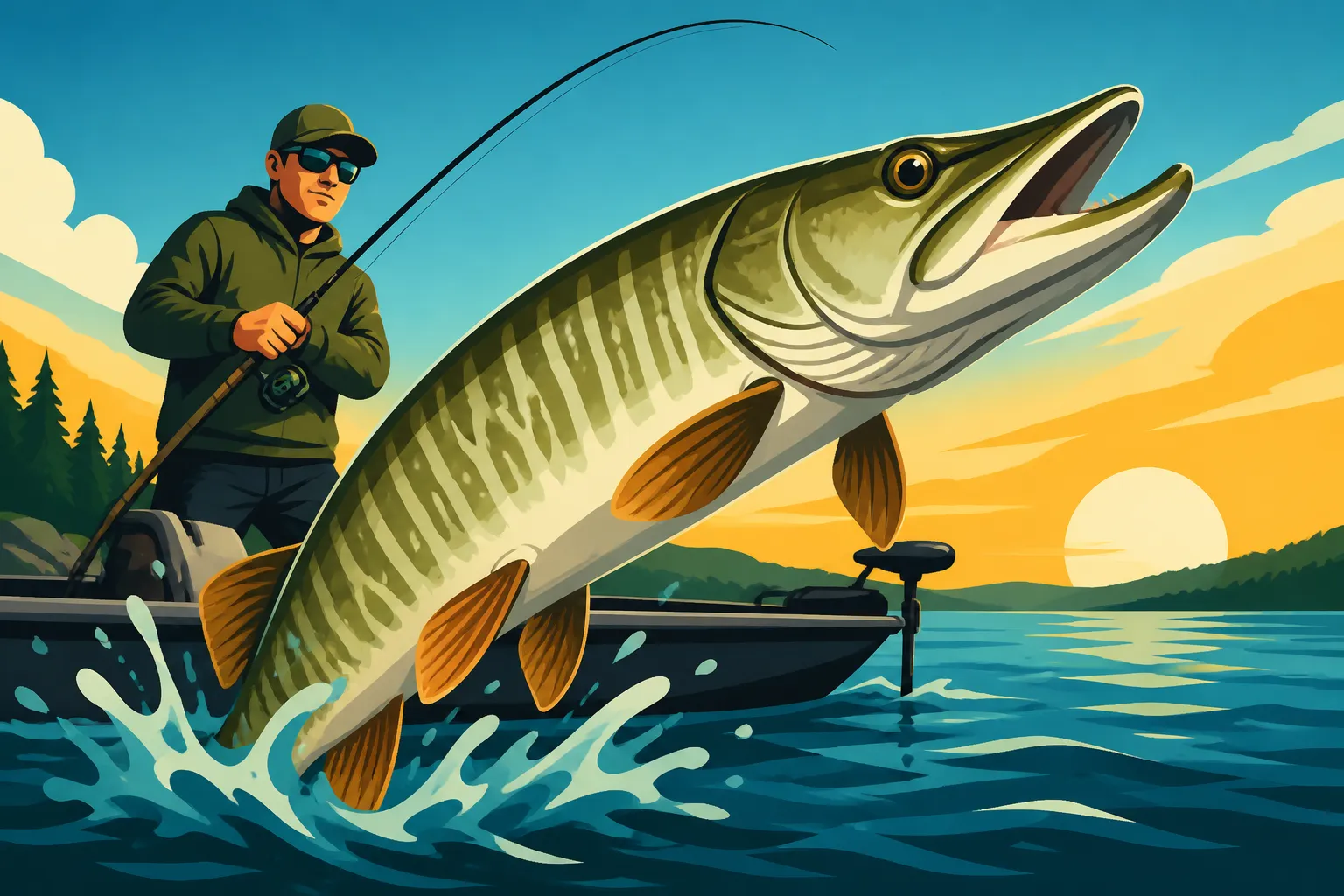
There's a unique thrill that comes with chasing trophy fish, and for many anglers, few species compare to the mighty muskellunge, often simply called "muskie." But when you set your sights on a truly world-class muskie fishery, the sheer size and reputation of Lake St. Clair can be intimidating. This vast, relatively shallow lake, straddling the Ontario and Michigan border, holds an almost mythical status among muskie fanatics, yet figuring out where to start, what techniques to use, and how to navigate its unique challenges can feel overwhelming. This guide is designed to demystify Lake St. Clair muskie fishing, offering comprehensive insights into its productive waters, seasonal strategies, essential gear, and crucial conservation practices to help you land the fish of a lifetime.
Understanding Lake St. Clair's Muskie Fishery
Lake St. Clair isn't just another body of water; it's a muskie factory, renowned globally for its incredible numbers of fish and the potential for true giants. Its unique characteristics make it a prime habitat for these apex predators.
Why Lake St. Clair is a Muskie Mecca
Lake St. Clair is often dubbed the "Muskie Capital of the World," and for good reason. What sets it apart from other muskie destinations like Georgian Bay or Lake of the Woods? Primarily, it's a combination of its shallow, fertile waters, abundant forage, and vast weed flats. The average depth of Lake St. Clair is only about 11 feet, with a maximum depth around 21 feet. This relatively shallow basin allows sunlight to penetrate, fostering incredible weed growth across expansive areas. These weed beds, composed largely of Eurasian watermilfoil and various native grasses, create perfect ambush points and cover for muskie.
The lake also boasts an incredibly rich ecosystem, fueled by nutrient-rich waters from the Detroit River and flow-through from Lake Huron into Lake Erie. This nutrient base supports a massive population of baitfish, including gizzard shad, emerald shiners, perch, and suckers, providing an endless buffet for growing muskie. This high density of prey means muskie don't have to work hard to feed, allowing them to grow quickly and reach impressive sizes. Unlike many other muskie lakes where you might grind for days for a single bite, Lake St. Clair is known for its "numbers game," offering anglers more opportunities to hook up, even if it means sorting through some smaller fish to find the big ones.
Life Cycle and Habits of St. Clair Muskie
Understanding the muskie's life cycle and seasonal habits on Lake St. Clair is crucial for consistent success. These fish are highly responsive to water temperature, forage availability, and cover, dictating their movements and feeding patterns throughout the year.
Muskie typically spawn in shallow, vegetated areas of the lake and its tributaries in late spring, generally from late April through May, when water temperatures reach the mid-50s Fahrenheit (around 13-16°C). After spawning, they disperse from these areas, often lingering in nearby shallower bays before moving to their summer haunts. Throughout the summer, they are largely associated with the expansive weed beds that blanket much of the lake. They use these dense aquatic jungles for camouflage, ambush points, and thermal refuge. You'll find them holding along weed edges, in pockets within the weeds, or suspended just above the canopy, waiting for an unsuspecting baitfish to swim by.
As fall approaches and water temperatures begin to drop, muskie become increasingly active, entering a "feeding frenzy" phase to pack on weight for the lean winter months. They often move from the thickest weed beds to slightly deeper edges, channels, and humps where baitfish might congregate. This pre-winter bite can be spectacular, offering some of the best opportunities to catch truly giant muskie. While muskie are active year-round in Lake St. Clair, their precise location and preferred depths will shift with the seasons, making adaptable strategies essential for consistent success.
Prime Muskie Fishing Seasons and Times
Lake St. Clair offers muskie fishing opportunities throughout its open water season, but each period presents unique challenges and rewards. Knowing when and where to focus your efforts can significantly increase your chances of success.
Spring: Opener to Early Summer
The spring season on Lake St. Clair, which typically opens in early June for muskie in Ontario's FMZ 20 (it's essential to consult the most current Ontario Fishing Season Dates by Zone to confirm), is a time of transition. Water temperatures are rising, and muskie are recovering from the spawn. Initially, fish might still be somewhat lethargic, lingering in shallower, warmer bays and protected areas near their spawning grounds. As the water warms further, they become more active and begin to spread out.
Early in the season, target bays and shorelines with emerging weed growth. Muskie will be looking for easy meals and using the developing vegetation for cover. Casting smaller bucktails, inline spinners, and twitch baits can be effective as fish are not yet in full chase mode. By late spring and early summer, as weed beds mature, muskie will start associating with these structures more strongly. Focus on the edges of large weed flats and areas where current flows along the weeds. This is often when trolling starts to become highly effective as fish become more active and willing to chase baits.
Summer: Mid-Summer to Early Fall
Mid-summer to early fall is arguably the most consistent and popular time for muskie fishing on Lake St. Clair. The vast weed beds are fully grown, providing extensive habitat, and baitfish populations are at their peak. Muskie are actively feeding and can be found throughout the lake, typically in or near the dense weed cover. Water temperatures are warm, and fish are aggressive.
During this period, focus your efforts on the extensive weed flats, particularly targeting distinct weed edges, humps within the weeds, and areas where open water meets dense vegetation. Trolling is king during these months, allowing anglers to cover vast expanses of water and present baits to active fish. Large crankbaits, spoons, and bucktails trolled at various depths and speeds can elicit strikes. Casting is also very productive, especially when targeting specific weed pockets or visible structures. The high density of muskie means you can often find multiple fish in a relatively small area once you locate an active school.
Fall: Late Fall Trophy Hunt
As autumn progresses and water temperatures begin their slow decline, Lake St. Clair muskie enter their "fall feed" – a period of intense feeding activity as they prepare for winter. This is the time when many anglers specifically target trophy-sized muskie. Fish become less interested in speed and more interested in a substantial meal, often moving from the dense, shallow weed beds to deeper water structures.
Look for muskie to concentrate along pronounced drop-offs, deeper channels, humps, and areas where baitfish are schooling up. Trolling large, deep-diving crankbaits or casting oversized jerkbaits and soft plastics becomes particularly effective. The bite might be less frequent than in summer, but the fish you do encounter are often larger and more aggressive. Pay close attention to current seams and areas where warmer water from channels meets the colder main lake. This late fall bite can extend well into November, right up until ice forms or the season closes, offering some of the best opportunities to connect with a true giant.
Top Techniques and Strategies for Lake St. Clair Muskie
Lake St. Clair's unique environment, characterized by its vast, shallow, and weedy flats, necessitates specific techniques to consistently put muskie in the net. While muskie are known for their unpredictable nature, these tried-and-true methods will give you the best chance of success.
Trolling for Maximum Coverage
Trolling is arguably the most popular and effective technique for muskie fishing on Lake St. Clair, especially given the lake's expansive open waters and widespread weed beds. It allows anglers to cover a tremendous amount of water, systematically searching for active fish and presenting lures to muskie that might be scattered across large areas. For those new to the lake, trolling is an excellent way to learn the contours, weed lines, and baitfish concentrations.
When trolling, precise depth control and speed are paramount. Muskie often suspend just above or within the weed tops, so running your lures at the correct depth is crucial. Planer boards are indispensable for spreading out lines, covering a wider swath, and preventing tangles, especially when running multiple rods. Typical trolling speeds range from 3 to 6 miles per hour, but don't be afraid to experiment. Sometimes, a subtle change in speed can trigger a strike from a following fish. Pay close attention to your electronics, looking for bait balls and changes in bottom contour or weed density. Large crankbaits from brands like Musky Innovations (e.g., Shallow Invaders, Burt Baits) and Rapala (e.g., Super Shad Rap) are popular choices, as are large spoons and bucktails. Vary your lure spread, using different colours and diving depths, until you find what the fish are keying in on.
Casting for Specific Structures
While trolling covers water efficiently, casting allows for a more targeted approach, especially when you've located a concentration of fish or are working specific structures like distinct weed edges, pockets, or isolated clumps of vegetation. It's a more physically demanding technique, but the immediate feedback of a lure working through cover and the explosive strike can be incredibly rewarding.
When casting, focus on areas where muskie are likely to ambush prey. This means working the "breaks" – where shallow water meets deeper water, where dense weeds thin out, or where current creates seams. Fan-casting an area, starting from the boat and working outwards, ensures you cover all potential holding spots. Popular casting lures include large bucktails, jerkbaits (both glide baits and dive-and-rise styles), spinnerbaits, and heavy-duty soft plastics (like Bondy Baits Original or Chaos Tackle Medussas). The key is to make accurate casts to the edges or into openings of cover and retrieve your lure with varied speeds and erratic movements to imitate a wounded baitfish. Remember, a muskie might follow a lure for a long time before striking, so always perform a figure-eight maneuver boatside to trigger those last-second attacks.
Key Structures and Cover
Lake St. Clair is not a lake with dramatic topographical features like steep drop-offs or rocky reefs. Instead, its "structure" is predominantly defined by its vast aquatic vegetation, current, and subtle changes in depth. Understanding these key elements is fundamental to consistently finding muskie.
The most critical feature is the sprawling weed beds. These can range from dense, impenetrable mats to more sparse, scattered patches. Muskie will relate to these weeds in various ways:
- Weed Edges: The transition zone where dense weeds meet open water is always a prime target. Muskie patrol these edges, ambushing baitfish moving in and out of cover.
- Weed Pockets and Lanes: Openings or channels within a larger weed flat act as natural highways and ambush points.
- Isolated Clumps: Small, isolated patches of weeds, especially on an otherwise featureless flat, can hold a lone muskie.
Beyond weeds, current plays a significant role. Lake St. Clair has a consistent flow-through from the St. Clair River into the Detroit River. Muskie will often position themselves in current breaks or along current seams, conserving energy while waiting for food to be delivered to them. Look for areas where channels narrow, or where flow encounters obstacles. Subtle depth changes, even just a foot or two, can concentrate muskie and baitfish, especially as water temperatures fluctuate. Keep an eye on your Fish Finder for these subtle humps and depressions. You can also leverage resources like FishingBooker to connect with local guides who specialize in finding these crucial underwater features, which can save you valuable time on the water.
Essential Gear for Lake St. Clair Muskie Anglers
Chasing muskie on Lake St. Clair requires specialized, heavy-duty gear that can withstand the power and demands of these formidable fish. Skimping on tackle here can lead to heartbreak.
Rods, Reels, and Line
When it comes to muskie, your gear needs to be robust, period. You're not delicate trout fishing here; you're going head-to-head with a fish that can exceed fifty inches and fight like a freshwater freight train.
- Rods: For trolling, you'll want heavy or extra-heavy action rods, typically 8 to 10 feet long. Longer rods help spread lines and absorb the shock of a strike. For casting, rods are generally shorter, around 7'6" to 9'6", but still in the heavy to extra-heavy power range. They need a fast tip for casting large lures accurately and enough backbone to set heavy hooks and control a surging fish. Brands like St. Croix (e.g., Mojo Musky, Legend Tournament Musky) and Thorne Bros. are popular for their durability and performance. Consider checking out specific recommendations in a guide on the Best Fishing Rods for Ontario Lakes.
- Reels: Baitcasting reels are the standard for muskie fishing. Look for models with strong drags, high line capacity, and durable components. Low gear ratios are often preferred for trolling and retrieving large, high-resistance lures, while higher gear ratios can be beneficial for casting to quickly pick up slack. The Shimano Tranx, Daiwa Lexa HD, and Abu Garcia Revo Toro Beast are top contenders, known for their reliability. For more on this, you might find our article on Best Baitcasting Reels for Muskie Fishing useful.
- Line: Braided line is the only choice for muskie. Its zero stretch provides excellent sensitivity for detecting subtle bites and superior hook-setting power. Opt for 80-100 lb test. A heavy-duty fluorocarbon or wire leader (150-200 lb test) is essential to prevent bite-offs from those razor-sharp teeth. Don't forget to tie solid knots like a Palomar or uni knot.
Lures and Baits
Lake St. Clair muskie aren't particularly picky, but they do respond well to specific lure types, sizes, and colours based on conditions and season. Having a diverse selection is key.
- Crankbaits: These are a trolling staple. Look for large, deep-diving models (for summer/fall deeper edges) and shallower-running versions (for spring/summer over weeds). Colours often vary from natural baitfish patterns (perch, shad) to bright, obnoxious colours (firetiger, chartreuse) depending on water clarity and mood of the fish. Musky Innovations Shallow Invaders, Wiley Lures, and various Rapala Magnum sizes are popular.
- Bucktails: These are casting powerhouses. They come in various blade configurations (single, double, triple, tandem) and sizes. Flash and vibration are key. Common colours include black, white, chartreuse, and perch patterns. Mepps Musky Killers, Cowgirls (Musky Mayhem Tackle), and Shumway Flasher are highly effective.
- Jerkbaits/Glide Baits: These lures are fantastic for casting when fish are holding tight to cover or when you want a more erratic, stop-and-go presentation. Examples include Bondy Baits, Hell Hounds, and various wooden jerkbaits. They require an active retrieve with rod sweeps and pauses to get their characteristic "glide" action.
- Soft Plastics: Large swimbaits and soft plastic offerings are gaining popularity, especially for their realistic profiles and versatility. These can be jigged, cast, or slowly trolled. Brands like Bondy Bait and Chaos Tackle Medussa offer various sizes and colours that mimic the lake's abundant forage.
- Spoons: Oversized trolling spoons can be surprisingly effective, particularly for covering large flats and when fish are looking for a flashier, wobbling presentation.
Boating and Safety Equipment
Fishing Lake St. Clair, especially for muskie, often involves large boats, significant travel, and navigating potentially rough waters. Proper boating and safety equipment are non-negotiable.
- Boat: A substantial boat, typically 18-24 feet, with a powerful motor is highly recommended for Lake St. Clair. The lake can get rough quickly with wind, and you'll often be covering long distances. Good fishing boats like Ranger, Lund, and Alumacraft are popular choices. Ensure your boat is equipped with a reliable trolling motor for precise boat control, especially when casting.
- Electronics: A high-quality fish finder/chartplotter combo is essential. Look for units with clear side-imaging and down-imaging capabilities to identify weed lines, baitfish schools, and even individual muskie. GPS mapping is critical for navigating the vast flats, marking productive spots, and safely returning to port, especially in fog or low light. Brands like Humminbird (e.g., Helix, Solix series) and Garmin (e.g., ECHOMAP Ultra) are top-tier.
- Safety Gear: Beyond the standard Ontario Boating Laws for Anglers requirements (life jackets for everyone, whistle, throw bag, first-aid kit), consider extra safety precautions. A VHF radio is vital for communicating on open water, especially where cell service might be spotty. Carry plenty of water, snacks, and extra fuel. Always let someone know your float plan.
- Muskie-Specific Tools: A large, rubberized landing net (at least 48-inch hoop, 60-inch handle) is critical for safely landing and releasing muskie. Long-nosed pliers, bolt cutters (for cutting hooks if necessary), and a hook-out tool are essential for safely removing hooks. A bump board or measuring tape allows for quick measurement without harming the fish. Always have a camera ready, but prioritize the fish's health for a quick release. Our guide on Best Landing Net for Muskie offers some excellent options.
Navigating Regulations and Conservation on Lake St. Clair
Fishing for muskie on Lake St. Clair is a privilege, and it comes with a responsibility to understand and adhere to the regulations and practice strong conservation ethics. These rules are in place to ensure a healthy and sustainable fishery for future generations.
Ontario Fishing Regulations Specific to Muskie
Lake St. Clair falls within Fisheries Management Zone (FMZ) 20 for Ontario regulations. It is absolutely crucial to consult the current Ontario Fishing Regulations Explained summary every year before you head out, as rules can change. For muskie in FMZ 20, there are specific season dates, size limits, and possession limits.
As of the current summary, the muskie season in FMZ 20 typically opens on the first Saturday in June and runs until December 15th. This gives anglers a long season to target these magnificent fish. There is usually a minimum size limit in place, often around 40 or 44 inches (102 or 112 cm), and a very strict possession limit, often one fish. It is vital to measure your fish accurately and know your limit. Releasing all muskie, especially the large females that are crucial for reproduction, is highly encouraged and contributes to the sustained health of this incredible fishery. Always refer to the official Ontario Fishing Regulations Summary for the most up-to-date and specific details on Ontario Muskellunge Season Dates and Limits. Remember, purchasing an Ontario Fishing License Guide for 2026 is a prerequisite for all eligible anglers.
Catch and Release Best Practices
Muskie are notoriously fragile, despite their tough appearance. Their large size, delicate internal organs, and tendency to fight hard mean that proper catch and release techniques are paramount for their survival. The mantra for muskie anglers is "release them all, let them grow."
When you hook a muskie, fight it efficiently and bring it to the boat as quickly as safely possible to minimize stress. Once boatside, do not lift the fish vertically by its jaw or by the gill plates. Instead, use a large, rubberized landing net to secure the fish while it's still in the water. Keep the fish in the net, in the water, as much as possible while you prepare your camera and measuring tools. Use long-nosed pliers or a hook-out tool to quickly and carefully remove hooks. If a hook is deeply embedded or in a difficult spot, don't hesitate to use bolt cutters to snip the hook, making removal easier and less traumatic for the fish. For more detailed instructions, a guide on Muskie catch and release survival tips is an invaluable resource.
For photos, lift the fish horizontally, supporting its belly with one hand and grasping the gill plate (not the gills themselves!) with the other. Keep it out of the water for the absolute minimum time required for a quick photo, then immediately return it to the water. Revive the fish by holding it upright by the tail in the water, allowing water to flow over its gills, until it swims away under its own power. Sometimes, this can take several minutes. Never release a muskie that is not fully revived, as it will likely not survive. Your dedication to these practices ensures that future generations can also experience the thrill of Lake St. Clair muskie fishing.
Border Waters and Licensing
Lake St. Clair is a unique body of water, as it straddles the international border between Ontario, Canada, and Michigan, USA. This presents specific considerations for anglers, particularly regarding licensing.
If you are fishing on the Canadian side of Lake St. Clair, you must possess a valid Ontario fishing license, along with your Outdoors Card, if applicable. This applies to both Canadian residents (including those from other provinces) and non-residents. Anglers from the United States fishing Canadian waters will require an Ontario non-resident fishing license. Conversely, if you venture into U.S. waters, you will need a valid Michigan fishing license. It is illegal to fish in the waters of one country with only the license from the other. Always be aware of your location on the lake, using your GPS chartplotter, to ensure you are compliant with the local regulations. Crossing the invisible border while fishing without the proper license for that country's waters can lead to significant penalties. Make sure you understand all the requirements, whether it's an Ontario 1-Day Fishing License Cost or a full annual license, before you head out.
Hiring a Guide or Planning Your Own Trip
Lake St. Clair is a vast and complex fishery. For many, deciding whether to hire a local guide or plan a do-it-yourself trip is the first big decision. Both options have their merits, depending on your experience, budget, and desired learning curve.
Benefits of a Local Muskie Guide
For those new to Lake St. Clair, or muskie fishing in general, hiring a local guide is often the best investment you can make. A professional muskie guide offers a wealth of benefits that can dramatically increase your chances of success and provide an invaluable learning experience.
Firstly, guides possess intimate, up-to-the-minute knowledge of the lake. They know where the fish are biting today, what techniques are working best, and which specific lures are producing. This eliminates hours of searching and experimenting, maximizing your fishing time. They come equipped with all the specialized gear – top-of-the-line rods, reels, and a vast arsenal of expensive muskie lures – saving you the initial investment. Many guides, especially those found through platforms like FishingBooker, have years, if not decades, of experience specifically on Lake St. Clair, meaning they understand its subtle nuances, current patterns, and the muskie's seasonal movements like the back of their hand. They'll teach you proper boat control, casting techniques, how to read your electronics, and most importantly, how to safely handle and release these magnificent fish. This hands-on education can fast-track your learning and confidence, making your first few trips far more productive and enjoyable.
Planning a DIY Trip
For experienced muskie anglers or those on a tighter budget, planning a do-it-yourself trip to Lake St. Clair can be incredibly rewarding. It offers the freedom to explore at your own pace and the satisfaction of finding fish on your own terms. However, it requires significant preparation and investment.
Your first step should be thorough research. Study nautical charts, online forums, and articles about the lake's muskie fishery. Understanding the prevailing wind patterns and their effects on water clarity and fish location is crucial. Invest in quality electronics – a good chartplotter with detailed mapping and a reliable fish finder with side-imaging will be your best friends for navigating the vast flats and locating weed lines and baitfish. Ensure your boat is properly equipped for big water and has all the necessary safety gear. A robust tackle selection, as discussed earlier, is also essential. Connecting with local tackle shops for recent reports and advice can be invaluable; these shop owners often have their finger on the pulse of the fishery. While you won't have a guide's immediate knowledge, careful observation, experimentation with techniques, and persistent effort can lead to incredible success. Many dedicated DIY anglers eventually learn to consistently find and catch muskie on this incredible lake.
| Muskie Season | Target Water Temp (°C) | Primary Techniques | Recommended Lures | Key Areas |
|---|---|---|---|---|
| Spring | 13-18 | Casting, Light Trolling | Smaller Bucktails, Twitch Baits, Shallow Crankbaits | Shallow Bays, Emerging Weed Edges |
| Summer | 19-25 | Trolling, Casting | Large Crankbaits, Bucktails, Jerkbaits, Soft Plastics | Expansive Weed Flats, Weed Edges, Pockets |
| Fall | 18-10 | Trolling, Casting (Trophy) | Deep-Diving Crankbaits, Oversized Jerkbaits, Large Soft Plastics | Deeper Channels, Drop-offs, Humps, Concentrated Bait |
Disclaimer
The information provided in this guide is for general informational purposes only. Fishing regulations, season dates, and limits are subject to change by the Ontario Ministry of Natural Resources and Forestry (MNRF). Always consult the current official Ontario Fishing Regulations Summary before engaging in any fishing activities. Ensure you possess the appropriate licenses and adhere to all local, provincial, and federal laws. Fishing inherently carries risks, and anglers should always prioritize safety on the water.