Best Muskie Waters in Ontario
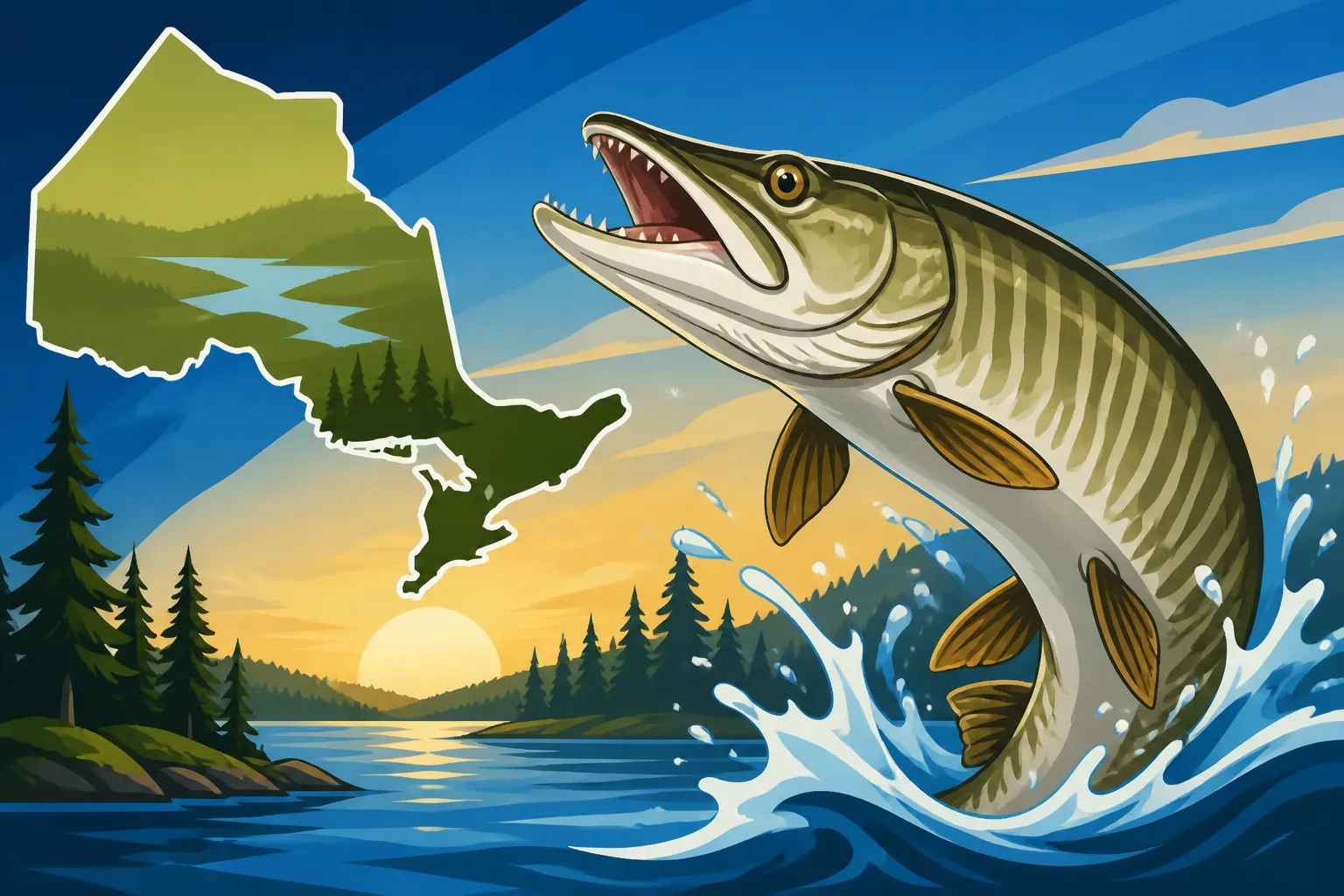
For many anglers, the pursuit of a muskellunge in Ontario isn't just a fishing trip; it's a true pilgrimage, often met with frustration given the "fish of 10,000 casts" moniker. Finding these elusive giants requires more than just luck; it demands knowledge of where they thrive, their preferred habitats, and the seasons when they are most active. This comprehensive guide will navigate you through Ontario's premier muskie waters, from vast northern wilderness lakes to the legendary flows of the Great Lakes and beyond, ensuring your next muskie adventure is well-informed and hopefully, unforgettable.
The Allure of Muskie Fishing in Ontario
There's something uniquely captivating about muskie fishing. It's not for the faint of heart, the impatient, or those easily discouraged. It's a sport that tests your perseverance, rewards meticulous preparation, and celebrates the sheer power of one of fresh water's most formidable predators. Ontario, with its incredible network of lakes and rivers, stands as a bucket-list destination for muskie enthusiasts worldwide, offering diverse environments and the potential for true giants.
Why Muskie are So Challenging and Rewarding
The challenge of catching a muskellunge is precisely what draws so many anglers. These aren't fish you stumble upon easily. They are apex predators at the top of their food chain, keenly aware of their surroundings and incredibly intelligent. They'll follow your lure to the boat countless times, inspect it with discerning eyes, and then turn away without a ripple, leaving you wondering what you could have done differently. This unpredictability, however, makes the eventual strike and battle all the more rewarding. Landing a magnificent muskie – a fish that can exceed 50 inches and weigh over 40 pounds – is a moment of pure triumph, a testament to skill, patience, and often, a little bit of luck. It's an experience that etches itself into your memory, driving you back to the water time and time again.
Beyond the sheer fight, the reward also lies in the connection to nature and the vast, pristine environments these fish inhabit. Muskie often thrive in wilder, less accessible areas, meaning your pursuit takes you to some of Ontario's most beautiful landscapes. The anticipation, the quiet focus, the explosive strike – it all combines to create an angling experience unlike any other. It’s a sport where the journey and the effort often feel as fulfilling as the catch itself.
Understanding Muskie Behavior and Habitat Needs
To effectively target muskie, you first need to understand their preferred haunts and behaviors. Muskie are ambush predators, meaning they love structure and cover from which they can launch their attacks. Think weed lines, submerged logs, rock piles, sudden depth changes, points, and transition areas where baitfish congregate. They are also highly sensitive to water temperature, often becoming more active in warmer water (but not too hot) and preferring specific temperature ranges for feeding.
Their territorial nature means they often occupy specific "spots," and once you find one, there might be another nearby. Muskie are also known for their seasonal movements. In spring, after the ice-out, they might be found shallower, warming themselves and recovering from winter. As summer progresses, they often move to deeper weed beds or offshore structure where baitfish are abundant and water temperatures are stable. Come fall, they embark on a feeding frenzy, bulking up for winter, and can often be found on main lake points, rocky reefs, and deep breaks. Knowing these patterns, and checking resources like the Ontario Muskellunge Season Dates and Limits, is crucial for success.
Northern Ontario's Legendary Muskie Lakes
Northern Ontario is synonymous with vast wilderness, pristine waters, and incredible fishing opportunities, especially for muskellunge. The sheer size and remote nature of these lakes often lead to healthy, robust muskie populations with excellent trophy potential. Anglers venturing north are often treated to an authentic, rugged fishing experience, surrounded by breathtaking natural beauty.
Lake of the Woods and Rainy Lake
When you talk about legendary muskie waters in Northern Ontario, Lake of the Woods immediately springs to mind. This immense body of water, straddling the Ontario-Manitoba-Minnesota border, boasts an incredible labyrinth of islands, bays, reefs, and intricate shorelines, providing endless prime muskie habitat. Its fertile waters support a thriving forage base, allowing muskie to grow to truly enormous sizes. Anglers here can expect to spend days, even weeks, exploring its diverse structure, from shallow weed beds to deep, rocky points. The sheer size of Lake of the Woods means that while it holds a high number of muskie, finding them requires careful patterning and often the aid of an experienced guide or comprehensive navigation tools.
Just to the east, connected by the Rainy River, lies Rainy Lake. Also a massive international boundary water, Rainy Lake offers a similar wilderness experience with excellent muskie prospects. It's known for its clear waters and abundant forage, producing both numbers of fish and legitimate trophies. Like Lake of the Woods, Rainy Lake demands time and effort to learn its intricacies, but the rewards are well worth it. Many lodges in the Kenora area offer dedicated muskie packages, often with experienced guides who have spent decades learning the nuances of these formidable systems.
Eagle Lake and Lac Seul
Further east, within the heart of Northwestern Ontario, Eagle Lake stands out as another top-tier muskie destination. Renowned for its pristine, clear waters and challenging structure, Eagle Lake is often on the list for anglers seeking a true trophy muskie. The lake is deep in places, with numerous islands, shoals, and bays that create perfect ambush points for these predators. Muskie here are known for their size and their willingness to chase a variety of baits. Success on Eagle Lake often comes down to covering water efficiently and paying close attention to contours and changes in bottom composition.
Lac Seul, another giant lake, albeit with a different character, offers incredible muskie opportunities. While perhaps not as famous for its trophy muskie as Eagle, Lac Seul is celebrated for its sheer abundance of fish, often producing good numbers of respectable-sized muskies alongside larger specimens. Its unique structure, with vast shallow areas, expansive weed beds, and countless feeder creeks, creates an incredibly rich ecosystem. The stained water in many parts of Lac Seul can make muskie fishing a bit different, often favoring aggressive presentations and louder baits. Many local outfitters in the Ear Falls and Red Lake areas specialize in guiding muskie anglers on Lac Seul.
Other Notable Northern Gems
Beyond these giants, Northern Ontario holds countless other lakes and rivers that offer fantastic muskie fishing. Lake Nipissing, often considered a gateway to Northern Ontario, is a fantastic fishery known for both numbers and size. Its relatively shallow, fertile waters support a huge population of baitfish, leading to fast-growing muskie. The French River, flowing from Lake Nipissing into Georgian Bay, is another highly productive system. Its intricate channels, rapids, and bays hold muskie throughout its length, offering diverse fishing experiences whether you're targeting fish in the slower stretches or the more current-laden areas. Many anglers book through services like FishingBooker to find experienced local guides on the French River who can navigate its complex waters and put them on fish.
The waters around Thunder Bay, including parts of Lake Superior and adjacent inland lakes, also host muskie populations, though often less publicized. Systems like the Winnipeg River and even certain stretches of the Mattagami River can produce excellent muskie fishing for those willing to explore. These lesser-known spots often provide a more solitary experience, away from the crowds, and can surprise anglers with exceptional catches. The key to exploring these waters is thorough research, consulting local bait shops, and studying topographical maps for promising structure.
Great Lakes Powerhouses: Muskie on the Big Water
The Great Lakes and their connecting waterways offer some of the most dynamic and productive muskie fisheries in the world. These vast bodies of water provide an incredible abundance of forage and expansive habitats, allowing muskie to reach truly colossal sizes. Fishing these big waters requires specialized gear and boats, but the potential for a fish of a lifetime is unparalleled.
Georgian Bay: A Vast and Diverse Fishery
Georgian Bay, an arm of Lake Huron, is a true muskie paradise, boasting an incredible blend of clear water, rocky structure, and vast open spaces. This immense body of water offers diverse muskie fishing environments, from the protected inner bays and channels of the 30,000 Islands region to the exposed outer islands and reefs. The muskie here are known for their strong fighting spirit and impressive size, often reaching into the upper 50-inch range. Targeting them requires an understanding of their seasonal movements and preferred ambush points. In spring and early summer, shallower weed beds and rocky points are productive, while later in the season, fish often move to deeper offshore reefs and structures.
The challenge of Georgian Bay is its sheer scale and the variable conditions it presents. You can find sheltered fishing grounds on windy days, but truly exploring its potential requires a boat capable of handling rough water. Many anglers choose to hire a local charter through a service like FishingBooker, especially if they are new to the area, to learn the best spots and techniques. Whether you're casting giant jerkbaits over submerged reefs or trolling expansive main lake basins, Georgian Bay Muskie Fishing offers an unforgettable experience for dedicated muskie hunters.
Lake St. Clair: The "Muskie Capital of the World"
If there's one body of water that consistently produces both numbers and immense muskie, it's Lake St. Clair. Often dubbed the "Muskie Capital of the World," this relatively shallow lake, situated between Lake Huron and Lake Erie, is a biological powerhouse. Its extensive weed beds, diverse forage base of perch and shad, and mild climate create ideal conditions for muskie to thrive and grow rapidly. Anglers routinely report catching multiple muskie in a day, with fish in the 40 to 50-inch range being common, and true giants pushing past the 55-inch mark.
Lake St Clair Muskie Fishing is predominantly a trolling fishery, with anglers covering vast expanses of water using large crankbaits and inline spinners. The lake's clear waters often demand specific lure colors and depths, making a good fish finder and precise boat control essential. While it can be busy, especially during peak season, the opportunities for success are so high that it remains a top destination for muskie anglers globally. Many professional guides operate on Lake St. Clair, offering invaluable expertise for those looking to maximize their chances.
St. Lawrence River: Big Water, Big Fish Potential
The mighty St. Lawrence River, particularly the section known as the "Thousand Islands," is another legendary muskie fishery. This vast, flowing system, bordering Ontario and New York, is characterized by deep channels, extensive shoals, rocky islands, and diverse current breaks, all providing perfect habitat for trophy muskie. The fish in the St. Lawrence are known for their robust health and immense fighting power, thanks to the constant current and rich forage base. It's a challenging but incredibly rewarding fishery, where fish often reach legendary proportions.
Fishing the St. Lawrence often involves a combination of casting large bucktails and jerkbaits around structure, as well as trolling deep-diving crankbaits along channel edges and break lines. Understanding the current and how it positions fish is paramount to success here. Given the size and complexity of the river, especially the Thousand Islands region, a skilled guide can dramatically increase your odds. The potential to hook into a true river giant, often exceeding 50 pounds, makes the St. Lawrence a must-fish destination for serious muskie anglers.
Central and Eastern Ontario's Hidden Muskie Treasures
While the northern wilderness and Great Lakes get much of the spotlight, Central and Eastern Ontario offer their own incredible muskie fishing, often in more accessible, yet still productive, waters. These regions provide a fantastic blend of numbers and trophy potential, without always requiring the long journey north. They are often characterized by interconnected lake systems and rivers, offering diverse fishing experiences.
Kawartha Lakes and Trent-Severn Waterway
The Kawartha Lakes region, interwoven with the Trent-Severn Waterway, is a network of picturesque lakes and rivers that are surprisingly fertile muskie grounds. Lakes like Sturgeon Lake, Pigeon Lake, Balsam Lake, and Chemong Lake are renowned for their healthy muskie populations. These lakes are generally shallower and more nutrient-rich than their northern counterparts, leading to abundant weed growth and a prolific forage base. This environment helps muskie grow quickly and sustain large numbers. While trophy fish are present, the Kawarthas are often celebrated for providing excellent action and consistent catches of mid-sized muskie, making it a great destination for anglers looking to hone their skills.
Fishing in the Kawarthas often involves working weed lines, submerged humps, and the mouths of connecting rivers and canals. Due to the boat traffic, especially in summer, early mornings and late evenings can be particularly productive. Anglers can explore these waters from a central base, moving between lakes via the locks, offering a unique multi-lake muskie adventure. It's a fantastic region for both seasoned anglers and those looking to experience muskie fishing without traveling too far off the beaten path.
Rideau Lakes System
Further east, the historic Rideau Lakes System, a UNESCO World Heritage Site, offers another fantastic muskie fishery. This chain of lakes and rivers, connecting Kingston to Ottawa, is known for its clear to moderately stained waters and diverse structure. Lakes such as Big Rideau Lake, Upper Rideau Lake, and Newboro Lake are particularly productive, holding strong populations of muskie, including some impressive trophy-sized specimens. The Rideau's muskie are often found relating to rocky points, deep weed beds, and the many islands scattered throughout the system.
The Rideau Lakes provide a tranquil and scenic backdrop for muskie fishing. Many of the lakes are relatively undeveloped, offering a sense of wilderness even though they are easily accessible. Anglers can explore vast stretches of water, often finding unpressured fish by venturing into less-frequented bays and channels. Fly fishing for muskie has also gained popularity in the Rideau system, with anglers targeting fish in shallower bays with large streamers. The diverse offerings of the Rideau make it a versatile muskie destination, suitable for various techniques and preferences.
Ottawa River
The mighty Ottawa River forms a significant portion of the border between Ontario and Quebec, and it's a phenomenal, albeit often overlooked, muskie fishery. From its upper reaches to its confluence with the St. Lawrence, the Ottawa River offers hundreds of miles of diverse habitat, including expansive bays, deep channels, rocky shorelines, and extensive weed beds. The river's strong current and abundant forage support a robust muskie population, with many fish growing to trophy sizes.
Fishing the Ottawa River can be incredibly rewarding. The sheer size of the river means there's always new water to explore, and the fish can be found in various environments depending on the section you're fishing. Anglers often target muskie around current breaks, tributary mouths, and the edges of vast flats. The river is known for producing aggressive fish that readily hit large baits. Given its length and varied characteristics, hiring a guide, especially if you're unfamiliar with the area, can be immensely beneficial for navigating the river and understanding its muskie patterns.
Key Factors for Choosing Your Muskie Destination
Deciding where to chase muskie in Ontario can be a delightful challenge, given the sheer number of incredible options. To make the best choice for your trip, consider a few key factors that align with your expectations, skill level, and logistical preferences.
Accessibility and Lodge Options
The first thing many anglers consider is how easy it is to get to a particular body of water. Northern Ontario lakes like Lake of the Woods or Eagle Lake often require significant travel, sometimes including float plane access, though they promise a truly wild experience. These remote destinations usually come with full-service lodges offering everything from accommodations and meals to boat rentals and guide services. They are designed for longer, immersive trips.
In contrast, lakes in Central and Eastern Ontario, such as the Kawartha Lakes, Lake St. Clair, or the Ottawa River, are generally much more accessible by car, often within a few hours' drive of major urban centers like Toronto or Ottawa. These areas offer a wider range of lodging options, from cottages and resorts to hotels and local bed and breakfasts, catering to shorter trips or day outings. When looking for a guide or charter, platforms like FishingBooker can be incredibly useful for comparing options and booking experienced captains in various regions, simplifying the logistics for you. Understanding the travel commitment and available amenities can significantly shape your muskie fishing experience.
Trophy Potential vs. Numbers Fishing
Every muskie angler dreams of a true giant, but some waters are renowned more for numbers of fish, while others are known for their trophy-class specimens. Lake St. Clair, for example, is famous for both its high catch rates and the strong possibility of landing a 40-50 inch fish. Lakes like Lac Seul might offer more consistent action with slightly smaller, but still respectable, muskie. On the other hand, a system like Eagle Lake or specific stretches of Georgian Bay might present a tougher grind, but with a higher chance of encountering a muskie well over the 50-inch mark, pushing into true "fish of a lifetime" territory.
Consider what you prioritize for your trip. If you're new to muskie fishing or bringing along less experienced anglers, a "numbers" lake might be more encouraging. If you're a seasoned muskie hunter looking for that elusive monster, a dedicated "trophy" lake, despite the potentially lower catch rate, might be more appealing. It's a balance between action and the pursuit of that one unforgettable fish.
Understanding Fishing Pressure and Seasons
Ontario's popular muskie waters can experience varying levels of fishing pressure, particularly during peak seasons. Lakes closer to population centers or those with widespread reputations, like Lake St. Clair, will see more boats. This doesn't necessarily mean poorer fishing, but it might require adapting your tactics, fishing less conventional times, or seeking out less pressured areas within the same system. Remote northern lakes, by their very nature, typically experience less pressure, offering a more secluded experience.
It's also crucial to understand the best time of year to fish for muskie in a chosen location, keeping in mind the Ontario Fishing Season Dates by Zone. Muskie season generally opens in June and extends into the fall, but specific dates vary by Fisheries Management Zone (FMZ). Early season often finds muskie shallower, while late summer and fall see them feeding aggressively to bulk up for winter, often moving to deeper structures. Consulting the official Ontario Fishing Regulations Explained and local resources for specific zones will help you plan your trip for optimal success and ensure you're compliant with all rules.
Essential Gear and Tactics for Ontario Muskie
Muskie fishing isn't just about big lures; it's about having a robust, reliable setup that can handle the violent strikes and powerful runs of these freshwater titans. The right gear not only increases your chances of landing a fish but also helps ensure a safe and successful release.
Rods, Reels, and Line for These Beasts
When targeting muskie, your gear needs to be up to the task. Forget your standard bass or walleye setups; muskie require heavy-duty equipment. For casting, a rod between 8 and 9.5 feet in length, with a heavy or extra-heavy power rating, is ideal. This length provides the leverage needed to cast large, heavy lures and control a powerful fish. Popular brands like St. Croix, G. Loomis, and Shimano offer excellent muskie-specific rods. For reels, a baitcasting reel with a high retrieve ratio (e.g., 6.4:1 or higher) and a robust drag system is essential. Many anglers prefer low-profile baitcasters for comfort, but round baitcasters also have their loyal followers.
Line choice is critical. Most muskie anglers opt for braided line, typically in the 80 to 100-pound test range. Braid offers incredible strength, minimal stretch for solid hook sets, and excellent abrasion resistance. It's almost always paired with a heavy-duty fluorocarbon or wire leader, usually 100-150 pound test, to prevent bite-offs from a muskie's razor-sharp teeth. Remember, these fish are incredibly strong, and weak links in your tackle will almost certainly lead to heartbreak. For more detailed recommendations, refer to a guide on Best Muskie Gear for Ontario Waters.
Top Lures and Baits for Ontario Muskie
Muskie lures are as diverse as the fish themselves, ranging from small bucktails to massive swimbaits and crankbaits. The key is to match the hatch, consider water clarity, and adapt to the fish's mood. Bucktails are arguably the most iconic and effective muskie lures. They come in various sizes and blade configurations (single, double, triple, or even quadro blades) and are incredibly versatile for casting over weed flats or around shallow structure. Brands like Musky Mayhem Tackle and Livingston Lures produce popular bucktails.
Large jerkbaits, both glide baits and dive-and-rise styles, are also highly effective, especially when fish are less active or in clear water. They offer a unique, erratic action that can trigger strikes. Deep-diving crankbaits are essential for trolling open water or along deep breaks, particularly on lakes like St. Clair. Rubber baits, such as large soft plastics and hybrid baits, are gaining popularity for their lifelike action and ability to tempt wary fish. Remember to always have a variety of lure types, sizes, and colors to adapt to different conditions and preferences, and don't forget the importance of the figure-eight maneuver at the boat! Learn more about specific tactics in How to Catch Muskie in Ontario.
Conservation and Catch & Release Practices
Muskie are a precious resource, and conservation is paramount. Ontario strongly emphasizes catch and release for muskie, with very strict limits and regulations (often one fish, or even catch-and-release-only in certain zones). Practicing proper catch and release techniques is not just good sportsmanship; it's vital for the health of the fishery. Always use a large, rubberized landing net specifically designed for muskie (net opening 40 inches or more) to minimize harm to the fish's slime coat and fins.
Once netted, keep the fish in the water as much as possible. Use long-nosed pliers or a jaw spreader to safely remove hooks. If you must remove the fish from the water for a quick photo, support its entire body horizontally, avoiding vertical holds by the jaw or gills which can cause internal damage. Get your measurements and photos quickly, and then gently release the fish, holding it upright in the water until it swims away under its own power. Never put your fingers in their gills. Understanding Muskie catch and release survival tips is crucial for ensuring these magnificent fish continue to thrive for future generations.
Planning Your Ontario Muskie Expedition
A successful muskie trip requires more than just knowing where the fish are; it involves careful planning, understanding local rules, and prioritizing safety. These magnificent fish often inhabit vast and sometimes challenging environments, so being prepared is key.
Navigating Regulations and Licenses
Before you even cast a line, ensure you're fully compliant with Ontario's fishing regulations. Every angler in Ontario, whether resident or non-resident, requires an Outdoors Card and a valid fishing license. You'll need to decide whether a Sport Fishing or Conservation Fishing license is appropriate for your trip, keeping in mind that a Conservation license has lower catch limits and often allows for catch and release only for muskie. You can learn more about these options in the Ontario Sport vs Conservation Fishing License guide.
Regulations also vary by Fisheries Management Zone (FMZ). Ontario is divided into 20 FMZs, each with specific rules regarding season dates, slot limits, and bag limits for different species, including muskie. It's crucial to consult the annual Ontario Fishing Regulations Summary for the specific zone you plan to fish. This summary provides detailed information on Ontario Fisheries Management Zones, Explained and ensures you're fishing legally and responsibly. Licenses can be purchased online, through ServiceOntario centres, or at authorized license issuers throughout the province.
Hiring a Guide for Your Best Shot
For many muskie anglers, especially those new to a specific body of water or new to muskie fishing in general, hiring a professional guide is an invaluable investment. An experienced muskie guide will have intimate knowledge of the local waters, including seasonal patterns, prime spots, and effective techniques. They'll also have all the necessary specialized gear, from heavy-duty rods and reels to a wide array of proven lures. A good guide can significantly shorten the learning curve, increase your chances of success, and ensure a safer, more enjoyable trip.
Many lodges in muskie country offer in-house guiding services, or you can find independent guides. Online platforms like FishingBooker are an excellent resource for finding reputable muskie guides and charter services across Ontario. You can read reviews, compare prices, and book directly, making the process seamless. While it adds to the trip cost, the knowledge gained and the increased odds of hooking into a trophy muskie often make it well worth it, providing a fantastic learning experience and memories that last a lifetime.
Safety Considerations on Muskie Waters
Fishing for muskie often takes you to large, open bodies of water or intricate river systems, which can present unique safety challenges. Always prioritize safety, both for yourself and your fishing partners. If you're using a boat, ensure it's properly maintained and equipped with all required safety gear, including life jackets for everyone on board. Familiarize yourself with Ontario Boating Laws for Anglers before heading out. Large waves and rapidly changing weather conditions can develop quickly on big lakes like Georgian Bay or Lake of the Woods, so monitor the forecast closely and be prepared to head for sheltered water or shore if conditions deteriorate.
Beyond general boating safety, specialized safety equipment for muskie fishing is also important. Keep hook cutters handy for accidental hookings, a robust set of jaw spreaders for safe hook removal, and a large, knotless net for landing fish without injury. Muskie are powerful, unpredictable fish, and their teeth are incredibly sharp, so always handle them with extreme care. Communicate your float plan to someone on shore, especially if you're venturing into remote areas, and be sure to carry a reliable communication device.
Comparing Top Ontario Muskie Waters
To help you decide on your next muskie adventure, here’s a quick comparison of some of Ontario's premier muskie waters:
| Water Body | Location | Primary Character | Average Muskie Size | Trophy Potential | Best Techniques | Key Features |
|---|---|---|---|---|---|---|
| Lake St. Clair | Southwestern Ontario | Shallow, fertile, weedy | 40-50 inches, high numbers | Excellent | Trolling | "Muskie Capital," high catch rates, clear water, vast weed flats |
| Georgian Bay | Central Ontario (Lake Huron) | Vast, rocky, clear | 38-55 inches | Excellent | Casting, Trolling | 30,000 Islands, diverse structure, challenging conditions |
| Lake of the Woods | Northwestern Ontario | Immense, wilderness, islands | 38-50 inches | Excellent | Casting, Trolling | Labyrinthine structure, remote feel, abundant forage |
| Rainy Lake | Northwestern Ontario | Large, wilderness, deep | 36-48 inches | Very Good | Casting, Trolling | Scenic, clear water, connected to Rainy River, international waters |
| Eagle Lake | Northwestern Ontario | Deep, clear, complex structure | 40-55 inches | Excellent | Casting | Known for large fish, challenging, pristine wilderness |
| Lac Seul | Northwestern Ontario | Large, stained, varied | 35-45 inches, high numbers | Good | Casting, Trolling | Abundant fish, diverse habitat, wilderness experience |
| French River | Central Ontario | River system, varied flow | 36-48 inches | Very Good | Casting, Trolling | Interconnected with Lake Nipissing and Georgian Bay, scenic |
| Lake Nipissing | Central Ontario | Shallow, fertile, large | 35-45 inches | Good | Casting, Trolling | Accessible, good numbers, fast growth, diverse structure |
| Kawartha Lakes | Central Ontario | Chain of lakes, weedy | 30-45 inches, consistent action | Good | Casting | Accessible, good action, Trent-Severn Waterway connection |
| Rideau Lakes System | Eastern Ontario | Chain of lakes, scenic | 35-48 inches | Very Good | Casting, Fly Fishing | UNESCO site, clear to stained water, quieter, varied structure |
| St. Lawrence River | Eastern Ontario | Flowing, deep, rocky | 40-55 inches | Excellent | Casting, Trolling | Thousand Islands region, strong current, big fish potential, challenging |
| Ottawa River | Eastern Ontario | Large river, diverse | 35-50 inches | Very Good | Casting, Trolling | Extensive habitat, accessible, diverse sections, strong fish |
Disclaimer
Please note that fishing conditions, regulations, and costs can change. Always consult the most current official Ontario fishing regulations summary (available from the Ontario Ministry of Natural Resources and Forestry) before planning your trip. This guide is for informational purposes only and does not constitute legal advice or an endorsement of any specific product or service. Fish responsibly and safely.