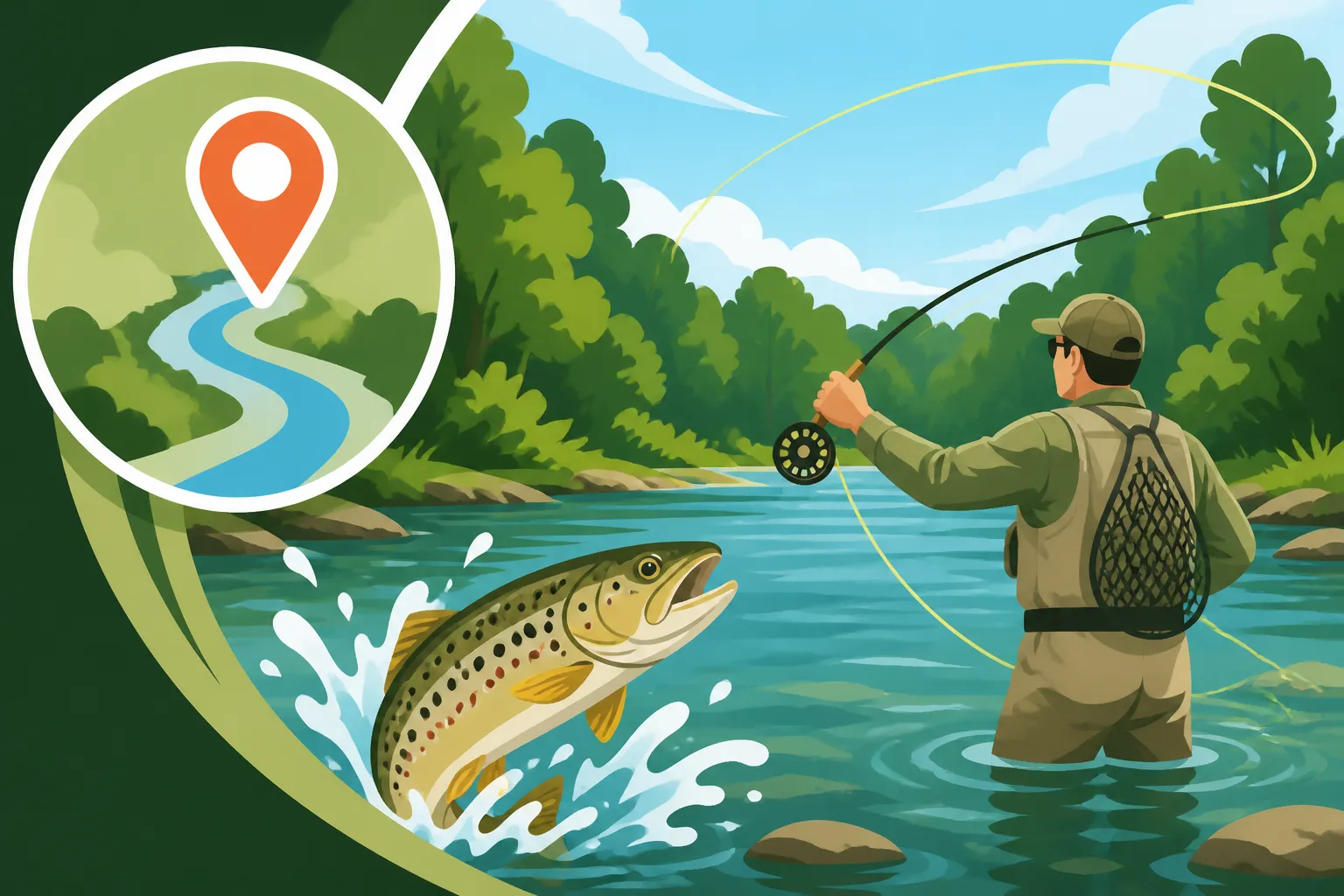
Best fly fishing access on the Credit River
Finding those perfect, serene spots to cast a fly on the Credit River can feel like unlocking a secret level in a video game, especially with so much private land along its banks. It's a common frustration for many anglers, but don't worry – you're in the right place. This guide is dedicated to walking you through the best public access points for fly fishing on the Credit, ensuring you spend less time searching and more time on the water chasing those elusive wild browns.
Understanding the Credit River's Fly Fishing Appeal
The Credit River, a true jewel of Southern Ontario, holds a special place in the hearts of many fly anglers. It’s not just another waterway; it’s a living classroom, a challenging adversary, and a rewarding sanctuary all rolled into one. Before we dive into specific access points, let's unpack what makes this river such a unique and cherished destination for fly fishing enthusiasts.
The Allure of Wild Brown Trout
What truly sets the Credit River apart is its robust population of wild brown trout. Unlike many other rivers that rely heavily on stocking programs, a significant portion of the Credit's trout population is self-sustaining. This means you're not just casting for hatchery fish; you're engaging with truly wild, wary, and exceptionally beautiful brown trout that have grown up in the natural ebb and flow of the river. These fish are known for their intelligence and caution, making them a formidable challenge for even the most experienced fly angler. The river itself is characterized by a diverse range of water types, from swift riffles and deep runs to quiet pools and undercut banks, all providing ideal habitat for these elusive fish. Catching a wild Credit River brown trout isn't just about the size; it's about the pure satisfaction of outsmarting a creature perfectly adapted to its environment, often displaying vibrant colours and fierce fighting spirit.
Seasonal Considerations for Credit River Fly Fishing
The Credit River offers angling opportunities throughout the year, but the experience changes dramatically with each season, dictated by water temperature, insect hatches, and fish behavior. Understanding these seasonal nuances is key to planning a successful trip.
In spring, after the ice recedes and water levels rise from snowmelt, the river comes alive. This is often an excellent time for nymphing, as trout are actively feeding on subsurface insects dislodged by the stronger currents. As the water warms slightly, you'll start to see early caddis and mayfly hatches, prompting trout to look up for dry flies. However, spring can also bring unpredictable weather and fluctuating water levels, so staying informed about current conditions is crucial.
Summer fishing on the Credit requires a more nuanced approach. As water temperatures rise, trout can become stressed, especially during prolonged hot spells. Early mornings and late evenings often provide the best opportunities, when water temperatures are cooler and insect activity is higher. Terrestrial patterns like hoppers, ants, and beetles become very effective, along with small nymphs and emergers fished in shaded pockets or faster, oxygenated water. Remember that certain sections, particularly those designated as Ontario catch and release only trout streams, might have specific regulations to protect fish during warmer months.
Fall is arguably the most celebrated season for fly fishing on the Credit River. Cooler temperatures re-energize the trout, and they become highly aggressive as they prepare for the winter months and, for brown trout, their spawning season. Prolific hatches of various mayflies and caddis can lead to incredible dry fly fishing, while streamers and larger nymphs can tempt bigger, more aggressive fish. The stunning autumn foliage lining the riverbanks only adds to the magic of fishing during this time.
Even winter offers a unique challenge for the dedicated angler. While many parts of the river freeze, some stretches remain open, particularly those with faster currents or spring-fed inputs. Nymphing with small, heavily weighted flies is the primary technique, targeting sluggish fish in deeper, slower pools. It's a peaceful time on the river, demanding patience and a careful approach, but the reward of a winter trout can be truly special. Always check local Ontario Fishing Season Dates by Zone to confirm open seasons for trout.
Key Public Access Points for Fly Anglers on the Credit River
Navigating the Credit River to find legitimate public access for fly fishing can be tricky. Much of the river flows through private property, making it essential to know exactly where you can legally access the water without trespassing. Thankfully, several well-known spots offer fantastic opportunities for anglers willing to explore.
Alton Area: A Classic Credit River Experience
The village of Alton, nestled in the rolling hills north of Orangeville, serves as a gateway to some of the Credit River's most storied fly fishing waters. This area is a perennial favorite for good reason: it offers a diverse range of water types and a healthy population of wild brown trout.
Just north of Alton, around the Forks of the Credit Road, you'll find various roadside pull-offs and designated parking areas that provide access. Look for spots where side roads or trails lead directly to the river. The water here tends to be faster and more varied, featuring numerous riffles, small plunges, and pocket water that are perfect for nymphing or dry-dropper rigs. The riverbed is often rocky, requiring careful wading, so Best Waders for Ontario Trout Streams that offer good grip are a must. Anglers often target seams and eddies behind boulders, or the deeper troughs created by the faster currents. While there aren't specific named "access points" like formal parks everywhere in this stretch, a little exploration and respectful observation of "No Trespassing" signs will reveal several prime spots. Local knowledge is invaluable here; sometimes a chat with a seasoned local at a coffee shop in Alton can reveal even more specific advice on current hot spots. If you're looking for personalized guidance on this stretch, sometimes local guides can be found through platforms like FishingBooker, offering invaluable insights into these more challenging access areas.
Belfountain Conservation Area & Forks of the Credit Provincial Park
These two adjacent areas offer some of the most accessible and picturesque fly fishing opportunities on the Credit River, though with specific rules and high traffic during peak seasons.
The Belfountain Conservation Area itself has limited direct river access for fishing within its main paid-entry section, as much of it is focused on scenic trails and waterfall viewing. However, the surrounding roads and nearby public trails can lead to productive stretches. The real gem here, for anglers, is often just outside the main park boundaries or in sections where the Credit Valley Conservation Authority allows access. These areas feature a mix of medium-speed runs, deeper pools, and occasional stretches of slower, meandering water. It’s a great place to hone your skills, as the varied terrain demands adaptability in your approach.
Adjacent to Belfountain is Forks of the Credit Provincial Park. This park is renowned for its stunning scenery, challenging hiking trails, and the iconic "Devil's Pulpit" rock formation. Crucially for anglers, a significant portion of the Credit River within the provincial park boundaries is often designated as "Special Regulation Water." This typically means it’s catch-and-release only for trout and may have specific gear restrictions, such as artificial flies only or single, barbless hooks. Always consult the most current Ontario Fishing Regulations Explained or the Reading the Ontario Fishing Regulations Summary before heading out, as these rules are strictly enforced. Access within the park usually involves hiking from designated parking lots, with popular spots often found near the main river crossings or where trails parallel the river. The fishing here can be excellent, with wild brown trout thriving in the well-protected habitat. The scenery alone makes it a worthwhile trip, even if the fishing is tough.
Further Downstream Opportunities Near Norval & Erindale
While the upper Credit River near Alton and Belfountain gets most of the fly fishing attention for its trout, the lower sections of the river, as it flows closer to more urbanized areas like Norval, Georgetown, and eventually Mississauga (Erindale Park), also offer unique angling experiences.
These downstream sections see a transition in fish species. While an occasional migratory brown trout might still be encountered, particularly during colder months or after good rainfalls, the primary target species shift towards warm-water fish. You'll find healthy populations of smallmouth bass, especially in rocky sections and around submerged structures. Pike and even carp are also prevalent. Fly fishing for smallmouth bass can be incredibly exciting, using poppers and streamers to entice aggressive strikes. The river here is generally wider and deeper in many spots, with more slow-moving pools and fewer defined riffles.
Public access in these more urbanized areas is often found within municipal parks and conservation areas, such as Erindale Park in Mississauga, which offers ample parking and direct river access. However, these spots can be quite busy, especially on weekends, and navigating private property lines becomes even more critical. Always be mindful of local bylaws and signage. While not typically a "trout stream" in the traditional sense, these lower sections provide excellent opportunities for multi-species fly fishing, offering a different kind of challenge and reward for anglers looking to explore beyond the classic trout waters. For those interested in diverse river fishing, checking out other Best Fly Fishing Rivers in Ontario might also be a good idea, as each offers its own unique charm.
Essential Gear and Techniques for Credit River Success
Success on the Credit River, especially when targeting its wary wild brown trout, often comes down to having the right gear and employing appropriate techniques. It’s not just about what you cast, but how you present it, and having equipment that allows for precision and stealth.
Recommended Fly Rod and Line Setups
For the Credit River, a 7'6" to 9' foot, 3 to 5-weight fly rod is generally considered ideal. A 3-weight offers delicate presentations for spooky trout in low, clear water, while a 4 or 5-weight provides a bit more backbone for casting larger flies, handling windy conditions, or fighting bigger fish in heavier currents. A medium-fast action rod is versatile, allowing for both precise dry fly presentations and the power needed for nymphing.
Pair your rod with a weight-forward floating fly line that matches your rod’s weight. This is the most versatile choice for the Credit, enabling you to cast nymphs, dry flies, and even small streamers effectively. For leaders, a 9-foot tapered leader starting with a stout butt section and tapering down to 4X, 5X, or even 6X tippet is standard. The thin tippet is crucial for presenting small flies naturally and avoiding spooking fish in the clear water. Always have a spool of fluorocarbon tippet on hand; its lower visibility underwater can make a significant difference. If you're looking for guidance on selecting the perfect rod, our guide on Best Fly Rods for Ontario Trout Streams offers more detailed recommendations.
Go-To Fly Patterns for the Credit River
The Credit River boasts a rich insect population, so having a diverse fly box is essential. Your arsenal should include a variety of nymphs, dry flies, and a few streamers.
Nymphs are often the bread and butter on the Credit, especially during colder months or when fish aren't rising. Essential patterns include:
- Pheasant Tail Nymph: A classic imitation of various mayfly nymphs. Sizes 14-20.
- Hare's Ear Nymph: Another versatile pattern, mimicking a wide range of aquatic insects. Sizes 14-18.
- Prince Nymph: Effective for imitating stoneflies and caddis larvae. Sizes 12-16.
- Caddis Larva/Pupa imitations: Green Rock Worms or chartreuse/tan caddis pupa can be deadly when caddis are active. Sizes 14-18.
- Scuds/Sowbugs: Crucial for sections with abundant crustaceans, particularly in slower water. Sizes 14-18.
When fish are rising, dry flies come into their own. Keep these handy:
- Elk Hair Caddis: A reliable imitation for adult caddisflies, effective year-round. Sizes 12-18.
- Parachute Adams: A universal mayfly imitation, great for various hatches. Sizes 14-20.
- Blue-Winged Olive (BWO): Important for fall and spring hatches. Sizes 18-22.
- Terrestrials: Hoppers, ants, and beetles are key in summer, especially along grassy banks. Sizes 10-16.
For targeting larger, more aggressive trout, especially in deeper pools or during off-hatch periods, small streamers can be very effective. Patterns like a black or olive Woolly Bugger (sizes 8-12) or a sculpin imitation can tempt a trophy fish. For a deeper dive into specific patterns, consult our guide on Fly Patterns for Ontario Trout Streams.
Wading Safety and River Etiquette
Wading the Credit River demands caution. The riverbed can be rocky, uneven, and extremely slippery due to algae-covered rocks. Some sections feature fast currents and surprisingly deep holes. Always use a wading staff for stability, especially when crossing swift water or exploring unfamiliar stretches. Wading Techniques for Ontario Trout Streams offers valuable advice for staying safe. Ensure your wading boots have excellent grip, opting for rubber soles with studs or felt soles where permitted.
Beyond safety, practicing proper river etiquette is paramount, particularly on a popular river like the Credit.
- Respect Private Property: Always be aware of property lines and avoid trespassing. If in doubt, err on the side of caution.
- Give Other Anglers Space: If you see another angler, give them a wide berth. Don't crowd their fishing spot or wade directly upstream or downstream into their water.
- Minimize Disturbance: Wade quietly and avoid thrashing in the water, which can spook fish for everyone. If you need to cross a productive run, try to do so quickly and efficiently.
- Practice Catch and Release: While not always mandatory, practicing catch and release, especially for wild trout, helps sustain the fishery. Handle fish gently with wet hands, keep them in the water as much as possible, and revive them properly before release.
- Leave No Trace: Pack out everything you pack in, including all trash, discarded fishing line, and other debris. Let’s keep the Credit River pristine for generations to come.
Navigating Regulations and Conservation on the Credit River
Fishing on the Credit River, like anywhere in Ontario, means adhering to specific rules designed to protect the fishery. Beyond the general provincial regulations, the Credit often has special local rules that anglers must be aware of. Overlooking these can lead to significant penalties, so knowledge and respect for the regulations are paramount.
Understanding Special Regulation Waters
The Credit River, particularly its prime trout-holding sections, is often subject to specific "Special Regulation Waters" rules that differ from the general Ontario Fishing Regulations Explained. These special regulations are implemented to protect vulnerable fish populations, especially wild trout, and ensure sustainable angling opportunities.
Common special regulations you might encounter on the Credit River include:
- Artificial Flies Only: This means you cannot use bait (like worms, minnows, or scented soft plastics). Only lures tied with artificial materials, designed to imitate insects or baitfish, are permitted.
- Single, Barbless Hooks: This rule is designed to minimize harm to fish during catch and release. Barbless hooks are much easier to remove, causing less trauma to the fish's mouth. If you're using barbed hooks, simply crimping down the barb with a pair of pliers will make them "barbless."
- Catch and Release Only: In certain stretches, especially within areas like Forks of the Credit Provincial Park or other sensitive zones, all trout caught must be immediately and safely released. This helps maintain a healthy population of wild, spawning fish. Our guide on Ontario catch and release only trout streams provides further detail on these practices.
- Specific Season Dates or Size Limits: While the general trout season might be open, some special regulation sections could have a shorter season or unique size restrictions for harvestable fish (though catch-and-release is most common for trout on the Credit).
It is absolutely crucial to consult the current Ontario Fishing Regulations Summary every year. The regulations can change, and what was legal last season might not be this season. This summary is available online through the Ontario Ministry of Natural Resources and Forestry (MNRF) website or at licensed bait and tackle shops. Pay particular attention to the "Exceptions to the General Regulations" section for the appropriate Fisheries Management Zone (FMZ) that the Credit River falls under (which is typically FMZ 16, but always double-check). Failing to abide by these rules, even unknowingly, can result in fines and the loss of your fishing privileges.
The Importance of Conservation and Respect
Beyond merely following the rules, a deep commitment to conservation and respect for the natural environment is vital for fly anglers on the Credit River. This river is a precious resource, providing habitat for a variety of species and recreational opportunities for countless individuals.
Practicing responsible catch and release goes beyond just using barbless hooks. It involves minimizing the time a fish is out of water, handling it gently with wet hands, supporting its weight, and ensuring it's fully revived before release. Avoid dragging fish onto dry land or handling them by the gills. Each fish released safely contributes to the river's future.
Minimizing your footprint is another key aspect. Stick to established trails, avoid trampling delicate stream-side vegetation, and always pack out all your trash – and perhaps even a little extra that someone else left behind. This "leave no trace" ethic ensures that the beauty and integrity of the Credit River are preserved for future generations of anglers and nature enthusiasts.
Supporting local conservation efforts, such as those by the Credit Valley Conservation Authority or Trout Unlimited Canada, also plays a crucial role. These organizations work tirelessly to improve water quality, restore habitat, and advocate for responsible land and water management that directly benefits the Credit River fishery. By being a responsible angler, you're not just enjoying the river; you're actively contributing to its health and longevity. And remember, before you even cast a line, ensure you have a valid Ontario fishing license. Information on getting one, including Ontario resident sport fishing license cost 2026, is readily available online.
Comparing Key Fly Fishing Access Points on the Credit River
To help you plan your next Credit River fly fishing adventure, here's a quick comparison of some of the key access points we've discussed. Each offers a unique experience, from the challenging wild waters to more easily accessible, multi-species opportunities.
| Access Point Area | Primary Target Species | Water Characteristics | Ease of Access | Special Regulations (Common) | Best For |
|---|---|---|---|---|---|
| Alton Area | Wild Brown Trout | Fast riffles, pocket water, deep runs, rocky bottom | Moderate (roadside pull-offs, short hikes) | Often Artificial Flies Only, Catch & Release | Experienced trout anglers seeking wild, wary fish |
| Forks of the Credit Prov. Park | Wild Brown Trout | Varied: riffles, pools, runs, scenic gorges | Easy (parking lots, hiking trails) | Artificial Flies Only, Single Barbless Hooks, Catch & Release | Scenic fishing, learning regulations, good for hikers |
| Belfountain Conservation Area | Wild Brown Trout (surrounding) | Mix of runs and pools, slightly less rugged than Forks | Moderate (surrounding trails/roads) | Check local signage, often similar to Forks rules | Anglers looking for slightly less strenuous wading |
| Norval / Georgetown Area | Smallmouth Bass, Pike, Carp | Wider, deeper, slower pools, some rocky sections, urban influence | Easy (municipal parks, roadside) | General Ontario fishing regulations apply | Multi-species fly fishing, beginners, warm-water enthusiasts |
| Erindale Park (Mississauga) | Smallmouth Bass, Pike, Carp | Wide, slow-moving river, urban park setting, some deeper pools | Very Easy (large parking, paved paths) | General Ontario fishing regulations apply | Urban fly fishing, easy access, family-friendly |
This table provides a snapshot, but remember that river conditions are always changing. Water levels, temperatures, and recent stocking or environmental events can all impact the fishing. Always do your homework before heading out, and consider checking local conditions reports. If you're planning a trip from out of town, or just want to ensure you hit the best spots, exploring local guide services through platforms like FishingBooker can offer invaluable, up-to-the-minute insights.
Disclaimer
Please note that fishing regulations, access points, and river conditions can change. Always consult the most current Ontario Fishing Regulations Summary published by the Ministry of Natural Resources and Forestry (MNRF) before heading out. It is your responsibility to understand and adhere to all applicable laws and regulations. The information provided in this guide is for general informational purposes only and should not be considered legal advice.