Best salmon spots on Lake Ontario
Chasing salmon on Lake Ontario can feel like a daunting task, especially when you're staring at such an immense body of water and wondering where on earth to begin. It’s easy to get overwhelmed by the sheer size, not to mention the ever-changing conditions. This guide is here to cut through that confusion, giving you the inside scoop on the most reliable and productive salmon spots along Ontario's Lake Ontario shoreline, along with practical advice to boost your success.
The Thrill of Lake Ontario Salmon Fishing: What Makes It Special
Lake Ontario is a world-class fishery, renowned for its incredible salmon and trout populations. For many anglers, the prospect of hooking into a powerful Chinook or a feisty Coho salmon is the ultimate draw. These fish are not only majestic but also offer an exhilarating fight, testing your gear and your resolve. However, unlike smaller lakes or rivers, targeting salmon on Lake Ontario requires a different approach, understanding their deep-water habits and their migratory patterns. It's a game of patience, preparation, and knowing where they like to hang out.
Understanding Chinook and Coho Salmon in Ontario
When we talk about salmon fishing on Lake Ontario, we're primarily focused on two main species: Chinook salmon (often called "Kings") and Coho salmon ("Silvers"). While both are incredibly exciting to catch, they have some distinct characteristics. Chinook salmon are the undisputed heavyweights of the lake, growing larger and offering a truly powerful, drag-screaming battle. They're built like torpedoes, with a dark, often spotted tail, and their flesh is a vibrant orange-red, making them highly prized for the table as well. Coho salmon, on the other hand, tend to be smaller but are incredibly acrobatic, often leaping clear of the water during a fight, providing a spectacular show. They have a lighter, often reddish tint to their flesh and are also fantastic eating. Both species are primarily sustained through extensive stocking programs, making the fishery consistently robust year after year, especially when you consider their life cycle in the lake. If you're keen to learn more about these incredible fish, you can dive deeper into Chinook Salmon in Lake Ontario and Coho Salmon in the Great Lakes to understand their life histories and characteristics.
These salmon spend the majority of their lives in the deep, cold waters of Lake Ontario, feeding heavily on alewife and other baitfish. Their diet contributes to their impressive growth rates and fighting power. As they mature, a natural instinct drives them to return to the areas where they were stocked or, in the case of wild-spawned fish, to the rivers of their birth. This is where the magic happens for shore anglers and those without large boats capable of offshore trolling. Understanding the movements of these fish is paramount to finding them at various times of the year.
The Seasonal Dance: When and Where Salmon Roam
Salmon fishing on Lake Ontario isn't a static affair; it's a dynamic, seasonal pursuit. Their movements are largely dictated by water temperature, baitfish concentrations, and their spawning instincts. In the spring, after the ice has melted and the nearshore waters begin to warm slightly, salmon often move into shallower areas, especially around river mouths and thermal bars, to feed on baitfish that are also moving inshore. This can present excellent opportunities for those fishing from smaller boats or even shore.
As summer progresses and the lake stratifies, the salmon retreat to deeper, cooler waters where their preferred temperatures (often between 45-55°F or 7-13°C) can be found. This is typically when charter boats and anglers with downriggers and specialized trolling gear excel, targeting them offshore. However, the true spectacle often begins in late summer and early fall, when mature salmon start their pre-spawn migration towards their natal rivers. This is when they stage near river mouths, offering some of the most accessible and exciting fishing opportunities for many anglers. Knowing the Ontario Fishing Season Dates by Zone is crucial here, as regulations can vary. This seasonal ebb and flow means that the "best" spot can change dramatically from April to October.
Prime Shoreline Salmon Hotspots on Lake Ontario
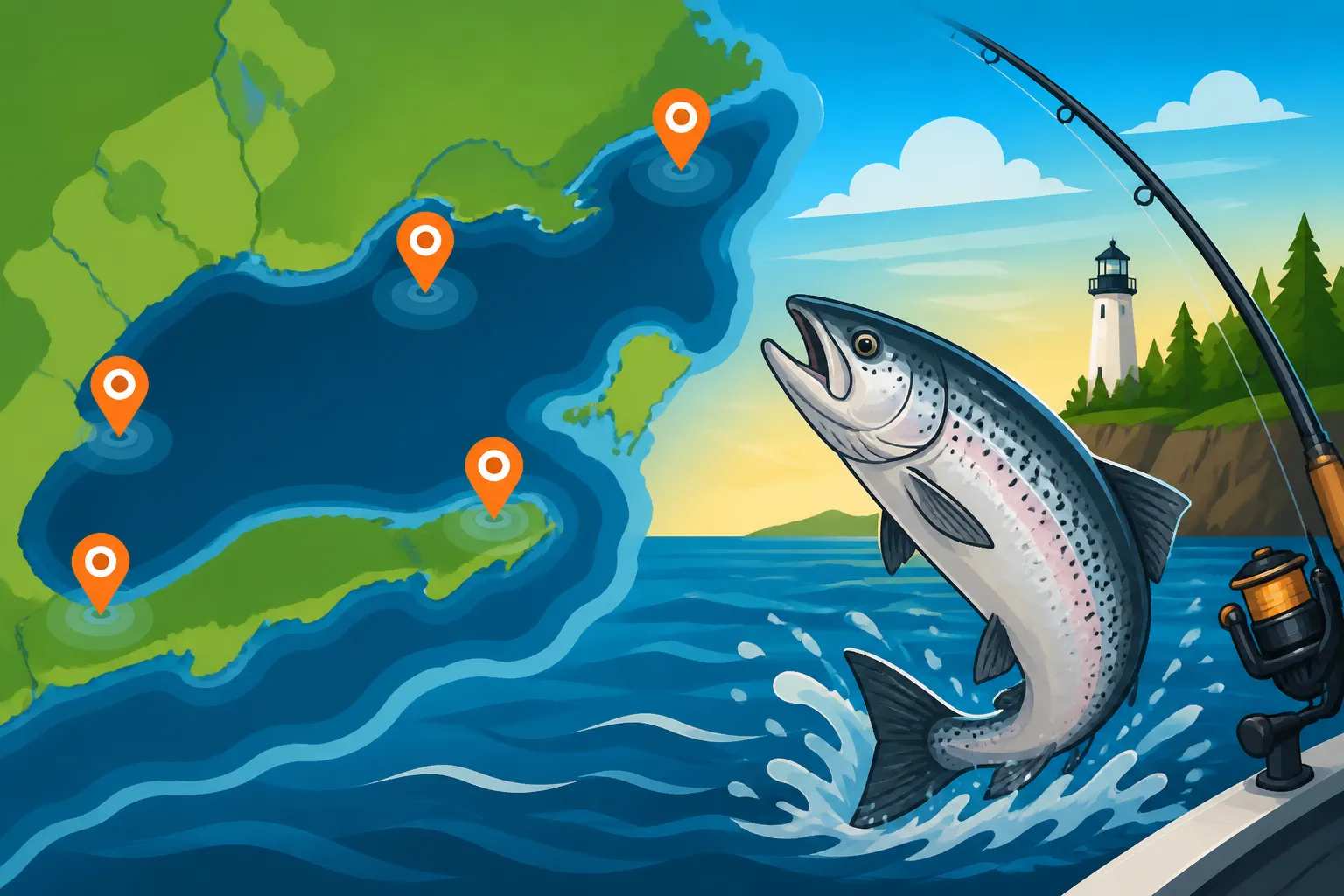
While the vastness of Lake Ontario can seem intimidating, certain areas consistently attract salmon, especially during their migratory periods. These are the go-to spots that local anglers and charter captains frequent, offering diverse opportunities from powerful offshore trolling to thrilling river-mouth action. Understanding these zones and what makes them tick is your first step towards a successful salmon outing.
Western Wonders: Port Credit and the Niagara Region
The western end of Lake Ontario offers some fantastic salmon opportunities, particularly around the urban centers and significant river systems. Port Credit, located in Mississauga, is a popular spot. Its marina and proximity to deep water make it an excellent launching point for boats, but the river mouth itself, the Credit River, can be productive for staging fish in the fall. Anglers often fish the piers and nearby breakwalls, especially during the pre-spawn migration, casting spoons or soaking roe bags. The key here is timing – when the salmon begin to stage before entering the river, the action can be phenomenal.
Further west, the Niagara Region, especially around Port Dalhousie (St. Catharines) and the mouth of the Niagara River, is another major hotspot. The Niagara River, being a huge waterway connecting Lake Erie to Lake Ontario, creates massive currents and brings in an abundance of baitfish, acting like a magnet for salmon. In the spring, the warmer waters discharged from the Niagara River can draw in feeding salmon, making the area a great early-season destination. In the fall, it's a prime staging area for fish preparing to run up the river. Whether you're trolling offshore or casting from the shores of Port Dalhousie, particularly near the harbour entrance, the chances of connecting with a hard-fighting Chinook or Coho are incredibly high. Be mindful of the strong currents and potential international border considerations when fishing near the Niagara River mouth, and always consult Ontario Boating Laws for Anglers if you're out on the water.
Central Basin Powerhouses: Port Hope and Cobourg
Moving into the central basin of Lake Ontario, the towns of Port Hope and Cobourg stand out as legendary salmon fishing destinations. These communities are situated on rivers (the Ganaraska River in Port Hope and the Cobourg Creek in Cobourg) that experience massive salmon runs in the late summer and fall. Before the salmon enter these rivers to spawn, they stage in significant numbers just offshore and in the immediate vicinity of the river mouths.
Port Hope is perhaps the most famous, largely due to the sheer volume of fish that return to the Ganaraska River. During the late summer and early fall, the harbour and the area just outside the river mouth can be teeming with salmon. Anglers in boats will troll spoons and plugs, while shore anglers line the piers and breakwalls, casting heavy spoons like the popular 'Dreamweaver' or 'Luhr-Jensen Kwikfish' in various salmon colours – silver, green, or blue. The fishing can be extremely good, but it's also incredibly popular, so expect company. Cobourg offers a similar, albeit slightly less crowded, experience with its harbour and the Cobourg Creek. Both locations are excellent for targeting salmon during their migratory pushes, and the local bait shops will always have the most up-to-date information on recent catches and hot lures. For a broader understanding of fishing opportunities, consider exploring the Best Fishing Lakes in Ontario, of which Lake Ontario is undoubtedly a gem.
River Mouth Run Havens: Targeting Tributary Entrances
Beyond the major ports, many smaller tributaries emptying into Lake Ontario also create prime salmon staging and feeding grounds. These river mouths, often marked by subtle current breaks, discoloured water, and increased baitfish activity, can be incredibly productive. While not always easily accessible by shore, anglers with smaller boats, kayaks, or even float tubes can often find excellent action by focusing on these areas. The key is identifying rivers that have historically supported salmon runs or stocking efforts.
For example, smaller rivers and creeks east of Toronto, like the Rouge River or Frenchman's Bay, can see localized salmon activity. West of Toronto, tributaries like the Bronte Creek or the Sixteen Mile Creek also offer brief but intense opportunities during peak migration. The current from these rivers draws in cooler water and concentrates baitfish, creating an irresistible feeding ground and holding area for salmon. It’s crucial to research local regulations for each specific river mouth, as many have unique rules regarding seasons and allowable gear. A good tip is to look for areas where the river current meets the main lake currents, creating a distinct seam – this is often where salmon will hold.
| Hotspot Name | Primary Salmon Species | Best Season (for staging/shore) | Key Features / Notes |
|---|---|---|---|
| Port Credit | Chinook, Coho | Late Summer, Early Fall | Credit River mouth and adjacent harbour/piers. Good for staging fish. Easy access. |
| Port Dalhousie | Chinook, Coho, Lake Trout | Spring, Late Summer, Fall | Niagara River mouth influence, strong currents. Great early season feeding, major fall staging area. Popular piers and boat launches. |
| Port Hope | Chinook, Coho | Late Summer, Fall | Ganaraska River mouth. Famous for massive fall runs. Expect crowds on piers/shore. Excellent boat access for trolling just offshore. |
| Cobourg | Chinook, Coho | Late Summer, Fall | Cobourg Creek mouth and harbour. Similar to Port Hope but often slightly less crowded. Good shore fishing on piers. |
| Smaller Tributaries | Chinook, Coho | Late Summer, Fall | Various smaller rivers/creeks along the shoreline. Requires more scouting. Look for current breaks and discoloured water at the mouth. Often best fished from smaller craft or by wading in areas where permitted. Consult Ontario Fishing Regulations Explained for specific river rules. |
Mastering Lake Ontario Salmon: Techniques, Gear, and Local Knowledge
Finding the right spot is only half the battle; knowing how to fish it and having the right tools is equally important. Lake Ontario salmon fishing, particularly for the big ones, often involves specialized techniques and gear. It also pays dividends to tap into local expertise, whether that's through fellow anglers or professional guides.
Essential Trolling Gear for Big Water Salmon
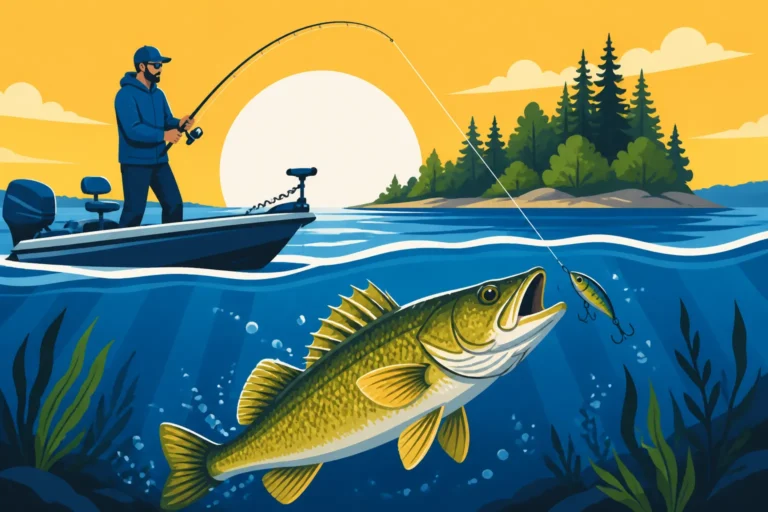
For anglers venturing out in boats, trolling is the most effective method for covering water and finding salmon in Lake Ontario. This often means using downriggers to get your lures down to the precise depth where salmon are holding, which can be anywhere from 50 to 150 feet or even deeper, depending on the season and conditions. A typical setup includes heavy-duty trolling rods – usually 8-10 feet in length with a medium-heavy action – paired with line counter reels spooled with monofilament or braided line. The line counters are critical for replicating successful depths and patterns.
Lure choices are vast, but some staples include various spoons (like those from Dreamweaver or Silver Streak), crankbaits, and artificial flies or "flies and flashers" combinations. Colour preferences can change daily, but metallic finishes (silver, gold), blues, greens, and vibrant chartreuses are often productive. Experimentation is key! You'll also need a good fish finder to locate baitfish and salmon schools, as well as to interpret the thermocline where fish often congregate. Choosing the Best Fishing Rods for Ontario Lakes and understanding Best Boats for Ontario Lakes and Rivers will significantly impact your success and comfort on the water.
Reading the Water and Interpreting Seasonal Cues
Successful salmon anglers are keen observers. They pay attention to subtle cues in the environment: water temperature, current lines, baitfish activity, and even bird concentrations. For instance, in spring, warmer water pockets or "thermal bars" formed by river discharges can be salmon magnets. In fall, knowing when a particular river is experiencing its peak run is crucial for targeting staging fish. The wind also plays a huge role; strong winds can push baitfish and create current breaks that hold salmon, but they can also make fishing challenging or even dangerous.
Understanding the "program" – what lures, depths, and speeds are working on a given day – is often a collaborative effort among anglers on the water. Many boats will communicate via radio or social media to share information, which can be invaluable. Don't be afraid to try different speeds, turn your boat in wide S-curves to vary lure action, and constantly monitor your fish finder for signs of life. Sometimes, just changing the depth by a few feet can make all the difference. For a broader perspective on the best times to hit the water, check out Best Time of Year to Fish in Ontario.
Leveraging Charters and Guides for an Edge
For many, especially those new to Lake Ontario salmon fishing or visitors to the province, hiring a professional charter guide is the absolute best way to experience these magnificent fish. A good guide knows the lake intimately, possesses all the specialized gear, and understands the daily patterns and hotspots. They can take years off your learning curve and dramatically increase your chances of catching fish. Plus, they handle all the boat maintenance, safety equipment, and typically provide bait and tackle.
When looking for a charter, platforms like FishingBooker can be incredibly helpful. You can search for reputable captains operating out of places like Port Dalhousie, Port Hope, or Port Credit, read reviews, and find a trip that fits your budget and schedule. These services connect you directly with local experts who can provide an unforgettable day on the water, teaching you the ropes of deep-water trolling and salmon fishing in Ontario. Even seasoned anglers sometimes book a charter when visiting a new section of the lake or when they want to learn new techniques from a local expert. It’s an investment in an experience, and often in learning invaluable knowledge about this amazing fishery.
Disclaimer
The information provided in this guide is for general informational purposes only. Fishing regulations, seasons, and licensing requirements in Ontario can change frequently. Always consult the most current official Ontario Fishing Regulations Summary, available from the Ontario Ministry of Natural Resources and Forestry (MNRF), before planning any fishing trip. Adherence to all local, provincial, and federal laws is the responsibility of the angler. Fishing carries inherent risks, and caution should always be exercised.