Best spring trout streams in Ontario
Anglers in Ontario know the feeling: the ice is gone, the days are getting longer, and that familiar itch to cast a line for trout is practically unbearable. But with so many rivers and streams crisscrossing the province, figuring out where to go for the best spring trout action can feel like a daunting task, especially with fluctuating water levels and varying fish activity. This guide is here to cut through that confusion, highlighting some of the best spring trout streams in Ontario and arming you with the knowledge to make your early season angling dreams a reality.
Understanding Spring Trout Behavior in Ontario Streams
Spring fishing for trout in Ontario isn't just about showing up with a rod; it's about understanding the subtle dance between temperature, water flow, and the fish themselves. Trout are cold-blooded creatures, and their metabolism is directly tied to the water temperature. As the ice recedes and spring rains swell the rivers, these factors become paramount to locating and enticing a strike.
The Critical Role of Water Temperature and Flow
When spring arrives in Ontario, many rivers and streams are still quite cold, fed by snowmelt and chilly groundwater. For brook trout, brown trout, and rainbow trout, there's a "sweet spot" temperature range where they become most active. Too cold, and they'll be lethargic, conserving energy in deeper, slower pools. Too warm, and they might become stressed, though this is less common in early spring. Optimal feeding temperatures for most trout species usually fall between 7°C and 16°C (45°F and 60°F). Mornings can be slow, but as the sun warms the water through the day, activity often picks up significantly in the afternoon.
Beyond temperature, water flow is another major player. Spring often brings higher, faster flows due to snowmelt and rain. While this can make wading challenging and muddy the water, it also brings a flush of nutrients and dislodges insects, making food more available. Trout will often move out of the main current to find slower seams, eddies, and undercut banks where they can conserve energy while still being close to the food delivery system. Looking for these natural current breaks is key. For a comprehensive overview of how these conditions influence fishing, check out our guide on Best Techniques for High Water Spring Conditions.
Identifying Ontario's Spring Trout Species
Ontario is blessed with several excellent trout species that thrive in its spring streams, each with slightly different habits and preferences. Knowing what you're targeting can greatly influence your approach.
- Brook Trout (Speckled Trout): Ontario's native jewel, brook trout, are often found in cold, clear, well-oxygenated streams, particularly in the Canadian Shield regions of central and northern Ontario. They are typically smaller than other trout but are incredibly feisty and beautiful. In spring, they'll often be found in relatively shallow runs and pools, especially where insect activity is beginning to ramp up. Many anglers consider brook trout fishing in their native range, as detailed in Brook Trout Native Range in Ontario, to be the pinnacle of spring stream angling.
- Brown Trout: An introduced species that has naturalized beautifully in many southern Ontario streams, brown trout are known for their resilience and elusive nature. They can tolerate slightly warmer and murkier water than brook trout and often grow to larger sizes. In spring, they'll often hold in deeper pools, under cut banks, or near submerged structure, emerging to feed on insects or small baitfish. Streams with good structure and a mix of riffles and pools are prime brown trout habitat.
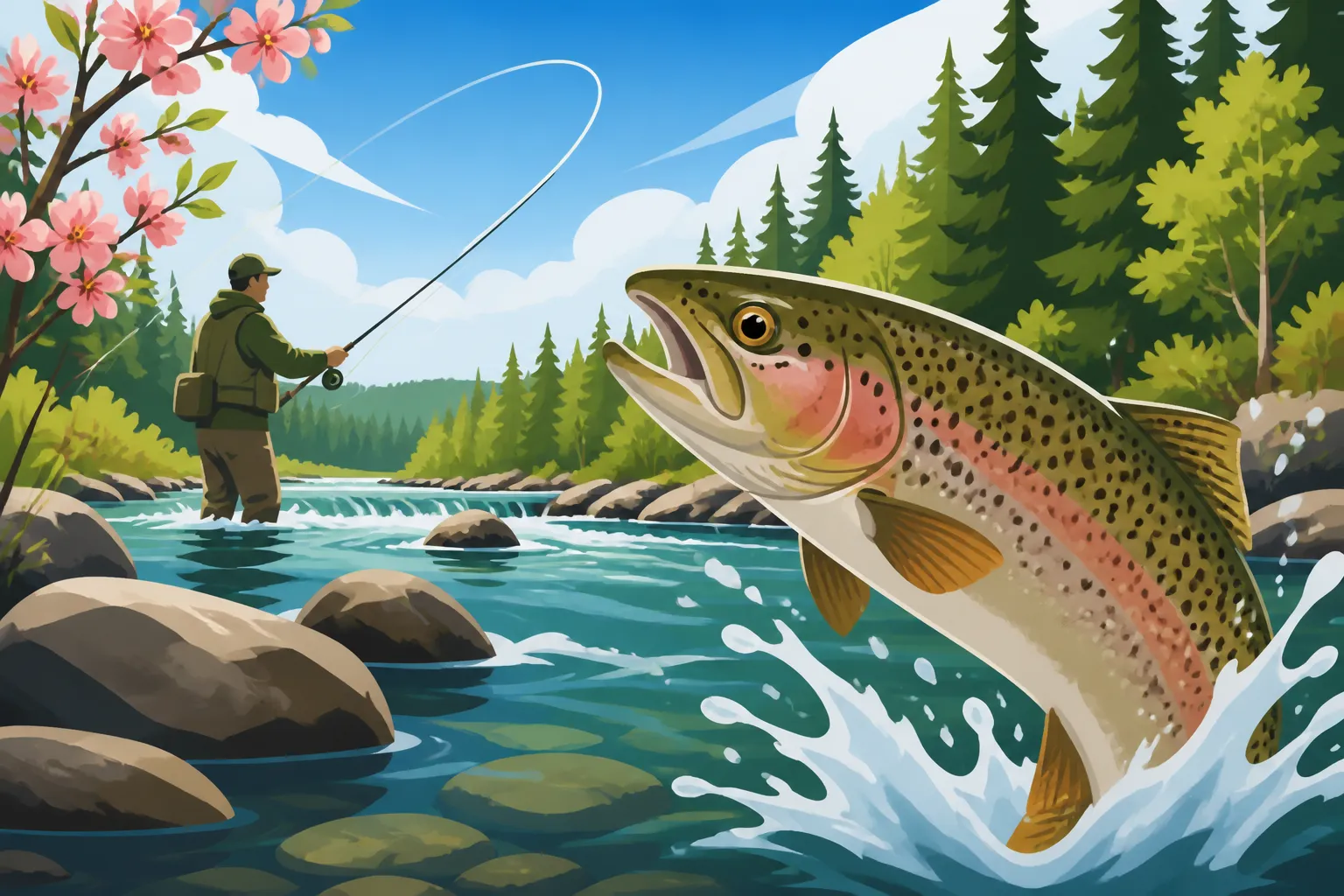
- Rainbow Trout (Steelhead): These migratory rainbow trout, often called "steelhead" when they run from the Great Lakes into tributary streams to spawn, offer some of Ontario's most exciting spring fishing. They typically enter rivers in late fall, winter, and early spring to spawn, then return to the lakes. During the spring run, they can be found in a variety of water types, from fast runs to deep holding pools, often concentrated below obstacles or in spawning areas. Resident rainbows, not migratory, also exist in many streams, behaving more like brown trout but often found in faster water. Understanding the nuances of Trout Species Identification Guide for Ontario can help distinguish them.
Prime Spring Trout Stream Regions in Ontario
Ontario's vast geography means there's a diverse array of trout streams, from the heavily stocked, easily accessible rivers of the south to the wild, remote brook trout havens of the north. Each region offers a unique experience for the spring angler.
Southern Ontario's Accessible Trout Sanctuaries
Southern Ontario, surprisingly, boasts some fantastic trout fishing despite its population density. These rivers are often stocked and benefit from strong conservation efforts, making them prime targets for spring anglers looking for a convenient outing.
- The Credit River: Flowing through Caledon and Erin, the Credit River is a renowned cold-water fishery, particularly famous for its brown trout and migratory rainbow trout (steelhead) runs. In spring, the lower sections of the river see excellent steelhead action as these powerful fish make their way upstream to spawn. As you move further north into the headwaters, you'll find healthy populations of resident brown trout and even some wild brook trout in its colder tributaries. Access points are numerous, from provincial parks like Island Lake Conservation Area to various municipal parks. The Credit often presents a challenge, demanding precise casting and stealth, making it a favorite for fly anglers who can find guidance in resources like Best Fly Fishing Rivers in Ontario.
- The Grand River: While better known for its smallmouth bass in summer, the upper Grand River, particularly around Fergus and Elora, holds a respectable population of brown trout. The tailwater sections below the Shand Dam and Belwood Lake offer consistent cold water, creating excellent habitat. Spring conditions here mean targeting deeper pools and current seams with nymphs or small streamers. The river's wider, more open nature in some sections can make for pleasant wading, but always be aware of private property and designated public access points.
- The Ganaraska River: Often affectionately called "The Ganny," the Ganaraska River is legendary for its spring steelhead run, drawing anglers from across the province to Port Hope. These large, lake-run rainbow trout ascend the river from Lake Ontario in incredible numbers, especially after periods of rain or snowmelt. While it can get crowded, the sheer volume of fish makes it a thrilling experience. Anglers use a variety of techniques, from float fishing roe bags to casting large streamers. Knowing the Ontario Fishing Regulations Explained for this specific river, especially regarding gear restrictions and closed seasons, is crucial.
Central and Eastern Ontario's Diverse Trout Waters
Moving east and north from the Greater Toronto Area, the landscape changes, offering a mix of stocked rivers and more naturalized fisheries.
- The Saugeen River: Originating in the highlands of Grey County and flowing into Lake Huron, the Saugeen is another excellent system for migratory rainbow trout (steelhead) in its lower reaches. The river is known for its productive runs and pools, especially in areas like Denny's Dam. Further upstream, away from the lake influence, you'll find areas holding resident brown trout and even some brook trout in smaller tributaries. Like the Ganaraska, spring steelhead fishing can be intense here, with peak runs often coinciding with warmer spring rains. Consider connecting with local expertise through platforms like FishingBooker if you're venturing to these larger, more complex river systems for the first time.
- The Madawaska River System: While a larger river often associated with canoeing and whitewater, its tributaries and smaller sections offer excellent spring trout fishing, particularly for brook trout. These are often less pressured waters, especially as you move away from main roads. The key here is exploring the countless smaller feeder creeks that empty into the main river or its larger lakes. These smaller, colder waters are prime habitat for wild brook trout in spring.
- Kawartha Lakes Region Streams: The Kawarthas, while famous for their warm-water species, also have numerous small, cold-water streams and spring-fed creeks that hold brook trout. These are often smaller, more intimate fishing experiences, requiring a stealthy approach and lighter tackle. Finding these hidden gems can take some local knowledge, but the reward of catching wild brook trout in a secluded setting is unparalleled. Many of these streams might flow through or near provincial parks, making our Ontario Provincial Park Fishing Guide a useful resource.
Venturing North for Wild Trout Experiences
For those willing to travel and truly immerse themselves in Ontario's wilderness, Northern Ontario offers unparalleled opportunities for wild brook trout fishing in pristine, remote streams.
- Algoma and Thunder Bay Regions: This is the heartland of Ontario's wild brook trout. Countless streams, many of them nameless or only known locally, crisscross the vast forests. Access is often via logging roads, ATV trails, or even portaging canoes. These streams are typically smaller, colder, and teeming with native brook trout. Spring is a fantastic time to explore these waters as the fish become more active, and the biting insects haven't reached their summer peak. The fishing here is often about covering ground, moving from pool to pool, and presenting dry flies or small spinners in clear, oxygenated water. This is where the true wilderness experience begins, far from the crowds of Southern Ontario.
- Crown Land Streams: Throughout Central and Northern Ontario, vast tracts of Crown land offer public access to countless streams. These waters are rarely stocked and rely on natural reproduction, holding populations of wild brook trout, and occasionally rainbow or brown trout where conditions allow. Researching maps, looking for areas with significant elevation changes, and identifying cold-water inputs are excellent strategies. If you're planning a trip to these more remote spots, knowing how to interpret Ontario Fishing Regulations Explained for specific Fisheries Management Zones (FMZs) is paramount, as rules can vary greatly. Many anglers seek out these remote streams as highlighted in guides like Best Crown Land Fishing Lakes in Ontario, though streams offer a unique challenge.
Essential Tactics for Successful Spring Stream Trout Fishing
Catching trout in Ontario's spring streams requires a thoughtful approach, adapting your gear and techniques to the unique conditions of the season. It’s not just about what you throw, but how you present it and how you read the water around you.
Gear Selection and Presentation Matters
Your choice of tackle and how you present your lure or fly will make a huge difference in your spring trout success.
- Fly Fishing: For many, fly fishing is the quintessential method for stream trout. In early spring, nymphing is often the most effective technique. Trout are still looking for subsurface food, and stonefly, caddisfly, or mayfly nymph imitations drifted naturally through deeper pools and current seams can be deadly. As the water warms and insect hatches begin, emerger patterns and even small dry flies (like Blue-Winged Olives or midges) can become productive, especially on warmer afternoons. A 3- to 5-weight fly rod, paired with a floating line and a tapered leader, is a versatile setup. Don't forget a good pair of Best Waders for Ontario Trout Streams and Best Wading Boots for Rocky Streams for comfort and safety.
- Spin Fishing: Don't discount spin fishing for spring trout; it can be incredibly effective, especially in higher, murkier water or when covering larger stretches of river. Ultralight or light action spinning rods are ideal, paired with small reels spooled with 4-6 lb test monofilament or fluorocarbon. Small inline spinners (like Mepps Aglias or Panther Martins), tiny spoons (Little Cleos, Kamloopers), or small minnow-imitating crankbaits (Rapala Countdown, Yo-Zuri Pin's Minnow) are excellent choices. Tipping small jigs with a piece of worm or scented bait can also be very productive. The key is to use small presentations that mimic the natural food sources available and maintain a slow, controlled retrieve.
- Bait Fishing: For some situations, especially for new anglers or in specific regulations where it's permitted, bait can be a highly effective method. Worms, minnows, or even cured roe can entice less active trout. Drift fishing with a small float and minimal weight, allowing the bait to tumble naturally along the bottom, is often the most successful presentation. Ensure you're always checking the Reading the Ontario Fishing Regulations Summary for bait restrictions specific to the water body you're fishing.
Reading the Water for Productive Casts
Trout are not randomly distributed throughout a stream. They hold in specific areas that offer food, cover, and a break from the main current. Learning to "read the water" is perhaps the most crucial skill for spring stream trout fishing.
- Current Seams and Eddies: Look for areas where faster water meets slower water. These "seams" are prime feeding lanes. Trout will often sit just out of the main current, waiting for food to drift by. Eddies, created by rocks, fallen trees, or bends in the river, offer excellent resting and feeding spots.
- Deep Pools and Runs: In colder spring conditions, trout often retreat to the deepest parts of pools to conserve energy. These are excellent places to drift nymphs or small baits. Look for the transition areas where a riffle flows into a deeper pool.
- Undercut Banks and Submerged Structure: Overhanging banks, fallen logs, and large boulders provide crucial cover from predators and strong currents. Trout will hold tight to these features. Make sure your casts get your offering close to these hiding spots. Techniques like those detailed in Wading Techniques for Ontario Trout Streams emphasize careful movement and placement.
Navigating Spring Stream Conditions Safely
Spring conditions can be unpredictable, and safety should always be your top priority. High, fast water, cold temperatures, and slippery banks can all present hazards.
- Wading Safety: Always use a wading staff, especially in higher or faster water. Wear appropriate waders and wading boots with good traction. Wade slowly and deliberately, testing the bottom with your staff before each step. Never wade alone in unfamiliar or swift currents. A good Best Wading Staff for Fast Current can be a literal lifesaver.
- Weather Awareness: Spring weather in Ontario can change rapidly. Be prepared for rain, snow, and sudden drops in temperature. Dress in layers, including waterproof outer shells. Hypothermia is a real risk with cold water and air temperatures.
- Accessibility: Some streams might be less accessible in spring due to muddy roads or lingering snow. Plan your access points carefully and be prepared for potential detours or longer walks. Sometimes, the easiest access comes with the help of a local guide, which you can often find listed on services like FishingBooker.
| Stream Region | Primary Trout Species | Best Spring Methods | Typical Spring Conditions |
|---|---|---|---|
| Southern Ontario | Brown Trout, Rainbow Trout | Nymphing, Streamers, Small Spinners, Roe Bags | Moderate flows, fluctuating clarity, often crowded near cities |
| Central/Eastern ON | Brook Trout, Brown Trout, Steelhead | Nymphing, Dry Flies, Small Spinners, Worms | Mixed flows, varied clarity, good accessibility, less pressure |
| Northern Ontario | Brook Trout (Wild) | Dry Flies, Small Spinners, Worms | Clear & cold, low pressure, challenging access, wilderness feel |
Respecting Regulations and Practicing Conservation
Responsible angling is paramount to preserving Ontario's incredible trout fishing for future generations. Spring, with its spawning runs and delicate juvenile fish, requires extra care and adherence to the rules.
Staying Legal with Licenses and Zone Rules
Before you even step foot in an Ontario stream, ensure you have the correct fishing license and Outdoors Card. Non-residents, even from other Canadian provinces, need to understand their specific requirements, as outlined in Resident vs Non-Resident Fishing License Costs in Ontario. Every water body in Ontario falls into a specific Fisheries Management Zone (FMZ), and each zone has its own unique set of regulations regarding season dates, catch limits, and even tackle restrictions for specific species.
For spring trout streams, pay particular attention to:
- Season Dates: Many trout seasons don't open until late April or May, especially for resident trout. However, some migratory runs (like steelhead) might have extended open seasons or specific regulations. Always consult the official Ontario Fishing Regulations Summary for the specific FMZ and water body you intend to fish. Our article on Ontario Fishing Season Dates by Zone is a great starting point, but always verify with the current summary.
- Catch and Possession Limits: These vary by species and zone. Some streams might be "catch and release only," while others have specific slot limits or daily bag limits.
- Bait and Gear Restrictions: Certain sensitive trout streams, especially those managed for wild trout, might have "artificial lures only" or "fly fishing only" regulations. Make sure your tackle complies.
Fishing without the proper license or violating regulations can result in hefty fines and equipment seizure, as detailed in Fishing Without a License in Ontario: Penalties. It’s simply not worth the risk.
Protecting Our Trout Resources
Beyond adhering to regulations, practicing good conservation habits ensures these precious resources remain healthy and abundant.
- Catch and Release Best Practices: Many anglers choose to practice catch and release for trout, especially for larger breeding fish or native species. If you do, handle fish gently, minimize their time out of water, and use barbless hooks to reduce harm. Wet your hands before handling fish, and support them properly until they swim away strongly.
- Respect Private Property: Many prime fishing spots run through private land. Always seek permission before accessing private property. Public access points are often marked, and respecting property rights helps maintain good relationships between anglers and landowners.
- Leave No Trace: Pack out everything you pack in. Dispose of all trash, including fishing line, properly. Do not leave any litter behind, and avoid disturbing stream banks or natural vegetation unnecessarily. Maintaining the pristine nature of these streams is part of the angling experience.
- Report Poaching: If you witness any illegal fishing activities, report them to the Ministry of Natural Resources and Forestry (MNRF). Poaching undermines conservation efforts and depletes fish stocks for everyone.
By understanding trout behavior, knowing where to find them, employing effective tactics, and fishing responsibly, your spring trout fishing adventures in Ontario will be incredibly rewarding. Tight lines!
Disclaimer
The information provided in this guide is for general informational purposes only and is subject to change. Anglers are responsible for consulting the most current Ontario Fishing Regulations Summary issued by the Ministry of Natural Resources and Forestry (MNRF) before heading out, as rules and regulations can vary by specific water body and Fisheries Management Zone. Always prioritize safety and practice responsible angling.