Best fall fishing spots in Ontario
As the vibrant greens of summer slowly fade into breathtaking hues of crimson and gold, many anglers start to pack away their gear, thinking the best fishing is behind them. But if you’re one of those who believes fall is just a prelude to winter's long chill, you’re missing out on some of Ontario's most incredible angling opportunities. The truth is, autumn fishing can be absolutely phenomenal, offering cooler temperatures, fewer crowds, and fish that are aggressively feeding before the ice sets in. This guide is all about revealing those fantastic fall fishing spots across Ontario, helping you extend your season and reel in some truly memorable catches.
Understanding Fall Fish Behavior
One of the biggest frustrations for anglers as the leaves start to change is trying to figure out where the fish have gone. They were in the shallow weeds all summer, but now those weeds are dying back, and the fish seem to have vanished. The reality is, fish are undergoing a significant behavioral shift in the fall, driven primarily by dropping water temperatures and the instinct to feed heavily before winter's lean months. This period, often called the "fall turnover" or "autumnal transition," means different things for different species, but the overarching theme is a push for calories.
The Autumnal Turnover and Fish Movement
As air temperatures cool in late summer and early fall, the surface water of many lakes begins to lose heat. This cooler, denser water sinks, displacing the warmer, less dense water below. This process, known as the autumnal turnover, recirculates the entire water column, distributing oxygen and nutrients more evenly. While it can sometimes make fishing tough for a few days as fish adjust to changing conditions, once the turnover stabilizes, it often kickstarts a major feeding frenzy. Fish will move from their summer haunts, often transitioning from shallow, dense cover to deeper structures, main lake points, and even river mouths as they follow baitfish migrations. This is a critical time to understand their new patterns.
Predator's Pre-Winter Feast
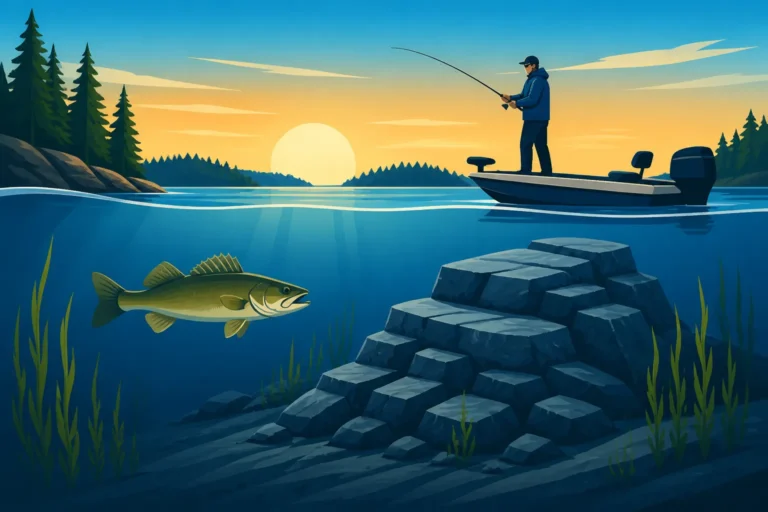
For cold-water species like walleye, muskie, and lake trout, fall is a prime feeding window. They sense the impending winter and know that food will become scarcer. This instinct drives them to bulk up, making them incredibly aggressive and willing to chase down larger baits. You'll often find these predators relating to prominent structural features – deep humps, rocky ledges, offshore shoals, and sharp breaklines. They're not just passively sitting there; they're actively patrolling these areas, waiting for schools of baitfish like cisco, smelt, or perch to pass by. It's a high-stakes game for them, and understanding this urgency can make a huge difference in your success. Think big baits, aggressive presentations, and targeting key depth transitions.
Trout and Salmon Migrations
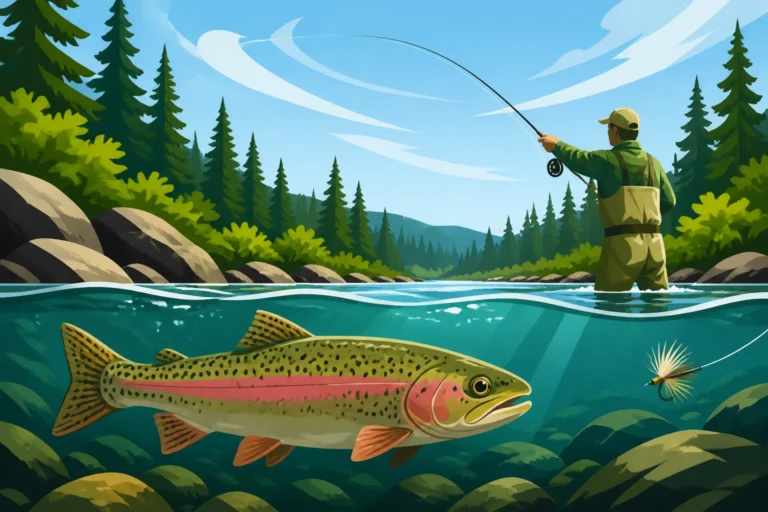
Fall isn't just about the big predators in the lakes; it's also a spectacular time for migratory trout and salmon in Ontario's rivers and tributaries. As the Great Lakes cool, species like Chinook salmon, Coho salmon, and later, steelhead (rainbow trout) and brown trout, begin their annual spawning runs upstream. These fish, often massive and vibrant, offer a unique and thrilling challenge for anglers. They're no longer focused solely on feeding but are driven by their powerful reproductive instincts. Finding the right river, understanding the specific timing of the runs, and mastering the techniques for presentation in flowing water can lead to incredible battles. Remember to check specific regulations for these migratory species, as some rivers might have special rules or designated Ontario Catch and Release Only Waters.
Premier Fall Walleye Destinations
Walleye are a quintessential Ontario sport fish, and fall offers some of the best opportunities to catch a true trophy. As water temperatures drop, these fish become more active and concentrate in predictable areas, making them easier to target than their often-elusive summer counterparts. They’re putting on the feedbag, migrating from shallow weed lines to deeper structures, often following massive schools of baitfish.
Bay of Quinte's Legendary Walleye Run
When you talk about fall walleye in Ontario, the Bay of Quinte immediately springs to mind. This long, shallow bay off Lake Ontario, stretching from Trenton to Kingston, becomes a world-class walleye factory from September through December. The reason? Massive schools of baitfish, particularly alewife and smelt, migrate into the bay, drawing in a huge population of trophy-sized walleye from Lake Ontario. It’s not uncommon to hear tales of anglers landing multiple walleye over 10 pounds here, making it a dream destination for those chasing a true giant.
Anglers typically target these fish by trolling large crankbaits and stickbaits that imitate the abundant baitfish. The walleye will often relate to the deeper channels, drop-offs, and main lake basin contours. You'll see a flotilla of boats out there, all working specific depths and structure, especially during the peak of the bite. If you're planning a trip, consider looking for guided services; platforms like FishingBooker can help you find experienced local guides who know the nuanced patterns and productive trolling lanes that change subtly throughout the fall. Understanding the Best Time of Day to Catch Walleye here is crucial, as low light conditions often trigger the most intense feeding.
Lake Erie's Productive Fall Waters
While many associate Lake Erie with summer walleye, its western and central basins continue to produce excellent fishing well into the fall. After the summer heat pushes walleye to deeper, cooler waters, the fall turnover allows them to spread out and feed more aggressively across different depth ranges. The sheer size of Lake Erie means the walleye population is enormous, and they are keenly aware of the approaching winter, leading to a strong feeding response.
Targeting Lake Erie walleye in the fall often involves trolling with crankbaits or spoons off planer boards, covering vast stretches of water. Focus on areas where structure meets open water, such as the edges of reefs, sand flats, or deeper main lake basins where baitfish are congregating. The cooler temperatures make for a more comfortable day on the water, and the fish you find will typically be robust and actively feeding. Many anglers will head out from ports like Port Stanley or Port Colborne, especially in October and November, finding excellent fishing for both size and numbers before the ice starts to form. Remember that Ontario Lake Erie fishing regulations are specific and important to review before heading out.
The Kawartha Lakes' Diverse Fall Opportunities
Further inland, the Kawartha Lakes chain, including popular spots like Lake Scugog, Sturgeon Lake, and Rice Lake, offers fantastic fall walleye fishing, albeit on a slightly smaller scale than the Great Lakes. These lakes are shallower and nutrient-rich, meaning they cool down faster in the fall and often have an earlier, more pronounced turnover. The walleye here will typically move to deeper humps, rock piles, and channels, especially those connected to current or river systems.
Jigging with minnows or soft plastics, casting crankbaits, or even vertical jigging spoons can be highly effective. The key is finding those concentrated schools of baitfish and the structure that holds the walleye. Unlike the vastness of Lake Erie, the Kawarthas are more intimate, making it easier to pinpoint specific spots. Don’t overlook the mouths of rivers flowing into these lakes, as walleye will often stage there, waiting for cooler water or migratory prey. These lakes are also known for their Best Walleye Lakes in Ontario reputation, especially in early spring and late fall.
Autumn Muskie Ambush Grounds
Muskellunge, the undisputed "fish of 10,000 casts," become even more legendary in the fall. This is the time when these apex predators are at their most active and aggressive, bulking up for winter. The biggest muskies of the year are often caught in the crisp, cool air of autumn, making it a pilgrimage for dedicated trophy hunters. Their pre-winter feeding binge means they're willing to chase and strike larger baits, offering some truly heart-stopping encounters.
Georgian Bay's Rock and Roll Muskies
Georgian Bay, part of Lake Huron, is a vast and rugged body of water famous for its clear, cold depths, intricate island chains, and, crucially, its giant muskie. In the fall, these fish become highly concentrated around rocky points, offshore humps, and the edges of expansive shoals, particularly those that drop off into deeper water. They’re less likely to be in shallow, dying weed beds and more likely to be found cruising structure or suspended over baitfish schools in open water.
Anglers targeting Georgian Bay muskie in the fall often employ heavy-duty gear, casting large bucktails, jerkbaits, or glide baits for hours on end. Trolling large crankbaits through transition zones can also be incredibly effective, especially in lower light conditions. The water here can be challenging due to its size and often unpredictable weather, but the rewards are well worth the effort. Consider hiring a guide for your first trip; a quick search on FishingBooker can reveal charter options that specialize in Georgian Bay muskie. This region is truly among the Best Muskie Waters in Ontario, especially for those seeking a true trophy.
Lake St. Clair's Shallow Water Giants
Just a short drive from Windsor, Lake St. Clair might be relatively shallow, but it boasts one of North America's most prolific muskie fisheries. While summer sees fish spread out in the vast weed beds, fall brings a shift. As the weeds start to die and water temperatures drop, muskie in Lake St. Clair will often migrate towards the deeper channels, river mouths (like the Detroit River and St. Clair River), and areas where structure provides a current break or ambush point.
Casting large spinnerbaits, crankbaits, and soft plastic swimbaits is a popular method here. Trolling the deeper channels, especially near the river mouths, can also be highly productive. The key is to cover water and present your bait to active fish that are gorging on perch, drum, and other forage. Unlike the clear, rocky expanse of Georgian Bay, Lake St. Clair offers a different challenge with its expansive flats and more turbid waters, but the muskie are just as aggressive and grow to impressive sizes.
French River's Autumn Bounty
The French River, winding through the Georgian Bay Biosphere Reserve, offers a stunning backdrop for fall muskie fishing. This historic waterway features diverse habitat, from wide-open sections to narrow channels, rapids, and extensive weed beds. In fall, muskie here will often relate to current, rocky points, and the deeper edges of remaining green weed beds that are still holding baitfish.
Casting large presentations, including bucktails, topwater lures (early fall), and big rubber baits, can entice a strike. The river's complexity means that exploring different types of structure is crucial. Look for areas where current flows past a rock face or where a channel swings close to a prominent point. The French River is not just about muskie; it also offers fantastic opportunities for northern pike and walleye in the fall. Before you head out, make sure you're up to date on Ontario Muskellunge Season Dates and Limits for the specific zone you plan to fish.
Chasing Fall Trout and Salmon
Fall isn't just for toothy predators; it's also a spectacular time for trout and salmon, particularly in the tributaries flowing into the Great Lakes. As water temperatures plummet, the instinct to spawn drives these magnificent fish upstream, offering anglers a chance to intercept them in flowing water. This is a truly unique experience, combining stunning autumn scenery with powerful, acrobatic fish.
Great Lakes Tributaries for Salmon and Steelhead
From the Ganaraska River in the east to the Saugeen River in the west, Ontario's Great Lakes tributaries come alive with migratory fish in the fall. Chinook and Coho salmon typically kick off the run in late August and September, followed by steelhead (migratory rainbow trout) and brown trout through October and November, and sometimes even into December if conditions allow. These fish are powerful, built for the open waters of the Great Lakes, and they offer a fight like no other when hooked in a river.
Anglers often employ various techniques, including float fishing with roe bags or beads, casting spinners and spoons, or fly fishing with egg patterns and streamers. The key is to present your offering naturally in the current, targeting deeper pools, holding lies, and river bends where fish will rest during their upstream journey. Popular rivers include the Grand River, Saugeen River, Credit River, Nottawasaga River, and many others feeding Lake Ontario and Lake Huron. It's essential to understand the specific rules for each river, as many have special regulations for migratory species, including tackle restrictions and Ontario Fishing Regulations Explained on catch and release rules.
Remote Brook Trout Lakes in Northern Ontario
While many focus on the migratory runs, don't forget about Ontario's native brook trout, especially in the more remote lakes of Northern Ontario. As water temperatures cool, these beautiful fish often become more active and willing to feed closer to shore or in shallower depths than they might during the summer. The vivid fall colors reflecting on still, pristine lakes create an unparalleled angling experience.
Accessing these lakes often involves a bit more effort – perhaps a canoe trip, a hike, or even a fly-in adventure. But the reward is worth it: stunning scenery and the chance to catch brightly colored brook trout that are eagerly feeding. Look for structure like rocky points, submerged logs, and areas where small feeder streams enter the lake. Small spoons, inline spinners, or fly fishing with traditional patterns can be very effective. This is a chance to truly immerse yourself in the wilderness and experience what makes Brook Trout in Ontario's Crown Land Lakes so special.
Fall Fishing Strategy by Region
Ontario is a massive province, and what works in the south might be very different from fishing in the north during the fall. Understanding these regional nuances is key to planning a successful autumn fishing adventure. The progression of fall, from early September to late November, means different fish are active at different times, and weather conditions can vary wildly.
Southern Ontario Lakes and Rivers
In Southern Ontario, fall fishing extends well into November, especially for species like walleye and muskie. Lakes like Simcoe, Erie, and the Kawarthas, as well as the numerous Great Lakes tributaries, offer the most accessible and diverse fall fishing opportunities. The peak of the fall bite here often coincides with late October and early November when water temperatures are consistently in the 40s and 50s Fahrenheit (around 5-12°C).
For Lake Simcoe, beyond its well-known ice fishing, fall provides a fantastic window for lake trout and whitefish as they move shallower for their spawning periods. Trolling or jigging with spoons and tube jigs around prominent shoals and deep structure can be highly effective. The Lake Simcoe Fishing Guide offers more detailed insights. Rivers like the Grand or Credit will be teeming with migratory salmon and trout, requiring stealth and precise presentations. Always remember that fishing pressure can be higher in these more accessible areas, so planning your trips for weekdays or less popular times can be beneficial.
Northern Ontario's Vast Wilderness
Northern Ontario experiences fall much earlier and more intensely. By mid-October, many lakes in the far north might already be starting to form skim ice in sheltered bays, and temperatures can drop dramatically. However, the early to mid-fall (September to early October) offers incredible fishing for walleye, northern pike, and lake trout before the deep freeze sets in. Lakes like Lake Nipissing, Lake of the Woods, and Eagle Lake are legendary.
In these vast, clear waters, fish will often move into classic deep structure – humps, reefs, and main lake points – to feed. Trolling or casting large crankbaits and soft plastics for walleye and pike can be effective, while deep jigging with heavy spoons or tubes is often the ticket for lake trout. Many fly-in camps operate well into early October specifically for the fall trophy bite. If you're looking for an unforgettable wilderness experience, consider exploring the Best Crown Land Fishing Lakes in Ontario during this period. Just be prepared for rapidly changing weather conditions and the need for appropriate cold-weather gear.
| Fall Fishing Hotspot | Primary Species | Key Fall Techniques | Typical Peak Season | Notes |
|---|---|---|---|---|
| Bay of Quinte | Walleye | Trolling crankbaits | Oct – Dec | Trophy-sized walleye, follow baitfish. |
| Georgian Bay | Muskie, Pike | Casting big baits, Trolling | Sept – Oct | Aggressive muskie on structure, scenic. |
| Great Lakes Tributaries | Salmon, Steelhead, Brown Trout | Float fishing, Fly fishing, Spinners | Sept – Nov | Migratory runs, check river-specific regs. |
| Lake Erie | Walleye, Perch | Trolling, Bottom bouncing | Sept – Nov | Abundant fish, large water body. |
| Lake Simcoe | Lake Trout, Whitefish | Trolling, Deep Jigging | Sept – Oct | Pre-spawn movements, cooler water. |
| French River | Muskie, Walleye, Pike | Casting, Trolling | Sept – Oct | Diverse habitat, current breaks. |
| Northern Remote Lakes | Brook Trout, Lake Trout, Pike | Casting, Fly fishing, Jigging | Sept – early Oct | Wilderness experience, vibrant fish. |
Planning Your Fall Fishing Adventure
Embarking on a fall fishing trip in Ontario requires a bit more preparation than a casual summer outing. The weather can be unpredictable, ranging from crisp, sunny days to cold, blustery conditions with rain or even early snow. Being prepared for anything is key to staying comfortable and safe on the water.
Gear and Safety Considerations
First and foremost, dress in layers. You might start the morning needing a heavy jacket and hat, but by midday, a lighter fleece might suffice. Waterproof outer layers are essential, as cold rain can quickly lead to hypothermia. Bring extra warm clothes, gloves, and a change of socks. A thermos with hot coffee or soup can be a real game-changer on a chilly morning. For safety, ensure your boat is in excellent working order, and always let someone know your float plan. Water temperatures can be dangerously cold in the fall, so wear a PFD, even if you’re a strong swimmer. Reviewing Ontario Boating Laws for Anglers and Life Jacket Requirements for Ontario Boaters is paramount.
Your tackle should reflect the aggressive nature of fall fish. For walleye, bring a variety of crankbaits in different sizes and diving depths, along with jigging spoons and minnow-imitating soft plastics. For muskie, don't be shy about throwing your biggest bucktails, jerkbaits, and rubber baits. And for trout and salmon, a selection of roe bags, beads, spinners, and appropriate fly patterns will serve you well.
Checking Regulations and Weather
Before heading out, always consult the current Ontario Fishing Regulations Summary. Fall often brings species-specific closures, special size limits, or gear restrictions, especially on migratory rivers. Knowing the precise Ontario Fishing Season Dates by Zone for your target species and location is crucial to staying legal. The Fish ON-Line interactive map is an invaluable tool for this.
Finally, always keep a close eye on the weather forecast. Fall winds can whip up quickly, making large bodies of water dangerous. Pay attention to wind direction and strength, as well as temperature and precipitation. If the forecast looks dicey, it's always better to reschedule or choose a more sheltered location. There's no fish worth risking your safety over, especially when water temperatures are dropping.
Disclaimer
The information provided in this guide is for general informational purposes only and does not constitute legal advice. Fishing regulations in Ontario can change frequently. Always consult the official Ontario Fishing Regulations Summary and relevant government websites before engaging in any fishing activities to ensure compliance with the most current rules and regulations.