Ontario Lake Erie fishing regulations
Fishing on Lake Erie in Ontario offers some truly world-class opportunities, but it can also feel like navigating a legal labyrinth. With its vast waters, shared international borders, and a host of popular species, understanding the specific rules for Lake Erie is crucial to avoid fines and ensure you're contributing to sustainable fishing. This comprehensive guide will walk you through the nuances of Ontario's Lake Erie fishing regulations, helping you confidently cast a line.
Understanding Lake Erie's Unique Management Approach
Lake Erie isn't just another body of water in Ontario; it's a massive, complex ecosystem with a unique set of challenges and management strategies. Its sheer size, shared international border, and highly productive fishery mean that the regulations often differ significantly from inland lakes. Anglers accustomed to fishing smaller, provincial lakes might find Lake Erie's rules a little different, especially when it comes to specific species limits and seasons.
Lake Erie as Fisheries Management Zone 19
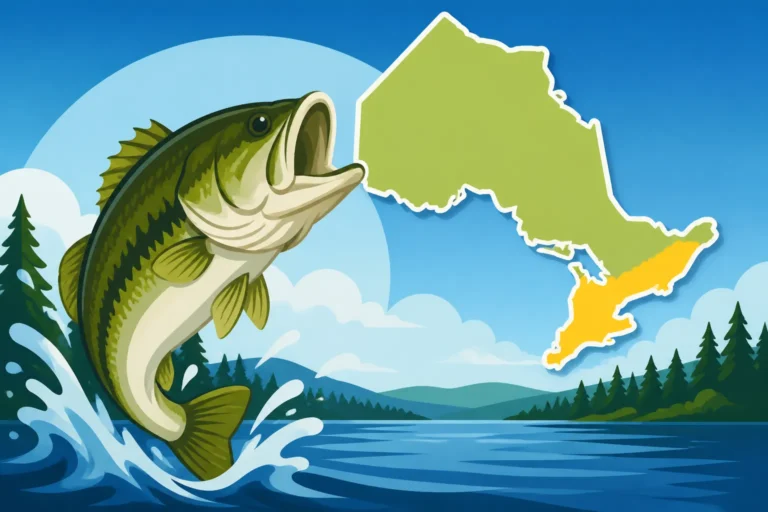
In Ontario, the province is divided into 20 distinct Fisheries Management Zones (FMZs), each with its own tailored set of regulations. Lake Erie, along with its adjacent waters like the lower Niagara River and parts of the Detroit River, falls entirely within Fisheries Management Zone 19 (FMZ 19). This is a critical piece of information because all the specific seasons, limits, and size restrictions you need to adhere to are found under the FMZ 19 heading in the official regulations summary. Ignoring this zone distinction and applying rules from another FMZ could lead to serious compliance issues. It's not uncommon for anglers to mistakenly apply regulations from a nearby FMZ, like FMZ 16 (which includes Lake Simcoe), only to find themselves in violation.
Cross-Border Considerations for Anglers
One of the most distinctive aspects of fishing Lake Erie is its shared border with the United States. The lake is bordered by Ohio, Pennsylvania, New York, and Michigan. This means that at any given moment, depending on where you're fishing, you could be near or even inadvertently crossing into American waters. Ontario’s fishing license and regulations only apply to the Canadian portion of Lake Erie. If you plan to fish on the U.S. side, even just a few hundred yards over the invisible line, you absolutely need a valid fishing license from the relevant U.S. state (e.g., Ohio or New York) and must abide by their specific regulations. There are no reciprocity agreements for fishing licenses across the international border on Lake Erie. A common scenario is when a big walleye bite takes you just a little too far south; suddenly, you're not just in new water, but a new country, legally speaking! Always carry appropriate identification and be aware of your position, especially if you venture far from shore. For comprehensive information on how zones are managed, you might find our guide on Ontario Fisheries Management Zones, Explained particularly helpful.
Specific Regulations for Key Species on Lake Erie
Lake Erie is renowned for certain species, notably its incredible walleye and yellow perch fisheries. These species are heavily managed to ensure their sustainability, given the intense fishing pressure they receive. Understanding the specific seasons, catch limits, and any size restrictions for these "bread and butter" species is paramount for any angler venturing out on Erie.
Walleye Regulations on Lake Erie
Walleye are the undisputed kings of Lake Erie for many anglers, known for their fighting spirit and delicious table fare. The province works hard to maintain this thriving fishery, which is why walleye regulations are quite specific for FMZ 19.
The walleye season in FMZ 19 typically opens on May 1st and runs until March 15th of the following year. This long season allows ample opportunity to target them through spring, summer, and fall, and even into the early ice fishing season if conditions allow in shallower bays.
For catch limits, anglers need to be aware of the difference between a Sport Fishing License and a Conservation Fishing License.
- Sport License Holders: Can retain a maximum of six (6) walleye.
- Conservation License Holders: Can retain a maximum of two (2) walleye.
It's crucial to note that these limits are possession limits, meaning it's the total number of fish you can have on your person or in your immediate control, not just what you caught that day. If you have two walleye in your cooler from a previous trip and you're fishing on a Conservation license, you cannot catch and keep any more until you've reduced your possession. While Lake Erie walleye don't typically have specific slot sizes like some other species or zones, it's always best to consult the most current Ontario Fishing Regulations Summary for any last-minute changes or clarifications, especially regarding specific waters or unique situations.
Yellow Perch Regulations on Lake Erie
Yellow perch are another hugely popular target on Lake Erie, often caught in massive schools and providing fantastic action, particularly for family fishing outings or ice anglers in sheltered areas. Like walleye, perch are subject to specific FMZ 19 regulations.
The yellow perch season on Lake Erie (FMZ 19) is open all year round. This means you can target them in any season, from open water to ice fishing, which is great for continuous angling opportunities.
The possession limits for yellow perch on Lake Erie are:
- Sport License Holders: Can retain a maximum of fifty (50) yellow perch.
- Conservation License Holders: Can retain a maximum of twenty-five (25) yellow perch.
These generous limits reflect the robust perch population in Lake Erie, which can provide incredible hauls on a good day. However, it's still vital to respect these limits and only keep what you'll consume. Even with abundant fish, overharvesting can put pressure on the fishery. You can find more detail on Ontario Yellow Perch Limit on Lake Erie and Simcoe if you're curious about comparisons.
Smallmouth and Largemouth Bass Regulations on Lake Erie
Lake Erie is also a phenomenal bass fishery, boasting incredible smallmouth populations and healthy numbers of largemouth, especially in its warmer, shallower bays and tributaries. The bass season is carefully managed to protect spawning fish.
The bass season (both smallmouth and largemouth) in FMZ 19 opens on the fourth Saturday in June and closes on December 31st. This later start date is designed to allow bass to complete their spawning cycle undisturbed, ensuring future generations of these feisty fighters.
The possession limits for bass on Lake Erie are:
- Sport License Holders: Can retain a maximum of six (6) bass (combined smallmouth and largemouth).
- Conservation License Holders: Can retain a maximum of two (2) bass (combined smallmouth and largemouth).
Unlike some other zones that implement slot limits for bass, FMZ 19 typically does not have a specific size restriction for bass, but always double-check the current regulations. Anglers often find success targeting smallmouth around rocky points and shoals, while largemouth tend to prefer the weedy cover of harbours and quieter backwaters. For more specific tactics, you might want to read our guide on How to Catch Smallmouth Bass in Ontario.
Other Important Species on Lake Erie
While walleye, perch, and bass often steal the spotlight, Lake Erie supports a diverse array of other fish species that have their own regulations. Knowing these can prevent accidental infractions, especially when targeting mixed bags.
- Rainbow Trout (Steelhead): These migratory trout move between Lake Erie and its tributaries. Their season on Lake Erie is open all year, but tributary regulations can be highly specific, often with different seasons, limits, and sometimes even gear restrictions (like single, barbless hooks). Always check specific tributary rules if you're fishing rivers that flow into Erie. The limit on Lake Erie itself is 5 for Sport and 2 for Conservation, with no size limit typically.
- Lake Whitefish: Present in the deeper, cooler waters of Lake Erie, whitefish are sought after for their delicious meat. The season is open all year, with a Sport limit of 12 and a Conservation limit of 6.
- Catfish (Channel Catfish): These bottom dwellers are abundant in Lake Erie and offer a fun fight. The season is open all year, and the limits are quite generous: Sport limit of 12 and Conservation limit of 6.
- Northern Pike: While not as prevalent as in some northern Ontario lakes, pike can be found in Lake Erie's shallower, weedy areas. Their season typically mirrors bass, opening the fourth Saturday in June, with a Sport limit of 6 and Conservation limit of 2.
It's highly recommended to consult the official Ontario Bag and Possession Limits by Species document for any species you intend to target, as regulations can change, and special conditions may apply to certain areas or times of the year.
General Ontario Fishing Regulations That Still Apply
Even though Lake Erie has its own specific rules within FMZ 19, it's crucial to remember that general provincial fishing and boating regulations still apply. These overarching rules are designed to ensure safety, conservation, and ethical angling across all Ontario waters. Don't let the excitement of a Lake Erie trip make you forget the basics!
Licensing and the Outdoors Card
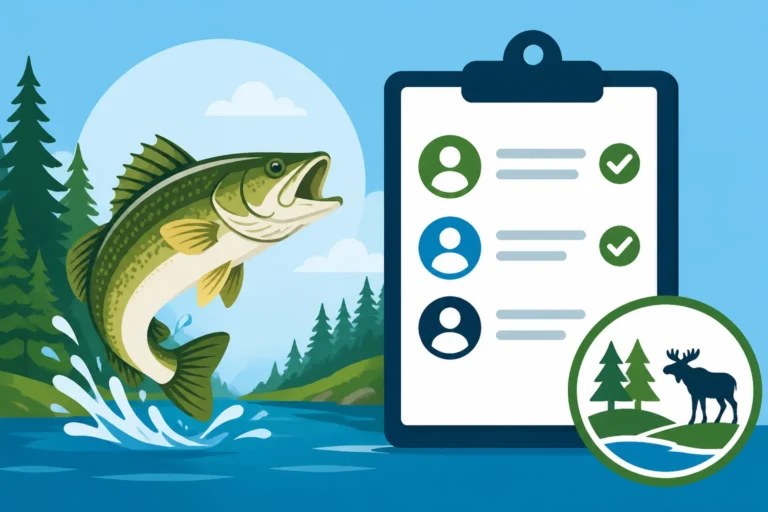
Before you even think about putting a line in Lake Erie, you absolutely need a valid Ontario fishing license and an Outdoors Card. The Outdoors Card is a plastic identification card that is valid for three calendar years and is required to hold any Ontario fishing or hunting license. It essentially registers you with the Ministry of Natural Resources and Forestry (MNRF). Once you have an Outdoors Card, you can then purchase your actual fishing license, which can be for one year, three years, or even a single day.
For residents, the process is straightforward. For non-residents, particularly those from the U.S. coming to fish Lake Erie, ensure you purchase the correct non-resident license. You can easily purchase both your Outdoors Card and fishing license online through the Ontario government’s Fish and Wildlife Licensing Service, at a participating ServiceOntario location, or through authorized license issuers, such as many bait and tackle shops near Lake Erie. Places like Amazon might sell fishing gear, but they definitely won't sell you an Ontario fishing license – that's strictly through official channels! To understand all your options, take a look at our comprehensive Where and How to Buy an Ontario Fishing License guide.
| License Type | Validity Period | Required for Fishing |
|---|---|---|
| Outdoors Card | 3 Calendar Years | Yes |
| Fishing License | 1 Year, 3 Year, 1 Day | Yes |
Remember, carrying proof of your valid license and Outdoors Card (either physical or digital) is mandatory while fishing. Conservation Officers frequently patrol Lake Erie, and not having these documents can lead to hefty fines. Our detailed article on the Ontario Outdoors Card, Explained offers more insights into this essential piece of identification.
Boating Requirements on Lake Erie
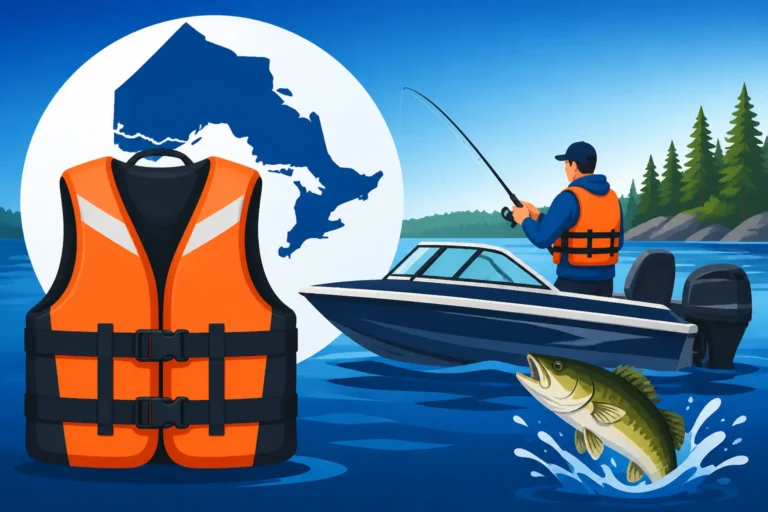
Given Lake Erie's size and often unpredictable conditions, safe boating practices and adherence to regulations are non-negotiable. Whether you're in a massive charter boat or a small tiller rig, all Canadian boating laws apply.
- Pleasure Craft Operator Card (PCOC): Anyone operating a motorized boat in Ontario waters, including Lake Erie, must have a valid Pleasure Craft Operator Card (PCOC). This card proves you have successfully completed an accredited boating safety course. There are very few exemptions, so if you're driving a boat with an engine, you almost certainly need one.
- Required Safety Equipment: Your boat must be equipped with all the necessary safety gear as per Transport Canada regulations. This includes, but isn't limited to, life jackets (one for each person on board, properly sized), a bailing device, a sound-signalling device, navigation lights (if operating at night or in restricted visibility), a fire extinguisher (if applicable), and a valid proof of ownership (license/registration). For a complete list and breakdown, consult the Ontario Boating Laws for Anglers resource.
- Life Jackets: While having them on board is required, wearing your life jacket is always the safest option, especially when conditions are rough or if you're fishing alone. The vastness of Lake Erie can make help feel a long way off. You can find excellent quality life jackets from various brands on Amazon, but ensure they are Transport Canada approved. More details are available in our guide on Life Jacket Requirements for Ontario Boaters.
Operating a boat under the influence of alcohol or drugs is strictly prohibited and carries severe penalties, including hefty fines, loss of boating privileges, and even jail time. Safety always comes first on the water.
Prohibited Activities and Conservation
Beyond species-specific rules and boating laws, there are general conservation principles and prohibited activities that apply across Ontario and are especially critical on a productive fishery like Lake Erie.
- Waste of Fish: It is illegal to waste any fish you catch and retain. This means you must make reasonable efforts to consume or properly preserve the fish you keep.
- Live Bait Restrictions: While live bait is generally permitted on Lake Erie, be aware of specific baitfish regulations. It's illegal to use certain invasive species as bait. Always ensure your bait is legal and, if you're transporting live bait, that you don't introduce non-native species to new waters.
- Closed Waters: Occasionally, specific areas of Lake Erie or its tributaries may be designated as "closed waters" for certain periods or altogether to protect spawning fish or sensitive habitats. Always check for these special regulations.
- Littering: Leaving trash, fishing line, or any other refuse on the ice or in the water is illegal and harmful to the environment. Pack it in, pack it out!
- Snagging/Foul Hooking: Intentionally snagging or foul hooking fish is illegal. Fish must be caught fairly by the mouth.
Adhering to these general rules helps ensure the long-term health of the Lake Erie fishery for everyone. Understanding Ontario Fishing Regulations Explained can provide a broader context for all these rules.
Navigating the Regulations and Staying Informed
Staying up-to-date with Ontario's fishing regulations for Lake Erie, or any body of water, is an ongoing responsibility for every angler. Regulations can, and sometimes do, change annually or even mid-season if emergency conservation measures are needed. Relying on outdated information is a sure-fire way to end up on the wrong side of the law.
Accessing and Understanding the Regulations Summary
The absolute most authoritative source for current Ontario fishing regulations is the official Ontario Fishing Regulations Summary. This document is published annually by the Ontario Ministry of Natural Resources and Forestry (MNRF). It's available both online as a PDF and in physical booklet form at most license issuers and bait shops.
When you access the summary, make a beeline for the section specifically dedicated to FMZ 19 – Lake Erie. This section will detail:
- General Rules for FMZ 19: Any overarching rules unique to the zone.
- Species-Specific Regulations: Seasons, limits (Sport and Conservation), and any size restrictions for individual fish species.
- Exceptions to the Zone: Very occasionally, a specific bay or tributary within FMZ 19 might have even more localized rules that override the general zone rules. These "Special Regulation Waters in Ontario" are critical to note.
Don't just skim it; take the time to read through the relevant sections carefully. There are often helpful diagrams for fish identification and explanations of common terms. Our guide on Reading the Ontario Fishing Regulations Summary can walk you through the process of deciphering this important document.
Local Resources and Reporting
Beyond the official summary, local knowledge can be incredibly valuable, though it should always be cross-referenced with official sources.
- Bait and Tackle Shops: The folks working at local bait and tackle shops along Lake Erie, such as those in Port Stanley, Port Colborne, or Wheatley, are often passionate anglers themselves and are usually very knowledgeable about current regulations, local nuances, and what's biting. They are an excellent resource for real-time conditions and advice.
- Charter Captains: If you're fishing with a professional charter captain on Lake Erie, they are legally obligated to know and follow all regulations. They can be a great source of information, especially for specific techniques that comply with rules.
- Online Forums and Social Media: There are many active online fishing communities for Ontario anglers. While these can be great for sharing tips and stories, always verify any regulation information you receive from these sources with the official MNRF summary. Misinformation spreads easily.
- Reporting Violations: If you witness a suspected fishing or hunting violation, it's important to report it to the Ministry of Natural Resources and Forestry's TIPS line at 1-877-TIPS-MNR (1-877-847-7677). This helps protect the resource for everyone.
By combining diligent study of the official regulations with sound local advice, you'll be well-prepared for a successful and legal fishing adventure on Ontario's magnificent Lake Erie. Remember, the regulations are there for a reason: to ensure that future generations can enjoy the same incredible fishing experiences we do today.
Disclaimer
The information provided in this guide is for general informational purposes only and is subject to change. While we strive to provide accurate and up-to-date information, fishing regulations can be complex and are regularly updated by the Ontario Ministry of Natural Resources and Forestry (MNRF). It is the angler's sole responsibility to consult the most current official Ontario Fishing Regulations Summary, available on the Ontario government website or at authorized license issuers, before engaging in any fishing activity. This guide should not be considered a substitute for the official regulations.