Best shore fishing near Toronto
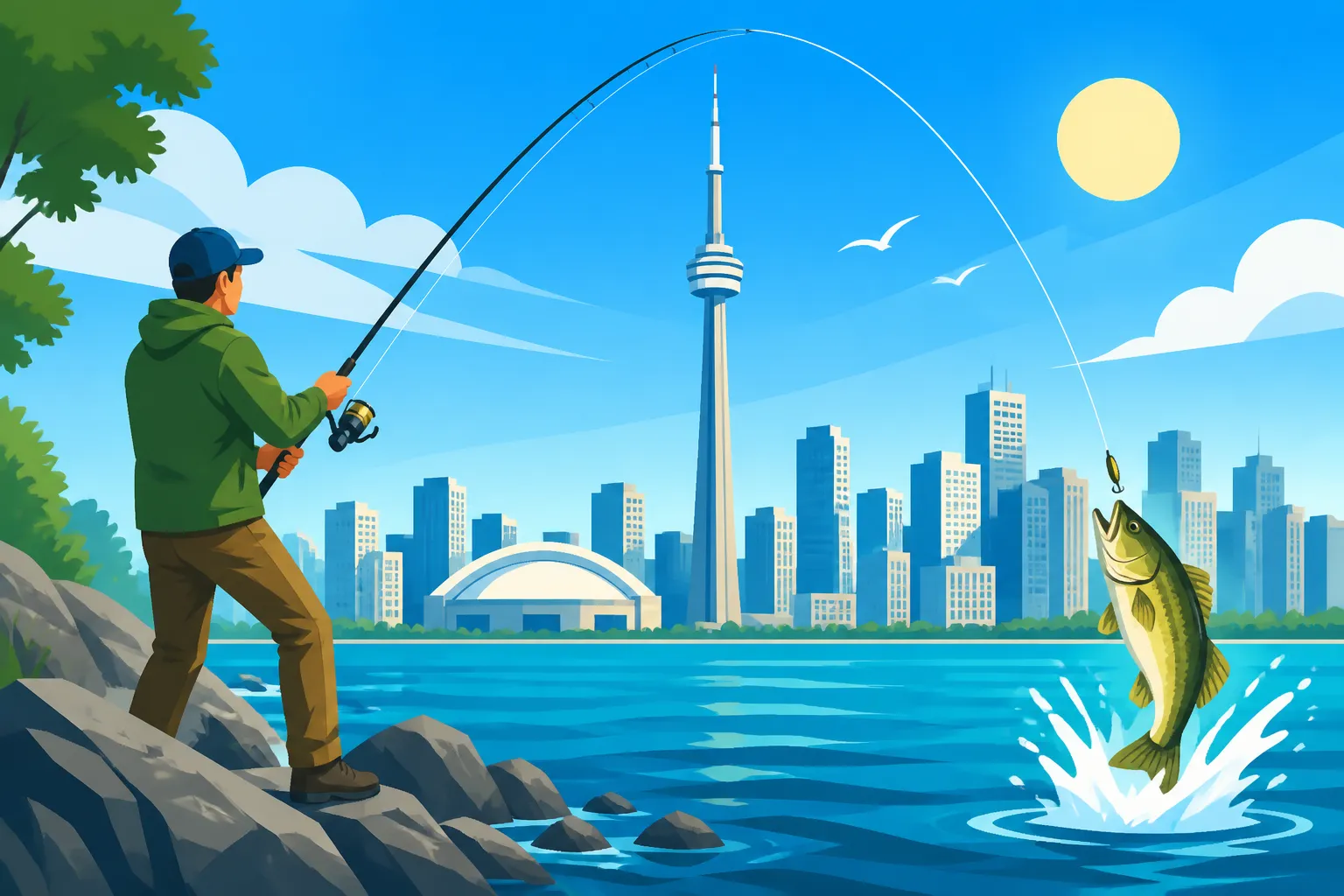
Trying to find a decent fishing spot near a bustling city like Toronto without a boat can feel like an impossible quest. You're constantly wondering where you can actually cast a line without running into "no fishing" signs, massive crowds, or just plain empty water. This guide is here to cut through that frustration, offering up some of the best and most accessible shore fishing locations close to Toronto, along with the know-how to make your outing a success.
The Unique Challenges of Shore Fishing Near Toronto
Fishing from shore in a densely populated area like the Greater Toronto Area comes with its own set of hurdles that land-locked anglers often face. It's not like the vast wilderness of Northern Ontario; you're often competing for space and dealing with urban realities.
Understanding Urban Fishing Constraints
One of the biggest issues is simply access. So many promising stretches of water are privately owned, inaccessible due to development, or part of conservation areas with strict rules against fishing. Then there's the crowd factor. On a beautiful weekend, popular parks and waterfronts can be swarming with picnickers, cyclists, and dog walkers, making it challenging to find a quiet spot to cast without bothering anyone. The perception of water quality can also be a deterrent for some. While many urban waterways are cleaner than they once were, historic pollution can still make people hesitant, and for good reason—always check local consumption advisories. Finally, many of the prized fishing locations, especially for species like lake trout or offshore salmon, are simply out of reach without a boat. You're limited to what's reachable from docks, piers, riverbanks, or small, designated shore access points.
What You Can Realistically Expect
Let's be real: while trophy fish are always possible, shore fishing near Toronto is generally more about consistent action and enjoying the outdoors than landing a monster walleye or a record muskie. You're most likely to encounter panfish like sunfish and crappie, common carp, various species of sucker, and good numbers of largemouth and smallmouth bass in warmer months. The big exciting draws come during seasonal migrations, particularly the salmon and trout runs in the fall and spring, where species like Chinook salmon, Coho salmon, and rainbow trout (steelhead) push into rivers and creeks. Don't expect to be alone, especially during these runs, but the thrill of hooking into a powerful salmon from shore is unmatched. It's all about adjusting your expectations and focusing on the unique opportunities urban fishing provides.
Top Shore Fishing Spots Within a Short Drive of Toronto
Despite the challenges, Toronto and its surrounding areas offer some surprisingly good shore fishing opportunities. You just need to know where to look!
Downtown Gems and City Escapes
Believe it or not, you don't always have to drive for hours to wet a line. Some fantastic spots are right in the city or just a stone's throw away.
Toronto Harbourfront and Tommy Thompson Park
The Toronto Harbourfront itself, with its various piers and docks, can offer surprisingly good action. While primarily known for pleasure craft and bustling activity, early mornings or late evenings can yield catches of carp, rock bass, and even the occasional smallmouth bass. The real gem, however, is Tommy Thompson Park (also known as the Leslie Street Spit). This unique man-made peninsula, extending 5 kilometers into Lake Ontario, is a haven for wildlife and, crucially, for anglers. You can walk or cycle along the trails, accessing numerous coves and shoreline areas. Here, you'll find everything from aggressive northern pike and feisty smallmouth bass to various panfish. During the spring and fall, the park's proximity to Lake Ontario means you have a real shot at migratory salmon and trout pushing close to shore. Bottom fishing with worms or corn is effective for carp and bottom feeders, while casting spoons or crankbaits can entice pike and bass. Remember to check local signage for specific fishing zones within the park and be mindful of wildlife.
Rouge National Urban Park
Just on the eastern edge of Toronto, Rouge National Urban Park offers a vastly different fishing experience, focusing more on river and creek environments. The Rouge River itself provides excellent opportunities for common carp, various panfish, and even northern pike in its slower, marshier sections. More importantly, during the migratory runs, the Rouge River can see impressive numbers of Chinook salmon and rainbow trout (steelhead) pushing upstream from Lake Ontario. Access points are well-marked, and the park maintains a natural feel, offering a true escape from the city hustle. When fishing river systems like the Rouge, understanding Ontario Fishing Seasons by Zone and Month is crucial, as some species have specific open and closed periods. Light to medium spinning gear with small jigs, worms, or roe bags can be very effective, especially during the spring and fall runs.
North and West of the City
If you're willing to venture a little further, some larger bodies of water offer expanded shore fishing options.
Lake Simcoe (Southern Shores and Inlets)
While Lake Simcoe is massive and generally considered a boat-fishing paradise, its southern shores and key inlets offer fantastic shore access. Locations like Innisfil Beach Park or the mouths of the Holland River can provide excellent opportunities, especially for yellow perch and crappie. These areas offer docks, breakwalls, and shallow bays where panfish congregate. In the spring and fall, smallmouth bass and northern pike are also frequent catches from shore. During winter, parts of Lake Simcoe are famous for ice fishing, and certain areas offer excellent shore access to ice hut operators or safe ice conditions for walking out. Knowing the Ontario Yellow Perch Limit on Lake Erie and Simcoe is important, as limits can vary by water body. For panfish, a simple setup with a bobber, small hook, and live worms or minnows works wonders. For bass and pike, casting small spoons, spinners, or soft plastics can be very productive.
Credit River (Lower Sections)
Heading west, the Credit River is legendary among Ontario anglers, primarily for its exceptional trout and salmon fisheries. The lower sections of the river, particularly around Port Credit and upstream through Mississauga, offer numerous public access points for shore anglers. This river is a premier destination for fly fishing enthusiasts, with anglers targeting rainbow trout (steelhead), brown trout, and during the fall, massive Chinook and Coho salmon. While challenging, the rewards can be incredible. Many anglers travel long distances to experience the Credit River's migratory runs. Techniques can vary widely, from drift fishing with roe bags or worms to fly fishing with specific patterns designed to imitate trout and salmon forage. If you're keen on trying your hand at trout, consider checking out resources like Fly Fishing for Trout in Ontario. Be prepared for crowds, especially during peak migration periods in late September and October, and always respect private property and fellow anglers.
East of the City
The eastern stretch of Lake Ontario also holds some great shore fishing potential, particularly for those chasing migratory fish.
Lake Ontario Eastern Shore (Oshawa and Port Hope)
Further east along Lake Ontario, towns like Oshawa and Port Hope are major destinations for migratory salmon and trout. The rivers and creeks that flow into Lake Ontario in these areas, such as the Ganaraska River in Port Hope or the Oshawa Creek in Oshawa, become teeming with fish during their seasonal runs. Public parks and designated fishing areas along these waterways offer excellent shore access, though competition can be fierce. Anglers here often target Chinook and Coho salmon in the fall, and rainbow trout (steelhead) and brown trout in the spring and fall. These spots are less about finding solitude and more about being part of the excitement of a full-blown fish migration. Spin casting with spoons, roe bags, or even fly fishing can all be successful. It’s a truly exhilarating experience when the salmon are in, and it's well worth the drive.
Rice Lake (Southern Access Points)
A bit further inland, about an hour and a half east of Toronto, Rice Lake is a fantastic option for a more relaxed shore fishing experience focused on warm-water species. Known for its abundant panfish, largemouth and smallmouth bass, and even good numbers of walleye, the southern shore of Rice Lake offers several public access points. Parks like Bewdley Community Park or the public docks in places like Hiawatha First Nation provide ample space to cast. For walleye, early morning or late evening often prove best, using jigs tipped with worms or minnows, or casting crankbaits. For bass and panfish, almost any time of day can be productive. The shallower, weedy nature of Rice Lake makes it an ideal environment for these species. If you're new to fishing for these species, a quick look at How to Catch Walleye in Ontario or How to Catch Smallmouth Bass in Ontario can give you some excellent pointers before you head out.
Essential Gear and Techniques for Toronto Shore Anglers
You don't need a boatload of expensive gear to have a successful day of shore fishing near Toronto. A simple, versatile setup will get you started, and a few basic techniques will cover most situations.
Basic Gear Setup
For most shore fishing scenarios around Toronto, a medium-action spinning rod and reel combo is your best friend. A rod between 6 to 7.5 feet in length will give you enough casting distance for larger waters like Lake Ontario and enough sensitivity for river fishing. Spool your reel with 8-12 lb monofilament or fluorocarbon line, or consider a braided line of similar strength with a fluorocarbon leader for added sensitivity and abrasion resistance.
Your tackle box should be compact but versatile. Here's a quick checklist:
- Hooks: A variety of sizes (from small #6 for panfish to larger #1/0 for bass/pike).
- Sinkers/Weights: Split shot and small egg sinkers for bottom fishing or float rigs.
- Bobbers/Floats: Essential for suspending bait at specific depths, especially for panfish or river fishing.
- Lures: A few inline spinners (e.g., Mepps, Rooster Tail), small spoons (e.g., Little Cleo, Krocodile), and perhaps some soft plastic worms or grubs with jig heads.
- Live Bait: A container of earthworms is universally effective. Minnows are great for pike, bass, and crappie if permitted.
- Pliers/Forceps: Crucial for unhooking fish, especially those with sharp teeth.
- Small Landing Net: Helps protect fish if you plan on catch and release, and makes landing bigger fish much easier from shore.
Don't forget essentials like sunscreen, bug spray, a hat, polarized sunglasses (they make a huge difference in spotting fish or structure), and a small cooler for drinks or if you plan to keep any legal fish.
Effective Shore Fishing Techniques
When you're stuck on the bank, you need adaptable tactics.
- Bottom Fishing: This is a go-to for many species, especially carp, catfish, and larger bottom-dwelling fish. A simple rig with an egg sinker above a swivel, a leader, and a hook baited with a worm, corn, or powerbait, cast out and allowed to sit on the bottom, is highly effective. Watch your rod tip or use a bell for bites.
- Float Fishing (Bobber Fishing): Perfect for panfish, bass, and river trout/salmon. A bobber allows you to present bait at a specific depth, keeping it off the bottom and visible when a fish bites. In rivers, this technique can drift your bait naturally downstream into fish-holding pockets.
- Casting Lures: For more active fish like bass, pike, and migratory salmon/trout, casting and retrieving lures is exciting. Spinners and spoons imitate baitfish and are relatively easy to cast and retrieve. Experiment with different retrieve speeds and depths. Soft plastics rigged on jig heads can be bounced along the bottom or slowly reeled in to mimic crawfish or baitfish. If you're targeting pike, knowing How to Catch Northern Pike in Ontario can provide valuable insights into lure selection and presentation.
Safety and Etiquette
Always prioritize safety. If you're fishing near moving water, wear a personal flotation device (PFD), even if you don't plan on entering the water. Rocks and banks can be slippery. Be mindful of your surroundings; if you're casting near pedestrians or cyclists, ensure your casting zone is clear. Most importantly, practice leave no trace principles. Pack out everything you pack in, including discarded fishing line, bait containers, and any other garbage. Respect other anglers by giving them space, especially in popular spots during busy runs. And if you’re fishing a conservation area or park, always check for specific rules regarding bait, catch limits, and designated fishing areas.
Planning Your Shore Fishing Adventure
A little preparation goes a long way to making your Toronto-area shore fishing trip successful and enjoyable.
Checking Regulations and Licenses
This is non-negotiable. Before you even think about casting a line, you absolutely need an Ontario fishing license. Canadian residents who are 18-64 years old generally require a license. There are exemptions for seniors over 65 and youth under 18, but it's crucial to understand the rules. You can find all the details you need in the Ontario Fishing License Guide for 2026. Once you have your license, you need to understand the regulations for the specific water body you'll be fishing. Ontario is divided into various Fisheries Management Zones (FMZs), and each zone has unique rules for species, open seasons, and bag limits. Always consult the current Ontario Fishing Regulations Summary to avoid costly fines. Knowing how to read the Reading the Ontario Fishing Regulations Summary is a skill every angler needs to master. Don't assume that rules are the same everywhere—they absolutely are not.
Best Times to Go
Timing is everything in fishing, especially for shore anglers who have limited mobility.
- Early Morning and Late Evening: These low-light periods are often the most productive for most fish species. Many fish, especially predatory ones like bass, pike, and walleye, are more active when the sun isn't directly overhead, and fewer people are usually around.
- Seasonal Runs: If you're targeting salmon and trout, late September through October for fall salmon and steelhead, and April/May for spring steelhead, are prime times. These periods can be incredibly rewarding, but as mentioned, expect company.
- Weather Conditions: Overcast days or the approach of a warm front can often stimulate fish activity. Conversely, fishing can be tough right after a cold front passes. Pay attention to local weather forecasts and how they might impact fish behavior.
Using Local Knowledge and Resources
Don't be afraid to tap into local expertise.
- Bait and Tackle Shops: These are goldmines of information. Shop owners and staff often have up-to-the-minute reports on what's biting, where, and on what. They can tell you about specific local spots that might not be widely published. For instance, a quick stop at a local tackle shop in Port Hope before fishing the Ganaraska can yield invaluable tips on current salmon patterns.
- Online Forums and Social Media Groups: Many local fishing communities exist online where anglers share tips, ask questions, and post reports. A search for "Toronto shore fishing" or "Lake Simcoe shore fishing" on platforms like Facebook or dedicated angling forums can connect you with experienced locals.
- Park Staff and Conservation Areas: If you're fishing in a managed park or conservation area, the staff can often provide details on designated fishing spots, common catches, and any specific rules or advisories.
- FishingBooker: If you're feeling overwhelmed by the sheer number of rules or just want a guaranteed fishing experience without the guesswork, consider booking a short trip with a local guide. While this article focuses on shore fishing, connecting with a guide through a platform like FishingBooker can sometimes lead to discovering lesser-known shore access points that guides utilize, or even short boat trips that operate very close to shore, giving you a taste of different waters. They can offer insights into the most productive techniques for specific areas around Toronto and beyond, from the Credit River to Lake Simcoe. Even if you don't book a full charter, browsing available trips on FishingBooker can give you an idea of what species are biting in certain areas at specific times of the year.
Top Shore Fishing Spots Near Toronto Overview
To help you visualize your next trip, here's a quick summary of the spots we've covered:
| Location | Primary Species | Best Techniques | Key Considerations |
|---|---|---|---|
| Tommy Thompson Park | Carp, Pike, Bass, Panfish, Salmon/Trout (seasonal) | Bottom fishing, casting spoons/crankbaits | Urban wilderness feel, walk/bike access, migratory runs |
| Rouge National Urban Park | Carp, Panfish, Pike, Salmon/Trout (seasonal) | Float fishing, bottom fishing, small jigs | River/creek environment, fall/spring migratory runs |
| Lake Simcoe (Southern Shores) | Yellow Perch, Crappie, Smallmouth Bass, Pike (seasonal) | Bobber with worms/minnows, casting spinners | Ice fishing access in winter, busy in summer, check limits |
| Credit River (Lower Sections) | Rainbow Trout (Steelhead), Brown Trout, Salmon (seasonal) | Drift fishing, fly fishing, small spoons | Prime migratory fishery, can be crowded, challenging |
| Lake Ontario Eastern Shore (Oshawa/Port Hope) | Chinook Salmon, Coho Salmon, Rainbow Trout (seasonal) | Casting spoons, roe bags, drift fishing | Intense migratory fishing, high angler pressure, check rules |
| Rice Lake (Southern Access Points) | Panfish, Largemouth/Smallmouth Bass, Walleye | Bobber with worms, jigging, casting crankbaits | Warm-water species, calmer experience, good for families |
This table should give you a good starting point for planning your next shore fishing excursion around the Toronto area. Each spot offers something a little different, ensuring there's always a new adventure waiting, whether you're chasing panfish or the mighty salmon. Remember to always fish responsibly and enjoy the beauty of Ontario's waters!
Disclaimer
The information provided in this guide is for general informational purposes only and is not intended as legal or professional advice. Fishing regulations, seasons, and access points can change frequently. Always consult the most current Ontario fishing regulations summary and local signage before fishing. It is your responsibility to understand and comply with all applicable laws and regulations. Fishing activities carry inherent risks; please exercise caution and prioritize safety at all times.