Best shore fishing near Ottawa
Feeling the urge to cast a line but don't have a boat? It's a common dilemma, especially when you're in a city like Ottawa, surrounded by incredible waterways but unsure where to access them without launching a vessel. Finding those hidden gems or well-known public spots for productive shore fishing can feel like a secret society, but don't worry, this guide is here to unravel the mysteries and point you to the best shore fishing opportunities right here in and around Canada's capital.
Why Ottawa is a Shore Angler's Dream
Ottawa isn't just about Parliament Hill and museums; it's a city interwoven with fantastic fishing opportunities, many of which are perfectly accessible to the shore angler. The sheer diversity of its aquatic environments, from the mighty Ottawa River to the historic Rideau Canal and numerous smaller lakes and ponds, means there's almost always a spot to wet a line. The urban and natural landscapes blend beautifully, offering convenience for city dwellers without sacrificing the feel of a genuine fishing adventure.
Accessibility and Urban Fishing Appeal
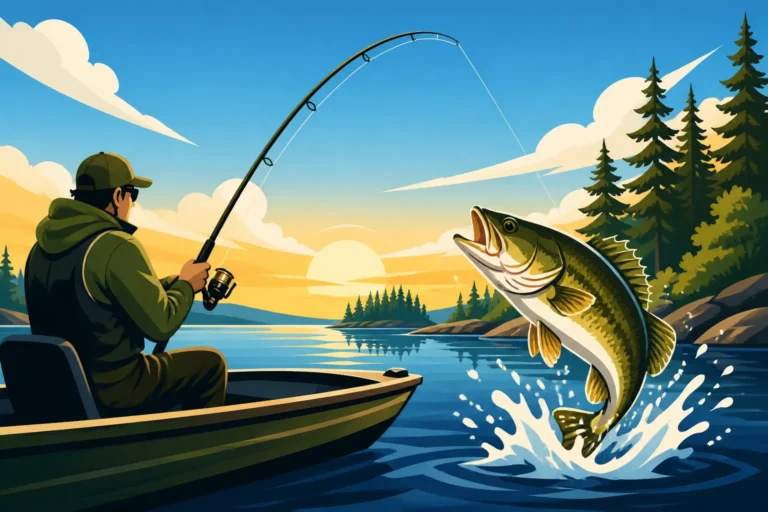
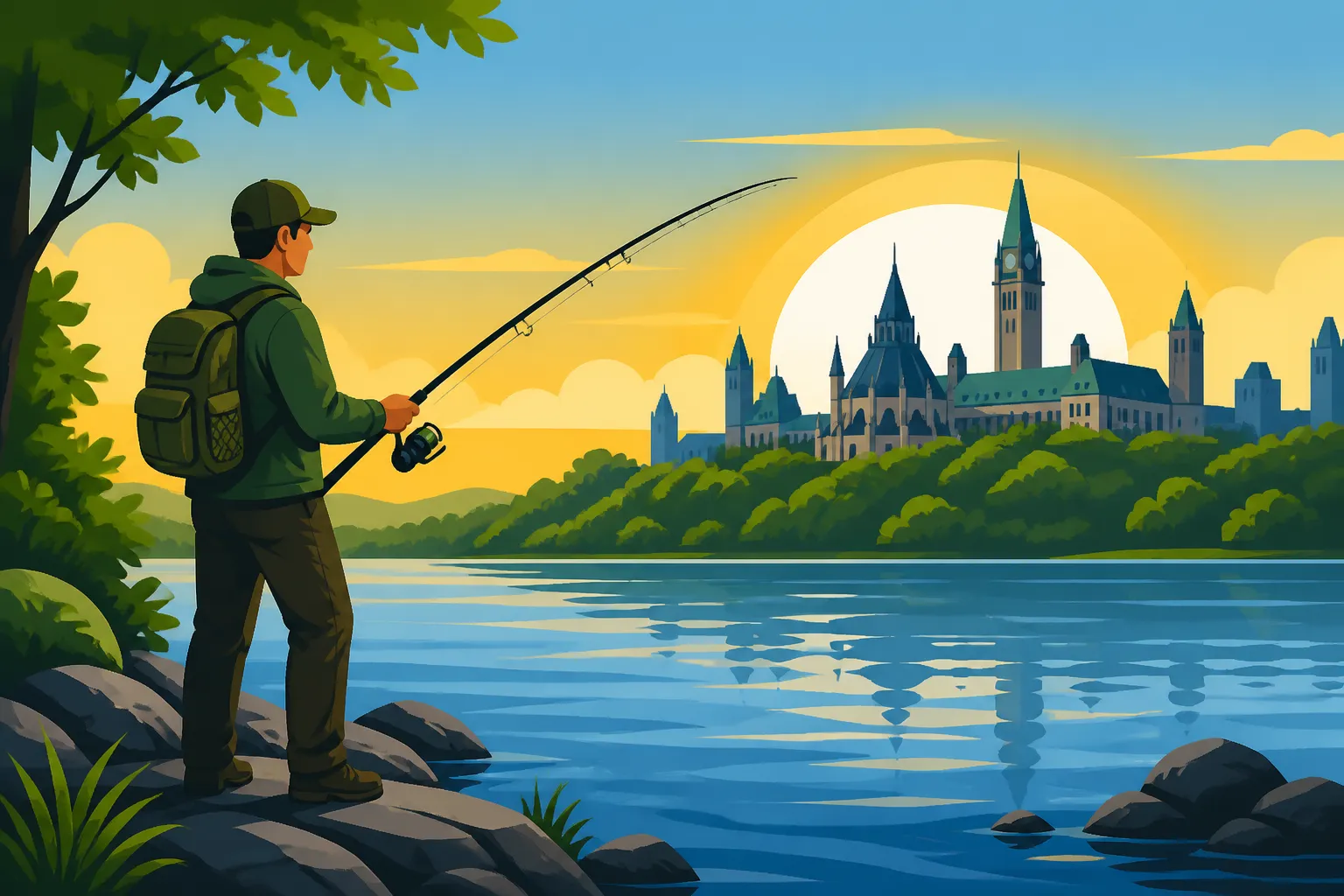
One of the biggest advantages of fishing near Ottawa is the incredible accessibility. Many prime spots are just a short drive, bike ride, or even walk from downtown, meaning you don't need to spend hours travelling to a remote wilderness lodge to get a good bite. Public parks, conservation areas, and designated fishing piers make it easy for families, beginners, or seasoned anglers looking for a quick outing. This urban appeal means you can often squeeze in a fishing session after work, on a lunch break, or during a leisurely weekend stroll. The blend of city convenience and natural beauty creates a unique angling experience, where you might catch a feisty smallmouth bass with the Parliament buildings visible in the distance.
Diverse Species Within Reach
The waters around Ottawa are teeming with a surprising variety of fish species, making every outing a potential surprise. Depending on where you cast your line, you could be targeting anything from chunky walleye and feisty smallmouth and largemouth bass to robust northern pike and a smorgasbord of panfish like perch and crappie. The Ottawa River, in particular, is a known hotbed for a wide array of game fish. The Rideau Canal, a UNESCO World Heritage Site, offers a different experience, often yielding excellent panfish and bass. This diversity means you can tailor your approach or simply enjoy the thrill of not knowing what might hit your bait next. Understanding Ontario Fishing Seasons by Zone and Month can help you maximize your chances for specific species throughout the year.
Top Shore Fishing Hotspots Near Ottawa
Let's get down to the brass tacks: where exactly can you go to enjoy some prime shore fishing without a boat? Ottawa and its surrounding areas offer a fantastic selection of easily accessible spots, each with its own charm and target species. From bustling riverbanks to serene pond edges, there’s a perfect spot for every angler.
Ottawa River Parklands and Greenbelt Access
The Ottawa River is the undisputed champion for shore fishing in the region. Its vast expanse provides countless access points, many through well-maintained parklands and the National Capital Greenbelt.
- Britannia Beach Park: This popular spot on the western end of the city offers great access to the Ottawa River. You can cast from the rocky shoreline or the small pier. It's known for smallmouth bass, northern pike, and a variety of panfish. The diverse structure, including weed beds and rocky drop-offs, provides excellent habitat. It’s a fantastic place for a morning or evening session, and often yields consistent action.
- Petrie Island: Located in Orléans, Petrie Island is a true gem. This area boasts sandy beaches, walking trails, and several excellent spots for shore fishing. The calm bays and inlets are perfect for targeting largemouth bass, pike, and panfish, especially during the warmer months. You can often see anglers casting from the causeway or the various points jutting into the water. Its sheltered nature makes it a comfortable spot on windy days.
- Remembrance Park (Hog's Back Falls): While the falls themselves are dramatic, the areas around Hog's Back along the Rideau River (which flows into the Ottawa River) offer unique shore fishing opportunities. You'll find strong currents, perfect for certain species, and deeper pools. Walleye and smallmouth bass are often caught here, especially during migration periods. Just be mindful of safety due to the currents and respect any posted signage.
- Shirley's Bay: Part of the Greenbelt, Shirley's Bay offers more secluded and natural shorelines. This large bay is excellent for northern pike and carp, with plenty of weed beds and marshy areas providing cover. It's a quieter spot, ideal for those looking to escape the city bustle a bit more, and offers a true sense of being out in nature, despite being close to urban areas.
For a broader perspective on river fishing, consider exploring our guide on Ottawa River Fishing Spots.
Rideau Canal and Inner-City Gems
The historic Rideau Canal system, running right through the heart of Ottawa, isn't just for pleasure cruises; it's a fantastic, convenient option for shore anglers seeking urban fishing adventure.
- Downtown Locks and Bridges: The stone walls and public access points along the Rideau Canal, particularly near the Parliament Buildings and between Dow's Lake and Hog's Back, offer surprisingly good fishing. These spots are easily accessible and can yield impressive panfish, rock bass, and sometimes even smallmouth and largemouth bass. The water here can be quite deep near the walls, offering different challenges and opportunities. It’s a unique experience to fish in such a historic, urban setting.
- Dow's Lake: While largely recreational, Dow's Lake offers shore access in several areas, including the arboretum side and around the Pavilion. This lake is stocked with fish and is known for its panfish, particularly crappie and perch, as well as some bass. It’s a calm, family-friendly environment, and a great place for beginners to get their first bites. Always check for specific local regulations or closures, as it's a popular recreational hub.
Smaller Lakes and Ponds for a Quieter Experience
Sometimes, you just want a tranquil spot away from the major waterways. The Ottawa region also offers smaller lakes and ponds that are great for shore fishing, often with less current and a more relaxed atmosphere.
- Mud Lake (Britannia Conservation Area): Adjacent to the Ottawa River, Mud Lake offers a more sheltered environment within the Britannia Conservation Area. It's a hotspot for panfish, especially black crappie, and also holds largemouth bass and pike. The dense vegetation makes it ideal for targeting fish that prefer cover. It’s a wonderful spot for a quiet afternoon with a bobber and worm.
- Richmond Conservation Area Pond: Just a short drive south of Ottawa, this conservation area features a peaceful pond suitable for shore fishing. It's known for panfish and offers a very relaxed setting, perfect for teaching kids to fish or enjoying a leisurely afternoon. These smaller, managed ponds are often easier for beginners to find success.
- Mer Bleue Conservation Area: While primarily known for its bog and trails, some of the surrounding ponds and waterways, particularly those accessible from public roads on the periphery of the protected area, can offer quiet fishing for panfish and smaller bass. It’s important to always respect conservation area rules and stay on designated paths.
Essential Gear and Techniques for Ottawa Shore Fishing
You don't need a boatload of fancy equipment to enjoy great shore fishing near Ottawa. A few key pieces of versatile gear and some understanding of basic techniques will set you up for success. The beauty of shore fishing is its simplicity, allowing you to focus on the experience.
Rods, Reels, and Line for Multi-Species Action
For shore fishing in Ottawa, versatility is your best friend. You'll likely encounter various species in different conditions, so a flexible setup is ideal.
- Medium-Light to Medium Spinning Combo: A 6 to 7-foot spinning rod with a medium-light to medium action is perfect. This setup is sensitive enough to feel bites from panfish but has enough backbone to handle a decent-sized bass or pike. A 2500 or 3000 series spinning reel spooled with 8-12 pound monofilament or braided line will cover most situations. Monofilament is forgiving for beginners and offers good knot strength, while braid provides excellent sensitivity and casting distance, especially important when fishing from shore. If you're looking to target species like walleye specifically, a Best Spinning Rods for Walleye guide might offer more tailored advice, but a versatile medium action rod will still do the job for most shore applications.
- Tackle Bag or Backpack: Instead of a bulky tackle box, consider a tackle bag or backpack. It’s much easier to carry along shorelines, especially if you plan on walking to different spots. Look for one with multiple compartments to keep your lures, tools, and snacks organized.
- Landing Net: A medium-sized landing net is invaluable for safely landing larger fish, especially if you're practicing catch and release. A net with rubberized mesh is gentler on fish and helps protect their slime coat.
Baits, Lures, and Tackle Box Must-Haves
Keeping your tackle simple but effective is key for shore fishing. You want a selection that can tempt a variety of fish without overwhelming you with choices.
- Live Bait: Worms (nightcrawlers) are universally effective and a go-to for panfish, bass, and even walleye. Minnows can be excellent for pike and larger bass. Local bait shops like those found in the Capital Region (e.g., Orleans or Kanata bait stores, or Canadian Tire fishing sections) can provide fresh bait.
- Jigs: Small jig heads (1/8 to 1/4 ounce) paired with soft plastic grubs, tubes, or small swimbaits are incredibly versatile. They can be cast and retrieved, bounced along the bottom, or suspended under a bobber. White, chartreuse, and natural baitfish colours are always a good bet.
- Spinners and Spoons: Inline spinners (like Mepps or Blue Fox) and small casting spoons are excellent for covering water and attracting aggressive fish like pike and bass. Silver, gold, and brass blades often work well.
- Crankbaits and Jerkbaits: Small to medium-sized crankbaits (diving 2-6 feet) and jerkbaits can be very effective for bass and walleye, especially when retrieved near structure or along drop-offs. If you're looking specifically for walleye, checking out a guide on the Best Crankbaits for Ontario Walleye could enhance your lure selection.
- Bobbers/Floats: Essential for fishing live bait or small jigs at a specific depth, especially in calmer waters like the Rideau Canal or smaller ponds. Slip bobbers are fantastic for fishing deeper water from shore.
- Terminal Tackle: Don't forget an assortment of hooks (sizes 4 to 1/0), sinkers (split shot and small bell sinkers), swivels, and a few small leaders (steel or heavy fluorocarbon) if you're targeting pike.
Key Techniques for Success from Shore
Shore fishing requires a slightly different approach than boat fishing, but with a few simple techniques, you can still have a very productive day.
- Fan Casting: Since you're stationary, fan casting is crucial. Cast your lure to different spots in a fan-like pattern, covering as much water as possible. Start close and work your way out, paying attention to any subtle changes in the bottom or visible structure.
- Reading the Water: Look for signs of fish activity like rising fish or baitfish schools. Identify potential holding spots: submerged logs, weed lines, rock piles, current breaks, or sudden depth changes. Fish often relate to structure and cover for protection and ambush points.
- Vary Your Retrieve: Don't just cast and reel in at a steady pace. Experiment with different retrieve speeds, pauses, twitches, and jerks. Some days fish want a fast, erratic retrieve, while others prefer a slow, methodical presentation.
- Fish During Peak Times: Early morning and late evening are often the most productive times for many species, especially in the summer. Overcast days or just before a rainstorm can also trigger bites. For more generalized advice, our guide on the Best Time of Year to Fish in Ontario provides useful information.
Navigating Regulations and Ethical Angling in the Capital Region
Fishing in Ontario, even from shore in an urban area, comes with important rules and regulations designed to protect our fisheries. Understanding these is not just about avoiding penalties but also about ensuring sustainable fishing for future generations.
Understanding Licenses and Local Rules
Before you even make your first cast, ensure you have the proper documentation. All anglers between the ages of 18 and 64, whether resident or non-resident, generally need an Ontario fishing license. Children under 18 and seniors 65 and over are exempt, but still need to adhere to catch limits and other regulations. You can obtain your license and your mandatory Ontario Outdoors Card, Explained online, at a participating ServiceOntario location, or at authorized license issuers like many tackle shops and Canadian Tire stores.
It's crucial to understand the different license types, such as the Sport Fishing License and the Conservation Fishing License, which dictate your catch limits. Our comprehensive Ontario Fishing License Guide for 2026 provides all the details you’ll need, including How Much Does an Ontario Fishing License Cost. Fishing without a valid license can lead to significant Fishing Without a License in Ontario: Penalties, so always be prepared. Remember, even if you buy online, you'll need to know about Printing or Carrying a Digital Fishing License in Ontario. Always consult the current Ontario Fishing Regulations Explained summary for the specific fishing zone you are in (Ottawa is primarily in Fisheries Management Zone 18, but it's good to double-check exact boundaries) for species-specific limits, open seasons, and any special regulations for particular waters.
| Shore Fishing Spot | Primary Species | Accessibility | Best Time of Year | Key Considerations |
|---|---|---|---|---|
| Britannia Beach Park | Smallmouth Bass, Pike | Easy (parking, paths) | Spring, Summer, Fall | Rocky shore, some weeds, can be busy |
| Petrie Island | Largemouth Bass, Pike | Easy (parking, paths) | Spring, Summer, Fall | Sheltered bays, calmer water, family-friendly |
| Rideau Canal (Downtown) | Panfish, Bass | Very Easy (urban) | Spring, Summer, Fall | Deep walls, current, busy urban area |
| Mud Lake | Crappie, Largemouth | Easy (parking, paths) | Spring, Summer, Fall | Weedy, calm water, good for bobber fishing, quieter |
| Shirley's Bay | Pike, Carp | Moderate (less developed) | Spring, Fall | Extensive weed beds, more natural feel, can be buggy |
Practicing Responsible Catch and Release
Many anglers in the Ottawa region are passionate about conservation, and practicing responsible catch and release is a cornerstone of ethical angling, especially in heavily fished urban areas. Even if you hold a Sport Fishing License, considering releasing most of your catch ensures robust fish populations for the future.
Here are some quick tips:
- Minimize Handling: Try to keep the fish in the water as much as possible. If you must handle it, do so with wet hands to protect its slime coat.
- Use Barbless Hooks: Crushing the barb on your hooks makes removal much easier and less traumatic for the fish.
- Proper Hook Removal: Use needle-nose pliers or a hook remover tool. If a fish is deeply hooked, it's often better to cut the line as close to the hook as possible rather than trying to rip it out.
- Revive the Fish: If a fish seems sluggish, hold it gently in the water, facing into the current (if any), until it regains strength and can swim away on its own.
- Pack it Out: Always take out everything you bring in. Leave no trace of your visit – that includes discarded fishing line, bait containers, and any other trash. Respect the natural beauty of Ottawa's waterways.
While this guide covers fantastic shore fishing, for those looking to expand their horizons on the Ottawa River or explore guided trips on larger bodies of water, platforms like FishingBooker can connect you with local charter captains. These professionals often possess incredible knowledge of local fishing patterns, even if you’re just seeking advice for shore-based opportunities on future trips. They can offer a deeper dive into the region's diverse fishing scene.
Remember, fishing is more than just catching fish; it's about connecting with nature, enjoying the peace and quiet, and respecting the environment.
Disclaimer
The information provided in this guide is for general informational purposes only and is subject to change. Fishing regulations, license requirements, and access to fishing locations can vary and be updated frequently by the Ontario Ministry of Natural Resources and Forestry (MNRF) and local authorities. Always consult the most current official Ontario Fishing Regulations Summary, available from the MNRF website or authorized license issuers, before heading out to fish. It is your responsibility to know and follow all applicable laws and regulations. Fishing involves inherent risks, and safety should always be your top priority.