Best shore fishing near Hamilton
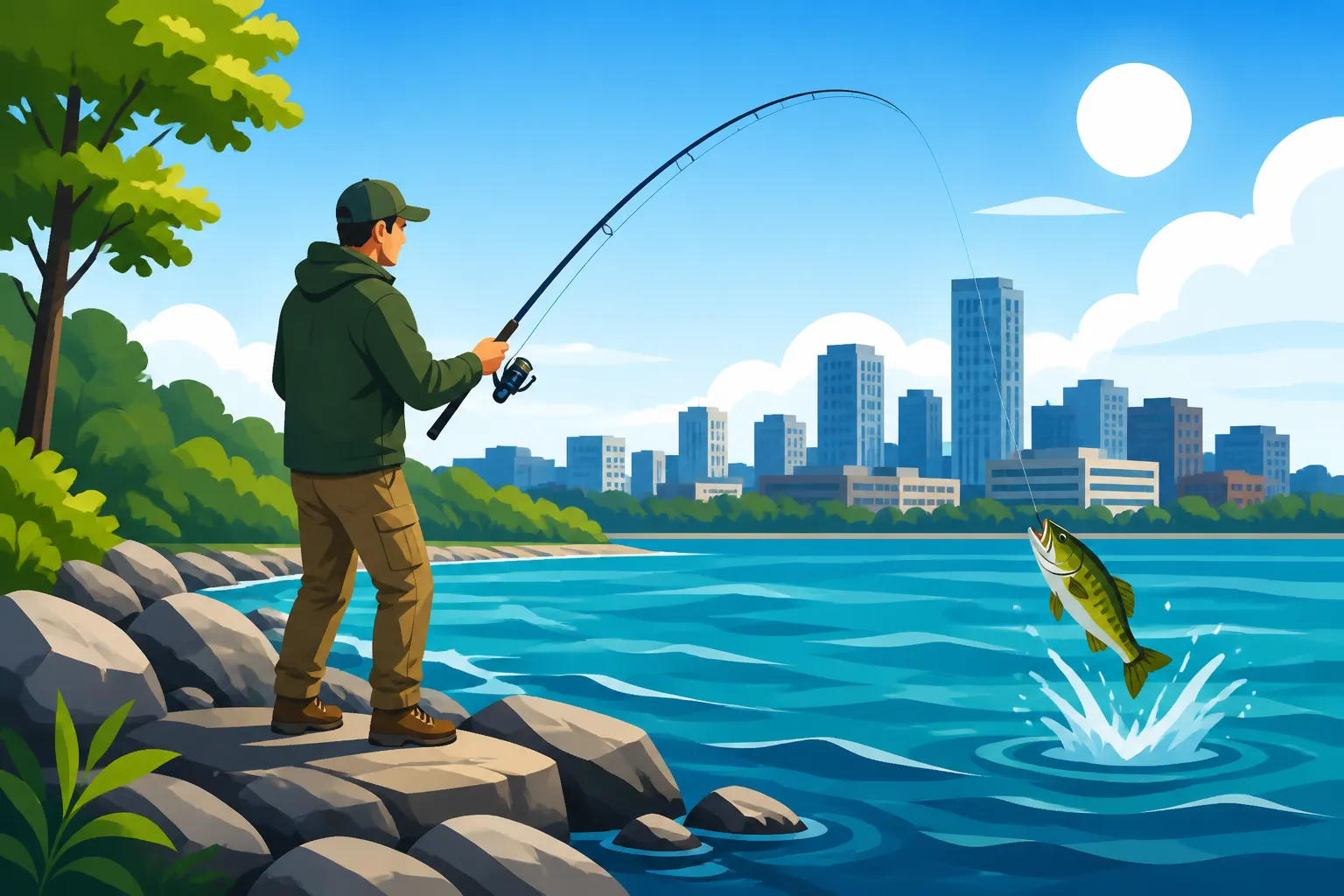
It can feel incredibly frustrating to be in a city like Hamilton, surrounded by water, and yet struggle to find those perfect, accessible spots to cast a line without needing a boat. Many of us want to enjoy a relaxing day of fishing right from the bank, but identifying genuinely productive shore fishing locations, understanding local nuances, and knowing what gear to bring can feel like a secret handshake. This comprehensive guide is here to demystify shore fishing near Hamilton, helping you discover excellent spots, prepare effectively, and enjoy successful outings.
Understanding the Hamilton Shore Fishing Landscape
Hamilton, nestled on the western tip of Lake Ontario, offers a surprisingly diverse array of fishing opportunities, even for those of us who prefer to keep our feet on solid ground. While the sheer size of Lake Ontario can seem intimidating, there are many nooks, crannies, and connecting waterways that provide fantastic angling experiences without needing a vessel.
The Challenges of Urban Angling
Let's be real: shore fishing in an urban environment like Hamilton comes with its own set of hurdles. First off, public access can be tricky. You're often contending with private property, industrial zones, or areas not designed for angling. Finding safe, legal, and fishable spots requires a bit of local knowledge and sometimes some adventurous exploring. Secondly, water quality can be a concern in some urban areas, though significant improvements have been made in Hamilton Harbour over the years. Finally, heavy foot traffic or other recreational activities can sometimes deter fish or make for a less tranquil experience. It's not always the pristine wilderness, but with the right approach, you can still find pockets of peace and plenty of fish.
Another common frustration is the sheer variety of fish species. You might be targeting one thing, but end up catching something entirely different! This is especially true in a diverse ecosystem like the one around Hamilton. From panfish to pike, bass to carp, and even salmon and trout near tributary mouths during their runs, it's a mixed bag. This means your tackle selection needs to be versatile, or you need to decide on a target species and tailor your approach. Don't be afraid to experiment, and remember that sometimes the unexpected catch is the most memorable one. Local fishing reports or even chatting with other anglers you meet on the bank can give you a real edge.
Key Waterways and Their Potential
Hamilton is uniquely positioned with access to Lake Ontario, the vast Hamilton Harbour (also known as Burlington Bay), and the confluence of the Grand River not too far away. Each of these major bodies of water, along with smaller creeks and conservation areas, offers distinct shore fishing opportunities.
Hamilton Harbour is a massive natural harbour, partially enclosed from Lake Ontario by the Burlington Beach strip. It's a surprisingly productive fishery, hosting everything from bass and pike to carp, panfish, and even migratory salmon and trout that venture in from the big lake. Access points along its edges, particularly in parks and public access areas, can yield great results. The habitat varies from weed beds to rocky shorelines and even deeper channel edges, providing a home for diverse species.
Just west of Hamilton Harbour, Cootes Paradise is a large, environmentally significant wetland marsh managed by the Royal Botanical Gardens. While access is more restricted and primarily for conservation, there are designated areas and trails where shore fishing is permitted, offering a unique opportunity to fish for warm water species in a serene, natural setting. Always check the specific regulations and access points for Cootes Paradise, as they are strictly enforced to protect the delicate ecosystem.
A short drive west will bring you to the Grand River, one of Ontario's most significant river systems. Near its mouth, where it empties into Lake Erie, and further upstream in towns like Caledonia or Paris, you'll find numerous spots to cast from the bank. The Grand is renowned for its excellent smallmouth bass, walleye, and northern pike fishing, along with various panfish and carp. Its varied flow, riffles, pools, and structure make it a prime location for shore anglers looking for a dynamic riverine experience.
Top Shore Fishing Spots in and Around Hamilton
Finding reliable shore fishing spots is often about balancing accessibility, safety, and fish productivity. Luckily, the Hamilton area has a few standout locations that consistently deliver for anglers willing to explore.
Hamilton Harbour and Cootes Paradise
For those looking to stay right in the city, Hamilton Harbour offers several excellent shore fishing spots. The pier at Bayfront Park is a popular choice, providing easy access to deeper water and a chance at various species, including pike, bass, panfish, and carp. It’s also a fantastic spot during the spring and fall for migratory salmon and trout heading into the harbour or nearby creeks. You’ll often see anglers using various techniques here, from casting spoons and crankbaits to bottom-fishing with worms or corn. The atmosphere is usually lively, and it's a great place to meet other local anglers and share tips. Further along the shoreline, parts of Pier 8 also offer good access, especially for those targeting warm water species in the sheltered bays.
When fishing these urban waters, remember that water clarity can vary. After a heavy rain, the water might be stained, which can be an advantage for certain species like walleye or pike, as it makes them less wary. For specific insights into what you might catch, checking out Walleye Fishing in Ontario or Smallmouth Bass Fishing in Ontario can give you an edge on target species and their behaviors in these environments. Another excellent option, albeit with more restricted access, is the designated fishing area within Cootes Paradise. The Desjardins Canal area, particularly near the Dundas Valley Conservation Area, offers some bank access, but it's crucial to confirm where fishing is permitted, as restrictions are in place to protect sensitive habitats. This marshy environment is fantastic for largemouth bass, pike, and abundant panfish like bluegill and crappie. It's a peaceful alternative to the more bustling harbour.
The Grand River's Accessible Banks
A short drive from Hamilton, the Grand River presents some of the best river shore fishing opportunities in Southern Ontario. For easy access and diverse fishing, consider visiting Caledonia. The public parks and walking trails along the river in Caledonia offer numerous spots to cast. You can often find decent smallmouth bass around the bridge pillars and rocky areas, as well as northern pike lurking in weed beds. Walleye are also present, especially in deeper pools and current breaks. The Grand River is a fantastic place to practice Drift Fishing for Walleye in Ontario Rivers or simply cast and retrieve various lures.
Further upstream, towards Paris, the river becomes more rugged, offering a different kind of shore fishing experience. While some spots require a bit of a hike, the rewards can be significant. The faster currents and rocky bottom near Paris create ideal habitat for robust smallmouth bass and even some brown trout in the cooler sections. This area is also popular for fly fishing, so if you're into that, it's worth exploring. Always be mindful of private property when exploring the Grand River's banks, and stick to public access points or conservation areas. A resource like Best Fishing Rivers in Ontario might highlight specific sections of the Grand River that are particularly renowned for shore fishing.
Smaller Inland Ponds and Conservation Areas
Beyond the major waterways, Hamilton and its surrounding region are dotted with smaller ponds and conservation areas that offer fantastic, often family-friendly, shore fishing. These spots are perfect for a relaxed day, especially if you're targeting panfish or introducing kids to fishing.
Christie Lake Conservation Area, just north of Dundas, offers ample shoreline access for fishing. The lake is stocked with rainbow trout and also holds a healthy population of largemouth bass, pike, and panfish. There are designated fishing areas, and the calm waters make it an enjoyable spot for casting from the bank. Similarly, Valens Lake Conservation Area near Cambridge (a slightly longer drive, but worth it) is known for its excellent pike and largemouth bass fishing, with plenty of shore access points and even boardwalks. These conservation areas usually have an entry fee, but they provide well-maintained facilities and often better access than wilder spots. They are also excellent places to target panfish; for some great tips, check out Best Techniques for Panfish in Ontario.
| Location | Primary Species | Best Techniques (Shore) | Key Considerations |
|---|---|---|---|
| Bayfront Park Pier | Pike, Bass, Panfish, Carp | Casting, Bottom Fishing | Urban environment, often busy, easy access |
| Cootes Paradise | Largemouth Bass, Pike, Crappie | Casting, Finesse Fishing | Restricted access, check regulations, serene environment |
| Grand River (Caledonia) | Smallmouth Bass, Walleye, Pike | Casting, Drift Fishing, Bottom Fishing | Strong currents, varied structure, public parks |
| Christie Lake | Largemouth Bass, Pike, Trout | Casting, Float Fishing | Stocked trout, conservation area fee, family-friendly |
| Valens Lake | Largemouth Bass, Pike | Casting, Topwater Lures | Conservation area fee, great for bass and pike |
When planning a trip to any of these locations, especially conservation areas, it's a good idea to check their official websites for current conditions, hours of operation, and any specific fishing rules or closures. You can also sometimes find local guides or even charter services listed on platforms like FishingBooker, which, even if you're not booking a boat, can offer valuable insights into prime areas or seasonal patterns from local experts who know these waters intimately.
Essential Gear and Techniques for Shore Anglers
One of the beautiful things about shore fishing is that you don't need a huge investment in specialized equipment. However, having the right gear and a few versatile techniques in your arsenal can significantly increase your success and enjoyment, especially around Hamilton's diverse waters.
The Right Tackle for Hamilton's Waters
For most shore fishing scenarios near Hamilton, a medium-light to medium power spinning rod, about 6 to 7 feet long, paired with a reliable spinning reel (sized 2000-3000) will be your workhorse. This setup offers the versatility to cast a wide range of lures and baits, from light jigs to heavier spoons, and handle anything from a feisty panfish to a respectable pike or bass. If you're looking for a great all-around option, a Best Rod and Reel Combo for Beginners is an excellent starting point.
Line choice is also crucial. Many anglers opt for 8-10 lb monofilament or fluorocarbon for its ease of use and good knot strength. However, if you plan on casting heavier lures or fishing in areas with snags, a 15-20 lb braided line with a fluorocarbon leader can offer superior casting distance, sensitivity, and abrasion resistance. Remember to pack a variety of lures and baits. For panfish and trout, small inline spinners, jigs (1/16 to 1/8 oz) tipped with a worm, or simply a bobber and a worm are incredibly effective. For bass and pike, consider small to medium-sized crankbaits, spinnerbaits, soft plastic worms, or jerkbaits. Live bait like worms, minnows (where permitted), or even corn for carp can be highly productive across all species. A good Best Tackle Bag for Bank Fishing will help keep all your essentials organized and easily accessible.
Productive Shore Fishing Strategies
Shore fishing isn't just about casting and hoping; a few strategic approaches can make a big difference. One of the most effective techniques is to "cover water" by making casts in a fan-like pattern, thoroughly exploring different depths and structures. Look for anything that breaks the current or provides cover: submerged logs, rock piles, weed lines, drop-offs, or bridge abutments. Fish love structure.
For walleye, especially in the Grand River or parts of the harbour, a slow retrieve with a jig tipped with a plastic grub or live minnow can be deadly. You can also try bottom bouncing with a worm harness. If you're targeting smallmouth bass in current, casting crankbaits or tubes upstream and letting them drift naturally while slowly retrieving them can be highly effective. For pike and largemouth bass in weedy areas, weedless soft plastics or spinnerbaits are excellent choices to avoid snags. Don't be afraid to experiment with retrieve speeds and lure colours. Sometimes a subtle change can trigger a strike. For more specific techniques, delve into How to Catch Walleye in Ontario or How to Catch Smallmouth Bass in Ontario.
Patience is a virtue in shore fishing. If a spot isn't producing, don't be afraid to move a short distance and try another area. The fish might be concentrated in very specific pockets. Observing other anglers can also provide valuable clues about what's working locally. A casual chat can often reveal tips on hot spots, preferred baits, or current conditions.
Navigating Regulations and Maximizing Your Catch
Before you even make your first cast near Hamilton, understanding the local fishing regulations is paramount. Ontario has specific rules designed to protect fish populations and ensure sustainable angling for everyone.
Understanding Local Fishing Rules
First and foremost, you'll need an Ontario Fishing License Guide for 2026. Even if you're just dipping a line in for an hour, a valid license is non-negotiable for most anglers. There are exceptions, such as during designated Ontario Family Fishing Weekend Dates or for specific age groups like Ontario Youth Fishing License Exemption Under 18 and Ontario Senior Fishing License Exemption at 65, but generally, you need one. Ensure you understand the difference between a Sport Fishing License and a Conservation Fishing License, as these dictate your daily catch limits.
Beyond the license, it’s crucial to familiarize yourself with the Ontario Fishing Regulations Summary. This document, updated annually, details specific rules for different Fisheries Management Zones (FMZs). Hamilton falls primarily within FMZ 16 (Lake Ontario) and FMZ 19 (Lake Erie/Grand River watershed). Each zone has unique season dates, catch limits, and size restrictions for various species. For example, knowing the Ontario walleye daily limit or Ontario smallmouth bass slot limit for your specific zone is critical. You'll also find information on gear restrictions, bait rules, and specific regulations for special waters like Cootes Paradise. Always carry a copy (digital or physical) of the regulations summary or know how to access it on your phone. Checking out Reading the Ontario Fishing Regulations Summary can help you interpret this vital document.
Tips for a Successful and Responsible Trip
Beyond the regulations, a few responsible practices can significantly enhance your shore fishing experience while ensuring the health of the fishery. Always practice catch-and-release, especially for larger breeding fish, if you're not planning to keep your legal limit for a meal. Handle fish gently, minimize their time out of water, and use appropriate tools like needle-nose pliers for hook removal. If you’re fishing for table fare, be sure to understand Ontario Bag and Possession Limits by Species and only keep what you plan to eat.
Another important aspect is cleanliness. "Take only memories, leave only footprints" is the golden rule. Pack out everything you pack in, including any discarded fishing line, bait containers, and food wrappers. Littering not only spoils the natural beauty of the area but can also harm wildlife. Be mindful of others using the same public spaces – give them plenty of room, keep noise levels down, and share access points politely. If you're exploring new areas, especially if you find them through resources like FishingBooker where local insights are shared, showing respect for the environment and other users will ensure these spots remain open and enjoyable for future generations of anglers. Finally, always check the weather forecast before you go. Unpredictable winds off Lake Ontario can make for a chilly or wet experience, even on a sunny day. Dress in layers and bring appropriate rain gear to stay comfortable.
Disclaimer
The information provided in this guide is for general informational purposes only and is not a substitute for checking current official regulations. Fishing regulations, seasons, and limits are subject to change by the Ontario Ministry of Natural Resources and Forestry (MNRF). Always consult the most recent Ontario Fishing Regulations Summary before heading out to fish. Adherence to all local, provincial, and federal laws is the sole responsibility of the angler.