Best Tackle Bag for Bank Fishing
There’s nothing quite like the freedom of bank fishing in Ontario – no boat to launch, no trailer to hitch, just you, your rod, and the water. But that freedom often comes with its own unique challenge: how do you carry all your essential gear without feeling like a pack mule, or worse, leaving something crucial behind? This guide is all about finding that perfect balance, helping you choose and pack the best tackle bag for those shoreline adventures, ensuring you're prepared for whatever the day (or the fish) throws your way.
Why Your Standard Tackle Box Fails for Bank Fishing
We all start somewhere, and for many, that's with a classic hard-sided tackle box. They're great for organizing a mountain of gear in the garage or on a boat, but the moment you try to hike a trail, scramble over rocks, or navigate dense brush to reach that perfect fishing spot, their limitations become painfully clear. Bank fishing demands a different approach, one that prioritizes mobility and accessibility.
The Awkward Haul: Bulk and Weight Issues
Imagine trekking along the shoreline of Lake Simcoe, searching for a good perch spot, or hiking deep into Algonquin Park to a remote brook trout pond. Your traditional hard-sided tackle box, especially a larger one, quickly transforms from a convenient organizer into an unmanageable burden. They're often bulky, designed with hard, rigid corners that dig into your side, and lack any ergonomic carrying features beyond a basic top handle. Trying to balance a heavy, rectangular box, a fishing rod, a landing net, and maybe a small cooler across uneven terrain is a recipe for frustration, not relaxation. You end up making multiple trips, dropping things, or simply cutting your trip short because the effort of carrying your gear outweighs the joy of fishing.
Furthermore, these boxes often encourage overpacking. Because they have so much space, we tend to fill them with every lure, weight, and tool we own, "just in case." While admirable in theory, this excessive weight becomes a real problem when you're hoofing it to your chosen spot. Every extra ounce feels like a pound when you're navigating slippery rocks or muddy banks. The sheer physical demand can detract from the entire experience, turning a peaceful outing into a strenuous chore. For an angler focused on stealthily approaching a productive stretch of the Credit River for trout, the clunky rattle and awkward profile of a standard box can be a significant disadvantage.
Lack of Mobility and Quick Access
When you're bank fishing, you're constantly on the move. You might walk a hundred yards, make a few casts, then move another hundred, seeking out active fish or better cover. A hard-sided tackle box sitting on the ground means you have to constantly bend over, open it up, rummage through compartments, select a lure, close it, and then pick it up again. This repetitive motion isn't just inefficient; it breaks your rhythm and takes valuable time away from fishing. Think about those moments when the fish are actively biting, and you need to switch lures quickly to match their mood. Fumbling with a cumbersome box can cost you precious bites.
Moreover, if you're standing in a shallow stream or on a precarious rock outcrop, there might not even be a stable, dry place to set down a traditional box. You end up balancing it on your knees, or worse, setting it in the mud or water, risking damage to your gear or the box itself. The lack of hands-free operation and easy access to your most-used items is a major drawback for the dynamic nature of bank fishing. A good tackle bag should keep your essentials within arm's reach, allowing you to focus on the presentation, not the logistics of getting to your next lure.
Environmental Challenges: Mud, Sand, and Wet Conditions
Ontario's diverse fishing environments, from the rocky shores of Lake Superior to the sandy banks of Lake Erie, present various challenges. Traditional hard-sided tackle boxes, while sometimes water-resistant, often have exposed latches and hinges that can become clogged with sand, mud, or grit. When you're constantly setting your box down on damp ground, dewy grass, or sandy beaches, dirt inevitably finds its way into every crevice, making it harder to open and close, and potentially damaging your gear over time.
Rain is another factor. While some hard boxes seal well, others don't, leaving your lures, hooks, and soft plastics vulnerable to moisture and rust. A sudden downpour can quickly turn your neatly organized tackle into a soggy mess. Consider the unpredictable weather around the Great Lakes; a sunny morning can turn into a blustery, rainy afternoon in a flash. For dedicated bank anglers, gear needs to be protected from the elements, not just stored. A tackle bag designed for these conditions offers better protection and peace of mind, allowing you to focus on the fishing, come rain or shine. This is where durable, weather-resistant materials become incredibly important for maintaining the longevity of your valuable tackle.
Understanding the Bank Angler's Needs: What Makes a Great Tackle Bag?
Stepping away from the traditional tackle box for bank fishing isn't just about finding a different container; it's about rethinking how you interact with your gear in a dynamic, on-the-go environment. A specialized tackle bag should feel like an extension of yourself, not a separate piece of luggage. It needs to harmonize with the demands of walking, casting, and navigating various terrains, all while keeping your essential tools secure and accessible.
Prioritizing Portability and Comfort
The number one priority for any bank fishing tackle bag is its ease of transport. You'll be covering ground, often for hours, and the last thing you want is a bag that strains your shoulders, digs into your back, or constantly shifts, throwing you off balance. Look for bags designed with ergonomic features. Padded shoulder straps, breathable back panels, and adjustable sternum or waist straps are not luxuries; they are necessities for distributing weight evenly and reducing fatigue. Think about hiking a few kilometers along the French River, stopping at various points to cast for walleye. A comfortable bag means you can fish longer, explore further, and remain focused on the water.
Beyond just the straps, consider the overall profile of the bag. A slim, compact design that doesn't snag on branches or brush is crucial when you're pushing through overgrown trails to reach a hidden pond. Bags that sit snugly against your body allow for greater freedom of movement, whether you're climbing over fallen logs or crouching to cast under low-hanging branches. The goal is to forget you're even carrying a bag, letting you immerse yourself fully in the fishing experience. This means minimizing bulk while maximizing the carrying capacity for your chosen essentials, which is a delicate balance to strike.
Essential Organization for Quick Changes
Bank fishing often involves adapting quickly to changing conditions or targeting different species in the same outing. One minute you might be throwing a crankbait for smallmouth bass along a rocky point, and the next you're rigging a slip float for yellow perch in a calmer bay. Your tackle bag needs to facilitate these rapid adjustments. This means more than just having space; it requires smart, intuitive organization. Dedicated compartments for utility boxes, pliers, line clippers, and soft plastics prevent a chaotic jumble.
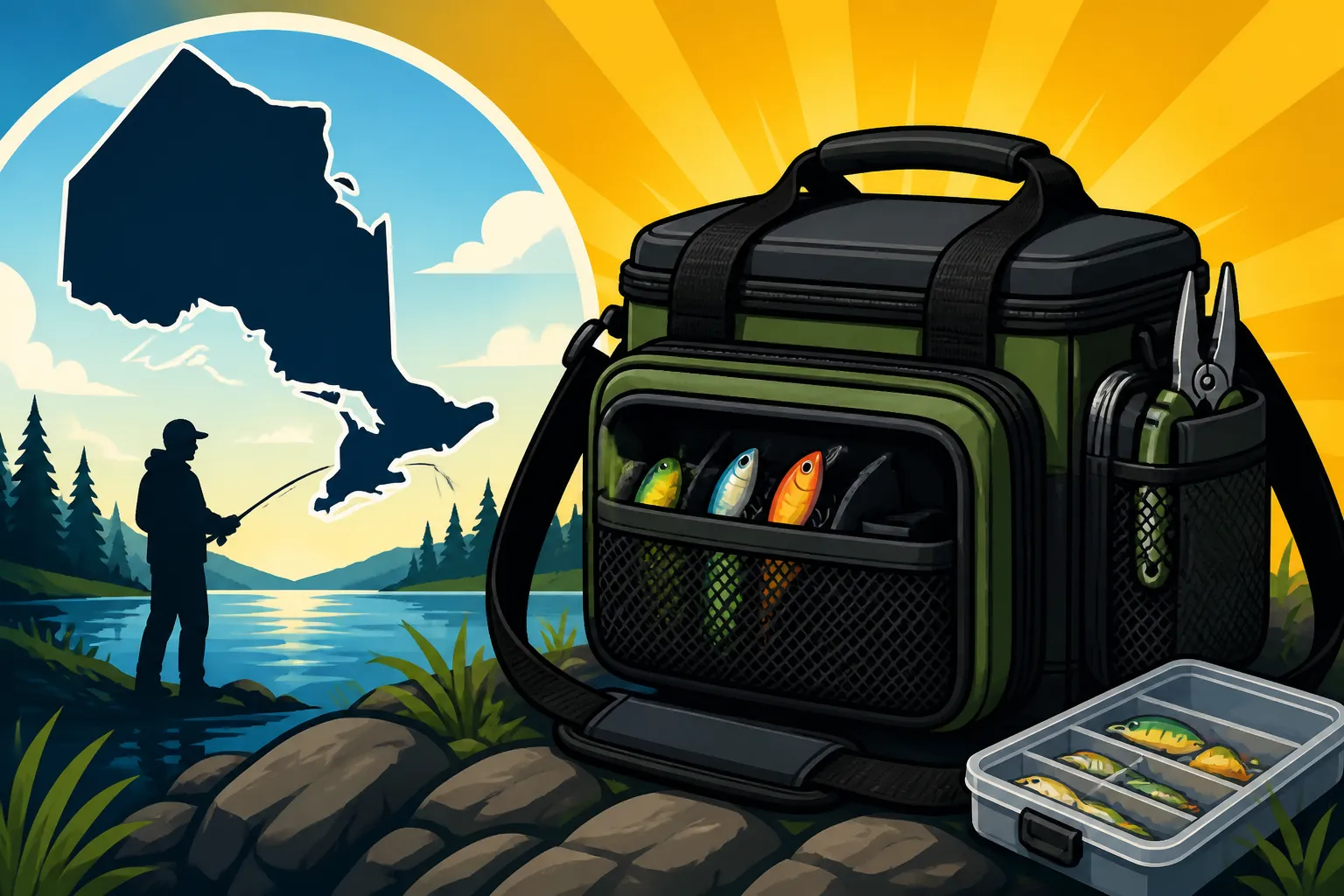
Look for bags with multiple, easily accessible pockets, both internal and external. Transparent utility boxes that fit neatly into designated slots allow you to quickly identify the lure you need without emptying the entire bag. Features like tool holsters or D-rings for attaching accessories like a Best Landing Net for Trout or a pair of unhooking pliers ensure that your most-used items are always within arm's reach, not buried at the bottom. The less time you spend rummaging, the more time you spend casting and enjoying the scenery. Effective organization is the backbone of efficiency on the bank.
Durability and Weather Resistance
Ontario's weather is notoriously unpredictable, and the ground you fish from can be even more so. Your tackle bag will be exposed to sun, rain, mud, sand, and rough surfaces. Therefore, durability and weather resistance are non-negotiable features. Look for bags constructed from robust, heavy-duty materials like ripstop nylon or thick polyester, often with a waterproof or water-resistant coating. Reinforced stitching at stress points and sturdy zippers are indicators of quality that will stand up to repeated use and abuse.
A waterproof or heavily water-resistant bottom is particularly important, as your bag will inevitably be set down on damp grass, muddy banks, or even shallow puddles. This protects the contents from moisture seeping in from below. Some bags even incorporate rubberized or hard plastic bases for extra protection and stability. While no bag is truly indestructible, investing in one built to withstand the rigors of the outdoors means your valuable tackle, including your specific choices for Best Tackle for Ontario Walleye or Best Gear for Ontario Trout Fishing, will remain protected and functional for many seasons to come. This peace of mind allows you to focus on the fishing, rather than worrying about your gear.
Types of Tackle Bags Best Suited for Bank Fishing
When you realize a standard tackle box isn't cutting it, the world of specialized tackle bags opens up. Each type offers a different blend of portability, capacity, and access, catering to various bank fishing styles and preferences. Understanding these differences will help you pinpoint the perfect companion for your next shoreline adventure.
Backpack-Style Tackle Bags
For the angler who likes to venture further afield, covering significant distances along riverbanks, hiking into remote lakes, or navigating dense brush, the backpack-style tackle bag is often the champion. These bags are designed to be carried on your back, much like a hiking pack, allowing for maximum portability and comfort over long hauls. They typically feature multiple main compartments, often with dedicated slots for two to four standard utility boxes, along with numerous external pockets for extra gear.
The primary advantage here is weight distribution. With two shoulder straps and often a chest and waist belt, the weight of your gear is spread across your torso, reducing strain on your shoulders and back. This makes them ideal for exploring extensive stretches of shoreline or making the trek to those secluded honey holes. Many models also include rod holders on the side, freeing up your hands for climbing or carrying other essentials like a cooler or a chair. You can find excellent options from brands like Bass Pro Shops, which often carry a wide range of backpack-style bags designed for serious anglers. They are perfect for a full day out, allowing you to carry everything from extra layers of Best Rain Gear for Ontario Anglers to a substantial lunch, alongside your full complement of lures and tools.
Sling Bags and Shoulder Bags
If your bank fishing adventures involve shorter walks, quick stops, or a need for instant access to your tackle, a sling bag or a traditional shoulder bag might be your preferred choice. These bags are worn across your body, with a single padded strap, allowing the main compartment to swing from your back to your front with ease. This provides unparalleled access to your lures and tools without having to take the bag off. Imagine quickly changing a jig head while standing knee-deep in a stream, or grabbing a new soft plastic bait without breaking your casting rhythm.
Sling bags are generally more compact than backpacks, encouraging a minimalist approach – carrying only the essentials. This can be a huge benefit when you're trying to stay nimble and light. They typically accommodate one or two utility boxes in the main compartment, with a few smaller pockets for leaders, tools, and personal items. Some even feature integrated tool holders or external pouches for a water bottle. While they don't distribute weight as evenly as a backpack, their quick-access design makes them incredibly efficient for active, mobile fishing, especially on smaller, more accessible waters like local ponds or easily reachable sections of rivers. Just be mindful of how much you pack, as an overloaded sling bag can become uncomfortable over longer periods.
Traditional Soft-Sided Tackle Bags (with bank-friendly features)
For anglers who prefer the familiar layout of a multi-box tackle system but need more portability than a hard case offers, soft-sided tackle bags are a fantastic compromise. These bags resemble larger shoulder bags but are specifically designed to hold multiple plastic utility boxes (often included), usually in a large main compartment. They are typically carried via a padded shoulder strap or sturdy carry handles.
What makes them "bank-friendly" compared to their hard-sided cousins is their flexible construction and often thoughtful exterior features. They are less rigid, making them easier to squeeze through tight spaces or store in a smaller footprint when not actively being used. Many feature external pockets for pliers, line spools, and other accessories, making them more organized than a simple duffel bag. Look for models with a reinforced, waterproof, or rubberized bottom to protect against damp ground, a crucial feature when setting your bag down on various shorelines. While not as ergonomic for long hikes as a backpack, they offer a good balance of capacity and portability for those who primarily fish from easily accessible banks, docks, or short trails. They're particularly useful if you tend to bring a wider variety of tackle, perhaps for different species like when you're targeting smallmouth bass in one area and then moving to a different spot for pike.
| Tackle Bag Type | Best For | Key Advantages | Considerations |
|---|---|---|---|
| Backpack-Style | Long hikes, remote spots, all-day excursions | Excellent weight distribution, high capacity, often hands-free rod holders | Can be bulky, less immediate access to main compartment, encourages overpacking |
| Sling/Shoulder Bag | Shorter walks, quick changes, minimalist setups, active casting | Superb quick access, nimble and lightweight, keeps essentials close | Lower capacity, can cause shoulder fatigue with heavy loads, less even weight distribution |
| Soft-Sided (Bank-Friendly) | Accessible banks, docks, anglers needing multi-box capacity for diverse tackle | Good capacity for utility boxes, more flexible than hard cases, external pockets | Less ergonomic for long hikes, still requires setting down for main access |
Key Features to Look for in a Bank Fishing Tackle Bag
Choosing the best tackle bag for your bank fishing adventures isn't just about picking a type; it's about delving into the details. The right features can make all the difference between a frustrating outing and a smooth, enjoyable day on the water. These elements address everything from organization to durability and comfort, ensuring your investment truly serves your angling style.
Smart Storage and Tray Systems
At the heart of any effective tackle bag is its ability to organize your gear efficiently. For bank fishing, this means a system that provides both ample space and easy access to your specific lures and tools, especially if you're carrying a variety for species like walleye or bass. Look for bags that come with, or are specifically designed to hold, standard clear plastic utility boxes (often called 3600 or 3700 size, depending on the manufacturer). These boxes are invaluable for keeping hard baits, soft plastics, and terminal tackle neatly separated and visible.
Beyond the main compartment, consider how the bag manages other items. Are there dedicated pockets for spools of extra line? What about small, zippered pouches for hooks, weights, and swivels? Some bags feature external elastic loops or pockets specifically designed to hold a water bottle or a small first-aid kit. A bag with a dedicated, reinforced pocket for pliers, line cutters, and other essential tools is also a huge plus, ensuring these items are always accessible and not damaging other gear. The goal is to avoid the "bottomless pit" scenario where you have to dig through everything to find one small item, especially when the fish are biting hot. Think about a bag that helps you quickly grab the right jig for panfish or the perfect Best Baits for Walleye on Lake Erie without fumbling.
Material Quality and Construction
Your tackle bag is going to take a beating. It will be tossed in the trunk, dragged across docks, set down on rocky shores, and likely endure splashes, mud, and rain. Therefore, the materials and construction quality are paramount. High-denier nylon or polyester fabrics are common, with ripstop weaves offering extra tear resistance. Look for coatings that enhance water resistance, such as polyurethane or PVC, especially on the bottom of the bag. A completely waterproof bottom, perhaps rubberized or hard-molded, is an excellent feature for protecting contents from ground moisture.
Pay close attention to the zippers. Cheap zippers are often the first point of failure on any bag. Opt for sturdy, corrosion-resistant zippers, ideally with large pull tabs that are easy to grip even with cold or wet hands. Double-stitched seams, reinforced stress points, and heavy-duty buckles also indicate a well-made bag that will withstand the rigors of frequent use. Investing in a bag made with quality components means it will last longer and protect your valuable gear more effectively, ensuring your Best Fishing Rods for Ontario Lakes and other gear stay pristine.
Ergonomics and Carrying Options
Since portability is key for bank fishing, the bag's ergonomics directly impact your comfort and endurance. For backpack-style bags, seek out thick, padded shoulder straps that are adjustable and contoured to fit your body. A padded back panel with mesh for ventilation can prevent sweat buildup on warmer days. Sternum straps and waist belts are incredibly effective for distributing weight and stabilizing the load, especially when traversing uneven terrain.
For sling and shoulder bags, a wide, padded shoulder strap is essential to prevent it from digging into your shoulder, particularly when the bag is fully loaded. Some bags offer ambidextrous designs, allowing you to wear them on either shoulder. Consider if the bag has multiple carry handles – a main one for quick grabs and perhaps side handles for lifting into a vehicle. The more ways you can comfortably carry and maneuver the bag, the better it will adapt to different situations you encounter on your fishing trips, from carrying a Best Rod and Reel Combo for Beginners to making a long hike.
Additional Pockets and Specialized Features
Beyond the main storage, the "extras" often define the utility of a tackle bag for bank fishing. External pockets for specific items, such as a dedicated mesh pocket for a wet rag or used soft plastics, or a water bottle holder, are incredibly practical. Some bags have small, fleece-lined pockets for sunglasses or a phone. D-rings or external webbing (like MOLLE systems) provide attachment points for tools, clip-on accessories, or even a small, rolled-up jacket.
Integrated rod holders, often found on backpack-style bags, are a game-changer for keeping your hands free while walking. These might be simple elastic loops or more structured sleeves. For those who enjoy specific techniques like fly fishing, some bags might even offer external straps for carrying a fly rod tube. Think about what you typically carry beyond your tackle – a camera, bug spray, sunscreen, a small snack – and look for a bag that offers smart, accessible solutions for these items. These seemingly small features collectively enhance the bag's functionality and your overall experience.
Packing Your Bank Fishing Tackle Bag Smartly
One of the biggest pitfalls for any angler, especially those heading to the bank, is overpacking. It’s tempting to bring every lure you own, "just in case" that magical moment arises where only a chartreuse, purple-striped, scented worm will do. However, for bank fishing, less is often more. The key is to be prepared without being burdened, selecting items that offer versatility and cover the most likely scenarios you'll encounter.
The Essentials: What You Really Need
Before you even think about specific lures, consider the absolute necessities for a successful and safe bank fishing trip. This core kit should be in your bag every single time, regardless of where you're headed.
First and foremost: your Ontario Outdoors Card, Explained and fishing license (paper or digital, as per Printing or Carrying a Digital Fishing License in Ontario). Always have these readily accessible. Next, line. A spare spool of your main line, or a smaller spool of leader material, is crucial. You never know when you'll get a nasty bird's nest or snag that requires re-tying. Speaking of re-tying, a good pair of line clippers or small scissors is non-negotiable. Pliers are also essential for hook removal, especially with toothy species like pike, and for crimping split shot or fixing small lure issues. A small first-aid kit with bandages, antiseptic wipes, and pain relievers is a smart addition, as minor cuts and scrapes are common.
Hydration is also key, so a reusable water bottle or a small hydration bladder should be a priority. Beyond that, a small, multi-tool can address a multitude of minor gear issues. Don't forget bug spray and sunscreen, particularly during Ontario's spring and summer months. Finally, a small, lightweight stringer or a catch-and-release net (like a Best Landing Net for Trout if you're targeting those species) is important if you plan on keeping fish or need to safely handle them. This core collection should form the backbone of every bank fishing excursion, ensuring you're ready for anything within reason.
Streamlining for Different Species or Conditions
Once your essentials are covered, it's time to tailor your tackle selection to your specific target species and the expected conditions. This is where smart packing truly shines. Instead of bringing five utility boxes full of everything, select one or two boxes with specific baits.
For example, if you're heading to a local pond known for largemouth bass, focus on a box filled with topwater frogs, soft plastic worms, jigs, and perhaps a few crankbaits. If you're targeting smallmouth on a rocky point along Georgian Bay, swap those out for tube jigs, jerkbaits, and small crankbaits. Fishing for brook trout in a small Crown land stream? Pack a selection of inline spinners, small spoons, and perhaps some powerbait or worms. Remember, for information on what's permitted, always consult the Ontario Fishing Regulations Explained.
Consider the time of year and weather. Early spring might call for slower presentations and darker colours, while summer often means brighter, more aggressive baits. If rain is in the forecast, pack a few extra dry bags for sensitive electronics or a spare set of clothes. The idea is to anticipate the conditions and the fish's likely behavior, choosing a versatile but limited selection of lures that offer the best chance of success, without carrying unnecessary weight. Many anglers find it helpful to have pre-packed, species-specific utility boxes that they can simply swap into their tackle bag based on the day's plan.
Maintaining and Cleaning Your Bag
A well-maintained tackle bag is a reliable tackle bag. After each outing, especially if it was a wet or muddy one, take a few minutes to care for your gear. First, remove all utility boxes and items from the bag. Wipe down any dirty or wet lures and let them air dry completely before returning them to their boxes. This prevents rust and mildew.
For the bag itself, turn it inside out and shake out any dirt, sand, or debris. If the bag is muddy, a quick rinse with a hose and a gentle scrub with mild soap and water can work wonders. Pay special attention to zippers, ensuring they are free of grit and operate smoothly. Allow the bag to air dry completely, preferably in a shaded, well-ventilated area, to prevent mildew and odors. Never put a damp bag away in a closet or garage. Periodically, you might want to spray the bag with a fabric protector to enhance its water resistance. Taking these small steps will significantly extend the life of your tackle bag and ensure it's always ready for your next adventure, whether you picked it up from Amazon or directly from Bass Pro Shops.
Where to Find Your Ideal Bank Fishing Tackle Bag
Once you have a clear idea of the type of tackle bag that suits your bank fishing style and the features you need, the next step is actually finding it. Thankfully, there are many excellent retailers, both physical and online, that cater to the diverse needs of anglers across Ontario and beyond.
Exploring Dedicated Fishing Retailers
For a hands-on experience and expert advice, dedicated fishing and outdoor retailers are your best bet. Stores like Bass Pro Shops offer a huge selection of tackle bags, ranging from compact sling bags to large, feature-rich backpacks. The benefit of shopping in person is that you can physically try on different bags, test the comfort of the straps, check the zipper quality, and see how your existing utility boxes fit into the compartments. You can also chat with knowledgeable staff who often have first-hand experience with many of the products and can offer insights tailored to local fishing conditions.
These retailers often stock a variety of brands and price points, allowing you to compare options side-by-side. You might discover a brand or style you hadn't considered simply by seeing it in person. Furthermore, many of these stores have dedicated sections for fishing accessories, where you can also pick up those essential items like pliers, line clippers, or specific lures you might need for your Best Walleye Spots on Lake Erie adventures. They also typically have a good return policy, which can be reassuring when making a purchase.
Online Shopping Convenience and Variety
If you prioritize convenience, selection, or are looking for competitive pricing, online retailers like Amazon are invaluable resources. The sheer volume of options available online far surpasses what any single physical store can stock. You can browse hundreds of different tackle bags, read extensive customer reviews, and compare specifications in detail, all from the comfort of your home. This is particularly useful if you have very specific requirements or are looking for a niche product that might not be widely available locally.
When shopping online, pay close attention to product descriptions, especially regarding materials, dimensions, and included features (like utility boxes). Customer photos can also be incredibly helpful in getting a realistic sense of the bag's size and layout. While you can't try the bag on, many online retailers offer detailed sizing guides and easy return policies, allowing you to order and assess the bag in person. It’s also an excellent way to find specialized gear, perhaps a unique sling bag that perfectly suits your desire for Best Kayak Fishing Techniques for Ontario Lakes but also works well for bank fishing, or to find specific brands that might not have a physical presence near you. Just ensure you're buying from reputable sellers to guarantee product quality and reliable shipping.
Disclaimer
This article is for general informational purposes only and does not constitute professional advice. Laws, prices and regulations vary by location and change over time. Consult a qualified professional for guidance on your specific situation.