Best crawfish imitation lure for smallmouth
It’s a tale as old as time for Ontario anglers: you know smallmouth bass absolutely love crawfish, yet standing in front of a wall of lures, you might feel completely overwhelmed. Which one is truly going to fool those bronze backs into biting? This guide is here to cut through the noise and help you pick the best crawfish imitation lures for chasing smallmouth in our diverse Ontario waters, ensuring you’re confident that what you’re throwing truly looks like dinner.
Why Crawfish are a Smallmouth Bass's Favourite Meal
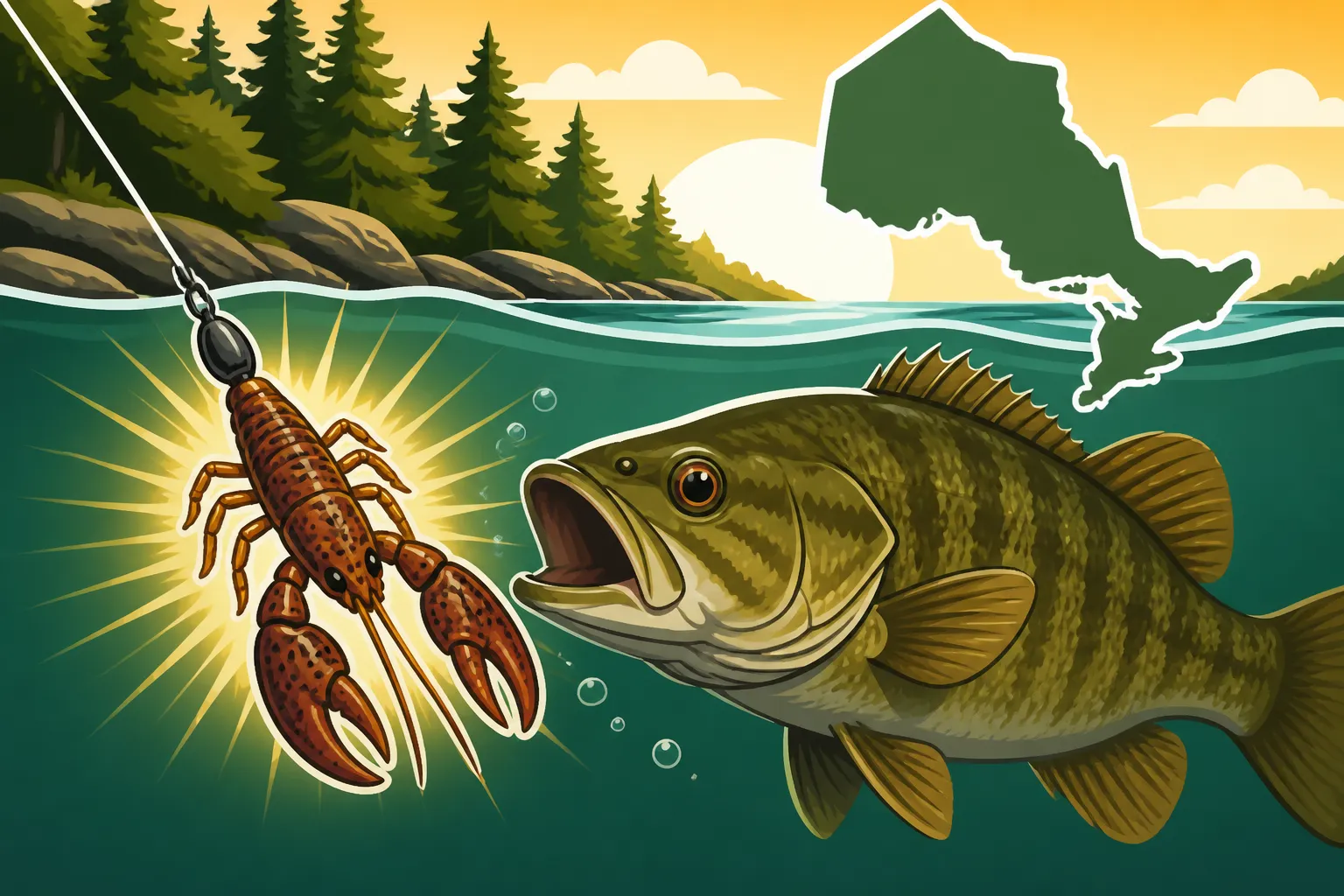
For smallmouth bass across Ontario, from the rocky shores of Georgian Bay to the vast expanse of Lake Erie, crawfish aren't just a snack – they're a dietary cornerstone. These crustaceans are often the most abundant and calorie-rich food source available, making them absolutely irresistible to hungry smallmouth. Understanding why they are such a vital part of a smallmouth's diet helps us choose the most effective imitations.
The Abundance and Accessibility of Crawfish
Crawfish thrive in the same environments smallmouth bass call home: rocky bottoms, weed edges, and areas with plenty of submerged structure where they can hide and forage. This natural overlap means that smallmouth are constantly encountering crawfish, making them a familiar and easy target. When you're out on the water, whether it's a clear northern lake or a sprawling southern reservoir, if you find good smallmouth habitat, you're almost certainly finding crawfish territory too. They're not migratory like some baitfish, nor are they a seasonal hatch; crawfish are there year-round, offering a consistent meal. This constant presence means smallmouth are hardwired to look for them, reacting instinctively to anything that even vaguely resembles a tasty crustacean scuttling along the bottom or trying to flee.
Nutritional Value and Energy
Beyond just being available, crawfish pack a serious nutritional punch. They are rich in protein and fat, making them an incredibly valuable energy source for smallmouth bass. Think of it this way: why would a bass expend a lot of energy chasing down a small baitfish when it can get a much bigger, more fulfilling meal from a relatively slow-moving crawfish? This high caloric value is especially crucial during colder water periods, like early spring or late fall, when bass need to conserve energy and bulk up for spawning or winter. A big, juicy crawfish provides a substantial return on their hunting effort, which is why a well-presented craw imitation can often elicit a strike even from lethargic fish. It's simply too good a meal to pass up.
Defensive Postures and Triggering Strikes
One of the fascinating aspects of crawfish is their varied defensive behaviors. They don't just swim away; they can scoot backward rapidly, raise their claws in a defensive posture, or even try to bury themselves in the substrate. Each of these actions can trigger a different predatory instinct in a smallmouth. A craw that's "fleeing" might elicit a chase, while one "defending" itself might trigger an aggressive, territorial strike. A "dying" or "injured" crawfish, slowly twitching on the bottom, can be an easy meal for even a less-aggressive bass. The best crawfish imitation lures don't just look like crawfish; they mimic these key behaviors, presenting smallmouth with irresistible cues that scream "eat me!"
What Makes a Crawfish Imitation Lure Truly Great?
Not all crawfish imitations are created equal. The market is absolutely flooded with options, and it can be tough to discern what genuinely works from what’s just clever marketing. For our Ontario smallmouth, a great craw imitation needs to nail a few key characteristics to consistently fool these wary fish.
Realistic Appearance and Profile
Smallmouth bass are incredibly visual predators, especially in the clear waters common in many Ontario lakes and rivers. This means the appearance of your lure matters. A great craw imitation will have a realistic profile, mimicking the segmented body, prominent claws, and even the antennae of a real crawfish. The texture can also play a role, with some soft plastics featuring ribbed bodies or textured claws that add to the realism.
Consider the colours, too. Crawfish aren't just one colour; they can range from olive green and brown in some environments to vibrant red or orange, especially after molting or in certain clear water lakes where their diet influences their hue. Having a selection of colours that match the local forage in your chosen Smallmouth Bass Fishing in Ontario spot can be a game-changer. For instance, in clear, rocky areas, green pumpkin or watermelon with red flake often works wonders, while in more stained waters, darker browns or even black and blue combinations might be more effective.
Action and Presentation Versatility
An imitation lure isn't just about looking the part; it's about acting the part. A great crawfish imitation will have a lifelike action in the water that mimics the natural movements of a real crawfish. This often means claws that flap, wave, or subtly pulse when retrieved, creating a tantalizing movement that triggers strikes.
The best lures also offer versatility in how they can be presented. Can it be dragged slowly along the bottom, mimicking a foraging craw? Can it be hopped and paused, imitating a fleeing or defensive posture? Or can it be ripped off the bottom to suggest an escaping meal? Lures that allow for these different presentations empower you to adapt to the mood of the fish and the specific conditions of the day. For example, a soft plastic craw on a jighead can be fished aggressively or subtly, depending on how you work your rod. This adaptability is key for consistent success.
Durability and Hook-Setting Efficiency
Smallmouth bass are aggressive fighters, and they hit lures hard. A great crawfish imitation needs to be durable enough to withstand multiple strikes and keep its integrity. There’s nothing more frustrating than landing a fish only to find your soft plastic craw is torn beyond repair after just one bite. Look for lures made from robust plastic compounds that can stretch and endure those powerful jaws.
Equally important is hook-setting efficiency. The lure should be designed in a way that allows for easy hook penetration when a bass strikes. For soft plastics, this means a design that can be Texas-rigged effectively, protecting the hook point while allowing it to pop out cleanly on the hookset. For hard baits, sharp, strong treble hooks are essential. A lure might look fantastic and have incredible action, but if you can't reliably hook the fish that bite it, it's not doing its job. When you're rigging, ensure your hook point is always exposed or easily exposed to maximize your chances.
Top Types of Crawfish Imitation Lures for Ontario Smallmouth
When it comes to fooling Ontario's smallmouth bass with a crawfish imitation, anglers have a fantastic array of options. Each type of lure offers unique advantages depending on the fishing scenario. Let's dive into the most effective categories.
Soft Plastic Craws: The Unsung Heroes
Soft plastic craws are, without a doubt, one of the most versatile and effective categories of crawfish imitations. They come in countless shapes, sizes, and colours, allowing you to perfectly match the local forage and conditions. These lures are usually made from a pliable plastic, often infused with scent to further entice wary smallmouth.
One of their biggest strengths is their adaptability. You can fish soft plastic craws in a multitude of ways:
- Jig Trailers: Attaching a soft plastic craw to a football jig or a casting jig instantly adds bulk, a lifelike craw profile, and irresistible action. The jig provides the weight to get down to the bottom, while the craw's flapping claws mimic a defensive or fleeing crustacean. This combo is fantastic for dragging over rocky areas or pitching into cover where Smallmouth Bass Habits on Lake Erie often hold.
- Texas Rig: This weedless setup is perfect for fishing around heavy cover like submerged timber, thick weeds, or rocky crevices without snagging. The soft plastic craw is threaded onto a worm hook, with the point buried in the plastic, and often paired with a bullet weight pegged directly in front. It allows for a subtle, natural presentation that can be crawled or hopped through dense cover.
- Carolina Rig: When you need to present a craw imitation at a distance from your weight, perhaps over a patchy bottom or in slightly deeper water, the Carolina rig shines. A leader separates your soft plastic craw from a heavier weight, allowing the lure to drift and flutter enticingly behind, mimicking a crawfish foraging freely.
- Shaky Head: For a more finesse approach, especially when fish are finicky or in clear water, a shaky head jig with a craw trailer is deadly. The weighted head allows the craw to stand upright on the bottom, with its claws waving provocatively with even the slightest twitch of the rod, resembling a crawfish feeding or defending itself.
When browsing for these, you'll find a vast selection of soft plastic craws at retailers like Bass Pro Shops, making it easy to stock up on different sizes and colors to match any situation. Look for colours like green pumpkin, various shades of brown, watermelon, or even more vibrant red/orange hues for molting crawfish imitations.
Jigs with Craw Skirts and Trailers
The classic jig, particularly a football head or a living rubber jig, combined with a craw-patterned skirt or a soft plastic craw trailer, is a bona fide smallmouth slayer. These lures offer a compact, dense profile that sinks quickly and provides excellent bottom contact, crucial for mimicking crawfish.
- Football Jigs: Named for their football-shaped head, these jigs are designed to be dragged and hopped over rocky bottoms. The shape helps them stand up and resist snagging in crevices while allowing the skirt and trailer to flair enticingly. Many anglers find the football jig especially effective on structure in larger bodies of water like Georgian Bay.
- Casting Jigs / Flipping Jigs: These jigs typically have a more pointed or angled head designed to slip through cover easily. When paired with a soft plastic craw, they become exceptional tools for pitching into docks, laydowns, or dense weed lines where smallmouth often ambush prey. The combination of a compact profile and a natural, undulating action from the skirt and craw trailer is hard for a smallmouth to resist.
- Hair Jigs: While often associated with cooler water, hair jigs in crawfish patterns can be incredibly effective, especially when tipped with a small soft plastic craw trailer. The subtle, breathing action of the hair, combined with the craw profile, offers a very natural presentation for lethargic or pressured fish.
The key with jigs is to maintain bottom contact. Smallmouth often pick up jigs very subtly, so feeling the lure's movement and any "thump" or "tick" against the bottom is crucial. Many anglers building their smallmouth tackle arsenal start by browsing the extensive jig selection at Bass Pro Shops.
Crankbaits and Lipless Crankbaits
For covering water quickly and eliciting aggressive reaction strikes, hard-bodied crankbaits and lipless crankbaits in crawfish patterns are indispensable. These lures excel at mimicking a fleeing or darting crawfish, especially when retrieved to deflect off rocks or other bottom structure.
- Diving Crankbaits: These lures feature a bill that causes them to dive to a specific depth. When chosen in a crawfish colour (often shades of red, orange, brown, or olive), they are fantastic for ripping through rocky areas, making contact with the bottom, and deflecting off cover. This erratic, "struggling" action often triggers an immediate predatory response from nearby smallmouth. They are particularly effective when smallmouth are actively feeding and willing to chase.
- Lipless Crankbaits: These lures have no external bill and typically sink quickly, vibrating intensely on the retrieve. When fished close to the bottom, especially with a stop-and-go retrieve, a lipless crankbait can perfectly imitate a crawfish darting and pausing. The strong vibration and rattling sound can attract smallmouth from a distance, even in stained water. They are also excellent for covering large flats or breaking areas quickly.
When selecting crankbaits, consider the depth you need to reach. Match the diving depth of the crankbait to the depth of the structure you're fishing. Colours in crayfish patterns often feature shades of red, orange, and brown, sometimes with black barring. Looking for a specific hard-to-find crankbait? Online marketplaces like Amazon often carry a wider variety, perfect for tracking down that unique craw pattern.
Blade Baits and Vibration Baits
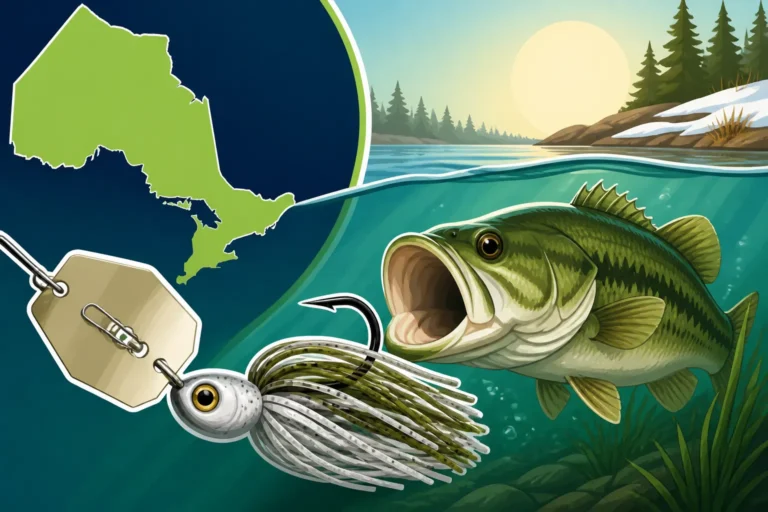
Blade baits, sometimes called vibration baits, are a unique and often overlooked category for crawfish imitation. These thin, metal lures vibrate intensely on the retrieve, emitting strong pulsations that smallmouth can detect from a distance. While they don't have the same visual realism as soft plastics, their action and feel can be incredibly effective, especially in cooler water.
- Description and Action: Blade baits are typically made of metal with a snap attachment point on the back that allows them to produce a tight, high-frequency vibration when lifted. Their natural action on the fall is an erratic flutter, mimicking a dying or injured baitfish or, crucially, a struggling crawfish.
- How to Fish: The most common retrieve for blade baits is a lift-and-fall technique. Cast it out, let it sink to the bottom, then snap your rod tip up sharply to make the bait vibrate and dart upwards, letting it fall back down on a semi-slack line. Smallmouth often strike as the bait falls. This technique is deadly over rocky points, humps, or deep ledges where crawfish might be hiding.
- Colours: While often seen in metallic or baitfish patterns, many blade baits also come in natural craw colours like brown, orange, or even red. These colours, combined with the powerful vibration, can be irresistible to smallmouth that might not be actively chasing.
Blade baits are excellent for targeting smallmouth in colder water or when they are holding tight to bottom structure. They provide a lot of flash and vibration in a compact package, making them highly efficient search baits.
Matching Your Crawfish Lure to Ontario's Diverse Conditions
Ontario boasts an incredible variety of smallmouth bass habitats, from shallow, clear rocky lakes to vast, deep reservoirs and winding rivers. The "best" crawfish imitation isn't a one-size-fits-all solution; it depends heavily on the specific conditions you're facing. Adapting your lure choice to the environment is what separates good anglers from great ones.
Water Clarity: Clear vs. Stained Waters
Water clarity plays a monumental role in lure selection. Smallmouth are highly visual predators, and what works in crystal-clear water might be completely ignored in murky conditions.
- Clear Water: In Ontario's famously clear lakes and rivers, smallmouth have excellent visibility. Here, realism is paramount. Opt for soft plastic craws in natural, subtle colours like green pumpkin, watermelon, brown, or olive, often with a hint of red or orange flake to mimic molting craws. Finer details in the lure's profile, like segmented bodies and delicate claws, will be more noticeable. Finesse presentations like a shaky head or a subtle Texas rig are often more effective, as a jarring, unnatural presentation can spook fish. Best Fluorocarbon Line for Clear Lake Water is also a good choice here for its invisibility and sensitivity.
- Stained or Murky Water: When the water has a bit more colour – perhaps after a rain, in certain river systems, or during a plankton bloom – visibility is reduced. In these situations, vibration and profile become more important than intricate details. Darker colours like black and blue, dark browns, or even junebug (a dark purple with green flakes) can create a stronger silhouette against the murky background. Lures that displace more water or have built-in rattles, like lipless crankbaits or jigs with bulky craw trailers, can help fish locate them. The strong vibrations of a blade bait can also be highly effective, as the fish rely more on their lateral line to find prey.
Bottom Composition: Rocks, Sand, and Weeds
Smallmouth and crawfish both have preferences for certain bottom types. Matching your lure's design and presentation to the bottom can dramatically improve your success.
- Rocky Bottoms: This is classic smallmouth territory, and crawfish thrive here. Football jigs with soft plastic craw trailers are king, as their head design helps them crawl over and through rocks without snagging excessively. Diving crankbaits that make contact with the rocks and deflect erratically are also highly effective at triggering reaction strikes. Dragging Texas-rigged soft plastic craws through rocky crevices can also be deadly. These areas are prime spots for Best Bass Fishing Techniques for Georgian Bay.
- Sandy or Gravelly Flats: While crawfish can be found here, these areas might require a different approach. Lighter Texas or Carolina rigs with subtle soft plastic craws can be effective, allowing the lure to gently settle onto the bottom. Lipless crankbaits can also be ripped across these flats, mimicking a fleeing craw.
- Weed Edges and Patchy Weeds: Smallmouth often patrol the edges of weed lines or sit within pockets of weeds, ambushing prey. Weedless presentations are crucial here. Texas-rigged soft plastic craws are ideal. Jigs with heavy weed guards can also be pitched into weed pockets. The key is to get your lure into these areas where crawfish might be hiding without constantly snagging. Sometimes, a tube jig, which also effectively imitates a craw, can be worked through lighter weeds with great success, as detailed in Best Tube Jig for Smallmouth Bass.
Time of Year and Water Temperature
The behaviour of both smallmouth and crawfish changes significantly with the seasons and water temperature, dictating the most effective lure presentation.
- Spring (Cold Water): In early spring, as water temperatures rise from their winter lows, crawfish are still relatively sluggish. Smallmouth are also often lethargic. Slow, deliberate presentations are key. Dragging small soft plastic craws on light jig heads, slowly crawling a football jig, or subtle shaky head presentations can be very effective. Blade baits worked with a slow lift-and-fall can also trigger strikes. Remember, smallmouth might not chase far, so keep your lure in the strike zone longer.
- Summer (Warm Water): This is prime time for active crawfish and aggressive smallmouth. Crawfish are often molting, making them more vulnerable and giving them a brighter, softer shell. Crankbaits in red or orange craw patterns, fished aggressively to deflect off structure, can be dynamite. Faster retrieves with jigs and soft plastics, hopping them more vigorously, will also work. Smallmouth are willing to chase, so don't be afraid to experiment with more erratic actions.
- Fall (Cooling Water): As water temperatures drop, crawfish activity slows, and smallmouth feed heavily to prepare for winter. While they are still aggressive, they might prefer a slightly slower presentation than in summer. Jigs and soft plastics dragged or hopped more deliberately remain effective. Deeper diving crankbaits can be good for targeting smallmouth moving to deeper structure. Blade baits and other vibration baits also excel in the cooling water, providing a strong attraction without requiring a fast retrieve.
By carefully considering these factors – water clarity, bottom composition, and the time of year – you can significantly refine your crawfish imitation lure choice and increase your chances of connecting with more Ontario smallmouth.
Rigging, Presentation, and Important Considerations
Getting the right crawfish imitation lure is only half the battle; knowing how to rig it correctly and present it effectively makes all the difference. Smallmouth bass can be incredibly perceptive, and a natural presentation is often the key to success.
Optimal Line, Rod, and Reel Choices
Your equipment plays a crucial role in how effectively you can fish crawfish imitations and detect those subtle smallmouth bites.
- Line Choice: For most bottom-contact craw presentations, fluorocarbon line is a phenomenal choice. Its near invisibility in water, combined with its low stretch, provides excellent sensitivity to feel the lightest bites and discern bottom composition. For casting jigs and Texas rigs, a main line of 10-15 lb fluorocarbon is common. If you prefer braided line for its strength and casting distance, pair it with a 10-20 lb fluorocarbon leader. The braid to fluorocarbon connection helps maintain sensitivity while keeping the presentation stealthy. This is particularly important in the clear waters of many Ontario lakes. You can learn more about Best Fluorocarbon Line for Clear Lake Water.
- Rod Selection: A medium-heavy power, fast-action spinning or baitcasting rod is typically ideal for fishing jigs and soft plastic craws. The medium-heavy power provides enough backbone to drive the hook home and control fighting smallmouth, while the fast action tip offers the sensitivity needed to feel subtle bites and bottom changes. For crankbaits, a medium power, moderate-fast action rod is often preferred. The more moderate action allows for better casting of reaction baits and provides a softer parabolic bend that helps keep treble hooks from tearing out during a fight. If you are looking for general recommendations, Best Fishing Rods for Ontario Lakes can provide a solid starting point.
- Reel Selection: A high-quality spinning reel in a 2500-3000 size (for spinning rods) or a baitcasting reel with a gear ratio around 7.1:1 (for baitcasting rods) is suitable. The higher gear ratio on baitcasters helps pick up slack quickly and allows for fast retrieves, which can be crucial when smallmouth hit a fleeing craw. Smooth drag systems are essential on both. For beginners, exploring a Best Rod and Reel Combo for Beginners can simplify the initial gear choice.
Masterful Retrieve Techniques
The way you retrieve your crawfish imitation is paramount to its effectiveness. You're not just reeling in line; you're telling a story to the bass.
- Crawling and Dragging: This is perhaps the most natural retrieve for a foraging crawfish. Cast your jig or Texas-rigged craw out, let it sink to the bottom, and then slowly drag it along with your rod tip, making periodic pauses. The pauses are critical, as many bites occur when the lure is resting or just starting to move again. Think of a crawfish slowly scuttling along the bottom, occasionally stopping to feed.
- Hopping and Twitching: To imitate a more active or slightly fleeing craw, try a hopping retrieve. After letting the lure sink, lift your rod tip sharply a foot or two, then let the lure fall back to the bottom on a semi-slack line. Repeat. The goal is to make the lure "hop" off the bottom, mimicking a craw trying to escape or a defensive posture, followed by a vulnerable fall. Small twitches of the rod tip can also make soft plastic claws undulate enticingly.
- Ripping and Deflecting (for Hard Baits): When using crankbaits in craw patterns, actively rip them through rocky areas or bounce them off submerged logs and boulders. The sudden, erratic deflections mimic a crawfish that's startled and darting away, often triggering violent reaction strikes. With lipless crankbaits, a stop-and-go retrieve, allowing the bait to flutter on the fall, is incredibly effective.
Sensing the Bite: They Can Be Subtle!
Smallmouth bass can be aggressive, but sometimes their takes on a crawfish imitation can be incredibly subtle. You might not feel a bone-jarring strike; instead, it could be a slight "tick," a spongy feeling, or simply the line going slack or moving sideways.
- Watch Your Line: Pay close attention to your line where it enters the water. Any twitch, jump, or unnatural movement could indicate a bite.
- Feel the Weight: Sometimes, instead of a distinct strike, you'll simply feel added weight on your line as if your lure has picked up a clump of weeds or a rock. Set the hook! Smallmouth are notorious for "mouthing" a craw, holding it softly before committing.
- Don't Overlook the Pause: As mentioned, many bites happen on the pause. When your lure is resting on the bottom, stay alert. A smallmouth might just swim up and inhale it.
Developing your "feel" for bites takes practice, but it's a critical skill for success with bottom-oriented crawfish imitations. Patience and focus will greatly increase your hook-up ratio.
Additional Tips for Success with Crawfish Imitations in Ontario
Beyond the lure itself and how you fish it, there are a few other considerations that can really elevate your smallmouth game in Ontario waters.
Understanding Smallmouth Bass Behaviour
To consistently catch smallmouth on crawfish imitations, it helps to think like a smallmouth. Smallmouth bass are opportunistic predators that relate heavily to structure. They often hold near rocks, ledges, drop-offs, and weed lines, waiting to ambush prey. Crawfish, too, seek refuge in these same areas.
- Locating Structure: Use your sonar (if boating) or keen observation (if bank fishing with a Best Tackle Bag for Bank Fishing) to find these key structural elements. Look for changes in depth, rock piles, submerged timber, or transitions from sand to rock. Smallmouth will typically be nearby.
- Current Considerations: In rivers or areas with current, smallmouth will often position themselves in eddies or behind current breaks, waiting for food to be swept to them. Present your crawfish imitation in a way that allows it to drift naturally into these ambush points, mimicking a crawfish dislodged by the current. Remember, How to Catch Smallmouth Bass in Ontario often involves understanding these nuances.
- Aggression Levels: Pay attention to how the smallmouth are behaving. Are they hitting hard and fast, suggesting an aggressive bite? Or are the bites subtle, requiring a finesse approach? Adjust your retrieve speed and lure presentation accordingly.
Scent and Sound: Enhancing Your Lures
While visual appeal and action are crucial, scent and subtle sound can provide an extra edge, especially for pressured fish or in lower visibility conditions.
- Scented Lures: Many soft plastic craws come pre-infused with fish-attracting scents. Some popular options include garlic, salt, or specific fish-attractant formulas. The scent provides an additional trigger, making bass hold onto the lure longer, giving you more time to set the hook. You can also add external scent attractants to unscented lures or to refresh older ones.
- Rattles: Some jigs and soft plastic craws have internal rattles or can accommodate small glass or plastic rattles inserted into the body. These subtle sounds can attract attention in stained water or deeper areas where visual cues are less effective. However, in extremely clear or heavily pressured waters, too much noise might sometimes spook wary fish, so use them judiciously.
The Importance of Catch and Release Practices
Smallmouth bass are a prized sport fish in Ontario, and practicing responsible catch and release is vital for sustaining healthy populations for future generations.
- Minimizing Handling: Try to handle the fish as little as possible. If you can, unhook them in the water.
- Proper Tools: Use needle-nose pliers or a dedicated de-hooking tool to quickly and safely remove hooks.
- Support the Fish: If you need to take the fish out of the water for a quick photo, support its weight horizontally, especially larger fish, to avoid damage to internal organs.
- Revive If Needed: If a fish seems lethargic before release, hold it gently in the water, facing into the current, until it swims away strongly under its own power.
By employing these techniques and adhering to thoughtful conservation practices, you'll not only increase your success with crawfish imitations but also contribute to the long-term health of Ontario's incredible smallmouth bass fisheries.
Disclaimer
This article is for general informational purposes only and does not constitute professional advice. Laws, prices and regulations vary by location and change over time. Consult a qualified professional for guidance on your specific situation.