Best tippet size for stocked trout
It’s a common scenario: you’re standing by a beautiful Ontario stream or lake, rod in hand, ready to cast to those eager stocked trout, but then a small, nagging doubt creeps in. What tippet size should you really be using? It can feel like a tiny detail, but trust me, it’s one that can make or break your day on the water. This guide is going to clear up all that confusion, helping you confidently select the perfect tippet so you can focus on the tug of a feisty trout instead of second-guessing your setup.
The Delicate Dance: Why Tippet Size Matters for Stocked Trout
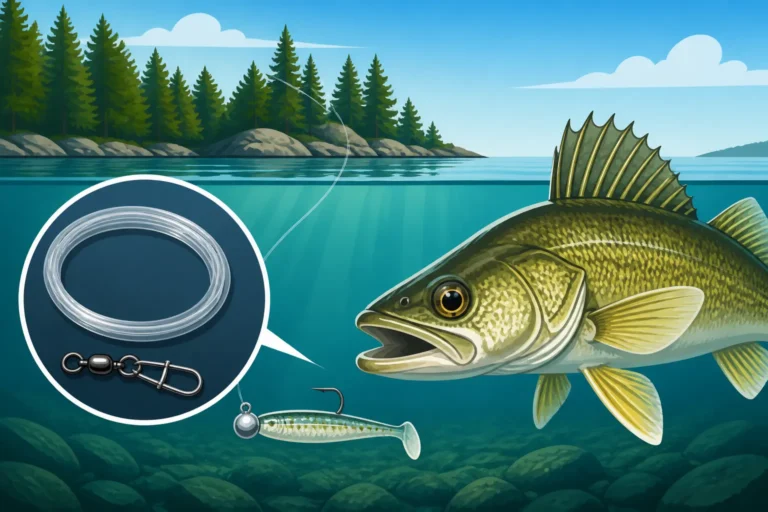
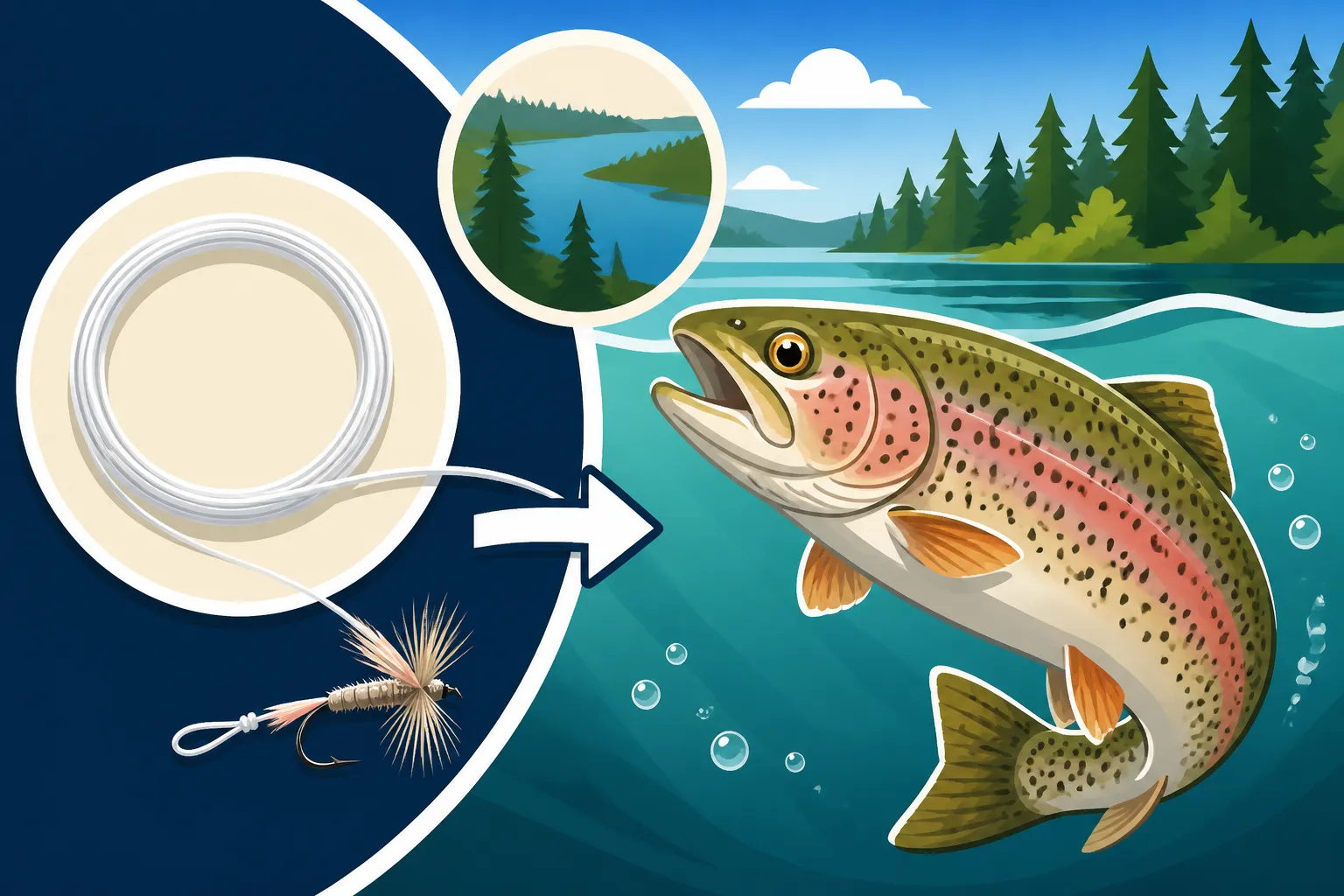
Tippet, for those new to the fly fishing game, is that crucial, thin section of monofilament or fluorocarbon line that you tie directly to your fly. It’s the final, almost invisible link between your leader and your carefully selected fly. While your main fly line is thick and visible, and your leader tapers down, the tippet is where you get the ultimate stealth and presentation. It sounds straightforward, right? Just use the thinnest line possible. But it’s not quite that simple, especially when you’re targeting stocked trout.
Stocked trout are a different breed than their wild counterparts. They often come from hatchery environments where they’re accustomed to being fed, sometimes quite aggressively. When they're first released into a river or lake, they can be surprisingly naive, hitting almost anything that resembles food. However, they're also under immense pressure from anglers, and they learn quickly. They can become "line shy" very fast, especially in clear, heavily fished waters. That’s where your tippet size becomes paramount. Too thick, and they see it, spooking them before your fly even gets a sniff. Too thin, and you risk breaking off that trophy you've been dreaming of, leaving you with nothing but a frayed end and a story about "the one that got away."
Think of it like this: your leader is designed to turn over your fly accurately, while the tippet's job is to present that fly naturally. If your tippet is too heavy, it can create a hinge in your leader, causing your fly to land awkwardly or drag unnaturally in the current. If it's too light for the fly you're using, the fly might not turn over properly, or worse, the casting energy might snap the delicate tippet mid-cast. The perfect tippet size allows your fly to drift freely, tumbling and twitching just like natural insect larvae or minnows, making it irresistible to even the most wary stocked trout. It’s all about finding that sweet spot where invisibility meets strength. For more insights on setting up your gear, check out our guide on Best Gear for Ontario Trout Fishing.
Reading the Water: Factors to Consider When Choosing Your Tippet
Selecting the right tippet size isn't a one-size-fits-all situation. It's a dynamic decision influenced by several key factors you'll encounter on any given day. Ignoring these can lead to frustration, missed fish, and even lost flies. Let's break down what you need to consider before tying on that final piece of line.
Water Clarity and Light Conditions
This is perhaps the most critical factor. Imagine trying to sneak past a guard dog in broad daylight versus under the cover of darkness. Fish are no different. In gin-clear waters, especially on bright, sunny days, trout have excellent visibility. Every shimmer, every unnatural gleam, can send them darting for cover. Here, a thinner, less visible tippet is absolutely essential. Fluorocarbon tippet, with its similar refractive index to water, can be a game-changer in these conditions, making it virtually invisible underwater. It sinks faster too, which can be an advantage for getting nymphs down quickly.
Conversely, on overcast days or in stained, cloudy water (perhaps after a heavy rain), you can often get away with a slightly heavier tippet. The reduced visibility acts as a natural camouflage. The same applies to fishing at dawn or dusk, when light levels are low. Don't be afraid to experiment. Sometimes, a subtle increase in tippet diameter can significantly improve your chances of landing a larger fish without spooking them if the water isn't perfectly clear. This is where having a good range of tippet spools, easily accessible from a fly vest or pack, comes in handy – something you can easily pick up at stores like Bass Pro Shops or through online retailers like Amazon.
Fly Size and Type
The size and type of fly you're presenting directly impact the tippet strength required. A tiny size 20 midge pattern requires an incredibly delicate tippet to allow for natural movement and a subtle presentation. Trying to tie such a small fly to a heavy tippet will stifle its action, making it look unnatural. Plus, the knot might not hold properly on such fine wire.
On the other hand, if you're slinging larger, heavier flies – think big streamers, weighted nymphs, or bushy dry flies – you need a tippet with enough strength to turn over the fly and withstand the forces of casting. Trying to cast a large, wind-resistant fly on an ultra-light tippet is a recipe for snapped lines and lost flies mid-cast. For bigger flies, you also need to consider the trout's mouth. Larger hooks require a more robust tippet to prevent the line from cutting into the fish's jaw during the fight. A good rule of thumb is to match your tippet size to your fly size, often using a "rule of fours" or "threes" where your fly size divided by 3 or 4 gives you a rough tippet X-size. For instance, a size 12 fly might suggest a 3X tippet (12/4=3X). Understanding different fly patterns is key to successful trout fishing, and we cover many in Best Fly Patterns for Ontario Trout Streams.
Fish Behaviour and Pressure
Stocked trout, as mentioned, can be quite different from their wild cousins. When they're fresh out of the hatchery and newly introduced to a system, they might be less discerning, biting almost anything that moves. In these "hot" conditions, you might get away with a heavier tippet, allowing you to land fish more quickly and reduce break-offs.
However, after a few days or weeks of angler pressure, these fish become much warier. They learn to associate thick lines with danger. In heavily fished streams or lakes, even a slight glint of a thicker tippet can send them scurrying. This is when going down a tippet size or two can be the difference between catching fish and simply practicing your casting. Observe how the fish are reacting. Are they spooking easily? Are they inspecting your fly but refusing to take it? These are all signs that you might need to drop down in tippet size for a more stealthy presentation. Also, when it comes to various trout species, their natural behaviour can differ, so reading up on Trout Species Identification Guide for Ontario can also help inform your approach.
Current Speed and Structure
The speed of the water you're fishing plays a role, too. In fast, turbulent currents, a thicker tippet can sometimes be beneficial as the water's natural chaos provides camouflage, and the added strength helps control a fighting fish in strong flows. You also need a tippet that can withstand abrasion if the fish decides to dive into submerged logs or rocks.
In slow, glassy pools or stillwaters, however, every detail is magnified. Here, lighter tippets are almost always preferred to ensure your fly drifts or hangs naturally without any drag. The slower current gives the trout more time to inspect your offering, making invisibility paramount. Always be mindful of submerged structures like fallen trees, rocks, or weed beds. If you're fishing around these hazards, a slightly stronger tippet can give you a fighting chance to steer a hooked fish away from potential line-snapping obstacles.
Trout Talk: Recommended Tippet Sizes for Ontario's Stocked Waters
Alright, let's get down to brass tacks. While there’s no single "best" tippet size for all situations, we can certainly provide strong recommendations based on common scenarios you’ll face in Ontario’s stocked trout waters. Understanding the X-size system is crucial here. The smaller the X-number, the thicker the tippet. So, 0X is much thicker and stronger than 7X.
General Recommendations for Common Scenarios
-
For General Purpose (Average Conditions): If you're just starting out or dealing with average water clarity and a mix of fly sizes (say, size 14-16 nymphs or dry flies), 4X or 5X tippet is a fantastic starting point. This range offers a good balance of strength and stealth. It's robust enough to handle most stocked rainbows or brook trout and gives you a decent chance against unexpected larger specimens, while still being subtle enough for reasonably clear water. This is what I'd grab first for a typical day on a stocked pond or slower-moving stream. For more on the specifics of stocked fish, dive into Rainbow Trout Stocking in Ontario.
-
For Clear Water / Finicky Fish / Small Flies: When the sun is high, the water is crystal clear, or the trout are being exceptionally picky (maybe they've seen a lot of anglers), you'll need to go lighter. Think 6X or even 7X tippet. This is ideal for tiny dry flies (size 18-22 midges or small mayflies) or delicate emerger patterns. It allows for the most natural drift and minimal visibility. The trade-off, of course, is reduced breaking strength, so you'll need to be extra gentle with your retrieve and play fish carefully. This is a common choice for smaller, more technical streams where presentation is everything.
-
For Larger Flies / Faster Water / Larger Stocked Fish: If you're throwing bigger streamers (size 8-12), larger nymphs, or fishing in faster, more turbulent sections of a river where visibility isn't as critical, then 3X or 4X tippet is your friend. This heavier tippet provides the necessary strength to turn over larger flies and offers more insurance against break-offs when fighting a strong fish or if it snags structure. This is also a good choice if the stocked trout are particularly aggressive or if you're targeting those larger "brood stock" fish that sometimes get released.
Tippet Material: Monofilament vs. Fluorocarbon
You'll typically choose between two main tippet materials: monofilament (nylon) and fluorocarbon.
-
Monofilament (Nylon) Tippet:
- Pros: Generally less expensive, floats better (great for dry flies), has more stretch (can act as a shock absorber during a fight), and is easier to knot.
- Cons: More visible in water, less abrasion resistant.
- When to Use: Ideal for dry fly fishing where you want your tippet to float, or in situations where fish aren't overly line-shy and you appreciate the knot-tying ease and shock absorption.
-
Fluorocarbon Tippet:
- Pros: Virtually invisible underwater (refractive index very close to water), sinks faster (excellent for nymphs and streamers), very abrasion resistant, less stretch (better sensitivity to subtle takes).
- Cons: More expensive, less supple (can be harder to knot, though modern fluorocarbons are much improved), sinks (not ideal for dry flies unless degreased).
- When to Use: The go-to choice for nymphing, streamer fishing, and any situation where maximum stealth is required, especially in clear water or for highly pressured fish. Many anglers swear by fluorocarbon for all their subsurface presentations.
| Scenario | Recommended Tippet X-Size | Material Preference | Considerations |
|---|---|---|---|
| Clear Water, Finicky Fish | 6X – 7X | Fluorocarbon | Max stealth, delicate presentation. Be gentle! |
| Average Conditions, Mixed Flies | 4X – 5X | Mono or Fluorocarbon | Good balance of strength & stealth. |
| Large Flies, Fast Water | 3X – 4X | Fluorocarbon or Heavy Mono | Strength for casting & fighting. Abrasion resistance. |
| Dry Fly Fishing (General) | 4X – 6X | Monofilament | Floats, subtle presentation. |
| Nymphing (Clear, Deep) | 5X – 6X | Fluorocarbon | Sinks quickly, invisible. Better sensitivity. |
| Streamer Fishing | 2X – 4X | Fluorocarbon | Strong for big flies and aggressive takes. |
Remember, this table provides a starting point. Always be willing to adapt based on what the fish are telling you and the conditions you face. Having a few different spools of both mono and fluoro tippet in various X-sizes (3X through 7X) will equip you for almost anything you'll encounter on Ontario's stocked waters. You can find a comprehensive selection of these at reputable fishing stores or even online on platforms like Amazon.
Beyond the Numbers: Maximizing Your Success with Tippet Choice
Choosing the right tippet size is only half the battle; knowing how to use it effectively, tie it correctly, and keep it in good shape are equally important. These finer points can truly elevate your fly fishing game and ensure that when a fish does strike, you're ready to bring it to the net.
Knot It Right, Knot It Tight
The strongest tippet in the world is useless if your knots fail. Learning a few reliable knots is fundamental. For attaching your tippet to your leader, a surgeon's knot or an Albright knot are excellent choices for their strength and relative ease of tying. When connecting your fly to the tippet, the improved clinch knot or the Palomar knot are widely trusted. The improved clinch knot is versatile and strong, while the Palomar is known for its incredible breaking strength, especially with fluorocarbon. Always moisten your knots with saliva before tightening them down; this lubrication helps the line seat properly and prevents friction burn, which can weaken the line significantly. Give a gentle, steady pull to ensure the knot is seated correctly. Don’t just yank it tight!
Regular Inspection and Replacement
Your tippet is under constant stress from casting, striking, fighting fish, and potentially rubbing against rocks or debris. Develop the habit of regularly inspecting the last foot or so of your tippet. Look for nicks, abrasions, or kinks. If you see any damage, even minor, cut off the compromised section and re-tie your fly. It's far better to lose a bit of tippet than to lose a fish of a lifetime because you were too lazy to check your line. If you've landed a few fish, especially feisty ones, it's also a good idea to refresh your tippet. Remember, your tippet is expendable – your fish are not!
Go Longer for Fussy Fish
While leaders typically come with a factory tippet section, don't be afraid to extend it, especially when fish are being particularly selective or when fishing in very clear, calm water. Adding an extra foot or two of thinner tippet can create an even more natural, drag-free drift. This increased separation from the thicker leader makes your fly appear to be completely unattached, floating freely in the current. Just be mindful that a longer tippet can make casting a bit more challenging, especially in windy conditions, so practice makes perfect. For more advanced techniques, you might want to look into Wading Techniques for Ontario Trout Streams to pair with your tippet choices.
Brand Matters (Sometimes)
While many generic tippets will get the job done, investing in quality tippet from a reputable brand can make a noticeable difference. Higher-quality tippets often have more consistent diameters, better knot strength, and superior abrasion resistance. Brands available at stores like Bass Pro Shops or on Amazon, such as Rio, Scientific Anglers, or Seaguar, are popular for a reason. They invest in research and development to produce materials that perform reliably under various conditions. When you're making a precise cast in a delicate situation, you want to trust the line connecting you to the fish.
By paying attention to these details, you'll find that your chosen tippet size becomes a powerful tool in your arsenal, helping you fool even the most cunning stocked trout in Ontario’s diverse waters. Tight lines, and happy fishing!
Disclaimer
This article is for general informational purposes only and does not constitute professional advice. Laws, prices and regulations vary by location and change over time. Consult a qualified professional for guidance on your specific situation.