Best live bait for walleye trolling
There's nothing quite as frustrating as seeing your electronics light up with walleye, knowing they're down there, but having them completely ignore every lure you throw their way while trolling. It feels like you've tried everything – different crankbaits, various colours, changing speeds – and still, that elusive bite just isn't happening. When the bite gets tough, or you simply want to maximize your chances, turning to live bait for walleye trolling can be the game-changer you've been searching for. This guide will dive deep into the best live bait options for walleye trolling in Ontario, how to rig them, and crucial tips for keeping them fresh and effective.
Why Live Bait is King for Trolling Walleye
When it comes to tempting a finicky walleye, nothing quite compares to the real deal. While artificial lures have their place and can be incredibly effective, there are inherent qualities in live bait that make them almost irresistible to a predatory fish like the walleye, especially when you're covering water by trolling. It’s about more than just a pretty wobble; it's about life itself.
The Irresistible Appeal of Natural Movement
Think about it: an artificial lure, no matter how realistic, still has a somewhat predictable, mechanical action. A live minnow, leech, or nightcrawler, however, has an erratic, natural movement that simply cannot be perfectly replicated. When a walleye sees a struggling minnow, or a wriggling crawler dancing behind a spinner blade, it triggers their primal hunting instinct. That slight twitch, that sudden dart, that subtle vibration – these are all cues that scream "easy meal" to a hungry walleye.
This natural movement is particularly potent when trolling. As your boat moves, the live bait, whether on a crawler harness or a simple snelled hook, is pulled through the water, exaggerating its natural motions. A lively minnow might dart and twitch against the pull, a nightcrawler will undulate alluringly, and a leech will stretch and contract. These movements often trigger reactionary strikes from walleye that might otherwise ignore a passing crankbait. It adds an organic, unpredictable element to your presentation that sophisticated walleye often can't resist. It gives them exactly what they'd hunt in their natural environment, making your offering far more believable than any piece of plastic or metal.
Scent Trails and Distress Signals
Beyond just visual appeal and movement, live bait brings an olfactory element to the table that artificial lures just can't match – scent. Fish, especially walleye, rely heavily on their sense of smell to locate food, particularly in murky water, low light conditions (which walleye absolutely love!), or at deeper depths where visibility is limited. A live minnow or a juicy nightcrawler, even when trolled, continuously emits natural scents into the water. This creates a scent trail that walleye can follow, drawing them in from a distance.
Furthermore, a live bait that's slightly stressed or hooked improperly will release alarm pheromones. While this might sound counterproductive, it can actually act as a powerful distress signal to nearby predators. Imagine a walleye patrolling a weed line; it might not see your bait immediately, but if it smells a struggling minnow, its predatory instincts kick in, and it will often investigate. This combination of natural movement and a potent scent trail makes live bait a formidable weapon in your walleye trolling arsenal. It’s a sensory overload that makes your offering stand out in a way a silent, unscented lure simply can't. This is especially true on large bodies of water like Lake Erie, where Lake Erie Walleye Fishing is a popular pursuit and competition for bites can be intense.
Top Live Baits for Walleye Trolling in Ontario
Ontario's diverse waters hold incredible walleye fishing opportunities, and different situations might call for different live bait choices. However, a few stand out as consistent performers for trolling applications. Knowing which to use and why can significantly boost your success.
Minnows: The Classic Choice
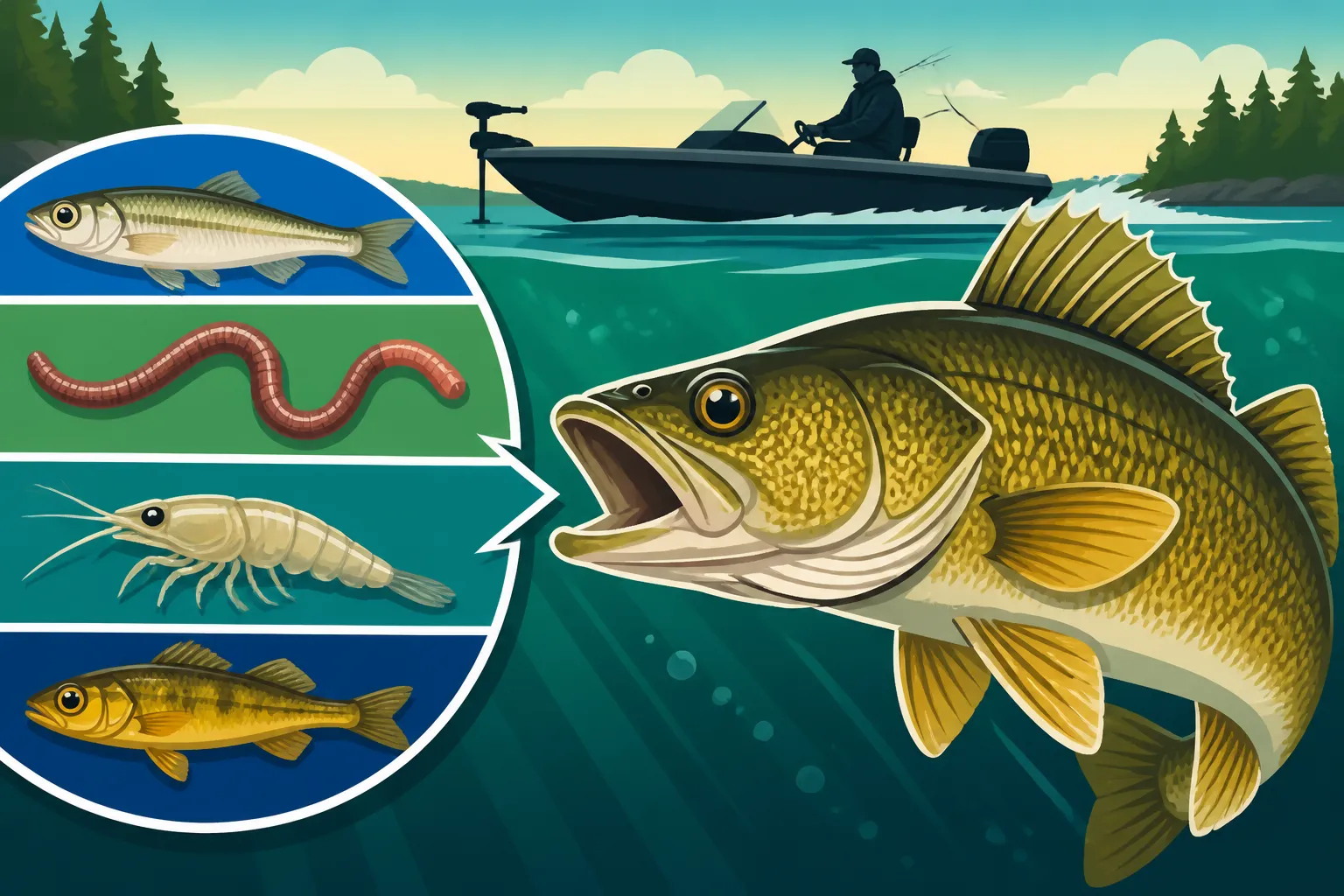
When you picture a walleye angler, chances are you imagine them with a bucket full of lively minnows. And for good reason! Minnows are arguably the most classic and effective live bait for walleye, especially when trolling. They perfectly mimic the natural forage that walleye consume in most Ontario lakes and rivers.
There are various types of minnows you might find at your local bait shop. Golden shiners are a popular choice due to their flash and lively nature. Emerald shiners are also excellent, especially in clear water, as their slender profile and subtle shimmer are very natural. Fathead minnows, while smaller, are robust and often readily available. The key with minnows is their inherent struggle and flash as they are pulled through the water. Rigged correctly, they will spin and dart, creating maximum commotion. For trolling, hooking a minnow lightly through both lips or just behind the dorsal fin with a small snelled hook allows it to swim naturally while maintaining durability. Always remember to check Ontario Fishing Regulations Explained regarding baitfish use, especially in different zones.
Nightcrawlers: Versatile and Effective
Nightcrawlers are a universal bait, loved by almost every freshwater fish, and walleye are no exception. Their long, succulent body and constant wriggling action make them incredibly enticing. While they don't offer the flash of a minnow, their strong scent and vigorous movement more than make up for it.
The primary way to troll with nightcrawlers is on a "crawler harness" or "worm harness." This rig typically consists of a few small hooks snelled in series, often with beads and a spinner blade ahead of them. The nightcrawler is threaded onto the hooks, allowing it to stretch out and undulate naturally as it's trolled. The spinner blade adds flash and vibration, attracting attention, while the crawler provides the irresistible scent and natural movement. Nightcrawlers are incredibly versatile; they work well in clear or stained water, at various depths, and throughout the fishing season. They're also relatively easy to keep alive, making them a convenient option for longer trips. You can find excellent pre-tied crawler harnesses at your local Bass Pro Shops or even a wide selection on Amazon.
Leeches: An Often Underestimated Secret Weapon
Leeches might not be the prettiest bait, but don't let their appearance fool you – they are an absolute walleye magnet, especially in certain conditions. Many anglers overlook leeches, which is a shame because they can be incredibly effective, particularly when walleye are sluggish or pressured.
What makes leeches so good? First, they are incredibly tough and resilient. They stay alive and active on the hook for a long time, even after being trolled for hours or enduring a missed strike. This means less time re-baiting and more time fishing. Second, their undulating, swimming motion is incredibly natural and attractive. As they are pulled through the water, they stretch and contract, creating a mesmerizing action. Third, they emit a natural scent that walleye find appealing. For trolling, a leech can be hooked once through the "sucker" end (the broad, round part) on a simple snelled hook, or even incorporated into a lighter crawler harness setup if you're experimenting with different blade configurations. They are particularly effective in cooler water temperatures and during early season walleye bites, though they'll catch fish all summer long. Finding good quality leeches can sometimes be a challenge, but when you do, stock up!
Rigging Your Live Bait for Trolling Success
Getting your live bait to present naturally and effectively while being pulled through the water is crucial for consistent walleye trolling success. The wrong rig can kill the bait's action or make it easily stolen. Here's how to rig your top choices for maximum appeal.
Harnessing the Power of Crawler Harnesses
The crawler harness is an iconic rig for a reason – it just plain works for nightcrawlers. It's designed to present the worm in a way that maximizes its natural undulation and adds an extra layer of attraction with flash and vibration.
Typically, a crawler harness consists of a leader (often fluorocarbon for stealth) with two or three small snelled hooks. The front hook is usually inserted lightly into the head of the nightcrawler, and the subsequent hooks are threaded through the body of the worm, allowing it to stretch out. You want the nightcrawler to be straight but still have some wiggle room. Ahead of the hooks, there are usually beads and a spinner blade. The most common blades are Colorado, Indiana, or willowleaf styles, each offering a different amount of flash and vibration. Colorado blades provide maximum thump and are great for dirty water or slower speeds, while willowleaf blades offer less resistance and are better for faster trolling or clear water. You can buy pre-tied harnesses from any reputable fishing supplier, including Bass Pro Shops, and experiment with different blade colours and sizes. Many anglers also enjoy tying their own to customize bead patterns and hook spacing, which can be a fun winter project when you're dreaming of Spring Walleye Fishing Techniques for Ontario. When trolling, the spinner creates an irresistible flash and vibration, while the trailing nightcrawler provides the enticing scent and natural action that walleye can't ignore.
Simple Snelled Hook Rigs for Minnows and Leeches
For minnows and leeches, a simpler rig often does the trick, allowing their natural movement to shine without added components. The goal is to keep the bait alive and active while ensuring a good hookset.
When trolling minnows, a single, sharp snelled hook is usually all you need. Hook the minnow lightly through both lips, from the bottom up, so the hook point faces upwards. This allows the minnow to "swim" naturally and stay alive longer. Alternatively, you can hook it just behind the dorsal fin, but be careful not to hit the spine, which will kill it quickly. The minnow's natural struggle and flash are what you're after. For leeches, hook them once through the tough "sucker" at the wide end. This keeps them securely on the hook and allows their entire body to undulate freely. Because leeches are so durable, they can withstand a lot of abuse and stay lively. Both minnows and leeches can be trolled behind a small weight (like a split shot or an in-line sinker) or a bottom bouncer, depending on the depth you're targeting. The key is to let the bait do its own thing, providing that irresistible, subtle movement that artificial lures just can't replicate. Always match your hook size to your bait to ensure good penetration without hindering its action.
Presentation is Key: Speed and Depth Considerations
Even with the perfect live bait and rig, success hinges on proper presentation. Trolling speed and depth are absolutely critical, and they need to be adjusted based on the specific bait you're using, the conditions, and the mood of the walleye.
Trolling Speed: Live bait generally performs best at slower trolling speeds compared to most artificial lures. For nightcrawlers on a harness, a speed between 1.0 and 1.8 mph is often a good starting point. This speed allows the spinner blade to turn effectively and the crawler to undulate tantalizingly. For minnows and leeches, you might even slow down a bit more, sometimes as slow as 0.8 mph, to truly maximize their natural swimming action. Experimentation is key; watch your rod tips for the tell-tale throb of the spinner and the subtle movements of your bait. Sometimes just a slight increase or decrease in speed can be the difference between an empty livewell and a limit of fish.
Depth Control: Walleye are often very depth-conscious, and getting your live bait into their feeding zone is paramount. Depending on the depth, you might use various tools:
- Bottom Bouncers: These are fantastic for keeping your bait near the bottom in varying depths, especially when covering structure like reefs or humps. They consist of a wire arm with a lead weight on the bottom and your leader extending from the top.
- In-line Weights/Snap Weights: These are simpler weights that clip onto your main line, allowing you to get your bait down to a desired depth.
- Planer Boards: For covering a wider swath of water or getting your baits away from the boat, planer boards are invaluable. They allow you to present multiple lines at different depths and distances.
- Lead Core Line: This specialized line changes colour every 10 yards, with each colour segment adding a certain amount of depth at a given speed. It’s excellent for precise depth control, especially in deeper water.
Understanding how to use these tools effectively will allow you to present your live bait exactly where the walleye are holding. Remember that Ontario Lake Trout Limit and Possession Rules and Ontario Walleye Opener Dates by Zone can affect what species you target and when, so always consult the regulations.
Sourcing and Keeping Your Live Bait Fresh
There’s nothing worse than showing up at the lake with a bucket full of dead or sluggish bait. The quality and vitality of your live bait directly impact its effectiveness. Taking the time to properly source and preserve your bait is an investment that pays off in bites.
Where to Buy Quality Live Bait
For most anglers, the easiest and most reliable way to get live bait is from a dedicated bait shop. Ontario is dotted with fantastic local bait and tackle stores, especially in popular fishing regions. These shops usually have fresh, healthy bait because their business depends on it.
When you're at the bait shop, take a moment to observe the bait in the tanks. Are the minnows lively and swimming actively? Do the nightcrawlers look plump and healthy? Don't be afraid to ask the staff when their last shipment arrived. Sometimes, larger retailers like Bass Pro Shops will also carry a good selection of live bait, particularly nightcrawlers and minnows, during peak seasons. You can even find specialized bait care products, like aerators and coolers, on platforms like Amazon if you're looking for convenience. If you're planning a trip to a more remote area, it's always a good idea to call ahead to local bait shops to confirm availability, especially for leeches, which can sometimes be seasonal. Remember, healthy bait equals more bites.
Essential Tips for Bait Preservation
Keeping your live bait fresh and frisky is paramount. A sluggish minnow or a limp nightcrawler won't entice a walleye nearly as much as a vibrant one.
- Temperature Control: This is perhaps the most critical factor. Live bait prefers cool, stable temperatures. Avoid direct sunlight. Use an insulated bait cooler or bucket, especially on hot days. Adding a frozen water bottle or a small ice pack (separated from the water) can help keep temperatures down. However, don't let the water get too cold, as rapid temperature changes can shock and kill bait.
- Aeration: Oxygen is vital. A portable aerator is a small investment that makes a huge difference, especially for minnows and leeches. These battery-powered pumps gently bubble air into the water, keeping oxygen levels high. If you don't have an aerator, frequent water changes with fresh, cool water from the lake can help, but an aerator is far more efficient.
- Clean Water: Avoid overcrowding your bait and change the water regularly. Overcrowding quickly depletes oxygen and allows waste to build up, stressing the bait. If you're using tap water for minnows or leeches, let it sit out overnight to allow chlorine to dissipate, or use a de-chlorinator.
- Handling: Handle bait gently. Use a small net to retrieve minnows rather than your hands, which can rub off their protective slime coat.
- Food (for longer storage): For nightcrawlers you plan to keep for an extended period, specific worm bedding and food are available that can keep them healthy in a cool, dark place like a basement or garage. For a day of fishing, simply keeping them cool and moist in their container is usually sufficient.
Ethical Considerations and Regulations
While live bait is incredibly effective, it's crucial to be aware of and follow local regulations concerning its use, transport, and disposal. Ontario has specific rules in place to protect its valuable fisheries.
- Baitfish Restrictions: Some waters in Ontario have restrictions on the use or transport of live baitfish, particularly to prevent the spread of invasive species or diseases. Always consult the current Ontario Fishing Regulations Summary for the specific Fisheries Management Zone (FMZ) you are fishing. For example, some zones might prohibit the use of live baitfish altogether.
- "Dead Bait" vs. "Live Bait": Understand the distinction. A dead minnow or piece of a nightcrawler is considered "dead bait" and may be permitted where live bait is not. However, the effectiveness often diminishes significantly.
- Disposal: Never release unused live bait into a water body other than where it was originally caught, and only then if it came from that specific water body. If you brought bait from a different location, it could introduce invasive species, parasites, or diseases. Dispose of unused bait in the garbage. This practice is vital for maintaining the health of Ontario's ecosystems and is a cornerstone of responsible angling, something covered in Ontario Fisheries Management Zones, Explained. Always be a good steward of the environment and help protect the incredible fishing opportunities we have in Ontario.
Live Bait Comparison for Walleye Trolling
To help you decide which live bait to choose for your next walleye trolling adventure, here's a quick comparison of our top contenders:
| Bait Type | Key Advantages | Best For | Rigging Tips | Downsides |
|---|---|---|---|---|
| Minnows | Natural flash & movement, strong scent trail | All-around walleye, clear to stained water | Single snelled hook through lips or behind dorsal; troll slowly (0.8-1.5 mph) | Can die easily, require good aeration |
| Nightcrawlers | Universal appeal, strong scent, great movement | All conditions, especially with spinner rigs | Crawler harness with multiple hooks; ensure straight, natural stretch; troll 1.0-1.8 mph | Can be fragile, sometimes targeted by smaller fish |
| Leeches | Extremely durable, very lively, good scent | Finicky walleye, cooler water, longer sessions | Single snelled hook through sucker end; allows full body movement; troll slowly (0.8-1.5 mph) | Appearance may deter some, harder to find sometimes |
This table provides a quick reference, but remember that local conditions, walleye mood, and personal preference will always play a role in what works best on any given day. Don't be afraid to experiment!
Conclusion
Trolling with live bait for walleye in Ontario is a time-tested technique that consistently puts fish in the boat, especially when those walleye are acting a bit shy. The natural movement, irresistible scent, and subtle distress signals that minnows, nightcrawlers, and leeches provide are often more than enough to trigger a strike when artificial lures might fail. By understanding the unique advantages of each bait, rigging them properly for trolling, and diligently keeping them fresh, you'll significantly enhance your chances of success on the water. So, next time you're heading out to chase those elusive golden-eyed beauties, consider stocking up on some lively bait. It just might be the secret ingredient to a memorable day of Walleye Fishing in Ontario.
Disclaimer
This article is for general informational purposes only and does not constitute professional advice. Laws, prices and regulations vary by location and change over time. Consult a qualified professional for guidance on your specific situation.