Best scent bait for stocked trout
There's a special kind of satisfaction that comes with hitting your local stocked trout pond or river, but also a unique frustration when those seemingly easy-to-catch fish turn up their noses at your offerings. Many anglers, especially those new to the scene or introducing kids to the sport, find themselves scratching their heads wondering why these "easy" trout aren't biting. The truth is, while stocked trout might be less wary than their wild cousins, they still have preferences, and one of the biggest game-changers you can employ is the right scent bait. This guide will dive deep into why scent matters for stocked trout in Ontario and which baits will give you the best chance of success.
Why Scent Baits are a Game Changer for Stocked Trout
Let's be real, you're not always fishing pristine, untouched wilderness when you're targeting stocked trout. Often, these are community ponds, urban rivers, or accessible provincial park lakes that see a lot of angler pressure. This pressure, combined with their upbringing, makes scent a critical factor in enticing a bite.
The Stocked Trout Advantage: Understanding Their Background
Think about it: most stocked trout, especially rainbow and brook trout, spend their early lives in a hatchery. They're fed a consistent diet of protein-rich pellets. This isn't the natural diet of insects, minnows, and crustaceans that wild trout consume. So, when they're released into a new environment, they're not always looking for a struggling minnow or a perfectly tied dry fly right off the bat. They're programmed to respond to specific smells and textures, often those reminiscent of their hatchery food.
The good news is, this makes them less wary of artificial presentations. The bad news is, they might ignore something that doesn't smell "right." Scent baits bridge this gap, offering an olfactory signal that triggers their feeding response, even if the visual isn't perfectly natural. It's like offering a comfort food when they're in a new, unfamiliar place. They might be a bit disoriented at first, but a familiar scent can quickly get them interested in a meal.
Overcoming Finicky Eaters and Angler Pressure
Even though they're "stocked," these trout can become surprisingly finicky. After being caught a few times, or simply after seeing countless lures and baits drift by, they can get what anglers call "educated." They learn to avoid anything that looks or feels suspicious. This is where scent really shines. A subtle presentation with a potent scent can often entice a bite when visual appeal alone falls short.
Imagine a busy weekend at a popular stocking location like some of the accessible ponds near Toronto or in many provincial parks. These fish have seen it all. A plain hook with a piece of corn might work for the freshest stock, but give it a day or two, and those fish become a lot smarter. Adding a strong, appealing scent to your bait gives it an edge, essentially saying, "Hey, forget what you just saw, this smells delicious!" It helps them overcome their learned caution and revert to their basic instinct to feed. This is especially true in colder water, where fish metabolism slows down, and they might need extra encouragement to strike.
Masking Human Scent: The Unseen Factor
Here's a factor often overlooked, even with stocked trout: human scent. We handle our lines, our hooks, our weights, and our baits. Our hands carry oils, soaps, and even sunscreen, all of which are completely unnatural to a fish. While a truly wild brook trout might spook at the slightest whiff of human scent on your line, stocked trout, while more forgiving, can still be deterred.
Scent baits act as a powerful masking agent. By dousing your PowerBait or soft plastic with a strong garlic or cheese aroma, you're not just attracting the fish; you're actively covering up any off-putting human scent that might otherwise send them darting away. It's an extra layer of stealth that can make all the difference, particularly when the bite is tough or the water is exceptionally clear. Many seasoned anglers will even use scent on their lures that aren't specifically "scent baits" just to add that masking layer and extra attraction.
Popular Scent Bait Types for Ontario's Stocked Trout
When it comes to tempting Ontario's stocked trout, you've got a fantastic array of scent-infused options available. Each type has its own strengths and best uses, so let's break them down. You can find most of these at your local sporting goods store or online through retailers like Bass Pro Shops or Amazon.
PowerBait and Similar Dough Baits
Without a doubt, PowerBait is probably the most iconic scent bait for stocked trout, and for good reason. It comes in a myriad of colours, shapes, and scents, making it incredibly versatile. These dough baits are designed to float, which is a key advantage.
- Forms: You'll typically find PowerBait in jars as small, moldable nuggets, or as "Power Eggs" which are pre-formed, small, colourful balls. The nuggets are great because you can customize the size and shape to fit your hook perfectly. Power Eggs are super convenient, especially for kids, as they just slide onto the hook.
- Colors: Oh, the colors! Chartreuse, orange, rainbow, pink, white, yellow, green… the list goes on. The general rule of thumb is to start with bright, high-contrast colors on overcast days or in stained water, and switch to more natural or subtle colors in clear water or bright sunlight. But sometimes, a shocking pink or glow-in-the-dark bait is exactly what a curious stocked trout wants.
- Popular Scents: While the visual appeal is strong, it's the scent that seals the deal. Garlic is a perennial favourite, often described as a "universal" attractant. Cheese, corn, and even salmon egg scents are also incredibly effective. These potent aromas disperse in the water, creating a scent trail that trout can follow.
- Rigging Techniques: Because PowerBait floats, the most common and effective way to rig it is off the bottom. A simple slip-sinker rig works wonders: slide a small bullet or egg sinker onto your main line, tie on a swivel, then add a leader (usually 18-36 inches of light fluorocarbon, like 4-6 lb test). Finally, tie on a small hook, usually a #10 to #14 treble or a #8 to #12 single bait holder hook. Mould enough PowerBait around the hook to entirely cover it, ensuring it floats up off the bottom, just above any weeds or debris, right at eye level for cruising trout. This subtle presentation makes it irresistible.
Scented Soft Plastics
Beyond the classic dough baits, scented soft plastics offer a more active presentation that can be deadly for stocked trout. These mimic natural forage like worms, grubs, and even small minnows, but with the added kick of a powerful scent.
- Types: Look for tiny worms (like Berkley Gulp! Alive! Worms or similar brands), grubs, and small tube baits. These typically range from 1 to 3 inches in length. They come pre-infused with scents like natural baitfish, fish formula, or even that potent garlic/cheese combo. The texture of soft plastics also plays a role; they feel natural in a fish's mouth, encouraging them to hold on longer, giving you more time to set the hook.
- Rigging: These are generally fished actively.
- Jig Heads: Pair a small scented soft plastic (like a 1-inch grub or micro worm) with a 1/32 to 1/8 oz jig head. Cast it out and retrieve it slowly with subtle twitches, mimicking a struggling insect or minnow. The jig head gets the bait down, and the scent trail works as it moves.
- Dropshot: For particularly finicky fish, a dropshot rig can be excellent. Tie a hook directly to your line (often an offset worm hook for plastics), leave a tag end, and tie a small weight to the bottom of that tag end. This allows your scented soft plastic to suspend at a specific depth, wiggling enticingly with the slightest rod movement, while the scent disperses. This is a very subtle, natural presentation.
- Under a Float: Small scented soft plastics can also be deadly under a small bobber or float. This allows you to drift the bait naturally in current or keep it suspended at a precise depth in still water. The scent will slowly leach out, drawing trout in.
- Action & Scent: The combination of the plastic's action (the tail wiggling, the body undulating) with its embedded scent creates a highly effective lure. You can often pause your retrieve and let the scent do its work, then resume with a gentle twitch to re-animate the bait.
Natural Baits with Added Scent
Sometimes, the best approach is a hybrid one: start with a proven natural bait and then supercharge it with an external scent enhancer. This gives you the natural appeal and texture of a live offering, plus the irresistible aroma of a specialized attractant.
- Worms: Live worms, whether garden worms or red wigglers, are classic trout bait. They have their own natural scent, but adding a dip, spray, or paste can make them even more potent. Dip a worm into a jar of garlic or Anise-scented paste before casting.
- Corn: A few kernels of canned corn on a small hook are surprisingly effective for stocked trout, likely because their hatchery food has a similar appearance. Boost its appeal by soaking your corn in an attractant overnight or applying a few drops of a liquid scent just before you cast.
- Minnows: Small live or dead minnows can be deadly for larger stocked trout, especially in lakes. Adding a smear of a strong scent paste to the minnow's body can significantly increase its drawing power, making it easier for trout to locate, especially in murkier water or low light.
- Scent Enhancers: These come in various forms:
- Sprays: Easy to apply directly to your bait or even to small lures. They cling well and release scent gradually.
- Dips/Gels: Often thicker, these coat your bait and slowly dissolve, creating a potent scent cloud.
- Pastes: Very sticky and long-lasting, ideal for coating worms, PowerBait, or even the belly of a small spoon or spinner.
The advantage here is combining the natural movement and texture of traditional baits with the specific, often very strong, scents that stocked trout find irresistible. This is particularly useful if the fish are being very picky and ignoring artificial presentations, but a plain natural bait isn't quite cutting it either.
| Scent Bait Type | Pros | Cons | Best Use Case |
|---|---|---|---|
| PowerBait (Dough/Eggs) | Strong, long-lasting scent; floats; wide color/scent range; easy to use. | Can be messy; doesn't offer much natural action on its own. | Still water, bottom fishing; high angler pressure; beginner-friendly. |
| Scented Soft Plastics | Mimics natural forage; versatile for active or passive retrieves; good texture. | Scent can wash off over time; less buoyant than PowerBait; requires more active fishing. | Active fishing; jigging; dropshot; when trout are looking for movement. |
| Natural Baits + Scent | Combines natural appeal with enhanced aroma; familiar to trout. | Less durable than plastics; can be messy; natural bait often requires refrigeration. | When trout are finicky; when natural forage is present; for a "comfort food" approach. |
Remember that you can often mix and match too. Some anglers love adding a Power Egg to a worm for extra buoyancy and a double dose of scent. Experimentation is key to finding what works best on any given day. You can often find a great selection of these options at your nearest Bass Pro Shops or browse online for deals on Amazon.
Applying Scent Baits for Maximum Effectiveness
Having the right scent bait is only half the battle; knowing how to present it effectively is crucial. Stocked trout, while not as cunning as their wild counterparts, still respond best to a natural-looking presentation that allows the scent to do its work.
Rigging for Success
The way you rig your bait can significantly impact how much scent disperses and how natural it appears to a trout. Light tackle is almost always the answer when fishing for stocked trout, especially in clear water where they can be line-shy.
- The Slip Sinker Rig: This is your bread and butter for floating dough baits like PowerBait. The key is to use a small bullet or egg sinker (1/8 oz to 1/4 oz is usually plenty) that allows your line to slide freely through it. After the sinker, tie on a small barrel swivel, then attach a 18 to 36-inch leader of light fluorocarbon line (2-6 lb test). The fluorocarbon is nearly invisible in the water, which is a huge advantage. On the end of the leader, use a small, sharp hook. A #10 or #12 single bait holder hook is often perfect, but some anglers prefer a #14 treble hook for better hook-ups with soft dough baits. Make sure your PowerBait entirely covers the hook, and that it floats freely off the bottom. This ensures your scent is positioned just above the lakebed, where trout are often cruising.
- The Dropshot Rig: As mentioned earlier, this is a phenomenal finesse presentation for scented soft plastics. The main advantage is that your bait is suspended horizontally at a fixed depth, regardless of the retrieve speed or bottom contour. This allows the scent to plume naturally around the bait without being dragged along the bottom. Use a small, light-wire dropshot hook or an octopus hook tied directly to your main line, leaving a 12-24 inch tag end for a small dropshot weight. A tiny 1/16 oz to 1/8 oz weight is usually sufficient. This setup allows for subtle jiggles and twitches that make the scented plastic appear alive and irresistible.
- Under a Small Float or Bobber: For active fishing in rivers or ponds, a small slip bobber or fixed float can be very effective. This allows you to present a small scented soft plastic or a piece of scented natural bait at a consistent depth. The float indicates bites and also helps you control the drift of your bait in current. When fishing moving water, let the current carry your scented offering downstream naturally, allowing the scent trail to spread and draw fish in. For information on the Best Hook Size for Stocked Trout Bait Fishing and Best Tippet Size for Stocked Trout, you'll find those articles invaluable.
Presentation is Key
Once your bait is rigged, how you present it will determine its success. The goal is always to make it look as natural and appealing as possible, giving the scent time to spread and attract.
- Casting and Letting the Scent Disperse: When using floating dough baits, make a decent cast and then be patient. Allow the bait to sink to the bottom (the sinker) and then the PowerBait to float up. This takes a minute or two. The scent will slowly begin to disperse, creating an invisible cloud of deliciousness that travels with the current or slowly spreads in still water. Don't be too quick to reel in if you don't get an immediate bite. Let that scent work its magic.
- Subtle Twitches and Pauses for Active Baits: For scented soft plastics on jig heads or dropshot rigs, a slow, deliberate retrieve is usually best. Instead of a constant reeling, try a "lift and drop" or "twitch and pause" retrieve. Lift your rod tip slightly, reel in a foot or two, then let it drop back, giving the bait a chance to fall naturally and the scent to waft. During the pause, the scent has more time to do its job, and often, that's when a curious trout will decide to strike.
- Drifting in Current: If you're fishing a river or stream, utilize the current. Cast your scented bait upstream and let it drift naturally downstream. This is particularly effective with bobber rigs or light jig heads. The current helps distribute the scent even further, drawing fish out from cover. Make sure your drift is as drag-free as possible, meaning your line isn't pulling your bait unnaturally against the current.
Experimentation on the Water
No two fishing days are exactly alike, and what worked yesterday might not work today. This is especially true for stocked trout, whose behaviour can change based on pressure, water temperature, time of day, and even recent weather patterns.
- Varying Scents and Colors: Always bring a variety of scent baits. If garlic isn't working, try cheese. If chartreuse isn't getting attention, switch to a more natural white or a vibrant rainbow. Sometimes, a subtle change is all it takes to trigger a bite. Trout can become accustomed to certain scents or colors if they see them too often.
- Depth and Presentation: If you're not getting bites, try changing your depth. If you're bottom fishing, maybe try a shorter leader to keep the bait closer to the bottom, or a longer one to get it higher in the water column. If you're using a float, adjust it to fish deeper or shallower. For active baits, vary your retrieve speed from painfully slow to a bit more aggressive.
- Time of Day and Conditions: Early mornings and late evenings are often prime times for stocked trout, but on overcast days, they might bite all day. In bright sunlight, they'll often retreat to deeper, cooler water or seek shade under banks or brush. Adjust your approach to match these conditions. The more you experiment, the more you'll learn what works for specific Ontario waters and trout. To ensure you're well-equipped for any situation, check out guides like Best Gear for Ontario Trout Fishing and Best Tackle Box Setup for Ontario Anglers. For those getting started, even basic spinning gear can be effective, and learning about Best Spinning Rods for Walleye can also give you ideas for versatile setups that work for trout. And don't forget the essentials for any trip: Printing or Carrying a Digital Fishing License in Ontario.
Tips for Finding and Fishing Ontario's Stocked Trout Waters
Knowing the best scent baits is fantastic, but you also need to know where to find these eager fish and how to approach those waters ethically and effectively. Ontario has many wonderful opportunities for stocked trout fishing.
Locating Stocked Waters
Finding stocked trout waters in Ontario isn't a secret mission; the Ministry of Natural Resources and Forestry (MNRF) often publishes stocking schedules and lists of stocked lakes and rivers. A quick search on the official provincial websites or consulting local fishing forums can provide invaluable information. Often, these stocking efforts are focused on easily accessible locations to promote angling, especially for families and new anglers.
- Provincial Parks and Conservation Areas: Many provincial parks and local conservation areas across Ontario have specific programs for stocking trout. These locations often have good shore access, docks, or even boat rentals, making them ideal for trying out your new scent baits. Remember to always check park-specific regulations, as they can sometimes differ from general provincial rules. You can learn more in our Ontario Provincial Park Fishing Guide.
- Community Ponds and Urban Waters: Don't overlook smaller, often overlooked ponds and urban waterways. These are frequently stocked, especially for events like the Ontario Family Fishing Weekend Dates when licenses are not required, encouraging participation. These spots might not look glamorous, but they can hold plenty of hungry trout.
- Timing Your Visit: Try to plan your trip shortly after a reported stocking date. These "freshly stocked" fish are often the most aggressive biters as they adapt to their new environment and are still actively searching for food. However, even weeks later, with the right scent bait, you can still have great success.
Understanding Stocking Programs
Stocking programs are designed to enhance recreational fishing opportunities. The trout are introduced to provide a ready supply of catchable fish. This means they are often less wary and more concentrated than wild populations, making them a perfect target for those honing their skills or introducing youngsters to fishing.
- Species Stocked: While rainbow trout are perhaps the most commonly stocked species, brook trout are also widely stocked, particularly in smaller ponds and streams. Occasionally, you might encounter brown trout or splake (a brook trout/lake trout hybrid) in certain waters. Understanding which species are present can help you tailor your bait selection, though most scent baits will appeal to all of them. Our Trout Species Identification Guide for Ontario can help you tell them apart!
- Size of Stocked Fish: Most stocked trout are pan-sized, perfect for a meal, but some programs release larger "trophy" sized fish to add excitement. Adjust your hook size and bait presentation accordingly. Even for larger fish, smaller, subtle presentations with plenty of scent often outperform large, flashy lures.
Ethical Practices for Stocked Trout
Even though they're stocked, treating these fish with respect is important. Many anglers practice catch and release, particularly with larger fish, to allow others to enjoy the experience.
- Minimize Harm: When using scent baits with small hooks, trout often swallow them deeply. Consider using single, barbless hooks to make release easier, or crush the barbs on your trebles. Always have a pair of forceps or needle-nose pliers handy for quick and safe hook removal. If a fish is deeply hooked and bleeding excessively, it's often best to keep it if regulations allow, rather than stress it further.
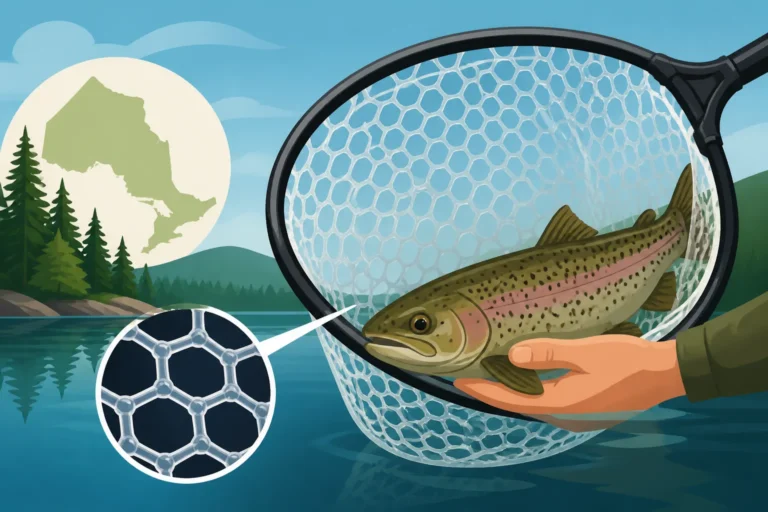
- Handling Fish Gently: Wet your hands before handling any fish to protect their slime coat, which is their primary defense against disease. Support the fish horizontally, avoiding squeezing its body or gills. If releasing, get it back into the water as quickly as possible. A good landing net, like those discussed in Best Landing Net for Trout, can help you handle fish safely and efficiently.
- Respect Limits: Always be aware of and adhere to the daily catch and possession limits for the specific body of water you're fishing. These limits are in place to ensure sustainable fishing opportunities for everyone. If you're keeping fish, a small cooler can be invaluable to keep your catch fresh for the dinner table. Learn more about Best Cooler for a Fishing Boat for options.
By combining the power of scent baits with smart rigging, careful presentation, and ethical angling practices, you'll greatly increase your chances of a successful and enjoyable day chasing stocked trout in Ontario. Whether you're a seasoned pro or just starting out with a Best Starter Combo for a First-Time Angler, these techniques will put more fish on your line.
Disclaimer
This article is for general informational purposes only and does not constitute professional advice. Laws, prices and regulations vary by location and change over time. Consult a qualified professional for guidance on your specific situation.