Best starter combo for a first-time angler
Starting your fishing journey in Ontario can feel incredibly daunting. You walk into a tackle shop or browse online, and suddenly you're faced with an ocean of rods, reels, lines, and lures, all promising different things. For a first-time angler, this sheer volume of choices can be enough to make you turn around and head home before you even cast a line. This guide is here to cut through that noise and help you pick the perfect starter rod and reel combo, so you can focus on getting out on the water and making those first memories.
Why a "Starter Combo" is Your Best Friend as a New Angler
When you're just dipping your toes into the vast world of fishing, the idea of meticulously choosing each component – a rod, a reel, the perfect line, all separately – can be downright intimidating. That's where a good quality starter combo truly shines. It's designed to take the guesswork out of those initial decisions, giving you a balanced and functional setup right from the start.
Overcoming Analysis Paralysis
Imagine trying to build a custom computer for the first time without knowing anything about processors, graphics cards, or RAM. That's a bit what it feels like for a new angler trying to navigate the tackle aisle. There are thousands of different rods, each with varying lengths, powers, and actions. Then there are reels with different gear ratios, bearing counts, and spool sizes. It’s enough to make your head spin!
A starter combo, typically a spinning rod and reel already matched and often spooled with line, bypasses all that initial complexity. The manufacturers have done the basic matching for you, ensuring that the rod and reel are appropriately sized and balanced to work together. This means you can spend less time researching and more time actually learning to cast, tie knots, and understand fish behaviour. It’s about getting you operational and enjoying the process, rather than being stuck in endless online forums debating carbon fiber versus graphite blanks. You want to fish, not get a PhD in fishing gear, right?
The Value Proposition of Combos
Let's be honest, fishing can be an expensive hobby if you let it be. High-end rods and reels can cost hundreds, even thousands, of dollars. For a beginner, investing that kind of money when you're not even sure if fishing is "your thing" is a tough sell. This is where the value of a starter combo truly comes into its own.
Combos are generally far more cost-effective than buying each piece individually. Manufacturers can offer them at a lower price point because they're bundling components, often leveraging economies of scale. While the individual rod or reel in a combo might not be the absolute best performing piece of equipment on its own, together they offer excellent functionality and durability for the price. They are built to withstand the bumps and learning curves of a new angler, from accidental drops to snagged lines. Think of it as an entry-level package that gives you solid performance without breaking the bank. It's enough to catch fish, learn the ropes, and decide if you want to upgrade down the line.
Understanding the Key Components of a Starter Combo
Even with a combo, it's helpful to understand a little about what you're holding. Knowing the basics of rod length, action, power, and reel size will empower you to make an informed choice, even from within the combo section. It also helps you understand why one combo might feel different from another.
The Fishing Rod: Length, Action, and Power
The rod is your direct connection to the fish, transmitting every subtle bite and powerful run. Understanding its characteristics is key:
- Length: Rods for general freshwater fishing in Ontario typically range from 5 feet to 7.5 feet, or even longer for specialized applications. For a beginner, something in the 6-foot to 7-foot range is incredibly versatile. A shorter rod (around 6 feet) is great for tighter spaces like small creeks or shore fishing with overhead obstructions, making casting easier for beginners. A longer rod (6.5 to 7 feet) offers better casting distance and leverage when fighting fish, making it a good choice for larger lakes or rivers.
- Action: This refers to where the rod bends when pressure is applied.
- Fast Action rods bend mostly in the tip. They're sensitive for detecting subtle bites and provide quick hook sets.
- Moderate Action rods bend from the middle to the tip. They offer a good balance of sensitivity and forgiveness, making them a fantastic choice for beginners as they are less likely to tear hooks out of a fish's mouth and are easier to cast.
- Slow Action rods bend throughout the entire blank, almost parabolic. These are typically for smaller fish, specific fly fishing applications, or specialized live bait techniques. For a general starter combo, you'll likely encounter fast or moderate action.
- Power (or Weight): This describes how much pressure it takes to bend the rod, or its lifting strength.
- Ultra-Light rods are for tiny fish and very light lures.
- Light rods are excellent for panfish like perch and crappie, small trout, and finesse techniques.
- Medium-Light rods are arguably the sweet spot for a versatile beginner combo in Ontario, handling anything from panfish to small bass and trout with ease.
- Medium rods are good for larger bass, walleye, and smaller pike.
- Medium-Heavy and Heavy rods are for bigger game fish like muskie or heavier applications.
For most first-time anglers in Ontario, a 6.5-foot to 7-foot rod with a Medium-Light to Medium power and a Moderate to Fast action will cover a huge range of scenarios and species, from casting small spinners for brook trout in a stream to throwing a jig for smallmouth bass on a lake.
The Spinning Reel: Size and Drag System
The reel stores your line and allows you to cast and retrieve. For a starter combo, a spinning reel is almost always the go-to choice due to its ease of use.
- Size: Spinning reels are typically numbered in series (e.g., 1000, 2000, 2500, 3000, 4000). The higher the number, the larger the reel, meaning it holds more line and is generally suited for heavier line and larger fish.
- A 1000 or 2000 series reel is ideal for ultra-light or light rods, perfect for panfish and small trout.
- A 2500 or 3000 series reel is an excellent match for those versatile medium-light to medium rods. It holds enough line for decent casting distance and can handle the runs of larger fish like bass and walleye. This size is often paired with the recommended rod powers for a good all-around combo.
- Larger reels (4000+) are for heavier tackle and bigger species.
- Drag System: This is one of the most critical, yet often overlooked, components of a reel. The drag allows line to be pulled off the spool when a fish pulls hard, preventing your line from breaking or your rod from snapping. A smooth, easily adjustable drag is essential. When you hook into a fish, you'll need to set the drag just tight enough to fight the fish without breaking the line. Most quality starter combos will have a decent front or rear drag system that's easy to adjust with a knob. Get used to testing your drag before you even cast, and certainly when you hook into a feisty fish!
Spooled Line: What to Expect and Why It Matters
Many beginner combos come pre-spooled with monofilament (mono) fishing line. This is a huge convenience for new anglers as it means you can literally buy the combo and head straight to the water.
- Monofilament Line: Mono is a fantastic choice for beginners. It's relatively inexpensive, easy to tie knots with, and has a good amount of stretch. This stretch acts as a shock absorber, forgiving slight errors in drag setting or sudden head shakes from a fish. It also tends to be quite visible, which can be helpful for beginners to track their line.
- Line Strength (Test): For a versatile starter combo, you'll likely find it spooled with 6-pound or 8-pound test monofilament line. This strength is suitable for catching a wide array of smaller to medium-sized fish in Ontario, like perch, crappie, trout, and even smaller bass or walleye. While advanced anglers might swap to fluorocarbon or braided line for specific applications, the pre-spooled mono is perfectly adequate for learning. Just be aware that over time, monofilament can develop "memory" (coiling off the spool) and weaken from UV exposure, so it will need to be replaced periodically.
Selecting the Right Starter Combo for Common Ontario Targets
When you're buying your first combo, it helps to think about what kind of fishing you're most likely to do or what species pique your interest. While a versatile combo is great, a slight lean one way or another can optimize your early experiences.
All-Around Versatility for Panfish and Small Game
For many, the first fishing experiences involve panfish like yellow perch, bluegill, and crappie, or smaller species like brook trout. These fish are abundant, often willing biters, and a blast to catch, making them perfect targets for learning the ropes.
A great starter combo for this scenario would typically feature a 6 to 6.5-foot rod with a medium-light power and moderate-fast action, paired with a 2000 or 2500 series spinning reel spooled with 6-pound test monofilament. This setup is light enough to feel the subtle nibbles of a perch but has enough backbone to handle a feisty 12-inch smallmouth bass that might surprise you. You can cast small jigs, spinners, and live bait rigs with ease. Think of fishing small lakes, ponds, or calm river sections. Many of Ontario's Best Fishing Lakes in Ontario offer excellent opportunities for these species. You'll find many reputable brands offering combos in this configuration.
This kind of setup is also fantastic for light tackle trout fishing in many of Ontario's stocked lakes and streams. The sensitivity allows you to feel the lighter bites of trout, and the lighter line keeps your presentation subtle.
Stepping Up for Larger Bass and Walleye
If your sights are set a little higher, perhaps for the exciting fight of a largemouth or smallmouth bass, or the delicious reward of a walleye, you might want a slightly beefier combo. While the previously mentioned setup can certainly catch these fish, a slightly more powerful rig will give you more control and confidence.
For bass and walleye, consider a 6.5 to 7-foot rod with a medium power and a fast action, coupled with a 2500 or 3000 series spinning reel spooled with 8-pound or 10-pound test monofilament. The medium power gives you more leverage to set hooks in tougher mouths and to steer larger fish away from snags. The fast action helps with detecting those more aggressive bass strikes and delivering a quick, firm hook set. This setup is still versatile enough to throw a variety of lures, from jigs and soft plastics to crankbaits and topwater plugs.
This type of combo would be ideal for exploring the deeper weed lines of Lake Simcoe for smallmouth or casting into current seams on the French River for walleye. You'll appreciate the extra power when you hook into a truly aggressive fish.
Budget-Friendly Options and Where to Buy
Starting a new hobby shouldn't require taking out a second mortgage. Thankfully, there are many excellent, affordable starter combos available that offer surprising performance for their price point. Brands like Ugly Stik, Shimano, Daiwa, and Abu Garcia all offer reliable entry-level combos that are perfect for beginners.
When you're ready to buy, big outdoor retailers like Bass Pro Shops are fantastic places to start. They often have dedicated sections for rod and reel combos, and sometimes their staff can offer advice based on local fishing conditions. You can physically hold the combos, feel their balance, and even get a sense of the rod's action by gently flexing the tip. Online retailers like Amazon also offer a huge selection, often with competitive prices and customer reviews that can guide your decision. Always make sure to check recent reviews for durability and performance. Don't be afraid to look for sales or end-of-season discounts, which can make an already affordable combo even more budget-friendly. Remember, the goal is to get you on the water, not to own the most expensive gear.
Beyond the Combo: Essential Add-Ons for Your First Trip
Having a great rod and reel combo is just the beginning. To truly be prepared for your first fishing adventure in Ontario, there are a few other essential items you'll want to have on hand. These aren't just luxuries; they're about safety, efficiency, and increasing your chances of success.
Basic Terminal Tackle and Lures
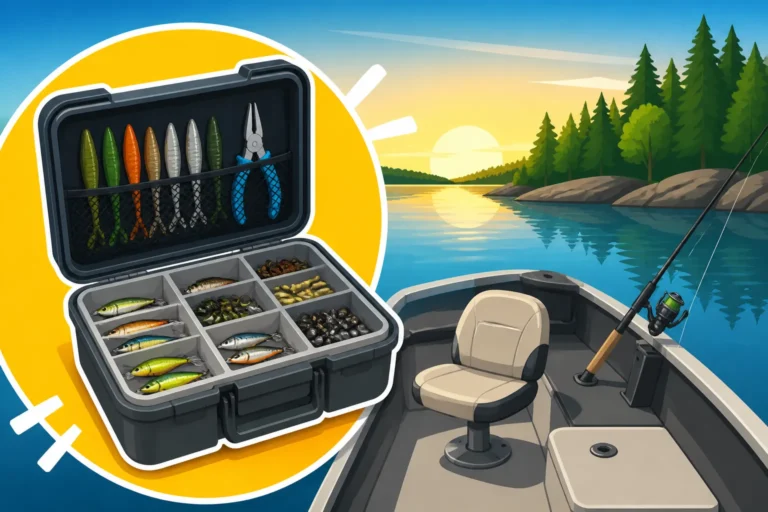
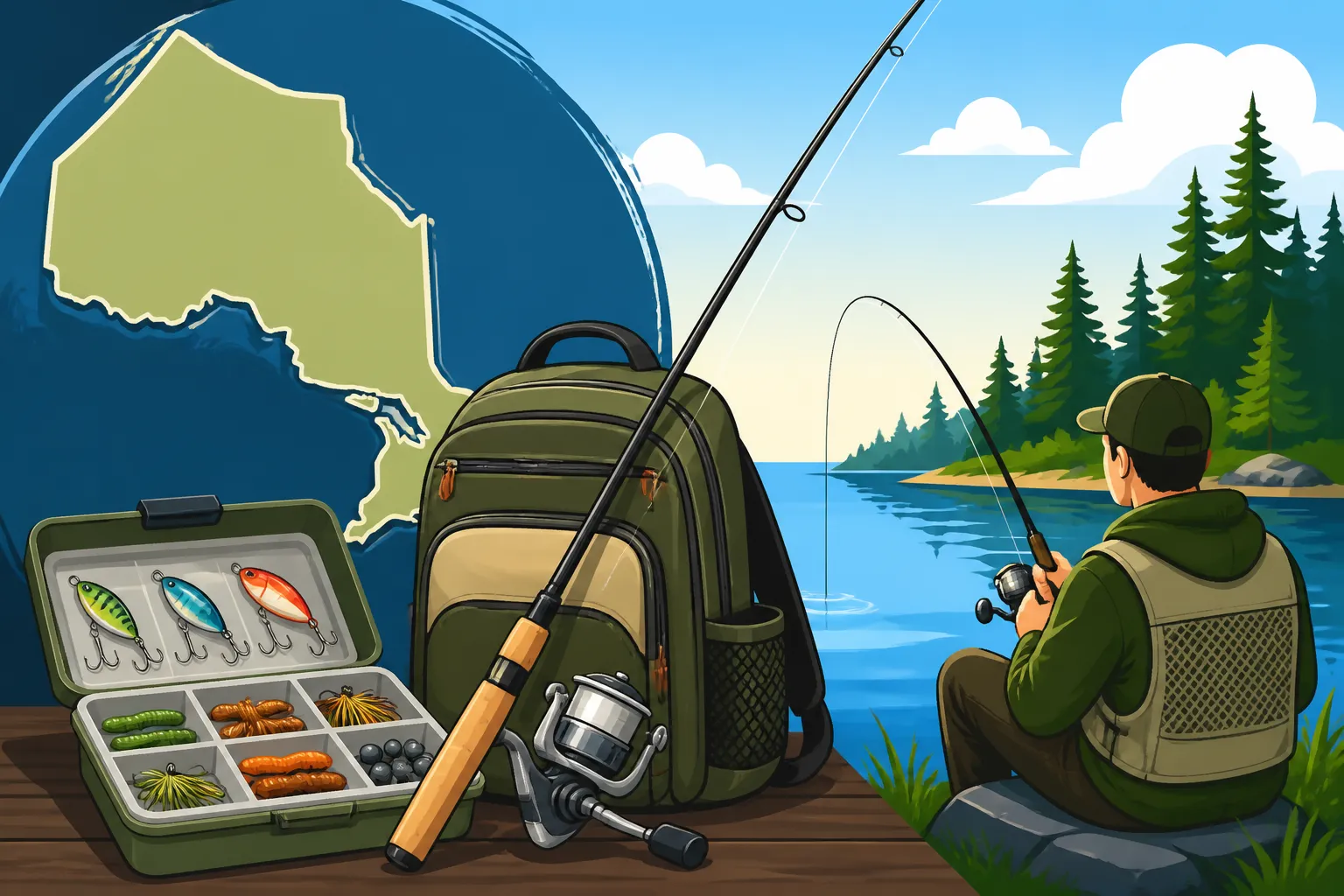
Your combo is ready, but what are you going to put on the end of your line? Don't overcomplicate it. For a beginner, a small selection of versatile items will go a long way.
- Hooks: A variety pack of small to medium-sized hooks (sizes 6, 4, 2) will cover most live bait scenarios for panfish, trout, and smaller bass.
- Sinkers: Split shot sinkers (small, squeezable weights) and a few bullet weights (for Texas rigging soft plastics) are useful for getting your bait down to depth or controlling your drift.
- Bobbers/Floats: Essential for still fishing with live bait. A few small clip-on bobbers or slip floats will help you detect bites and suspend your bait at a desired depth.
- Lures: Start with a few simple, effective lures. Small inline spinners (like Mepps or Rooster Tail) are fantastic for trout, perch, and smallmouth bass. A few small jigs (1/8 oz to 1/4 oz) with curly tail grubs or simple plastic worms are incredibly versatile. You don't need dozens of colours; focus on natural tones like green pumpkin, black, and white.
- Live Bait: Don't underestimate the power of live bait for beginners. Worms, minnows, or even corn are often irresistible to many Ontario fish species. You can pick these up at local tackle shops or bait and tackle vendors.
These basic items will allow you to fish a variety of ways and target different species. Keep them organized in a small tackle box or a simple Best Tackle Bag for Bank Fishing for easy access.
Safety and Comfort Items
Ontario's outdoors are beautiful, but they demand respect. Being prepared for the elements and potential minor mishaps is crucial.
- Pliers/Forceps: Essential for removing hooks from fish (and occasionally from yourself!). Long-nosed pliers are a must-have for safe hook removal, especially with toothy species like pike (though you might not be targeting them with your starter combo, you never know what you'll catch!).
- Small First Aid Kit: For minor cuts, scrapes, or insect bites. Keep a few band-aids, antiseptic wipes, and pain relievers handy.
- Life Jacket (PFD): If you're going out on a boat, canoe, or kayak, a properly fitted life jacket is non-negotiable. Even if you're fishing from shore near water, having one nearby, especially with kids, is a smart move. Always follow Life Jacket Requirements for Ontario Boaters.
- Sun Protection: Sunscreen, a wide-brimmed hat, and polarized sunglasses are vital. The sun's reflection off the water can be intense, and polarized lenses also help you see into the water better.
- Bug Spray: Ontario, especially during certain seasons, can be home to enthusiastic mosquitoes and black flies. Don't leave home without it.
- Water and Snacks: Stay hydrated and keep your energy up. A fishing trip is no fun if you're thirsty and hungry.
The Outdoors Card and Fishing License
This is perhaps the single most important "add-on" and frankly, it's not optional for most adults. In Ontario, almost everyone needs an Outdoors Card and a valid fishing license to legally fish. Trying to fish without these can result in significant fines and an unpleasant encounter with conservation officers.
- Outdoors Card: This is a plastic ID card that typically lasts for three calendar years. It's required to buy any hunting or fishing license in Ontario. Think of it as your unique identifier for participating in these activities. You can purchase it online or through authorized license issuers. Check out Ontario Outdoors Card, Explained for more details.
- Fishing License: Once you have an Outdoors Card, you then purchase a fishing license, which can be for a specific duration (e.g., one day, one year). You'll typically choose between a Sport Fishing License (which allows higher catch limits) or a Conservation Fishing License (lower limits, promoting conservation). For a beginner, a Conservation License is often more than enough. You can learn more about this choice by reading Ontario Sport vs Conservation Fishing License.
- Where to Buy: You can purchase your Outdoors Card and fishing license online through the Ontario government website, or in person at authorized license issuers like participating ServiceOntario centres or some Bass Pro Shops locations. Always carry proof of your valid license while fishing, whether it's a printed copy or on your smartphone. The article Where and How to Buy an Ontario Fishing License provides a full breakdown.
Here’s a quick checklist to make sure you're ready for that first cast:
| Item Type | Must-Have | Highly Recommended |
|---|---|---|
| Gear | Rod & Reel Combo (spooled with line) | Small Tackle Box / Bag |
| Terminal Tackle | Variety of Hooks (size 6, 4, 2) | Small Jigs (1/8-1/4 oz) with grubs |
| Split Shot Sinkers | Inline Spinners | |
| Clip-on Bobbers / Slip Floats | Simple Plastic Worms | |
| Bait | Live Bait (worms, minnows) OR Artificial Lures | |
| Tools | Long-nose Pliers / Forceps | Small Knife (for cutting line) |
| Safety | Valid Ontario Outdoors Card | Small First Aid Kit |
| Valid Ontario Fishing License | Life Jacket (if boating/near deep water) | |
| Comfort | Water Bottle | Sunscreen, Hat, Polarized Sunglasses, Bug Spray |
| Snacks |
Taking Care of Your First Fishing Combo
Your first fishing combo might be a budget-friendly option, but that doesn't mean it shouldn't be treated with care. A little bit of maintenance goes a long way in ensuring your gear lasts longer and performs reliably, giving you many more enjoyable days on the water.
Simple Cleaning and Storage Tips
After a fun day of fishing, especially if you've been around saltwater (like on parts of Lake Ontario) or in muddy conditions, a quick clean can prevent corrosion and grit from building up.
- Rinse Gently: If your combo has gotten wet or dirty, take a moment to gently rinse the rod and reel with fresh, clean water. A light spray from a garden hose is usually sufficient. Avoid high-pressure sprays directly into the reel's gears.
- Wipe Down: Use a soft cloth to wipe down the rod blank, guides, and reel exterior. Pay attention to any nooks and crannies where dirt or salt might accumulate.
- Lubricate (Reel Only): After a few uses, or if your reel feels a bit stiff, a tiny drop of specialized reel oil on the moving parts (like the bail arm pivot points and handle knob) can do wonders. Don't overdo it, and avoid getting oil on the drag washers unless you're using a very specific drag grease. Most modern reels are well-greased from the factory for a good while.
- Proper Storage: Store your rod and reel combo in a dry place, away from direct sunlight and extreme temperatures. Avoid leaning your rod against a wall where it can get knocked over and damaged. Consider a simple rod rack or even just hanging it horizontally to prevent warping. Keeping the drag slightly loosened during storage can also help prolong the life of the drag washers.
Line Maintenance for Beginners
The fishing line is your weakest link, literally. Keeping an eye on it is crucial for preventing frustrating break-offs and lost fish.
- Check for Nicks and Abrasion: Before and after each trip, run your fingers carefully along the last few feet of your line. If you feel any nicks, rough spots, or kinks, cut off that damaged section. Rocks, logs, and even fish teeth can abrade your line, significantly weakening it.
- Replace Line Periodically: While your combo comes pre-spooled, monofilament line doesn't last forever. Depending on how frequently you fish and how exposed your line is to sunlight, you should consider replacing the main line on your reel at least once a season, if not more often. Fresh line casts better, ties stronger knots, and is less prone to breaking. You can easily have this done at your local tackle shop, or learn to do it yourself with a bulk spool of line.
- Check Your Knots: Every time you tie on a new lure or hook, double-check your knot. Give it a gentle tug to ensure it's seated properly and strong. Weak knots are a common cause of lost fish, especially for beginners.
By following these simple care tips, your first fishing combo will serve you well, making your initial forays into Ontario's fantastic fishing scene much more enjoyable and successful. It’s all about having fun, learning, and building those outdoor memories.
Disclaimer
This article is for general informational purposes only and does not constitute professional advice. Laws, prices and regulations vary by location and change over time. Consult a qualified professional for guidance on your specific situation.