Best rod leash for kayak fishing
There's nothing quite like the freedom of kayak fishing in Ontario, gliding across a glassy lake at dawn or navigating a peaceful river. But every seasoned kayak angler has had that heart-stopping moment – a rod slips from a holder, a big fish suddenly pulls the rod out of your hand, or a rogue wave catches you off guard. In an instant, hundreds, if not thousands, of dollars in gear can be gone, sinking to the depths or drifting away with the current. This guide is all about preventing that nightmare by exploring the absolute necessity of a reliable rod leash for kayak fishing, helping you choose the best one, and showing you how to use it effectively.
The Essential Role of a Rod Leash for Ontario Kayak Anglers
Kayak fishing in Ontario offers incredible access to diverse waters, from the vast expanses of the Great Lakes to intimate, winding rivers and countless inland lakes. This variety, while fantastic for fishing, also presents unique challenges. Unlike a large, stable boat, a kayak is more susceptible to movement, and your gear is often more exposed. That's where a rod leash becomes not just a convenience, but a critical piece of safety and investment protection for every paddle-powered angler.
Protecting Your Investment from Ontario's Waters
Let's be honest, fishing gear isn't cheap. A quality rod and reel setup can range from a couple of hundred dollars to well over a grand, especially if you're targeting species like the mighty muskellunge. Losing that investment because of a moment's lapse or an unexpected event is a gut punch no angler wants to experience. Imagine you're out on Lake Nipissing, a fierce crosswind is kicking up whitecaps, and a strong walleye hits your lure. You reach for your net, and suddenly your rod is bouncing precariously close to the edge. Without a leash, a slight bump or another wave could send it overboard, potentially sinking to the bottom, lost forever.
Ontario's waters can be surprisingly unforgiving. Strong currents in rivers, sudden chop on large bodies of water like Lake Huron, or even just snagging your lure on submerged timber can create enough force to yank a rod right out of your hand or a loosely secured rod holder. Even in calm conditions, simple user error – a fumbled cast, an awkward paddle stroke, or the excitement of a big bite – can lead to a rod going for an unplanned swim. A reliable rod leash acts as an inexpensive insurance policy, keeping your valuable gear tethered to your kayak, no matter what surprises the water throws your way. It allows you to relax a bit, knowing that even if your rod takes an unexpected dip, it's not going anywhere. For general tips on navigating these waters, check out Best Kayaks for Ontario Fishing.
Enhancing Safety and Focus on the Water
Beyond protecting your wallet, a rod leash significantly enhances your safety and overall enjoyment on the water. Kayaks are inherently more prone to instability than larger boats. If a rod goes overboard, your immediate, often instinctual, reaction might be to lunge for it. This sudden shift in weight and balance can easily lead to capsizing, especially if you're in cold water, strong current, or amidst tricky obstacles. A submerged rod could also become entangled with your paddle or even your legs, creating a dangerous situation.
With your rods securely leashed, you eliminate that panicked "save the rod" instinct. You can focus entirely on fighting that feisty smallmouth bass, maintaining your balance, or navigating around an unexpected hazard. This peace of mind is invaluable. It means you can concentrate on your Kayak Fishing Techniques for Ontario Lakes rather than worrying about your equipment. Furthermore, a rod leash reduces clutter in the kayak. A rod that's not constantly threatening to float away is one less thing to manage, allowing you to paddle, cast, and land fish with greater efficiency and less stress. Whether you're battling the waves on Best Kayak for Lake Erie or navigating the twisting channels of the French River, knowing your gear is secure lets you concentrate on the adventure.
Key Features to Consider When Choosing a Kayak Fishing Rod Leash
When it comes to selecting the best rod leash for your kayak fishing adventures, not all leashes are created equal. You need something that can withstand the rigors of the elements, the pull of a fighting fish, and the general wear and tear of being out on the water. Thinking through the specific features will help you pick a leash that truly offers peace of mind and performance.
Material Durability and Corrosion Resistance
The environment you fish in, particularly in Ontario, can be harsh on gear. We're talking about everything from bright, scorching sun that degrades plastics and fabrics, to freezing temperatures, and constant exposure to water, mud, and grit. If you happen to fish the Great Lakes, even trace amounts of saltwater from lake freighters or road salt runoff can introduce corrosive elements. Therefore, the materials used in your rod leash are paramount.
Look for leashes made from UV-resistant materials. Polyurethane, heavy-duty nylon webbing, and marine-grade bungee cords are common and offer good longevity. Metal components, such as clips, swivels, and rings, should be stainless steel or brass to resist corrosion and rust. A rusted clip can fail at the worst possible moment. Imagine hooking into a trophy walleye on a windy day, and the clip on your leash snaps because it's been corroded. It's not a pretty picture. The stitching on webbing or straps should also be robust, often box-stitched or bartacked, using heavy-duty nylon thread to prevent unraveling under stress. A well-constructed leash should feel solid and capable of handling the unexpected forces of fishing in Best Kayak for River Fishing in Ontario or other challenging environments.
Attachment Mechanisms and Security
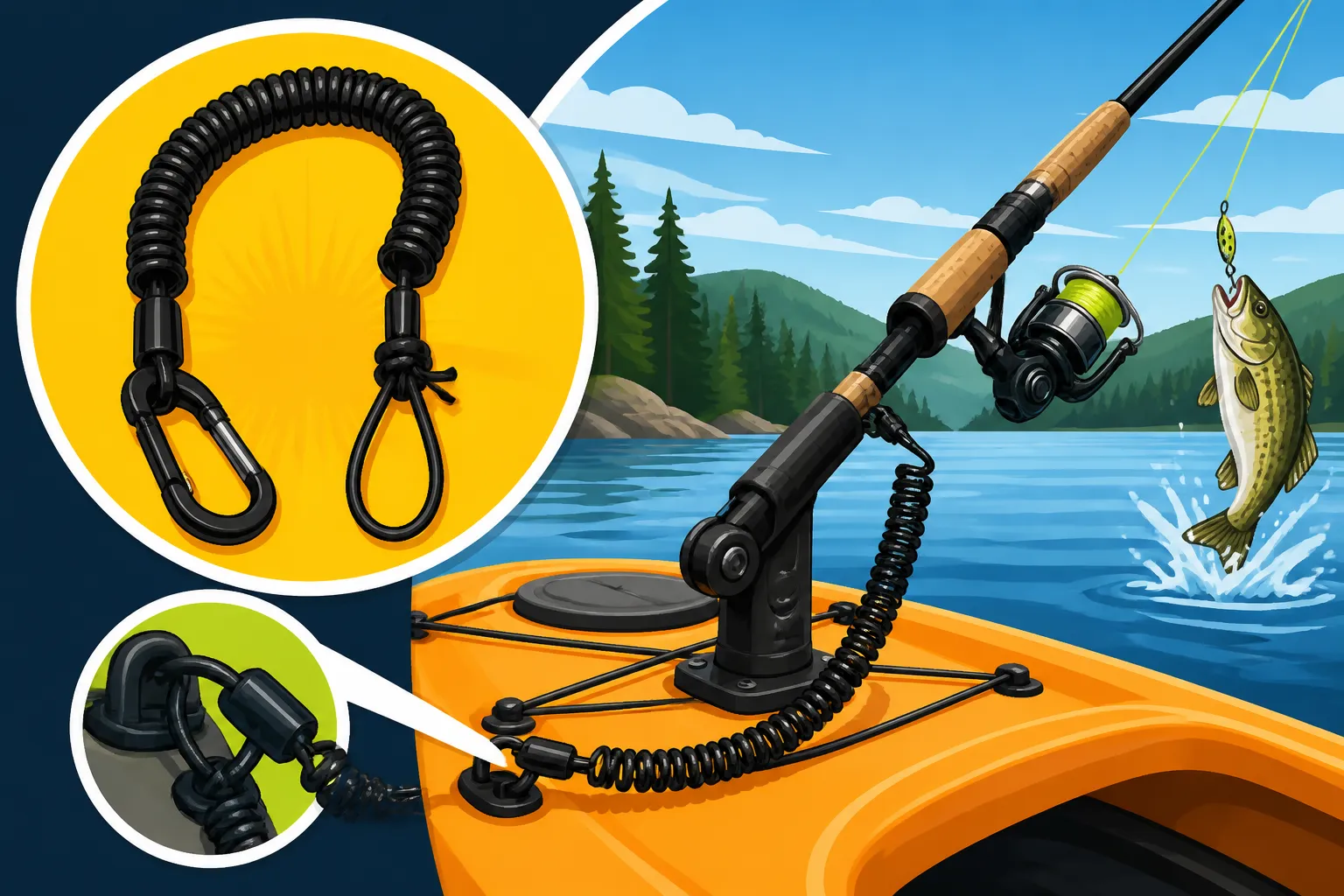
How the leash attaches to both your rod and your kayak is crucial. A weak link in this chain renders the entire system useless. For attaching to your kayak, common mechanisms include durable carabiners, heavy-duty snap hooks, or even simple loop-end bungees that can be threaded through existing pad eyes, scupper holes, or dedicated leash points on your kayak. Some advanced kayaks even have integrated leash points designed to prevent tangles. Consider how easily you can attach and detach the leash from your kayak – convenience is key, but not at the expense of security. For instance, a small, flimsy plastic clip might seem easy to use, but it won't stand up to the strain of a heavy rod or a strong fish.
For securing the leash to your rod, you'll typically find solutions like adjustable velcro straps that cinch tightly around the rod blank, often just above the reel seat. These should be wide enough and have strong enough velcro to prevent slipping. Other options include heat-shrink tubing that creates a permanent loop on the rod handle, or simple loop knots made from durable cord. The key is to ensure the attachment point on the rod is secure, doesn't interfere with your grip or casting, and can withstand the tug-of-war that might ensue if your rod gets pulled overboard. You want to make sure it's snug enough that it won't slide up or down the rod blank during a battle.
Length, Stretch, and Retraction Capabilities
The length and stretch of your rod leash directly impact its functionality and user experience. A leash that's too short will constantly pull at your rod, restrict your casting, and make maneuvering difficult. One that's too long could get tangled in your paddle, your anchor line (see Best Kayak Anchor System for River Fishing), or even float far enough away that your rod still becomes hard to retrieve. The ideal leash length allows for comfortable casting, setting the hook, and netting fish, while still keeping the rod within easy reach if it goes overboard.
Many kayak anglers prefer coiled leashes because they remain compact when not under tension, keeping them out of the way. These typically stretch significantly but retract quickly. However, a highly coiled leash can sometimes tangle if not managed properly. Straight bungees or webbing straps offer a more direct connection and often higher breaking strength, but they don't retract as neatly and can create more clutter if not purposefully stored. Consider the "working" length versus the "extended" length. You want enough stretch to absorb the shock of a sudden pull without breaking or jerking the rod violently, but not so much that your rod ends up dangling far below the kayak. For example, if you're using a Best Trolling Motor for a Fishing Kayak, you might want a slightly longer leash to accommodate the rod's position further away from you.
Here's a quick comparison of common rod leash types:
| Leash Type | Material Examples | Pros | Cons | Best Use Case |
|---|---|---|---|---|
| Coiled Bungee | UV-resistant polyurethane | Compact, good stretch, quick retraction | Can tangle, less extreme load capacity, may kink | Light to medium tackle, calm waters, general casting |
| Webbing Strap | Heavy-duty nylon webbing | Very strong, durable, high load capacity | Minimal stretch, can be bulky, not self-retracting | Heavy tackle, trolling, rough water, big fish |
| Retractable | Steel cable, plastic casing | Self-spooling, keeps leash out of the way, adjustable | Mechanical failure risk, lower breaking strength | Light to medium tackle, convenience, general purpose |
| DIY Paracord | Paracord, carabiners | Highly customizable, very strong, inexpensive | No inherent stretch (unless bungee integrated) | Budget-conscious, heavy-duty, specific customizations |
Selecting and Implementing the Right Rod Leash System
Choosing the right rod leash isn't a one-size-fits-all decision. Your fishing style, the species you target, and the specific environment you fish in all play a role. Once you've chosen, proper implementation is key to ensuring your leash provides the protection and peace of mind you expect.
Matching the Leash to Your Fishing Style and Target Species
Consider the type of fishing you do. If you're primarily targeting panfish or small trout with ultralight gear in calm, protected waters, a lighter, more compact coiled leash might be perfectly adequate. These typically feature smaller clips and lighter cords, offering unobtrusive security. However, if you're chasing bigger game like Muskellunge Fishing in Ontario or hefty lake trout, you'll need a leash that matches the immense power of those fish and the heavier tackle you're using. For this, a heavy-duty webbing strap leash or a robust coiled bungee designed for larger loads would be a much wiser choice. These often have larger, more secure clips and thicker cords to handle the stress.
Think about the forces involved. A snagged lure in a strong current on a river like the Ottawa could put significant strain on your rod and leash. Similarly, the shock of a hard strike from a large northern pike requires a leash that can absorb that sudden impact without snapping. You'll find a wide variety of rod leashes available at reputable outdoor retailers like Bass Pro Shops, or easily accessible online through platforms like Amazon. These brands offer diverse options, allowing you to compare features, read reviews, and select a leash that aligns with your specific angling needs. Don't cheap out on a leash if you have expensive rods!
Proper Attachment to Your Kayak and Rod
A great leash is only as good as its attachment points. For your kayak, identify strong, secure points. Many fishing kayaks come with strategically placed pad eyes or D-rings. Scupper holes can also be used, though be mindful of how the leash runs to avoid snagging. If your kayak doesn't have suitable attachment points, consider adding some. Always ensure any aftermarket additions are securely mounted and won't compromise the kayak's integrity. The goal is a connection point that won't give way under stress and doesn't interfere with your paddling or other gear like your Best paddle length for a fishing kayak.
Attaching the leash to your rod requires careful thought. The most common and effective method is to secure the leash to the rod blank just above the reel seat. This area is typically robust and provides a good grip without interfering with the reel's function or your casting hand. Velcro straps are popular here, as they allow for quick adjustment and removal while still providing a firm hold. When attaching, make sure the strap is tight enough that it won't slide down the rod during use, but not so tight that it damages the rod blank. Always give it a good tug test before you launch to confirm everything is securely fastened. The last thing you want is a leash that slips off the rod or the kayak when you need it most.
Redundancy and Best Practices
While a single rod leash provides significant protection, experienced kayak anglers often adopt a mindset of redundancy, especially when dealing with multiple rods. If you're using several rods for different techniques – one for casting, one for trolling – consider leashing all active rods. This prevents the "oops" moment with the rod you momentarily set aside. Combining a rod leash with a dedicated rod holder provides an extra layer of security. Even the most secure rod holder can be overcome by an aggressive fish or an unexpected capsize, so having a leash as backup is wise. Think of it like wearing a Best Life Jacket for Lake Kayak Fishing – it's there for when things go wrong, even if you never expect to need it.
Make it a habit to inspect your rod leashes before every outing. Check for fraying, cuts, stretched-out bungee, or any signs of corrosion on the metal clips. Sun exposure, repeated stretching, and constant contact with water can degrade materials over time. If a leash shows any significant wear, replace it. The cost of a new leash is a fraction of the cost of a lost rod and reel, not to mention the frustration and lost fishing time. Always practice proper storage, keeping your leashes clean and out of direct sunlight when not in use, which brings us to our next point.
Maintenance and Longevity for Your Kayak Rod Leash
A rod leash is a small piece of gear, but like any other essential tool, it benefits greatly from proper care. Neglecting your leash can lead to premature failure, defeating its entire purpose. A few simple steps can ensure your leash lasts longer and remains reliable for countless fishing trips in Ontario.
Cleaning and Storage for Extended Life
The best way to ensure the longevity of your rod leash is to rinse it thoroughly after every use. This is especially critical if you've been fishing in muddy water, silty rivers, or on the Great Lakes where there might be some salt exposure. A quick rinse with fresh tap water helps remove grit, sand, and any corrosive elements that can degrade the materials and mechanisms over time. Pay particular attention to the clips and any moving parts, ensuring no debris is lodged within them.
After rinsing, allow your leash to air dry completely. Hanging it in a well-ventilated area, out of direct sunlight, is ideal. Storing a wet leash can lead to mildew, which not only smells unpleasant but can also weaken the fabric and stitching. Once dry, store your leash in a cool, dry place, away from prolonged exposure to harsh UV rays or extreme temperatures. Keeping it neatly coiled or hung prevents unnecessary tangles and stress on the materials. Consider storing it with other essential items like your Best Dry Bag for Kayak Fishing so it's always ready for your next adventure. A little bit of consistent care goes a long way in ensuring your leash performs when you need it most.
Recognizing When It's Time for a Replacement
Even with the best care, rod leashes don't last forever. They are constantly exposed to environmental stressors and physical demands. Developing a keen eye for signs of wear and tear is crucial for knowing when to retire an old leash and invest in a new one. Regularly inspect the entire leash for visible damage. Look for fraying in nylon webbing or paracord, cracks or significant stretching in bungee cords, or any deformation in coiled polyurethane leashes. The elasticity of a bungee leash will eventually diminish, making it less effective at snapping back and keeping your rod close.
Examine the metal components closely for signs of corrosion or rust. Even stainless steel can pit or corrode over time, especially if not regularly cleaned. If a clip becomes stiff, difficult to operate, or shows any signs of weakness, it's a huge red flag. Similarly, check the stitching on any fabric components – loose threads or unraveling seams indicate a compromised leash. Don't wait until a leash fails on the water to replace it. The cost of a new leash is always significantly less than the cost of a lost rod and reel, not to mention the potential safety risks. When in doubt, replace it. It's a small investment for peace of mind and protection of your valuable fishing equipment.
Disclaimer
This article is for general informational purposes only and does not constitute professional advice. Laws, prices and regulations vary by location and change over time. Consult a qualified professional for guidance on your specific situation.