Best treble hook size for crankbaits
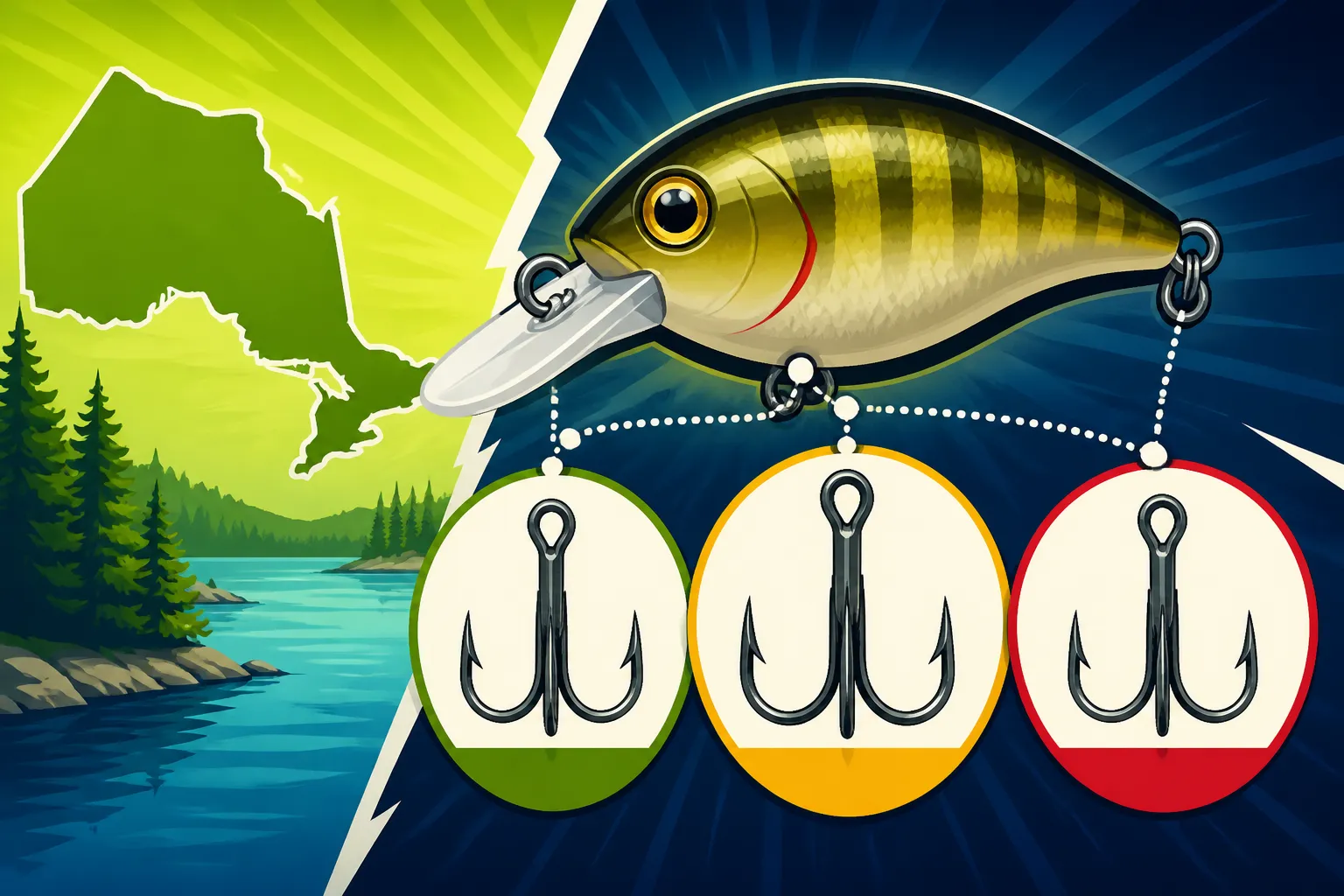
One of the most frustrating moments in fishing is when you've got a fantastic crankbait bite going, you feel that thud, set the hook, and then… nothing. Or worse, the fish comes unbuttoned halfway back to the boat. It often leaves you scratching your head, wondering if it was your retrieve, the fish, or maybe even the lure itself. But more often than not, especially with crankbaits, the culprit isn't the lure's action, but rather the size and quality of its treble hooks. This guide is all about helping you understand the nuances of choosing the best treble hook size for your crankbaits, ensuring more fish make it into your net here in Ontario.
Understanding Treble Hook Sizes and Why They Matter
Let's face it, when you buy a crankbait, it usually comes rigged with hooks right out of the package. For many of us, the first instinct is to just tie it on and start fishing. And for a while, that might work perfectly well. But if you've ever experienced repeated lost fish or notice your hooks bending or dulling quickly, it's time to dig deeper. The factory hooks are often a compromise, designed to work "okay" for a wide range of situations, but rarely optimized for your specific target species, fishing conditions, or the way you retrieve your lure. Swapping out those hooks can make a monumental difference in your success rate.
The Basics of Treble Hook Sizing
The world of fishing hooks has its own language, and sizing is often where new anglers get a bit confused. Unlike many other measurements, treble hook sizes work in reverse: the smaller the number, the larger the hook. So, a size 2 treble hook is significantly larger than a size 8. This numeric system typically ranges from tiny size 18 hooks for panfish up to monstrous 5/0 or 6/0 hooks for offshore big game, though for most freshwater crankbaits in Ontario, you'll be dealing with sizes from about 10 down to 2 or 1.
It's also important to recognize that hook manufacturers might have slight variations in their sizing, even for the same "number." A size 4 from one brand might be a hair smaller or larger than a size 4 from another. This means that while the numbers give you a great starting point, a visual comparison or checking the manufacturer's specs for specific crankbaits is always a good idea. Knowing this basic inverse relationship is the foundation for making informed decisions.
Why Your Hook Size Isn't One-Size-Fits-All
The idea that one hook size fits all crankbaits, or even all fishing situations, is a misconception that can lead to a lot of missed opportunities. Different crankbaits, even those of similar length, can have vastly different profiles, actions, and uses. A shallow-diving squarebill crankbait designed to bounce off wood in a river will have very different hook needs than a deep-diving minnow imitation trolled for Lake Erie Walleye Fishing.
Think about the dynamics at play: a tiny hook on a large bait might not get enough bite into a fish's mouth, leading to easy pull-outs. Conversely, hooks that are too large can hinder the lure's natural action, making it swim unnaturally, causing it to foul or snag more frequently, and even altering its depth capabilities. The perfect hook size maintains the lure's intended action while maximizing your chances of a solid hook-up and keeping the fish pinned. It's a delicate balance that serious anglers spend time perfecting.
Matching Hook Size to Crankbait Type and Profile
Selecting the right treble hook for a crankbait isn't just about general sizing; it's about understanding the specific design and intended use of that particular lure. Every crankbait type has its own nuances, and the factory hooks are often chosen for cost-effectiveness or general appeal, not always for peak performance in tough Ontario conditions or for specific target species like Muskellunge Fishing in Ontario or Walleye Fishing in Ontario.
Shallow Divers and Squarebills
Shallow-diving crankbaits, especially popular squarebills, are designed to be retrieved through heavy cover like laydowns, rock piles, and emergent vegetation. Their short, stout bills deflect off obstacles, and they often have a wider, more erratic wobble. For these lures, maintaining the original action and minimizing snagging is paramount.
Often, you'll find that going slightly smaller or staying with the factory hook size is the best option here. A hook that's too large can hinder the lure's deflection capabilities, causing it to hang up more often. It can also cause the hooks to tangle with each other or the line, especially during aggressive retrieves or pauses. Many anglers prefer a slightly lighter wire hook on these baits, as it helps maintain that crucial deflection. The goal is to maximize the lure's "crash and deflect" action without compromising hook-up potential. When I'm fishing a classic Rapala DT-6 or a KVD Squarebill in a shallow bay for smallmouth, I'm usually sticking to a size 4 or 6, making sure they're super sharp.
Deep Diving Crankbaits
Deep-diving crankbaits are a whole different beast. These lures often feature long, extended bills that drive them down to significant depths, where they are typically trolled or cast in open water, along ledges, or over deep structure. Here, the primary concerns shift from snag resistance to sheer holding power and strength, as you're often targeting larger fish that hit hard and fight dirty in deeper water.
For these baits, especially when chasing big walleye on the Bay of Quinte or targeting Lake Trout Fishing in Ontario, you generally want robust, strong hooks. Many anglers will upgrade to one size larger than the factory hooks, or at least opt for a heavier wire version of the same size. For instance, if a deep diver comes with size 4 hooks, I might switch to a size 3 or even a 2, particularly if I'm after bigger fish. The longer body of these lures can often accommodate larger hooks without them tangling or negatively impacting the dive curve too much. However, be mindful that too large a hook can indeed change the lure's action or make it dive less efficiently. It's a trade-off: ensure strength and holding power, but don't completely sacrifice the lure's action. Brands like VMC and Gamakatsu offer excellent options in various wire strengths that hold up well to the demands of deep-water trolling.
Lipless Crankbaits and Jerkbaits
Lipless crankbaits and jerkbaits present their own unique challenges and considerations. Lipless cranks, with their tight wiggle and vibrating action, are often ripped through grass or yo-yo'd off the bottom. Jerkbaits, designed for an erratic darting and pausing action, are frequently fished with slack line, which can make hook-ups tricky if the hooks aren't perfectly aligned or sized.
For lipless crankbaits, especially when burning them over weed beds, anglers often prioritize smaller, sharp hooks to minimize snagging on vegetation while still providing enough gap to grab a fish that engulfs the bait. A size 4 or 6 might be common. For jerkbaits, the balance is crucial. The hooks must be sharp and have enough gap, but they also need to be light enough not to impede the lure's suspended action or its signature dart. Too heavy a hook can cause a suspending jerkbait to slowly sink, ruining its presentation. Many anglers will meticulously match the hook weight to maintain the lure's neutral buoyancy. In these cases, upgrading to a premium, super-sharp hook of the same size, perhaps with a slightly finer wire for better penetration, is often the best strategy. Think about fishing a Suspending Rapala X-Rap for smallmouth; you want those hooks sticky sharp for those quick strikes.
Factors Beyond Crankbait Size: Target Species, Water Conditions, and Cover
While matching the hook size to the crankbait's profile is crucial, it's only part of the equation. A truly effective setup considers a broader spectrum of environmental and behavioral factors. What species are you actually trying to catch? How clear is the water you're fishing? And what kind of underwater obstacles are you likely to encounter? These elements can drastically influence your final hook choice, often requiring adjustments even for the same lure.
Considering Your Target Species
The type of fish you're targeting in Ontario waters plays a huge role in hook selection. A scrappy smallmouth bass has a different mouth structure and fighting style than a massive, toothy northern pike or a powerful muskie.
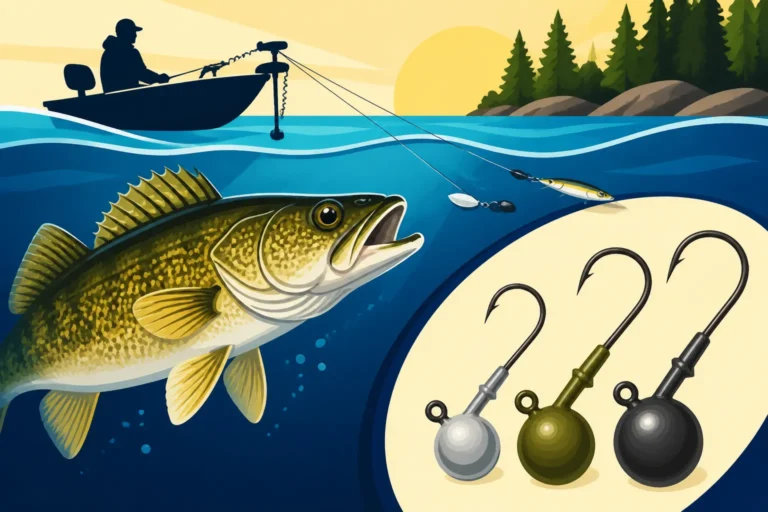
- Walleye: Known for their softer mouths and tendency to "mouth" a bait before fully committing, walleye benefit from super-sharp, finely honed hooks that penetrate easily. While they don't have razor-sharp teeth like pike, they can still bend lighter wire hooks if you're pulling them out of heavy current or deep water. For Best Baits for Walleye on Lake Erie, a size 4 or 6 quality treble is often ideal.
- Smallmouth Bass: These aggressive fighters have tough, bony mouths. Excellent hook penetration is key. Smallmouth often make acrobatic jumps and headshakes, so hooks that hold securely are important. Sizes 4 to 6 are common for most smallmouth crankbaits.
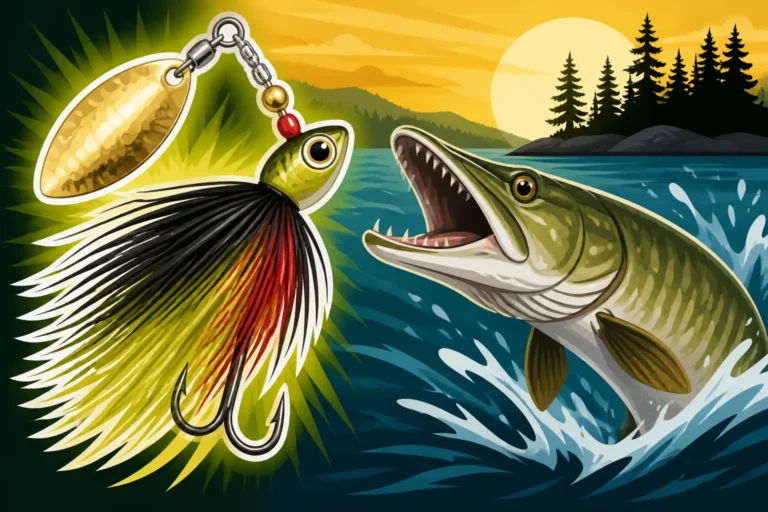
- Northern Pike and Muskie: These apex predators in Ontario's lakes possess mouths full of needle-sharp teeth that can shred light tackle. For Northern Pike Fishing in Ontario or Muskellunge Fishing in Ontario, you absolutely need heavy-duty, strong, and incredibly sharp treble hooks. Standard factory hooks on many bass-oriented crankbaits simply won't cut it. Upgrading to 2X or 3X strong hooks is almost mandatory, and going up a size to a 1 or 2 is often beneficial to get a better bite, especially on larger muskie baits. Remember, if you're not using a Best Line Weight for Muskie Fishing or proper leader, those teeth will make short work of your line, no matter the hook.
It’s about understanding the specific challenges each species presents and outfitting your lure to handle them. You don't want to finally hook into a trophy muskie only to have its teeth bend out your lightweight bass hooks.
Navigating Cover and Snags
Fishing in Ontario means encountering diverse environments, from pristine open waters to treacherous, snag-ridden zones. Your hook choice should reflect the cover you're fishing.
- Heavy Cover (Wood, Rocks, Thick Weeds): When you're deliberately trying to "crash" a crankbait into submerged timber, rock piles, or dense weed beds, snag resistance becomes a major concern. Larger hooks are more prone to getting hung up. In these situations, some anglers will actually downsize their trebles by one size, or even switch to a single, weedless hook if the lure allows. The trade-off is often fewer snags versus a potentially slightly lower hook-up ratio, but it's a balance worth considering to keep your expensive lures in play.
- Open Water (Deep Ledges, Flats): In open water, where snags are less of a concern, you can afford to use larger, heavier-gauge hooks. This is where you can maximize your hook-up potential and holding power without worrying as much about getting stuck. This often applies to deep-diving crankbaits trolled over clear basins or along deep breaks.
Consider your retrieve style too. If you're ripping a lipless crankbait through sparse weeds, a slightly smaller, sharper hook might slice through better than a larger, thicker one that catches more weed strands. The environment you're presenting your lure in is a critical piece of the puzzle.
Hook Material and Strength
Not all hooks are created equal. The material and wire gauge significantly impact a hook's strength, sharpness retention, and overall performance.
- Standard Wire vs. Heavy Duty: Most factory hooks are standard wire. While adequate for many situations, they can flex or bend under the strain of a powerful fish or when trying to extract a snagged lure. Heavy-duty (e.g., 2X, 3X strong) hooks use a thicker wire, making them much more resistant to bending. These are essential for muskie, pike, and even larger walleye or bass where the risk of bending a hook is high.
- Carbon Steel vs. High-Carbon Steel: High-carbon steel hooks are generally stronger and can be sharpened to a finer point, holding that edge longer. They also tend to be more resistant to corrosion.
- Coating: Different coatings offer varying levels of corrosion resistance and slickness for better penetration. Black nickel, tin, or even bronze are common. Given Ontario's freshwater environment, corrosion isn't usually as severe a problem as in saltwater, but a good coating still adds to the hook's longevity and sharpness.
- Sharpness: Above all, a hook must be sharp. A dull hook will simply glance off a fish's mouth, no matter its size or strength. Many premium hooks come chemically sharpened from the factory, offering superior penetration right out of the package. Brands like Owner, Gamakatsu, and VMC are renowned for their incredibly sharp and strong treble hooks, often available through retailers like Bass Pro Shops or on Amazon. Investing in good quality hooks is an investment in successful hook-ups and landed fish.
Practical Tips for Swapping Treble Hooks on Your Crankbaits
Alright, you've done your homework, picked out the right size and strength of treble hooks, and now it's time to actually make the swap. Don't worry, it's not brain surgery, but a little care and the right tools will make the process smooth and prevent frustration. Changing hooks on your crankbaits is one of the easiest and most impactful modifications you can make to improve your lure's performance and ultimately, your catch rate.
Tools You'll Need and a Step-by-Step Guide
Before you start, gather your supplies. Having everything laid out will save you time and hassle.
Essential Tools:
- Split Ring Pliers: This is non-negotiable. Trying to open split rings with your fingernails or regular pliers is a recipe for broken nails, frustration, and damaged split rings. Quality split ring pliers have a small, pointed tip designed to quickly and easily open split rings without deforming them. You can find excellent options at any reputable fishing store or online, like on Amazon.
- New Treble Hooks: The hooks you've carefully selected based on the factors we've discussed.
- Replacement Split Rings (Optional, but recommended): If the original split rings look fatigued, rusty, or you're upgrading to heavier wire hooks, it's a good idea to replace the split rings with fresh, strong ones of appropriate size.
- Work Surface: A clean, well-lit area to avoid losing tiny split rings or dropping hooks.
Step-by-Step Hook Swapping:
- Inspect the Lure: Before you even touch a hook, give your crankbait a quick once-over. Are the existing split rings rusted or bent? Are there any cracks in the plastic? Knowing the lure's condition helps in deciding if new split rings are also necessary.
- Remove the Old Hook:
- Take your split ring pliers and carefully insert the pointed jaw into the gap of the split ring holding the old hook.
- Gently squeeze the pliers to open the split ring.
- Once the ring is open, slide the old hook off. Be careful, even dull hooks can still scratch or prick you. Discard the old hooks responsibly; don't leave them on the ground where they can injure wildlife or people.
- Add the New Hook:
- With the split ring still slightly open (or open it again if it closed), thread the eye of the new treble hook onto the split ring.
- Slowly rotate the hook around the split ring until it's fully seated. You want to make sure the split ring coils back together properly and securely holds the new hook.
- Repeat for All Hooks: If your crankbait has multiple treble hooks (most do), repeat steps 2 and 3 for each hook hanger.
- Final Check: Once all hooks are replaced, hold the lure and gently shake it. Do the hooks tangle? Does anything feel loose? Ensure all split rings are fully closed and secure. Also, make sure the hooks are oriented correctly (points facing away from the body of the lure).
Remember, safety first! Treble hooks are sharp. Always exercise caution and consider wearing gloves if you're prone to nicks and cuts.
Testing and Tuning Your Modified Crankbaits
Swapping hooks isn't just a mechanical process; it's also about maintaining the integrity of your crankbait's action. The weight and size of your new hooks can sometimes subtly alter how the lure swims. This is particularly true for lighter baits or those with very specific actions.
- Bathtub Test: For smaller crankbaits, or even larger ones if you have access to a large bucket or tub, a quick "bathtub test" can reveal if the action has been compromised. Simply drop the lure in the water and give it a gentle pull. Does it run straight? Does it still have its characteristic wobble? Does a suspending jerkbait still suspend properly? If a lure is pulling to one side, it might be that the split ring is slightly out of alignment, or one hook is heavier than the other (though this is rare with quality hooks).
- On-the-Water Test: The best test is always on the water. On your next fishing trip, before committing to a full day of casting, spend a few minutes retrieving your newly-hooked crankbait at various speeds. Watch its action. Does it dive correctly? Does it have the same vibration or wobble? If a crankbait isn't running true, it's often referred to as "tuning" the lure. Sometimes, a gentle bend of the line tie eye (the small metal loop where you tie your line) with pliers can correct a crankbait that's pulling to one side. A tiny bend in the opposite direction of the pull often fixes it.
It’s this attention to detail that elevates your fishing game. By carefully selecting and properly installing new hooks, and then verifying the lure's action, you're not just throwing a bait; you're presenting a finely-tuned weapon designed for maximum effectiveness against Ontario's fish. You can find replacement hooks and tuning tools at trusted retailers like Bass Pro Shops, or even explore the wide selection available on Amazon to get exactly what you need.
Here's a quick reference table for common crankbait types and suggested treble hook sizes for typical Ontario freshwater fishing:
| Crankbait Type | Lure Length (Approx.) | Common Factory Hook Size | Recommended Upgrade Size (Strength) | Key Considerations |
|---|---|---|---|---|
| Shallow Diver/Squarebill | 2-3 inches | #6, #4 | #6, #4 (Med-Heavy Wire) | Maintain action, snag resistance, sharp points |
| Medium Diver | 2.5-4 inches | #6, #4, #2 | #4, #2 (Med-Heavy to 1X Strong) | Balanced action, good penetration |
| Deep Diver | 3-6 inches | #4, #2, #1 | #2, #1, #1/0 (1X to 2X Strong) | Holding power for larger fish, maintain dive depth |
| Lipless Crankbait | 2-3.5 inches | #6, #4 | #6, #4 (Med-Heavy Wire, Super Sharp) | Minimize fouling, quick penetration |
| Jerkbait (Standard) | 3.5-5 inches | #6, #4, #2 | #6, #4, #2 (Med-Heavy, Finer Wire) | Maintain suspension/action, quick penetration |
| Large Muskie/Pike Bait | 6-12+ inches | #1/0, #2/0, #3/0 | #1/0 to #5/0 (2X to 4X Strong) | Extreme strength, large gap for toothy fish |
This table provides a general guideline. Always cross-reference with your specific lure and fishing conditions, and remember that quality and sharpness are just as important as size.
Choosing the right treble hook for your crankbaits is a detail that separates casual anglers from those who consistently put fish in the boat. It's not just about what comes in the box, but about understanding the subtle mechanics of your lures, the habits of your target species, and the challenges of the environment you're fishing. By taking the time to match your hooks to your specific needs, you're investing in more secure hook-ups, fewer lost fish, and ultimately, a more rewarding experience on Ontario's beautiful waters.
Disclaimer
This article is for general informational purposes only and does not constitute professional advice. Laws, prices and regulations vary by location and change over time. Consult a qualified professional for guidance on your specific situation.