Best bucktail spinner for muskie
For any angler chasing the elusive muskie in Ontario, the challenge is real. These apex predators are notoriously fickle, demanding not just skill and patience, but also the right tools for the job. Among the vast array of muskie baits out there, the bucktail spinner stands tall as an absolute powerhouse, a go-to for seasoned veterans and eager newcomers alike. This guide will dive deep into what makes the best bucktail spinners so effective, helping you choose the perfect one to tempt a true Ontario giant.
Why Bucktail Spinners Remain a Muskie Angler's Secret Weapon
There’s a reason why, despite all the innovations in muskie baits over the years, the humble bucktail spinner still holds a coveted spot in every serious muskie angler's tackle box. It's not just nostalgia; it’s pure, undeniable effectiveness. These lures simply put fish in the boat, time and time again.
The Allure of Flash and Vibration
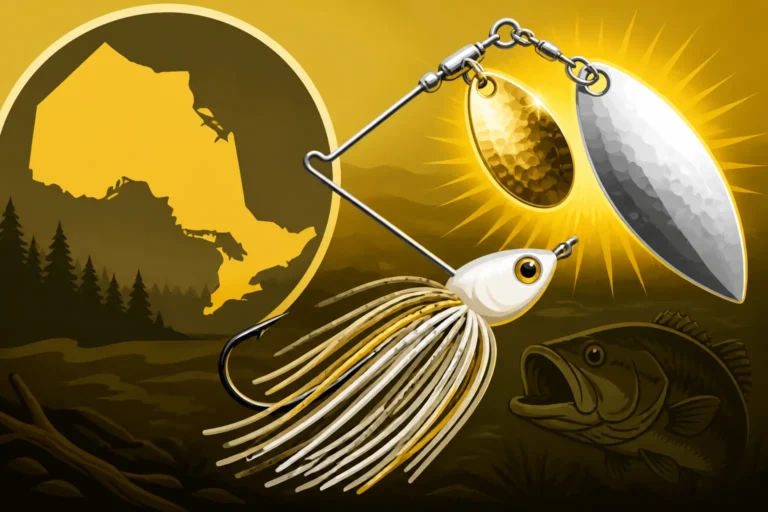
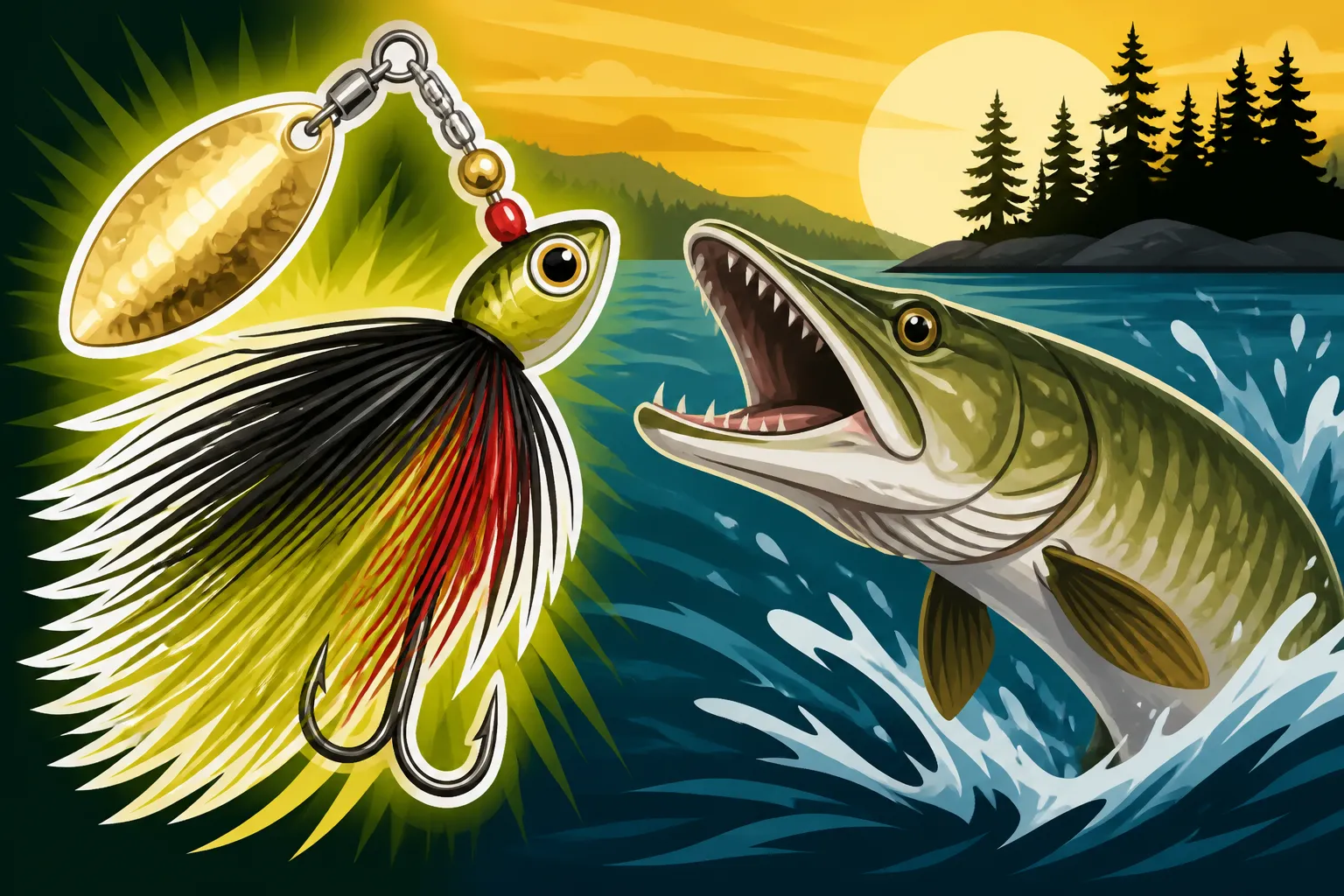
Muskies are visual predators, but they also rely heavily on their lateral line system to detect disturbances in the water. A bucktail spinner excels on both fronts. As the blade spins, it creates a pulsating flash, mimicking a fleeing baitfish catching the light. This visual attraction is often enough to grab a muskie's attention from a distance, drawing them in for a closer look.
But it’s the vibration that truly seals the deal. That spinning blade displaces water, sending out irresistible thumps and tremors that travel through the water column. A muskie, even in murky conditions or low light, can feel these vibrations and home in on the source. It’s like a beacon in the water, signaling an easy meal. Imagine casting into a deep weed edge on Lake of the Woods. You can't see your lure, but a muskie lurking below can feel every rotation of that blade, every subtle pulse, and often, that's all it takes to trigger an aggressive strike. This potent combination of visual appeal and lateral line stimulation is what makes bucktails so deadly, especially when trying to pinpoint where to find a muskie in Ontario.
Versatility Across Conditions and Seasons
One of the greatest strengths of the bucktail spinner is its incredible versatility. Unlike some highly specialized lures, bucktails can be effective in a wide range of conditions, from calm, sunny days to windy, overcast ones, and across various water depths and structures. Whether you’re casting over shallow weed flats in early summer or burning them over deep humps in the fall, there’s a bucktail configuration that will work.
You can fish them fast or slow, deep or shallow, over weeds or rocks. Different blade types and sizes allow you to adjust the amount of flash and vibration, while various skirt colors let you match the hatch or create a standout presentation. This adaptability means you don't need a hundred different lures for every scenario; often, a well-chosen selection of bucktails can cover a huge portion of your muskie fishing needs. This is why many anglers consider bucktails among the Best Lures for Muskie Fishing in Ontario.
Key Components of a Top Muskie Bucktail Spinner
Not all bucktail spinners are created equal. The devil is truly in the details when it comes to muskie tackle, and understanding the different components can help you pick the best spinner for your specific fishing situation. Each part plays a critical role in the lure's action, durability, and fish-catching ability.
Blade Types and Their Action
The blade is arguably the most crucial part of a bucktail spinner, as it's responsible for the majority of the flash and vibration. Different blade shapes offer distinct actions and advantages.
- Colorado Blades: These are wide, round blades that create maximum vibration and lift at slower retrieve speeds. They "thump" hard and are excellent for slow-rolling over deep structure or in stained water where a strong vibration is needed. They provide significant resistance in the water, which can be tiring to retrieve but sends out a powerful signal. Think about fishing a deep current break on the French River; a Colorado blade will let that muskie know you're there.
- Willowleaf Blades: Long and narrow, willowleaf blades offer less resistance and a tighter, flashier spin. They are perfect for fast retrieves, cutting through the water efficiently, and are often preferred in clear water conditions or when muskies are actively chasing faster presentations. They don't have the same "thump" as a Colorado but offer more flash, making them great for covering water quickly.
- Indiana Blades: A hybrid between Colorado and willowleaf, Indiana blades offer a good balance of flash and vibration. They're versatile and a solid all-around choice when you're unsure what the muskie might prefer. They provide a moderate thump and flash, making them adaptable to various retrieve speeds and water clarities.
- Double-Bladed Spinners: Many muskie bucktails feature two blades, often in tandem or in a "double-10" configuration (two size 10 Colorado or willowleaf blades). This doubles the flash and vibration, creating an even larger profile and disturbance in the water. These are go-to choices for triggering aggressive muskies, especially in cooler water or when targeting larger fish. The sheer commotion these generate can be irresistible to a lurking giant in places like Georgian Bay.
| Blade Type | Shape | Vibration Level | Flash Level | Retrieve Speed Preference | Water Clarity Suggestion |
|---|---|---|---|---|---|
| Colorado | Wide, Round | High | Moderate | Slow to Moderate | Stained, Murky |
| Willowleaf | Long, Narrow | Low | High | Fast | Clear |
| Indiana | Oval | Moderate | Moderate | Moderate | All |
Skirt Material and Color Selection
Beneath the blades lies the skirt, which adds to the lure’s profile, provides additional visual appeal, and often conceals the hook.
- Bucktail (Deer Hair): The traditional and namesake material. Genuine bucktail flares and pulsates beautifully in the water, creating a natural, lifelike action. It's often dyed in a vast array of colors and patterns. The natural texture and movement are hard to beat, particularly in clear water or when a subtle presentation is desired.
- Synthetic Materials: Some bucktails incorporate synthetic materials like marabou, tinsel, or various plastics. These can add extra flash, bulk, or durability. They often absorb less water than natural bucktail, making them lighter to cast.
- Color Selection: Choosing the right color can be critical.
- Natural Colors: White, black, brown, and grey often mimic natural baitfish like ciscoes, suckers, or perch. These are excellent choices for clear water or when muskies are keyed in on specific forage.
- Vibrant/Flashy Colors: Chartreuse, orange, pink, and bright greens can be highly effective in stained water, low light conditions, or when you want to elicit a reaction strike. The bright colors provide a strong visual contrast, making the lure stand out.
- Patterned Skirts: Many bucktails feature blended colors or patterns, such as perch patterns, firetiger, or black-and-orange, which can be highly effective by mimicking common prey. When fishing on Lake Nipissing, a perch pattern might be incredibly effective due to the abundant perch population.
Weight, Wire, and Hook Considerations
Beyond the blades and skirt, the construction of the spinner is paramount for durability and effectiveness against a fish as powerful as a muskie.
- Weight: The weight of the bucktail affects its casting distance and running depth. Heavier bucktails cast further and sink faster, allowing you to reach deeper structure. Lighter bucktails are better for shallower presentations or when you want the lure to stay higher in the water column during a slow retrieve.
- Wire Construction: Muskie bucktails are built on heavy-gauge wire, usually stainless steel, to withstand the violent strikes and thrashing fights of these big fish. Look for strong, unbroken wire frames that can handle abuse.
- Hooks: Muskie bucktails typically feature large, sharp treble hooks. The quality of these hooks is vital. They need to be strong enough not to bend or break under pressure and sharp enough to penetrate the tough, bony mouth of a muskie. Some anglers even upgrade the factory hooks to ensure maximum hooking power and fish retention. Always check your hooks for sharpness after a few fish or if you’ve snagged the bottom. This attention to detail with your Best Muskie Gear for Ontario Waters can make all the difference.
Matching Your Bucktail Spinner to Ontario's Muskie Waters
Ontario is home to incredible muskie fishing, from the expansive waters of the Great Lakes to countless inland lakes and rivers. No single bucktail spinner will be the "best" for every situation, so understanding how to match your lure to the specific conditions you're facing is a game-changer.
Clear Water vs. Stained Water
The clarity of the water you're fishing should heavily influence your bucktail choice.
- Clear Water: In crystal clear lakes and rivers, like parts of the Kawartha Lakes or some of the rocky northern lakes, muskies have excellent visibility. Here, more natural patterns and colors often excel. Bucktails with silver, white, or natural baitfish patterns (like perch or cisco) tend to be very effective. Willowleaf blades, which provide more flash and less vibration, can be a great choice for faster retrieves in clear water, allowing the muskie to track the lure visually. The goal is to imitate real prey without being overly gaudy. Subtlety, relatively speaking for muskie lures, can be key.
- Stained or Murky Water: When you're fishing tannin-stained waters, heavy chop, or during periods of low light, visibility is reduced, and muskies rely more on vibration and strong visual cues. This is where bright, vibrant colors like chartreuse, firetiger, or hot orange truly shine. Gold or copper blades can also be highly effective in these conditions, providing a different type of flash than silver. Colorado blades, with their strong thumping vibration, are a prime choice here, as they send out powerful signals that can be detected from a greater distance. When you're fishing a river system with some current and slightly off-color water, a big, thumping Colorado blade in a bright pattern can be just the ticket.
Weeds, Rocks, and Open Water
The type of structure you're targeting also plays a significant role in bucktail selection.
- Weed Beds: Muskie love to ambush prey from dense weed beds. For fishing over and through weeds, lighter bucktails with single willowleaf blades can be effective as they tend to ride higher and shed weeds more easily. However, many anglers still opt for double-bladed bucktails, particularly those with a slightly shorter overall profile, to reduce snagging. Burning bucktails over the tops of submerged weed beds is a classic and highly effective technique, drawing muskies out from their cover. You might also consider bucktails with a heavier lead head to get through thinner weed patches to those deeper pockets where the fish might be holding.
- Rocky Areas and Shoals: These areas, common in places like Lake St. Clair or the Thousand Islands, require durable bucktails that can withstand bouncing off rocks. Wire construction is paramount here. Blade choice might lean towards more durable metals. Retrieval speed is key; you want to work the lure close to the structure without constantly snagging. Sometimes, a smaller profile bucktail can be less prone to snags when worked through tighter rock fields.
- Open Water (Deep Water, Suspended Fish): When muskies are suspended over deep water, perhaps chasing baitfish schools, larger, heavier bucktails are often used to reach greater depths. Double-bladed bucktails with a prominent profile are excellent for attracting attention in open water. Trolling can also be a very effective method in these situations, using bucktails that track true at higher speeds. Finding those deep offshore humps or baitfish schools with your electronics, then presenting a big bucktail, can lead to some incredible fights. This is often where some of the biggest muskie in Ontario are caught.
The Importance of Size and Profile
Just like matching the hatch for trout, matching your muskie bucktail's size and profile to the local forage can be crucial.
- Matching Baitfish: Observe what the muskies in your chosen body of water are eating. Are there abundant ciscoes, perch, or suckers? If so, choose bucktails that mimic the size and color of those prey species. For instance, if you're on a lake known for its healthy cisco population, a large silver or white bucktail with a slender profile would be a great starting point.
- Reaction Strikes: Sometimes, muskies aren't necessarily "feeding" but can be triggered into a strike by an overwhelming presentation. This is where oversized bucktails, especially large double-bladed models, come into play. Their massive profile and disturbance can provoke an aggressive territorial strike, even from a well-fed muskie. Don't be afraid to go big, especially when targeting trophy-sized fish. Many anglers agree that sometimes, a muskie just can't resist a ridiculously large lure swimming by.
Top Bucktail Spinner Brands and Where to Find Them
While the specific components and how they're used are more important than a brand name, certain brands have earned their reputation by consistently producing high-quality, effective bucktail spinners. When you're looking to stock up your tackle box, knowing where to start can save you time and frustration.
Established Names and Their Offerings
Many companies specialize in muskie tackle, and their bucktails are often designed with serious anglers in mind. You'll find a wide variety of sizes, blade configurations, and skirt colors from these manufacturers.
- Musky Mayhem Tackle: Known for their "Double Cowgirl" series, these are arguably some of the most famous and effective bucktails on the market. They typically feature two large Colorado blades and a robust bucktail skirt, creating an immense amount of flash and vibration. They are a staple for many trophy hunters, particularly in the fall.
- Mepps: While famous for smaller spinners, Mepps also makes larger versions like their "Musky Killer" series, which are highly effective for muskie and northern pike. They often feature an in-line design with a single large blade, offering a classic presentation that has caught countless fish over the years.
- Joe Bucher Outdoors: Bucher's "Slingshot" bucktails are another popular choice, designed by a legendary muskie angler. These often incorporate a mix of blade styles and skirt materials to create unique actions and profiles.
- Esox Research: This brand offers a range of high-quality bucktails, often with a focus on durability and unique color patterns. Their offerings are geared towards serious muskie hunters who demand reliable performance.
These brands, and others like them, continuously innovate while staying true to the core effectiveness of the bucktail spinner. You'll find many variations, from those with traditional bucktail skirts to those incorporating flashabou or other synthetic materials for added sparkle.
Shopping for Your Next Muskie Bucktail
When it comes to purchasing your bucktail spinners, you have a few excellent options, each with its own advantages.
- Specialty Tackle Shops: Visiting a dedicated fishing or muskie tackle shop, especially one in Ontario near popular muskie waters, can be a fantastic experience. The staff often have local knowledge and can offer recommendations based on current conditions or the specific lake you plan to fish. You can also handle the lures directly, inspect their quality, and get a better feel for their size and weight.
- Large Retailers: Stores like Bass Pro Shops offer a massive selection of muskie bucktails from various brands. Their wide inventory means you're likely to find exactly what you're looking for, often with competitive pricing. It's a great place to see a lot of different options side-by-side.
- Online Retailers: Websites like Amazon provide unparalleled convenience and selection. You can browse thousands of bucktails, read reviews from other anglers, and have them delivered right to your door. This is particularly useful if you're looking for a very specific color, blade combination, or brand that might not be available in your local shops. When shopping online, pay close attention to the product descriptions regarding blade type, size, and hook quality.
No matter where you choose to buy, remember that the best bucktail spinner for muskie isn't just about the brand. It's about selecting a lure that matches the conditions, appeals to the muskie's senses, and, most importantly, instills confidence in you, the angler. With the right selection of bucktails, you'll be well-equipped to tackle Ontario's impressive muskie population.
Caring for Your Bucktail Spinners
So, you've invested in some quality bucktail spinners, and they've helped you boat some impressive muskies. Now what? Proper care and maintenance are crucial to ensure your bucktails remain effective for years to come. Muskies are tough on gear, and salt, grime, and constant use can take their toll.
Post-Fishing Routine for Longevity
It might seem tedious, but a little effort after each trip can significantly extend the life of your expensive muskie lures.
- Rinse Thoroughly: After a day on the water, especially in brackish or even mildly mineral-rich waters, give your bucktails a good rinse with fresh water. This removes lake grime, any weed particles, and prevents corrosion from setting in. Pay extra attention to swivels, clevises, and hooks.
- Dry Completely: This step is often overlooked but is vital. Hang your bucktails to air dry completely before storing them. Storing damp lures, especially with bucktail or synthetic skirts, can lead to mildew, rust on hooks and wires, and even tangled skirts. A small tackle box with wet lures is a breeding ground for problems.
- Inspect and Sharpen Hooks: Before putting a bucktail away, always inspect the hooks. Are they bent? Are they dull? Even slightly dull hooks can lead to lost fish. Use a hook sharpener to bring them back to a needle-sharp point. If a hook is severely bent or corroded, it’s often worth replacing it entirely. Many anglers carry spare treble hooks for this very reason.
- Check Wire and Components: Look for any signs of stress or damage to the wire shaft, clevises, or split rings. A bent shaft can impede blade rotation, and a compromised wire could mean losing a trophy fish. If anything looks weak, repair or replace it.
Organizing Your Muskie Bucktail Collection
A disorganized tackle box not only wastes valuable fishing time but can also damage your bucktails. Hooks can tangle in skirts, wires can get bent, and overall wear and tear increase.
- Dedicated Storage: Consider buying specialized bucktail boxes or tackle organizers with individual compartments. This keeps each lure separate, preventing tangles and protecting the skirts and blades. Some anglers use plastic tubes or soft-sided binders with individual sleeves.
- Categorize by Size/Color/Blade Type: Organizing your bucktails systematically makes it much easier to select the right one on the water. You might group them by blade type (e.g., all Colorado blades together), size, or color family. This way, when you’re facing murky water and need a large, bright Colorado, you know exactly where to reach.
- Keep Skirts Pristine: The skirt is a big part of the visual appeal. Avoid crushing skirts during storage. If your bucktail skirts get matted or lose their natural flare, a quick dip in warm water and a gentle comb-out can sometimes restore their shape.
By taking a little extra time to care for your bucktail spinners, you’re ensuring they’re always ready for action and in prime condition to fool that next monster muskie. This diligent approach to your Best Muskie Gear for Ontario Waters will pay off with more successful days on the water.
Disclaimer
This article is for general informational purposes only and does not constitute professional advice. Laws, prices and regulations vary by location and change over time. Consult a qualified professional for guidance on your specific situation.