Best nymph pattern for high water conditions
There are few things as frustrating for an Ontario angler as arriving at your favourite trout stream only to find it's blown out, running high and muddy after a heavy rain or snowmelt. The clear, inviting runs you envisioned are now raging torrents, and your usual delicate nymphing tactics seem utterly useless. But don't despair! High water doesn't mean the fish aren't feeding; it just means you need to adjust your approach and, critically, choose the right nymph patterns. This guide will help you understand why certain nymphs excel in these challenging conditions and equip you with the knowledge to pick the best patterns to entice those elusive Ontario trout, even when the water is roaring.
Understanding High Water Conditions and Their Impact on Nymphing
When those glorious spring rains hit, or the snowpack starts to melt in earnest, our beautiful Ontario rivers and streams transform. What might look like a chaotic mess to the untrained eye is actually a dynamic shift that, while challenging, can still offer incredible fishing opportunities if you know where to look and what to present.
What Constitutes "High Water" in Ontario Streams?
"High water" isn't just about the river overflowing its banks; it's a relative term that describes a significant increase in flow compared to normal conditions. This can stem from a few different sources. We often see it after a prolonged period of heavy rainfall, where the ground is saturated, and all that extra water rushes directly into the tributaries and main river channels. Similarly, during the spring thaw, the melting snowpack can dramatically swell rivers, leading to powerful currents and elevated water levels. Sometimes, even dam releases on larger river systems can create localized high-water scenarios.
The key indicators of high water beyond just a visual rise are usually increased current speed, which can be almost frighteningly strong, and often, reduced visibility. The water can take on a murky, tea-stained, or even chocolate-milk appearance as it picks up sediment and debris from the banks. These conditions drastically change the underwater environment, and trout, being creatures of efficiency, will adapt their behaviour accordingly. It's a whole new ball game, and your delicate presentations from clearer, lower flows just won't cut it.
How High Water Affects Fish Behavior and Feeding
Think about it from a trout's perspective. In high, fast water, fighting the current constantly is a huge energy drain. They're not going to sit out in the main current where they have to work hard for every bite. Instead, they'll seek out refuge – places where they can expend less energy while still being in a position to ambush food. This means they'll tuck into slower seams, hide behind large rocks, logs, or other submerged structure, and patrol the softer water along the banks or in deep pools. These are their "holding lies," offering a reprieve from the relentless flow.
When the water is high and murky, visibility is naturally low. This impacts how fish feed. They rely less on sight and more on their lateral line system to detect vibrations and scent. Food items, like dislodged nymphs, worms, or even small baitfish, are swept downstream by the powerful currents. Fish become more opportunistic, often preferring larger, easier-to-spot, and slower-moving meals that require less effort to intercept. They're looking for a substantial reward for the energy they do expend. Your tiny, subtle nymph might get lost in the chaos, but a bigger, bolder presentation that stands out in the murk and thumps through the water is much more likely to grab their attention. It's like trying to find a needle in a haystack versus finding a small watermelon – the latter is much easier when things are a bit blurry.
Characteristics of Effective Nymph Patterns for High Water
So, knowing how fish behave in these conditions, what kind of nymphs should we be reaching for? It's not just about colour, though that plays a role. It's about getting down to where the fish are holding and making your offering noticeable in a busy, often opaque, environment.
Weight and Profile: Getting Down and Staying Visible
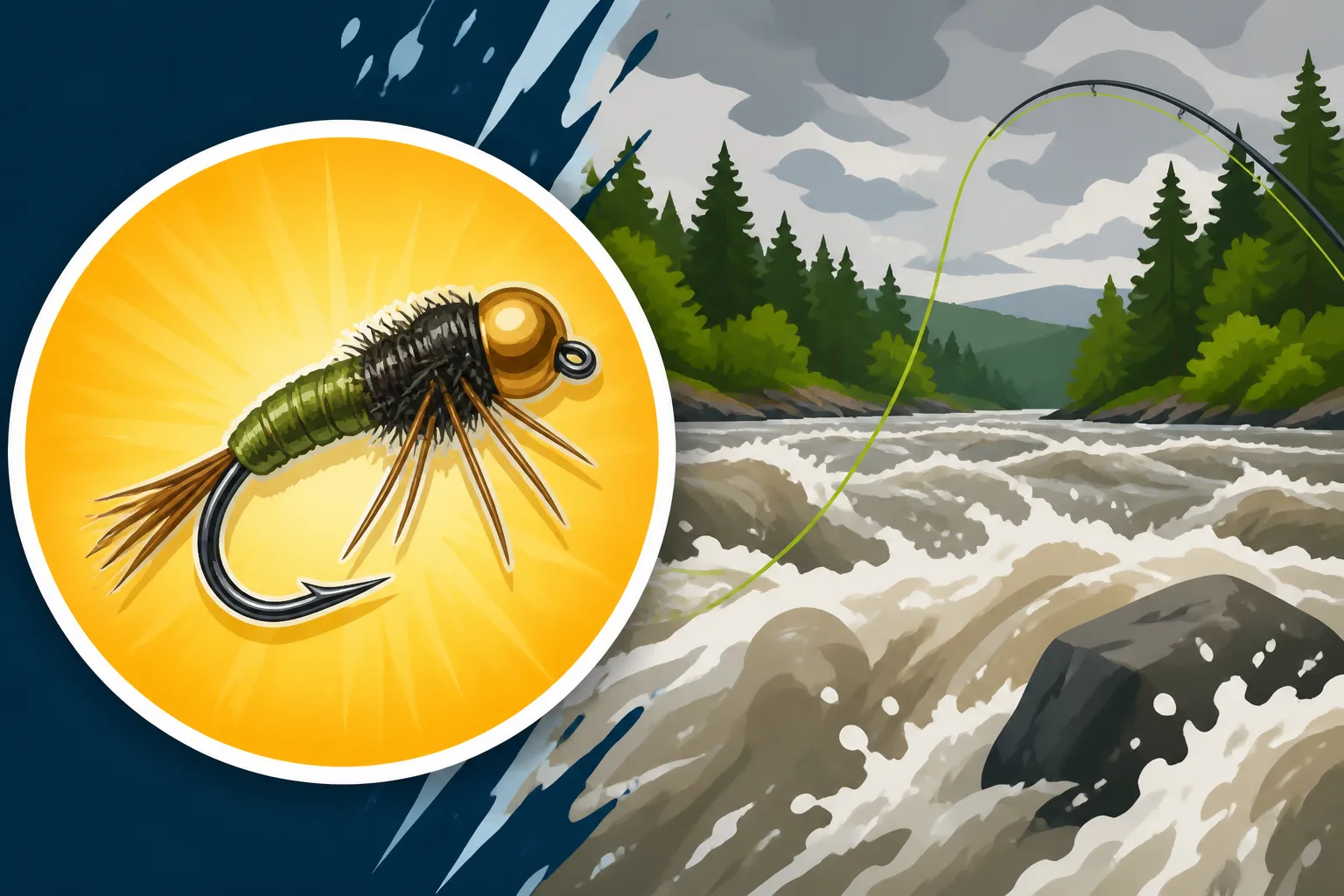
The absolute paramount characteristic for a high-water nymph is weight. If your nymph isn't getting down to the fish, you're just fishing unproductive water over their heads. This is where tungsten beads come into their own, offering significantly more weight than traditional brass beads for the same size. Many anglers will even go a step further, wrapping lead wire around the hook shank under the fly's body to add even more heft. We're talking heavy-duty here. A good rule of thumb is, if you think it's heavy enough, add more weight.
Beyond sheer weight, the nymph's profile becomes critical for visibility. In murky water, fish are primarily reacting to a silhouette. Larger, bulkier patterns create a more distinct profile that's easier for fish to see and detect. This doesn't necessarily mean longer, but certainly more robust. Think about patterns tied with natural, absorbent materials that create a slightly larger footprint in the water when wet. Darker colours like black, brown, olive, or even purples often create a stronger silhouette against a turbid backdrop. Conversely, very bright, flashy patterns can sometimes be too much or get lost in the churn; a defined, natural-looking silhouette often outperforms.
Durability and Action: Withstanding the Current
High water often means strong, abrasive currents filled with debris. Your nymphs are going to get dragged, scraped, and tested. There's nothing worse than tying on a perfect fly, only for it to unravel after a couple of drifts or snags. Look for patterns tied with robust materials that can take a beating. Synthetics and materials that shed water well tend to hold up better than delicate natural fibres. Epoxied heads, tightly wrapped bodies, and sturdy hooks are your friends.
The "action" of the fly refers to how it behaves in the water. In strong currents, a poorly tied or overly complex nymph can spin unnaturally, looking more like a propeller than a helpless insect. This can actively deter fish. Effective high-water nymphs tend to have a more streamlined profile that cuts through the water, allowing for a natural drift without excessive spinning. Patterns that incorporate soft, pulsating materials like rubber legs or marabou can offer subtle, lifelike movement even when drifting quickly, mimicking a struggling or disoriented aquatic invertebrate. The key is to look alive, not like a twirling piece of plastic.
| Nymph Pattern Type | Key Characteristics for High Water | Primary Target |
|---|---|---|
| Stonefly Nymphs | Heavy, large profile, rubber legs, durable. | Trout, especially larger ones. |
| Caddis Larva | Heavily weighted, segmented body, robust. | Trout, particularly in freestone rivers. |
| San Juan Worm | Soft, pulsating, vibrant colours, heavy. | Opportunistic trout, especially after rain. |
| Egg Patterns | Bright, visible, easily spotted, heavily weighted. | Spawning trout or those feeding on eggs. |
| Prince Nymph | Heavy bead, dark body, white biot wings, suggestive. | General purpose trout nymph. |
| Hare's Ear Nymph | Weighted, shaggy profile, natural tones, suggestive. | All trout species. |
Top Nymph Patterns for High Water in Ontario
Now that we understand why certain characteristics are important, let's dive into some of the specific patterns that consistently produce results when the rivers are raging in Ontario. These are patterns that have earned their stripes through countless tough days on the water.
Heavy Stoneflies and Caddis Larva Imitations
Stoneflies and caddis are tough insects, and their nymphs are staples in many Ontario trout streams. In high water, these become even more important. The powerful currents dislodge natural stonefly and caddis larvae from the streambed, sending them tumbling downstream, making them easy pickings for hungry trout.
Patterns like the Pat's Rubber Legs (sometimes called a Girdle Bug or simply a Rubber Leg Stone) are absolute heavy-water champions. They are inherently bulky, often tied with lead or tungsten under a segmented chenille body, and those rubber legs pulsate enticingly in the current. They mimic the large, clumsy movement of a dislodged stonefly, and their dark, often mottled colours provide excellent contrast in murky water. I've had incredible success with these fished deep in the slower seams of the Grand River, especially when paired with a heavy shot a foot or so above the fly. When you're searching for these, look for options from reputable fly tying material suppliers, available at places like Bass Pro Shops or even a well-stocked online fly shop.
Another fantastic option, though technically a worm imitation, is the San Juan Worm. While it doesn't mimic an insect, its soft, squishy body, often in vibrant reds or pinks, is incredibly effective in high water. The current gives it a lifelike wiggle, and its colour stands out dramatically in stained water. Fish see it as a substantial, easy meal – whether it's an earthworm washed in from the banks or just a protein-packed anomaly. You can get versions with bead heads for extra weight, which are a must for high flows. These are often tied on scud or caddis hooks and hold up surprisingly well despite their simple appearance. When conditions are truly "chocolate milk," a San Juan Worm can be your best friend.
Junk Flies and Attractors with Flash
Sometimes, trout aren't keying in on a specific insect. Instead, they're reacting to a general "food item" that's substantial and easy to spot. This is where "junk flies" or attractor patterns, especially those with a bit of flash, come into their own. They don't perfectly imitate anything, but they trigger a predatory response.
The Squirmy Wormy falls into this category, much like the San Juan Worm. Made from a super soft, stretchy, silicone-like material, it has an unparalleled action in the water. Even a slight current makes it writhe and wiggle in a way that trout simply can't ignore. While some purists shy away from them, their effectiveness in high, off-colour water is undeniable. Again, opting for bead-head versions will help you get it down quickly. Colours like red, pink, or even white can be deadly.
Egg patterns, like a simple Glo-Bug or an Otter's Soft Milking Egg, are also incredibly useful, particularly during periods when trout are spawning or when baitfish are active. They represent a concentrated burst of protein and are highly visible. When fished on a heavy leader with sufficient weight, they can be absolute magnets for opportunistic feeders.
Don't forget about slightly flashier versions of classic patterns too. A Prince Nymph with its distinct white biots and peacock herl body already has some built-in attraction, but a tungsten-bead version in a larger size can be a fantastic high-water choice. Even a heavily weighted Pheasant Tail Nymph with a pearl flash rib can sometimes get the job done, especially if there's still some clarity to the water. The subtle flash can catch the fish's eye from a distance in turbulent water.
Larger, Heavily Weighted Mayfly Nymphs
While stoneflies and "junk flies" often get the most attention in high water, don't overlook larger, heavily weighted mayfly nymphs. Many mayfly species, particularly the larger ones like the Hexagenia or large Callibaetis, have substantial nymphs that can be dislodged by strong currents. When they are swept downstream, they represent a significant meal.
Consider sizing up your typical mayfly nymph patterns. Instead of a size #16 or #18, reach for a #10 or #12. Key patterns like the Prince Nymph (mentioned earlier for its attractor qualities) or a beefy Hare's Ear Nymph can be very effective. The Hare's Ear, with its shaggy, buggy appearance, creates a good profile and texture that fish can detect even in poor visibility. Look for variations tied with tungsten beads and maybe a little extra lead wire wrapped on the hook shank.
Another good option is a Large Dark Hendrickson Nymph or a similar dark, robust pattern that mimics larger, darker mayfly species. These will often feature heavy bodies, sometimes ribbed with copper wire for added weight and durability. The key is that they need to sink quickly and present a substantial meal. Even if the fish aren't actively seeing a specific mayfly hatch, the general form and size of these larger nymphs, combined with the weight, can trigger strikes from hungry trout hunkered down in the slower water. Remember, in these conditions, size and weight often trump intricate detail.
Rigging and Presentation Strategies for High Water Nymphing
Having the right nymph patterns is only half the battle. You need to present them effectively, ensuring they get into the fish's strike zone and drift naturally. High water demands specific adjustments to your rigging and presentation.
Weighting and Indicator Setup
Getting your nymphs down quickly and keeping them there is absolutely critical in high water. This often means adding more weight than you'd typically use. If your nymphs aren't bead-headed, you'll almost certainly need to add split shot. Start with one or two larger pieces of soft lead shot (non-toxic, of course!) placed about 10-18 inches above your first nymph. Don't be afraid to experiment with more weight; if you're not occasionally tickling the bottom or getting snagged, you're probably not heavy enough. It's a balance, but erring on the side of heavy is usually better. Best Tippet Size for Stocked Trout isn't going to be your primary concern here; durability and turnover will be more important.
For indicator fishing, choose a larger, more buoyant indicator that can support the extra weight and remain visible in the choppy water. Football-shaped foam indicators or larger air-locked styles are great. Attach your indicator at a depth roughly 1.5 to 2 times the water depth you're targeting. So, if the water is 4 feet deep, you might set your indicator at 6-8 feet. This allows your nymphs to sink sufficiently and bounce along the bottom.
Many seasoned anglers also opt for tight-line nymphing (also known as Euro Nymphing) in high water. This technique involves using a longer, lighter rod, a specialized sighter leader, and no indicator. You maintain a direct connection to your flies, feeling for subtle strikes rather than seeing them. This is incredibly effective for maintaining depth and detecting strikes in complex currents, as it eliminates drag caused by a traditional indicator. Mastering How to Euro Nymph a Freestone Stream can significantly up your high-water game.
Reading the Water and Targeting Holding Lies
In high water, the fish aren't everywhere. They're concentrated in specific areas where they can conserve energy and still feed. Learning to "read the water" and identify these holding lies is paramount to success. Look for:
- Current Seams: These are the lines where fast water meets slow water. Fish often sit just inside the slower water, waiting for food to be swept past the seam from the faster current.
- Eddies and Back-currents: Areas where the water actually flows upstream or circles around are prime spots. Fish will tuck into these zones, expending minimal energy.
- Behind Large Structure: Big rocks, fallen trees, logjams, or bridge pilings create "current breaks" or "eddies" downstream. The fish will sit in these calmer pockets, out of the main flow.
- Deep Pools and Runs: While the surface might be turbulent, the bottom of deep pools often has slower currents. Fish will settle in these depths.
- Soft Water Along the Banks: Especially if there's overhanging vegetation or undercut banks, the water closer to the bank can be significantly slower. Food can also wash into these areas from the land.
Your presentation should focus on getting your weighted nymphs into these zones and maintaining a drag-free drift for as long as possible. Cast slightly upstream and across from your target, allowing the flies enough time to sink. Then, try to match the speed of the current with your rod tip, stripping in line only to eliminate slack, not to move the flies faster. Short, controlled drifts are often more effective than long, wild ones, allowing you to hit specific pockets multiple times.
Essential Gear for High Water Nymphing
Beyond the flies themselves, having the right supporting gear can make a huge difference in your effectiveness and, crucially, your safety when facing powerful, elevated flows.
Rods, Reels, and Line Selection
For high-water nymphing, you'll generally want a slightly heavier setup than you might use for delicate dry fly fishing. A 5-weight or even a 6-weight fly rod, typically 9 to 10 feet long, provides the backbone needed to cast heavy nymph rigs and handle larger fish in strong currents. The longer length helps with line control and mending, allowing for better drag-free drifts.
Your reel needs to be reliable, but it's largely a line-storage device for nymphing. What's more important is your fly line. A weight-forward fly line designed for nymphing or general freshwater use will help turn over those heavier rigs. Some lines have specialized tapers that excel at casting heavy nymphs, and these can be a great asset. Best Fly Rod Weight for Ontario Trout often falls into the 4-6 weight range, with the heavier end being more suitable for high-water conditions.
For your leader and tippet, consider bumping up a size. A 3X or 4X fluorocarbon tippet is often a good choice. Fluorocarbon sinks faster than monofilament and is less visible underwater, which can be an advantage in slightly clearer but still fast water. Its abrasion resistance is also a plus when your nymphs are bouncing along a rocky bottom. A heavier tippet allows you to really lean into snags and try to free your flies without breaking off immediately.
Wading Safety and Accessories
This is paramount: high water can be extremely dangerous. Never take unnecessary risks. Always err on the side of caution. If the water looks too fast, too deep, or too murky, it's simply not worth it.
- Sturdy Wading Boots: You need excellent traction. Felt soles are traditional and offer superior grip on slick, algae-covered rocks, though some regulations prohibit them in certain areas due to invasive species concerns. Rubber soles with studs or aggressively lugged patterns are a great alternative. Invest in a good pair that provides ankle support, which is critical when navigating uneven, swift-current bottoms. You can find excellent options from brands like Patagonia, Simms, or Orvis.
- Wading Staff: A collapsible wading staff is an absolute non-negotiable safety item for high-water wading. It provides a third point of contact with the bottom, helping you maintain balance and probe the depth and stability of the streambed ahead of you. It's a lifesaver, literally. If you don't have one, consider picking one up at your local tackle shop or online through retailers like Amazon.
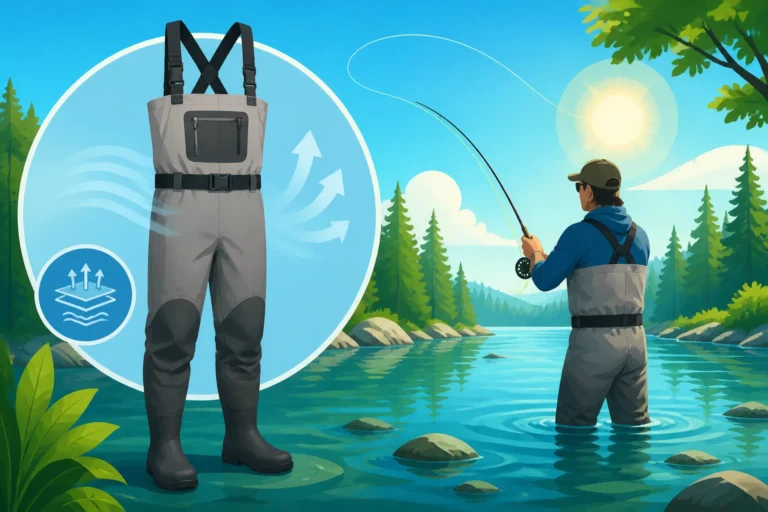
- Waders: Breathable chest waders are essential. They keep you dry and comfortable, which is key for staying warm in cold, high water. Look for durable, multi-layered options.
- Life Jacket/PFD: For truly fast or deep water, especially if you're alone or wading in areas with powerful currents, wearing a personal flotation device (PFD) is a smart, often overlooked, safety measure. It could save your life if you take an unexpected tumble.
- Buddy System: Never wade alone in sketchy high water. Always fish with a partner who can assist you if you get into trouble.
- Know Your Limits: Seriously, respect the water. If you feel uncomfortable or unsafe, get out. There will always be another day to fish.
Conclusion
High water conditions in Ontario's trout streams don't have to mean a wasted day on the water. With the right approach to nymph selection and presentation, you can still find incredible success. Remember to focus on heavily weighted, larger-profile patterns like Pat's Rubber Legs, San Juan Worms, or substantial bead-head Hare's Ears and Prince Nymphs. These flies get down to where the fish are holding and offer a visible, enticing meal in the murky currents.
Beyond the flies, adjusting your rigging with ample weight and understanding how to read the water for those crucial holding lies are paramount. And never, ever compromise on safety. A good pair of Best Wading Boots for Rocky Streams and a reliable wading staff are your best friends in swift currents. So, the next time Mother Nature throws a curveball of high water, instead of packing up, tie on a heavy nymph, adjust your mindset, and get ready for some exhilarating action!
Disclaimer
This article is for general informational purposes only and does not constitute professional advice. Laws, prices and regulations vary by location and change over time. Consult a qualified professional for guidance on your specific situation.