Best fly for a summer mayfly hatch
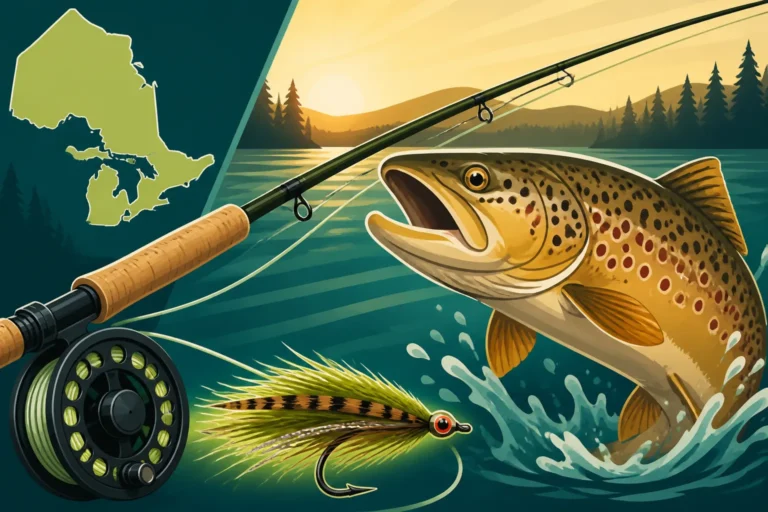
Summer in Ontario means longer days, warmer water, and for many fly anglers, the thrilling prospect of a significant mayfly hatch. But anyone who’s spent hours on a river, watching trout rise all around them only to refuse every fly presented, knows the deep frustration of not quite "matching the hatch." This guide is here to help you crack the code, offering a comprehensive look at how to identify, select, and present the best fly patterns to capitalize on those incredible summer mayfly emergences across Ontario.
Understanding Ontario's Summer Mayfly Hatches
There's nothing quite like the collective hum of thousands of mayflies fluttering above the water, or the rhythmic sips and splashes of trout rising to them. But to truly capitalize on these moments, you need a basic understanding of what's happening beneath and above the surface.
Common Mayfly Species and Their Emergence Patterns
Ontario's waters host a fantastic diversity of mayfly species, and recognizing the prevalent ones in summer is your first step to success. Different mayflies emerge at different times of the day, have distinct sizes, and boast unique colourations. For instance, the Ephemerella species, often referred to as Sulphurs, are relatively small (sizes 14-18) and typically a vibrant yellow or pale olive. They often hatch in the late afternoon or early evening, bringing fish to the surface in a frenzy. Imagine standing by a river like the Credit, watching trout finning just under the surface, occasionally breaking through to snatch a struggling Sulphur dun. That’s a sight to behold!
Then you have the larger Hexagenia species, famously known as Hexes. These giants (sizes 6-10) are the stuff of legends, often emerging at dusk or into the night, particularly on richer, slower-moving waters or even stillwater lakes. Their emergence can be truly explosive, with trout making huge, slurping takes as these large insects try to escape the water’s surface. Finally, smaller species like Caenis (sizes 20-24), sometimes called "Angler's Curses" due to their minuscule size, can hatch in dense clouds, making accurate imitation a true challenge, but also an incredibly rewarding one if you get it right. Understanding these species, their size, and their colour is paramount.
Each mayfly species also goes through distinct life stages: the nymph, living on the riverbed; the emerger, struggling to break through the surface film; the dun (subimago), which is the first winged stage, flying clumsily to streamside vegetation to mature; and finally, the spinner (imago), the sexually mature adult that returns to the water to mate and lay eggs, then falls spent onto the surface. Trout will key in on any of these stages, but often become incredibly selective about which stage they are feeding on at any given moment. This selective feeding is why having a range of patterns, from weighted nymphs to delicate spinners, is so crucial for any angler aiming for success on an Ontario trout stream.
Reading the Water: Signs of an Active Hatch
Being able to "read the water" is a skill developed over countless hours, but it’s absolutely vital during a mayfly hatch. The most obvious sign is, of course, rising fish. However, not all rises are equal. A subtle "sip" or "smirk" suggests trout are taking duns or spinners gently off the surface, indicating a need for delicate dry fly presentations. On the other hand, a more aggressive "splash" or "porpoise" might mean they’re feeding on emergers just below or in the surface film. Observing these subtle cues helps narrow down which stage of the hatch the fish are focused on.
Beyond the fish, look for physical evidence of the hatch itself. Scan the surface for empty nymphal shucks, the discarded skins of mayflies that have successfully emerged. These tell you what stage is transitioning and often what size and colour the fish are seeing. You might also see adult mayflies fluttering in the air, or even congregating over the water during a spinner fall. Pay close attention to their size, the primary colour of their body and wings, and how they are drifting or flying. If you see a lot of small, pale yellow insects, that’s your cue to start thinking about Sulphur patterns. Factors like changes in water temperature, sunlight intensity, and even sudden changes in weather can trigger or shut down a hatch, so always be observant.
Sometimes, the hatch is so prolific that the air above the river literally pulses with insects. In these moments, it's less about whether a hatch is active, and more about finding a fish that isn't already gorged. These visual cues, coupled with the feeding behaviour of the fish, are your most valuable intel on the water, guiding your fly selection and presentation. For those looking to delve deeper into the art of presenting these flies, our guide on Dry Fly Fishing Ontario Rivers offers more valuable insights.
Essential Fly Patterns for Matching the Mayfly Hatch
Having a well-stocked fly box with a variety of patterns is non-negotiable for summer mayfly hatches. Trout can be notoriously picky, and you’ll often need to cycle through several patterns to find what they’re truly keying in on. Think of your fly box as your arsenal, each fly a different tool for a specific situation.
Nymph Patterns: Getting Down to Business
Before, during, or even after a visible hatch, nymphs are often the unsung heroes. Many anglers focus solely on dry flies during a hatch, forgetting that a significant portion of a trout’s diet comes from subsurface insects. Fish often feed heavily on nymphs just before a hatch, as the insects become active and start drifting towards the surface. They might also switch back to nymphs if the hatch peters out or if weather conditions change, driving the adult insects back down. If you see fish rising sporadically or not at all, but know there's a hatch coming or recently passed, a nymph might be your best bet.
Classic nymph patterns like the Pheasant Tail Nymph and the Hare's Ear Nymph are incredibly versatile. The Pheasant Tail, with its slender profile and segmented body, mimics a wide range of mayfly nymphs. You can tie it weighted for faster water or lightly weighted for slower, shallower runs. The Hare's Ear, with its shaggy, buggy appearance, is another fantastic generalist, suggesting a larger, more robust mayfly nymph. The Prince Nymph is also a great option, particularly for imitating heavier, darker nymphs. When using nymphs, pay attention to the water depth and current speed. You might need to vary the weight of your nymphs or add small split shot to ensure your fly is drifting at the same depth as the natural insects. Sometimes, simply bumping the bottom with your fly is exactly what's needed to trigger a strike. For more specific patterns, our article on Fly Patterns for Ontario Trout Streams can be an excellent resource.
Emerger and Cripple Patterns: The In-Between Stage
This is arguably the most crucial category for matching a summer mayfly hatch, yet it's often overlooked by less experienced anglers. Trout are highly opportunistic, and few stages of an insect's life are as vulnerable as the emerger, struggling to shed its nymphal shuck and break free of the surface tension. Cripples, those unfortunate insects that get trapped in the surface film or can’t fully emerge, are equally tempting targets. Fish often expend less energy on these easy meals, resulting in those subtle, deliberate rises. If you're seeing fish rise but they're refusing your perfect dry fly presentation, chances are they're keying in on emergers or cripples.
Patterns like the CDC Emerger are incredibly effective. The lightweight CDC (cul de canard) feathers create a realistic shuck and help the fly suspend perfectly in the surface film, mimicking a struggling insect. The Sparkle Dun is another excellent choice, designed to imitate a dun with its shuck still attached, representing that vulnerable "half-in, half-out" stage. And for those truly difficult fish, a Compara-dun with its sparse deer hair wing and shuck can be deadly. When fishing these patterns, presentation is critical; you want a drag-free float that looks like an insect genuinely struggling. These flies often require a slightly different cast or mend than a fully floating dry fly, allowing them to hang just right in the surface. This is where a delicate touch and understanding of Wading Techniques for Ontario Trout Streams can make a real difference.
Dry Fly Patterns: The Classic Match
Ah, the dry fly. There's a special magic in watching a trout rise and confidently take your carefully presented dry fly. When mayflies have fully emerged and are riding high on the surface as duns, this is your moment. The key here is imitation – not just of the insect itself, but of its behaviour. A dun typically drifts with the current, sometimes twitching its wings, before flying off to streamside vegetation.
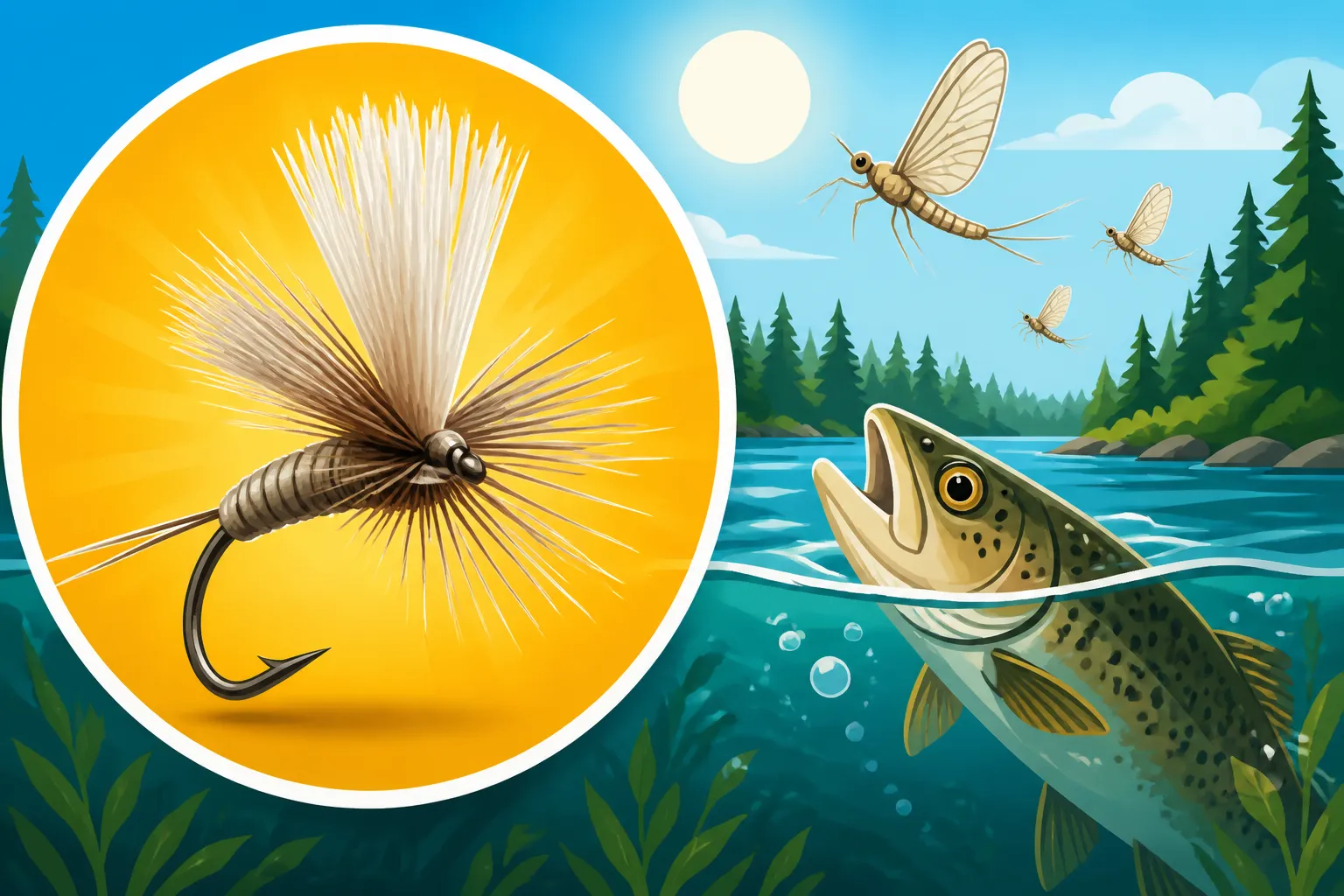
For summer mayfly hatches, patterns like the Parachute Adams are workhorses. While not an exact imitation of any single species, its grey body and white parachute post effectively mimic the profile and visibility of many mayfly duns from a trout's underwater perspective. If you've got a specific hatch going, like a Sulphur hatch, then a Sulphur Dun pattern in the appropriate size (often a size 14 or 16) and colour (pale yellow to olive) will be far more effective. For larger hatches like the Hexes, you'll need something substantial – think large, bushy patterns in sizes 6-10 with a prominent wing profile. You can often find a fantastic selection of these specific patterns at specialty fly shops, or even online retailers like Bass Pro Shops or Amazon if you know exactly what you're looking for. The trick with dry flies is to always match the size and colour of the natural insects as closely as possible, ensuring your presentation is impeccable.
Spinner Patterns: The Final Act
After mating, adult mayflies, now called spinners, return to the water to lay their eggs. Exhausted, they fall onto the surface, often with wings splayed, forming what’s known as a "spinner fall." These events can be just as, if not more, prolific than a dun hatch, and trout will often switch their feeding focus entirely to these easy, protein-rich meals. Spinner falls typically occur during specific times, often at dusk or dawn, and can be incredibly intense, leading to some of the most memorable fishing experiences.
The classic Rusty Spinner is a must-have in your fly box for summer mayfly hatches. Its rusty-brown body and splayed wings perfectly imitate many spent mayfly species. For lighter-coloured spinners, a White Wulff or a similar pattern with a pale body and white wings can be highly effective. The key to fishing spinners is presentation on calm, flat water. Spinners often gather in eddies or slow-moving slicks, making for challenging, precise casting. A drag-free drift is absolutely paramount, as trout in these situations can be incredibly discerning. Imagine a glassy section of the Grand River at dusk, littered with spent mayflies, and the deliberate, unhurried sips of large brown trout. That's the scenario for a spinner pattern. For holding a diverse collection of these delicate flies, a quality Best Fly Boxes for Trout Streams is invaluable.
Strategies for Success: Beyond Just the Fly
Having the right fly is a massive part of the equation, but it’s only one piece of the puzzle. How you present that fly, your overall approach, and even the gear you choose can make or break your day on the water, especially when dealing with selective trout during a summer mayfly hatch.
Size, Shape, and Color: The Golden Rules
When trout are feeding on a specific hatch, they often become incredibly focused on the tiny details. This is why "matching the hatch" isn't just a catchy phrase; it's a fundamental principle of fly fishing. The three golden rules are: size, shape, and colour. First, size is paramount. If the natural mayflies are a size 14, and you're throwing a size 10, even a perfect imitation of colour and shape will likely be refused. Carry a range of sizes for each key pattern. Secondly, shape or profile. Trout look up at insects silhouetted against the sky. A high-riding dun looks very different to a trout than a low-riding emerger or a spent spinner. Your fly needs to replicate that silhouette accurately. Finally, colour. Mayflies can range from pale yellow to dark olive, rusty brown to almost black. Get the colour wrong, and even if the size and shape are perfect, you might struggle.
Imagine you're on a productive stream like the Credit River, and you see trout steadily rising. You've identified a light olive dun hatching, roughly a size 16. You tie on your size 16 Parachute Adams, but the fish keep refusing it. Why? Perhaps they are keying on the slightly more yellowish hue of the natural, or maybe they want an emerger profile, not a fully emerged dun. This is when you start experimenting: switch to a size 16 Sulphur Dun, or a size 16 CDC Emerger with a slightly more olive body. Sometimes, it’s the smallest tweak that makes all the difference. Don't be afraid to change flies frequently if you're getting refusals.
Here’s a quick reference for common summer mayfly characteristics and suggested patterns:
| Mayfly Species | General Size Range | Typical Summer Color | Recommended Fly Patterns (Dry/Emerger/Nymph) |
|---|---|---|---|
| Sulphurs | #14 – #18 | Pale Yellow, Olive | Sulphur Dun, Sparkle Dun, Pheasant Tail Nymph |
| Isonychia | #12 – #14 | Dark Brown, Rusty | Isonychia Dun, Rusty Spinner, Prince Nymph |
| Hexagenia | #6 – #10 | Yellow, Tan, Olive | Hex Dun, Hex Spinner, Hex Nymph |
| Ephemerella | #14 – #20 | Olive, Brown | Blue-Winged Olive, CDC Emerger, Hare's Ear Nymph |
| Caenis | #20 – #24 | White, Pale Grey | Caenis Spinner, Parachute Adams (small) |
Presentation is Key: Drifts and Drag-Free Floats
Even with the perfect fly, a poor presentation will guarantee refusal. For dry fly fishing, the mantra is "drag-free drift." A natural insect drifts downstream at the exact speed of the current. If your fly line or leader creates any tension on your fly, causing it to skate or pull unnaturally, trout will almost instinctively refuse it. This "drag" is one of the biggest challenges for beginner and experienced anglers alike.
Achieving a drag-free drift often involves casting slightly upstream and "mending" your line – lifting and repositioning it in the air or on the water – to allow the fly to float naturally. Different casting angles and techniques, like reach casts or parachute casts, can help deliver your fly with minimal line disturbance. On complex currents, where seams of fast and slow water meet, mending becomes an art form. Your leader and tippet choice also play a role; longer, finer leaders allow for more natural drifts and are less likely to spook wary trout. For more technical waters, a longer fly rod can help manage line and achieve better drifts. Learning to present your fly effectively is a skill that takes practice, but it's arguably more important than the specific fly pattern itself when fish are being selective.
Gear Considerations for Mayfly Hatches
While the focus is on flies, having the right supporting gear dramatically improves your chances. A lightweight, moderate-action fly rod (a 3 or 4-weight is ideal for most trout streams in Ontario) allows for delicate presentations and protects fine tippets. Paired with a matching fly reel and a floating fly line, you have the basic setup. However, it's your leader and tippet that truly matter for summer mayfly hatches. You'll want a longer leader, typically 9 to 12 feet, tapered down to a fine tippet (5x, 6x, or even 7x for the smallest flies) to ensure a subtle entry and drag-free drift.
Beyond the rod, a good pair of polarized sunglasses will help you spot rising fish and identify submerged structure. A high-quality vest or pack is essential for carrying your collection of flies, tippet spools, and other accessories. Remember to always carry a landing net, especially when targeting larger trout on light tippet, to ensure a quick and safe release. Many anglers prefer nets with rubberized mesh, as it's gentler on fish and prevents hooks from tangling. If you're looking to upgrade your setup, you can find a wide range of fly fishing gear at retailers like Bass Pro Shops, or browse for specific items and deals on Amazon. Having a dedicated setup for these delicate presentations will make your time on the water much more enjoyable and productive.
Local Ontario Mayfly Hatch Hotspots and Timing
Ontario is a vast province with a diverse range of fishing environments. Mayfly hatches will vary significantly between a small, cold brook in Northern Ontario and a warmer, nutrient-rich river in the south. Knowing where and when to expect these hatches can give you a significant advantage. The Best time of year to fish in Ontario broadly covers this, but let's dive into specifics for mayflies.
Southern Ontario Trout Streams
Southern Ontario is home to some fantastic trout streams that experience impressive summer mayfly hatches. The Grand River, particularly its upper reaches and tributaries, is renowned for its diverse insect life. Here, you'll find everything from Sulphurs to various Hendrickson and March Brown analogues throughout the warmer months. Anglers frequenting these waters often report strong evening hatches in July and August. The Best fly fishing rivers in Ontario often highlights the Grand for good reason.
The Credit River and Nottawasaga River are also prime locations, offering excellent opportunities for matching mayfly hatches. These rivers, fed by spring creeks, maintain cooler temperatures critical for trout survival and insect emergence. On these streams, you might encounter smaller, more delicate hatches of Blue-Winged Olives (BWOs) or tiny Caenis, which demand the utmost in stealth and delicate presentations. Knowing the specific regulations for these waters, including any special regulation zones, is also key. Always check the current Ontario Fishing Regulations Explained before heading out. Sometimes these southern rivers can be challenging due to fishing pressure, making observation and precise imitation even more critical.
Northern Ontario and Crown Land Waters
Venturing north into Ontario’s vast wilderness opens up a completely different fly fishing experience. While perhaps not as densely populated with specific "named" hatches as their southern counterparts, the cold, pristine waters of Northern Ontario and the many Best Crown Land Fishing Lakes in Ontario still offer incredible opportunities for mayfly fishing. Here, hatches tend to be more sporadic but can be equally intense. Lake-dwelling mayflies, especially the Hexagenia species, can provide phenomenal fishing on certain lakes at dusk, bringing large brook trout and lake trout to the surface.
In these more remote environments, the trout often face less fishing pressure, and while they might still be selective, they can be a bit more forgiving of slight imperfections in your fly or drift. Generalist patterns like the Parachute Adams in a range of sizes, along with Hare's Ear and Pheasant Tail nymphs, will serve you well. Many of these waters are protected, with specific rules regarding access and fishing methods. It's always wise to familiarize yourself with Ontario wild trout waters regulations or any other specific area guidelines. The beauty of northern fishing is the sheer solitude and the chance to experience a truly wild hatch, far from the crowds. While specific timing can be harder to predict without local knowledge, generally, July and August are prime months for these northern hatches, often peaking in the cooler evenings.
Disclaimer
This article is for general informational purposes only and does not constitute professional advice. Laws, prices and regulations vary by location and change over time. Consult a qualified professional for guidance on your specific situation.