Best Time of Year to Fish in Ontario
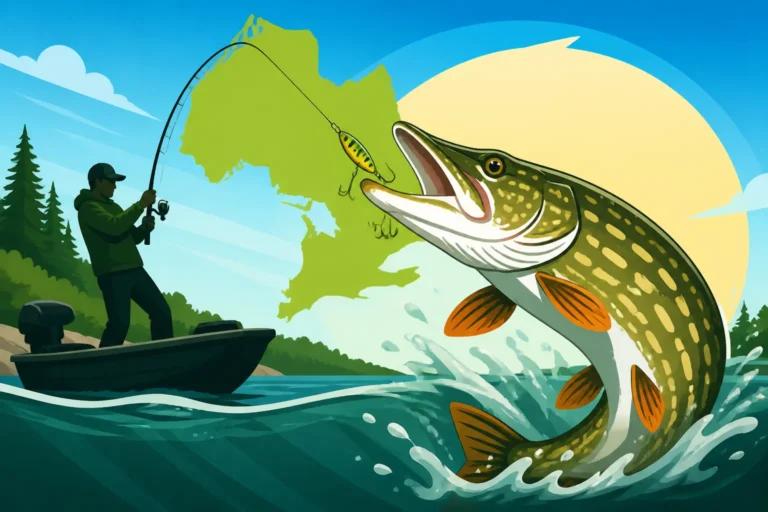
Ah, the age-old question that plagues every angler's mind when planning a trip to our vast and beautiful province: "When is truly the best time of year to fish in Ontario?" It’s not just about picking a random weekend; it's about understanding the complex dance between species, seasons, water temperatures, and regulations. It can feel like a riddle wrapped in an enigma, especially with so many diverse lakes and rivers. This guide will cut through the confusion, helping you understand the seasonal patterns and prime windows for various species across our incredible province, so you can maximize your chances of a successful and enjoyable outing.
Understanding Ontario's Fishing Seasons: A General Overview
Ontario's sheer size and diversity mean that "fishing season" isn't a single, monolithic entity. From the icy expanse of a northern lake in February to the warm, shallow bays of Lake Erie in August, the province offers a constantly evolving fishing landscape. Trying to pin down one "best" time is like trying to catch a fish with your bare hands – nearly impossible and often disappointing if you don't know what you're doing. Instead, it's more productive to think in terms of optimal periods for specific species and regions. Every season, with its unique environmental cues, triggers different behaviors in fish, making certain times of the year undeniably better for targeting particular species.
The Rhythmic Cycle of Nature and Fish Behavior
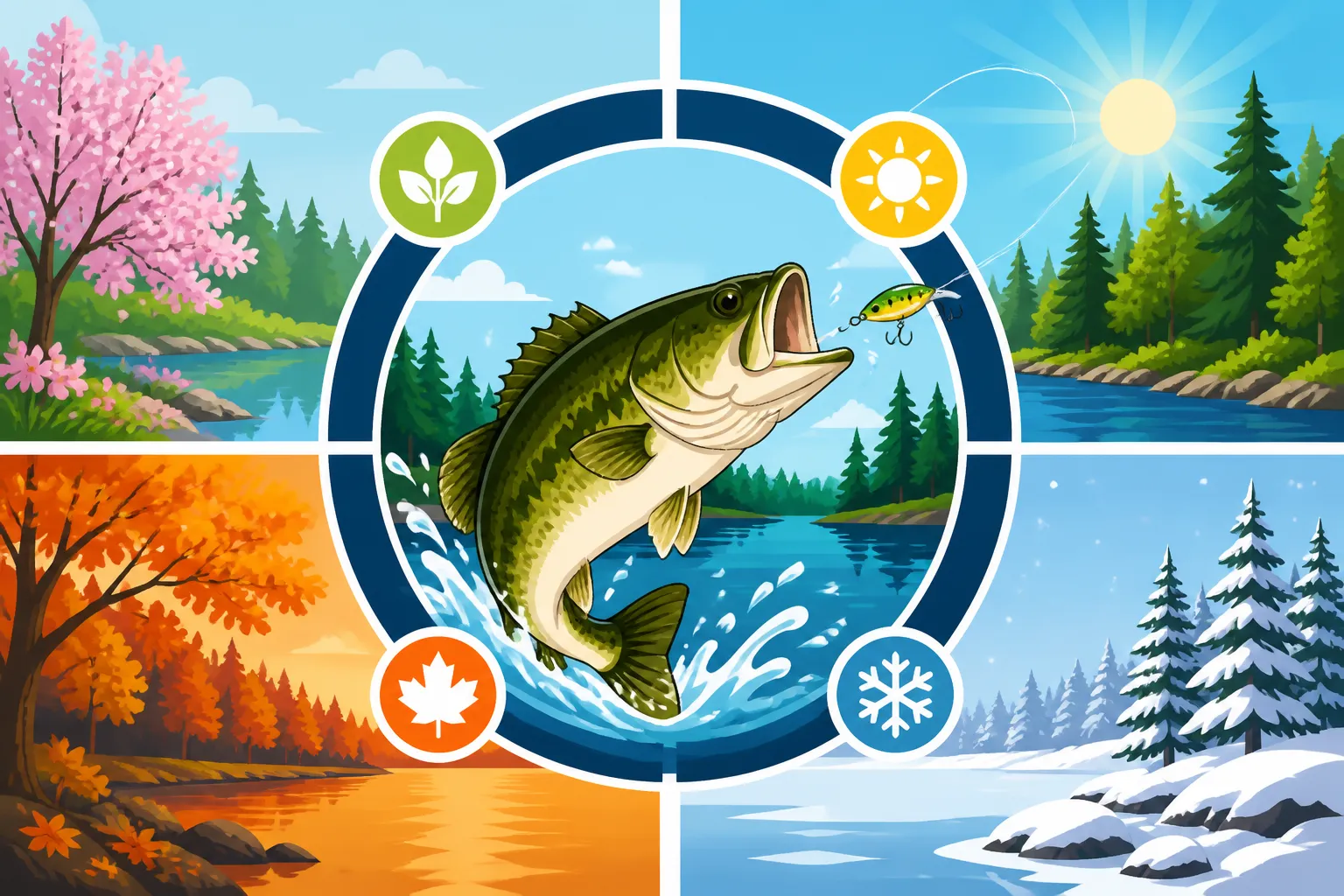
Fish are creatures of instinct, deeply tied to the rhythms of nature. Water temperature is perhaps the most critical factor, dictating everything from metabolism and feeding aggression to spawning activities. As the ice melts and waters begin to warm in spring, many species become incredibly active, recovering from a long winter and preparing to spawn. This pre-spawn and immediate post-spawn period often presents some of the most phenomenal fishing opportunities. Then, in the heat of summer, fish may retreat to deeper, cooler waters, or become more active during dawn and dusk. Fall brings another surge of activity as fish gorge themselves in preparation for winter. Even winter, under a blanket of ice, has its own unique patterns, offering a peaceful and often productive ice fishing experience for those brave enough to embrace the cold. Understanding these natural cycles is the first step to becoming a more successful angler in Ontario.
How Regulations Shape Our Fishing Calendar
Beyond natural cycles, the Ontario Ministry of Natural Resources and Forestry (MNRF) plays a significant role in defining when we can and cannot fish for certain species. These regulations are designed to protect fish populations, particularly during vulnerable spawning periods, and ensure sustainable fishing for future generations. Ignoring them isn't just irresponsible, it can lead to hefty fines as outlined in topics like Fishing Without a License in Ontario: Penalties. Each of Ontario's 20 Fisheries Management Zones (FMZs) has its own specific rules regarding open and closed seasons, as well as catch and possession limits. This means that while walleye might be open in FMZ 13 in May, they could still be closed in FMZ 18. It’s crucial to consult the official Ontario Fishing Season Dates by Zone for the specific zone you plan to fish. These regulations often dictate when the "best" time to fish for a particular species actually is, as even if fish are active, if the season is closed, you can't legally target them. Always check the current Ontario Fishing Regulations Explained summary before heading out.
Spring Fishing: The Awakening Waters (Ice-Out to Early June)
Spring in Ontario is a time of incredible transformation. As the ice grip loosens and the sun's warmth penetrates the water, the underwater world springs to life. This period, generally from April through early June, is characterized by rapidly changing conditions, from frigid meltwater to increasingly comfortable temperatures. Fish that have been relatively dormant under the ice suddenly become active, driven by hunger and the impending urge to spawn. This is a prime time for many species, offering some of the most explosive fishing of the entire year. However, it also demands adaptability, as conditions can shift dramatically from week to week, or even day to day.
Early Season Walleye and Pike Frenzy
The period immediately following ice-out is legendary for walleye and northern pike. Walleye, in particular, become highly concentrated as they move into shallow rivers, creeks, and rocky shoals to spawn. Once the spawning ritual is complete, they remain in these shallow, warming areas, feeding aggressively to regain energy. The Ontario Walleye Opener Dates by Zone are eagerly anticipated by anglers across the province, with many marking their calendars for the third Saturday in May when many zones open. Similarly, northern pike, known for their aggressive nature, are also very active post-spawn. They frequent shallow, weedy bays and warm flats, ready to ambush unsuspecting baitfish. Light coloured jerkbaits, spoons, and spinnerbaits cast into these areas can lead to some incredible action. This is the time when even a novice angler can hook into some significant fish, as their feeding windows can be prolonged and their strikes ferocious.
Pre-Spawn Bass Opportunities
While the official bass opener often falls later in June (check the Ontario Bass Opener Dates by Zone), the pre-spawn period for both smallmouth and largemouth bass offers incredible opportunities where catch-and-release is permitted, or after the season opens in your zone. As waters warm into the 50s and 60s Fahrenheit (10-18°C), bass move into shallower areas to stage for spawning. Smallmouth bass will cruise rocky points and transition areas, while largemouth bass prefer the cover of weeds, fallen timber, and docks in shallower bays. They are often incredibly aggressive at this time, looking to bulk up before the energy-intensive spawning process. Soft plastic jerkbaits, jig and trailer combos, and slow-rolling spinnerbaits are highly effective. For those keen on understanding How to Catch Smallmouth Bass in Ontario this time of year, focusing on structure near spawning grounds is key. However, remember that targeting bass during their closed season, even for catch-and-release, is illegal in many areas, so always verify local regulations.
Trout Action in Cold Waters
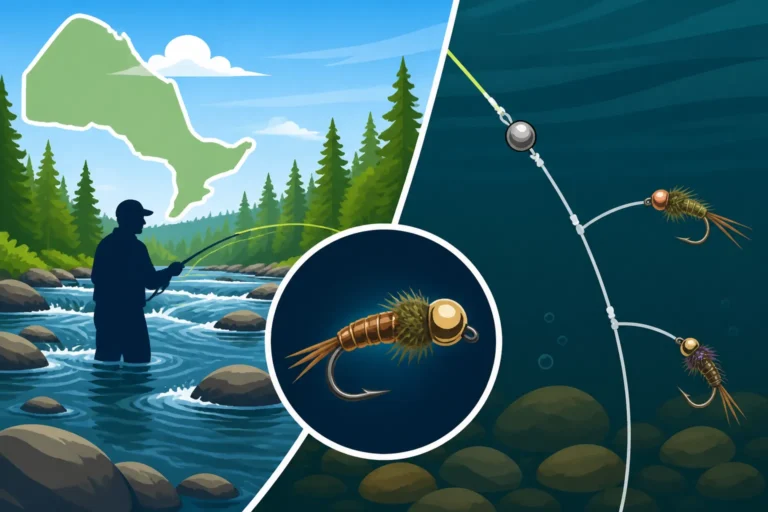
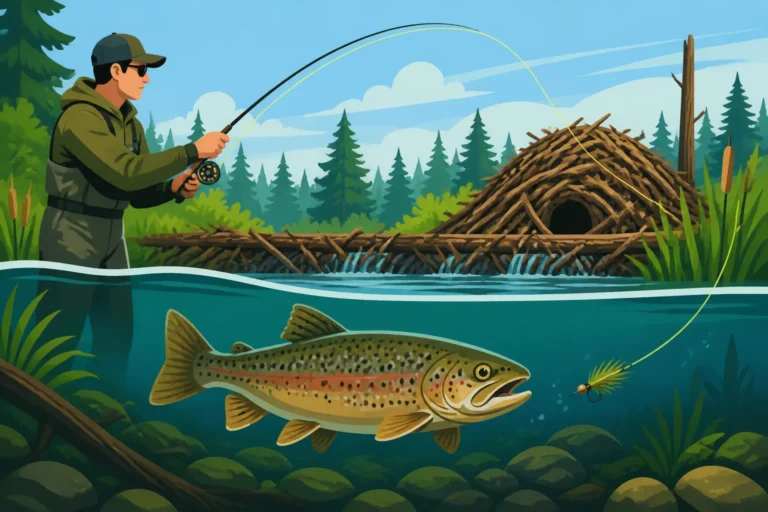
Spring is synonymous with trout fishing in Ontario. As ice recedes, brook trout, rainbow trout, and brown trout become highly active in rivers, streams, and many cold-water lakes. Rivers swell with snowmelt, offering prime conditions for fly fishing or casting small spinners and spoons. Native brook trout in particular, found in pristine wilderness lakes and cold spring-fed streams (often explored further in Brook Trout in Ontario's Crown Land Lakes), become very accessible as they feed voraciously. This is a magical time for fly anglers, as early insect hatches begin, bringing trout to the surface. For those interested in Fly Fishing for Trout in Ontario, spring is arguably the best time to hit the rivers. Stocked lakes also see a surge of activity immediately after ice-out, offering good opportunities for shore anglers. The cold, oxygenated water makes trout incredibly spirited fighters, providing an exhilarating experience for anglers of all skill levels.
Summer Fishing: Warm Waters and Peak Activity (June to August)
Summer in Ontario is a vibrant period, characterized by warmer water temperatures and longer daylight hours. While the initial frenzy of spring might subside for some species, summer offers consistent action and the chance to target a wide variety of fish. This is when the lakes and rivers are at their busiest, with cottages buzzing and boats dotting the waterways. The key to summer success often lies in understanding how fish adapt to the heat, moving to deeper, cooler waters or becoming more active during low-light conditions. It's a time for exploring different techniques and enjoying the full beauty of Ontario's outdoors.
Consistent Walleye and Bass Bites
Once the walleye and bass seasons are fully open across the province, summer provides steady action, though the tactics often shift from spring. Walleye, after their post-spawn recovery, will typically move to deeper structures like humps, points, and transition areas, especially during the heat of the day. Trolling with crankbaits, bottom bouncing with worm harnesses, or vertical jigging over structure are popular and effective methods. For specific tips on How to Catch Walleye in Ontario in warmer months, consider targeting them at dawn, dusk, or even at night when they move shallower to feed. Bass, both smallmouth and largemouth, are also highly active throughout the summer. Smallmouth can be found on rocky shoals, offshore humps, and current breaks in rivers. Largemouth will hold tight to heavy cover like lily pads, weed beds, and fallen trees. Topwater lures, jigs, and soft plastics fished around these structures can yield exciting strikes. For those exploring Lake Erie Fishing Guide or Lake Simcoe Fishing Guide, summer offers some of the best opportunities for these species.
Deepwater Lake Trout Strategies
Summer is prime time for chasing lake trout, especially in the deeper, colder lakes of Northern Ontario. As surface waters warm, these cold-water predators retreat to the depths, often suspending over deep basins or relating to deep underwater structures. Targeting them requires specialized techniques such as downrigging with large spoons or stickbaits, or deep-water jigging with heavy spoons and tube jigs. Finding the thermocline – the layer where water temperature changes rapidly – is often key, as lake trout will congregate along this comfortable band. While it can be a challenging endeavor, the reward of a powerful, chrome-sided lake trout from the abyss is well worth the effort. For insights into How to Catch Lake Trout in Ontario, focusing on depth and bait presentation during the summer is critical. A good quality fish finder becomes an indispensable tool, helping you locate both the fish and the underwater topography they relate to. Many anglers source their specialized deep-water lake trout gear from retailers like Amazon for convenience.
Muskie and Pike in Weedlines
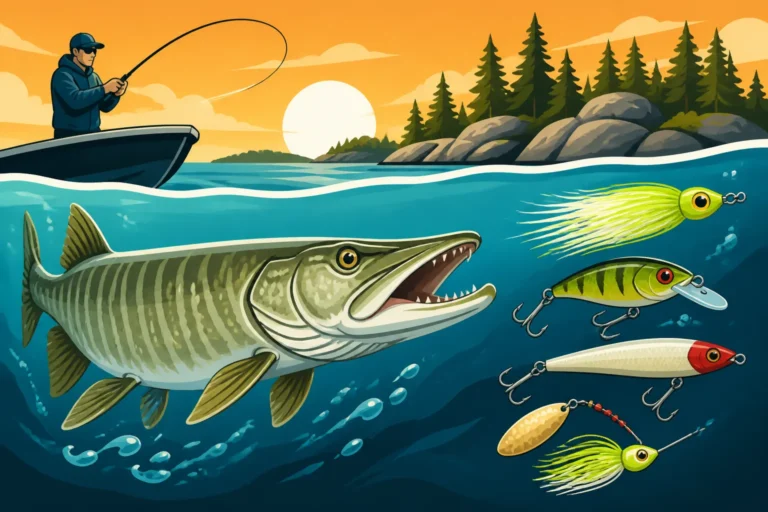
The warmer waters of summer energize muskie and northern pike, making them aggressive apex predators. These toothy critters patrol the edges of extensive weed beds, rocky points, and submerged timber, waiting for prey. Summer is a fantastic time for targeting muskie, often considered the fish of 10,000 casts, as they are actively feeding. Large bucktails, glide baits, topwater lures, and magnum crankbaits cast or trolled along prime ambush points can trigger explosive strikes. For specific guidance on How to Catch Muskie in Ontario during the summer, focus on covering water efficiently and presenting large, enticing baits. Pike, while perhaps not as elusive as muskie, also offer fantastic summer fishing. They will readily hit spoons, spinnerbaits, and soft plastics retrieved quickly over and around weed beds. Both species are powerful fighters, providing exhilarating battles on appropriate heavy-duty gear. Don't forget your steel leader when targeting these formidable fish!
Fall Fishing: The Feeding Frenzy (September to Ice-On)
As the vibrant colours of autumn sweep across Ontario, a profound shift occurs in the fishing world. Water temperatures begin to cool, signaling to fish that winter is approaching, and they respond by entering a prolonged feeding frenzy. This period, from September until the first significant ice forms, is often considered by many experienced anglers to be the absolute "best time of year to fish in Ontario" for trophy-sized fish and consistent action across a multitude of species. The crowds of summer dissipate, and the crisp air combined with aggressive fish makes for an unforgettable angling experience.
Trophy Walleye and Lake Trout Pursuits
Fall is an undisputed champion for trophy walleye and lake trout. As waters cool, walleye migrate from their summer deep-water haunts back to shallower feeding flats, rocky points, and river mouths. They become incredibly aggressive, trying to pack on as much weight as possible. This is the prime time for targeting giants on famed waters like the Bay of Quinte for its renowned walleye fishery. Trolling large crankbaits, jigging deeper edges, or casting lipless crankbaits can be incredibly effective. Similarly, lake trout move shallower as the entire water column cools, often appearing in depths they wouldn't touch in summer. They also begin their spawning preparations, making them active and accessible. Trolling with large spoons or stickbaits, or casting heavy jigs to rocky points and humps, can yield some truly massive lakers. This is when an angler's dream of a personal best often becomes a reality.
Aggressive Muskie and Pike Action
If you're serious about muskie, fall is your season. The "fall bite" for muskie is legendary, attracting dedicated anglers from far and wide. As temperatures drop and weed beds begin to die off, muskie concentrate around remaining cover and deep structure. They are driven by an insatiable hunger, often feeding on large baitfish like cisco and whitefish. Huge bucktails, large soft plastic swimbaits, and glide baits are the weapons of choice. Many anglers also find success trolling oversized crankbaits over deep water. This is a game of patience and perseverance, but the rewards can be truly monumental – a muskie of a lifetime. Pike also exhibit similar pre-winter feeding patterns, becoming incredibly aggressive and often larger than their summer counterparts. Targeting them with large spoons, swimbaits, or even dead baits under a float in shallow, dying weed beds can be highly effective. The fierce strikes of a fall pike are something to behold.
Stream Trout on the Move
Fall is also a prime season for stream trout, particularly for targeting larger brown trout and brook trout. As water temperatures cool and many streams receive fall rains, trout become more active and less spooky. Brown trout in particular make their upstream spawning migrations, offering fantastic opportunities for fly anglers. Nymphing, swinging streamers, and even dry fly fishing during sporadic fall hatches can all be productive. It’s also a beautiful time to be on the water, surrounded by the vibrant colours of the changing leaves. Many anglers enjoy pursuing trout in the Best Fly Fishing Rivers in Ontario during this time. Checking local regulations for specific stream closures during spawning periods is always recommended, but where open, fall offers a truly special trout fishing experience, often away from the summer crowds.
Winter Fishing: Ice Angling Adventures (December to March)
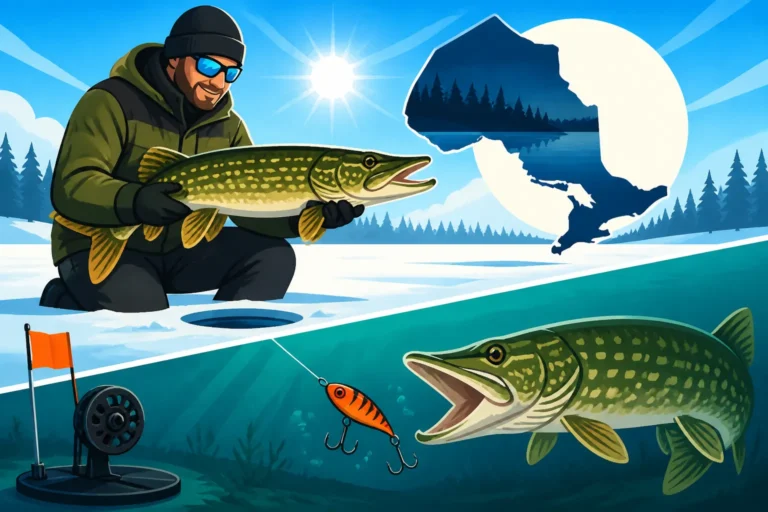
For many, winter means packing away the gear, but for a dedicated and growing community in Ontario, it signals the start of prime ice fishing season! From roughly December to March, when the ice is safe and thick (always check conditions, as covered in topics like How thick ice needs to be to fish safely in Ontario), a whole new world of angling opens up. Ice fishing offers a unique, social, and often highly productive way to target a variety of species. It's about adapting to the cold, embracing simpler techniques, and finding the fish under a blanket of white.
Perch and Panfish Bonanza
If you're looking for consistent action and delicious table fare through the ice, then yellow perch, crappie, and bluegill are your go-to species. These panfish are abundant in many Ontario lakes and are typically found in large schools, making them relatively easy to locate and catch. Light tackle, small jigs tipped with wax worms, minnows, or plastic baits, are incredibly effective. When you find a school, the action can be non-stop! Famous lakes like Lake Simcoe are renowned for their jumbo perch ice fishery, attracting thousands of anglers each winter. This is also a fantastic way to introduce new anglers, especially kids, to the joys of fishing, as the bites are frequent and the fish are fun to catch. You can easily find suitable ice fishing tackle like tiny jigs and small spoons on Amazon, delivered right to your door.
Ice Fishing for Walleye and Pike
While panfish offer quantity, walleye and pike provide the thrilling challenge of larger fish through the ice. Walleye can be found relating to deep structure, transition areas, or even shallower feeding flats, particularly during low-light conditions at dawn and dusk. Jigging spoons, lipless crankbaits, and tip-ups set with live or dead minnows are popular and effective methods. The anticipation of a flag flying on a tip-up, signaling a cruising walleye or pike, is an exhilarating part of the experience. Northern pike, with their aggressive nature, are also excellent targets through the ice. They often cruise weed edges and shallower bays, readily hitting larger jigging spoons, dead baits, or even large live minnows on tip-ups. Ice fishing for these species, as detailed in our comprehensive Ice Fishing in Ontario guide, requires patience, good electronics to locate fish and structure, and proper safety gear for the cold conditions.
Targeting Deepwater Lake Trout Through the Ice
For the ultimate winter challenge, many anglers head north to target lake trout through the ice. Similar to summer, these powerful fish inhabit deep, cold waters, but the ice provides direct access to their haunts. Heavy jigging spoons, tube jigs, and specialized deep-water baits dropped directly over marked fish or deep structure can entice strikes. Locating them often involves drilling many holes and using a good portable fish finder to scan the depths. When you hook into a lake trout through a small ice hole, the ensuing battle can be absolutely incredible, testing your tackle and your stamina. Many remote northern lakes offer truly pristine lake trout ice fishing experiences for those willing to venture out.
Factors Influencing the Best Time to Fish
While the general seasonal patterns provide a great framework, several other critical factors constantly influence the "best" time to fish. Ignoring these can lead to frustration, even during peak season. A successful angler in Ontario learns to read the conditions, adapt their approach, and understand that every day on the water is a new puzzle to solve. This nuanced understanding is what separates consistent success from sporadic luck.
Weather Patterns and Water Temperature
The weather dictates everything. Air temperature, cloud cover, wind, and precipitation all play a role in fish behavior. A sudden cold front can shut down a bite, making fish lethargic, while a stable period of warm, overcast weather can ignite a feeding frenzy. But perhaps the single most important factor is water temperature. Each species has an optimal temperature range for feeding and comfort. For example, walleye become more active as water temperatures climb into the 50s and 60s Fahrenheit (10-18°C), while lake trout prefer much colder water. Understanding how to read a thermometer and correlate it with target species preferences is a game-changer. Sunny days might push fish deeper, while overcast conditions often bring them shallower. Strong winds can create current and concentrate baitfish, leading to hot bites, but can also make boat control difficult.
Species-Specific Spawning Cycles
Spawning is perhaps the most significant biological event in a fish's year, and it profoundly impacts fishing opportunities. As mentioned, regulations are specifically designed around these cycles to protect vulnerable populations. For instance, knowing the Walleye Spawning Season in Ontario or Lake Trout Spawning Season in Ontario is crucial. Pre-spawn periods are often fantastic for targeting large, actively feeding fish as they prepare to reproduce. During the actual spawn, fish might be less interested in feeding or be concentrated in areas where fishing is prohibited. Post-spawn, fish often need to recuperate and feed aggressively again. Understanding these windows for your target species is paramount. For example, trying to catch largemouth bass in northern Ontario in early May might be fruitless, not just due to regulations but because they haven't even begun to consider spawning in still-cold waters.
Regional Differences: Zones and Specific Water Bodies
Ontario is a massive province, and what applies to one region might not apply to another. The fishing seasons in Southern Ontario often open and close earlier than in Northern Ontario due to vast differences in climate and water temperatures. The MNRF has divided the province into 20 Fisheries Management Zones precisely to account for these differences. Fishing in the relatively shallow, fertile waters of the Kawartha Lakes will be vastly different from fishing the deep, rocky Shield lakes of Northwestern Ontario. Even within a single zone, a large lake like Lake Superior will behave differently from a small, sheltered inland lake. Factors like water clarity, depth, forage base, and even specific strain of fish (e.g., Lake Erie walleye vs. Bay of Quinte walleye) can influence the best time to fish. Always research the specific water body and FMZ you plan to visit, using resources like the Ontario Fish ON-Line Interactive Zone Map, Explained to find exact regulations and conditions.
Planning Your Ontario Fishing Trip by Month
To truly unlock the "best time of year to fish in Ontario," it helps to break down the calendar month by month, taking into account the nuances discussed above. While these are general guidelines, they provide an excellent starting point for planning your adventure. Remember, every year is different, and local conditions can vary, so stay flexible!
A Month-by-Month Breakdown
Here's a general guide to what's biting across Ontario throughout the year:
| Month | Primary Target Species (General) | Key Tactics & Notes |
|---|---|---|
| January | Yellow Perch, Crappie, Walleye, Northern Pike, Lake Trout | Prime ice fishing. Panfish active in shallower bays. Walleye and Pike often hit during low light. Lake Trout in deep basins with heavy jigs. Check ice safety! |
| February | Yellow Perch, Crappie, Walleye, Northern Pike, Lake Trout | Mid-winter slowdown, but still good for panfish. Walleye and Pike can be finicky. Lake Trout remain deep. Look for pressure systems to trigger bites. |
| March | Yellow Perch, Crappie, Northern Pike | Late ice fishing. Perch and Crappie often very active before ice-out. Northern Pike getting more aggressive. Last chance for ice fishing before spring thaw. |
| April | Brook Trout, Rainbow Trout, Brown Trout, Steelhead | Ice-Out! Stream and river trout fishing heats up as waters open. Excellent for migratory steelhead. Walleye and Pike pre-spawn in some zones (check regulations carefully as many are closed). |
| May | Walleye, Northern Pike, Crappie, Brook Trout | Walleye Opener! (Mid-May for many zones). Prime post-spawn walleye and pike action in shallow, warming waters. Crappie active. Stream trout still going strong. Bass often pre-spawn (catch & release only in many areas). |
| June | Smallmouth Bass, Largemouth Bass, Walleye, Muskie, Northern Pike | Bass Opener! (Late June for many zones). Incredible smallmouth and largemouth action. Walleye moving to deeper summer patterns. Muskie and Pike very active in weed lines. Lake Trout still accessible shallower. |
| July | Smallmouth Bass, Largemouth Bass, Walleye, Muskie, Northern Pike, Lake Trout | Summer patterns fully set. Bass active, often around cover or deeper structure. Walleye in deeper basins or feeding at low light. Muskie and Pike around weeds. Deepwater Lake Trout through downrigging/jigging. |
| August | Smallmouth Bass, Largemouth Bass, Walleye, Muskie, Northern Pike, Lake Trout | Similar to July. Fish may be deeper during heat of day. Early mornings and late evenings are key. Still excellent for all warm-water species, especially for bigger Muskie as they feed aggressively. |
| September | Walleye, Muskie, Northern Pike, Lake Trout, Smallmouth Bass, Stream Trout | Fall Bite begins! Walleye moving shallower and feeding aggressively. Muskie and Pike become extremely active, packing on weight. Lake Trout coming shallower. Stream Trout very active. One of the best months. |
| October | Walleye, Muskie, Northern Pike, Lake Trout, Stream Trout | Peak fall feeding frenzy. Trophy walleye and muskie opportunities are at their best. Lake Trout often shallower for spawning. Stream trout aggressive. Cold, crisp weather, fewer crowds. |
| November | Walleye, Northern Pike, Lake Trout | Last hurrah before ice-on. Walleye and Pike remain active until waters freeze. Lake Trout still feeding. Watch for changing conditions and freezing temperatures. |
| December | Yellow Perch, Crappie, Walleye, Northern Pike, Lake Trout | First Ice! Early ice fishing opportunities if ice is safe. Panfish very active. Walleye and Pike can be fantastic on early ice. Lake Trout good on remote lakes. |
Note: Always verify specific season dates and limits for the FMZ you plan to fish by consulting the official Ontario Fishing Regulations Summary. This table provides general trends.
Leveraging Technology and Local Knowledge
To truly refine your understanding of the best time to fish, you need to combine this general knowledge with real-time information. Angling apps, online forums, and local bait shops are invaluable resources. Services like Fish ON-Line (the MNRF's interactive mapping tool) can show you exactly which FMZ you're in and what regulations apply. Checking weather forecasts, especially water temperature reports, is critical. Furthermore, don't underestimate the power of local knowledge. Chat with bait shop owners near your destination, ask other anglers you meet on the water (respectfully, of course!), or consult local fishing guides. They often have the most up-to-date information on what's biting, where, and on what tackle. Sometimes, even a quick search on Amazon for specific regional baits can give you an idea of what local anglers are using.
Essential Gear Considerations for Each Season
Just as fish behavior changes with the seasons, so too should your gear. Showing up with light summer bass tackle in the middle of a November muskie hunt or with ice rods for spring river trout will severely limit your success and enjoyment. Adapting your equipment to the conditions and the target species is a hallmark of an experienced Ontario angler.
Adapting Your Tackle for Seasonal Success
Spring:
During spring, versatility is key. For walleye and pike, medium-heavy spinning or baitcasting setups capable of throwing jerkbaits, spoons, and spinnerbaits are ideal. For trout, lighter spinning gear or fly rods (4-6 weight) with matching lines and leaders are essential. You might be casting small inline spinners or delicate nymph patterns. Good quality polarized sunglasses are a must for spotting fish in clear, shallow waters. Consider a wading staff if you plan to fish rivers, especially with high spring flows.
Summer:
Summer often means going heavier for muskie and larger lake trout, or lighter for finesse bass fishing. For muskie, a heavy-action baitcasting rod with a strong reel spooled with at least 80lb braided line is standard. For deepwater lake trout, a stout rod capable of handling heavy weights and strong fish is needed, often paired with a line counter reel for precise depth control. Bass anglers will use a variety of setups, from medium-heavy rods for pitching jigs and frogs into cover to medium-light finesse setups for drop-shotting or wacky rigging. Having a variety of lures from crankbaits to soft plastics is vital. Don't forget a quality cooler to keep your catches fresh or your drinks cold during long, hot days.
Fall:
Fall often combines the best of all worlds – big baits for big fish. Your muskie and pike gear from summer will still be relevant, often leaning towards even larger baits to imitate the substantial forage fish they're targeting. For walleye, medium-heavy rods suitable for trolling large crankbaits or jigging heavy spoons are excellent. Lake trout gear will resemble summer deep-water setups, but with the added flexibility to cast to shallower areas as fish move up. For stream trout, fly gear remains paramount, perhaps with an emphasis on streamers and larger nymphs as trout feed on bigger meals.
Winter:
Ice fishing requires its own specialized arsenal. Short, sensitive ice rods (ultralight for panfish, medium for walleye/pike, heavy for lake trout) paired with small spinning reels are standard. An ice auger, either manual, gas, or electric, is non-negotiable for drilling holes. A portable fish finder (flasher or LCD screen) is incredibly helpful for locating fish and watching your lure presentation. Tip-ups are also vital for deadsticking baits for larger predatory species. Proper cold-weather apparel, including insulated boots, gloves, and a warm hat, is essential for comfort and safety on the ice. Many ice anglers find convenient ordering through online retailers like Amazon for specialized cold-weather gear and tackle.
Dressing for Ontario's Diverse Weather
Ontario's weather is notoriously unpredictable, especially during the shoulder seasons. One day it can be sunny and warm, the next a cold front sweeps in, bringing rain, wind, or even snow. Layering is your best friend. Start with a moisture-wicking base layer, add insulating layers (fleece or down), and top it off with a waterproof and windproof outer shell. In spring and fall, a good pair of waterproof boots is a must. During summer, lightweight, breathable, sun-protective clothing is vital, along with a wide-brimmed hat and sunscreen. In winter, heavy-duty insulated suits designed for ice fishing, thermal boots, and waterproof gloves are non-negotiable for staying warm and safe. Always check the forecast before you go, and pack for conditions that could be worse than predicted. Being prepared for anything will ensure you stay comfortable and focused on the fishing, regardless of what Mother Nature throws your way.
Disclaimer
The information provided in this guide is for general informational purposes only and should not be considered a substitute for the official Ontario Fishing Regulations Summary. Regulations can change annually, and specific rules vary by Fisheries Management Zone, species, and water body. It is the responsibility of every angler to consult and adhere to the most current regulations published by the Ontario Ministry of Natural Resources and Forestry before engaging in any fishing activities. Ensure you have the proper Ontario Fishing License Guide for 2026 and understand all local rules to fish legally and responsibly.