Best Techniques for Northern Pike Ice Fishing
There's nothing quite like the crisp air and serene silence of an Ontario winter, until you hear the tell-tale zzzzzzzzzz of a reel screaming on a tip-up! But let's be honest, finding and catching northern pike through the ice can feel like a daunting challenge, especially if you're used to open-water tactics. This guide is dedicated to breaking down the best techniques for northern pike ice fishing, ensuring your winter angling adventures are filled with thrilling strikes and memorable catches.
Understanding Northern Pike Behavior Under Ice
Northern pike are fascinating creatures, and their behavior shifts significantly once the ice caps Ontario’s lakes and rivers. They remain incredibly active predators throughout the winter, but knowing where they are and how they feed is key to success. Forget chasing them across vast open water; winter forces them into more predictable patterns.
Where Pike Hide in Winter
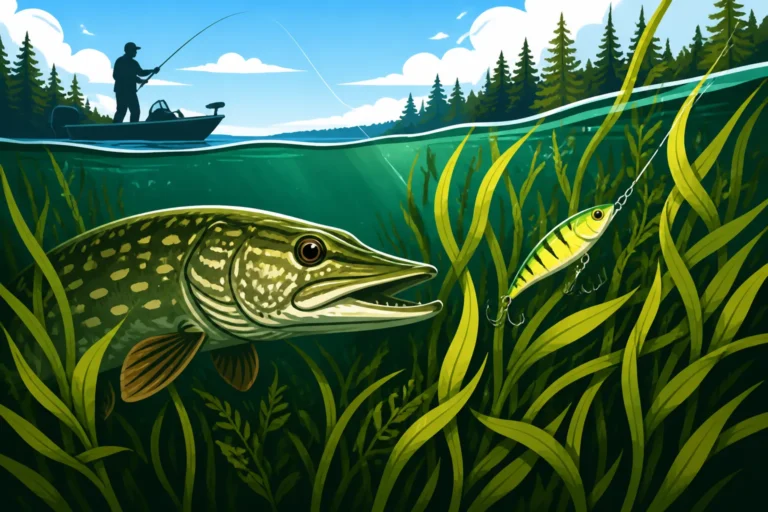
When the ice forms, pike don't just disappear into the abyss. Instead, they often gravitate towards specific types of underwater structure where they can find both food and cover. Think about areas that offer ambush points and concentrate baitfish. This often means focusing your efforts on points, submerged islands, and especially healthy weed lines. Even under the ice, weeds continue to produce oxygen and shelter smaller fish, which, of course, attracts the pike. Look for transitions where deep water meets shallower structure. For example, a sharp drop-off adjacent to a large weed flat can be an absolute goldmine. Another excellent spot is the mouth of a bay or a channel connecting two bodies of water. These natural funnels become prime hunting grounds as baitfish move between different areas.
How Pike Feed During Ice Season
While their metabolism might slow down slightly in the cold water, northern pike remain aggressive and opportunistic eaters. They're still apex predators, and a large, easy meal is rarely passed up. Their feeding strategy through the ice is primarily ambush-oriented. They'll position themselves strategically in cover, waiting for an unsuspecting baitfish or a poorly presented lure to swim by. This means your presentation needs to be enticing enough to trigger that strike instinct, even if the fish isn't actively hunting. They might not chase a lure as far as they would in open water, so getting your bait right into their strike zone is crucial. Don't be fooled into thinking they're sluggish; a pike hitting a tip-up can still spool line faster than you'd believe, especially when they're particularly hungry or feeling competitive with other pike in the area.
Impact of Weather on Winter Pike
Just like in open water, weather plays a significant role in winter pike activity. Stable weather patterns, particularly a few days of consistent temperature and high barometric pressure, generally lead to more active fish. Conversely, a sudden cold front or a sharp drop in pressure can make pike more finicky. On bright, sunny days, pike might retreat deeper into cover or hold tighter to the bottom to avoid direct light penetration through clear ice. Overcast days, or those with heavy snow cover reducing light, can often encourage pike to roam more freely and suspend higher in the water column. Always keep an eye on the forecast, but don't let a "bad" weather day deter you entirely. Sometimes, those challenging conditions can surprise you with a big fish, especially if you adjust your tactics to a slower, more deliberate presentation. Understanding these nuances helps you decide when to fish aggressively and when to scale back your approach.
Essential Gear for Northern Pike Ice Fishing
Preparing for northern pike ice fishing isn't just about bringing a rod; it's about having the right tools to tackle the conditions and the fish. These are not small panfish, and your gear needs to reflect that.
Rods, Reels, and Line
For ice fishing pike, you absolutely need heavy-duty equipment. Think about the strength and length of the fish you're targeting. An ideal ice fishing rod for pike should be a medium-heavy to heavy power, around 30 to 40 inches long, with a strong backbone to handle powerful runs and head shakes. A graphite or composite blank will give you the sensitivity to detect subtle bites while retaining the strength to haul a large fish up through a hole. Pair this with a sturdy spinning reel in the 2500-4000 series size, or a reliable baitcasting reel if you prefer, spooled with 20-30 lb braided line. Braided line offers superior sensitivity and strength with minimal stretch, which is vital for fighting big fish in confined spaces. However, braid can freeze, so a short monofilament or fluorocarbon leader (10-20 lb test) is often recommended at the terminal end. Crucially, you'll need a wire or heavy fluorocarbon leader (40-80 lb test) to prevent those razor-sharp pike teeth from severing your line. Brands like Berkley and Seaguar offer excellent options for these bite-proof leaders.
Ice Augers and Huts
Getting through the ice to the fish is the first step, and for pike, that often means larger holes. A 6-inch auger might be sufficient for panfish, but for pike, you’ll want an 8-inch or even 10-inch auger. This larger diameter gives you more room to maneuver a big fish, reducing the chance of losing it at the hole. While hand augers are good for a quick solo trip, a good gas, propane, or electric auger is a game-changer for drilling multiple holes efficiently, especially when you're targeting pike and need to cover a lot of ground by hole hopping and locating fish.
Once you’ve drilled your holes, an ice hut becomes your sanctuary from the elements. Portable pop-up shelters are incredibly popular for their ease of transport and quick setup, perfect for chasing active pike. If you're planning longer trips or fishing in extreme cold, a more robust hub-style or even a permanent hard-sided shack offers superior comfort and space. Having a warm, sheltered space allows you to focus on fishing rather than battling frostbite, making for a much more enjoyable day on the ice. If you're looking for Best Ice Huts for Ontario Lakes, you'll find a wide variety from brands like Clam and Eskimo.
Safety Gear and Electronics
Safety on the ice cannot be overstated. Always carry ice picks around your neck, a spud bar to test ice thickness as you go, and never fish alone. A throw rope and a fully charged cell phone are also essential. Beyond safety, modern electronics are invaluable for ice fishing. A quality flasher or sonar unit, like those from Vexilar or Marcum, can show you baitfish, your lure, and most importantly, pike moving in to investigate. This real-time feedback allows you to adjust your presentation immediately. Many anglers also find portable fish finders, which can be found readily on Amazon, to be incredibly useful for quickly assessing new holes. A GPS unit or a reliable mapping app on your phone is also crucial for navigating vast frozen lakes and marking productive spots for future trips. Don't forget a headlamp for early morning or late evening fishing, and a well-stocked first-aid kit. For a deeper dive into preparation, check out our guide on Best Ice Fishing Gear for Ontario.
Top Lures and Baits for Ice-Out Pike
Northern pike are known for their voracious appetites, and that doesn't change when the water turns to ice. However, the presentation and choice of bait become even more critical to trigger a strike.
Live Bait Strategies
When it comes to tempting winter pike, live bait is often king, especially for use on tip-ups. Larger baitfish like suckers, golden shiners, or ciscoes are highly effective. The key is to use bait that is lively enough to attract attention but not so active that it tangles your line. For best results, rig your live bait on a quick-strike rig with two treble hooks. One hook goes near the dorsal fin, and the other near the tail, ensuring a solid hookset when a pike takes the bait. This setup is particularly effective because pike often grab their prey headfirst, then turn it to swallow. A quick-strike rig ensures hooks are presented optimally no matter how the pike grabs it. For a natural presentation, suspend your bait just off the bottom or slightly above the top of the weed line. Keep an eye on your bait, making sure it stays lively. You can often find a great selection of live bait at local bait shops across Ontario.
Artificial Lures
While live bait is a traditional favorite, artificial lures can be incredibly effective, especially when actively jigging. Large jigging spoons, like the Swedish Pimple, Northland Tackle Buck-Shot Rattle Spoon, or Williams Wabler, are fantastic choices. Their flash and flutter imitate struggling baitfish and can be retrieved with an erratic lift-and-drop motion. Heavy tube jigs, tipped with a small minnow head or a scent-infused plastic, also work wonders. Another popular option includes larger soft plastics rigged on heavy jig heads, mimicking perch or other forage fish. These can be particularly effective in areas where pike are targeting specific prey. Don't shy away from lipless crankbaits or even large swimbaits, especially if you're targeting aggressive pike in slightly deeper water. Many of these effective lures can be conveniently found and ordered through Amazon, giving you a wide selection right at your fingertips. For specific recommendations, our guide on Best Jig for Winter Pike Through the Ice offers some excellent choices.
Attractors and Scent
Pike have an excellent sense of smell, and in cold water, scent can be a major advantage. Tipping your artificial lures with a piece of actual bait, like a minnow head or a small strip of belly meat, adds both scent and a realistic texture. Scent additives, available in gels or sprays from brands like Berkley or Pro-Cure, can be applied directly to your lures to leave a potent scent trail in the water. Rattles, either built into the lure or added as a separate component, also play a crucial role. The vibrations and noise they produce can call in curious pike from a distance, particularly in stained water or during low-light conditions. Experiment with different scents and rattle combinations to see what the pike in your specific fishing zone respond to best. This extra sensory appeal can be the difference between a slow day and a successful outing.
Effective Ice Fishing Techniques for Northern Pike
Catching northern pike through the ice isn't just about dropping a line; it’s about employing smart strategies and understanding how to best present your offerings. It’s a mix of patience and purposeful action.
Setting Up Tip-Ups
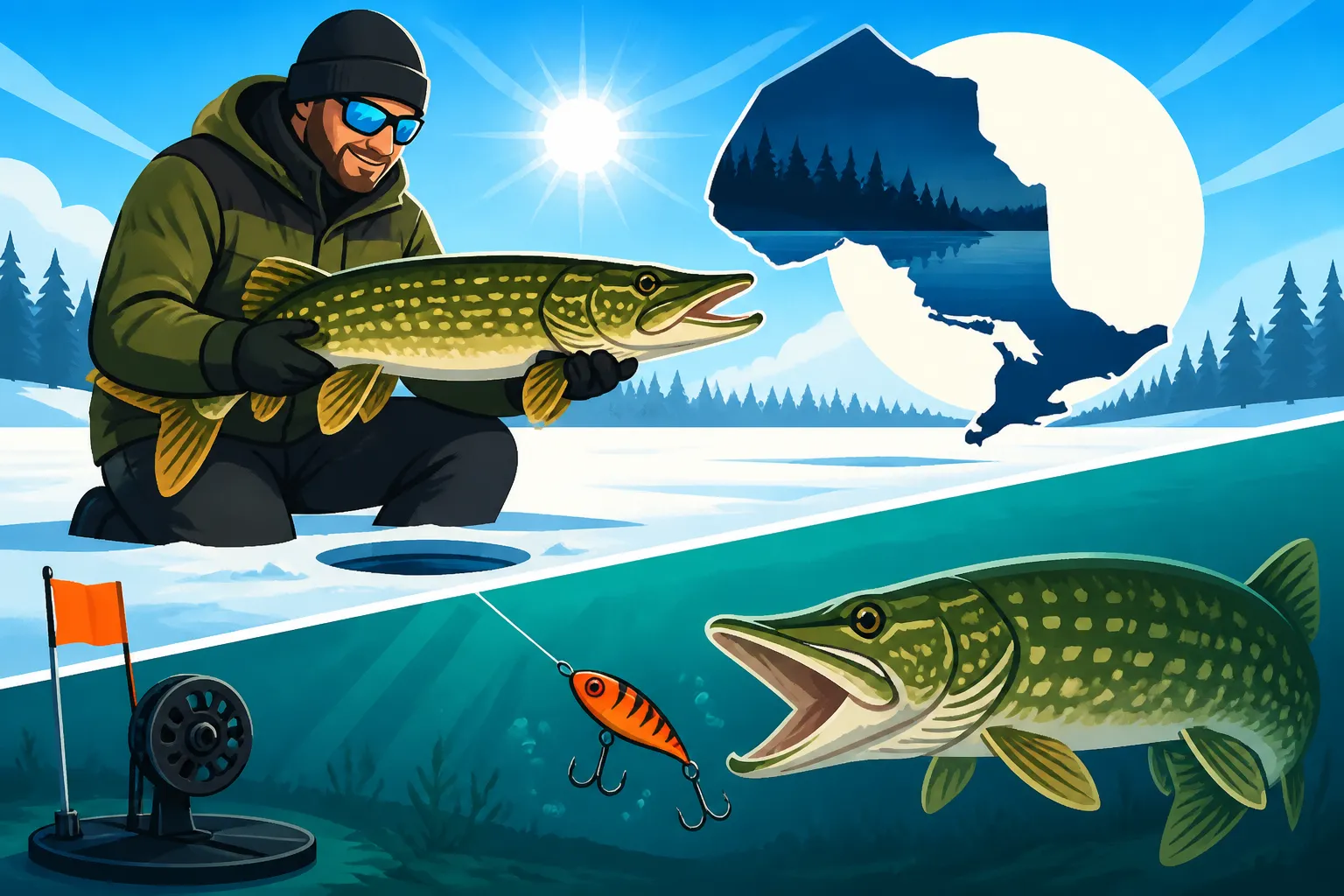
Tip-ups are a cornerstone of pike ice fishing, allowing you to cover a larger area and detect bites even when you're not actively holding a rod. The strategy begins with strategic placement. Spread your tip-ups out to cover different depths and structures. For instance, you might place one near a weed edge, another over a deeper drop-off, and a third closer to a point. Ensure your hole is clear of slush to prevent the line from freezing. When setting the depth, a common technique is to suspend your live bait a foot or two off the bottom or just above the weed canopy. This puts it directly in the pike's strike zone. For tip-up line, use a heavy braided ice fishing line, often 30-50 lb test, with a heavy fluorocarbon or wire leader. Set the tension on your tip-up flag system so it's sensitive enough to detect a bite but not so light that the wind or current triggers false alarms. When a flag goes up, approach cautiously, let the pike run with the bait for a few seconds (this allows them to fully commit and turn the bait), and then slowly set the hook with a firm, sweeping motion. Remember to always bring a long gaff or a large landing net, specifically designed for pike, as they can be quite feisty at the hole.
Active Jigging for Pike
While tip-ups work on passive detection, active jigging keeps you engaged and allows for more dynamic presentations. This technique involves using a jigging rod and actively working an artificial lure. The goal is to mimic a wounded or fleeing baitfish. Your jigging cadence can vary widely depending on the pike's mood. Sometimes, a slow, methodical lift and drop is most effective, allowing the lure to flutter enticingly on the fall. Other times, an aggressive rip-and-pause motion, where the lure is snatched upwards quickly and then allowed to fall freely, triggers reactionary strikes. Pay close attention to your flasher; when you see a pike approaching, adjust your jigging to either entice a strike or lead the fish away from the hole if it's hesitant. Don't be afraid to experiment with different lure types and retrieve speeds. A jigging spoon worked aggressively can attract attention, while a softer plastic might seal the deal when pike are more subtle. For additional active fishing strategies, our article on How to Catch Northern Pike in Ontario offers valuable insights.
Hole Hopping and Locating Fish
Pike are often found in concentrated areas. If one hole isn't producing, don't be afraid to move! This is where a good Best Ice Auger for Ontario Lakes really shines. Drilling a series of holes in a grid pattern across a potential fishing spot—like a weed flat, a prominent point, or along a drop-off—and then actively fishing each hole for 10-15 minutes can drastically increase your chances. This "hole hopping" strategy allows you to quickly locate active fish. Once you find one pike, there’s a good chance others are in the vicinity, so spend more time thoroughly working that productive area. Look for structure changes, depth contours, and the presence of baitfish on your fish finder. A good strategy is to start in shallower water near cover and work your way deeper, or vice-versa, until you find the fish. Being mobile and willing to explore is often the most rewarding technique for consistent pike catches through the ice.
Safety and Regulations for Ontario Pike Ice Fishing
Ice fishing in Ontario offers incredible opportunities, but it comes with a serious responsibility: ensuring your safety and adhering to local regulations. Neglecting either can lead to dangerous situations or hefty fines.
Ice Safety First
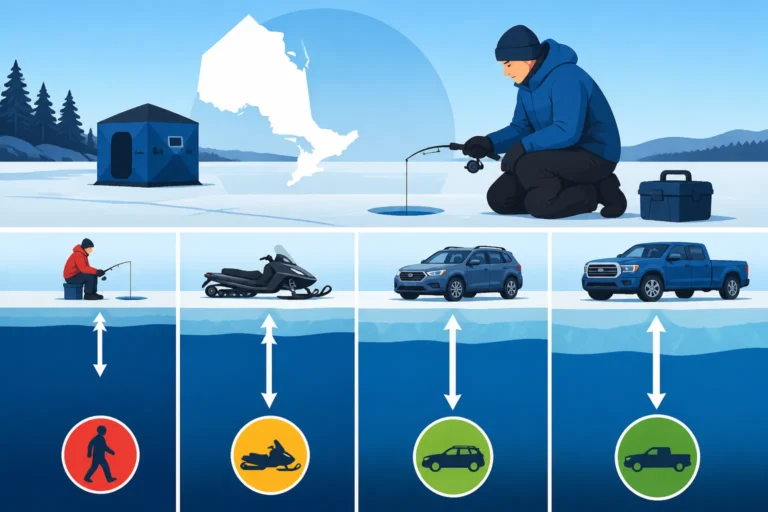
This cannot be stressed enough: no fish is worth risking your life. Always assume ice is unsafe unless proven otherwise. The general rule of thumb for safe ice is a minimum of 4 inches for ice fishing on foot, 5-7 inches for a snowmobile or ATV, and 8-12 inches for a small car or light truck. However, these are just guidelines; ice conditions can vary dramatically even on the same body of water, and factors like currents, springs, and fluctuating temperatures can create weak spots. Always check local ice conditions before heading out. Use a spud bar to test the ice in front of you as you walk, especially in unfamiliar areas. Fish with a buddy, share your plans with someone on shore, and wear a PFD or a floater suit for added buoyancy and thermal protection in case of a fall through. Carry ice picks and know how to use them for self-rescue. Remember that clear, blue ice is generally stronger than cloudy or white ice, which indicates air or snow within the ice, making it weaker. For more comprehensive ice safety tips, refer to our Ice Fishing in Ontario guide.
Ontario Regulations Specific to Pike
Ontario has specific regulations for fishing northern pike, and these can vary depending on the Fisheries Management Zone (FMZ) you are in. It's absolutely crucial to consult the current Ontario Fishing Regulations Summary before you head out. Key regulations include bag and possession limits, which dictate how many pike you can keep and possess at any given time. These limits often differ between a Sport fishing license and a Conservation fishing license. For example, some zones might have a specific Ontario Northern Pike Winter Season in FMZ 20, while other zones have different open and closed seasons. Size restrictions, such as minimum or maximum lengths, might also apply. Failure to comply can result in fines and loss of fishing privileges. Remember, every angler aged 18-64 requires an Ontario Fishing License Guide for 2026 and an Outdoors Card. Always know your FMZ, check the specific regulations for that zone, and measure your fish carefully if you plan to keep any.
Responsible Angling Practices
Beyond legal compliance, responsible angling helps preserve the fishery for future generations. If you're practicing catch and release, handle pike with care. Their sharp teeth and strong jaws require a good set of long-nosed pliers or a jaw spreader to safely remove hooks. Minimize their time out of the water, especially in freezing temperatures, as exposure can damage their gills and eyes. Cradle the fish gently and release it back into the hole headfirst, allowing water to flow over its gills. If the pike is sluggish, gently move it back and forth in the water until it swims away under its own power. Properly dispose of all trash, including broken line and bait containers; leave no trace behind. Consider barbless hooks, which make hook removal easier and less traumatic for the fish. Practicing ethical angling ensures that everyone can enjoy the thrill of catching these magnificent predators for years to come.
Comparing Popular Northern Pike Ice Fishing Baits
Choosing the right bait can make all the difference when targeting pike through the ice. Here’s a quick comparison of some popular options:
| Bait Type | Description | Pros | Cons | Best Use Case |
|---|---|---|---|---|
| Live Suckers | Large, lively baitfish, typically 6-12 inches. | Highly attractive, natural movement, strong scent. | Requires careful handling, can be expensive, not always available. | Tip-ups for larger, less active pike. |
| Live Shiners | Smaller, more active baitfish, often 3-6 inches. | Excellent flash and movement, readily available. | Can be fragile, may attract smaller fish. | Tip-ups, active jigging when pike are feeding on smaller prey. |
| Dead Bait | Whole or cut dead baitfish (e.g., smelt, herring, even frozen suckers). | Easy to rig, strong scent, good for stationary setups. | No natural movement unless jigged, less visual appeal. | Tip-ups with scent, slow jigging on bottom, especially for deep pike. |
| Jigging Spoons | Metal spoons with an erratic flutter or wobble on the fall. | Excellent flash, versatile, durable, various colors/sizes. | Requires active jigging, can be ignored if pike are lethargic. | Active jigging, locating fish, triggering reaction strikes. |
| Tube Jigs | Lead head with a hollow plastic body, often tipped with bait. | Mimics various prey, soft texture, good for subtle bites. | Can get torn up by pike teeth, requires scent or tipping. | Active jigging in weeds, slow presentations, when pike are finicky. |
| Lipless Cranks | Hard plastic lures with internal rattles, retrieved with a snap-pause motion. | Strong vibrations and sound, covers water quickly. | Can be heavy, may spook wary pike with aggressive action. | Active jigging for aggressive pike, searching large areas. |
| Large Swimbaits | Soft plastic or hard-bodied lures mimicking a natural baitfish. | Realistic profile and movement, good for trophy pike. | Can be expensive, often requires a heavier rod, less common for ice. | Active jigging for larger fish, slow, deliberate presentations. |
Disclaimer
The information provided in this guide is for general informational purposes only and is not intended as legal advice regarding fishing regulations. Always consult the most current official Ontario Fishing Regulations Summary for specific rules, limits, and seasons that apply to your chosen fishing location and species. Ice conditions can be extremely dangerous; always prioritize safety and never take unnecessary risks on the ice.