Best technique for fall crankbait fishing
As the days shorten and the crisp air of autumn settles over Ontario, many anglers find themselves facing a new challenge: where did all the fish go? That vibrant summer bite seems to have disappeared, leaving some frustrated and wondering if it's even worth heading out. But fear not, because fall can offer some of the most rewarding fishing of the year, especially when you master the art of crankbait fishing. This guide is all about helping you understand why crankbaits are your best friend in the cooler months and how to use them effectively to target those fat, hungry fall fish.
Why Crankbaits Shine in Fall
Fall fishing in Ontario is a time of transition, and fish behaviour changes dramatically. The warm, active patterns of summer give way to something a bit more deliberate as fish prepare for winter. This is precisely where crankbaits, with their ability to imitate baitfish and cover water, become indispensable tools in your tackle box. They’re not just lures; they're fish-finding machines for these shifting conditions.
Matching the Baitfish Migration
As water temperatures begin to drop in late summer and early fall, a massive shift occurs beneath the surface: baitfish start to school up and migrate. They often move from shallow, weedy summer haunts towards deeper, more stable water where they'll spend the winter. This is a crucial time for predatory fish, who know winter is coming and need to pack on calories. A large school of shiners, cisco, or perch moving through deeper channels or over sunken humps is a beacon for hungry game fish.
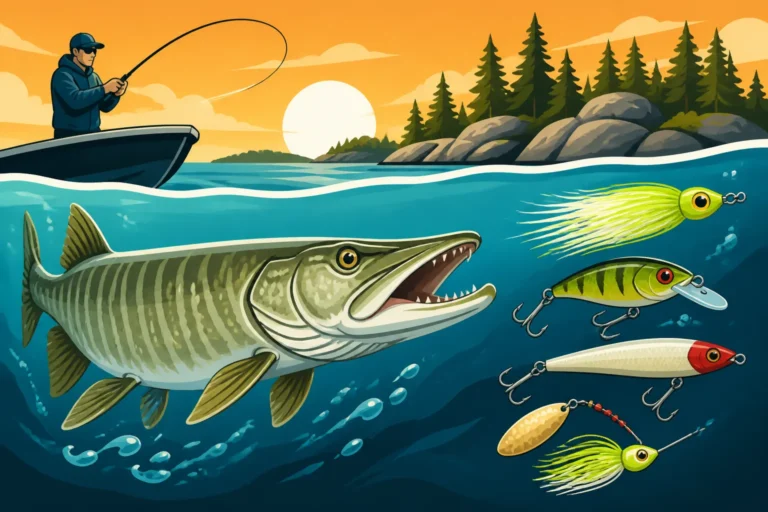
Crankbaits are exceptional at mimicking these migrating baitfish. Whether it's a slender bait that imitates a fleeing shiner or a deeper-bodied model that looks like a chunky perch, their profiles and swimming actions are incredibly lifelike. Because the baitfish are often larger at this time of year, growing from their spring spawning, using larger crankbaits can often be more effective. Think about it: a big walleye or muskie isn't going to expend energy chasing down tiny prey when a substantial meal is available. Crankbaits present that substantial, irresistible meal, making them a top choice for anglers looking to hook into some serious fall action.
Covering Water Efficiently
The challenge with fall fishing isn't always that the fish aren't biting, but that they can be incredibly scattered or concentrated in very specific, often hard-to-find, locations. Unlike summer, when fish might be more predictably found in weed beds or along shorelines, fall fish could be suspended over deep water, holding tight to a subtle contour break, or schooling up on a main lake basin hump. This makes finding them a needle-in-a-haystack endeavor if you're not equipped to cover vast expanses of water.
Crankbaits are designed for precisely this task. Their aerodynamic shapes allow for long casts, and their diving lips or lipless designs quickly get them down to the desired depth. You can fan-cast across broad flats, run them along extended drop-offs, or troll them over miles of water. This efficiency is critical for locating those elusive fall feeding zones. Instead of slowly picking apart every piece of cover, you're systematically searching, letting the crankbait tell you when you've hit the jackpot. It's a proactive approach to fishing that often yields big rewards when other slower, more targeted techniques fail to connect.
Types of Crankbaits for Ontario Fall Fishing
Just like with any fishing technique, there isn't a "one-size-fits-all" crankbait for fall in Ontario. The water you're fishing, the depth, and the target species will all dictate which type of crankbait is going to be most effective. Understanding the nuances of different crankbait styles is key to unlocking consistent success as the season cools.
Deep-Diving Crankbaits
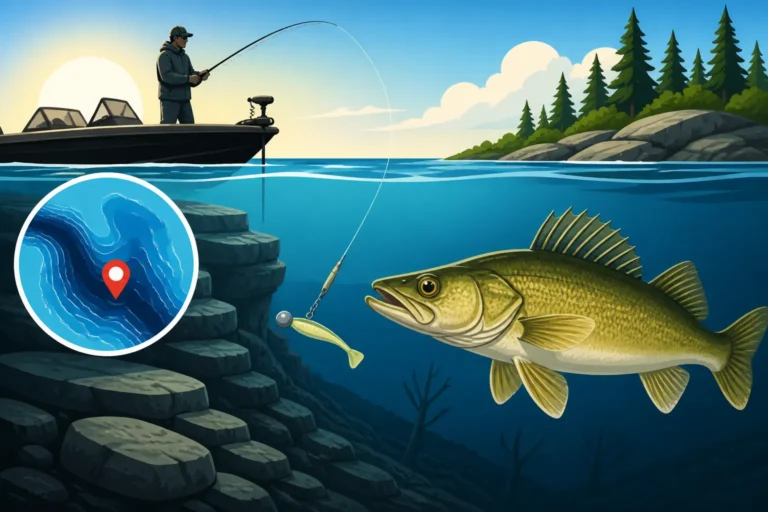
When the air gets crisp and the leaves start to turn, many fish in Ontario, particularly walleye, lake trout, and larger smallmouth bass, begin to move to deeper haunts. This means your shallow-running summer baits often won't even reach them. This is the domain of the deep-diving crankbait. These lures are characterized by their long, often wide, bills which allow them to quickly plummet to impressive depths – some models can hit 20, 30, or even 40 feet on a long cast or troll.
You'll want to deploy deep divers over main lake basins, steep breaklines, deep humps, and points that extend into deep water. Their aggressive diving action, combined with a usually tight, subtle wobble, effectively mimics a baitfish fleeing towards deeper safety. When fishing these, try to make contact with the bottom or any available structure. That deflection off a rock or a log is often what triggers a reaction strike from a wary fall fish. Species like How to Catch Lake Trout in Ontario respond exceptionally well to these trolled over deep structure.
Medium-Diving and Lipless Crankbaits
While many fish move deep in the fall, don't overlook those mid-depth zones and even shallower transitions, especially during warmer fall days or in certain fisheries. This is where medium-diving and lipless crankbaits come into their own. Medium divers have shorter, less aggressive bills than their deep-diving cousins, allowing them to work depths typically between 5 and 15 feet. They're excellent for fishing along the edges of weed lines that haven't completely died off, over submerged rock piles in moderate depths, or along secondary points.
Lipless crankbaits, on the other hand, have no diving lip and derive their depth and action from the retrieve speed and line tie placement. They are particularly versatile, working from just under the surface down to significant depths. Their often loud internal rattles are fantastic for calling in fish in stained water or on windy days, and their tight, vibrating action can be incredibly enticing. These are fantastic for targeting active smallmouth bass holding on flats adjacent to deeper water, or for prospecting for northern pike in those last remaining green weeds. You can rip them through grass, yo-yo them off the bottom, or just steadily retrieve them over likely areas. For targeting active smallmouth, especially in places like Georgian Bay, a lipless crankbait can be incredibly effective when retrieved over rocks and sand transitions.
Color and Pattern Selection
Choosing the right color and pattern for your fall crankbaits isn't an exact science, but there are some reliable guidelines that can increase your success in Ontario's diverse waters. Generally, fall fish are keying in on baitfish, so natural patterns are often a great starting point. Lures that mimic common forage like perch, cisco, shiners, or smelt are almost always a good bet, particularly in clear water lakes like those often found in the Canadian Shield or certain parts of the Great Lakes. Realistic finishes with subtle greens, browns, silvers, and whites tend to excel in these conditions.
However, don't be afraid to experiment, especially if the water is stained, or on cloudy, low-light days. Sometimes, a brighter, more aggressive pattern can trigger a reaction strike from a fish that isn't actively feeding. Chartreuse, firetiger, or bright orange can stand out in murkier water or when the sun is behind heavy clouds. If you're fishing rocky areas, especially for smallmouth bass, don't forget crawfish patterns. These reddish-brown baits can be absolute dynamite when bounced off the bottom, mimicking a scurrying crawfish trying to escape. Always consider the local forage and water clarity, but be ready to cycle through a few options until the fish tell you what they prefer. A good starting point can be found by researching Best Tackle for Ontario Walleye for specific recommendations.
Mastering the Retrieve: Fall Crankbait Tactics
The effectiveness of your crankbait often comes down to how you work it. In the fall, fish metabolism is slowing down, and they might be less willing to chase a fast-moving bait. This means adapting your retrieve to present the lure in a way that’s irresistible, often mimicking a struggling or easy meal.
Slow-Rolling and Bottom-Bouncing
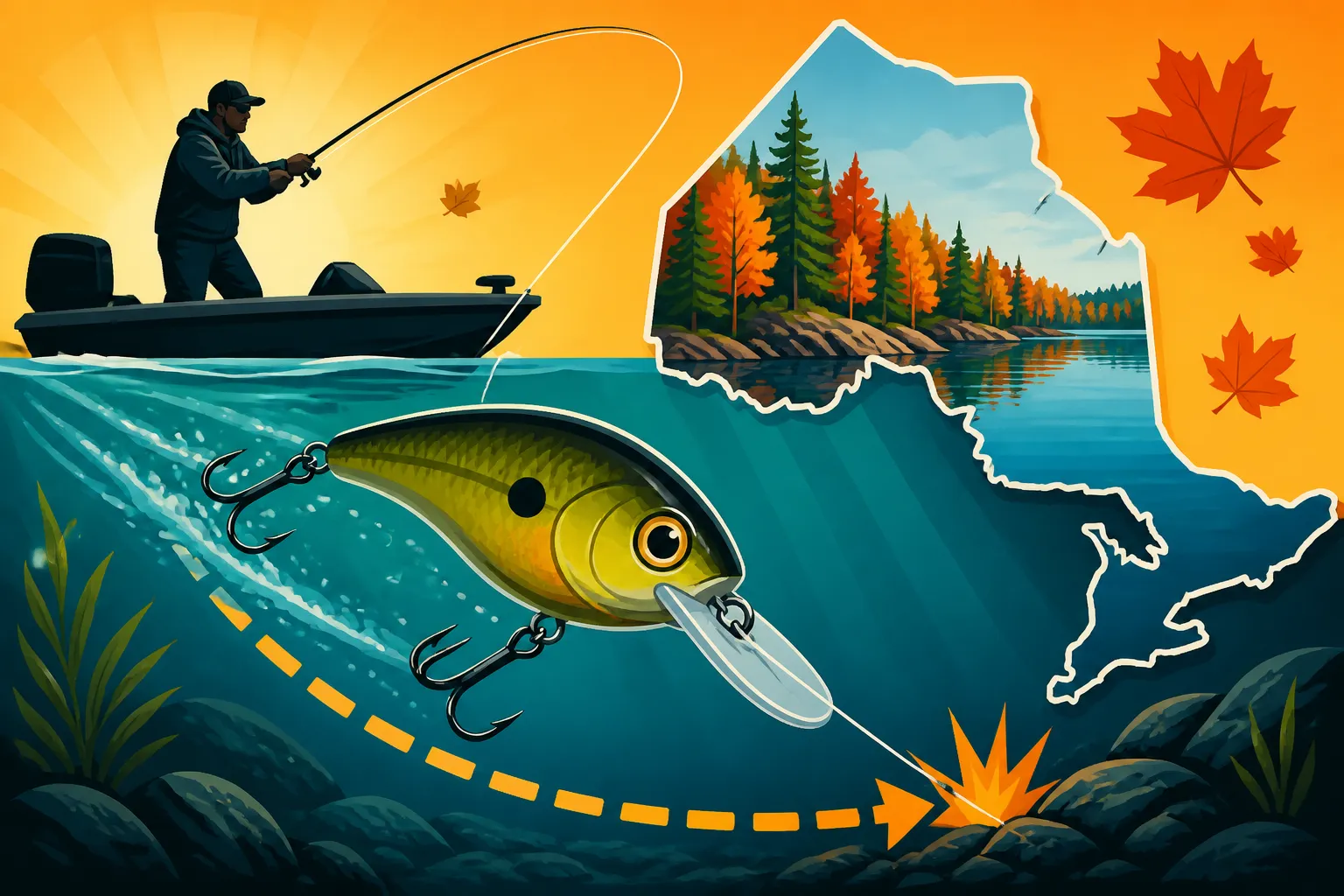
As water temperatures continue to drop, fish become less active and more lethargic. Their metabolic rate slows down, meaning they're less inclined to chase a fast-moving meal. This is why a slow-roll or bottom-bounce retrieve becomes incredibly effective with crankbaits in the fall. The goal is to keep the bait in the strike zone for as long as possible, presenting an easy target. With a deep-diving crankbait, cast it out and allow it to dive to its maximum depth. Then, retrieve it just fast enough to maintain its wobble and occasionally make contact with the bottom. You want to feel it ticking rocks, scraping over sand, or deflecting off submerged wood.
That subtle contact with structure often triggers a reaction strike, as it makes the bait appear to be struggling or trying to escape. Incorporate pauses into your retrieve – letting the crankbait float up slightly or hang in place can be all it takes. For species like How to Catch Walleye in Ontario, especially on deeper lakes like Lake Nipissing, this slow, deliberate presentation can be absolutely deadly. Pay close attention to your line, as fall bites are often subtle thumps or a feeling of added weight rather than an aggressive tug.
Trolling for Deeper Fish
For covering vast expanses of water and consistently presenting crankbaits to deeper-holding fish, trolling is an unbeatable technique in the fall. This is particularly true for targeting species like walleye, lake trout, and even muskie in big lakes and rivers across Ontario. Trolling allows you to systematically explore depths, follow contour lines, and put your lure in front of many fish that might otherwise be missed. You can use multiple rods with different crankbait models, colors, and diving depths to quickly find what the fish are keying in on.
When trolling, precise boat control and speed are paramount. Use your electronics to identify baitfish schools, thermoclines (if still present), and key underwater structures like humps, points, and drop-offs. Adjust your speed to get the crankbait running at its optimal depth and wobble. Sometimes a slight change in boat speed, a subtle turn, or even bumping the motor in and out of gear can trigger a bite. For truly deep fish, consider using downriggers or lead core line, especially for species like lake trout that might be suspended. This technique is often discussed in more detail when considering Trolling Techniques for Ontario Lake Trout. The key is to match your crankbait's diving depth to the depth where fish are being marked on your sonar, offering them an irresistible, slow-moving target.
Rip-Pausing and Jerk-Pausing
While a slow retrieve is often key in colder fall waters, there are times when a more aggressive, erratic retrieve can be incredibly effective, especially for active predators like smallmouth bass or even opportunistic pike. This is where the rip-pause or jerk-pause technique comes into play. Instead of a steady retrieve, you're using sharp, quick jerks or rips of the rod tip, followed by pauses. This makes the crankbait dart erratically, then "die" or suspend briefly, mimicking a disoriented or injured baitfish.
This stop-and-go action is a classic trigger for reaction strikes. Fish that might be hesitant to chase a steadily retrieved bait will often lash out at something that appears vulnerable. The length of your pause is critical; sometimes a short, half-second pause is all it takes, while other times a longer, several-second pause where the bait just hangs there can be the ticket. Experiment with the aggressiveness of your rips and the duration of your pauses until you find what the fish prefer on that particular day. This technique works wonders when fish are relating to cover like submerged timber, rock piles, or steep drops.
Essential Gear for Fall Crankbaiting
Having the right gear can make all the difference when you're out chasing fall fish with crankbaits. From the rod in your hand to the electronics guiding you, each component plays a crucial role in maximizing your success. Don't let your equipment hold you back when the bite gets tough.
Rod, Reel, and Line Selection
For effective fall crankbait fishing, your rod, reel, and line need to work together as a cohesive system. You'll generally want a rod with a medium-heavy to heavy power and a moderate to fast action. The power ensures you have enough backbone to cast larger, heavier crankbaits long distances and to control strong fish once hooked. The moderate action (often called "crankbait action") is forgiving enough to absorb the shock of a hard strike without ripping the hooks out, while a faster action can provide more sensitivity for feeling subtle bottom contact and light bites. A rod length between 7 and 7.5 feet is often ideal for both casting distance and leverage. You can find a wide selection of these specialized rods on Amazon.
When it comes to reels, baitcasting reels are generally preferred for crankbaiting due to their power and ability to handle heavier lines and lures. The gear ratio you choose depends on your preferred retrieve. A slower gear ratio (around 5.1:1 to 6.4:1) is excellent for deep-diving crankbaits and slow-rolling, as it helps you maintain a slower, more controlled retrieve. Faster gear ratios (7.1:1 and up) are better for burning lipless crankbaits or rapidly taking up slack after a long cast. For line, fluorocarbon is a popular choice for crankbaits. Its low stretch offers excellent sensitivity, helping you feel every bump and tick, and its low visibility under water is a huge advantage in clear fall waters. It also sinks, which can help deep-diving crankbaits achieve their maximum depth.
Electronics and Accessories
Modern electronics have revolutionized fishing, and they are particularly invaluable for fall crankbaiting in Ontario. A reliable fish finder is not just a luxury; it's practically a necessity. Fall fish often congregate in specific, often deep, locations, and your fish finder helps you locate these hidden structures, identify baitfish schools, and even mark individual game fish. Side imaging or down imaging can give you a clear picture of submerged humps, rock piles, or schools of bait, allowing you to position your boat and cast your crankbait with precision. Without a good fish finder, you're essentially fishing blind, hoping to stumble upon fish. Learn more about choosing the right unit in our guide on Best Fish Finders for Ontario Lakes.
Beyond your primary electronics, a few other accessories can make your fall crankbait outings more productive. A well-organized tackle box or bag is essential for carrying a variety of crankbait shapes, sizes, and colors, allowing you to quickly adapt to changing conditions. Many anglers find convenient tackle storage solutions on Amazon. Consider using a sturdy landing net, especially if you're targeting larger species like muskie or pike, which can throw hooks easily boatside. A quality set of polarized sunglasses will help you cut through glare on the water, allowing you to see shallow structure and follow your lure. Finally, don't forget good rain gear and warm layers; fall weather in Ontario can be unpredictable, and staying comfortable is key to staying focused on the fishing.
| Crankbait Type | Ideal Depth Range (Approx.) | Common Target Species (Ontario) | Best Retrieve Examples | Key Features |
|---|---|---|---|---|
| Deep-Diving Crankbait | 15-30+ feet | Walleye, Lake Trout, Large Smallmouth | Slow-Roll, Bottom-Bounce, Trolling | Long bill, tight wobble, often large |
| Medium-Diving Crankbait | 5-15 feet | Smallmouth Bass, Northern Pike, Walleye | Steady Retrieve, Jerk-Pause, Rip-Pause | Medium bill, varied wobble, versatile |
| Lipless Crankbait | All depths (depends on retrieve) | Smallmouth Bass, Northern Pike, Perch | Rip-Retrieve, Yo-Yo, Steady Burn | No bill, loud rattles, vibrating action |
Disclaimer
This article is for general informational purposes only and does not constitute professional advice. Laws, prices and regulations vary by location and change over time. Consult a qualified professional for guidance on your specific situation.