Spring Walleye Fishing Techniques for Ontario
The anticipation of spring walleye fishing in Ontario is something every angler feels in their bones, but knowing how to approach those notoriously finicky fish when the water is still icy cold can be a real head-scratcher. It's tough trying to figure out where they are, what they're biting on, and how their behavior changes from pre-spawn to post-spawn. This comprehensive guide is here to break down all the best techniques and strategies for successfully targeting walleye across Ontario as the ice recedes and spring truly begins.
Understanding Spring Walleye Behavior
Catching walleye in the spring isn't just about throwing a line in the water; it's about understanding their intricate dance with the warming temperatures and their powerful urge to reproduce. Their behavior changes dramatically from the moment the ice melts until they've completed their spawning rituals, and knowing these patterns is your first step to success.
Pre-Spawn Movements and Locations
As soon as the ice starts to melt and open water appears, walleye begin to stage in preparation for spawning. They're not actively spawning yet, but they're making their way from their deeper wintering grounds to areas closer to their spawning sites. Think about shallower bays, river mouths, and the deeper edges of large flats where they can find a bit more warmth and some initial food sources. These areas often have a slightly higher water temperature due to direct sun exposure or inflow from smaller streams. They are often concentrated in these areas, making them prime targets if you can pinpoint their location. Look for distinct depth changes, submerged structures like old weed beds (even if sparse), or rocky transitions.
These pre-spawn walleye are often quite hungry, needing to build up energy reserves for the strenuous spawning process. However, the cold water means their metabolism is still relatively slow, so they won't be chasing down fast-moving baits with reckless abandon. You'll need to present lures and baits in a way that’s easy for them to intercept without expending too much energy. This often means slower retrieves, pauses, and staying close to the bottom. They are still somewhat lethargic, so a subtle presentation is key. Many seasoned anglers will focus on points and deeper edges adjacent to shallower spawning areas on lakes like Lake Simcoe or even larger systems in Northern Ontario.
Spawning Habits and Preferred Habitats
Walleye typically spawn when water temperatures reach between 4-10 degrees Celsius (39-50 Fahrenheit), often right around the time the fishing season opens in many zones, or shortly after. They prefer hard-bottom areas like rocky shoals, rubble, or even gravelly stretches of rivers and tributaries. Unlike some other species, walleye don't build nests; instead, they broadcast their eggs over these hard surfaces, often at night, allowing the eggs to sink and adhere to the substrate. The males usually arrive first, clearing areas and waiting for the females.
During the actual spawning period, walleye are notoriously difficult to catch. Their focus is solely on reproduction, and feeding takes a backseat. Many experienced anglers will respect this period, recognizing that disturbing spawning fish can negatively impact future populations. However, understanding these areas is crucial because once the spawn is over, many walleye, particularly the males, will linger nearby for a period of recovery. Knowing where they were spawning will tell you where they will be feeding soon after. If you're fishing a large system like Lake Erie, identifying prime spawning shoals or river sections that feed into the lake is paramount. For a full breakdown of specific season dates, be sure to check the Ontario Walleye Opener Dates by Zone for your chosen fishing management zone.
Post-Spawn Recovery and Feeding Patterns
After the rigors of spawning, walleye are exhausted and hungry. This post-spawn period can offer some of the most consistent fishing of the spring, especially for larger females that have depleted significant energy reserves. These fish will move off the immediate spawning grounds but often remain in nearby deeper water or transition areas where they can recover and find ample food without too much effort. They might gravitate to the edges of shallow flats, breaklines, or areas with current where baitfish are abundant.
The males, typically smaller, tend to recover quicker and often remain closer to the spawning grounds for a longer period, sometimes even guarding the eggs (though not actively building nests). The females, once they've regained some strength, will seek out warmer, food-rich areas. This means shifting your focus from the rocky shoals to nearby bays, gradual slopes, or even submerged weed lines that are just starting to emerge. Their metabolism is also starting to pick up as the water slowly warms, making them more willing to chase a lure or travel a short distance for a meal. This is a great time to target fish that are aggressively trying to refuel.
Early Spring Tactics: Ice-Out to Opener
The period between ice-out and the official walleye opener can be a bit of a tease for anglers, but it's also a crucial time to scout and understand fish movements. Once the season opens, these early spring tactics will be essential for success in the still-cold waters.
Targeting Staging Areas
As mentioned, pre-spawn walleye will gather in "staging areas" – transitional zones between their deep wintering holes and their shallow spawning grounds. Think about prominent points that extend into the lake, gradual slopes leading into deeper flats, or the first significant breaklines outside river mouths. These spots offer them a sense of security while allowing them easy access to potential spawning sites. The water here might still be quite cold, so the fish will be hugging the bottom, often in dense schools.
When targeting these areas, patience is absolutely key. Using your boat's electronics to identify schools of fish or significant bottom structure is invaluable. Once you've located a promising area, employing a slow, controlled presentation is paramount. Jigs tipped with live minnows or soft plastics are incredibly effective because they allow you to stay right in the strike zone for extended periods. On big lakes like Lake Nipissing, these staging areas can be expansive, requiring a good amount of searching, but once you find them, the rewards can be incredible.
Slow Presentations in Cold Water
Cold water affects a walleye's metabolism significantly. They move slower, digest slower, and are less inclined to chase fast-moving baits. This means your presentation needs to match their mood: slow, subtle, and right in their face. Think vertical jigging, slow-rolling crankbaits, or even dead-sticking live bait. The goal is to make it as easy as possible for a walleye to decide your offering is worth the minimal energy expenditure.
For jigging, a snap-pause retrieve or a slow drag along the bottom is far more effective than aggressive hopping. Let the jig sit for a few seconds after touching down, allowing any curious walleye to inspect it. When using crankbaits, choose models that dive quickly and can be retrieved at a snail's pace while still generating action. Trolling at speeds as low as 0.8-1.2 mph can be highly effective, especially when paired with thin diameter lines for better feel. Remember, the colder the water, the slower your presentation should be. For more on effective walleye techniques, consider reading our full guide on How to Catch Walleye in Ontario.
River Mouths and Current Seams
River mouths are absolute magnets for spring walleye. They offer several advantages: often slightly warmer water due to river inflow, a steady supply of nutrients and baitfish being washed downstream, and direct access to spawning grounds upstream in the river. Walleye will stack up in these areas, waiting for the optimal time to move into the river to spawn, or lingering post-spawn to feed.
Focus your efforts on the seams where the river current meets the still lake water. These current breaks create natural ambush points for walleye to rest and dart out to grab passing bait. The slack water pockets just outside the main current are also prime locations. Drifting with the current using jigs or live bait rigs can be incredibly productive here. Pay close attention to eddies, sandbars, and any irregularities on the bottom that create a current shadow. Places like the Bay of Quinte are renowned for their incredible river mouth fishing during this crucial early spring period.
Post-Opener Strategies: Spawning & Recovery
Once the walleye season officially opens in your zone, you'll be fishing either pre-spawn, during the spawn, or in the initial post-spawn phases. Understanding these distinct behaviors is crucial for adapting your strategy and finding hungry fish. Keep a close eye on the Ontario Fishing Season Dates by Zone to ensure you're compliant with regulations for your specific body of water.
Fishing Post-Spawn Drop-Offs
After spawning, walleye, particularly the larger females, will often retreat from the shallow spawning grounds to nearby drop-offs and breaklines. These areas provide easy access to deeper, cooler water for recovery, while still being close enough to shallow feeding flats. They're seeking comfortable depths where they can rest and begin to feed again. These drop-offs can be subtle, like a gradual slope from 8 to 15 feet, or dramatic, like a sharp ledge falling from 10 to 30 feet.
Focus on the first significant depth change adjacent to known spawning grounds. These might be rocky transitions, submerged humps, or the edges of old weed beds. Walleye will often suspend just off the bottom or hug the bottom contour. Vertical jigging spoons or soft plastics, or slowly trolling crankbaits along these contours, are excellent ways to entice these recovering fish. They're still not overly aggressive, so a slower, methodical approach is usually best. Using your electronics to map these contours and mark fish is invaluable during this phase.
Focusing on Warmer Bays and Shallows
As spring progresses and the sun gains strength, shallower bays and protected coves warm up faster than the main lake body. These warmer waters attract baitfish, which in turn attract hungry post-spawn walleye. While the main lake might still be quite cold, these shallower areas can be several degrees warmer, providing a comfortable and food-rich environment for recovering fish. Look for bays with dark, mucky bottoms that absorb sunlight, or those with significant northern exposure.
These areas are ideal for casting or slow-trolling shallow-running crankbaits, lipless crankbaits, or even pitching jigs into emerging weed growth. The key is to cover water slowly and methodically, looking for subtle changes in depth, cover, or water temperature. While the big females might prefer the deeper drop-offs initially, many active, smaller males and some females will readily move into these warmer shallows to feed. Early mornings and late evenings can be particularly productive in these spots.
Adapting to Changing Water Levels and Clarity
Spring in Ontario can be wildly unpredictable when it comes to weather, and this directly impacts water levels and clarity. Heavy spring rains can lead to rising water levels and murky conditions, especially in river systems and their connecting lakes. Conversely, a dry spell can lead to lower, clearer water. Each scenario requires a different approach.
In high, murky water, walleye will often move closer to shore or into shallower backwater areas where the current is less intense and visibility is slightly better. They rely more on their lateral line to detect vibrations, so lures that create a strong thump or vibration, like spinnerbaits or rattling crankbaits, become highly effective. Brighter colors, like chartreuse or orange, can also stand out better in stained water. When the water is low and clear, fish become much warier. You'll need to use lighter lines, longer leaders, and more natural bait colors. Stealth becomes crucial, so making long casts and minimizing boat noise is important. Knowing how to adjust your approach based on these conditions is a hallmark of a successful spring walleye angler.
Lures and Baits for Spring Walleye
Choosing the right lure or bait is critical for spring walleye success, as their preferences can shift dramatically with water temperature and their metabolic rate. Having a versatile tackle box ready for various conditions will put you miles ahead. Many of these effective options can be found through retailers like Amazon, making it easy to stock up.
Jigs and Soft Plastics
Jigs are arguably the most versatile and effective lures for spring walleye, especially in cold water. They allow for slow, controlled presentations directly on or near the bottom, where walleye are often holding. Pairing them with soft plastics adds scent, action, and profile. When the water is cold, opt for smaller jigs (1/8 to 1/4 ounce) with a subtle action. Paddle tail grubs, twitch-tail minnows, or even simple curly tail grubs in natural colours like white, smoke, or chartreuse are excellent choices.
For finicky walleye, tipping your jig with a live minnow or a piece of nightcrawler can make all the difference. The natural scent and action are often irresistible. A slow lift-and-drop, or simply dragging the jig along the bottom, can be incredibly effective. Consider using a jigging rap or similar ice fishing jig as well, which can be deadly when vertically jigged over suspected schools of walleye. Experiment with retrieve speeds and jigging motions until you find what triggers a strike.
Crankbaits and Stickbaits
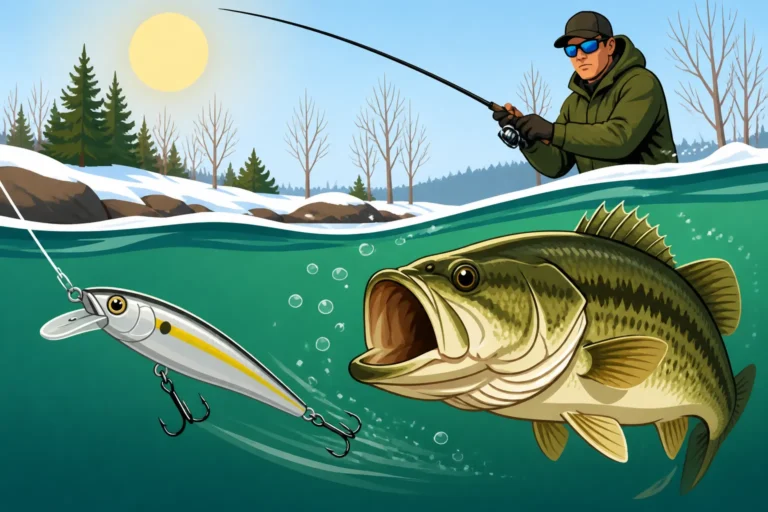
Crankbaits and stickbaits are fantastic for covering water, especially when trolling or casting over flats and along breaklines. In early spring, when water is still cold, focus on baits that have a tight wobble or can be retrieved slowly while maintaining action. Jerkbaits are particularly effective; their darting, pausing action perfectly mimics a stunned or dying baitfish, which cold-water walleye find hard to resist. suspending jerkbaits are key here, allowing you to pause them right in the strike zone.
Look for models that dive to the depth where you expect walleye to be holding. For shallow bays, shallow-diving crankbaits or even lipless crankbaits can be great. For targeting drop-offs, medium to deep-diving models are essential. Natural baitfish patterns (perch, shiner, smelt) are usually a good starting point, but don't shy away from brighter colours like firetiger or chartreuse in stained water. Brands like Rapala, Berkley, and Rebel offer excellent options. For a deep dive into specific lure choices, check out our guide on Best Crankbaits for Ontario Walleye.
Live Bait Rigs: Minnows and Worms
Sometimes, nothing beats live bait, especially for cold-water walleye that are less willing to chase. Minnows, leeches (when available), and nightcrawlers are the classic walleye baits, and they remain incredibly effective in the spring. A simple slip bobber rig, a bottom bouncer, or a Lindy Rig can present live bait naturally and enticingly.
Minnows are a spring staple, either hooked through the lips for trolling or through the back for vertical jigging. Shiners, dace, or suckers are all excellent choices. Nightcrawlers are also highly effective, particularly on a worm harness or a simple Carolina rig. Leeches become more readily available as the water warms, and their undulating action is often irresistible. The key with live bait is to present it as naturally as possible, allowing it to move freely and enticingly. Always check local regulations regarding bait restrictions, as some areas may have limitations on certain types of live bait or even their use.
Essential Gear for Spring Walleye Anglers
Having the right gear isn't just about comfort; it's about efficiency and safety, especially when dealing with the unpredictable conditions of an Ontario spring. From rods to electronics, a well-equipped angler is a successful angler.
Rods, Reels, and Line Selection
For spring walleye, versatility is important. A medium-light to medium power spinning rod, typically 6'6" to 7' in length, with a fast action tip, is a great all-around choice for jigging, casting, and even light trolling. This setup allows for good sensitivity to detect subtle bites in cold water and enough backbone to handle larger fish. For those who prefer baitcasting, a similar power and action rod will work well for pitching jigs or working heavier crankbaits.
Pair your rods with reliable spinning reels in a 2500-3000 size or baitcasting reels with a moderate gear ratio. Line selection is crucial: 8-10 lb braided line with a 6-8 lb fluorocarbon leader is a popular choice. The braid offers incredible sensitivity and casting distance, while the fluorocarbon leader provides invisibility in clear water and abrasion resistance. Alternatively, a good quality 6-8 lb monofilament or fluorocarbon line can be used directly for a more forgiving setup, especially when presenting live bait. The stretch in mono can be beneficial for soaking up head shakes from a feisty walleye.
Electronics and Mapping
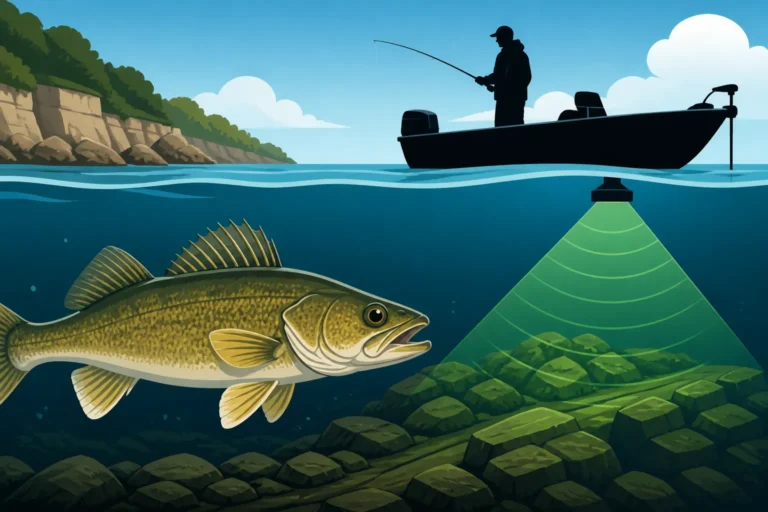
In the vast waters of Ontario, electronics are no longer a luxury, but a necessity. A quality fish finder with GPS and mapping capabilities will dramatically increase your success rate. Side imaging and down imaging are incredibly useful for identifying submerged structure, weed lines, and even schools of baitfish or walleye that are slightly off to the side of your boat. This is especially true when searching for those crucial staging areas or post-spawn drop-offs.
GPS mapping allows you to mark waypoints for productive spots, navigate safely, and understand the contours of the lake or river bottom. High-definition mapping chips, often available from brands like Navionics or Lowrance, provide detailed bathymetry that can reveal subtle breaklines and humps that attract walleye. These tools help you stay on course, return to successful spots, and avoid hazards like shallow reefs, which can be particularly dangerous in early spring with fluctuating water levels. You can find many of these units, along with mapping chips, easily on Amazon.
Boat and Safety Equipment
Spring fishing, especially shortly after ice-out, means cold water. Even if the air temperature feels warm, the water itself can be dangerously cold, capable of inducing hypothermia quickly. Therefore, your boat and safety equipment are paramount. Ensure your boat is in good working order, with all required safety gear onboard. This includes life jackets for everyone (and making sure they are worn!), a bailing device, a whistle or horn, a throw bag, and a first-aid kit. For a full rundown on regulations, consult the Ontario Boating Laws for Anglers and familiarize yourself with Life Jacket Requirements for Ontario Boaters.
A reliable outboard motor is essential, and it's always wise to have an emergency paddle or a small kicker motor, especially on larger lakes or rivers with strong currents. Dress in layers, including waterproof outer shells, and consider wearing an insulated float suit or a PFD designed for cold water. Never assume the water is warm enough to swim in, even if you fall in close to shore. Being prepared for the worst allows you to enjoy the best of spring walleye fishing.
Navigating Ontario's Regulations and Zones
Ontario has diverse and carefully managed fisheries, and understanding the regulations is not just about compliance – it's about contributing to sustainable fishing and ensuring healthy populations for years to come. The province is divided into 20 Fisheries Management Zones (FMZs), each with its own specific rules that can vary from lake to lake and even seasonally. A thorough understanding of these nuances is essential for any angler.
Understanding Ontario Fishing Season Dates by Zone
It's absolutely critical to know the specific fishing season dates for walleye in the particular Fisheries Management Zone (FMZ) you plan to fish. Ontario's vast geography means that while some zones might open for walleye in early May, others, especially in the far north, might not open until June. Fishing for walleye out of season, even by accident, can lead to significant penalties. These dates are set to protect spawning fish and allow for successful reproduction, ensuring the future health of the fishery.
Before you even pack your rods, pull up the official Ontario Fishing Regulations Summary. You can find a detailed breakdown of opening and closing dates for various species, including walleye, specific to each FMZ. For instance, the opener for walleye in FMZ 18 (Southern Ontario) might be different from FMZ 2 (Northwestern Ontario). Planning your trip around these dates is key to legal and ethical angling. Missing this step is a common pitfall for both seasoned and novice anglers alike, so always double-check.
Ontario Walleye Opener Dates by Zone
While the previous section touched on season dates, the walleye opener is such a significant event for many anglers that it deserves its own focused attention. The "opener" marks the first day you can legally fish for and retain walleye in a given zone. This period often coincides with, or immediately follows, the walleye spawn, meaning fish can be in various stages of post-spawn recovery and feeding. Understanding the timing of the opener in relation to the fish's biological clock for your specific area is crucial.
For example, if you're fishing in FMZ 15, the walleye opener might be one date, while in FMZ 13, it could be a week or two later due to climatic differences. These staggered openers help protect the localized spawning aggregations. Many anglers eagerly await these dates, and lakes and rivers can be quite busy during the first few days of the season. Being aware of the specific Ontario Walleye Opener Dates by Zone will help you plan your trips effectively and ethically. Always consult the official regulations summary, as dates can shift slightly year to year.
Ontario Bag and Possession Limits by Species
Beyond just knowing when you can fish, it’s vital to understand how many fish you can keep and what size they need to be. Ontario employs bag and possession limits to control harvest rates and protect different age classes of fish. For walleye, these limits can vary not only by FMZ but also by whether you hold a Sport Fishing License or a Conservation Fishing License. A Conservation license typically has lower bag limits, encouraging more catch and release, while a Sport license allows for a higher harvest.
There can also be "slot limits" for walleye in certain bodies of water, meaning you can only keep fish within a specific size range, with fish outside that range (too small or too large) required to be released. This protects both juvenile fish and large, mature breeding stock. Always have a measuring tape or bump board easily accessible in your boat. Failing to adhere to Ontario Bag and Possession Limits by Species can result in fines and the loss of your fishing privileges. Read the official Reading the Ontario Fishing Regulations Summary thoroughly before hitting the water.
Common Challenges and Troubleshooting
Even the most experienced anglers face challenges when spring walleye fishing in Ontario. The weather is unpredictable, the fish can be finicky, and large bodies of water can feel overwhelming. Knowing how to troubleshoot common issues can turn a frustrating day into a successful one.
Dealing with Cold Fronts and Pressure Changes
One of the most common frustrations in spring fishing is the sudden arrival of a cold front. A beautiful sunny day can quickly turn into a blustery, overcast affair with dropping temperatures and rising barometric pressure. Walleye, like many fish, are highly sensitive to these changes and often become lethargic and unwilling to bite. It's a classic scenario: the fish were on fire yesterday, and today they're nowhere to be found.
When a cold front hits, walleye often move to deeper water or seek out heavy cover to sit out the change. They become less active and might suspend off the bottom rather than holding tight to structure. Your approach needs to change dramatically. Slow down your presentation even further. Use smaller baits or live bait, and focus on vertical presentations in deeper water. Bites will be incredibly subtle, often feeling like just a slight pressure or a mushy weight on the line. Fishing tight to the bottom in deeper holes or dense timber might be your best bet. We've got a whole article dedicated to Cold Front Fishing Tactics for Ontario Walleye that you might find helpful.
Finding Fish in Large Systems
Ontario's lakes can be truly immense, and finding walleye in a massive body of water like Lake Huron or Lake of the Woods can feel like searching for a needle in a haystack. It’s easy to get overwhelmed by the sheer size. The key is to break down the lake into manageable sections and use a systematic approach. Don't try to fish the entire lake; focus on specific areas that are likely to hold spring walleye.
Start by identifying high-percentage areas based on spring walleye behavior: river mouths, large shallow bays adjacent to deep water, prominent points, and extensive breaklines. Utilize your GPS mapping to identify structure and contours. Once you've identified a promising area, use your fish finder with side imaging to scan for schools of baitfish or walleye. Troll transects across potential holding areas, or systematically cast a search bait like a crankbait to cover water. If you don't find fish in 20-30 minutes, move to the next high-percentage spot. Don't be afraid to travel; covering ground is often necessary on large systems. Check out our guide on Best Walleye Lakes in Ontario for some regional hotspots.
Adapting to Finicky Bites
There are days when walleye just seem to have lockjaw. You know they're there, you see them on the sonar, but they just won't commit. This often happens in clearer water, after a cold front, or when fish are in a neutral mood. A finicky bite requires finesse and experimentation. Don't keep doing the same thing if it's not working.
First, try downsizing your lure. If you're using a 1/4 oz jig, switch to a 1/8 oz or even a 1/16 oz. Go to lighter line and a longer fluorocarbon leader. Experiment with different colors—sometimes a subtle change from white to smoke, or chartreuse to green pumpkin, can make a difference. Most importantly, slow down your presentation. Let your bait sit motionless for longer periods. If you're jigging, try a dead stick retrieve where you simply let the bait hang for 10-15 seconds. If you're using live bait, make sure it's fresh and lively. Sometimes, a slight change in angle or casting distance can put your lure right in front of a hesitant fish. Don't be afraid to try completely different bait types until you crack the code.
Safety First: Spring Fishing Considerations
Spring fishing in Ontario offers incredible opportunities, but the conditions, particularly in early spring, can be unforgiving. Prioritizing safety is paramount, not just for you but for everyone on board.
Cold Water Boating Safety
The most significant danger during spring fishing in Ontario is cold water. Lakes and rivers often hover just above freezing for weeks after ice-out, even when air temperatures are mild. Accidental immersion in cold water can lead to hypothermia in minutes, impairing your ability to swim or even call for help. This is not a time to be complacent about safety gear.
Always wear a PFD (Personal Flotation Device). Don't just have it in the boat; wear it. Modern PFDs are comfortable and designed for anglers. Avoid going out alone, especially on larger bodies of water. File a float plan with someone on shore, letting them know where you're going and when you expect to return. Ensure your boat is equipped with all legally required safety items, including a reboarding device, spare paddle, bailer, and sound-signaling device. Also, carry extra warm, dry clothing in a waterproof bag. If you do go overboard, focus on self-rescue or getting back into the boat as quickly as possible, then seeking immediate medical attention.
Weather Awareness and Preparation
Spring weather in Ontario is notoriously unpredictable. A sunny, calm morning can quickly turn into a windy, stormy afternoon with dramatic temperature drops. Watching the forecast isn't enough; you need to be constantly aware of changing conditions while on the water. Look for darkening skies, shifting winds, and sudden temperature drops.
Dress in layers, starting with moisture-wicking base layers, insulating mid-layers, and a waterproof, windproof outer shell. Bring more warm clothing than you think you'll need. Pack a hat, gloves, and warm socks. A thermos of hot coffee or soup can be a lifesaver. If you're in a boat, a marine-band radio or a fully charged cell phone (in a waterproof case) can be critical for getting weather updates or calling for help. Never hesitate to cut a fishing trip short if the weather turns nasty. No fish is worth risking your life.
Shoreline and Wading Safety
For anglers fishing from shore or wading, spring also presents unique hazards. River banks can be muddy and slippery from spring runoff, and water levels can fluctuate dramatically due to snowmelt and rain. Always scout your walking path, especially if wading, and be aware of potential deep holes or strong currents.
A good wading staff is invaluable for stability, especially on uneven or slippery bottoms. Wear appropriate wading boots with good grip. If you're crossing a stream, face upstream and shuffle your feet to maintain balance against the current. Be mindful of rising water levels – a small stream can become a raging torrent quickly after heavy rain. Avoid wading alone if possible, and always let someone know where you're going. Even from shore, unstable banks or slippery rocks near the waterline can be dangerous. Respect the power of spring currents and cold water, and choose your fishing spots wisely.
| Spring Walleye Fishing Checklist (Early Season) | Importance | Notes |
|---|---|---|
| Fishing License & Outdoors Card | Essential | Must be valid for Ontario. |
| Ontario Fishing Regulations Summary | Essential | Know your FMZ's specific walleye opener, limits, and special regulations. |
| Rods (Medium-light to Medium) | Essential | 6'6" – 7' fast action spinning or baitcasting. |
| Reels (2500-3000 size spinning) | Essential | Or equivalent baitcasting. |
| Line (Braided w/ fluorocarbon leader) | Essential | 8-10lb braid, 6-8lb fluoro leader. |
| Jigs (1/8 – 1/4 oz) | Essential | Various colours (white, smoke, chartreuse). |
| Soft Plastics (Paddle tails, minnows) | Essential | Match jig sizes. |
| Crankbaits/Jerkbaits | Recommended | Suspending models, natural baitfish patterns. |
| Live Bait (Minnows, nightcrawlers) | Highly Rec | Check local bait regulations. |
| Electronics (Fish finder, GPS, Mapping) | Highly Rec | Crucial for finding structure and fish in large systems. |
| Life Jackets (PFDs) | Essential | Wear them! |
| Warm, Layered Clothing | Essential | Waterproof outer layer, insulating mid-layers. |
| Extra Dry Clothing | Essential | In a waterproof bag. |
| Basic Safety Kit | Essential | Whistle, throw rope, first-aid, bailing device. |
| Anchor and Rope | Essential | For boat stability in current or wind. |
| Measuring Device | Essential | For confirming legal sizes. |
| Pliers/Hook Remover | Essential | For safe fish handling. |
| Water & Snacks | Essential | Stay hydrated and fueled. |
Disclaimer
The information provided in this guide is for general informational purposes only and is not intended as legal advice. Fishing regulations in Ontario can change frequently. Always consult the most current official Ontario Fishing Regulations Summary for the specific Fisheries Management Zone you plan to fish before heading out on the water. Adherence to all provincial and federal regulations is the angler's responsibility. Fishing involves inherent risks; always prioritize safety and take appropriate precautions.