How to locate crappie in Ontario lakes
If you've ever spent a beautiful day on an Ontario lake, hoping to fill your livewell with those delicious, papermouth crappie, only to come up empty-handed, you're certainly not alone. Crappie can be incredibly elusive, moving seemingly on a whim and leaving anglers scratching their heads. But don't give up hope! This comprehensive guide is designed to cut through the mystery, helping you understand crappie behavior, where they hide, and the best strategies to consistently locate these rewarding fish in Ontario's diverse waters.
Understanding Crappie Habits: Why They're So Elusive (and Rewarding!)
Before you can hope to catch crappie, you really need to understand what makes them tick. These aren't just any panfish; they have specific preferences and patterns that, once understood, can make all the difference in your success. Think of it like learning the secret language of the lake – it takes a bit of effort, but the rewards are sweet.
Crappie Biology and Preferred Habitats
Ontario is primarily home to the black crappie, though white crappie can be found in some southern waters, particularly those with murkier conditions. Black crappie are characterized by their more irregular black spots and seven or eight dorsal spines, while white crappie tend to have more distinct vertical bars and typically six dorsal spines. Both species are phenomenal table fare and present a fun challenge for anglers.
What unites both species is their love for structure and calm, clear to moderately stained water. Unlike some fish that hug the bottom, crappie are notorious for suspending in the water column. They're ambush predators, and they use submerged timber, weed lines, brush piles, docks, and even subtle changes in bottom contour as their hunting grounds. These structures provide them with cover from larger predators, shade from the sun, and excellent points from which to dart out and snatch a passing minnow or insect. If you're looking for Panfish Fishing in Ontario, crappie are a prime target!
Their preferred depth varies wildly depending on the time of year and day, but they are almost always "relating" to structure. This means they might be just above a sunken log, tucked into the edge of a dense weed bed, or hanging under a dock. Their diet mostly consists of small minnows, insect larvae, and tiny crustaceans, so finding baitfish is often key to finding crappie.
Seasonal Movements and Behavior Patterns
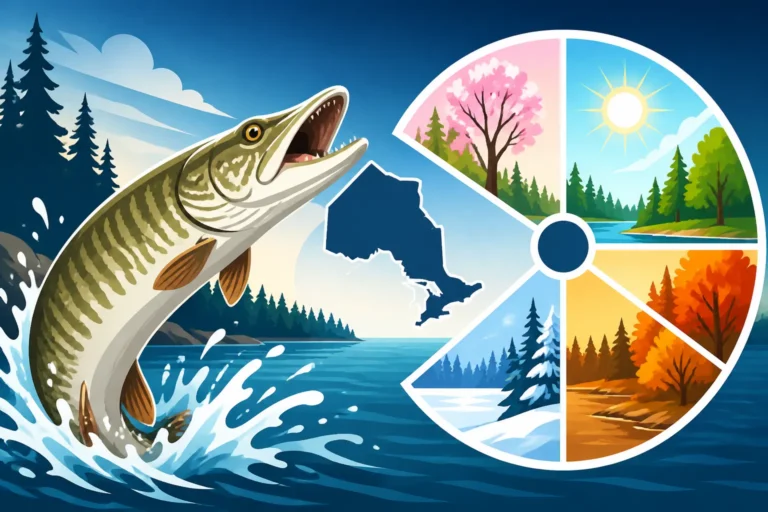
Crappie are creatures of habit, but those habits shift dramatically with the seasons. Understanding these shifts is paramount to locating them effectively.
Spring: The Shallow Water Hunt
As the ice recedes and water temperatures slowly begin to climb, crappie start their migration towards warmer, shallower waters. This is prime time for pre-spawn and spawning activity. You'll often find them congregating in shallow, protected bays, especially those with dark bottoms that absorb the sun's warmth. Look for emergent vegetation like reeds, lily pads, and submerged brush, as these offer cover and nesting sites. They'll often be in water as shallow as 2-5 feet, making them accessible to shore anglers or those in smaller boats. The males will guard their nests, making them aggressive and relatively easy to pinpoint. This is a fantastic time for active fishing, as they're hungry and preparing to spawn.
Summer: Deepening and Suspending
Once the spawn is over and water temperatures really heat up, crappie tend to move out of the shallowest bays and seek deeper, cooler water. They'll often relate to deeper weed lines, the edges of submerged weed flats, and brush piles in 8-20 feet of water, sometimes even deeper. During hot, sunny days, they'll frequently suspend over deeper basins, often directly above a thermocline or a piece of submerged structure. They become more nocturnal feeders in the summer, seeking shade and cooler temperatures during the day. This is where your electronics become incredibly important, as visually locating suspended fish can be nearly impossible. Learning How to Catch Walleye in Ontario can often provide transferable skills for finding suspended fish in summer, as they share some similar patterns.
Fall: Schooling and Feeding Frenzies
As autumn brings cooler temperatures, crappie start to reverse their summer patterns. They'll move back into shallower areas, often along transition lines where deep water meets a shallow flat or weed bed. This is a time of intense feeding as they pack on weight for the upcoming winter. You'll find them schooling up tightly, sometimes in very large numbers, often near the same types of structures they frequented in the spring, but perhaps with more of a connection to deeper water nearby. These fall movements can lead to some incredible fishing, as finding one crappie often means finding dozens.
Winter: Ice Fishing Opportunities
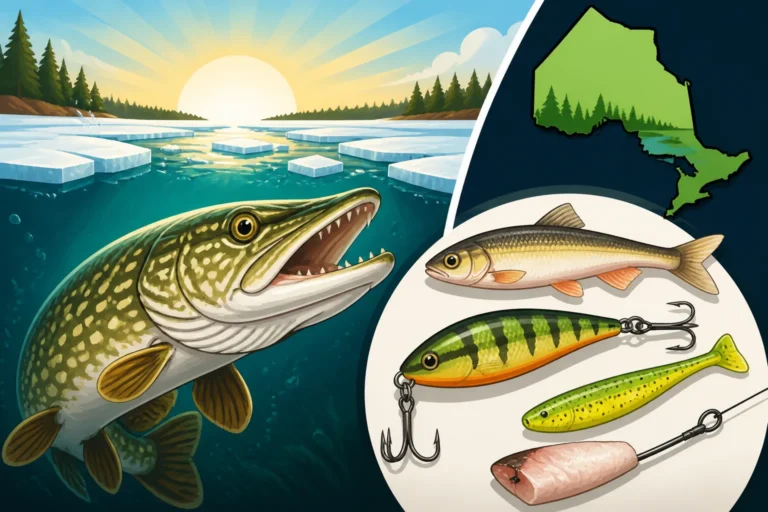
When Ontario's lakes freeze over, crappie become a prime target for ice anglers. During winter, they typically seek out deeper holes, basin areas, and submerged structure like brush piles or weed clumps. They remain schooled, often suspending anywhere from a few feet under the ice down to just above the bottom. The key to finding them through the ice is often locating these deeper water areas with good structure, then systematically fishing different depths. Just like Jigging for Perch Through the Ice, crappie will often respond well to small jigs presented vertically. Understanding Ice Fishing in Ontario in general will greatly aid your crappie pursuits during the cold months.
Gear and Techniques for Crappie Success: Tools of the Trade
Locating crappie isn't just about knowing where they should be; it's also about having the right tools to find them and the techniques to convert that discovery into a catch. Don't underestimate the impact of fine-tuned gear.
Essential Tackle for Crappie Fishing
Crappie have incredibly delicate mouths, earning them the nickname "papermouths." This means you need light, sensitive tackle to detect their subtle bites and avoid tearing the hook out.
- Rods and Reels: An ultralight or light action spinning rod, typically 5 to 7 feet long, is ideal. Pair this with a small, sensitive spinning reel spooled with 4-6 pound monofilament or fluorocarbon line. Many anglers opt for a thin braided line with a fluorocarbon leader for maximum sensitivity and strength, especially when fishing around abrasive cover. For a great starting point, consider looking into a Best Ultralight Rod for Panfish to make sure you have the right setup. You can often find excellent options for sensitive ultralight combos on platforms like Amazon.
- Lures and Baits: Keep your offerings small!
- Jigs: 1/32 to 1/16 ounce jigs are staples. These can be tipped with tiny soft plastic bodies like tube jigs, grubs, crappie minnows, or small curly-tail worms. Natural colours like white, chartreuse, black, and smoke are often effective, but always experiment.
- Live Bait: Small live minnows are almost always a winning ticket, especially fished under a bobber. Wax worms and maggots (known as "spikes") are also excellent choices, particularly for ice fishing or when crappie are finicky.
- Small Crankbaits/Spinners: In certain situations, especially when crappie are aggressive, tiny crankbaits or inline spinners can be deadly.
- Bobbers: Slip bobbers are an absolute game-changer for crappie fishing. They allow you to easily fish at any depth, which is critical for finding suspended crappie. Fixed bobbers work well in very shallow water, but for deeper presentations, a slip bobber is invaluable.
Effective Locating Techniques
Even with the best gear, if you don't know how to use it to find the fish, you're just casting blind. These techniques will help you narrow down your search.
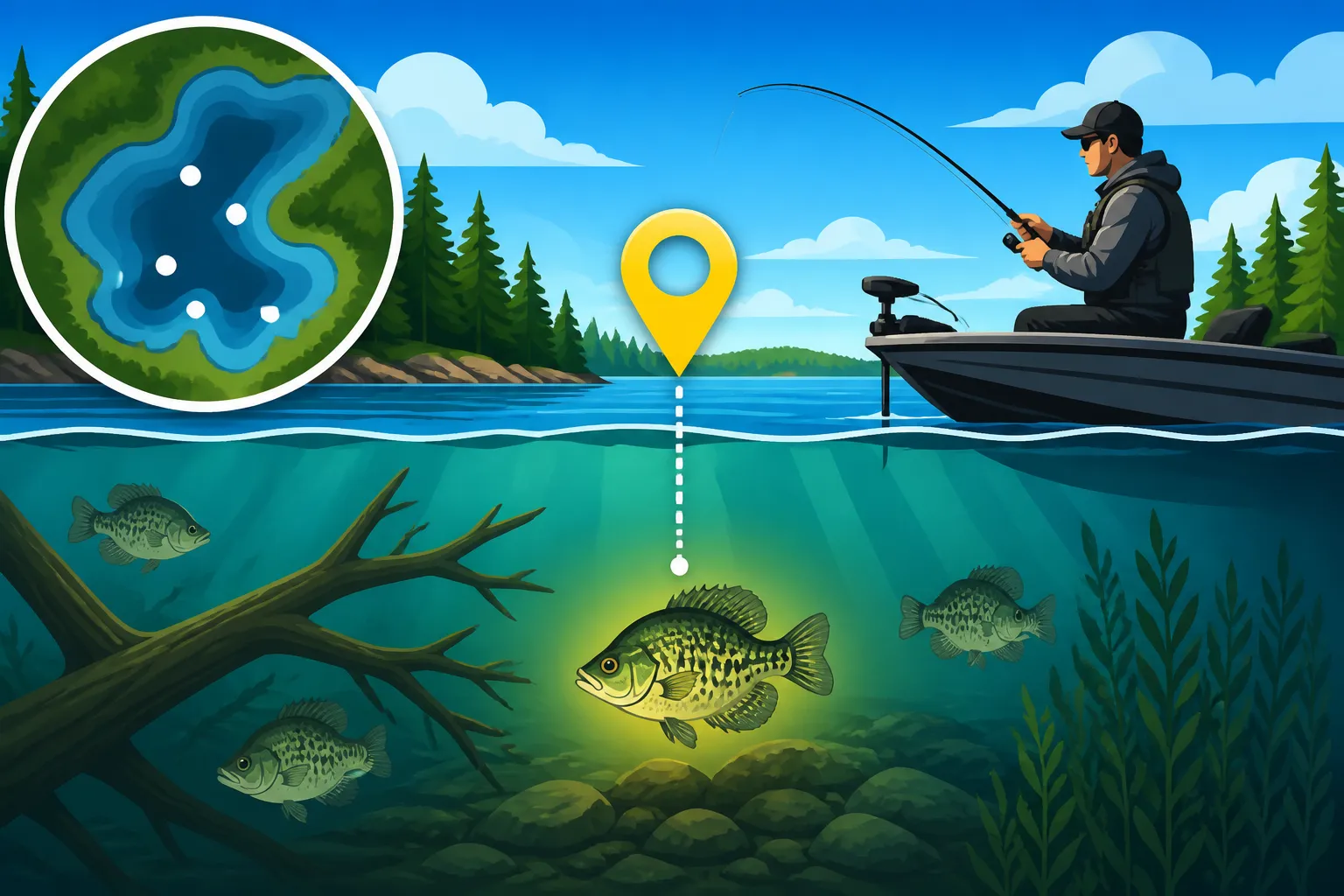
- Sonar and Fish Finders: Modern electronics are your best friend for crappie. Down imaging and side imaging units can show you submerged brush piles, weed edges, and most importantly, schools of suspended crappie. Look for "dots" or "clouds" of fish relating to structure. If you're fishing from a boat, systematically scan likely areas. For smaller craft or kayak anglers, portable fish finders are a fantastic investment and can be found on Amazon.
- Mapping and Navigational Charts: Before you even leave the dock, study lake maps. Look for sharp drop-offs, humps, old river channels, and deep bays that have access to shallower structure. Tools like the Ontario Fish ON-Line Interactive Zone Map, Explained can give you an incredible head start by highlighting depths and potential fish-holding features. Plotting a course to check these areas thoroughly will save you time and fuel.
- Visual Cues: Don't underestimate the power of your eyes. Look for lily pads, fallen trees, beaver lodges, docks, and even subtle current breaks. These are all natural crappie magnets. Sometimes, you can even spot crappie holding near shallow cover on a calm, sunny day.
- Fan Casting and Grid Search: Once you've identified a promising area, don't just cast in one spot. Use a fan-casting technique, making casts in a wide arc around your boat or position. If you're using a boat, slowly motor in a grid pattern over the area, carefully watching your fish finder for signs of life. This systematic approach ensures you cover the water effectively.
- Trial and Error with Depth: Remember, crappie suspend! If you're not getting bites, change your depth. Start shallow and work deeper in increments until you find the fish. This is where a slip bobber really shines, allowing quick adjustments. Don't be afraid to fish just a few feet under the surface or right on top of submerged structure.
Prime Ontario Crappie Hunting Grounds: Where to Start Your Search
Ontario is a vast province with countless lakes, and while crappie can be found in many, certain types of water and specific features tend to be more productive. Knowing what to look for will significantly improve your odds.
Identifying Promising Lake Features
Crappie are masters of relating to specific habitat features. If a lake has these elements, it has the potential to hold crappie.
- Shallow, Weedy Bays: Especially crucial in spring and fall. These areas warm up quickly, attracting baitfish and providing cover. Look for bays with dense but not impenetrable weed growth, where there are pockets or channels the fish can move through. The presence of dark, mucky bottom is often a good indicator as it retains heat.
- Submerged Timber and Brush Piles: These are absolute crappie magnets year-round. Old flooded timber, brush piles placed by anglers or fallen trees along shorelines provide excellent vertical cover where crappie can hide and ambush prey. Use your fish finder to pinpoint these underwater forests. Often, even a single submerged log can hold a school.
- Docks and Marinas: Man-made structures are just as good as natural ones. Docks, boat lifts, and marina slips offer shade, cover, and often deeper water access. Crappie will hold to the pilings, under the platforms, and near any boats that have been moored for a while. These are particularly productive in summer when fish are seeking shade.
- Transition Zones: Crappie often hang out where different depths or habitats meet. A common spot is where a shallow flat drops off into deeper water, especially if that drop-off has scattered weeds, rocks, or wood. These areas allow crappie to move between feeding zones and deeper sanctuary quickly.
- Inflows and Outflows: Any area where a stream or river flows into or out of a lake can be a hotspot. The slight current often concentrates baitfish and brings in nutrients, creating a vibrant ecosystem that crappie will exploit. Look for deeper pools or eddies associated with these current breaks.
Specific Ontario Lake Types and Examples
Ontario offers a fantastic variety of fishing opportunities, and many lakes are excellent for crappie. Understanding what kind of lake typically holds them can guide your regional search.
- Southern Ontario Lakes: Many of the fertile, warmer lakes in southern Ontario are prime crappie territory. These lakes often have abundant weed growth, diverse structure, and a good forage base. Large systems like Lake Simcoe, though known for jumbo perch, also hold crappie in its shallower bays. The sprawling Kawartha Lakes Fishing Guide points to numerous productive waters, as do the interconnected Rideau Lakes Fishing Spots. Smaller, lesser-known lakes in this region can also be phenomenal. Look for lakes with a good mix of shallow, weedy areas and deeper sections.
- Northern Ontario Lakes: While northern Ontario is often synonymous with walleye and pike, many of its darker, humic-stained lakes can hold fantastic crappie populations. These crappie often grow quite large due to less fishing pressure. Focus on the bays, river mouths, and backwater areas of larger systems rather than the vast, open main basins. Always check the Ontario Fisheries Management Zones, Explained and local regulations for specific areas, as rules can vary.
- Nutrient-Rich vs. Cold, Clear Waters: Crappie generally prefer more nutrient-rich, mesotrophic to eutrophic lakes rather than ultra-clear, cold, oligotrophic waters. While you might find them in the latter, they'll typically be fewer in number and concentrated in specific, fertile pockets. The warmer, weedier lakes are usually your best bet for consistent crappie action.
Putting It All Together: Your Crappie Location Strategy
Successfully locating crappie in Ontario lakes isn't about luck; it's about a methodical approach, combining research, observation, and adaptability. Think of it as a treasure hunt where the X marks a school of delicious fish.
Developing a Search Plan
A solid plan starts long before you even launch your boat or step onto the ice.
- Pre-Trip Research: Start by studying maps, both paper charts and digital ones like those available through apps. Identify potential crappie hotspots based on the features discussed above: shallow bays, sharp drop-offs, prominent weed lines, and areas with submerged timber. Look up recent fishing reports online or call local bait shops – they often have the most up-to-date information on what's biting where. Understanding Ontario Bag and Possession Limits by Species is also a crucial part of your pre-trip planning to ensure you're fishing legally.
- On-the-Water Approach: Once you're on the water, don't just start casting randomly. Execute your plan. Start wide, covering larger, promising areas with your boat and fish finder. If you mark fish or notice good structure, narrow down your focus. Fan cast, adjust depths, and if you don't get a bite within 15-20 minutes in a spot you thought was promising, move on. Crappie often school tightly, so if you find one, you're likely to find more.
- Observe Other Anglers: While you should always be respectful, observing where other successful anglers are fishing can provide valuable clues. They might be targeting a specific depth, structure, or area that you hadn't considered. Just make sure to give them plenty of space and avoid crowding their spot.
- Adjusting to Conditions: Crappie are sensitive to changes in weather, barometric pressure, and water temperature. On a bright, sunny day, they might be deeper and tighter to cover. On overcast days, they might roam more freely. Pay attention to the conditions and be willing to adjust your depth, lure presentation, and even location if what you're doing isn't working. Sometimes, a subtle change in retrieve speed or jig colour, which you can conveniently stock up on from Amazon, can make all the difference.
Common Mistakes and How to Avoid Them
Even seasoned anglers can make mistakes when chasing crappie. Being aware of these common pitfalls can help you improve your success rate dramatically.
- Fishing Too Shallow or Too Deep: This is perhaps the most common mistake. Crappie suspend! Many anglers fish too close to the bottom, missing schools of fish holding several feet up. Conversely, in summer, fishing too shallow will mean you're in water that's too warm. Constantly adjust your depth using a slip bobber or by counting down your jig. Your fish finder is essential for figuring out exactly where the fish are holding in the water column.
- Not Being Patient Enough (or Too Patient!): It's a fine line. If you're confident you're in a good area with visible structure or fish marks on your sonar, give it some time. Crappie can turn on and off. However, if you've worked an area thoroughly for 20-30 minutes with no bites and no signs of fish, it's time to move. Don't waste precious fishing time on unproductive water.
- Using Tackle That's Too Heavy: Heavy line, large hooks, or oversized jigs will spook crappie and make it difficult to detect their notoriously light bites. Stick to ultralight gear and small presentations. Think finesse! This is where a delicate touch, possibly with gear you've sourced for Best Tackle Box Setup for Ontario Anglers, comes into play.
- Ignoring Subtle Bites: Crappie bites can be incredibly subtle, sometimes feeling like nothing more than a slight "tick" or just added weight on your line. Watch your line closely for any jumps or twitches, especially if using a tight line presentation. If fishing with a bobber, a crappie might just make it lie flat or move sideways rather than pulling it completely under.
- Not Moving When Fish Aren't Biting: This ties into patience, but it's worth highlighting. Lakes are dynamic environments. Fish move. If your go-to spot isn't producing, don't just sit there lamenting. Get up, use your electronics, and go find them somewhere else. Sometimes a five-minute move can transform your day from frustrating to fantastic.
By understanding crappie habits, utilizing the right gear and techniques, identifying prime locations, and employing a smart search strategy, you'll be well on your way to consistently locating and catching these wonderful fish in Ontario's beautiful lakes.
Disclaimer
This article is for general informational purposes only and does not constitute professional advice. Laws, prices and regulations vary by location and change over time. Consult a qualified professional for guidance on your specific situation.