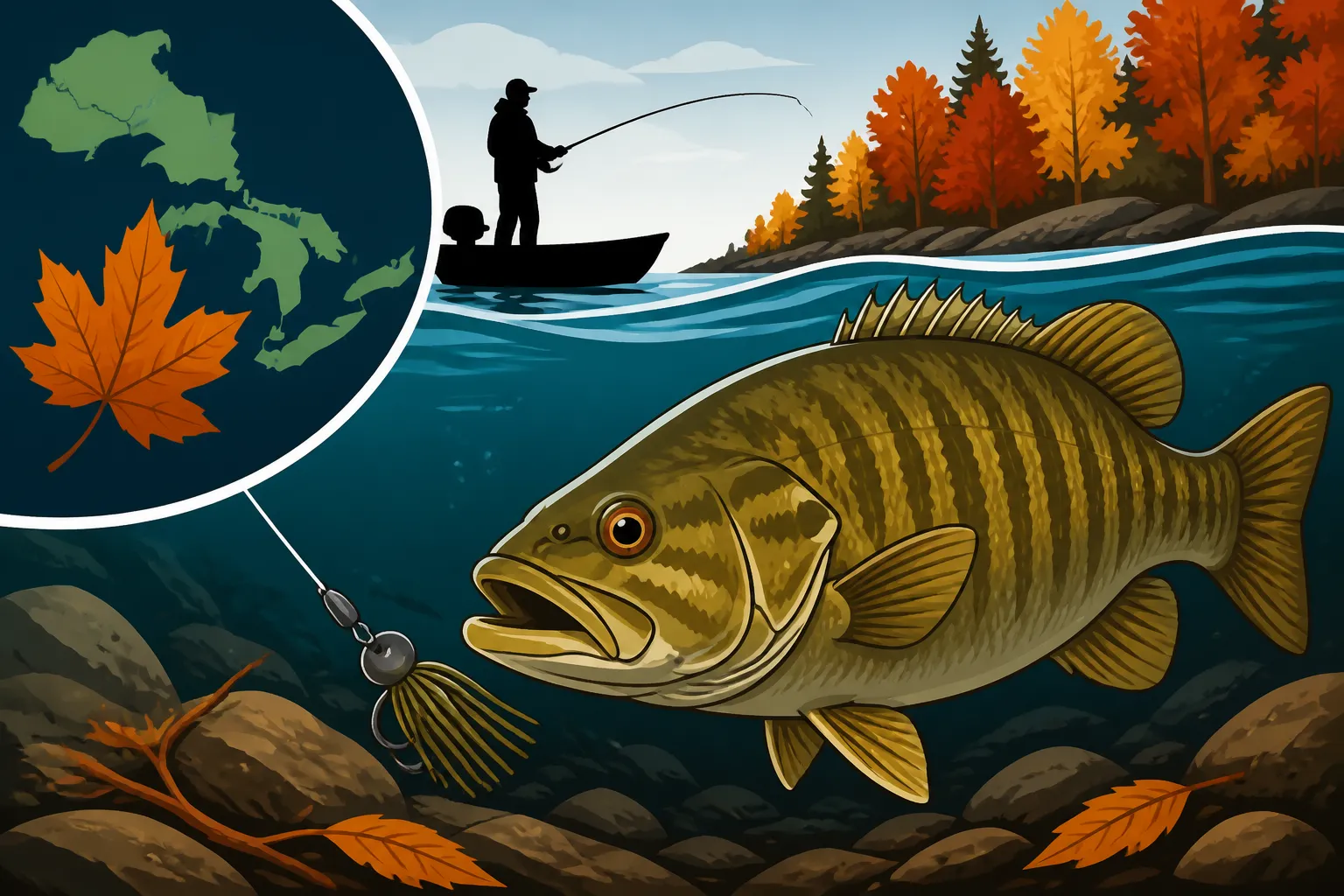
Best technique for late fall smallmouth bass
Trying to target smallmouth bass in late fall can feel like chasing ghosts sometimes, right? The water is cooling down, the leaves are gone, and those aggressive summer bites seem like a distant memory. Many anglers pack up their gear, thinking the season is over, but what they don't realize is that some of the biggest smallmouth of the year are still out there, just waiting for the right presentation. This guide is all about cracking the code of late fall smallmouth in Ontario, helping you adapt your techniques to land those giants before winter truly sets in.
Understanding Late Fall Smallmouth Behavior
As the vibrant colours of autumn fade and the air takes on a crisp, biting chill, the underwater world of Ontario's lakes and rivers undergoes a significant transformation. Smallmouth bass, like most cold-blooded creatures, are incredibly sensitive to these changes, especially the dropping water temperatures. Understanding their shifted behaviour is the absolute first step to successfully targeting them during this challenging yet rewarding period. It's not about what you want to throw; it's about what they need or want to eat, given their physiological state.
Water Temperature and Metabolism
When lake and river temperatures dip below 50 degrees Fahrenheit (roughly 10 degrees Celsius), a smallmouth's metabolism slows down considerably. Think of it like a human getting sluggish in the cold – they're not as active, they don't burn as many calories, and they certainly don't chase after food with the same reckless abandon they did in August. This means their feeding windows become shorter, and their willingness to expend energy to chase a fast-moving lure diminishes significantly. You'll often find them grouped up, conserving energy in deeper, more stable thermal zones. They're still hungry, mind you, but they're waiting for an easy meal, something that requires minimal effort on their part. This is why super aggressive presentations that worked so well in summer will often fall flat now. You have to slow down, get precise, and offer something irresistible right in front of their noses.
Forage and Location Shifts
The dropping water temperatures also trigger a massive migration of baitfish. Shiners, perch, ciscoes, and other forage species that spent the summer spread out in shallower weeds or open water will start to pull away from the banks and seek the stable temperatures and safety of deeper structure. This means the smallmouth will follow. No longer will you find them smashing topwater lures on shallow rock piles or chasing spinnerbaits in expansive weed flats. Instead, they'll congregate on sharp breaks, deep points, offshore humps, and isolated rock piles that offer quick access to deeper water. These areas often have baitfish schooling up, providing an essential food source. Understanding these "wintering holes" or staging areas is critical; you need to be thinking about how to find these deep-water congregations rather than looking for scattered individuals. It’s a hunt for schools, not lone wolves.
Key Techniques for Late Fall Smallmouth
Now that we understand why smallmouth behave differently, let's dive into the how. The name of the game in late fall is finesse, precision, and patience. Forget your power fishing instincts for a bit; this is about presenting a meal, not triggering a chase. You're trying to elicit a reaction strike from a lethargic fish, or simply present an easy meal to a fish that doesn't want to work for it.
Finesse Tactics for Deep Water
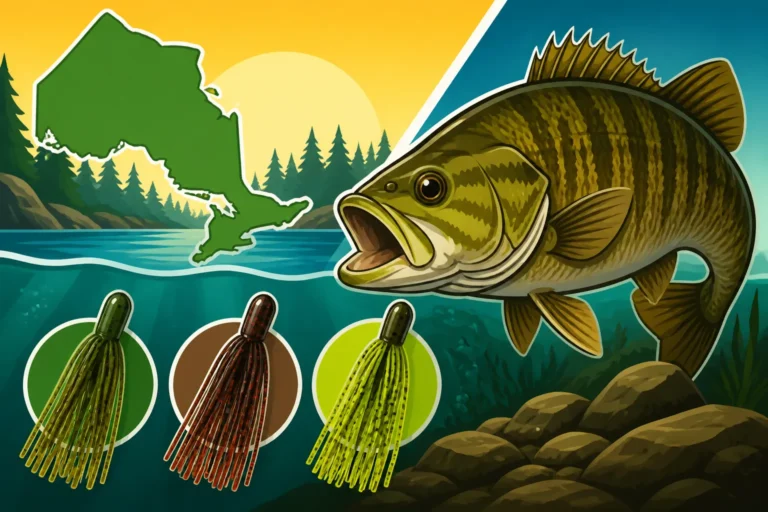
Finesse tactics are your bread and butter in late fall. These are presentations designed to be subtle, slow, and irresistible to fish that are conserving energy. The key is to match the hatch, both in terms of lure size and colour, to the available forage. Often, smaller profiles in natural colours like green pumpkin, brown, or black, or baitfish imitations, will be most effective.
One of the most effective finesse presentations is a simple tube jig. A 3.5 to 4-inch tube, rigged with an internal jig head, mimics a crawfish or a small baitfish perfectly. You'll want to use a heavier jig head than you might in summer, perhaps a 3/8 or 1/2 ounce, to get it down quickly and maintain bottom contact in deeper water. The retrieve is agonizingly slow: cast it out, let it sink to the bottom, and then impart tiny twitches and hops, barely moving it, interspersed with long pauses. Sometimes, the fish will hit on the pause, so pay close attention to any subtle changes in your line. Similarly, a Ned rig, essentially a small mushroom-head jig with a piece of buoyant soft plastic, is phenomenal for truly stubborn fish. It stands up off the bottom, creating a subtle, irresistible target. For those exploring where to find deep-water structure, our guide on the Best Fishing Lakes in Ontario might offer some excellent starting points.
Vertical Jigging and Drop Shotting
When smallmouth are tightly schooled on deep structure, vertical presentations become incredibly efficient. You’re essentially dropping your lure directly into their living room.
-
Vertical Jigging: This technique involves positioning your boat directly over a school of fish or a piece of structure and dropping a jig straight down. Blade baits are exceptional for this. Their metallic profile, flash, and vibration perfectly mimic a distressed baitfish. You'll drop it to the bottom, then lift it sharply a foot or two, letting it flutter back down on a semi-slack line. Most bites will come on the fall, so feeling that "tick" or slight weightlessness as the fish inhales it is crucial. Small grub tails on heavy jig heads, or even small spoons, can also be deadly when vertically jigged. Keep an eye on your fish finder, and when you see a school, drop your bait right on their heads. This is where a good fish finder really shines, helping you locate those elusive deep-water schools. For optimizing your electronics, take a look at our article on the Best Fish Finders for Ontario Lakes.
-
Drop Shotting: The drop shot rig is another finesse powerhouse for deep, lethargic smallmouth. It involves tying a hook directly to your main line (often using a Palomar knot) with a tag end left below, to which you attach a weight. This allows your soft plastic bait (often a small minnow imitation, worm, or fluke) to suspend enticingly off the bottom, right at the fish's eye level, while the weight keeps it in the strike zone. You simply drop it down, let the weight hit bottom, and then barely shake your rod tip to make the bait quiver. It's incredibly subtle and perfect for when fish are very particular. Fluorocarbon line is almost a necessity for drop shotting due to its low visibility and sensitivity. You can learn more about its benefits in our guide on the Best Fluorocarbon Line for Clear Lake Water.
Blade Baits and Jerkbaits
While finesse rules, there are still times when a bit more aggression, or at least a different kind of action, is needed. Blade baits and jerkbaits fit this bill perfectly.
-
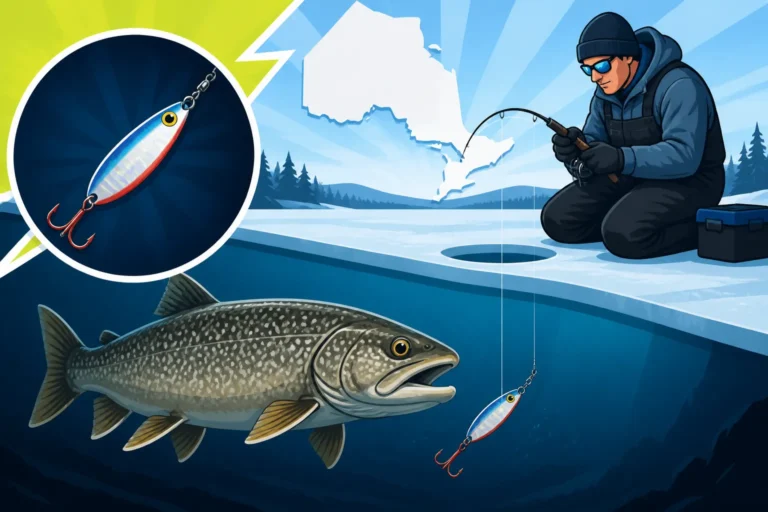
Blade Baits: As mentioned with vertical jigging, blade baits are fantastic. Their vibration and flash can call fish in from a distance, even when they're not actively chasing. Beyond vertical jigging, they can also be cast and slowly retrieved or "ripped" (a sharp retrieve followed by a pause) along deep break lines or rock transitions. The key is to let them fall and flutter on the pause, as this is often when a neutral fish decides to strike. Their slim profile and heavy weight make them excellent for probing deep water effectively. You can often find a good selection of quality blade baits on platforms like Amazon, offering a variety of sizes and colours to match local forage.
-
Jerkbaits: While often associated with spring bass fishing, suspending jerkbaits can be incredibly effective in late fall. The trick is to slow down your retrieve dramatically. Instead of rapid jerks, think long pauses – sometimes 10, 20, or even 30 seconds – between short, subtle twitches. The suspending action means the lure stays right in the strike zone during these long pauses, hovering enticingly. This is often enough to trigger a reluctant smallmouth into striking, as it looks like an easy, wounded meal. Colours that mimic local baitfish, like silver/blue or perch patterns, are usually best. For more insights on this technique, our guide on the Best Jerkbait for Early Spring Bass also offers valuable tips applicable to fall, especially regarding pause duration. Again, you can browse a wide array of options on Amazon to find the perfect suspending jerkbait for your tackle box.
Essential Gear for Late Fall Success
Having the right techniques is only half the battle; without the proper tools, you’ll struggle to execute them effectively. Late fall fishing demands sensitive gear, stout enough to handle larger, colder fish, but refined enough to detect the subtlest of bites.
Rod, Reel, and Line Considerations
Your setup needs to be highly sensitive to feel those soft, late-fall bites, yet powerful enough to handle a potential trophy smallmouth in deep water.
- Rods: For most finesse and vertical jigging applications, a 6'8" to 7'2" medium-light to medium power spinning rod with a fast or extra-fast action is ideal. The fast tip allows for precise lure control and excellent bite detection, while the backbone provides the necessary power to set the hook and fight fish. For jerkbaits, a slightly longer (7' to 7'6") medium power casting rod with a moderate-fast action can be beneficial, as it helps cast further and allows the rod to load better on the cast and during the fight.
- Reels: Pair your spinning rods with a quality 2000-3000 series spinning reel, known for a smooth drag and precise line lay. For casting rods, a low-profile baitcasting reel with a moderate gear ratio (around 6.x:1) is versatile for jerkbaits and blade baits.
- Line: This is where things get critical. For spinning setups, 8-10 lb braided line with a 6-10 lb fluorocarbon leader is a fantastic combination. The braid offers incredible sensitivity and casting distance, while the fluorocarbon leader provides stealth and abrasion resistance. For baitcasting setups, 10-15 lb fluorocarbon main line or braided line with a fluorocarbon leader works well. Fluorocarbon's low stretch is excellent for feeling subtle bites in deep water, a key factor when late fall smallmouth are just mouthing the bait. When looking for high-quality fishing line, don't forget to check out what's available on Amazon, as they often have competitive prices.
Electronics and Boat Positioning
In late fall, your electronics are arguably as important as your rod and reel. These fish are deep and often schooled, making blind casting incredibly inefficient.
- Sonar/Fish Finder: A high-quality fish finder with down imaging and side imaging capabilities can be a game-changer. Use it to locate deep water structure like humps, points, and rock piles. More importantly, use it to identify schools of baitfish and the tell-tale arches of smallmouth bass holding nearby. Mark these spots with waypoints immediately! Without electronics, you're essentially guessing where the fish are holding in the vastness of the lake.
- Boat Positioning: Once you've located fish or promising structure, precise boat positioning is paramount. A good trolling motor with GPS Spot-Lock or anchoring capabilities allows you to stay directly over the fish, making vertical presentations much easier and more accurate. This also helps you dissect a piece of structure thoroughly, casting from multiple angles without drifting off target. Whether you're in a smaller fishing kayak or a larger bass boat, maintaining position is crucial. Our insights on the Best Kayak for Lake Erie or Best Boat for Fishing Georgian Bay delve into how different vessel types can best be utilized for such precise angling.
Timing, Location, and Environmental Factors
Even with the right techniques and gear, late fall smallmouth fishing can be finicky. Success often hinges on understanding the subtle nuances of timing, location, and how environmental factors influence their behaviour.
Best Times of Day and Weather
Unlike the summer, when early mornings and late evenings are prime, late fall often sees a shift in the best fishing times.
- Mid-day Warm-up: The warmest part of the day, typically between 10 AM and 3 PM, often offers the best bite. The sun, even on a cloudy day, can penetrate the water slightly, leading to a marginal increase in water temperature and a slight boost in fish activity. The difference might be subtle, but it can be enough to trigger a feeding window.
- Stable Weather: Stable, sunny days, particularly after a few consecutive days of similar weather, are generally better than periods of extreme cold fronts or rapidly changing conditions. A sudden drop in air temperature or a strong, blustery wind can push fish deeper and make them even more lethargic.
- Overcast Conditions: Don't discount overcast days. While sunny days can warm the water, an overcast sky can often keep fish a bit shallower or more active throughout the day, as they don't have to contend with intense sunlight. It’s about comfort for them, and consistent, stable conditions lead to more predictable behaviour.
Structure and Depth Analysis
Finding the fish in late fall is less about covering water and more about pinpointing specific areas. Smallmouth will congregate on structure that offers deep-water access, stability, and access to forage.
- Deep Points and Humps: Look for points that extend far out into a lake, dropping sharply into deep water. Offshore humps or reefs that rise from deep water are also prime locations. These act as highways and feeding stations for baitfish, and consequently, for smallmouth.
- Rock Piles and Rubble: Hard bottom, especially large rock piles or areas of significant rubble, retain heat better and provide ambush points. These are often found near those deep points and humps.
- Transition Zones: Areas where a flat transitions to a sharp drop-off, or where different bottom compositions meet (e.g., sand to rock), can be highly productive. These transitions create current breaks or thermal differences that attract bait and bass.
- Thermal Refuge: Consider areas with nearby deep-water basins or channels. Smallmouth will often stage in these deeper, more stable thermal zones, only moving shallower onto structure for brief feeding forays. Using an interactive zone map, like the one discussed in our Ontario Fish ON-Line Interactive Zone Map, Explained article, can help you identify these critical deep-water features before you even launch your boat.
Remember, late fall smallmouth fishing in Ontario isn't about power or speed. It's a game of patience, finesse, and precision. By understanding their behaviour, using the right techniques, and having the appropriate gear, you can unlock some truly incredible angling opportunities right up until the ice forms.
Late Fall Smallmouth Techniques at a Glance
| Technique | Lure Examples | Rod Type | Line Type (Leader) | Best Conditions | Key Action |
|---|---|---|---|---|---|
| Drop Shot | Small minnows, worms, flukes | ML/M Spinning | Braid (6-8lb Fluorocarbon) | Deep water, neutral fish, clear water | Subtle shakes, long pauses, maintain tension |
| Vertical Jigging | Blade baits, jigging spoons, grubs | ML/M Spinning | Braid (8-10lb Fluorocarbon) | Fish schooled on deep structure, good sonar | Sharp lifts, controlled falls, feel for the "tick" |
| Tube Jigging | 3.5-4" tubes (crawfish/baitfish) | M Spinning | Braid (8-10lb Fluorocarbon) | Deep rock, transitions, subtle presentation | Slow hops, drags, extended pauses |
| Suspending Jerkbaits | Minnow imitations | M Casting/Spinning | Fluorocarbon (10-12lb) | Clear water, active windows, cold fronts | Short twitches, extremely long pauses |
These techniques, when applied with patience and an understanding of the smallmouth's late fall mood, can lead to some truly memorable catches. Don't let the cold keep you off the water; some of the biggest fish of the year are waiting for you to slow down and offer them an easy meal.
Disclaimer
This article is for general informational purposes only and does not constitute professional advice. Laws, prices and regulations vary by location and change over time. Consult a qualified professional for guidance on your specific situation.