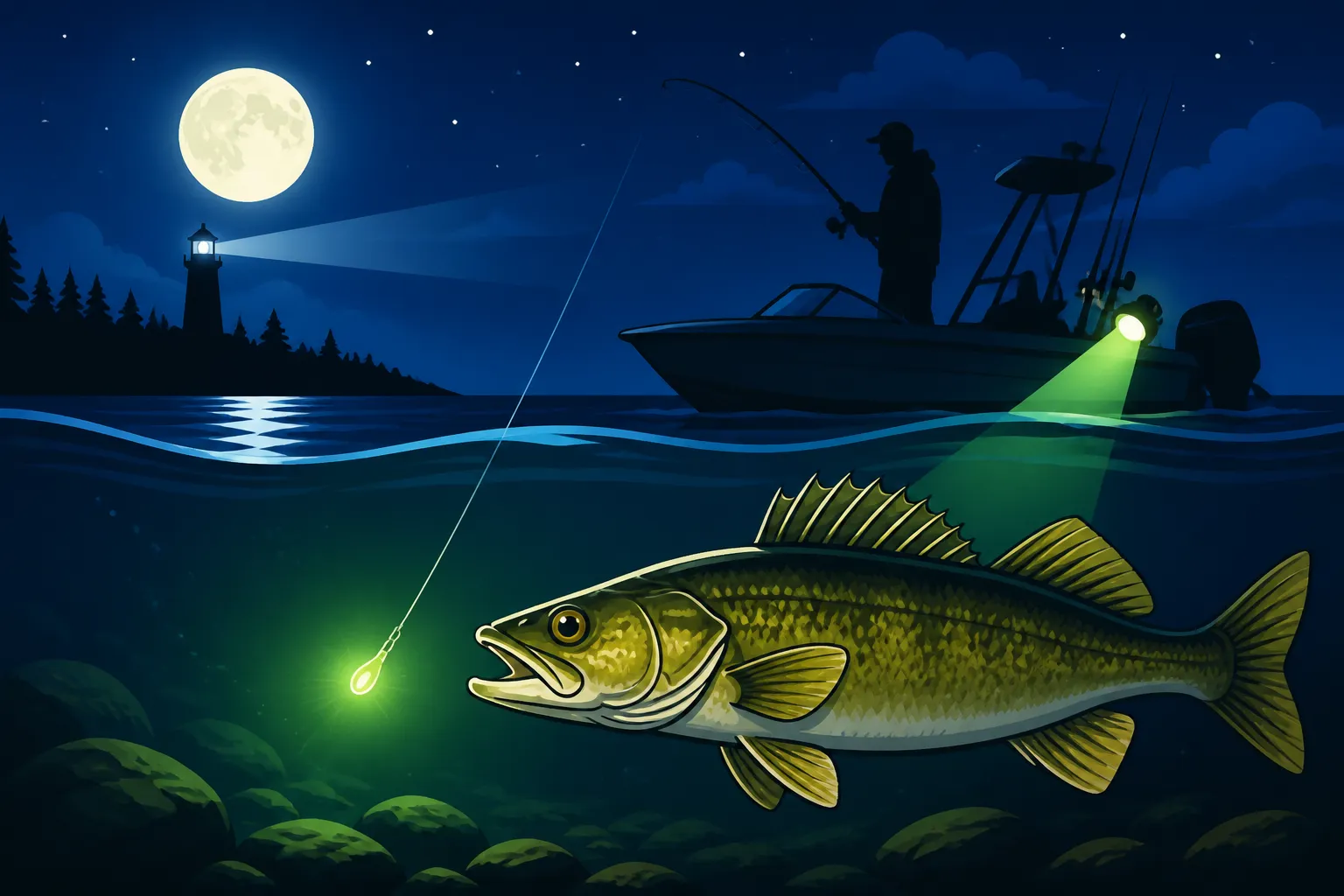
How to catch walleye at night on Lake Erie
There's nothing quite like the thrill of chasing walleye, but when the sun dips below the horizon on Lake Erie, a whole new world of opportunity opens up. Many anglers find themselves frustrated, struggling to navigate the darkness and adapt their daytime strategies for nocturnal success. This guide is here to unravel the mysteries of how to catch walleye at night on Lake Erie, giving you the knowledge and confidence to transform your evening fishing trips into unforgettable trophy hunts.
Why Night Fishing for Walleye on Lake Erie is a Game Changer
Lake Erie is renowned as one of the best walleye fisheries in the world, and for good reason. However, what many don't realize is that the darkest hours often hold the greatest potential, especially for those elusive giants. Understanding why night fishing works so well for walleye here is the first step to truly mastering it.
The Walleye's Nocturnal Nature
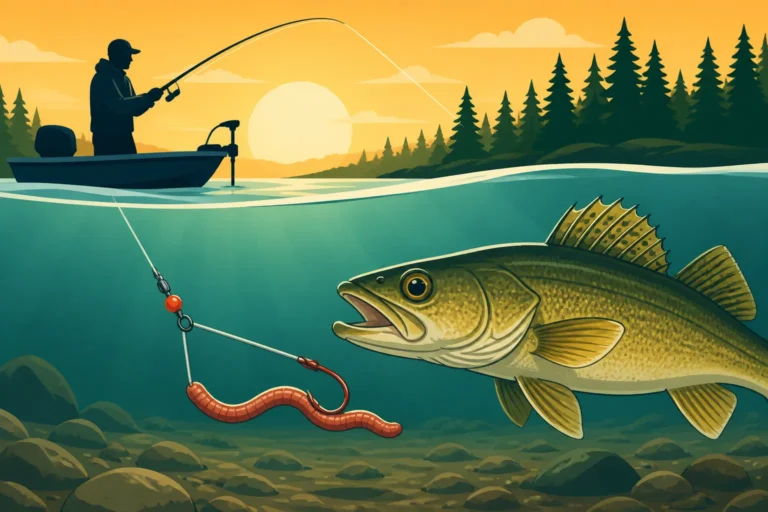
Walleye are, by their very design, built for the low light. Their large, light-sensitive eyes have a tapetum lucidum – a reflective layer behind the retina – which gives them superior vision in dim conditions compared to many of their prey species and, frankly, us anglers. This anatomical advantage means that as daylight fades, walleye become more active, moving out from deeper, darker haunts to feed in shallower waters where forage fish often congregate. It’s their prime time to hunt, making your presence at night perfectly timed with their feeding frenzy.
Imagine a walleye lurking in the shadows during the day, waiting for the perfect moment. As the sun sets, that moment arrives. They feel more confident, less exposed, and their keen eyesight gives them an undeniable edge. This nocturnal hunting pattern is why you’ll often hear veteran Lake Erie anglers talk about the "night bite" – it's not just a myth, it's biological fact, and it’s why understanding their behaviour after dark is crucial for consistent success.
Reduced Pressure and Increased Success
During the day, Lake Erie can be a bustling place. Boats crisscross prime fishing grounds, engines hum, and anglers chatter. All this activity, while normal, can put pressure on walleye, making them warier and harder to entice, especially in well-known spots. Night fishing drastically reduces this pressure. Suddenly, you're often one of only a few boats on the water, giving you access to areas that might be heavily fished during daylight hours.
With fewer boats and less noise, the walleye become less skittish. They're more likely to strike aggressively, and you'll find that your presentations, whether trolling or casting, are less likely to spook them. This reduced pressure directly translates to increased success rates, especially if you're targeting areas that see a lot of traffic during the day. It's like having a secret window into the lake's true potential, free from the crowds and commotion.
Targeting Trophy Fish Under the Cover of Darkness
If landing a truly massive walleye is your dream, then night fishing on Lake Erie should be at the top of your list. The biggest walleye, often the oldest and wisest, are notoriously shy and cautious. They rarely expose themselves to open, well-lit waters, preferring the security of deep structure or heavy cover during the day. However, when night falls, these leviathans often venture out.
They're not just looking for a meal; they're looking for a big meal. This means they're often more receptive to larger baits and lures than their smaller counterparts. Many of the provincial record walleye catches on Lake Erie have come under the cloak of darkness, a testament to the fact that the biggest fish feel safer and more confident in the low light. It's a prime opportunity to connect with that fish of a lifetime, a true monster walleye that might never show itself during the day. For more on the big fish found here, consult our Lake Erie Fishing Guide.
Essential Gear and Setup for Night Walleye
Getting your gear dialed in for night fishing isn't just about efficiency; it's about safety and maximizing your chances in challenging conditions. You can't just use your daytime setup and expect the same results. A few key adjustments and specialized pieces of equipment will make all the difference when you're out on the dark waters of Lake Erie.
Lighting and Safety Essentials
First and foremost, safety is paramount when fishing at night. You absolutely need reliable lighting for your boat and for yourself. Navigation lights are a legal requirement, of course, but you'll also want additional deck lighting – not too bright to ruin your night vision, but enough to see what you're doing. Many anglers opt for soft LED strips or headlamps with red light settings to preserve their low-light adaptation. A good, powerful spotlight or handheld lamp is also indispensable for spotting buoys, debris, or other boats.
Beyond lighting, communication and emergency gear are critical. Ensure your marine radio is working, and have a fully charged cell phone in a waterproof case. Life jackets aren't just a good idea; they're often a legal requirement, especially on larger bodies of water like Lake Erie. Everyone on board should know where the safety equipment is, including flares, a first-aid kit, and a sound-signaling device. Checking current Life Jacket Requirements for Ontario Boaters is always a smart move before heading out. Don't forget a pair of quality safety glasses; you don't want a flying lure or fish hook to ruin your night. You can find excellent options for reliable headlamps, waterproof dry bags for electronics, and PCOC-compliant safety kits easily on Amazon.
Rod, Reel, and Line for the Night Shift
While your favorite walleye setup might work, there are some considerations for night fishing. Sensitivity is key. You're often relying more on feel than sight to detect subtle bites. Medium-heavy power rods with a fast action are excellent choices, allowing for quick hooksets and enough backbone to handle a large walleye. A 7-foot to 8-foot rod is a common choice for trolling, giving you good line clearance. For reels, smooth drag is crucial. A quality baitcasting reel for trolling or a reliable spinning reel for casting and jigging will serve you well. Our guide to Best Fishing Rods for Ontario Lakes can offer more specific recommendations.
When it comes to line, many night anglers prefer braided line for its superior sensitivity and lack of stretch, which helps detect those light bites in the dark. Spooling up with 10-20 lb test braided line, often with a fluorocarbon leader of 8-15 lb test, is a popular choice. The fluorocarbon leader offers invisibility in the water, which can be advantageous even in low light, and provides abrasion resistance against zebra mussels or rocky bottom. Consider using a leader that’s long enough to provide that stealth, typically 6-10 feet.
Lure Selection: What Glows and Thumps in the Dark
Night fishing demands lures that can be easily detected by walleye in the darkness. This typically means lures with strong vibration, rattles, or glowing properties. Crankbaits are perennial favourites for trolling, especially those with aggressive wobbles and loud internal rattles. Choose models that dive to the depths where you're marking fish or structure.
Glow-in-the-dark or UV-enhanced lures are absolute game-changers for night walleye. Many popular crankbait brands offer glow patterns, and it's always a good idea to "charge" them with a bright flashlight before deploying them. Jigs tipped with soft plastics that glow or have a strong scent are also highly effective, especially when drifting or casting. Live bait, like minnows or nightcrawlers, also works wonders under a float or on a bottom bouncer, as their natural scent and movement are irresistible. For specific lure recommendations, dive into our Best Baits for Walleye on Lake Erie article.
Here's a quick comparison of popular night walleye lures:
| Lure Type | Key Feature | Best Technique | Pros | Cons |
|---|---|---|---|---|
| Deep Diving Crank | Loud rattles, aggressive wobble | Trolling | Covers water, triggers reaction bites | Can snag, depth control can be tricky |
| Shallow Running Crank | Rattles, wide wobble | Casting, Trolling (shallow) | Excellent for shallow feeding zones | Less effective in deep water |
| Jig + Glow Soft Plastic | Glow, scent, subtle action | Jigging, Drifting | Highly versatile, mimics baitfish | Slower coverage, requires active fishing |
| Blade Bait | Intense vibration, flash | Jigging, Vertical Trolling | Strong vibration attracts from afar | Can be finicky, needs good boat control |
| Harness with Live Bait | Natural scent, movement | Trolling, Drifting | Irresistible to picky fish | Requires fresh bait, slower trolling speed |
Many of these specialized glow-in-the-dark lures and high-quality braided lines are readily available on Amazon, making it easy to stock up before your next night adventure.
Top Techniques for Catching Walleye at Night on Lake Erie
Once you have your gear sorted, it's time to talk strategy. Lake Erie's vastness can be intimidating, but by focusing on specific techniques tailored for nocturnal walleye, you can effectively narrow down your approach and dramatically increase your odds.
Trolling with Precision
Trolling is perhaps the most popular and effective way to cover water and find active walleye on Lake Erie, and it shines particularly bright at night. The key here is precision. You'll want to deploy multiple lines, often using planer boards to spread your lures out and cover a wider swath. Downriggers and dipsy divers are also invaluable for getting lures to precise depths where walleye are holding, especially if you're marking schools on your fish finder. For more on reading your electronics, check out Best Fish Finders for Ontario Lakes.
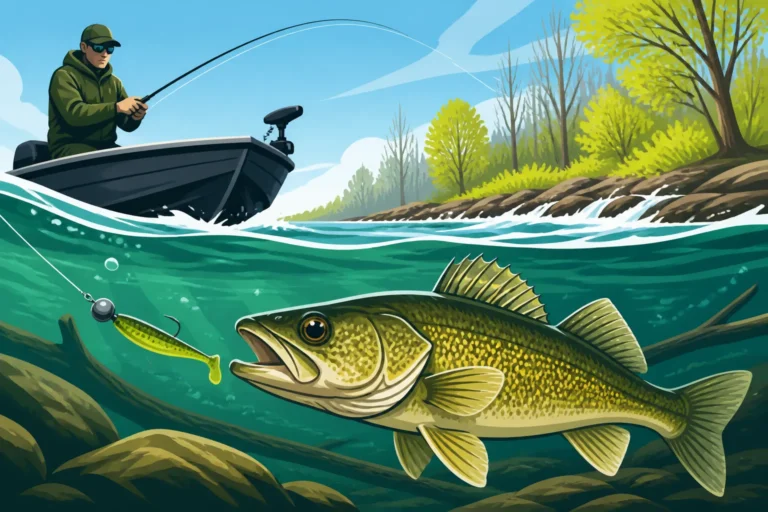
Slow your trolling speed down considerably at night compared to daytime. Often, 1.0 to 1.8 mph is the sweet spot. Walleye are often less aggressive in the dark and need more time to home in on a lure. Pay close attention to your speed and direction relative to the wind and current, and make subtle S-turns to vary the speed of your lures, which can often trigger a strike. Lures with glow features, as mentioned earlier, are fantastic for trolling at night. Remember to "charge" them periodically with a bright flashlight for maximum effect. For a deeper dive into the broader topic, consider our article on How to Catch Walleye in Ontario.
Drifting and Jigging the Depths
When walleye are concentrated in specific areas, or when the wind conditions are just right for a controlled drift, jigging becomes incredibly effective. This technique allows you to present a lure directly to fish you've marked on your sonar, offering a more vertical presentation. Drifting over known structure, such as reefs, humps, or drop-offs, is a prime strategy. Use your Best Fish Finders for Ontario Lakes to locate these hotspots and identify fish arches.
For jigging, glow jigs or those tipped with scented soft plastics are excellent choices. Vertically jigging blade baits can also be incredibly productive, as their intense vibration calls fish in from a distance. The key is to maintain bottom contact, or at least stay very close to the bottom where walleye are often feeding. Experiment with different jigging motions – short, sharp snaps, long lifts, or subtle quivers – to see what the fish prefer on any given night. Sometimes a dead-stick presentation, letting the jig sit motionless for a few seconds, is all it takes.
Anchoring and Casting the Shallows
While many anglers associate night walleye fishing with deep water trolling, don't overlook the shallow water bite, especially on calmer nights. Walleye will often push into shallower areas, sometimes less than 10 feet deep, to chase baitfish under the cover of darkness. This can be particularly true in areas with rocky shorelines, submerged weed beds, or near river mouths.
Anchoring silently upwind or upcurrent of a promising shallow flat or structure, then casting shallow-running crankbaits or even large swimbaits, can be incredibly productive. Focus your casts around visible structure like docks, rocky points, or dark patches that indicate weed beds. The lack of boat traffic and engine noise allows walleye to move in with confidence. Using a headlamp with a red light setting is crucial here to avoid spooking fish with bright white light. This technique can feel more intimate and provides a direct challenge, as you’re actively targeting visible or nearby cover.
Navigating Lake Erie at Night: Tips for Success and Safety
Fishing Lake Erie at night requires a different mindset and a heightened sense of awareness. The lake is immense and can change quickly, so preparation, vigilance, and understanding its nuances are critical for both success and safety.
Understanding Lake Erie's Challenges
Lake Erie is notorious for its rapidly changing conditions. A calm evening can quickly turn into a choppy, white-capped struggle if a storm rolls in or the wind shifts. At night, these conditions are amplified, making navigation and boat handling significantly more difficult. Always check multiple weather forecasts before heading out and keep an eye on radar and marine weather updates throughout your trip. Be prepared to cut your trip short if conditions deteriorate.
Debris can also be a significant hazard on Lake Erie, especially after heavy rains. Floating logs, branches, and other unseen obstacles pose a serious threat to props and hulls in the dark. Maintain a slower, safer speed, especially when running between fishing spots. It's a vast lake, and familiarizing yourself with Ontario Fisheries Management Zones, Explained can help you understand specific regulations for areas you're fishing, but general safe boating practices are universal. Make sure to consult Ontario Boating Laws for Anglers for full legal requirements.
Reading Your Electronics in the Dark
Your fish finder and GPS become your absolute best friends at night. You'll rely heavily on them for navigation, finding structure, and locating fish. Before you leave the dock, ensure all your waypoints for productive spots, hazards, and your return path are clearly marked. Use your GPS to keep track of your trolling passes or drift lines, allowing you to replicate successful patterns.
When reading your sonar in the dark, learn to interpret those arches and bottom contours even more precisely. Walleye often hug the bottom, so tuning your sensitivity correctly is key. Some modern fish finders have "night mode" or adjustable screen brightness settings which can be less jarring on your eyes while still providing clear data. Remember, your eyes will take time to adjust to the dark, so avoid looking directly at bright lights or your screen for too long at full brightness. This also applies to the use of your phone – a quick check can temporarily blind you to the subtle movements and shadows around your boat.
Safety First: Lights, Communication, and Contingency
We can't stress this enough: safety is paramount. Beyond required navigation lights, having redundant lighting sources like backup headlamps, flashlights, and even chemical glow sticks can be a lifesaver. Inform someone on shore of your float plan – where you're going, who's with you, and when you expect to return. This simple step is one of the most important safety measures you can take.
Always have a fully stocked first-aid kit that's easily accessible. Be extra cautious when handling hooks and fish in the dark. Carry a long-nosed pair of pliers or a dedicated hook remover. Consider a larger, soft-mesh landing net for those big walleye, both for the fish's safety and to make the landing easier in low light. For more information on fish handling and proper release, especially for larger fish, you might find useful tips in articles about Muskellunge Fishing in Ontario, as similar principles of careful handling apply. Being prepared for any eventuality means you can truly relax and enjoy the incredible experience of catching walleye at night on Lake Erie.
Disclaimer
This article is for general informational purposes only and does not constitute professional advice. Laws, prices and regulations vary by location and change over time. Consult a qualified professional for guidance on your specific situation.