Best Bass Fishing Techniques for Georgian Bay
Georgian Bay is an absolute marvel, but let's be honest, it can also feel incredibly intimidating for bass anglers. Its vast, labyrinthine stretches of water, countless islands, treacherous shoals, and ever-changing conditions can leave even seasoned anglers scratching their heads, wondering where to even start. This isn't your average cottage lake; it demands respect, preparation, and a strategic approach. This guide is dedicated to demystifying Georgian Bay's bass fishery, offering proven techniques, gear insights, and practical advice to help you confidently target and catch more smallmouth and largemouth bass across its stunning yet challenging waters.
Unraveling Georgian Bay's Unique Bass Environment
Georgian Bay is a beast of its own, a sprawling freshwater inland sea that's part of Lake Huron. It's not just a big lake; it’s a mosaic of diverse habitats, each offering unique opportunities and challenges for bass anglers. Understanding these distinct characteristics is the first step to unlocking its bass-fishing potential.
Georgian Bay's Distinctive Structure: Reefs, Islands, and Shoals
What makes Georgian Bay so distinct for bass fishing is its incredible geological diversity. Imagine a submerged mountain range, topped with ancient rock, carved by glaciers, and now teeming with life. That's essentially what you're dealing with. The countless islands, especially in areas like the Thirty Thousand Islands region, aren't just scenic; they create sheltered bays, intricate channels, and abrupt depth changes that are prime bass real estate.
Beyond the visible islands, the bay is littered with submerged rock reefs, rocky points, and treacherous shoals that can rise from 50 feet of water to mere inches in an instant. These structures are magnets for smallmouth bass, offering ambush points, deep-water access, and crucial current breaks. Largemouth bass, on the other hand, often prefer the shallower, weedier bays and backwaters that form behind these islands or in more protected inlets, especially towards the southern and eastern shores where the landscape is less rugged. Knowing the difference in habitat preference is key to targeting one species over the other.
Water Clarity and Forage Base Influence
Georgian Bay is known for its exceptionally clear, cold water, which can be both a blessing and a curse. While crystal-clear conditions make sight fishing an option on bright days, they also mean bass are often warier and more easily spooked by shadows or unnatural presentations. This dictates your line choice, lure colours, and the stealth of your approach. Because the water is so clear, the bass here rely heavily on their vision, making natural presentations crucial.
The forage base is another critical factor. Smallmouth bass in Georgian Bay primarily feed on gobies, crayfish, and various minnow species like emerald shiners and smelt. Largemouth will also consume these, but they're more opportunistic, also targeting frogs, smaller fish, and even ducklings in their preferred shallower, weedier environments. Understanding what the bass are eating will significantly influence your lure selection. If you're seeing a lot of gobies on your fish finder, a brown or green pumpkin tube jig or dropshot might be the ticket. If shiners are schooling, a silver crankbait or jerkbait could be deadly.
Smallmouth vs. Largemouth: Where to Find Them
Successfully fishing Georgian Bay for bass often means choosing whether you're after bronzebacks or greenbacks, as their preferred hangouts can be quite different.
Smallmouth Bass: These hard-fighting fish are the undisputed kings of the open, rocky waters of Georgian Bay. You'll find them hugging transition lines where shallow rocky points drop into deeper water, around isolated rock piles, submerged reefs, and the edges of current seams created by island chains. They love clean, clear water with plenty of vertical structure. In areas like the eastern shore, from Port Severn up to Parry Sound and beyond, the smallmouth fishing can be absolutely phenomenal. They thrive in the deeper, cooler sections of the main bay. If you're planning a trip, be sure to check out our comprehensive guide on How to Catch Smallmouth Bass in Ontario to refine your tactics for these incredible fighters.
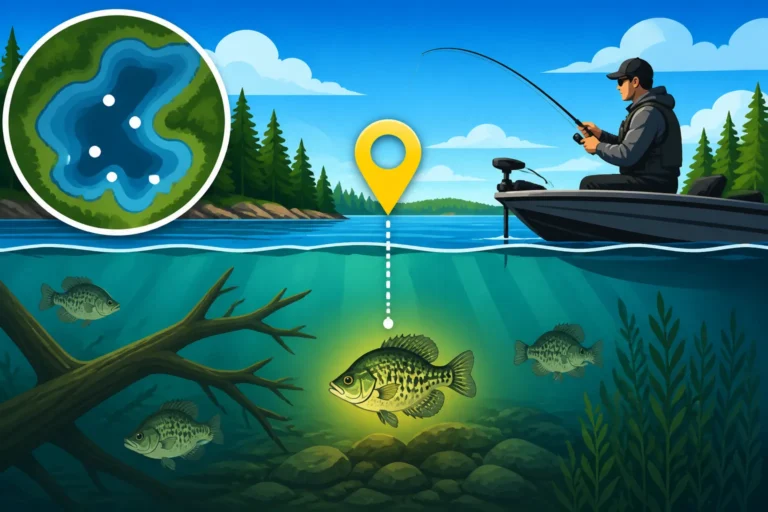
Largemouth Bass: While smallmouth dominate the rocky expanses, largemouth bass are typically found in the more protected, shallower, and weed-choked bays. Look for them in areas with lily pads, submerged weed beds, fallen trees (laydowns), and docks, especially in the larger, more protected inlets or the shallower, warmer waters of the southern reaches. These areas offer both ambush cover and slightly warmer water, which largemouth prefer. The transition zones where rocky points meet weedy flats can be productive for both species, making them excellent starting points if you're not targeting one specifically. If you're new to distinguishing between the two, our article on Largemouth Bass vs Smallmouth Bass Identification offers great tips.
Early Season (Spring) Bass Techniques on Georgian Bay
Spring on Georgian Bay can be a tricky but incredibly rewarding time for bass anglers. As the ice recedes and water temperatures slowly climb, bass move into predictable patterns as they prepare for and engage in their spawning rituals. Patience and a keen understanding of their movements are paramount during this period.
Pre-Spawn and Spawning Period Tactics
As the water warms into the high 40s and 50s Fahrenheit (8-15°C), smallmouth and largemouth bass begin to stage in areas adjacent to their eventual spawning grounds. This pre-spawn period is a fantastic time for aggressive feeding. Look for smallmouth on secondary points, shallow flats near deep water, and around rock reefs. They're often feeding heavily to build energy for the spawn. Jerkbaits, spinnerbaits, and crankbaits can be incredibly effective when retrieved slowly. Think about lures that imitate gobies or shiners, which are prime forage as the bass come out of their winter lethargy.
Once water temperatures reach the mid-50s to low 60s Fahrenheit (13-18°C), bass will move onto their beds. Smallmouth often seek out gravelly or sandy bottoms in 2-10 feet of water, often near protective rocks or logs. Largemouth will typically be in shallower, weedy areas. During the spawn, sight fishing can be effective for targeting bedded fish, but remember that many anglers practice catch-and-release to protect the breeding population. Soft plastics like tubes or dropshot worms are excellent for enticing these territorial fish, especially when presented subtly.
Shallow Water Search Baits
In the early spring, bass are often scattered as they transition from deeper wintering holes to shallower spawning areas. This is where "search baits" really shine. These are lures designed to cover water quickly and effectively, helping you locate active fish.
Spinnerbaits: A ½ oz or ¾ oz spinnerbait with willow leaf blades (for maximum flash and vibration) in white, chartreuse, or natural baitfish patterns is a go-to. Cast it along rocky shorelines, around emerging weed beds, and over submerged logs. The flash and vibration can draw strikes from fish that aren't quite ready to commit to a slower presentation. A slow, steady retrieve, occasionally bumping off cover, is often all it takes.
Jerkbaits: Long, slender jerkbaits like the Rapala X-Rap or Lucky Craft Pointer are devastating in clear, cool water. Choose natural colours or silver/blue patterns. The key is to twitch, pause, and reel, allowing the lure to suspend enticingly in the water column. These lures mimic dying baitfish perfectly, triggering an aggressive reaction strike from wary bass. Work them around rocky points and drop-offs where bass might be lurking. You can find a good selection of these and other effective lures on sites like Amazon.
Shallow Cranking: Small to medium-sized crankbaits that dive 3-8 feet are excellent for covering shallow flats and rocky transitions. Look for those with natural patterns, especially ones that mimic crayfish. Bump them off rocks and structure to create erratic deflections, which often trigger strikes.
Targeting Warming Water Pockets
One of the most crucial elements in early spring bass fishing on Georgian Bay is finding those elusive pockets of warmer water. Even a difference of a couple of degrees can concentrate fish significantly. These warmer areas are usually found in shallower, protected bays with dark, rocky bottoms that absorb sunlight, or in areas with northern exposure.
Use your boat's electronics (more on Best Fish Finders for Ontario Lakes later!) to monitor surface temperatures as you move through different areas. Pay close attention to canals, shallow marshy inlets, and the backs of protected bays. These spots warm up faster than the main lake and are often the first places bass will move into to feed and spawn. A gentle breeze pushing warm surface water into a corner of a bay can also create a warmer zone. Focus your efforts here with slow-moving baits, like jigs or tubes, to thoroughly work these high-percentage areas.
Summer Bass Fishing Strategies for Georgian Bay
When the warm embrace of summer settles over Georgian Bay, bass fishing patterns shift significantly. The clear water and abundant forage mean bass are active, but they often move deeper or seek refuge in dense cover during the bright, sunny days. Adapting your approach is crucial for consistent success.
Deep Water Structure Fishing
Once summer truly kicks in, and especially during the brighter parts of the day, many of the bay's smallmouth bass will retreat to deeper, cooler waters. This is when understanding and effectively fishing deep structure becomes paramount.
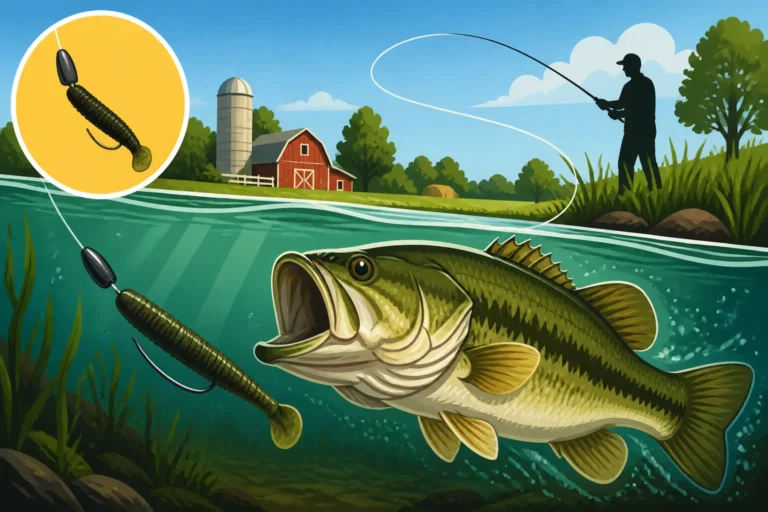
Dropshotting: This technique is a smallmouth killer on Georgian Bay. It allows you to present a small, soft plastic bait (like a minnow imitation or a straight-tail worm) off the bottom, above a weighted sinker. This keeps your bait precisely in the strike zone, especially when bass are suspended or holding tight to a specific piece of structure. Look for deep humps, submerged rock piles, the edges of sharp drop-offs (especially those near deep water channels), and even suspended schools of baitfish. Use your electronics to locate these spots, then drop your bait directly onto them. Finesse is key here; slight twitches are often all that's needed to entice a bite.
Tube Jigs: A classic smallmouth presentation, tube jigs excel when dragged or hopped along the bottom. Mimicking crayfish or gobies, they are incredibly effective on rocky bottom. Choose natural colours like green pumpkin, brown, or smoke with glitter. A 3/8 to ½ oz tube jig on a light-action spinning rod allows for maximum feel. Cast it out, let it sink, and slowly drag it back, occasionally lifting and dropping it to simulate a fleeing crayfish. These work wonders on rocky flats that transition to deeper water, often found near islands or mainland points.
Deep Cranking: If you're covering larger areas of deeper water, deep-diving crankbaits can be highly effective. Look for baits that can reach depths of 10-20 feet, bumping off structure as they go. This can trigger reaction strikes from aggressive smallmouth patrolling deeper rock edges. Match the crankbait's colour to the local forage, such as chrome/blue for shiners or natural brown/green for crayfish.
Topwater Action Around Cover
Despite the clear water, summer offers some of the most exhilarating topwater action for both smallmouth and largemouth bass on Georgian Bay, particularly during low light conditions or cloudy days. The explosive strikes are addicting!
Poppers and Walk-the-Dog Baits: These are your go-to topwater lures. Poppers, with their cupped faces, create a "pop" and splash that mimics a struggling baitfish or a frog. Walk-the-dog baits, like the Heddon Super Spook or Zara Spook, are designed to glide back and forth across the surface, an irresistible motion that drives bass wild. Work these lures around shallow, rocky points, along weed edges, near docks, and especially in areas with lily pads. Early mornings, late evenings, and overcast conditions are prime times for this. For tips on triggering these exciting surface strikes, check out our guide on Topwater Fishing for Smallmouth Bass in Ontario.
Frogs and Hollow-Bodied Lures: For the largemouth specific angler, or for smallmouth tucked deep into slop, hollow-bodied frog lures are irreplaceable. These weedless wonders can be cast directly into the densest lily pads, matted vegetation, or thick emergent weeds where other lures would snag instantly. Work them slowly across the cover, pausing at open pockets, and be prepared for a monstrous blow-up!
Mid-Day Adjustments and Patience
Summer on Georgian Bay can present a challenge during the bright, sunny midday hours, especially with the clear water. The bass can become very wary and move into the thickest cover or the deepest parts of the lake. This is not the time to give up; it's the time to adjust your strategy and practice patience.
Seek Shade and Deep Cover: During the midday sun, bass will gravitate towards shade. This means fishing under docks, next to large boulders, or in the deep shade cast by steep rock faces. For largemouth, thick overhead canopy from trees overhanging the water or dense weed mats provide ideal shade. For smallmouth, this might mean a deep rock ledge or a dense school of baitfish suspended in open water.
Slow Down Your Presentation: Forget fast-moving search baits. Midday calls for slow, deliberate presentations. Dropshot rigs, Texas-rigged worms or creature baits, and jigs become your best friends. Pitch soft plastics into heavy cover, let them sink slowly, and work them meticulously. Sometimes, just leaving a dropshot rig perfectly still in a deep hole is enough to entice a cautious smallmouth. Remember, these fish are still feeding, but they're doing it more subtly. Don't be afraid to sit on a productive spot for an extended period, making repeated casts to thoroughly probe every angle.
Fall Transition and Cooler Water Tactics
As the vibrant colours of autumn sweep across Georgian Bay's shores, the bass fishing undergoes another exciting transformation. Cooler water temperatures trigger a "feed bag" mentality in bass as they instinctively prepare for the lean winter months. This can be one of the most productive times of year if you understand their fall movements.
Following Baitfish Concentrations
The overarching theme for fall bass fishing is baitfish. As water temperatures drop, baitfish like shiners and gobies will begin to school up and move to more predictable areas. Bass, in turn, will follow them relentlessly, gorging themselves whenever an opportunity arises.
Look for Schools on Electronics: Your fish finder becomes your best friend. Look for large schools of baitfish, often congregating over deeper flats, along breaklines, or around the edges of prominent points and islands. Where you find the bait, you'll often find the bass. Large congregations of smallmouth can often be found beneath these bait balls.
Crankbaits and Swimmers: When bass are actively feeding on schooling baitfish, aggressive presentations can be incredibly effective. Medium to deep-diving crankbaits that mimic the size and colour of the prevalent baitfish are excellent. Fire Tiger, chrome, or natural perch patterns often work well. Also, consider soft plastic swimbait imitations (like those from Amazon that come in various sizes and colours) rigged on a jig head. Cast them into the schools and reel steadily, occasionally pausing or twitching to mimic a wounded baitfish.
Jigging and Slow Presentation
While aggressive feeding sprees happen, fall fishing often dictates a slower, more methodical approach, especially as water temperatures continue to drop. Bass may be feeding, but they're conserving energy, and a well-presented jig can be irresistible.
Blade Baits: These compact, vibrating lures are fantastic in cooler water. Their tight wobble and ability to be fished at various depths make them versatile. Cast them out, let them sink to the bottom, and then lift and drop them, allowing them to flutter enticingly. They imitate a dying baitfish, a prime target for fall bass. Work them along sharp breaklines and around rock piles where smallmouth might be hunkered down.
Jig and Pig: A classic for a reason, the jig and pig (a bucktail or silicone skirted jig paired with a pork or plastic trailer) is a deadly presentation for both largemouth and smallmouth in the fall. For largemouth, pitch it into heavy cover like fallen trees or docks. For smallmouth, drag and hop it along rocky bottoms and breaklines. The bulky profile and slow fall are perfect for drawing strikes from colder, more lethargic fish. Black and blue, green pumpkin, and brown are all reliable colours.
Identifying Prime Fall Feeding Zones
Just like in spring, certain areas become hotspots during the fall transition due to warming and cooling patterns, and baitfish movements.
Main Lake Points and Islands: These are perennial fall favourites. As baitfish move into deeper water for the winter, bass will often stage on the points and around the deeper sides of islands that offer access to both shallow and deep water. These areas can funnel bait and provide ambush points.
River Mouths and Inlets: Any river or large creek flowing into Georgian Bay can be a fall hotspot. These areas often have slightly warmer water, attract baitfish, and concentrate bass. The current can also create natural feeding lanes. Target eddies, current breaks, and the edges of any deeper channels.
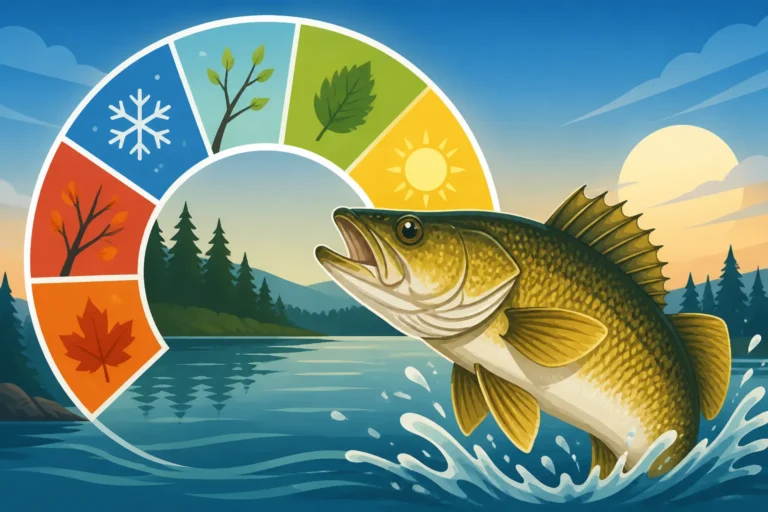
Protected Bays with Deep Access: Bays that offer a combination of shallower, warmer water (especially after a sunny day) and quick access to deeper main lake water are excellent. Bass will move in and out of these bays, following baitfish that are also staging before winter. Look for bays with a gradual slope or a distinct weedline that drops off into deeper water. This combination creates a perfect fall feeding ground. For more insights on seasonal shifts, our guide on Best Time of Year to Fish in Ontario can provide a broader context.
Essential Gear and Lures for Georgian Bay Bass
Georgian Bay’s diverse habitats and fishing scenarios demand a versatile tackle selection. Being prepared with the right rods, reels, lines, and lures for different techniques will significantly increase your success rate.
Rod and Reel Setups for Different Techniques
You’ll want a few different setups to cover all your bases on Georgian Bay.
For Finesse and Light Baits (Dropshot, Light Tubes):
- Rod: A 6'6" to 7'0" medium-light to medium power spinning rod with a fast action tip. This provides the sensitivity needed to detect subtle bites and the backbone to fight a strong smallmouth in open water.
- Reel: A 2500-3000 series spinning reel, spooled with 8-10 lb braided line and a 6-8 lb fluorocarbon leader.
- Why it works: This setup offers maximum sensitivity and casting distance for lightweight presentations, crucial in clear water for wary fish. For general tips on choosing the right gear, consider checking out Best Fishing Rods for Ontario Lakes.
For All-Around Versatility (Jerkbaits, Spinnerbaits, Medium Cranks):
- Rod: A 6'10" to 7'4" medium-heavy power fast action casting rod. This is your workhorse for many presentations.
- Reel: A baitcasting reel with a gear ratio around 7.1:1, offering a good balance of speed and power.
- Line: 12-17 lb fluorocarbon or braided line with a fluorocarbon leader for abrasion resistance around rocks.
- Why it works: This setup handles a wide range of lures, offers great casting accuracy, and has the power to pull fish out of lighter cover.
For Heavy Cover and Power Fishing (Jigs, Frogs, Heavy Cranks):
- Rod: A 7'0" to 7'6" heavy power fast action casting rod. You need the muscle here.
- Reel: A baitcasting reel with a lower gear ratio (e.g., 6.4:1) for cranking power, or a high gear ratio (8.1:1+) for quickly taking up slack after a strike with a frog.
- Line: 50-65 lb braided line. No leader needed for frogs, but a heavy fluorocarbon leader (20-25lb) for jigs if cover allows.
- Why it works: This robust setup provides the leverage to extract big bass from heavy cover and handle larger, heavier lures.
Top Lure Categories and Specific Baits
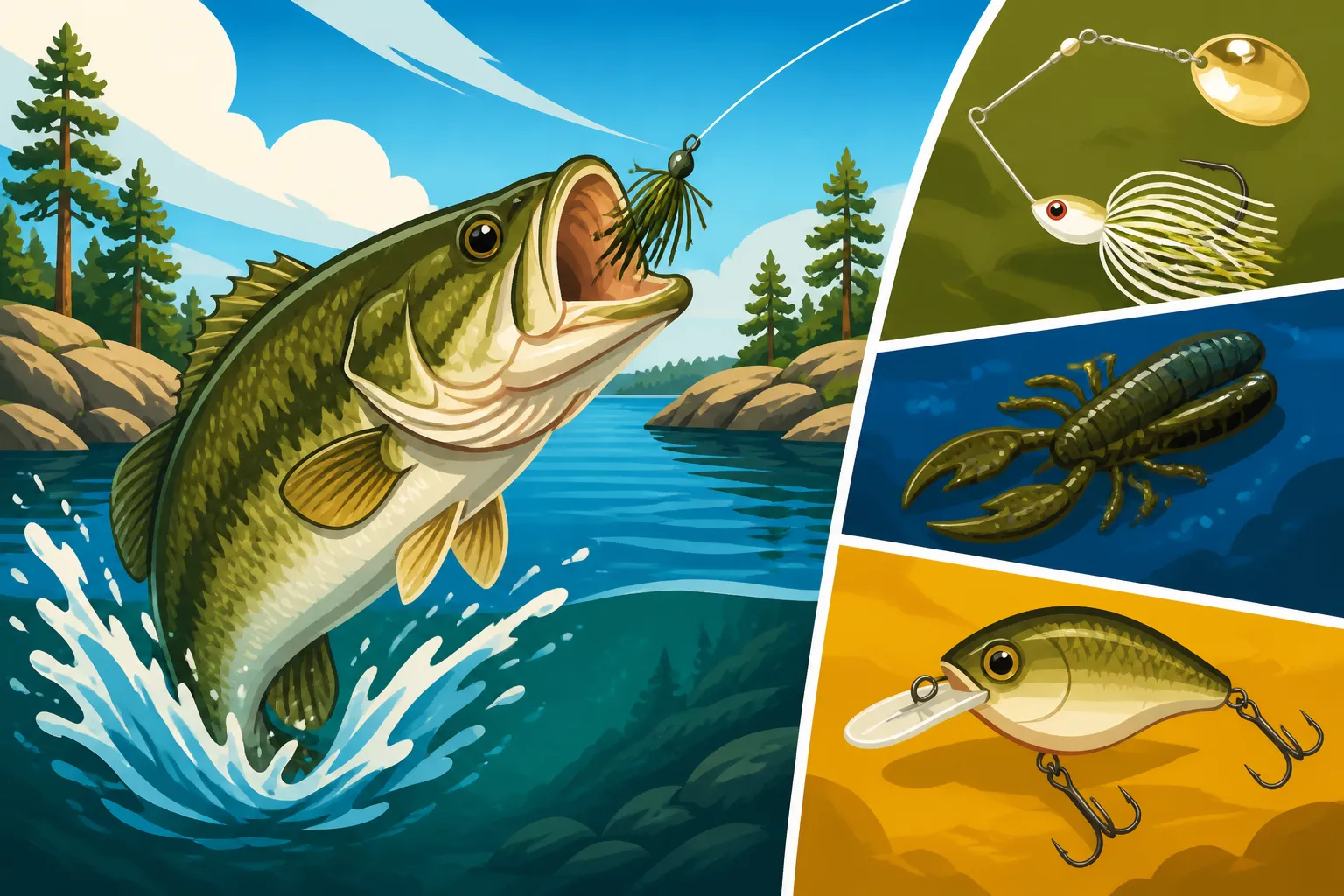
A diverse tackle box is your best friend on Georgian Bay. Here's a breakdown of must-have lure categories:
1. Soft Plastics:
- Tube Jigs: Essential for smallmouth. Green pumpkin, smoke, watermelon, brown. Pair with an internal jig head.
- Dropshot Worms/Minnows: Small straight-tail worms (e.g., Berkley Gulp! Minnow, Yamamoto Shad Shape Worm) in natural colours.
- Creature Baits/Flipping Baits: For largemouth in heavy cover. Green pumpkin, black & blue, crawfish patterns. Texas-rigged or on a jig.
- Swimbaits: Paddle-tail swimbaits on jig heads or as trailers, mimicking shiners or gobies.
2. Hard Baits:
- Jerkbaits: Suspending models (e.g., Rapala X-Rap, Lucky Craft Pointer) in silver, chrome, natural baitfish.
- Crankbaits: Medium to deep divers (Rapala DT Series, Strike King KVD 300/400) in natural baitfish, perch, crawfish, or fire tiger.
- Topwater Lures: Poppers (Rebel Pop-R, Storm Chug Bug), Walk-the-Dog (Heddon Super Spook Jr.), Frogs (Booyah Pad Crasher) in natural colours, white, or black.
3. Jigs:
- Football Jigs: For smallmouth on rocky bottoms. 3/8-1/2 oz, brown, green pumpkin, black.
- Skirted Jigs: For largemouth in cover. 3/8-1/2 oz, black & blue, green pumpkin, white.
- Blade Baits: (e.g., Berkley Power Blade, Damiki Vault) in chrome, gold, or natural baitfish.
Many of these essential lures can be conveniently found through online retailers like Amazon, allowing you to stock up before your trip. For a general overview of useful tackle, our article on Best Tackle Box Setup for Ontario Anglers offers additional insights.
Navigation and Electronics for Structure Fishing
Fishing Georgian Bay without reliable navigation and electronics is like trying to find your way through a maze blindfolded. This water demands precision and safety.
GPS and Chartplotter: A good GPS unit with detailed mapping is non-negotiable. Modern chartplotters, often integrated into fish finders, provide accurate depth contours, identify islands, shoals, and navigation channels. Brands like Lowrance, Humminbird, and Garmin offer excellent units. Georgian Bay's clear water and numerous hazards mean you need to know exactly where you are and what’s beneath you at all times. This is vital not just for finding fish, but for preventing damage to your boat or worse.
Fish Finder (Sonar/Down Imaging/Side Imaging): A high-quality fish finder is your eyes below the surface.
- 2D Sonar: Shows fish arches and structure beneath the boat.
- Down Imaging: Provides a photo-like view directly below the boat, excellent for identifying rocks, logs, and baitfish schools.
- Side Imaging: Scans areas to the left and right of your boat, allowing you to cover vast amounts of water and spot structure and fish away from your boat's path without driving over them. This is particularly useful for finding isolated rock piles or weed edges that might not be visible on a standard sonar cone.
Learning how to effectively use these technologies will give you a tremendous advantage, allowing you to pinpoint structure, bait, and bass. For a deeper dive into these devices, read our guide on Best Fish Finders for Ontario Lakes.
Electric Trolling Motor: A bow-mounted electric trolling motor with GPS Spot-Lock (e.g., Minn Kota Terrova or Ulterra, MotorGuide Xi5) is a game-changer. It allows you to precisely hold your boat on a spot, whether it's a deep-water rock pile, a productive weed line, or a windy point, without constantly dropping an anchor. This frees you up to focus on fishing and makes boat control effortless, even in choppy conditions.
Navigating Georgian Bay for Bass Success
Georgian Bay is stunningly beautiful, but its vastness and complex geography demand respect. Successful bass fishing here isn't just about lures and techniques; it's also about safe navigation, understanding the weather, and practicing good conservation habits.
Safety First: Understanding the Bay's Hazards
This isn't a small, calm lake. Georgian Bay can turn from placid to perilous in a matter of minutes.
Hidden Shoals and Rocks: The most significant hazard on Georgian Bay is its abundance of submerged rocks and shoals. These can appear out of nowhere, even in seemingly open water. Always adhere to marked navigation channels, never assume an area is safe without first consulting your chartplotter and proceeding with extreme caution. If you don't have a reliable chartplotter, or if you're in an unfamiliar area, idle slowly and keep a sharp eye on your depth sounder. Hitting a rock at speed can lead to severe damage to your boat and serious injury. Always ensure your boat is equipped with all the necessary safety gear as per Ontario Boating Laws for Anglers.
Sudden Weather Changes: The bay is notorious for its rapidly changing weather. Calm mornings can give way to strong winds and significant waves by afternoon. Always check the marine forecast before heading out, and keep an eye on the sky and water conditions throughout the day. If conditions start to deteriorate, don't hesitate to seek shelter in a protected bay or head back to the launch. Having a personal flotation device (PFD) for everyone on board is not just good practice, it's the law. Consult Life Jacket Requirements for Ontario Boaters to ensure you're compliant.
Vastness and Isolation: Many areas of Georgian Bay are remote. If you run into trouble, help might not be immediately available. Always let someone know your float plan (where you're going and when you expect to return), carry a marine radio or satellite communication device, and ensure your boat is well-maintained and adequately fueled.
Reading the Water and Weather Patterns
Becoming a proficient Georgian Bay angler involves more than just casting; it's about becoming a student of the water itself.
Wind and Current: Wind creates current, and current positions baitfish, which in turn positions bass. A steady wind blowing into a rocky point or shoreline can stack up baitfish and create a feeding frenzy for smallmouth. Conversely, strong winds can make fishing difficult and unsafe. Learn to use the wind to your advantage, or seek out protected bays when it's too rough. In areas with natural current (like constricted channels between islands), bass will often hold on the current breaks, waiting for bait to be swept by.
Water Levels: Georgian Bay's water levels can fluctuate. High water can flood new cover, while low water can expose previously submerged hazards and push bass further offshore. Stay informed about current water levels, as this can significantly impact where bass are holding and which areas are safe to navigate.
Sun and Clouds: As mentioned earlier, clear skies and bright sun often push bass deeper or into heavy shade, requiring slower, more precise presentations. Overcast conditions, on the other hand, can bring bass shallower and make them more aggressive, opening up opportunities for topwater and reaction baits throughout the day. Adapt your techniques based on the light conditions.
Conservation and Best Practices
As stewards of this incredible fishery, it's our responsibility to ensure that Georgian Bay's bass populations remain healthy and vibrant for future generations.
Catch and Release: While you are allowed to keep bass within specific limits (always check the current Ontario Fishing Regulations Explained for Zone 14 or your specific FMZ), many anglers on Georgian Bay practice catch-and-release, especially for larger, older fish. These trophy-sized bass are crucial for maintaining a healthy gene pool. If you plan to release fish, handle them with care, minimize their time out of water, and use proper fish-friendly landing nets.
Respect Spawning Fish: During the spring spawning period, bass are particularly vulnerable. While it's legal to fish for them during the open season, consider avoiding targeting bedded fish directly, as repeatedly catching them can stress them and leave their nests unprotected.
Leave No Trace: Always pack out everything you pack in. This includes discarded fishing line, plastic bait containers, and any other litter. The beauty of Georgian Bay is part of its allure; let's keep it pristine.
Know Your Limits: Always be aware of the daily catch and possession limits for both smallmouth and largemouth bass in your specific fishing zone. This information is readily available in the annual Ontario Fishing Regulations Summary. Also, understand the difference between a Sport fishing license and a Conservation license, and how it affects your limits – our article on Ontario Sport vs Conservation Fishing License explains this in detail. By combining knowledge, careful planning, and respect for this magnificent natural resource, you can unlock incredible bass fishing experiences on Georgian Bay.
Disclaimer
Fishing involves inherent risks, and conditions on large bodies of water like Georgian Bay can change rapidly. Always prioritize safety, wear appropriate personal flotation devices, and be aware of your surroundings. This guide provides general information and recommendations, but it is the individual angler's responsibility to adhere to all current Ontario fishing regulations, boating laws, and safety guidelines. Local knowledge and professional guides can offer additional valuable insights for specific areas.