Best technique for largemouth bass in farm ponds
It's a common scenario: you've driven past countless small farm ponds, hidden gems glinting under the Ontario sun, and wondered if they hold any fishing secrets. Many anglers overlook these smaller bodies of water, mistakenly believing they're too small or too simple to offer exciting action. But if you're like me, you know that these often-underestimated spots can be incredible havens for chunky largemouth bass, offering some of the most thrilling and accessible fishing experiences around. This guide will walk you through the very best techniques to target and land those elusive bucketmouths thriving in Ontario's farm ponds.
Understanding the Farm Pond Largemouth Environment
Farm ponds are their own unique ecosystems, a world away from the vast expanses of the Great Lakes or even larger inland bodies like Lake Simcoe. To consistently catch largemouth bass in these intimate settings, you first need to appreciate what makes them tick and how their environment shapes their behavior.
The Unique Challenges and Advantages of Ponds
While a massive lake might offer endless structure and depth, a farm pond presents a more concentrated, often intense, fishing puzzle. The biggest challenge can be their small size, which means fish can be easily spooked by noise or heavy boat traffic. Unlike busy recreational lakes, farm ponds often lack the deeper thermoclines that provide bass with consistent cool water in summer, making temperature fluctuations more impactful. This means bass in ponds might react more dramatically to hot spells or sudden cold fronts, diving into the densest cover available.
However, these "challenges" also come with significant advantages. For one, the bass population is often less pressured than in public lakes. Ponds can be incredibly rich in nutrients, leading to robust aquatic vegetation and an abundance of baitfish, frogs, and insects – a veritable buffet for a hungry largemouth. Their smaller size means you don't need expensive electronics or a massive boat to find fish; a good pair of polarized sunglasses and a quiet approach in a Best Kayaks for Ontario Fishing are often all you need. The limited water acreage also means that once you locate a pattern, it can be incredibly productive, as the fish are concentrated.
Reading the Water: Key Pond Structure and Cover
In a farm pond, "structure" might not mean a 30-foot deep ledge, but rather the subtle nuances of its banks and bottom. Largemouth bass are ambush predators, and in a pond, cover is king. Look for anything that breaks up the uniformity of the water. This includes the obvious stuff: thick weed lines, especially curly-leaf pondweed or milfoil, which offer both shelter and hunting grounds. Lily pads are iconic bass cover, providing shade and a perfect ambush point for topwater presentations.
Beyond the obvious, pay close attention to fallen trees or brush piles that have accumulated in the water. These submerged obstacles are magnets for bass, offering protection from predators and bright sunlight. Even an old tire, a discarded pallet, or a small patch of cattails along the shore can hold a trophy. Don't overlook man-made structures like old docks, culverts where a stream might enter, or even just rip-rap stone along an embankment. Even subtle depth changes, like a small drop-off near the dam or a hump in the middle, can concentrate fish. In these confined spaces, bass don't have to travel far to find everything they need, so identifying these key pieces of cover is paramount to success. For more general advice on specific species, consult our guide on Largemouth Bass Fishing in Ontario.
Essential Techniques for Pond Largemouth Success
Now that we understand the environment, let's dive into the most effective ways to coax those largemouth out of their hidden lairs. The beauty of pond fishing is that often, simple, time-tested techniques excel.
Topwater Action: Explosive Bites in the Shallows
There's nothing quite like a largemouth bass exploding on a topwater lure. In farm ponds, where shallow water and abundant cover are common, topwater fishing isn't just exciting – it's often the most productive technique, especially during low light conditions or warmer months.
When you're faced with dense lily pads, thick moss, or matted weeds, a hollow-bodied frog imitation is your absolute best friend. These lures are designed to be retrieved right over the slop, hardly snagging at all. Cast them deep into the cover, let them sit for a moment, then twitch them gently, making them "walk" or "pop" across the surface. The key is to be patient; a bass might track it for a while before deciding to strike. When that explosive strike finally happens, resist the urge to set the hook immediately. Wait until you feel the weight of the fish and then set with authority, as they often just "boil" on the bait first.
For more open water areas, like along a clean weed edge or over submerged timber, poppers and walking baits like a "Spook" style lure are excellent choices. Poppers create a disturbance with a cupped face, imitating a struggling baitfish or frog. Cast it, let the ripples dissipate, then give it a sharp twitch to make it "pop" and splash. Walking baits require a rhythmic rod twitch to make them zig-zag across the surface, a highly enticing motion for curious bass. Early mornings and late evenings are prime times for these surface presentations, but don't rule them out on cloudy days.
Soft Plastics: Versatility for Every Situation
If topwater is the exciting showstopper, soft plastics are the reliable workhorses of farm pond fishing. Their versatility makes them indispensable for targeting bass in almost any situation, from heavy cover to open water.
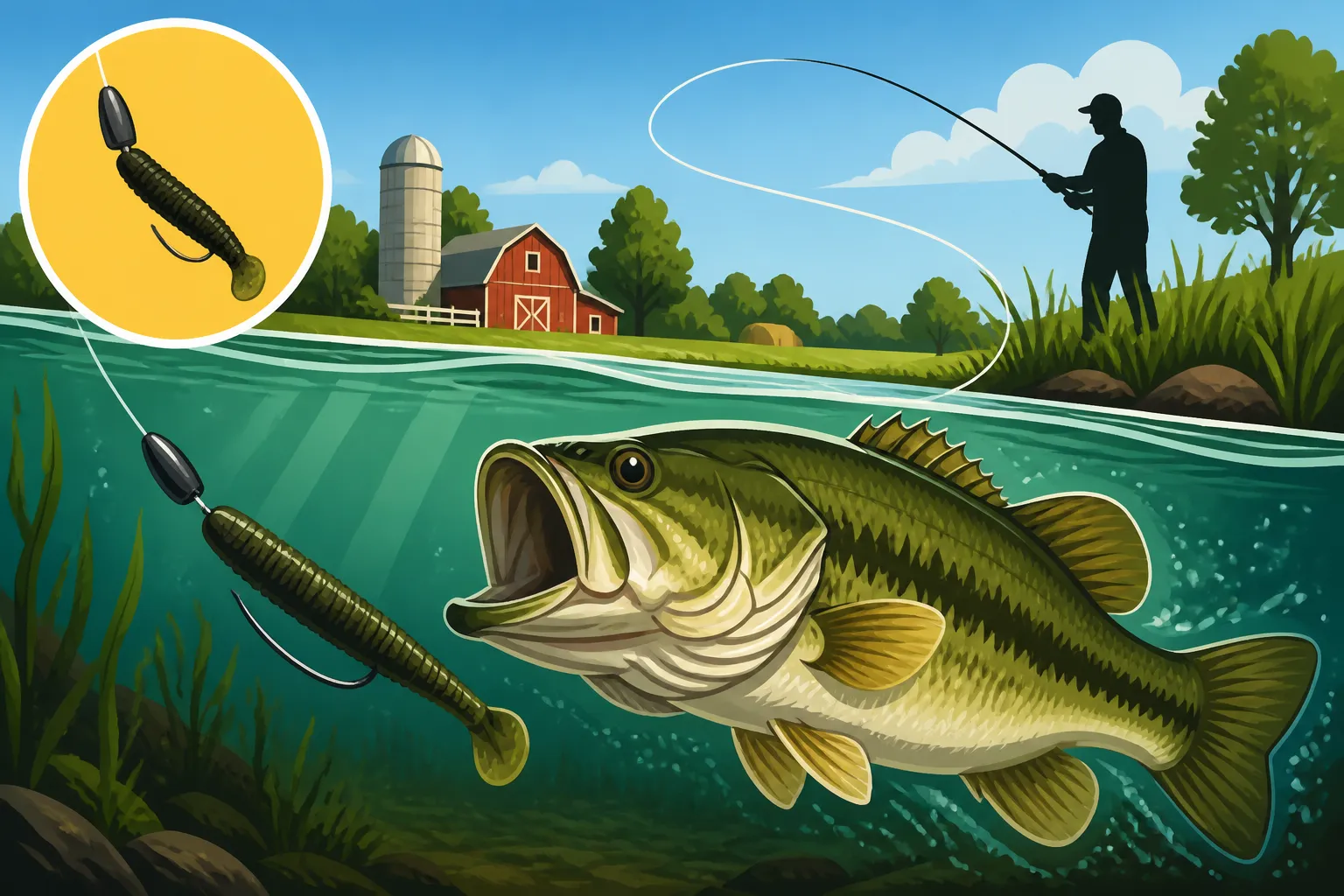
The Texas rig is a classic for a reason. By burying the hook point into the body of the plastic, it becomes virtually weedless, allowing you to punch through dense vegetation, drag it over logs, or fish it in heavy brush without snagging. Use a creature bait, a worm, or a beaver-style bait, matched with a bullet weight that's just heavy enough to get through the cover. Cast it, let it sink, then slowly drag, hop, or twitch it back. Most bites will feel like a slight "thump" or simply extra weight on your line. A medium-heavy rod and braided line are often preferred for this technique, as they provide the power needed to pull fish out of thick cover.
For a more subtle approach, especially when the bass are finicky or in clearer water, the wacky rig or weightless Senko is a killer. A Senko, or a similar stick bait, hooked through the middle, shimmers and falls slowly in the water with an irresistible wobble. Cast it weightless near docks, submerged trees, or along weed edges. Let it sink on a semi-slack line – most bites happen on the fall. For the wacky rig, the two ends of the worm shimmy enticingly. These finesse presentations often coax bites from bass that ignore more aggressive lures. Many anglers find a wide selection of these versatile soft plastics readily available on platforms like Amazon.
Cranking and Spinnerbaiting: Covering Water
While farm ponds are small, they still have active bass that like to chase, especially when they're on the hunt. This is where shallow-diving crankbaits and spinnerbaits shine, allowing you to cover water efficiently and locate active fish.
Shallow-diving crankbaits are fantastic for working along distinct weed lines, around fallen timber, or over rock piles. Choose cranks that run just above the cover you're fishing to maximize deflection. When a crankbait deflects off an object, it often triggers an instinctual strike from a nearby bass. Vary your retrieve speed – a steady retrieve, a stop-and-go, or even a sudden burst of speed can all be effective. Pay attention to the action of the lure and how it interacts with the cover. Different sizes and colours can make a big difference, so it's always good to have a few options in your Best Tackle Box Setup for Ontario Anglers.
Spinnerbaits, with their flashing blades and pulsating skirts, are another excellent choice for covering water in ponds. They excel in moderate cover like sparse weeds, submerged wood, or even along open banks. The flash and vibration mimic baitfish, drawing strikes from aggressive bass. They're also relatively weedless, especially with a single hook. Experiment with different blade combinations (Colorado for more thud and slower retrieve, Willowleaf for more flash and faster retrieve) and skirt colours. Cast them out, let them sink to your desired depth, and then reel them in steadily. Don't be afraid to slow roll them or even yo-yo them over deeper pockets if you find them.
Gear and Tactics for Maximizing Your Catch
Having the right tools and knowing how to use them effectively are crucial for consistent success on any body of water, and farm ponds are no exception. A bit of preparation goes a long way.
Recommended Rod, Reel, and Line Setup
When it comes to gear for farm pond largemouth, versatility and power are key. You're often dealing with heavy cover and strong fish in confined spaces, so you need equipment that can handle the fight.
For most pond applications, especially when fishing soft plastics in weeds or throwing topwater frogs, a medium-heavy power baitcasting rod, around 6'8" to 7'3" in length, is ideal. This gives you the backbone to drive hooks through thick plastic and pull a stubborn bass out of heavy cover. Pair this with a baitcasting reel that has a gear ratio between 6.4:1 and 7.3:1 for a good balance of power and retrieve speed. Many anglers find quality baitcasting combos, as well as a great variety of other Best Fishing Rods for Ontario Lakes, readily available on sites like Amazon. For line, 30-50 lb braided line is highly recommended when fishing heavy cover due to its strength and no-stretch properties, which help with hooksets. If you're fishing more open water with crankbaits or finesse presentations, 12-17 lb fluorocarbon line offers good sensitivity and low visibility.
If baitcasting isn't your preference or you're just starting out, a medium to medium-heavy spinning rod (6'6" to 7'0") with a 2500-3000 series spinning reel spooled with 10-15 lb braided line (with a fluorocarbon leader) is a perfectly capable setup, especially for weightless soft plastics or lighter topwater lures. For beginners, checking out a Best Rod and Reel Combo for Beginners can be a great way to start without breaking the bank.
Stealth and Presentation: Approaching Pond Bass
In a small farm pond, bass are often more aware of their surroundings. Loud noises, heavy footsteps on the bank, or a boat splashing noisily can quickly send them scurrying for cover, putting them off the bite. Stealth is paramount.
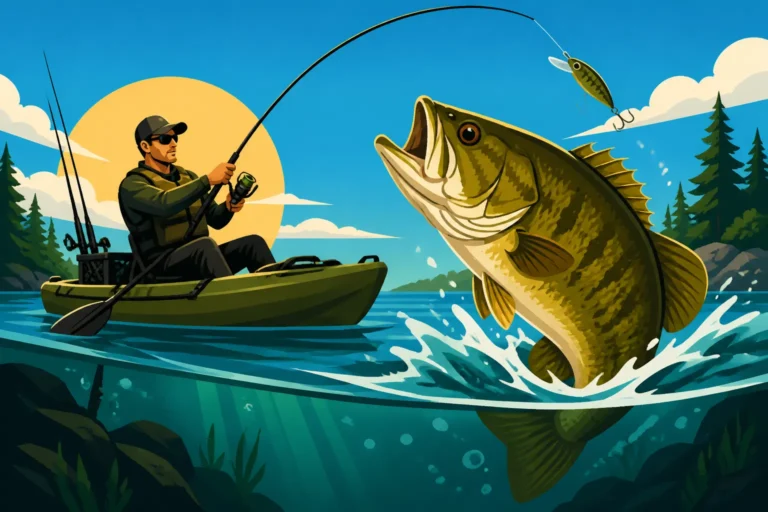
If you're fishing from shore, approach quietly. Keep a low profile, especially if the banks are open. Avoid casting a long shadow over the water you intend to fish. If you're using a small boat or kayak, paddle or pedal silently, and avoid dropping gear loudly. Make long casts to reach fish that might be further from the bank, and don't assume the fish are always right under your feet.
Beyond the approach, the presentation of your bait is equally crucial. Work your baits thoroughly. Don't just cast and reel. Let your soft plastics sit, twitch them, let them fall, then pause again. For topwater, let the ripples die down before starting your retrieve. Bass in ponds often need a bit more coaxing, and a patient, methodical retrieve can often outfish a rushed, aggressive one. Think about how a real frog or baitfish would behave. An erratic, natural movement often gets the bite.
Seasonal Adjustments for Pond Bass
Just like any other fishery, farm pond bass respond to the changing seasons, though their smaller environment can sometimes amplify these shifts. Understanding these patterns will significantly improve your success.
- Spring: As water temperatures rise, largemouth move shallow to spawn. This is a fantastic time for aggressive fish. Focus on the warmest, shallowest parts of the pond, especially northern banks that get more sun exposure. Crankbaits, spinnerbaits, and even weightless Senkos can be deadly. Be mindful of their When Largemouth Bass Spawn in Ontario and practice catch-and-release during this sensitive period.
- Summer: During the heat of summer, bass will often seek out the densest, shadiest cover during the day. Think lily pads, thick weed mats, and submerged brush. Early mornings, late evenings, and cloudy days will provide the best topwater action. During midday, punch through heavy cover with Texas-rigged plastics or flip jigs into tight spots. Bass will be looking for cool water, so even a slight depth change can hold them.
- Fall: As water temperatures begin to drop, bass go on a feeding frenzy to fatten up for winter. This can be one of the most exciting times to fish. They'll often be more active and willing to chase, so crankbaits, spinnerbaits, and even some faster-moving soft plastics can be very effective. Look for schools of baitfish, as the bass won't be far behind. For more on how seasons affect fish, check out our broader guide on Best Time of Year to Fish in Ontario.
- Winter: If the pond doesn't freeze solid, bass activity will slow considerably. They'll often hold in the deepest parts of the pond that offer the most stable temperatures. Finesse techniques, like small jigs or subtle soft plastics, fished extremely slowly, are your best bet. Bites will be very subtle, so pay close attention to your line. This is a similar principle to What water temperature smallmouth bass prefer, as bass in general become less active in cold water.
Common Challenges and Troubleshooting
Even with the best techniques, fishing can be challenging. Farm ponds, with their unique characteristics, come with their own set of common frustrations. Knowing how to troubleshoot these can turn a slow day into a successful one.
Dealing with Heavy Weeds and Snags
One of the biggest advantages for a farm pond largemouth is also one of the biggest headaches for anglers: heavy cover. Thick weeds, submerged timber, and brush piles are prime real estate for bass, but they love to hold your lure.
The first line of defense is choosing the right presentation. As mentioned, Texas rigs and hollow-bodied frogs are designed to be weedless. When retrieving, try to keep your rod tip high to help your lure "walk" over snags rather than dive into them. If you feel resistance that isn't a fish, try giving your rod a sharp, upward pop or a sideways sweep to try and free the lure. Sometimes, a quick slack in the line can allow the lure to float up and over the obstruction.
If you do get snagged, resist the urge to just yank hard. This often buries the hook deeper. Instead, try applying steady, firm pressure in the opposite direction of the snag. If fishing from a boat, sometimes paddling past the snag and pulling from a different angle can free the lure. Carrying a lure retriever can also be a lifesaver, especially for expensive crankbaits. Always be prepared to re-tie your line, as abrasions from heavy cover can quickly weaken it.
When the Bite is Tough: Finesse and Patience
Some days, no matter what you throw, the bass just aren't biting. This often happens after a cold front, during sudden pressure changes, or when the fish are heavily pressured. Don't pack up and go home just yet!
When the bite is tough, it's time to slow down and downsize. Instead of a big crankbait, try a small jig or a weightless worm. Instead of a fast retrieve, try dead-sticking your bait – letting it sit motionless on the bottom for an extended period, only twitching it occasionally. The wacky rig mentioned earlier is fantastic for finicky fish. Experiment with subtle twitches and long pauses.
Changing the presentation's depth can also make a huge difference. If they're not hitting topwater, try fishing plastics slowly on the bottom. If bottom-fishing isn't working, try suspending a small jig or soft plastic under a bobber. Sometimes, simply changing the angle of your cast or approaching the same piece of cover from a different direction can trigger a strike. Patience is key; tough bites require you to meticulously work every promising piece of cover and believe that eventually, a hungry bass will make a mistake. For some crossover techniques, you might even find some insights from Best Techniques for Panfish in Ontario, as panfish also often inhabit these smaller waters and require a finesse approach.
Respecting Private Property and Pond Health
Many of Ontario's best farm ponds are on private land. It's crucial to always ask for permission from the landowner before fishing. Respecting their property means leaving no trash, closing gates, and being mindful of livestock. Building a good relationship with a landowner can secure you a fantastic fishing spot for years to come.
Beyond property etiquette, practice responsible angling. Most farm ponds are closed systems, meaning over-harvesting can quickly decimate a bass population. Consider practicing catch-and-release, especially for larger breeding-size bass, to ensure the pond remains healthy and productive for future outings. Even if you plan to keep a few for a meal, understanding Is Largemouth Bass Good to Eat? and keeping only smaller, healthy fish is a good practice. Never introduce fish from other bodies of water into a farm pond, as this can introduce diseases or invasive species that could ruin the delicate ecosystem. By being a respectful and responsible angler, you help preserve these hidden gems for everyone. Compared to fishing vast areas like Best Largemouth Bass Lakes in Ontario, the impact of individual anglers on farm ponds can be much more significant.
Farm Pond Largemouth Techniques at a Glance
| Technique | Ideal Lure Types | Best Cover/Structure | Ideal Conditions | Key Tactic |
|---|---|---|---|---|
| Topwater | Hollow-bodied frogs, Poppers, Walking Baits | Lily pads, thick mats, weed edges, docks | Low light (dawn/dusk), overcast, warm water | Patient twitches, long pauses, precise casts |
| Soft Plastics | Texas-rigged worms/creatures, Weightless Senkos, Wacky Rigs | Heavy weeds, brush piles, submerged wood, docks | All conditions, especially finicky fish | Slow retrieves, subtle hops, dead-sticking |
| Crankbaits | Shallow-diving models | Weed edges, rock piles, open water banks | Active fish, searching for schools, post-spawn | Varying retrieve speed, deflection off cover |
| Spinnerbaits | Single/Double Willowleaf or Colorado blades | Sparse weeds, submerged wood, open water banks | Active fish, wind, cloudy days | Steady retrieve, slow rolling, bumping cover |
Disclaimer
This article is for general informational purposes only and does not constitute professional advice. Laws, prices and regulations vary by location and change over time. Consult a qualified professional for guidance on your specific situation.