Best topwater lure for dawn smallmouth fishing
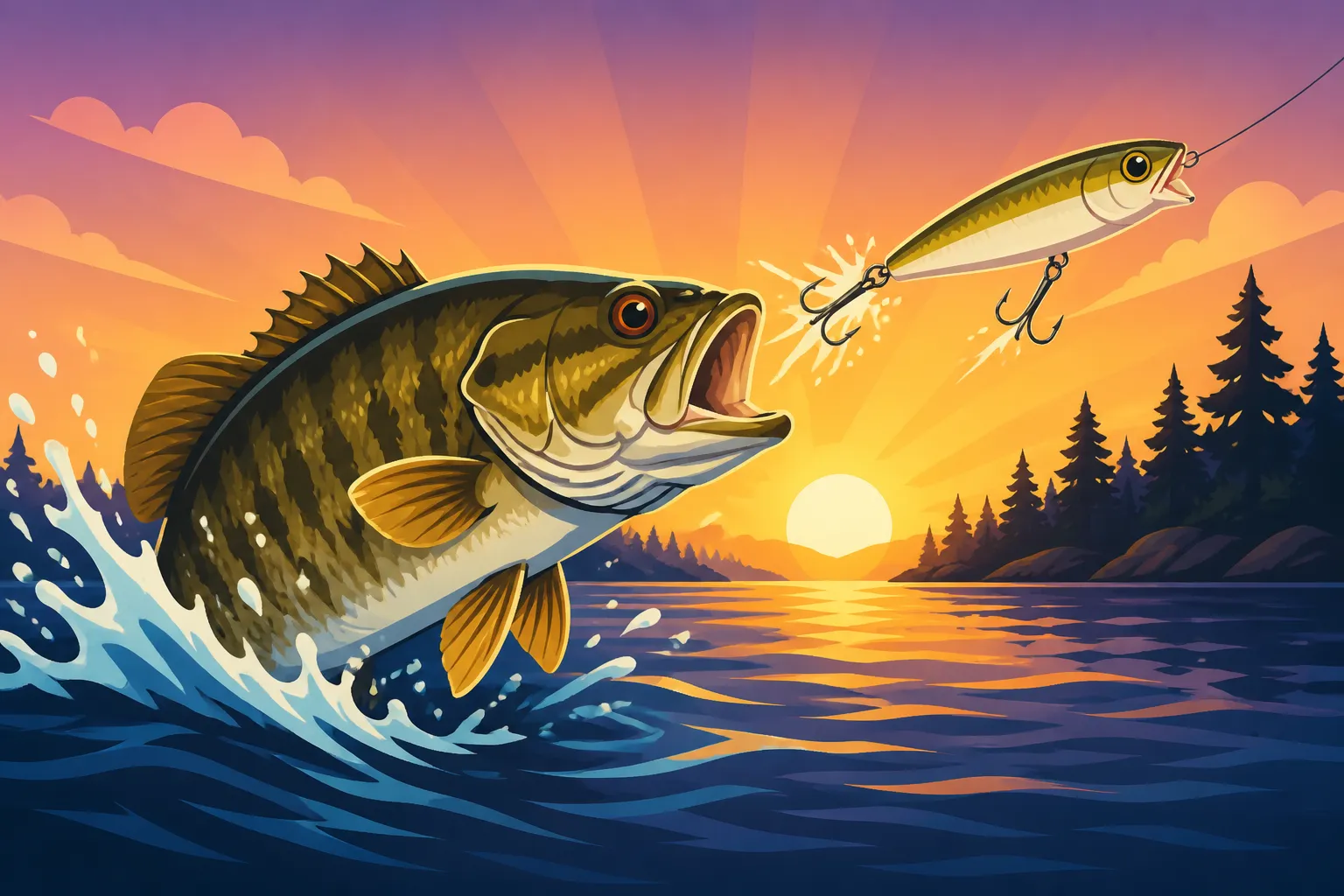
There's nothing quite like the stillness of an Ontario dawn, broken only by the explosive splash of a smallmouth bass smashing a topwater lure. That magical hour, just as the sun peeks over the horizon, often offers some of the most heart-stopping action for smallmouth anglers. But if you've ever stood there, rod in hand, with a tackle box full of options, wondering which of your myriad lures will actually draw a strike in those glorious low-light conditions, you're absolutely not alone. This guide is going to dive deep into the best topwater lures for dawn smallmouth fishing, giving you the confidence to pick the right one and trigger those unforgettable surface blow-ups.
The Irresistible Allure of Dawn for Topwater Smallmouth
The transition from night to day is a pivotal time in the aquatic world, and for smallmouth bass, it's often a prime feeding window. They become more active, moving into shallower areas to ambush unsuspecting prey. This heightened activity, coupled with specific environmental factors at dawn, makes topwater presentations incredibly effective.
Why Smallmouth Are So Active at Dawn
Think about it: after a night of lower light conditions, smallmouth are often eager to feed. As the first rays of sunlight begin to penetrate the water, they trigger baitfish and insects to become active. This surge of potential food draws smallmouth out of their deeper resting spots and into the shallows, points, and weed edges where they can actively hunt. They're often less wary in the low light, making them more susceptible to an aggressive topwater offering. It’s a perfect storm of opportunity, and if you’re not there to capitalize on it, you’re missing out on some of the most exciting fishing Ontario has to offer.
Optimal Conditions for Topwater Success
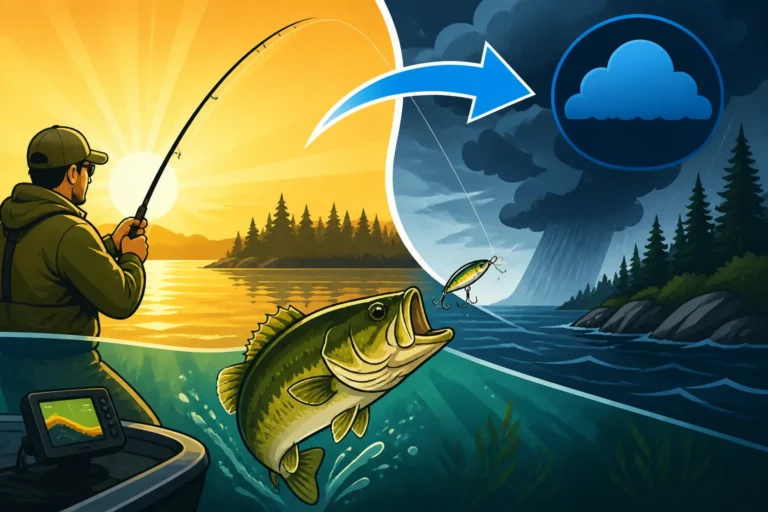
While dawn is inherently a great time, certain conditions make it even better. Overcast skies, a light ripple on the water, or even a hint of fog can extend the topwater bite well past sunrise. These conditions further obscure the angler and the lure's imperfections, making the bass more likely to commit fully. A slight chop on the water surface also helps to break up the lure's silhouette, making it appear more natural and less threatening. Conversely, flat calm, crystal clear conditions under a bright sun might require a more subtle approach, but even then, a perfectly presented topwater can still coax a strike from an opportunistic smallmouth.
Unpacking the Best Topwater Lure Categories for Smallmouth
When it comes to topwater lures, there’s a diverse array of options, each designed to create a different kind of disturbance on the water's surface. Understanding these categories is key to selecting the right tool for the job.
Poppers: The Classic "Chug and Gurgle"
Poppers are arguably the most iconic topwater lure, and for good reason: they work! Their distinctive cupped face is designed to push water, creating a "pop" or "chug" sound that mimics a struggling baitfish or frog. This audible commotion, combined with the visual splash, is incredibly effective at drawing smallmouth from surprising depths or across vast distances. Poppers excel when smallmouth are somewhat active but might need a little extra coaxing to commit, especially in areas with moderate cover like docks, fallen trees, or rock piles.
When fishing poppers at dawn, a common mistake is retrieving them too fast. Often, a slow, deliberate "pop, pause, pause, pop" cadence is all it takes. Let the ripples dissipate after each pop, giving a curious smallmouth time to locate and commit to the lure. Sometimes, a series of quick, aggressive pops followed by a longer pause can trigger a strike from an otherwise hesitant fish. Look for poppers in natural baitfish colours or bright frog patterns. Many anglers find reliable options on platforms like Amazon, ensuring they have a good selection before hitting the water.
Walk-the-Dog Lures: The Subtle Glide
Walk-the-dog lures, often referred to as "walkers," are characterized by their slender bodies and the mesmerizing, side-to-side gliding action they create when retrieved correctly. Unlike poppers, they don't create a loud splash but instead offer a more subtle, rhythmic disturbance that perfectly imitates a wounded baitfish darting across the surface. This action is incredibly attractive to smallmouth, especially in clearer water or when the fish are a bit more finicky.
Mastering the walk-the-dog retrieve takes a little practice, but it's incredibly rewarding. It involves a slack-line twitch of the rod tip, allowing the lure to swing from side to side. The key is to find that rhythm. Walkers shine in open water, along clean shorelines, or over submerged weed beds where smallmouth can track the lure from a distance. Their versatility makes them a staple in many Ontario anglers' tackle boxes, and you’ll find that both subtle and aggressive retrieves can be effective depending on the mood of the fish. These lures are a fantastic choice for Topwater Fishing for Smallmouth Bass in Ontario and you'll want to experiment with different sizes and colours.
Prop Baits: The Splash and Flash
Prop baits feature one or two small propellers, either at the front, back, or both ends of the lure, that spin and splash water as the bait is retrieved. This creates a combination of visual flash and surface commotion that can be irresistible to smallmouth. They offer a middle ground between the aggressive splash of a popper and the subtle glide of a walker, making them highly effective when you need a bit more attention-grabbing action without overwhelming the fish.
Prop baits are particularly effective when the water has a slight chop, helping the props churn more water and create an appealing disturbance. They also work well in stained water where the extra commotion helps fish locate the lure. A steady retrieve with occasional pauses is usually the ticket, allowing the props to churn consistently and then stop abruptly, often triggering a strike on the pause. Experiment with both single and double prop models, and don't hesitate to throw them near visible cover or along rocky points where smallmouth like to ambush prey.
Matching Lure Choice to Dawn Conditions
Choosing the "best" topwater lure isn't a one-size-fits-all situation. The most effective choice often depends on the specific conditions you encounter at dawn. Water clarity, surface disturbance, and even the type of forage present can influence what smallmouth are willing to strike.
Calm, Clear Mornings: Subtle Presentations Win
On those postcard-perfect mornings with glass-smooth water and high visibility, smallmouth bass can be more discerning. A loud, aggressive presentation might spook them. This is where subtle topwater lures truly shine. Walk-the-dog style baits or smaller poppers, worked with a more gentle retrieve, can be incredibly effective. The goal is to mimic a single, struggling baitfish rather than a chaotic feeding frenzy.
Imagine you're on a clear lake, the surface like a mirror. A large, loud popper might just send a ripple of alarm. Instead, a finely tuned walk-the-dog lure, like a Zara Spook or a smaller variant, sashaying back and forth, creates just enough disturbance to draw attention without screaming "danger." Smallmouth can get a good look at the lure in these conditions, so natural patterns that imitate local baitfish are often a good bet. Consider subtle twitches and longer pauses to entice a wary fish. Many anglers find a vast selection of these nuanced lures on Amazon, making it easy to diversify their tackle box.
Choppy, Stained Waters: Aggression is Key
Conversely, when dawn breaks over choppy, wind-swept water, or if you're fishing a lake with naturally stained or murky water, you need to make some noise. The reduced visibility and increased surface chop mean your lure has to work harder to get noticed. This is where poppers, prop baits, and even buzzbaits truly excel.
On a morning with a good breeze putting a chop on the water, that loud "pop" or the churning of a prop bait becomes a beacon. The smallmouth can't rely as much on their sight, so sound and vibration become paramount. Aggressive retrieves, faster pops, and continuous churning actions can trigger powerful reaction strikes. Consider brighter or darker colours that offer more contrast against the water, depending on light penetration. For instance, a black buzzbait at first light in stained water can be incredibly effective, creating a distinct silhouette against the brightening sky as it gurgles along the surface. This is a great tip for anyone wanting to learn How to Catch Smallmouth Bass in Ontario.
Over-Cover Situations: Frogs and Buzzbaits
Ontario is famous for its diverse fishing environments, and often, smallmouth will relate to heavy cover like lily pads, thick emergent weeds, or submerged timber. In these scenarios, a traditional topwater lure might get snagged constantly. This is where weedless topwater options become invaluable.
Hollow-bodied frog lures, designed to glide effortlessly over thick mats of vegetation, are unbeatable in dense cover. They can be worked with a pop-and-stop retrieve right on top of the green stuff, daring a smallmouth to burst through the weeds to grab it. Similarly, buzzbaits, with their overhead propeller, are surprisingly weedless and can be cranked over patchy cover or along weed edges, creating a distinct gurgling sound that often provokes explosive strikes. These lures allow you to target areas inaccessible to other topwater options, opening up a whole new world of opportunities for aggressive smallmouth at dawn. Remember to use a stout rod and strong line when fishing these heavy cover areas.
Retrieval Techniques for Dawn Topwater Success
The lure you choose is only half the battle; how you present it is just as crucial, if not more so. Smallmouth can be finicky, and adjusting your retrieval technique based on their mood can make all the difference between a frustrating morning and a banner day.
The Stop-and-Go Strategy
This is perhaps the most fundamental and effective topwater retrieval technique, particularly at dawn. It's all about creating an erratic action followed by a tantalizing pause. When you cast out a popper, prop bait, or walker, work it a few feet with your chosen action (pop, walk, churn), then let it sit motionless for a few seconds. Many, many smallmouth strikes happen during this pause.
The pause allows the bass to home in on the lure, examine it, and then often, out of pure predatory instinct, commit to the strike. It mimics a disoriented baitfish or insect that has briefly stopped struggling. The length of the pause is critical and often needs to be experimented with. Some mornings, a quick 2-second pause is all it takes; other times, a lengthy 10-second wait might be necessary to tempt a hesitant fish. Don't be afraid to leave your lure sitting there, even if it feels unnaturally long; that's often when the biggest blow-ups occur. This technique is especially potent in the cooler, lower light of dawn, as fish are often cruising and observing before they strike.
Varying Your Cadence
Smallmouth bass are incredibly intelligent and can quickly become accustomed to a predictable retrieve. This is why varying your cadence is essential for consistent topwater success. Don't just stick to the same "pop, pop, pause" or "walk, walk, walk." Mix it up!
Try a rapid series of pops with a popper, followed by a long, dead pause. Or, with a walker, alternate between a tight, fast walk-the-dog and a wider, slower glide. Speed up your retrieve with a prop bait, then suddenly slow it down or even stop it for a moment. The goal is to keep the fish guessing, to present something just a little different that triggers a reaction. Sometimes, an aggressive, fast retrieve on a buzzbait can be deadly as fish don't have time to think, only react. Other times, a subtle, barely-there retrieve is what’s needed. The best anglers are constantly experimenting, trying different speeds and rhythms until they find what the smallmouth want that particular morning. This kind of adaptability is critical when you’re fishing for Smallmouth Bass Fishing in Ontario.
Reading the Water and Adjusting
Ultimately, successful topwater fishing at dawn is about observation and adaptation. Pay attention to how the smallmouth are reacting – or not reacting – to your presentations. Are they coming up and swatting the lure without hooking up? Maybe you need to pause longer, or switch to a more subtle bait. Are they ignoring your subtle offerings? It might be time to crank up the commotion with a bigger popper or a prop bait.
Watch for subtle signs: a swirl behind your lure, a dark shadow following, or even baitfish flicking on the surface. These are all clues that can help you fine-tune your approach. The location where you’re casting also plays a huge role. Are you targeting shallow points, rocky shoals, weed lines, or current breaks? Each of these areas might call for a slightly different approach. For example, if you're fishing a river, knowing How to Fish a River for Smallmouth Bass will dramatically improve your success with topwater lures, as current can significantly alter a lure's action and how a bass perceives it.
Essential Gear for Dawn Topwater Battles
Having the right gear makes a huge difference in maximizing your topwater success at dawn. From your rod and reel setup to your line choice, optimizing your tackle will ensure you can cast accurately, work your lures effectively, and most importantly, land those explosive smallmouth.
Rod and Reel Setup
For most topwater applications, a medium-heavy to heavy power casting rod, between 6'6" and 7'6" in length, is ideal. The medium-heavy power provides enough backbone to cast larger topwater lures and drive hooks into a smallmouth's bony mouth, while still having enough tip action for accurate casting and working the lure. Many anglers looking for quality options find a good selection of Best Fishing Rods for Ontario Lakes on online retailers like Amazon.
A fast action rod is generally preferred as it allows for quicker lure manipulation and better hooksets. Pair this with a baitcasting reel with a gear ratio in the 7.1:1 to 8.1:1 range. A higher gear ratio helps you pick up slack quickly after a strike, especially when fish charge the boat, and is essential for working walk-the-dog lures effectively. However, for slower, more deliberate retrieves, a 6.4:1 ratio can also be effective. If you’re not comfortable with baitcasters, a stout spinning setup can work for lighter topwaters, but most experienced topwater anglers prefer baitcasting gear for its control and power.
Line Choices and Leaders
When it comes to line, braided line is a top choice for topwater fishing for several reasons. First, its almost zero stretch means you get incredible sensitivity and direct contact with your lure, which is crucial for imparting the correct action to walk-the-dog baits and poppers. Second, the lack of stretch provides powerful, instantaneous hooksets, vital for those quick surface strikes. A 30-50 lb test braided line is a common choice.
While braid is excellent for the main line, many anglers opt for a short leader of 12-20 lb fluorocarbon or monofilament, approximately 12-24 inches long. This leader provides a nearly invisible connection to your lure, which can be beneficial in clear water, and offers a bit of shock absorption that braid lacks, preventing hooks from tearing out during violent head shakes. If you’re looking for options, even specialized line can be found readily on Amazon. The specific choice between fluorocarbon and monofilament for a leader often comes down to personal preference, though many find monofilament floats slightly better, which can be advantageous for topwater presentation. For specific needs, you can even explore options for Best Spinning Reel size for river smallmouth to ensure your setup is perfectly balanced.
The Importance of Sharp Hooks
This might seem obvious, but it's astonishing how many anglers overlook the condition of their treble hooks. Topwater strikes are often violent and explosive, but smallmouth can be notorious for "swatting" at a lure without fully committing. Razor-sharp hooks are absolutely critical for converting those splashes into landed fish.
Before every fishing trip, especially for topwater, take a moment to check the sharpness of your lure's hooks. If they're dull, either sharpen them with a hook file or, even better, replace them with high-quality, ultra-sharp treble hooks. Many topwater lures come with decent hooks, but an upgrade can significantly increase your hook-up ratio. This is particularly important when fishing for feisty smallmouth in areas like Smallmouth Bass Habits on Lake Erie or other productive waters, where every strike counts. A dull hook is often the difference between a memorable fight and a missed opportunity. Having a well-organized Best Tackle Box Setup for Ontario Anglers will help ensure you always have fresh, sharp hooks ready.
Final Thoughts on Dawn Topwater Smallmouth Fishing
Dawn topwater fishing for smallmouth bass in Ontario is a truly exhilarating experience. The anticipation of that surface strike, the explosive splash, and the sheer power of a smallmouth on the line make it one of the most exciting ways to fish. By understanding the different types of topwater lures, matching your selection to the prevailing conditions, and refining your retrieval techniques, you'll be well on your way to consistent success.
Remember, every morning on the water is a learning experience. Don't be afraid to experiment with different lures, colours, and retrieve speeds. Pay attention to what the fish are telling you and adapt accordingly. Whether you're casting a popper near a rocky shoal, walking a dog bait along a weed line, or buzzing a frog over lily pads, the dawn bite for smallmouth is a special time. Make sure you're ready to make the most of it. Knowing the Best time of year to fish in Ontario for smallmouth will also help you plan your trips around prime topwater action. For adventurous anglers, exploring new waters from a Best Kayaks for Ontario Fishing can open up even more pristine dawn fishing opportunities.
Disclaimer
This article is for general informational purposes only and does not constitute professional advice. Laws, prices and regulations vary by location and change over time. Consult a qualified professional for guidance on your specific situation.