Best panfish jig colors for winter
There's nothing quite like dropping a line through a freshly drilled hole on a frozen Ontario lake, patiently waiting for that tell-tale tap on your jigging rod. But let's be honest, sometimes the fish just aren't biting, and it can be incredibly frustrating. You've got your thermos full, your ice hut is cozy, and the fish finder is marking activity, but they're snubbing every offering. Often, the culprit isn't your technique, but simply the wrong jig color for the day. This comprehensive guide is here to shed some light (pun intended!) on the best panfish jig colors for winter, helping you understand why certain hues outperform others and giving you the confidence to pick the perfect jig every time.
Understanding Panfish Behavior in Winter
Panfish, including our beloved yellow perch, crappie, and bluegill, don't just disappear under the ice. They're still down there, but their world changes dramatically. The cold water, reduced light penetration, and slower metabolism all influence how they perceive their environment and, crucially, how they react to your bait. Getting into their mindset is the first step to choosing the right jig color.
Why Panfish React to Color in Cold Water
When the water temperatures plunge and a thick blanket of ice, often topped with snow, covers the surface, the amount and type of light reaching the fish below changes drastically. Sunlight, which is composed of all colors of the rainbow, gets filtered as it penetrates ice and water. Red, orange, and yellow light waves are absorbed first, meaning they disappear fastest in deeper or murkier water. Blue and green light, on the other hand, penetrate much deeper. This is why the underwater world often looks blue or green to us, and it's also why certain jig colors become more or less visible to fish. Their vision, while different from ours, is still highly attuned to these light conditions.
Beyond just visibility, the fish's metabolism slows down in cold water. They're not as active, they're not chasing prey as aggressively, and they're conserving energy. This means your presentation needs to be appealing without being overly flashy or demanding. A subtle flash or a natural presentation might be more effective than a vibrant, aggressive one. The right color choice, therefore, isn't just about what they see, but what subtly piques their interest without triggering a flight response from an energy-conserving fish.
Key Factors Influencing Color Choice
It's never just about picking "the best" color in isolation; it's a dynamic puzzle with several pieces. The conditions above the ice and below the surface play a huge role.
First, consider water clarity. Is the lake gin-clear, or is it stained with tannins or churned up from recent weather? Clear water often calls for more natural, muted colors, while stained or murky water might require brighter, more fluorescent options to be seen. Think about how much light is making it down to your target depth.
Next, depth and time of day are crucial. In shallow water on a sunny day, even subtle colors can be highly visible. But in deeper water, or on an overcast day, those reds and oranges you love might look grey or black to a fish. This ties back to the light absorption we discussed. The forage base in the specific lake you're fishing is also a huge clue. Are panfish primarily feeding on small minnows, tiny invertebrates, or insect larvae? Matching your jig color to these natural food sources can be incredibly effective, making your offering seem like an easy, natural meal.
Top Jig Colors for Winter Panfish in Ontario
Okay, so we know why color matters. Now, let's talk about the specific colors that have proven themselves time and again on the ice for Ontario panfish, from Lake Simcoe to smaller northern lakes.
The "Go-To" Naturals: Whites, Creams, Light Greys
These are your bread and butter, especially for finicky fish or in clear water conditions. White, cream, and light grey jigs effectively mimic a wide variety of natural winter forage. Think tiny minnows, midge larvae, or other small aquatic insects that are a staple in a panfish's cold-water diet.
In many Ontario lakes, particularly those with good water clarity, panfish often feed on minnows like emerald shiners or young-of-the-year perch. A small, white jig, especially one tipped with a minnow head or a tiny plastic minnow imitation, can be absolutely deadly. These colors are subtle enough not to spook wary fish, but they still provide enough contrast against the water or bottom to be seen. They offer a realistic presentation that appeals to a fish's natural predatory instincts without being overly aggressive. Many seasoned anglers keep a variety of these shades on hand, often finding that even a slight shift from a bright white to an off-white or a creamy translucent can make all the difference.
The "Flashy" Attention-Grabbers: Chartreuse, Orange, Pink
Sometimes, subtlety just isn't cutting it, and you need to grab their attention. This is where bright, vibrant colors like chartreuse, orange, and pink truly shine. These colors are fantastic for stained or murky water where natural light penetration is poor, or when you're trying to appeal to more aggressive panfish that might be schooling up.
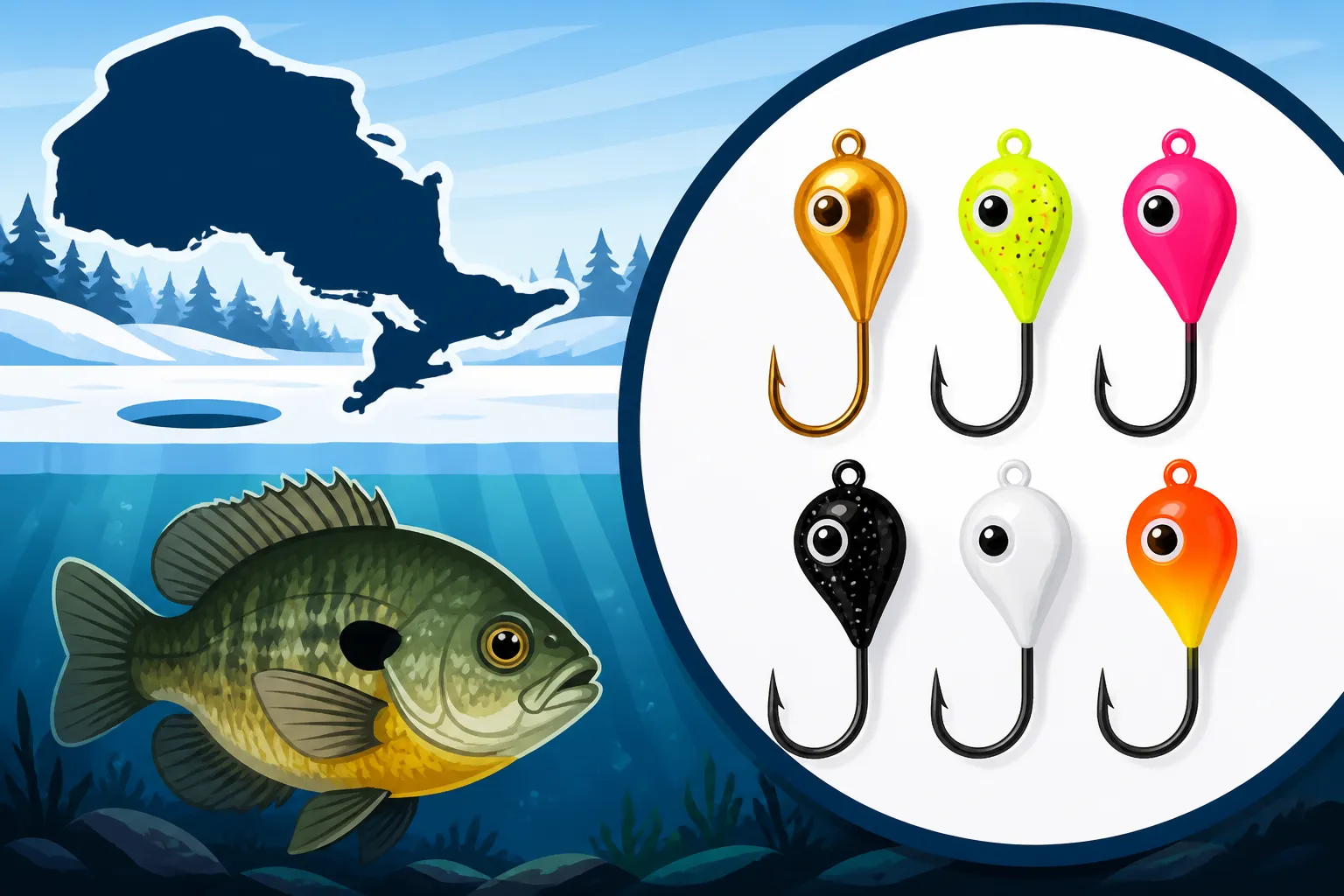
Chartreuse is often a universal go-to for many ice anglers. It stands out in low light and dark water conditions, acting as a strong visual attractor. Orange and pink also perform exceptionally well, especially for crappie and aggressive yellow perch. These colors don't rely on natural light to be visible; they practically glow, making them easy for fish to spot from a distance. If you're fishing a highly pressured lake or during a tough bite, a small jig in one of these "hot" colors, perhaps with a touch of glitter, can often trigger a reaction strike when nothing else will. You'll find a great selection of these on Amazon for every budget.
The "Subtle Difference Makers": Blacks, Browns, Purples
Don't overlook the darker, more muted colors. While less popular than the brights or naturals, black, brown, and purple can be absolute game-changers, especially in clear water or when fish are extremely wary. These colors excel at mimicking various insect larvae, leeches, or other dark-bodied invertebrates that are often present in the aquatic environment.
In very clear lakes or when the panfish have seen every jig in the tackle box, a small black or dark brown jig can be surprisingly effective. These colors create a strong silhouette against the brighter surface light, making them easy for fish to see without being overly flashy. Purple, too, has a magical quality for many panfish species, particularly crappie and sometimes even larger perch. It's often thought to mimic leeches or certain types of insect nymphs. When fish are holding tight to structure and just inspecting baits, these subtle, darker hues can provide the confidence-inspiring presentation that finally gets them to commit. Exploring the Best Tackle for Panfish means having a range of these unique colors ready.
Matching Your Jig Color to Ontario Ice Conditions
Knowing the popular colors is one thing; knowing when and where to use them is another entirely. The ice conditions themselves, along with water clarity, will dictate your best strategy.
Clear Ice, Clear Water: When to Go Subtle and Realistic
Imagine looking down a hole on a perfectly clear, sunny day. You can see your jig perfectly at 10 feet. If you can see it clearly, so can the fish. In these conditions, where the ice is thin or clear of snow and the water itself is transparent (common in many deeper trout lakes or even some clearer areas of lakes like Lake Simcoe), the panfish have excellent visibility.
This is the prime time to reach for your whites, creams, light greys, and even translucent or natural baitfish patterns. Your goal here is to present something that looks as natural and unassuming as possible. Overly bright or flashy colors can actually spook fish in these conditions, making them wary and hesitant to strike. Think subtle shimmers, natural profiles, and a gentle presentation. Sometimes, a tiny tungsten jig in a natural color, tipped with a single maggot, is all it takes. For targeting specific species, exploring Ontario Yellow Perch Limit on Lake Erie and Simcoe or Ontario Crappie Limit might give you more context on specific waters.
Snow-Covered Ice, Stained Water: When to Go Bright and Bold
Now, picture a blizzard-like day, snow piling up on the ice, or fishing in a notoriously murky backwater bay. Light penetration is severely diminished, and anything subtle will simply disappear. These are the moments when you want to reach for your chartreuse, oranges, and hot pinks.
In low-light conditions, whether from heavy snow cover, deep water, or naturally stained water, these vibrant colors literally pop. They offer the necessary contrast for a panfish's lateral line and vision to detect them, drawing attention from a distance. If you're struggling to get bites, don't be afraid to size up slightly and go with the brightest color you have. The goal here is to be noticed. Many anglers swear by these "high-vis" colors when "Jigging for Perch Through the Ice" on lakes with lower visibility, like some of the shallower Kawartha Lakes.
The Importance of Presentation with Color
Choosing the right color is only half the battle; how you present it is equally critical. A perfectly colored jig fished lifelessly won't entice many bites. Your jigging style needs to complement your color choice and the fish's mood.
In clear water with natural colors, a subtle, slow jigging motion – often called "dead sticking" or just a slight quiver – can be incredibly effective. You're trying to mimic a natural, struggling baitfish or insect. With brighter colors in stained water, a more aggressive jigging motion with pauses can help send out vibrations and flashes that attract attention. Experiment with quick lifts, short hops, and long pauses to see what triggers a strike. Remember, sometimes the fish want it sitting still, and other times they want it dancing erratically. Knowing How to Catch Walleye in Ontario or other aggressive species might influence how you present panfish jigs too, as some of those techniques can cross over when panfish are active.
Gear Considerations for Maximizing Jig Color Effectiveness
Beyond the jig itself, a few other gear choices can significantly impact how well your chosen jig color performs and how many fish you actually bring through the hole.
Line Choice and Visibility
Your fishing line might seem like a small detail, but it can make a big difference, especially with light-biting panfish. In ultra-clear water, opting for a low-visibility fluorocarbon line (or at least a fluorocarbon leader) is often paramount. Fluorocarbon has a refractive index very close to water, making it virtually invisible underwater. This can be crucial when presenting those subtle, natural-colored jigs to wary panfish in clear conditions. You don't want a brightly colored monofilament line spooking fish before they even get a good look at your jig.
Conversely, in stained or murky water, line visibility might be less of a concern, and you could opt for a monofilament or even a braided line with a short leader. The key is to avoid anything that creates an unnatural presence around your carefully chosen jig color. Consider checking out Best Ice Fishing Gear for Ontario for more detailed line recommendations.
Pairing Jigs with Baits
This is where you can truly fine-tune your presentation and make your jig color even more irresistible. Many ice anglers swear by tipping their jigs with either live bait or small plastics.
For live bait, maggots, wax worms, or tiny minnows (like those used when exploring Ontario Fishing Regulations Explained) are classic panfish attractors. A vibrant chartreuse jig tipped with a live maggot offers both visual appeal and natural scent/action. A white jig with a minnow head can perfectly mimic a dying baitfish. The combination of your chosen jig color and a natural offering is often the one-two punch that seals the deal. You can find excellent quality live bait at most local bait shops, and even some artificial versions on Amazon that provide similar action without the hassle of keeping live bait.
When it comes to plastics, there's an endless array of tiny micro-plastics designed specifically for ice fishing. These include small tubes, grubs, tiny minnow imitations, and insect larvae look-alikes. Often, these plastics come in colors that complement your jig, adding extra bulk, action, and sometimes even scent. Pairing a dark jig with a contrasting bright plastic, or a natural jig with a matching plastic, allows for endless experimentation to find what the fish are keying in on that particular day. Don't forget, the Best Jig Weight for Perch Through the Ice can also affect how your bait presents.
Jig Color Selection Table for Ontario Panfish in Winter
To help you quickly decide, here's a handy table summarizing some effective jig color strategies for different winter fishing scenarios in Ontario:
| Condition Category | Water Clarity | Ice/Light Condition | Recommended Jig Colors | Why It Works | Best for Species (Generally) |
|---|---|---|---|---|---|
| Natural/Subtle | Clear to Moderate | Bright Sun, Clear Ice | White, Cream, Light Grey, Clear/Translucent | Mimics natural forage (minnows, larvae), less likely to spook wary fish | Perch, Bluegill, Crappie |
| Attractor/Bold | Stained to Murky | Overcast, Snow Cover | Chartreuse, Hot Pink, Bright Orange, Glow | High visibility in low light, strong contrast, triggers reaction bites | Crappie, Aggressive Perch |
| Profile/Dark | Clear to Moderate | Any | Black, Dark Brown, Purple | Strong silhouette, mimics leeches/dark insects, good for wary fish | Crappie, Larger Perch |
| Versatile/Mixed | Any | Any | White/Glow, Green/Chartreuse, Orange/Black | Combination of visibility and natural appeal, good starting points | All Panfish |
Remember, this table is a guideline. Fish can be unpredictable, and what works one day might not work the next. The best approach is always to start with a few educated guesses based on conditions, then actively experiment!
For those eager to get out on the ice, remember to check current regulations and ice conditions. Places like Best Ice Fishing Lakes in Ontario are popular for a reason, but safety is always paramount, so know How thick ice needs to be to fish safely in Ontario before heading out. Having the right tools, like a reliable Best ice auger for panfish holes and a comfortable Best ice hut for Ontario Lakes, will also make your winter fishing experience much more enjoyable.
The world of panfish jig colors for winter fishing in Ontario is nuanced and incredibly rewarding to explore. By understanding how light interacts with water, how fish perceive color, and by matching your choices to the prevailing conditions, you'll be well on your way to more consistent success. Don't be afraid to experiment, pay attention to the details, and most importantly, enjoy the peace and thrill of ice fishing on Ontario's beautiful frozen waters.
Disclaimer
This article is for general informational purposes only and does not constitute professional advice. Laws, prices and regulations vary by location and change over time. Consult a qualified professional for guidance on your specific situation.