Best Tackle for Panfish
It's easy to get caught up chasing the big ones in Ontario – those monster walleye, massive muskie, or powerful lake trout. But often, anglers overlook the pure joy and consistent action that panfish offer. The truth is, many of us are using gear that’s just way too heavy for these feisty little fighters, leading to missed bites and less exciting battles. If you've ever felt like your tackle box is optimized for giants, and you're struggling to really feel those subtle panfish nibbles, you're in the right place. This comprehensive guide will strip away the guesswork and dive deep into the best tackle specifically designed for panfish, helping you transform those casual outings into incredibly rewarding and action-packed fishing adventures across Ontario.
Understanding Ontario Panfish: More Than Just "Bait"
Before we even talk about rods and reels, it's crucial to appreciate what we're targeting. Panfish aren't just small fish; they're a diverse group of species that thrive in many of Ontario's lakes and rivers, offering fantastic sport, especially for those who appreciate a more delicate approach. They're often seen as gateway fish for new anglers, but experienced veterans know they present a unique challenge and can be incredibly rewarding targets in their own right. Plus, many panfish species are absolutely delicious!
Common Panfish Species in Ontario
When we talk about panfish in Ontario, we're typically referring to a few key players that are widely distributed and provide consistent action. Each has its own nuances, which is why understanding them helps in tailoring your tackle.
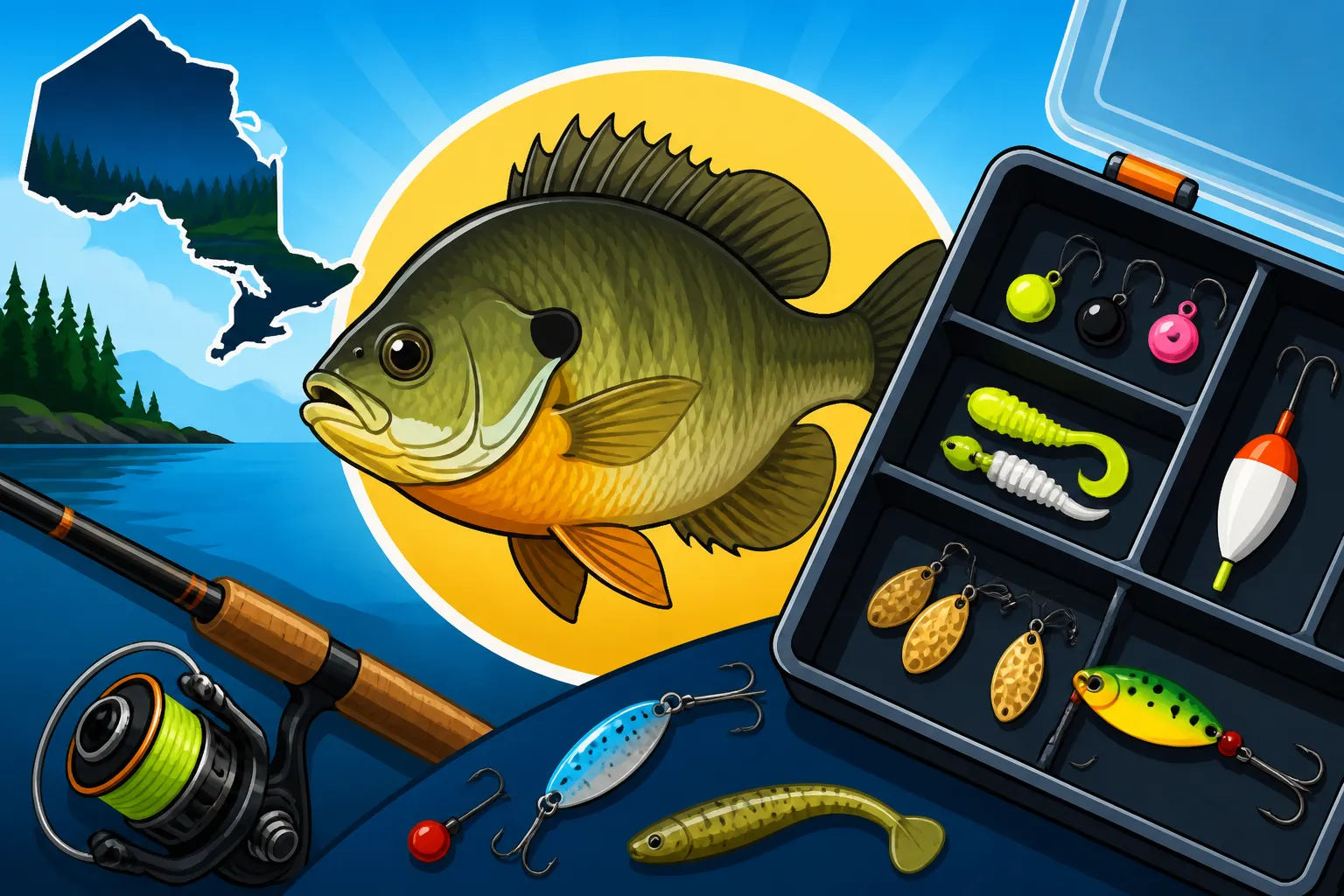
Bluegill are perhaps the quintessential panfish. They're often found in shallow, weedy areas, around docks, and submerged structures. Known for their distinct dark spot on the gill cover and vibrant colours, especially the males during spawning, bluegill are aggressive eaters for their size. They might not be huge, but a good-sized bluegill on ultralight tackle puts up a surprisingly strong fight. You'll find them schooling up, and once you locate them, you can often catch dozens in one spot. Learning about Bluegill Habits in Ontario Ponds can give you a real edge.
Crappie, both black and white, are another highly sought-after panfish. They prefer slightly deeper water than bluegill, often congregating around submerged timber, brush piles, and bridge pilings. Crappie are renowned for their delicate mouths, which can make landing them a challenge, but their papermouth nickname shouldn't deter you. They strike with gusto, and catching a slab crappie, particularly in the spring or fall, is a true delight. They also tend to school in large numbers, making for fast and furious action when you find them. If you want to dive deeper, check out Black Crappie in Ontario Lakes.
Yellow Perch are arguably the most iconic panfish in Ontario, and for good reason. They are prolific, widespread, and absolutely fantastic table fare. Perch inhabit a wide range of environments, from shallow weed beds to deeper basin areas in larger lakes. They are known for their distinctive vertical stripes and often form large schools, particularly in winter when ice fishing. Their aggressive nature and tendency to bite even in cold water make them a favourite for many anglers. Places like Lake Simcoe or Lake Erie are legendary for their perch populations. For more focused info, see Yellow Perch Fishing in Ontario.
Why Panfish are Worth Targeting
Beyond their sheer abundance, panfish offer a unique set of benefits that make them incredibly valuable targets for any angler. Firstly, they are fantastic for honing your skills. Their subtle bites often demand keen attention to your line and float, teaching you patience and focus. Using lighter tackle means you feel every head shake, every dart, and every little run, making even a modest fish feel like a giant. This finesse approach translates well to other types of fishing, helping you become a more sensitive and precise angler overall.
Secondly, panfish provide consistent action. Unlike chasing elusive predators that might only bite a few times a day, panfish can often be caught in large numbers once you find a school. This makes for an incredibly engaging day on the water, especially for families or new anglers who need that immediate gratification to stay interested. Imagine spending an afternoon with your kids, and they're constantly reeling in fish – that’s the magic of panfish. It builds confidence and fosters a love for the sport. For a general overview, you might find our guide on Panfish Fishing in Ontario helpful.
Finally, panfish are accessible. You don't always need a big boat or specialized equipment to find them. Shore anglers, kayakers, and those with small aluminum boats can all find success. Many provincial parks, municipal ponds, and even larger river systems offer excellent panfish opportunities close to home. They are a readily available resource that provides endless hours of enjoyment without requiring a major expedition.
Rods and Reels: The Finesse Foundation
When it comes to panfish, the phrase "less is more" truly applies to your gear's power, but "more sensitivity" is the real goal. Ditching your heavy bass or walleye combos for something specifically designed for panfish will revolutionize your experience. It's about feeling the fish, not just reeling them in.
The Ideal Panfish Rod: Length, Action, Power
Selecting the right rod is paramount for panfish success. We're talking about light, sensitive, and forgiving tools that allow you to detect the most subtle bites and protect light lines.
Power: This is where many anglers go wrong. For panfish, you want an ultralight (UL) or light (L) power rod. An ultralight rod is designed for casting very small, lightweight lures and handling tiny fish. It bends significantly under minimal load, acting as a shock absorber for light lines and preventing hooks from tearing out of a crappie's delicate mouth. A light power rod offers a bit more backbone, which can be useful if you're targeting larger perch or need to cast slightly heavier baits, but it still prioritizes finesse. Never think of it as "underpowered"; it's perfectly powered for the job!
Action: The action of a rod refers to where it bends when pressure is applied. For panfish, a fast or moderate-fast action is generally preferred. A fast action rod bends mostly in the tip section, offering excellent sensitivity for detecting those faint bites and quick hook sets. A moderate-fast action bends a bit further down the blank, providing a slightly more parabolic bend, which can be forgiving when fighting lively panfish on light line, reducing the chances of them tearing off. You don't typically want a "slow" or "moderate" action for jigging panfish as it can be harder to set the hook, though it can be fun for live bait float fishing.
Length: Rod length for panfish typically ranges from 5 to 7 feet.
- 5 to 5.5 feet: Excellent for tight quarters, kayak fishing, or for children. They are very light and responsive.
- 6 to 6.5 feet: This is a fantastic all-around length. It offers a good balance of casting distance, accuracy, and control. It's versatile for both boat and shore fishing.
- 7 feet: Ideal when you need to cast farther, cover more water from shore, or if you're dock fishing and need to reach out. The longer length can also help in subtle bite detection as it amplifies slight line movements.
Consider a specialty rod like the Bass Pro Shops Micro Lite series, or browse the extensive selection of ultralight options available on Amazon. Many brands offer fantastic panfish-specific rods that won't break the bank. If you're looking for a specific recommendation, our guide on Best Ultralight Rod for Panfish goes into even more detail.
Matching Reels and Line for Light Tackle
Once you have your sensitive rod, you need a reel and line that complement its finesse qualities. This isn't the time for heavy braid or large capacity spools.
Reels: A small spinning reel in the 500 to 1000 size range is perfect for panfish. These reels are designed to handle light lines and offer a smooth drag system, which is critical when fighting a feisty bluegill on 2-pound test.
- Size 500: Often called "ultralight" reels, these are incredibly lightweight and perfectly balanced on smaller rods. They hold enough line for panfish applications and make casting tiny jigs a breeze.
- Size 1000: A bit more versatile, still very light, but offers slightly more line capacity and often a bit smoother operation. This size is a popular choice for all-around panfish duty.
Look for a reel with a smooth, consistent drag. Panfish, even small ones, can make quick runs, and a sticky drag will lead to snapped lines or pulled hooks. A good quality reel from a reputable brand will make a huge difference in your enjoyment.
Line: This is another critical component where going light is key.
- Monofilament: Monofilament line is an excellent choice for panfish. It has some stretch, which acts as an additional shock absorber, making it forgiving for delicate mouths and preventing hook pulls. It's also relatively inexpensive and easy to tie knots with. Stick to 2 to 4-pound test. Its low visibility is also a plus in clear Ontario waters.
- Fluorocarbon: While less common as a main line for panfish due to its stiffness and cost, many anglers use a light fluorocarbon leader (2-4 lb test) with a main line of monofilament or braid. Fluorocarbon is nearly invisible underwater and sinks, which can be beneficial for getting small baits down quickly.
- Braided Line: Some experienced panfish anglers opt for very light braided line (e.g., 4-6 pound test equivalent in diameter to 1-2 lb mono). Braid offers incredible sensitivity and no stretch, allowing you to feel every bump and nibble. However, because it has no stretch, it's crucial to pair it with a rod that has a forgiving tip and a perfectly set drag to avoid ripping hooks out. A fluorocarbon or monofilament leader is almost always necessary when using braid for panfish to provide some shock absorption and reduce visibility.
The goal is a balanced setup: a light rod, small reel, and delicate line that work in harmony to make you feel connected to every single fish. If you're just starting out, a Best Rod and Reel Combo for Beginners designed for light tackle will often be a good value.
| Rod Power & Action | Reel Size (Spinning) | Main Line (Mono/Fluorocarbon) | Ideal For |
|---|---|---|---|
| Ultralight Fast | 500-1000 | 2-4 lb | Bluegill, Small Crappie, Small Perch |
| Light Moderate-Fast | 1000-2000 | 4-6 lb | Larger Crappie, Jumbo Perch, Small Bass |
Lures and Baits: Tiny Offerings, Big Bites
Panfish might be small, but they aren't picky when presented with the right offering. The key is "small." Think miniature versions of what you'd use for bigger fish, or natural baits that fit their diminutive mouths.
Micro Jigs and Soft Plastics
This category is arguably the most versatile and effective for panfish, especially when targeting crappie and perch. The sheer variety of micro jigs and tiny soft plastics available is astounding, allowing you to "match the hatch" or simply find what the fish are keying in on that day.
Micro Jigs: These are the bread and butter for many panfish anglers. We're talking about jig heads typically ranging from 1/64 oz to 1/16 oz, sometimes even lighter. They come in various shapes and colours, with some mimicking insects, others minnows, and some simply providing a flash of attraction.
- Marabou Jigs: Often tied with soft, flowing marabou feathers, these jigs have incredible action in the water, even with minimal movement. They "breathe" and pulsate, making them irresistible to crappie and perch. Black, white, chartreuse, and pink are classic colours.
- Chenille Jigs: Similar to marabou but with a chenille body, these offer a slightly different profile and sink rate.
- Tungsten Jigs: While often associated with ice fishing, tiny tungsten jigs are gaining popularity for open water panfish. Tungsten is much denser than lead, meaning a smaller jig can have the same weight, providing a more compact profile and faster sink rate.
Soft Plastics: Pairing these tiny jigs with micro soft plastics creates an incredibly effective and dynamic presentation.
- Grubs/Paddle Tails: Small curly-tail grubs (1-2 inches) or tiny paddle-tail swimbaits are fantastic. The tails provide seductive action that mimics small baitfish or aquatic insects. Again, chartreuse, white, natural greens, and browns are great starting points.
- Tubes: Small tube baits (1-1.5 inches) are excellent for imitating crayfish or small minnows. They have a subtle darting action when jigged and are particularly effective for crappie.
- Creature Baits/Nymphs: Tiny imitations of aquatic insects, worms, or other small creatures can be deadly, especially when fish are pressured or feeding on specific natural forage. These often shine under floats.
Fishing these micro jigs and plastics can be done in several ways:
- Under a Float: A small bobber or float (fixed or slip-style) allows you to present the jig at a specific depth, which is especially effective for schooling fish. A gentle twitch of the rod tip brings the lure to life.
- Vertical Jigging: In deeper water or through the ice, simply dropping the jig straight down and imparting subtle lifts and drops can be incredibly effective. This is particularly good for crappie and perch. For more on this, check out Jigging for Perch Through the Ice.
- Casting and Retrieving: A slow, steady retrieve with occasional pauses or twitches can work wonders, especially with paddle-tail grubs.
You can find a wide range of micro jigs and soft plastics at Bass Pro Shops or explore the extensive options on Amazon, which often features niche brands specializing in these tiny offerings. When thinking about Best panfish jig colors for winter, remember that brighter colours often perform well in stained or low-light conditions.
Live Bait Rigs and Presentations
Sometimes, nothing beats the real thing. Live bait remains a top producer for panfish, especially when they are finicky or when you're introducing new anglers to the sport. The natural scent and action are often irresistible.
Minnows: Small minnows are a go-to for crappie and larger perch. They imitate natural forage and can elicit aggressive strikes.
- Rigging: Hook them lightly through the lips or just behind the dorsal fin. Use a small, light wire hook (size 8-12).
- Presentation: Fish them under a float at the depth where you're marking fish, or slow-troll them if you're in a boat. A plain hook and split shot setup can also be effective, allowing the minnow to swim freely.
Worms/Maggots: Pieces of nightcrawlers, red wigglers, or even maggots (often called "spikes" or "waxies" by ice anglers) are deadly for bluegill and smaller perch.
- Rigging: Thread a small piece of worm onto a tiny hook (size 10-14). For maggots, thread several onto the hook for a fuller presentation.
- Presentation: Again, under a small float is classic, but a small split shot and a bare hook on the bottom can also be effective, especially if fish are hugging the lakebed.
Other Live Baits:
- Grubs/Larvae: In the winter months, especially for ice fishing, small grubs like those from waxworms or euro larvae can be absolute magic for all panfish species. They are small, packed with scent, and highly attractive.
- Insects: If you're fishing near vegetation in summer, a cricket or grasshopper can be a surprisingly effective bait for bluegill.
Always check local regulations on live bait use, especially if you're fishing in a new area or a provincial park.
Small Spinners and Spoons
While micro jigs and live bait dominate, don't overlook the effectiveness of small spinners and spoons, particularly for aggressive perch and larger bluegill. These lures offer flash and vibration, calling fish in from a distance.
Spinners:
- Inline Spinners: Brands like Mepps or Panther Martin make fantastic small inline spinners (size 0-1) that are perfect for panfish. The spinning blade creates flash and vibration, mimicking a fleeing baitfish or insect. Cast them out and retrieve steadily, allowing the blade to spin. These are particularly effective in slightly stained water or when fish are actively chasing bait.
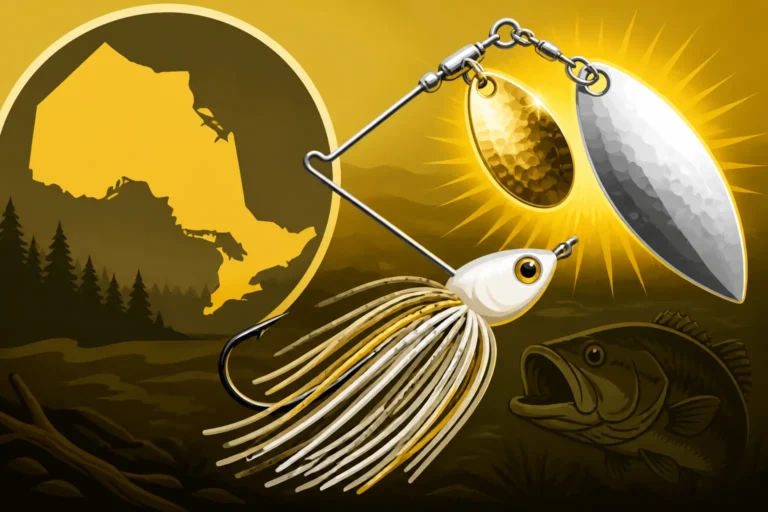
- Spinnerbaits: Tiny spinnerbaits, often called "beetle spins" or "mini spinnerbaits" (1/16 oz to 1/8 oz), can also be excellent. They combine the flash of a spinner blade with a soft plastic body. They're great for fishing through weeds or over submerged cover without snagging.
Spoons:
- Casting Spoons: Small casting spoons (1/16 oz to 1/8 oz) with a wobbling action can be effective for aggressive perch, especially in open water. Silver, gold, and brass are classic finishes, with some featuring painted patterns.
- Jigging Spoons: Tiny jigging spoons (1/32 oz to 1/8 oz) are lethal, particularly for ice fishing or vertical jigging in open water. They flutter and flash on the drop, often triggering strikes on the fall. Common colours include silver, gold, and glow patterns. If you're hitting the hard water, definitely read up on Best Spoons for Ice Fishing Panfish.
When using spinners and spoons, remember to match the size to the panfish you're targeting. Too large, and they won't be able to get their mouths around it. Too fast a retrieve, and they might miss it. Experiment with retrieve speeds and pauses to find what works best.
Terminal Tackle: The Small Details That Matter
With panfish, every component of your tackle chain is important. Because the fish are small and the presentations delicate, choosing the right hooks, floats, and weights can make or break your day.
Hooks, Floats, and Weights
These seemingly minor details are actually crucial for a successful panfish outing.
Hooks: This is probably the most overlooked piece of panfish tackle. Using hooks that are too large is a common mistake.
- Size: You want small, sharp, light-wire hooks. Sizes typically range from size 8 down to size 14 or even 16 for the smallest baits and bluegill. Crappie often do well with size 8 or 10, while bluegill and small perch might require a size 12 or 14.
- Type:
- Aberdeen Hooks: These are a classic choice for panfish. Their long shank makes them easy to remove from a fish's mouth, and the fine wire can be bent out if snagged, often saving your line.
- Baitholder Hooks: These have small barbs on the shank to help hold soft baits like worms.
- Octopus Hooks: Small octopus hooks are excellent for live minnows or small pieces of cut bait, offering a wide gap for good hooksets.
- Jig Heads: As mentioned, tiny jig heads with sharp hooks are key for micro plastics.
- Sharpness: Always check the sharpness of your hooks. A dull hook will lead to missed bites and frustration.
Floats (Bobbers): Not just for kids anymore, floats are essential tools for panfish anglers, allowing precise depth control and bite indication.
- Size: The rule of thumb for panfish is to use the smallest float that will support your bait and weight. A big, bulky bobber creates too much resistance, making it harder for fish to pull it under and harder for you to detect subtle bites.
- Type:
- Spring/Fixed Floats: These attach to your line at a fixed depth and are great for shallow water or when you need to quickly adjust depth. Common examples are round bobbers or pencil-style floats.
- Slip Floats: These have a hole through the middle and slide freely on your line, stopped by a small knot (bobber stopper) and bead. They are perfect for fishing deeper water, as you can cast them easily, and the bait descends to the set depth. This is invaluable when fish are suspended at specific depths or when fishing from shore.
- Sensitivity: Look for sensitive floats that indicate even the slightest nibble. Thinner, longer floats generally offer more sensitivity than round, buoyant ones.
Weights (Sinkers): Just enough weight to get your bait down, and no more.
- Split Shot: These are the most common and versatile weights for panfish. Small lead or lead-free split shot (sizes BB, B, 3/0, 2/0) can be crimped directly onto your line a few inches above your hook. Use just enough to cast comfortably and sink your bait at a natural rate.
- Small Bullet Weights/Egg Sinkers: Occasionally used for a slip-sinker rig with live bait, but generally less common for the finesse nature of panfish.
Line Choice and Leaders
We've touched on main line choices, but let's refine it with leaders and specific considerations.
Main Line:
- Monofilament (2-4 lb test): Still the top recommendation for most beginners and intermediate panfish anglers due to its stretch, ease of use, and cost.
- Braided Line (4-6 lb test, 1-2 lb equivalent diameter): For advanced anglers seeking maximum sensitivity. Requires a leader and careful drag management.
Leaders: A leader is often a good idea, even with monofilament main lines, but it becomes essential with braid.
- Fluorocarbon Leader (2-4 lb test):
- Visibility: Nearly invisible underwater, which can be a huge advantage in clear Ontario lakes and rivers, especially for wary panfish.
- Abrasion Resistance: Offers more abrasion resistance than mono, useful around submerged structures.
- Sinking Properties: Fluorocarbon sinks, helping your bait get down faster and staying in the strike zone.
- Length: A leader of 18 inches to 3 feet is usually sufficient. Attach it to your main line with a small barrel swivel (which also helps prevent line twist) or a line-to-line knot like a blood knot or uni-to-uni knot.
Knots: With light line, strong, reliable knots are paramount. Learn to tie:
- Palomar Knot: Excellent for attaching hooks and jigs directly to your line.
- Improved Clinch Knot: A good all-around knot for hooks, swivels, and lures.
- Uni Knot / Blood Knot: For connecting leader to main line.
- Loop Knot: For jigs and small lures, allowing them to have more freedom of movement and a more natural presentation.
Practicing your knots at home will save you frustration on the water!
Essential Accessories for Panfish Anglers
Beyond the core rod, reel, and terminal tackle, a few accessories can significantly enhance your panfish angling experience, making it more comfortable and efficient.
Keeping Your Catch and Comfort on the Water
Panfish can offer incredible table fare, so if you plan to keep some for a delicious meal, proper handling is key. Comfort on the water also ensures you stay out longer and enjoy yourself more.
Livewells or Coolers: If you're in a boat and plan to keep fish, a small livewell can keep them fresh throughout the day. For most shore anglers or kayakers, a small cooler with ice is perfect. Keep the cooler shaded and replenish ice as needed. The quicker you get your panfish on ice, the better they will taste. Remember to check local regulations for bag and possession limits for species like Ontario Walleye Limit or Ontario Yellow Perch Limit on Lake Erie and Simcoe before heading out.
Stringers: For short outings and if you plan to clean your fish soon after catching, a simple stringer can work. Be mindful of water temperature – in warmer water, fish on a stringer can spoil quickly. They're also more prone to predator attacks. Use with caution.
Comfort Gear:
- Small Folding Chair/Bucket: If you're bank fishing, a comfortable chair or a five-gallon bucket (which can also hold gear) makes a huge difference.
- Sun Protection: Sunscreen, a wide-brimmed hat, and polarized sunglasses are non-negotiable for protecting yourself from the elements. Polarized sunglasses, in particular, cut glare and allow you to see into the water, spotting fish or structure.
- Rain Gear: Ontario weather can be unpredictable. Lightweight, packable rain gear ensures you can continue fishing comfortably through a sudden shower. Our guide on Best Rain Gear for Ontario Anglers offers more insights.
- Hydration/Snacks: Always bring plenty of water and some snacks, especially if you're planning a full day out.
Specialty Tools for Tiny Tackle
Dealing with tiny hooks and light lines can sometimes be fiddly. A few specialized tools make the job easier and more enjoyable.
Forceps/Hemostats: These small, scissor-like clamps are invaluable for panfish. Their long, thin jaws allow you to easily reach into a fish's mouth to remove tiny hooks without damaging the fish or getting pricked yourself. They are much better than trying to use your fingers or pliers. Look for ones with serrated jaws for better grip.
Small Pliers/Line Clippers: A small pair of fishing pliers is always useful for cutting line, crimping split shot (though be gentle), or adjusting components. Many also come with integrated line cutters. Alternatively, a dedicated pair of line clippers or even nail clippers work perfectly for snipping light monofilament or fluorocarbon.
Hook Sharpener: Even the best hooks can dull over time, especially after bumping against rocks or getting multiple fish. A small, pocket-sized hook sharpener can quickly bring a dull hook back to razor-sharp status, increasing your hook-up ratio dramatically.
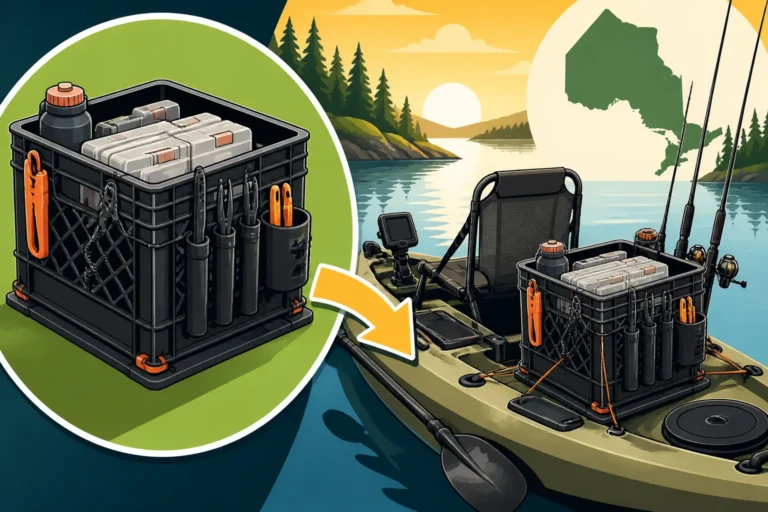
Small Tackle Box/Bag: You don't need a huge, multi-tray tackle box for panfish. A small, compartmentalized box or a compact tackle bag will keep your micro jigs, hooks, split shot, and small lures organized and easily accessible. This prevents tiny items from getting lost or tangled. Consider a fishing vest or a sling pack if you like to stay mobile on the bank. If you're looking for something that makes sense for moving around, check out Best Tackle Bag for Bank Fishing.
By equipping yourself with the right panfish-specific tackle, you'll open up a whole new world of angling enjoyment in Ontario. These small fish offer big fun, and with the right gear, you'll be feeling every bite and landing more fish than ever before.
Disclaimer
This article is for general informational purposes only and does not constitute professional advice. Laws, prices and regulations vary by location and change over time. Consult a qualified professional for guidance on your specific situation.