Yellow Perch Fishing in Ontario
Many an angler has pulled up to a promising Ontario lake or river, convinced they’re about to fill a pail with delicious yellow perch, only to be met with frustrating silence. It’s easy to think these feisty, schooling fish are everywhere, but finding their hotspots and understanding their habits can be a real head-scratcher. This guide is here to untangle the mystery, providing you with everything you need to know about yellow perch fishing in Ontario, from their hidden haunts to the best baits and techniques that will have you reeling them in.
Understanding Ontario's Yellow Perch: Biology and Behavior
Yellow perch are a cornerstone of Ontario's freshwater fisheries, cherished by anglers for their widespread availability, spirited fight on light tackle, and delectable table fare. But to consistently catch them, we first need to understand what makes them tick – their life cycle, feeding habits, and how they interact with their environment.
Life Cycle and Spawning Habits
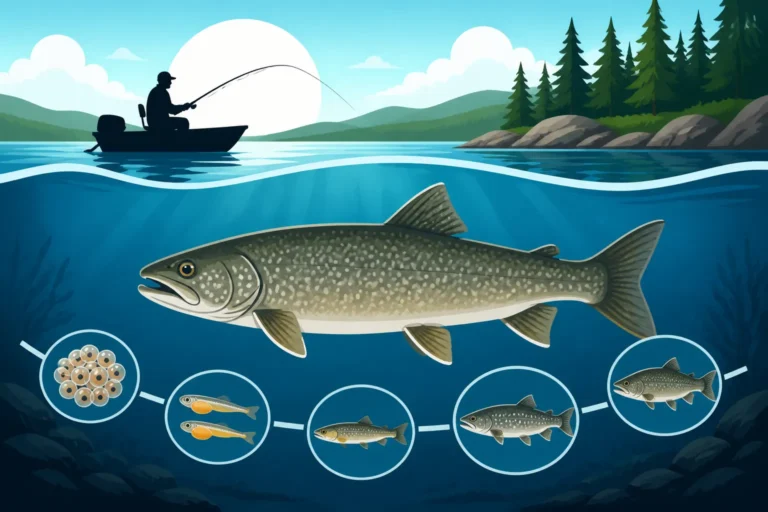
The life cycle of a yellow perch begins with a fascinating, often overlooked, spawning ritual. As the ice recedes and water temperatures climb into the 8-12°C (46-54°F) range in late spring, usually from April to early June depending on the region, these fish gather in shallow, vegetated areas. Think submerged brush, fallen trees, weed beds, or even old docks. The females lay long, accordion-like strands of eggs, often draped over this aquatic vegetation. These gelatinous ribbons can contain tens of thousands of eggs, which cling to structure, helping protect them from predators and currents.
Once hatched, the tiny fry are vulnerable, seeking refuge in the shallowest, densest cover available. As they grow, they begin to mimic the adults' schooling behaviour, eventually moving towards slightly deeper water as juveniles. This early reliance on vegetation is crucial for their survival, providing both cover and an abundance of small invertebrates to feed on. Understanding this spring spawning window can be key to locating them, as they’ll often be concentrated in these shallower, protected zones for a period.
Diet and Feeding Patterns
Yellow perch are opportunistic feeders, and their diet evolves as they grow. When they’re small, their menu consists primarily of zooplankton, insect larvae, and tiny crustaceans. As they mature, their palate expands dramatically to include a wider array of aquatic insects, crayfish, leeches, and, importantly, smaller baitfish like minnows and juvenile species. This shift to piscivory (fish-eating) means larger perch often become more aggressive and are more readily caught on baits that imitate small fish.
Their feeding patterns are influenced by light conditions and water temperature. Perch are primarily visual predators, often feeding most actively during daylight hours, especially at dawn and dusk. However, they can certainly bite throughout the day, particularly in overcast conditions or in deeper, darker waters. During the warmer summer months, they tend to feed more actively in the cooler periods of the day, while in the colder months, they might become more active during midday when the sun offers a bit more warmth to the water. Knowing what they're eating and when they're likely to be on the prowl is paramount for choosing the right bait.
Schooling Behavior and Habitat Preferences
One of the most defining characteristics of yellow perch is their strong schooling behaviour. These fish are rarely found alone; instead, they move in groups that can range from a few dozen to hundreds, especially in larger, more productive lakes. This schooling provides safety in numbers and allows for more efficient foraging. When you find one perch, there's a very good chance many more are close by, making them an incredibly fun fish to target.
Their preferred habitats are often a mix of cover and structure. In spring and early summer, they cling to shallow weed beds, submerged logs, and docks. As the water warms in mid-summer, larger perch often migrate to deeper water, seeking cooler temperatures and more stable oxygen levels. Here, they'll relate to structure like underwater humps, rock piles, sudden drop-offs, and points. These areas provide ambush points and act as highways for baitfish. In the fall, they often return to shallower zones before finally settling into deeper wintering holes. Understanding these seasonal movements and their preference for congregating is the first step to successful perch fishing.
Prime Yellow Perch Habitats in Ontario
Ontario boasts an incredible diversity of waterways, and yellow perch thrive in many of them. While they can be found in countless lakes and rivers across the province, some areas are particularly renowned for their abundant and often trophy-sized perch populations.
Lake Erie and Lake Simcoe: Perch Hotbeds
When anyone talks about yellow perch fishing in Ontario, Lake Erie Yellow Perch Fishing and Lake Simcoe Jumbo Perch Fishing inevitably come up. These two massive bodies of water are truly in a league of their own for perch.
Lake Erie, particularly its western basin, is legendary for its sheer numbers of yellow perch. The vast, relatively shallow, and fertile waters provide an ideal environment for perch to thrive. Areas like Long Point Bay are particularly famous for their "jumbo" perch, often exceeding 12 inches. The lake's expansive mudflats, combined with subtle changes in depth and patchy weed growth, create endless feeding grounds. Anglers here often target perch by drifting with minnows or vertical jigging with small spoons and blade baits. The sheer biomass of perch in Lake Erie means that if you can locate a school, you're in for some fast action.
Lake Simcoe, while smaller than Erie, is another jewel for perch anglers, especially during the ice fishing season. Known for its clear, cold waters and diverse bottom structure, Simcoe produces some truly magnificent jumbo perch. The lake features extensive shoals, weed lines, and deep basins where perch congregate. Key areas include Cook's Bay, Kempenfelt Bay, and the numerous shoals dotted across the main lake. During the open water season, perch relate heavily to the weed lines and drop-offs, moving deeper as summer progresses. In winter, they are often found schooled over deeper flats and along channel edges, providing fantastic ice fishing opportunities.
Identifying Productive Structure and Cover
Yellow perch, like many fish, are creatures of habit and structure. They don’t just swim aimlessly; they relate to features that offer food, protection, or thermal comfort. Learning to "read" the water and identify these productive spots is a game-changer for perch anglers.
Weed lines are absolute magnets for perch, particularly in spring and summer. They provide ambush points for feeding and cover from larger predators. Look for the transition zone where the dense weeds meet open water, or pockets within the weed beds themselves. Rock piles, submerged humps, and gravel shoals also hold perch, especially larger ones. These hard-bottom structures often attract baitfish and provide excellent foraging opportunities. Drop-offs, where the bottom contour suddenly changes from shallow to deep, are another prime location. Perch will cruise these edges, moving up and down to feed or seek comfortable temperatures. Even man-made structures like docks, bridge pilings, and sunken brush piles can concentrate schools of perch. These offer vertical cover and often attract smaller baitfish, drawing in the perch. Using a good fish finder can significantly help in identifying these subtle structures, especially in larger, unfamiliar lakes.
River and Smaller Lake Perch Opportunities
While the Great Lakes get much of the spotlight, don't overlook the incredible opportunities for yellow perch in Ontario's countless smaller lakes and winding rivers. These waters, often less pressured, can offer equally rewarding experiences.
In smaller inland lakes, perch tend to stick to the familiar patterns of weed beds, submerged timber, and drop-offs. Lakes with healthy populations of baitfish and aquatic insects are usually teeming with perch. Look for areas where feeder creeks enter the lake, as these can provide a constant source of food and slightly different water temperatures. Even relatively shallow, weedy ponds can hold surprisingly large perch, especially if they have some deeper holes or channels. In rivers, perch will seek out calmer back eddies, slow-moving pools with ample cover, and the edges of current seams. They won't typically hold in fast current, preferring areas where they can expend less energy but still ambush food. Look for submerged logs, fallen trees along the banks, and areas where the river widens and deepens. A small boat, kayak, or even shore fishing can be highly effective in these more intimate settings. These smaller waters often require a more subtle approach but can yield consistent catches if you locate a good school.
Essential Gear for Ontario Yellow Perch
Catching yellow perch doesn't require an arsenal of expensive, heavy-duty tackle. In fact, success often comes from using lighter, more sensitive gear that allows you to detect their subtle bites and enjoy the fight. Here’s a breakdown of what you’ll need to get started.
Rods, Reels, and Line Choices
For yellow perch, the name of the game is sensitivity. An ultralight or light action spinning rod, typically 5 to 6.5 feet long, is perfect. This kind of rod allows you to cast small, lightweight lures and baits effectively, and its flexibility amplifies the feel of even the slightest nibble. The softer tip protects light lines and prevents hooks from tearing out of a perch’s relatively soft mouth. Pairing this with a small spinning reel, size 1000 or 2000, provides a balanced setup that's comfortable to hold and retrieve all day.
When it comes to line, you have a few good options. Monofilament line in 4 to 6-pound test is a classic choice. It has good knot strength, a bit of stretch to absorb shocks, and is relatively inexpensive. Fluorocarbon in a similar weight range is also excellent, offering increased sensitivity and being virtually invisible underwater, which can be a huge advantage in clear lakes. Some anglers prefer a light braided line (6 to 8-pound test, with a 4-pound mono or fluorocarbon leader) for maximum sensitivity and casting distance, especially when using very light jigs. Braided line has zero stretch, transmitting every tap and bump directly to your hand. You can find a wide selection of these rods, reels, and lines for various budgets on platforms like Amazon.
Best Baits and Lures
Yellow perch aren't usually picky eaters, which is great news for anglers. However, some baits and lures consistently outperform others. Live bait is often the gold standard. Small minnows, especially fatheads or shiners, are irresistible to perch. Hooked lightly through the lip or dorsal fin, they provide natural action. Worms, particularly small pieces of nightcrawlers or red worms, are another fantastic option, especially when fishing near the bottom. Small maggots or wax worms are also incredibly effective, particularly for ice fishing or when perch are finicky.
For artificial lures, small jigs are your best friend. A 1/16 to 1/8 ounce jig head tipped with a tiny soft plastic grub, tube jig, or even a piece of live bait can be deadly. Colour can matter, with natural colours like brown and green often working well, but don't be afraid to experiment with brighter colours like chartreuse or orange, especially in stained water. Small spoons, such as Swedish Pimples or Kastmasters, are also excellent, especially for vertical jigging. Blade baits, like the Johnson Thinfisher, can also be very effective for covering water and triggering strikes. Small crankbaits or even tiny inline spinners can work when perch are active and feeding aggressively in shallower water. To stock up on a variety of these baits and lures, many anglers turn to online retailers like Amazon for convenience and selection.
Terminal Tackle and Accessories
Having the right terminal tackle and accessories can make your perch fishing experience much more enjoyable and productive. Starting with hooks, small Aberdeen hooks (size 6 or 8) are excellent for live bait. Their thin wire is less likely to kill a minnow, and they tend to bend out rather than breaking if snagged, allowing you to often retrieve your line. Snelled hooks, which come pre-tied to a leader, are also convenient.
When it comes to sinkers, you'll want a variety of small split shot weights or small sliding bullet sinkers to get your bait down. A simple clip-on bobber or a slip bobber can be invaluable for suspending your bait at a precise depth. Don't forget swivels to prevent line twist, especially when using spinning lures. As for accessories, a small bait bucket to keep your minnows lively is essential. A pair of small needle-nose pliers or hemostats is crucial for easily removing hooks from perch, as they have small mouths. A small landing net with fine mesh can help safely land larger perch, particularly if you're practicing catch and release. Finally, a small tackle box or bag, perhaps something you found on Amazon, will keep all your Best Tackle for Panfish organized and readily accessible.
Best Techniques for Catching Yellow Perch
Yellow perch are incredibly responsive to a variety of fishing techniques, making them a fantastic target for anglers of all skill levels. From precise vertical presentations to covering expansive water, understanding these methods will significantly boost your success rate.
Jigging and Vertical Presentation
Jigging is arguably one of the most effective ways to catch yellow perch, particularly when they are schooled up in deeper water or under the ice. This technique involves lowering a small jig (tipped with live bait or a soft plastic) or a spoon directly beneath you and imparting a series of vertical movements. The idea is to mimic a struggling baitfish or insect.
Start by dropping your lure to the bottom, then reel up a foot or so. Begin a series of short, sharp lifts of your rod tip, followed by pauses. The retrieve can vary: some days, perch prefer aggressive snaps; other days, a subtle quiver and long pause is key. Pay close attention to your line, as perch bites can be incredibly light, often feeling like a subtle "tick" or simply a bit of added weight when you lift. A sensitive rod and a tight line are crucial for detecting these subtle takes. When fishing from a boat, maintaining boat position directly over the school (often aided by a trolling motor or anchor) is vital. For ice fishing, this translates to drilling multiple holes to stay on top of the moving schools. This method is incredibly engaging, as you're actively working the lure and feeling every interaction.
Float Fishing and Still Fishing
Sometimes, the simplest approach is the best, and float fishing (or bobber fishing) is a prime example. This method is especially effective when perch are in shallower water, around weed lines, or when they're a bit more spread out. It's also fantastic for beginners and kids, as the visual indication of a bobber disappearing underwater is thrilling.
To set up, choose a small float (clip-on or slip bobber) and attach a small split shot or two a foot or so above your hook. The key is to suspend your bait (usually a minnow or a piece of worm) at the correct depth – typically just above or directly in the weed tops, or a foot off the bottom in deeper areas. Cast out to your desired spot, often near structure like docks, submerged trees, or weed edges, and let your bait simply drift or sit still. The natural movement of the live bait is often enough to attract perch. Watch your bobber intently; any dip, twitch, or slow drag indicates a bite. This technique allows you to cover an area thoroughly and is a very relaxed way to fish, perfect for a leisurely day on the water.
Trolling and Drifting for Widespread Schools
When perch are widely dispersed over larger flats, or when you're trying to locate schools in expansive bodies of water like Lake Erie, trolling or drifting can be highly efficient. These techniques allow you to cover a lot of ground until you hit a productive zone.
Drifting involves letting your boat move naturally with the wind or current, dragging baits or lures behind it. This is particularly effective over large, featureless flats or along subtle contours. A simple bottom-bouncing rig with a worm or minnow, or a small jig, can be drifted effectively. The goal is to keep your bait close to the bottom where perch often feed. When the wind is too strong, or you want more control, slow trolling comes into play. Use your electric trolling motor or even a small gas kicker at a very slow speed, typically 0.5 to 1.5 mph. Small crankbaits, spinner rigs (like a crawler harness with a worm), or even small jigs can be trolled. Keep an eye on your fish finder for schools, and once you start catching fish, mark the spot on your GPS and make passes through the productive area. This active search method is excellent for covering water and pinpointing exactly where the perch are holding.
Seasonal Strategies for Yellow Perch Fishing
Yellow perch, like all fish, adjust their behaviour with the changing seasons. Understanding these seasonal shifts in their location and feeding patterns is key to consistent success on Ontario's waters.
Spring and Summer Tactics
Spring is an exciting time for perch fishing, coinciding with their spawning period. As the ice melts and water temperatures rise, perch move into shallow, vegetated areas to spawn, usually from April through early June. This is when they are often most accessible to shore anglers or those in small boats. Look for them in bays, creek mouths, and shallow flats with submerged brush, reeds, or old weed growth. Small jigs tipped with minnows or worms are highly effective. After spawning, perch tend to disperse a bit but remain relatively shallow as they recover and begin to feed aggressively.
As summer progresses and water temperatures climb, larger perch will often move deeper, seeking cooler, more oxygenated water. They'll relate to deeper weed lines (the outer edge of dense vegetation), rock piles, humps, and drop-offs in 15 to 30 feet of water, or even deeper in very large lakes. Early mornings and late evenings are often the most productive feeding times during summer, as the water is cooler and light levels are lower. During the heat of the day, they might suspend in open water or hug the bottom in deeper holes. Vertical jigging with small spoons or blade baits, or drifting with live minnows or worm harnesses, are excellent strategies for locating and catching these deeper summer perch. Remember, if you're not getting bites, adjust your depth until you find the school.
Fall Perch Patterns
Fall is another fantastic time to target yellow perch in Ontario. As water temperatures begin to cool, perch often become incredibly active and aggressive, feeding heavily to build up fat reserves for the coming winter. They tend to school up tightly and move into slightly shallower areas than mid-summer, but still often relate to significant structure.
Look for perch congregating around major points, deep weed edges that haven't died off yet, and large rocky shoals or humps. These areas act as staging grounds for baitfish, and the perch will be right there feasting on them. They can be found anywhere from 10 to 40 feet of water, depending on the lake and specific conditions. Jigging with heavier spoons or blade baits can be very effective, as can slow-trolling with a crawler harness or a small crankbait. Once you find a school, the action can be non-stop. Fall perch are often in prime condition, thick and heavy, making them a true joy to catch. Pay close attention to your fish finder during this period; if you mark baitfish, the perch are often not far behind.
Ice Fishing for Yellow Perch
Ice Fishing in Ontario for yellow perch is a beloved winter pastime, offering some of the most consistent and exciting action of the year. Once safe ice forms, usually from December through March, perch congregate in specific wintering areas, often in large schools, making them a prime target.
During early ice, perch can often be found in relatively shallow water, around 10 to 20 feet, near the remnants of summer weed beds or along subtle contours. As winter progresses and oxygen levels change, they might move into deeper basins or along channel edges, sometimes in 30 to 50 feet of water or more, especially in larger lakes like Lake Simcoe. The key to successful ice fishing for perch is mobility and a good sonar unit (fish finder). Drilling multiple holes and actively searching for schools is crucial. Once a school is located, Jigging for Perch Through the Ice with small tungsten jigs tipped with maggots, wax worms, or a small plastic tail is incredibly effective. Small spoons like a Swedish Pimple or a Williams Wabler are also excellent choices. Setting up a few tip-ups with live minnows can also entice some of the larger, more cautious perch. Remember that light line (2-4 lb test) and a sensitive rod are paramount for detecting the subtle bites of winter perch. Some of the Best Ice Fishing Lakes in Ontario are famous for their jumbo perch.
| Season | Typical Depth | Key Habitats | Recommended Baits/Lures | Common Techniques |
|---|---|---|---|---|
| Spring (Post-Spawn) | 5-15 feet | Shallow weed beds, submerged brush, docks, creek mouths | Small minnows, pieces of worm, small jigs (plastic or hair) | Float fishing, light jigging |
| Summer | 15-40+ feet | Deep weed edges, rock piles, humps, drop-offs, open water schools | Live minnows, worm harnesses, small spoons, blade baits, small crankbaits | Vertical jigging, drifting, slow trolling |
| Fall | 10-35 feet | Major points, deep weed edges, rocky shoals, humps | Live minnows, larger pieces of worm, spoons, blade baits, crawler harnesses | Vertical jigging, drifting, slow trolling |
| Winter (Ice Fishing) | 10-50+ feet | Deep basins, channel edges, transitional zones, hard-bottom flats | Small tungsten jigs (tipped with maggots/wax worms), small spoons, blade baits, live minnows (tip-ups) | Jigging through ice, still fishing with tip-ups |
Yellow Perch Regulations and Conservation in Ontario
Fishing for yellow perch in Ontario isn't just about catching fish; it's also about being a responsible angler and contributing to the health of our fisheries. Understanding and adhering to the provincial regulations is a crucial part of this.
Understanding Bag and Possession Limits
Ontario has a robust system of fisheries management, and understanding Ontario Bag and Possession Limits by Species is non-negotiable for all anglers. For yellow perch, these limits can vary significantly depending on the specific Fisheries Management Zone (FMZ) you are fishing in. The province is divided into 20 FMZs, each with its own set of rules tailored to the local fish populations and environmental conditions.
For example, in some zones, you might have a generous daily catch limit, while in others, it could be much more restrictive, especially if there's a concern about overfishing or if a particular body of water is known for producing very large perch. It's not just the daily limit that matters; there's also a possession limit, which is the total number of fish you can have on hand, whether in your livewell, cooler, or freezer at home. Always check the most current Ontario Fishing Regulations Summary before you head out. These summaries are available online and from license vendors. Ignoring these limits can lead to significant fines and penalties, not to mention impacting the sustainability of the perch population for future generations. Knowing your Ontario Fisheries Management Zones, Explained is the first step to staying compliant.
Sport vs. Conservation Licenses
Another key aspect of Ontario's fishing regulations that directly impacts your perch fishing is the type of fishing license you hold: a Sport Fishing License or a Conservation Fishing License. Both require an Ontario Outdoors Card, Explained, which is your personal identification for fishing and hunting in the province.
The Ontario Sport vs Conservation Fishing License dictates the maximum number of fish you can catch and possess. A Sport Fishing License allows for a higher daily catch and possession limit for most species, including yellow perch. This is for anglers who want to take home more fish, within reason. A Conservation Fishing License, on the other hand, comes with reduced catch and possession limits. This license is generally preferred by anglers who wish to minimize their impact on fish populations, practice more catch-and-release, or simply don't need to take home a large quantity of fish. The cost difference between the two is minimal, so the choice often comes down to your personal fishing philosophy and how much fish you plan to keep. Regardless of which you choose, it's vital to know and respect the limits associated with your specific license type for yellow perch in your chosen FMZ.
Responsible Angling Practices
Beyond understanding the legal limits, responsible angling encompasses a broader commitment to conservation and ethical behaviour on the water. This mindset helps ensure that Ontario's yellow perch fisheries remain healthy and vibrant for years to come.
One crucial practice is mindful catch and release, especially for larger, older perch that contribute significantly to the spawning population. If you're going to release fish, handle them gently, minimize their time out of the water, and use appropriate tools like needle-nose pliers or hook removers to extract hooks quickly. Avoid letting fish flop around on hot surfaces. Another aspect is avoiding waste; only keep what you intend to eat, and if you're taking fish home, ensure you clean and store them properly. Proper disposal of fishing line, lures, and other trash is also essential. Monofilament and braid can be deadly to wildlife, so always pack out what you pack in. Finally, respecting private property, other anglers, and wildlife on the water contributes to a positive fishing experience for everyone. Our actions as anglers collectively shape the future of Ontario's cherished fishing resources.
Preparing Your Catch: Cleaning and Cooking Yellow Perch
One of the great joys of catching yellow perch is enjoying their delicious, mild, flaky white meat. They are widely regarded as one of the best-tasting freshwater fish, making the effort of cleaning and cooking them incredibly rewarding.
Efficient Cleaning Methods
Cleaning perch might seem daunting at first, especially if you've caught a good number, but with a bit of practice, you can become quite efficient. Most anglers fillet perch, which involves removing the meat from the bones. You'll need a sharp fillet knife and a clean, stable surface.
- Scaling (Optional but Recommended): Some prefer to scale perch before filleting, especially if leaving the skin on for cooking. Use a scaler or the back of your knife to scrape off scales against the grain, rinsing frequently.
- The First Cut: Lay the perch on its side. Make a cut behind the gill plate, angling down towards the backbone, but don't cut through the backbone.
- Along the Backbone: Turn your knife flat and run it along the backbone towards the tail, keeping the blade as close to the bone as possible.
- Remove the Ribs: Once you reach the tail, you can either flip the fillet over and cut the rib cage off or carefully slice around the ribs from the flesh side.
- Skinning (Most Common): Place the fillet skin-side down. Hold the tail end firmly, insert your knife between the skin and the flesh at a shallow angle, and saw gently while pulling the skin away from the meat. This will leave you with a clean, boneless, skinless fillet.
- Repeat: Flip the fish over and repeat the process for the other side. You'll be left with two beautiful fillets per fish.
Simple and Delicious Perch Recipes
Yellow perch are incredibly versatile in the kitchen, but their delicate flavour truly shines with simple preparations that highlight their natural taste. If you've ever wondered Is Walleye Good to Eat?, you'll find perch equally, if not more, appealing to many palates.
Classic Pan-Fried Perch: This is, without a doubt, the most popular way to enjoy yellow perch.
- Ingredients: Perch fillets, all-purpose flour, cornmeal (optional, for extra crispiness), salt, pepper, your favourite fish seasoning, butter or oil (vegetable, canola, or clarified butter).
- Instructions: Pat the fillets dry. Mix flour, cornmeal, and seasonings in a shallow dish. Dredge each fillet in the mixture, shaking off excess. Heat butter or oil in a pan over medium-high heat. Fry fillets for 2-4 minutes per side, depending on thickness, until golden brown and flaky. Don't overcrowd the pan. Serve with lemon wedges and tartar sauce.
Baked Perch with Herbs: For a lighter option, baking is fantastic.
- Ingredients: Perch fillets, olive oil, lemon juice, fresh dill or parsley (chopped), salt, pepper.
- Instructions: Preheat oven to 400°F (200°C). Place fillets on a lightly greased baking sheet. Drizzle with olive oil and lemon juice, then sprinkle with salt, pepper, and fresh herbs. Bake for 10-15 minutes, or until fish flakes easily with a fork.
No matter how you cook them, the key is not to overcook perch; they cook quickly and can dry out if left on the heat for too long.
Storage and Freezing Your Catch
Properly storing and freezing your yellow perch fillets is essential to maintain their quality and flavour for future meals. There’s nothing worse than freezer-burned fish that loses its delicious taste and texture.
After cleaning and filleting, it's best to rinse the fillets in cold water and pat them thoroughly dry with paper towels. Excess moisture is the enemy of frozen fish. For short-term storage (1-2 days), place the dry fillets in a single layer or separated by parchment paper in an airtight container or zip-top bag in the coldest part of your refrigerator. For longer-term storage in the freezer, consider one of these methods:
- Vacuum Sealing: This is by far the best method. Vacuum-sealed fillets can last 6-12 months in the freezer without quality degradation.
- Water-Filled Containers/Bags: Place fillets in a freezer-safe container or zip-top bag and cover them completely with water. Freeze solid. This creates a protective ice glaze that prevents freezer burn. While effective, it takes up more freezer space.
- Heavy-Duty Freezer Bags: If you don't have a vacuum sealer, wrap individual fillets tightly in plastic wrap, then place them in a heavy-duty freezer bag, squeezing out as much air as possible before sealing.
Always label your packages with the date to keep track of freshness. Properly stored, you can enjoy the fruits of your perch fishing adventures for months after your trip.
Disclaimer
This article is for general informational purposes only and does not constitute professional advice. Laws, prices and regulations vary by location and change over time. Consult a qualified professional for guidance on your specific situation.