Ontario record northern pike weight
There's nothing quite like the dream of catching a truly enormous fish, is there? For many anglers exploring the vast waters of Ontario, the northern pike stands out as that toothy, aggressive, and often massive adversary. You hear whispers and see photos of incredible catches, which naturally leads to the burning question: just how big do they really get here? And what's the biggest one ever recorded? This guide is going to dive deep into the legendary Ontario record for northern pike, what it means for us anglers, and how you might just land your own personal best.
The Legendary Ontario Record Northern Pike
When we talk about fishing records, there's always an air of mystery and awe around the fish that claim the top spot. It represents the pinnacle of what a species can achieve in a particular region, a testament to healthy waters and perhaps a touch of angler's luck. For northern pike in Ontario, that record is truly something to behold.
Unveiling the Official Record
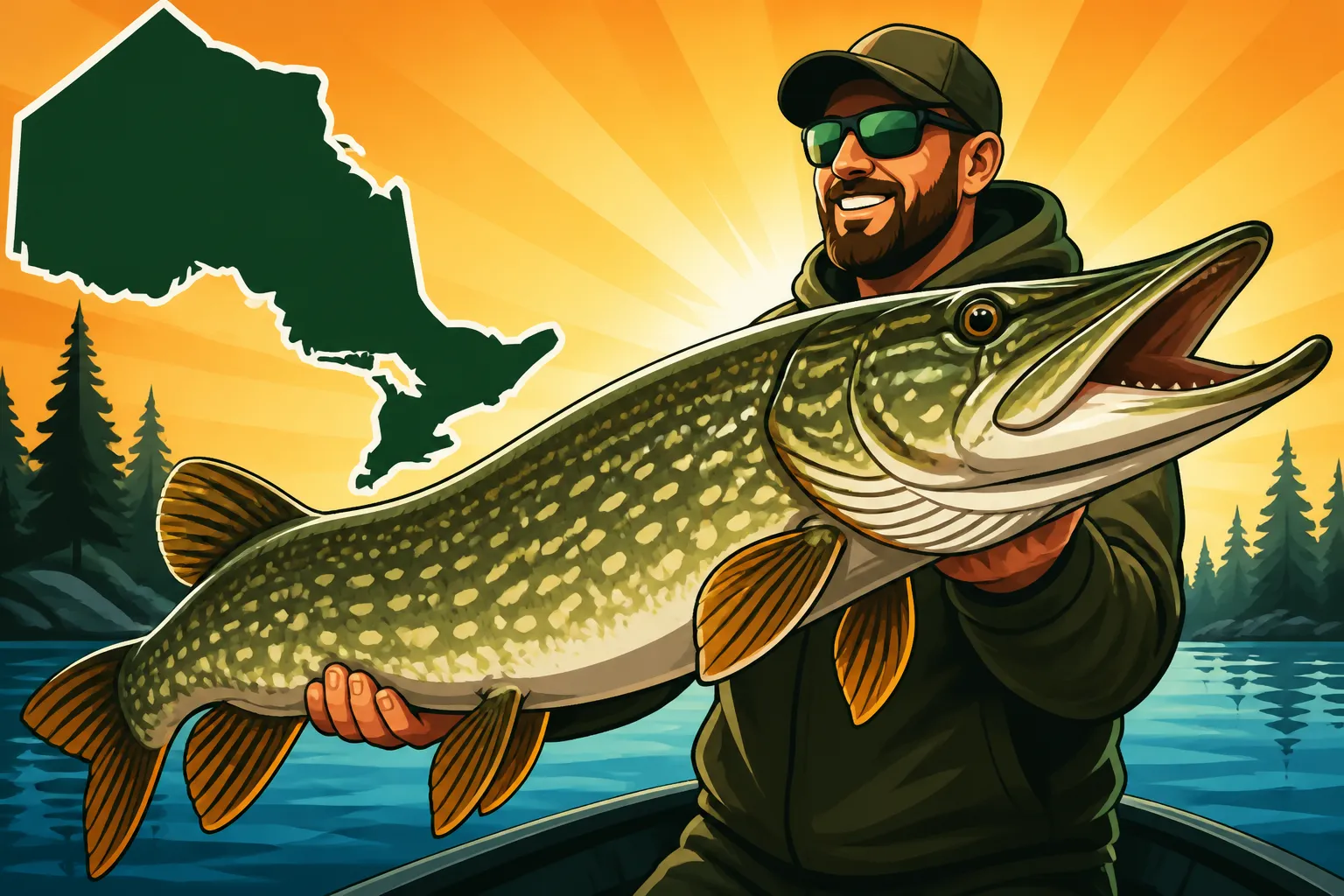
The official Ontario record for northern pike is a behemoth, tipping the scales at an astounding 42.12 pounds (19.10 kg). Imagine the fight that fish put up! This monstrous pike was caught in the waters of Little Vermilion Lake, which is located in Northwestern Ontario, near the town of Sioux Lookout. It's a weight that sets a high bar and certainly fuels the aspirations of anyone casting a line in Ontario's northern reaches. This isn't just a big fish; it's a living legend, representing years, if not decades, of growth in a rich, productive ecosystem. The sheer size of such a fish means it has been the apex predator in its domain for a very long time, skillfully evading countless lures and nets.
The Angler Behind the Catch
While the fish itself is the star of the record books, it's the angler who made the catch possible that often captures our imagination. In this case, the record-setting pike was caught by angler Harry W. Stone on July 27, 1946. Think about the equipment and techniques available back then! It speaks volumes about the enduring quality of Ontario's fisheries, capable of producing such giants even before many of today's conservation efforts were in full swing. Harry Stone's name is etched into Ontario's angling history, a reminder that dedication, patience, and understanding the local waters can lead to truly unforgettable moments. It's a story that inspires us all to keep searching for that next big bite, reminding us that with enough time on the water, you never know what might come calling.
What Makes a Northern Pike a "Trophy" in Ontario?
While the provincial record is an incredible benchmark, most anglers consider a fish much smaller than 42 pounds to be a true "trophy." The term "trophy" itself is quite personal, but in the world of northern pike fishing in Ontario, there are certainly some generally accepted sizes that get your heart pounding.
Beyond the Record: Defining a Trophy Pike
For many, a northern pike that measures 40 inches or more in length is absolutely a trophy-class fish, regardless of its exact weight. A pike exceeding 15 to 20 pounds is also widely celebrated. These are formidable fish that require skill, appropriate gear, and often a good amount of luck to land. The fight they put up is powerful, characterized by explosive runs and head shakes, making every inch of line gained a victory. Catching a pike in this size range often means you've spent time understanding their habits, finding prime locations, and presenting your lure perfectly. It's the kind of catch that makes for great stories around the campfire and warrants a proud photo before a careful release. You can find out more about what makes them tick in our guide to Northern Pike Fishing in Ontario.
Factors Contributing to Pike Size
Northern pike, like all fish, need a specific set of conditions to grow to truly massive sizes. It's not just about age; it's about a combination of factors that create the perfect storm for a giant predator.
- Abundant Food Source: This is perhaps the most critical factor. Pike are opportunistic and voracious eaters. Lakes with healthy populations of large baitfish—like cisco (lake herring), whitefish, suckers, and even smaller walleye or perch—provide the rich diet necessary for rapid growth and substantial weight gain. The more easy calories available, the bigger and faster they grow.
- Cold, Oxygenated Water: While pike can tolerate a wide range of temperatures, consistent access to cold, well-oxygenated water allows them to maintain high metabolic rates and remain active predators throughout the year. Lakes with deeper sections where they can retreat during warmer months are ideal.
- Optimal Habitat: Large, diverse lakes with plenty of cover are essential. This includes extensive weed beds, submerged timber, rocky points, and varying depths. These features provide ambush points for hunting and safety from other predators (when they are smaller), allowing them to thrive.
- Longevity and Low Fishing Pressure: A pike needs many years to reach record or trophy size. This means the fish must evade anglers, other predators, and environmental stressors for a significant period. Waters with lower fishing pressure, where catch-and-release is practiced, or where slot limits protect larger spawning fish, have a better chance of producing giants. Learning about fish habits, like those detailed for muskellunge in Muskellunge Growth Rate to Trophy Size, can give you insights into how these big predators age and grow.
Where the Big Ones Hide: Targeting Trophy Pike Waters
So, if you're chasing that elusive trophy pike, where in Ontario should you be focusing your efforts? While the record fish came from a specific lake, many regions consistently produce impressive pike.
Identifying Prime Pike Habitat
When you're searching for big northern pike, you're essentially looking for lakes or river systems that are large, complex, and teeming with life. Here’s what generally makes a place a potential hotspot:
- Vast Water Systems: Large lakes, especially those interconnected with other bodies of water, provide ample room for pike to roam and expand their territories. This also often means a greater diversity of forage fish. Think of systems that offer miles of shoreline and numerous bays, islands, and channels.
- Structure and Cover: Pike are ambush predators, so they love structure. Look for extensive weed beds (especially cabbage and lily pads), submerged logs, rock piles, drop-offs, and points. These areas provide both cover for hunting and places for baitfish to hide. Pay close attention to transition zones where shallow weed flats drop into deeper water; these are often highways for big pike.
- Diverse Ecosystems: Lakes that support a wide variety of fish species, particularly larger ones, are ideal. If you find waters known for healthy populations of walleye, lake trout, or large perch, chances are the pike there are well-fed and growing fast. Many of Ontario's Best Fishing Lakes in Ontario fit this description.
Specific Ontario Regions Known for Large Pike
Ontario is a massive province, and trophy pike can be found across many of its vast waterways. However, some regions and specific lakes have a reputation for consistently producing the big ones.
- Northwestern Ontario: This region is legendary for its freshwater fishing, and northern pike are no exception. Lakes like Lake of the Woods, Eagle Lake, Lac Seul, and yes, Little Vermilion Lake (where the record was caught), are prime examples. These immense, relatively remote lakes offer extensive, untouched habitats, rich food sources, and often lower fishing pressure than more accessible southern waters. The sheer size of these lakes means there's a lot of unexplored territory where pike can grow old and large.
- Northeastern Ontario: Lakes in areas like Temagami and Nipissing also hold significant pike populations, with many growing to impressive sizes. Lake Nipissing, for instance, is a huge, relatively shallow lake that can produce some absolute giants, particularly in its weedier bays.
- Great Lakes Tributaries and Bays: While not always the first place people think of for "northern" pike, large bays and river mouths on the Great Lakes, especially Lake Huron and Georgian Bay, can hold truly massive pike. The abundance of baitfish from the Great Lakes system contributes to impressive growth rates. Understanding the specific Ontario Fisheries Management Zones, Explained can also guide your search, as different zones have different characteristics. You can explore more specific locations in our Northern Pike Waters in Ontario guide.
Gearing Up for a Record-Sized Northern Pike
You wouldn't bring a butter knife to a sword fight, and you certainly shouldn't go after a potential record pike with inadequate gear. These fish are powerful, cunning, and have mouths full of razor-sharp teeth. Proper equipment isn't just about landing the fish; it's about protecting yourself and ensuring a safe release for the fish.
Heavy-Duty Rods and Reels
For truly enormous northern pike, you need serious tackle. A standard bass setup simply won't cut it.
- Rods: Look for a heavy or extra-heavy power baitcasting rod, typically 7 to 8 feet in length. The extra length provides better casting distance with large lures and crucial leverage during a fight. A fast action tip will help you feel bites and set hooks quickly, while the powerful backbone will allow you to control the fish and prevent it from burying itself in cover. Many reputable brands offer rods specifically designed for muskie and pike fishing, which you can often find on platforms like Amazon.
- Reels: Pair your heavy rod with a sturdy baitcasting reel with a robust drag system and high line capacity. A reel designed for muskie or saltwater applications is often a good choice. A strong drag is essential to tire out a large pike without snapping your line, and ample line capacity is critical for those long, powerful runs. Look for a reel with high-quality bearings for smooth operation, which makes a big difference when fighting a fish that's pulling hard.
- Line: Braided line is the standard for pike fishing due to its incredible strength, lack of stretch, and thin diameter. Opt for 50-80 pound test braid, depending on the cover you're fishing and the size of pike you anticipate. Always use a heavy fluorocarbon or wire leader (at least 80-100 pound test) to prevent bite-offs from their sharp teeth. Pike can easily sever monofilament or lighter fluorocarbon.
Essential Lures and Baits
Big pike eat big meals. While smaller pike might hit various lures, trophy hunters often focus on presentations that imitate larger prey.
- Large Crankbaits: Deep-diving or shallow-running crankbaits, often 6 inches or longer, are excellent for covering water and triggering aggressive strikes. Choose colors that mimic local baitfish or bright, attention-grabbing patterns.
- Swimbaits and Jerkbaits: Realistic soft plastic swimbaits, often rigged on heavy jig heads, can be deadly, especially when fished slowly around structure. Hard plastic jerkbaits, worked with a twitch-pause retrieve, can draw spectacular strikes from ambush predators.
- Spoons and Bucktails: Large, heavy spoons (like Daredevils) are classic pike lures, providing flash and vibration. Bucktail spinners, especially those with large blades, are very effective for drawing reaction strikes, particularly when retrieved quickly. Our guide on Best Lures for Muskie Fishing in Ontario offers insights into similar predator baits that work well for big pike.
- Live Bait: In certain situations and if regulations permit, large live bait (like suckers or chubs, where legal) can be incredibly effective for enticing a record-sized pike. Always check local regulations regarding live bait usage and species.
The Importance of Proper Handling Gear
This cannot be stressed enough: handling a large northern pike safely, both for you and the fish, requires specific tools.
- Long-Nosed Pliers: Absolutely essential for safely removing hooks from a pike's mouth. Their teeth are numerous and sharp, and you do not want your fingers anywhere near them. A pair of 11-inch pliers will give you the reach you need.
- Bolt Cutters or Jaw Spreaders: In extreme cases, if a hook is deeply embedded or near vital organs, bolt cutters can be used to snip the hook, making removal easier and less traumatic for the fish. Jaw spreaders can be used carefully to hold the pike's mouth open for better access, but they must be used with extreme caution to avoid damaging the fish's jaw.
- Large Landing Net or Boga Grip: A large, rubberized landing net (often marketed for muskie or salmon) is ideal for safely scooping a large pike without damaging its fins or slime coat. A lip-gripping tool, like a Boga Grip, can also be invaluable for controlling a large fish at boatside, especially if you plan to measure and quickly release it. You can find durable landing nets suitable for big pike on Amazon. Remember, the goal is always to minimize stress on the fish. For more on proper landing, check out Best Landing Net for Muskie.
Ethical Angling for Trophy Pike and Conservation
Catching a giant northern pike is a thrill, but it comes with a responsibility. These large fish are often the prime spawners in a population, contributing significantly to future generations. Practicing ethical angling ensures these magnificent creatures can continue to thrive.
Catch and Release Best Practices
If you're targeting trophy pike, the expectation is generally that these larger fish will be released to fight another day. Here’s how to do it right:
- Minimize Fight Time: Use appropriate gear to land the fish as quickly as possible without over-stressing it. A long, drawn-out fight can exhaust a large fish, reducing its chances of survival.
- Keep it in the Water: Whenever possible, keep the pike in the water for de-hooking and photos. If you must lift it, support its entire body horizontally, never vertically by the jaw alone, as this can cause severe internal damage.
- Quick De-Hooking: Use your long-nosed pliers to remove hooks quickly and efficiently. If the fish is deeply hooked, cut the line as close to the hook as possible rather than trying to rip it out. Stainless steel hooks will eventually rust out.
- Revive with Care: If the fish seems sluggish, hold it upright in the water, facing into the current (if present), and gently move it back and forth to push water over its gills until it regains strength and swims away on its own.
- Barbless Hooks: Consider using barbless hooks or pinching down the barbs on your lures. This makes hook removal much easier and quicker, reducing stress and injury to the fish.
Understanding Regulations
Ontario's fishing regulations are in place to manage fish populations and ensure sustainable angling for everyone. It's crucial to be familiar with the rules, especially when it comes to species like northern pike.
- Zone-Specific Rules: Ontario is divided into numerous Fisheries Management Zones (FMZs), and regulations, including season dates, bag limits, and size restrictions (slot limits), can vary significantly from one zone to another. What's legal in one lake might not be in another, even if they're relatively close.
- Bag and Possession Limits: Always know the daily catch limit and possession limit for northern pike in your chosen FMZ. These limits are designed to prevent overfishing and protect the population.
- Slot and Size Limits: Some zones have slot limits, meaning fish within a certain size range must be released, while smaller or larger fish can be kept. Other zones may have minimum or maximum size limits. These regulations are often implemented to protect mature spawning fish or to manage the population structure.
- Outdoors Card: Remember, you'll need a valid Ontario Outdoors Card, Explained and a fishing license to legally fish in Ontario.
- Check the Summary: Before every fishing trip, it's your responsibility to consult the current Ontario Fishing Regulations Explained summary. It’s available online and from many license vendors, and it's the definitive source for up-to-date rules. Our guide on Ontario Bag and Possession Limits by Species can also give you a general overview.
Following these guidelines not only ensures you're fishing legally but also contributes to the health of Ontario's incredible northern pike fishery, helping to ensure that the next generation of anglers still has the chance to chase their own record-breaking dream.
Pike Size Categories Overview
To help you put the record into perspective and understand what constitutes a "trophy" in the world of northern pike fishing, here's a general breakdown:
| Category | Approximate Length (Inches) | Approximate Weight (Pounds) | Characteristics |
|---|---|---|---|
| Small Pike | < 20 | < 2 | "Hammer handle" size, abundant, aggressive, good fight for their size. |
| Medium Pike | 20 – 30 | 2 – 8 | Common catch, good sport, often target for general anglers. |
| Large Pike | 30 – 40 | 8 – 15 | Impressive fish, considered a significant catch by many. |
| Trophy Pike | 40 – 48 | 15 – 25+ | Highly sought after, strong fighters, truly memorable. |
| Giant/Rare Pike | 48+ | 25 – 40+ | Exceptional, rare, often the result of perfect conditions and age. |
| Provincial Record | ~50-55+ (estimated) | 42.12 | The ultimate benchmark, caught by Harry W. Stone in 1946. |
Note: Lengths for very heavy fish are estimated, as weight is the primary record measurement and body girth can vary significantly.
The allure of the record-breaking northern pike is a powerful one, drawing anglers to Ontario's vast wilderness year after year. While catching a 42-pound monster is a once-in-a-lifetime (or more likely, never-in-a-lifetime) achievement, the pursuit of your own personal best, a trophy pike that makes your heart race, is very much a real and achievable dream. With the right knowledge, gear, and a deep respect for the resource, those legendary Ontario waters just might deliver.
Disclaimer
This article is for general informational purposes only and does not constitute professional advice. Laws, prices and regulations vary by location and change over time. Consult a qualified professional for guidance on your specific situation.