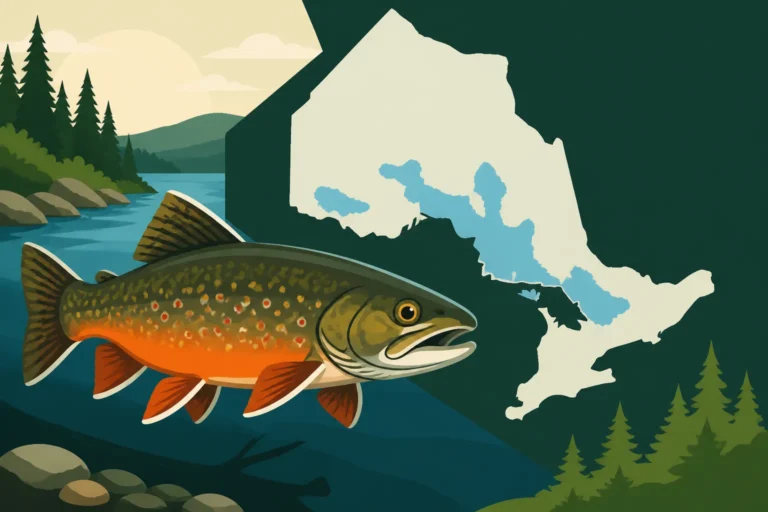
Ontario record brown trout weight
That whisper you hear around Ontario fishing camps and tackle shops? It’s the hushed reverence for truly legendary fish – the kind that makes your heart pound just thinking about it. Many of us dream of hooking a fish of a lifetime, a true monster that pushes the limits of what’s possible in our waters. But what about the brown trout, that notoriously elusive and often challenging species? What's the benchmark for a truly exceptional catch, the one that stands above all others in Ontario's angling history? This guide is here to shed light on that exact question, diving deep into the provincial record for brown trout and what it means for anglers chasing their own trophy.
Unveiling Ontario's Legendary Brown Trout Record
There's something uniquely captivating about a provincial record. It represents the pinnacle of a species, a testament to both the fish's resilience and the angler's skill and luck. For brown trout, a species renowned for its intelligence and often finicky nature, setting a record is an achievement whispered about for generations. It’s not just about the weight, but the story, the conditions, and the sheer dedication involved.
The Current Provincial Record Holder
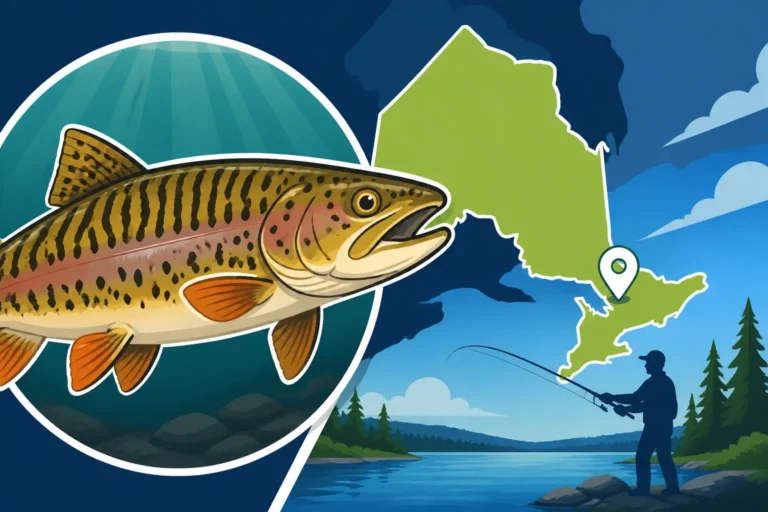
The official Ontario record for brown trout stands at a truly impressive 34.6 pounds. Imagine holding a fish of that magnitude – nearly thirty-five pounds of solid, muscle-bound trout! This incredible fish was caught back in 1980, which for many of us, feels like a lifetime ago. It speaks to the enduring quality of our waters and the potential for truly enormous fish to thrive, even if such giants are incredibly rare today. This record has held strong for decades, a formidable benchmark that few have even come close to challenging. It serves as a reminder that patience and persistence can sometimes lead to unimaginable rewards on the water.
This monumental catch solidified its place in Ontario's angling history, inspiring countless anglers to dream big when targeting brown trout. The sheer size of this fish suggests a lifetime of successful foraging and evading predators, a true apex fish in its environment. While fishing practices and environmental conditions have changed significantly since then, the dream of an equally enormous brown trout still fuels many an expedition. It sets a standard for what is possible and highlights the exceptional growth potential of brown trout in the right conditions within our province.
Where the Record Fish Was Caught
This legendary 34.6-pound brown trout wasn't pulled from some secret, remote fly-in lake. It was caught in Lake Superior, one of the largest and deepest freshwater lakes in the world, on the Ontario side. Lake Superior's vastness, cold, oxygen-rich waters, and incredible forage base – including species like smelt and herring – provide the perfect environment for trout to grow to truly gargantuan sizes. While brown trout aren't native to Lake Superior, they have established self-sustaining populations in many areas, particularly near river mouths and bays.
The conditions on the Great Lakes, especially Lake Superior, can be incredibly challenging, but they also offer unparalleled opportunities for trophy fish. Anglers often brave rough waters and unpredictable weather, knowing that beneath the surface lurks the potential for a world-class catch. The record fish's origin in such a grand and powerful body of water only adds to its mystique, underscoring the raw, wild beauty of Ontario's northern fishing frontiers. It's a place where big fish don't just happen; they thrive in an ecosystem that supports their incredible growth.
Where to Seek Ontario's Next Big Brown Trout
While matching the provincial record is an aspiration for the ages, Ontario still offers fantastic opportunities to pursue genuinely large brown trout. These fish are challenging, smart, and strong, making every substantial catch a well-earned triumph. The key is knowing where to look and understanding their preferences.
Premier Brown Trout Fisheries Across the Province
When it comes to big brown trout, many anglers immediately think of the Great Lakes and their tributaries. Lake Ontario, in particular, has developed a strong reputation for producing trophy brown trout, especially during the spring and fall months. The cold, clear waters near shore, coupled with abundant baitfish, create ideal conditions for browns to pack on serious weight. Tributaries flowing into Lake Ontario, such as the Credit River and the Ganaraska River, see impressive runs of brown trout, especially in autumn, as they stage for spawning. These rivers offer incredible Brown Trout Habits in Ontario Streams for those who prefer to wade and cast.
Beyond the Great Lakes, some of Ontario's larger inland lakes and river systems can also hold substantial brown trout. While not as common or widespread as in the Great Lakes basin, hidden gems exist where brown trout have found a niche. These might be deeper, colder lakes with good forage or specific river sections that mimic their preferred European habitats. It's often about finding those less-pressured areas where they can feed and grow undisturbed. Always check the Ontario Fishing Regulations Explained for specific zones you plan to visit, as rules can vary greatly.
Reading the Water for Elusive Browns
Big brown trout are notoriously reclusive and prefer specific types of water. They aren't usually found in open, featureless areas. Instead, they seek out structure and cover that offers both ambush points for feeding and protection from predators and bright sunlight. Look for deep pools, especially those with undercut banks, submerged logs, or large boulders. Current seams where faster water meets slower water are also prime feeding lanes.
In rivers, focus on the deeper runs, the tailouts of rapids, and around bridge pilings or other man-made structures that create eddies and slack water. During the day, especially in clear water, brown trout will often hug the bottom or hide in the darkest shadows, only venturing out to feed when they feel secure. Their preferences shift with the seasons, too; they might move into shallower, warmer areas to feed on insects in spring, or hold in deeper, cooler water during the heat of summer. Understanding these subtle shifts is crucial for consistent success.
Tactics and Gear for Landing a Trophy Brown
Tackling big brown trout requires a thoughtful approach to both your techniques and your equipment. These fish are smart, strong, and will test your gear to its limits. Don't go into a trophy brown trout quest with light tackle meant for panfish; you'll likely end up with a broken heart and a broken line.
Mastering Techniques for Big Fish
For many anglers targeting trophy brown trout, fly fishing is the method of choice, especially in river systems. Large streamer patterns, mimicking baitfish like sculpins, smelt, or juvenile salmon, are incredibly effective. Fishing these streamers on a sink-tip line in deep pools or stripping them aggressively through current seams can trigger savage strikes. Nymphing can also be productive, especially if you're targeting fish holding in deeper water or feeding on insect larvae. For those who prefer Fly Fishing for Trout in Ontario, having a versatile setup is key.
If spin casting is more your style, a variety of lures can entice big browns. Minnow-imitating crankbaits, spoons, and heavy inline spinners are excellent choices, particularly when fished near structure or in areas with strong current. Trolling on larger lakes, especially Lake Ontario, is also a highly effective method for targeting these suspended predators. Using downriggers or planer boards to present larger spoons, plugs, or even live bait at precise depths can cover a lot of water and put your offering right in front of a lurking lunker. Always remember that stealth and presentation are paramount; brown trout are wary.
Equipping Yourself for Success
Having the right gear makes all the difference when you hook into a powerful brown trout. For river fishing, a medium-light to medium power spinning rod, around 7 to 8 feet long, paired with a reliable 2500-4000 series reel spooled with 8-12 pound test fluorocarbon or braid with a fluorocarbon leader is a solid choice. For fly anglers, a 6 to 8 weight fly rod, 9 to 10 feet long, with a strong reel and appropriate sinking or floating lines will cover most situations. Many anglers find great deals on quality rods, reels, and lines on platforms like Amazon, which allows them to build a robust setup without breaking the bank.
Don't skimp on terminal tackle: strong swivels, sharp hooks, and robust split rings are non-negotiable. A sturdy, knotless rubberized landing net is essential for safely landing and releasing larger fish, minimizing damage to their fins and slime coat. Quality waders and wading boots are also crucial for accessing prime river spots safely and comfortably. For those longer days, a reliable tackle box or bag to keep your lures organized is a must, and often you can find great options for Best Gear for Ontario Trout Fishing online. A good pair of polarized sunglasses will help you spot fish and structure in the water, giving you an edge. Best Fly Rods for Ontario Trout Streams also describes specific setups for different trout scenarios.
| Technique | Preferred Lures/Baits | Rod Type (General) | Reel Type (General) | Ideal Conditions |
|---|---|---|---|---|
| Fly Fishing | Streamers (e.g., Woolly Bugger, Clouser Minnow), Nymphs, Large Dry Flies | 6-8 wt, 9-10 ft Fly Rod | Large Arbor Fly Reel | Rivers, clear water, focused presentations |
| Spin Casting | Minnow Plugs (Rapala, suspending jerkbaits), Spoons, Spinnerbaits | Medium-Light to Medium Power Spinning Rod (7-8 ft) | 2500-4000 Series Spinning Reel | Rivers, lakes, covering various depths |
| Trolling | Large Plugs, Spoons (e.g., Sutton, Luhr-Jensen), Flashers/Dodgers | Medium to Medium-Heavy Trolling Rod (8-10 ft) | Levelwind or Trolling Reel | Large lakes (Great Lakes), deep water |
| Drift Fishing | Live Minnows, Worms, Spawn Bags | Medium Action Spinning Rod (7-9 ft) | 2500-3000 Series Spinning Reel | Rivers, natural presentation |
Protecting Our Trophy Brown Trout Resource
The allure of a trophy brown trout is undeniable, but with that pursuit comes a responsibility to ensure these magnificent fish continue to thrive in Ontario's waters for generations to come. Conservation isn't just a buzzword; it's a practice that every angler must embrace.
Best Practices for Catch and Release
Catch and release is often crucial for sustaining trophy fisheries, especially for species like brown trout that can take many years to reach impressive sizes. When you do hook a large brown, the goal should always be a quick, safe release. Start by minimizing the fight time, using appropriate gear that can subdue the fish efficiently. Once netted, keep the fish in the water as much as possible. Use needle-nose pliers or a hook remover to quickly extract the hook. If the hook is deeply set, consider cutting the line rather than tearing tissue.
Avoid touching the fish's gills or eyes, and handle it gently by supporting its belly and tail. If taking a quick photo, keep the fish out of the water for only a few seconds, holding it horizontally. Always ensure the fish is fully revived before letting it go; hold it gently in the current or move it back and forth to push water over its gills until it swims away strongly. These practices not only help the individual fish survive but also contribute to the health and genetic diversity of the overall brown trout population. Knowing your fish, and how to handle it, is key for preserving these opportunities, and resources like the Trout Species Identification Guide for Ontario can help.
Adhering to Regulations and Seasons
Ontario's fishing regulations are designed to manage and protect fish populations, including brown trout. These rules can vary significantly by species, by specific water body, and by Ontario Fishing Season Dates by Zone. It's your responsibility as an angler to be familiar with the current regulations for the area you're fishing. This includes understanding catch limits, possession limits, size restrictions (slot limits), and open/closed seasons. For example, some rivers may have special regulations for trout during spawning periods or may be designated as catch-and-release only.
Respecting these rules isn't just about avoiding fines; it's about being a steward of our natural resources. Overharvesting, even accidentally, can have long-lasting negative impacts on a local fishery. Before you head out, always consult the most recent Ontario Fishing Regulations Summary. These summaries are readily available online and at licensed bait and tackle shops. By doing our part, we help ensure that the elusive, record-breaking brown trout of the future still have a chance to grow old and become someone else's fish of a lifetime. Consider it an investment in the future of Ontario fishing.
Disclaimer
This article is for general informational purposes only and does not constitute professional advice. Laws, prices and regulations vary by location and change over time. Consult a qualified professional for guidance on your specific situation.