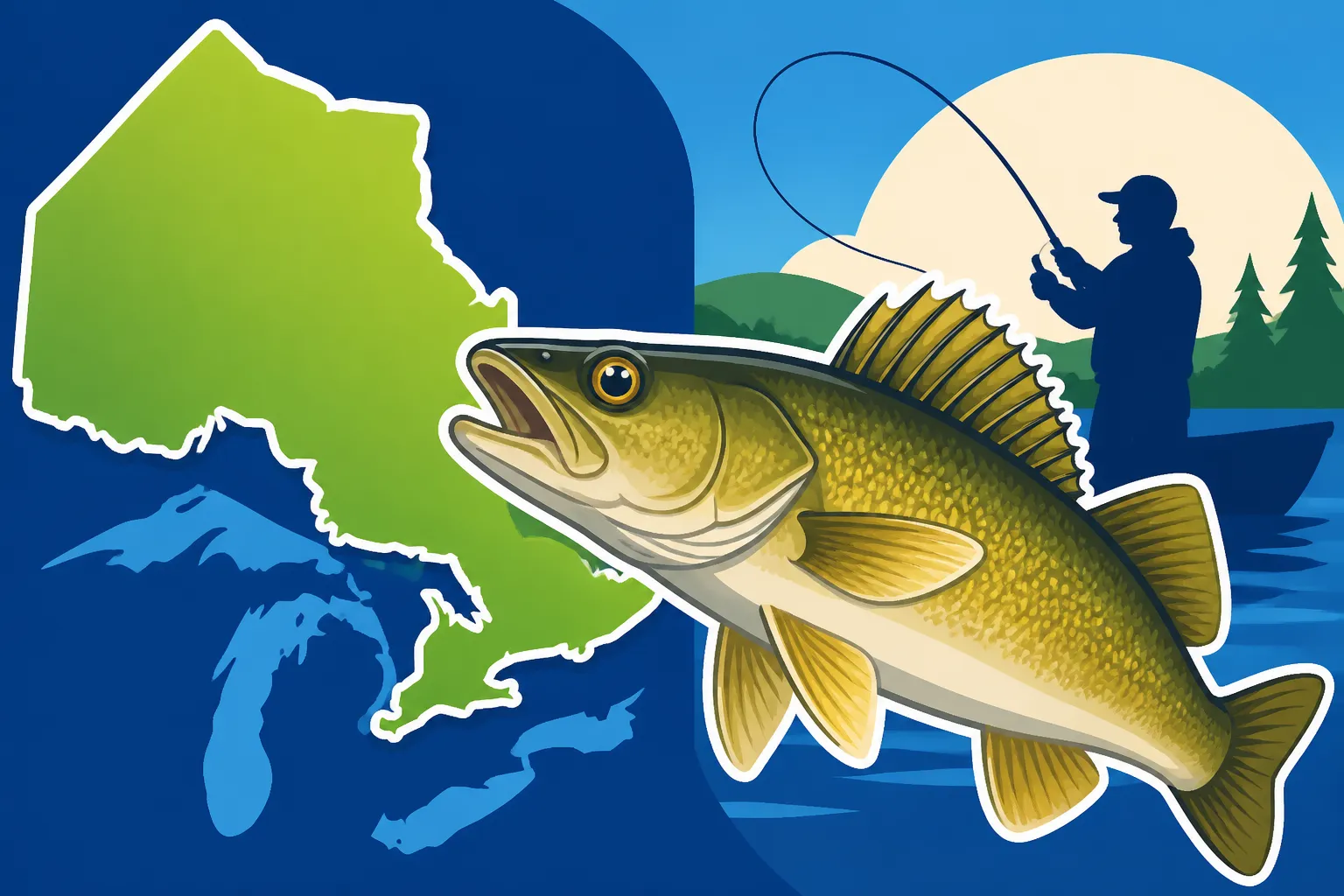
What is the provincial fish of Ontario
It's a question that pops up in conversations around campfires and on boat decks all the time: "What is the provincial fish of Ontario?" Many seasoned anglers and even casual enthusiasts have their guesses, often leaning towards the most popular or largest species. But the official answer might surprise some, and it’s a story rooted deeply in Ontario's natural heritage. This guide will dive into the history, the identity, and the profound significance of Ontario's true provincial fish, shedding light on why this particular species holds such a special place in our hearts and waters.
The Quest for Ontario's Official Fish
For a province as vast and water-rich as Ontario, with thousands of lakes and rivers teeming with diverse fish species, choosing a single "provincial fish" might seem like an impossible task. Yet, many jurisdictions across Canada and beyond have done exactly that, selecting an aquatic emblem that represents their unique natural identity and cultural heritage. The journey to naming Ontario's provincial fish is one that reflects both scientific understanding and deep-seated appreciation for our natural environment.
Common Misconceptions and Why They Exist
When you ask an angler what they think Ontario's provincial fish is, you'll hear a few common contenders. Walleye often tops the list, especially if you're talking to someone who frequents the big waters of Lake Erie or the Bay of Quinte. It's a fantastic game fish, delicious to eat, and incredibly popular. Then there's the mighty Lake Trout, a true cold-water monarch, representing the deep, pristine lakes of Northern Ontario. Some might even suggest the mighty Muskellunge, given its status as a top predator and a bucket-list catch for many.
These aren't bad guesses at all! They're all incredibly important species to Ontario's fisheries, both economically and recreationally. The reason these misconceptions thrive is simple: these fish are iconic. They draw anglers from far and wide, they’re celebrated in fishing lodges, and they represent significant aspects of our provincial angling identity. But being popular doesn't automatically mean being official. The criteria for a provincial symbol often delve deeper than mere popularity.
The Criteria for a Provincial Symbol
So, what exactly goes into designating a provincial symbol? It’s not just about which fish tastes best or fights hardest, though those are certainly qualities we appreciate! Typically, a provincial symbol is chosen for a combination of reasons, including:
- Ecological Significance: Is the species native and does it play a crucial role in its ecosystem?
- Historical and Cultural Importance: Does it have a long-standing connection to the province's history, Indigenous cultures, or early settlers?
- Widespread Distribution: Is it found throughout much of the province, making it truly representative?
- Conservation Status: Is it a species that requires protection or represents a healthy environment?
- Distinctive Characteristics: Does it possess unique features that make it recognizable and special?
These criteria help to ensure that the chosen symbol isn't just a fleeting favourite, but a species with deep roots and lasting meaning for the entire province. It's about finding a fish that tells a story, a story of Ontario's wild waters and the life within them.
Unveiling Ontario's Provincial Fish: The Brook Trout
And the drumroll, please! If you haven't guessed it yet, or if you've been nodding along knowingly, Ontario's provincial fish is indeed the Brook Trout (scientific name: Salvelinus fontinalis). This stunning fish, often referred to as "speckled trout" by many, was officially designated as Ontario's provincial fish on June 3, 1994.
Why the Brook Trout Reigns Supreme
The Brook Trout might not grow to the gargantuan sizes of a Lake Trout or the aggressive stature of a Muskie, but its significance runs incredibly deep. It embodies so much of what we cherish about Ontario's wilderness:
- Native Royalty: The Brook Trout is one of the only truly native trout species in Ontario, meaning it's been here for millennia, long before European settlement. It's an integral part of our pristine cold-water ecosystems. You can learn more about these fascinating fish in Native trout species found in Ontario.
- Indicator of Health: Brook Trout thrive in cold, clean, highly oxygenated water. Their presence is often a direct indicator of a healthy, unspoiled aquatic environment. If you find thriving brook trout populations, you know you're in a special place.
- Historical Connection: For Indigenous peoples and early European settlers, the Brook Trout was a vital food source and an accessible quarry, often found in small, clear streams and remote lakes. Its image is woven into the fabric of our province's history.
- Widespread Yet Vulnerable: While historically widespread, modern pressures have reduced their range in some areas, making their protection even more critical. They are found in thousands of lakes and streams, especially across the vast expanse of the Canadian Shield.
- Incredible Beauty: Just look at one! Their vibrant colours – vermilion spots ringed with blue halos, white leading edges on their fins, and marbling patterns on their backs – make them one of the most visually stunning fish you'll ever encounter. There's a certain magic to catching a wild speckled trout, reflecting the raw beauty of its home.
The Brook Trout’s official status reinforces its importance not just as a game fish, but as a symbol of Ontario’s natural heritage and the need to protect its precious cold-water ecosystems.
The Brook Trout's Habitat and Characteristics
Imagine a secluded, spring-fed stream, winding through a boreal forest, its waters cool and crystal clear. Or a remote, rocky lake nestled among pine trees in cottage country. This is the realm of the Brook Trout. They typically prefer water temperatures between 10-18°C (50-65°F) and are often found near underwater springs, beaver ponds, logjams, or undercut banks where they can find cover and cooler water.
Key Characteristics:
- Colouration: Their olive-green to dark brown backs are mottled with worm-like patterns (vermiculations) that help them blend into rocky and vegetative stream beds. Their sides are lighter, adorned with vivid red and yellow spots, often ringed with blue halos. Their lower fins (pectoral, pelvic, anal) typically have a distinctive white leading edge, backed by black and then often orange or red.
- Size: While they can grow larger in prime conditions, especially in lakes, river and stream dwelling Brook Trout usually range from 6 to 12 inches (15-30 cm). Trophy fish can reach up to 20 inches (50 cm) or more in certain remote lake systems.
- Diet: They are opportunistic feeders, preying on aquatic insects, terrestrial insects (like grasshoppers and ants that fall into the water), small minnows, and even crustaceans. This diverse diet is part of what makes them so exciting to target with various fishing methods.
- Distinguishing Features: While they are part of the Salvelinus genus, often called "char," they are commonly referred to as trout. Distinguishing them from other trout species like Rainbow Trout or Brown Trout is key for identification, especially when understanding regulations. A Trout Species Identification Guide for Ontario can be incredibly helpful for this. You can also specifically learn How to tell a brook trout from a rainbow trout.
Their sensitivity to habitat degradation means that ensuring healthy Brook Trout populations requires ongoing vigilance and conservation efforts.
The Brook Trout's Enduring Legacy in Ontario Fishing
The Brook Trout isn't just a pretty face; it’s deeply embedded in the identity of Ontario’s angling community. For many, catching a wild speckled trout in a remote stream is the epitome of the Ontario fishing experience. It harks back to simpler times and a more profound connection with nature.
Conservation Efforts and the Future of Brook Trout
Unfortunately, the very characteristics that make Brook Trout special—their need for cold, clean water—also make them vulnerable. Habitat loss due to development, logging, and agricultural runoff, as well as the introduction of non-native species like Rainbow Trout and Brown Trout which can outcompete them, have impacted their populations. Climate change, leading to warmer water temperatures, also poses a significant threat.
Because of this, there are numerous conservation programs in place across the province. These efforts often focus on:
- Habitat Restoration: Projects aimed at improving water quality, restoring riparian zones (the land along stream banks), and creating better fish passages.
- Stocking Programs: While wild populations are prized, some areas benefit from responsible stocking to supplement existing populations or re-establish them where they have been lost.
- Regulatory Protection: Strict regulations on catch limits, size restrictions, and season dates, particularly in sensitive Ontario Fisheries Management Zones, Explained, are crucial. Understanding Reading the Ontario Fishing Regulations Summary is vital for any angler.
- Public Awareness: Educating anglers and the general public about the importance of Brook Trout and the fragility of their ecosystems helps foster a sense of stewardship.
These efforts are vital to ensure that future generations can continue to experience the thrill of catching this iconic fish.
Fishing for Brook Trout: Techniques and Etiquette
Anglers targeting Brook Trout often embrace a more minimalist and respectful approach. It's not usually about quantity, but quality of the experience and the fish itself.
- Fly Fishing: This is arguably the most popular and traditional method for Brook Trout, especially in streams. Light fly rods, small dry flies, nymphs, and streamers are common. The quiet artistry of fly fishing perfectly complements the serene environments where Brook Trout are found. If you're looking to get into this, check out Fly Fishing for Trout in Ontario. For specific gear, consider researching Best Gear for Ontario Trout Fishing. You can find excellent fly-fishing starter kits and individual components, like high-quality tippet and leader materials, on platforms like Amazon.
- Spin Fishing: Ultralight spinning gear with small spinners, spoons, or tiny jigs tipped with a worm or specialized soft plastic bait can also be incredibly effective. The key is light line and a subtle presentation.
- Still Fishing: In some small lakes and ponds, a simple worm under a bobber can be very productive, especially for newer anglers or families enjoying a leisurely day.
- Catch and Release: Many Brook Trout anglers practice catch and release, especially for larger, older fish, to help sustain populations. Handle fish gently with wet hands, minimize their time out of water, and use barbless hooks for easier release.
- Respecting the Environment: Because their habitats are often fragile, responsible angling includes minimizing your footprint, packing out all trash, and being mindful of stream banks and vegetation.
The beauty of pursuing Brook Trout lies not just in the catch, but in the journey to pristine places and the quiet contemplation of nature. Remember to always check the specific Ontario Fishing Season Dates by Zone for the area you plan to fish, as trout seasons can vary.
Other Iconic Ontario Fish Species
While the Brook Trout holds the official title, it’s impossible to talk about Ontario fishing without acknowledging the other incredible species that contribute to our rich angling tapestry. Each has its own story, its own allure, and its own dedicated following.
Walleye: The Dinner Table Favourite
Often called "pickerel" by many Ontarians, the Walleye (Sander vitreus) is undeniably one of the most sought-after fish in the province. From the vast expanse of Lake Erie to the countless inland lakes and rivers, Walleye are prized for their firm, flaky, and delicious white flesh. They are fantastic fighters, often schooling in deep water or along structural breaks, making them a challenge and a reward for anglers. Walleye Fishing in Ontario is a major draw for both residents and tourists, contributing significantly to our fishing culture and economy. Whether you're trolling with crankbaits or jigging with live bait, the pursuit of Walleye is a central part of the Ontario angling experience.
Muskellunge and Lake Trout: Trophy Fish of the North
For those seeking a true challenge and the chance at a fish of a lifetime, Ontario delivers with the formidable Muskellunge (Esox masquinongy) and the majestic Lake Trout (Salvelinus namaycush).
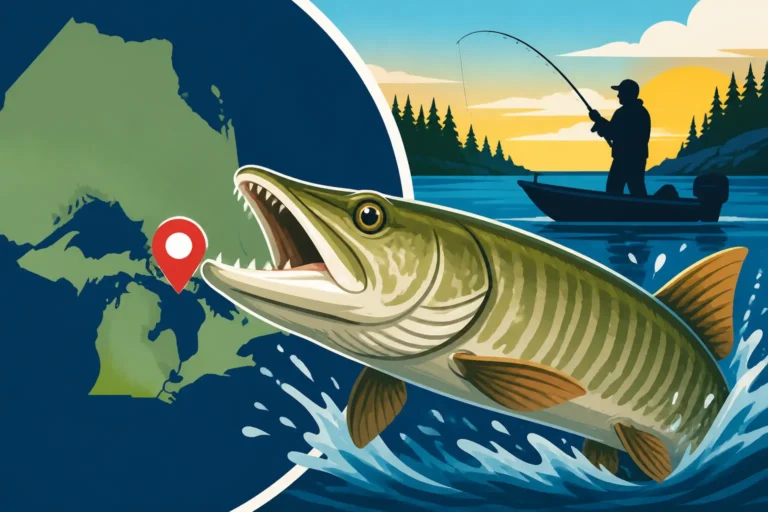
- Muskellunge (Muskie): Known as the "fish of 10,000 casts," the Muskie is the apex predator of many Ontario lakes. These powerful, elusive fish can grow to immense sizes, and landing one is considered the pinnacle of freshwater angling for many. Popular waters like Georgian Bay and Lake St. Clair are famous for their trophy Muskie. Anglers dedicate countless hours to Muskellunge Fishing in Ontario, often investing in specialized heavy-duty gear, which you can easily find on Amazon.
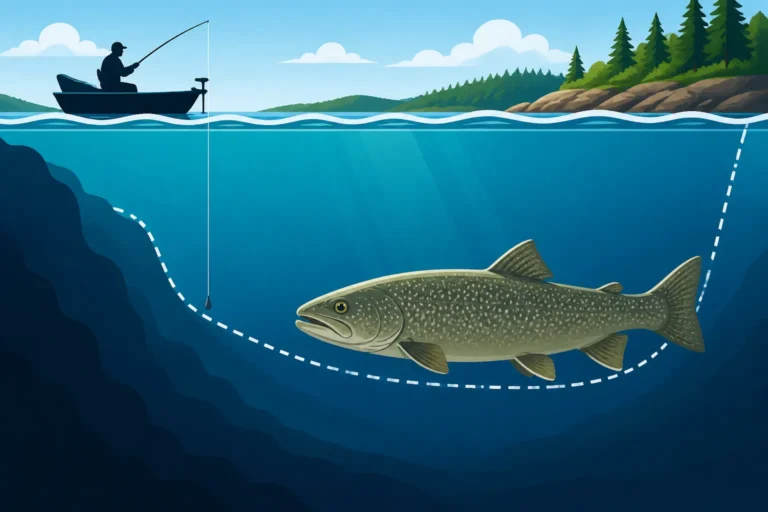
- Lake Trout: Found in the deep, cold, oxygen-rich waters of Northern Ontario's iconic lakes, the Lake Trout is another true giant. These ancient fish can live for decades and grow to impressive sizes, making them a prized catch for those who venture into the wilderness. Whether you're trolling with heavy gear or jigging over deep structure, Lake Trout Fishing in Ontario offers a unique and rewarding experience in some of the province's most beautiful settings.
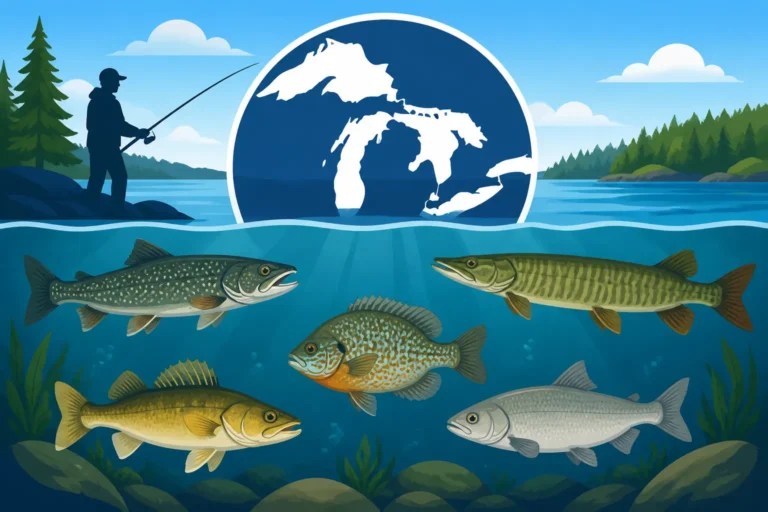
These species, along with others like Smallmouth Bass, Northern Pike, and various panfish, each contribute to the vibrant and diverse fishing opportunities that make Ontario a world-class angling destination.
Here's a quick comparison of Ontario's provincial fish and some other popular species:
| Feature | Brook Trout (Provincial Fish) | Walleye | Lake Trout | Muskellunge |
|---|---|---|---|---|
| Scientific Name | Salvelinus fontinalis | Sander vitreus | Salvelinus namaycush | Esox masquinongy |
| Native Status | Native | Native | Native | Native |
| Preferred Habitat | Cold, clean, oxygenated streams/lakes | Cooler, often turbid lakes/rivers | Deep, cold, clear lakes | Weed beds, rocky structures |
| Avg. Size (Ontario) | 6-12 inches (streams); larger in lakes | 1-5 lbs; up to 10+ lbs | 2-10 lbs; up to 50+ lbs | 10-30 lbs; up to 60+ lbs |
| Angling Appeal | Wildness, beauty, pure habitat | Delicious eating, strong fight | Trophy size, wilderness quest | Ultimate challenge, trophy size |
| Conservation Status | Vulnerable in some areas | Healthy, well-managed populations | Stable in many remote areas | Stable, strict regulations |
| Distinctive Marks | Vermiculations, red spots, white fin edges | Large eyes, sharp teeth, light belly | Forked tail, spots, grey/green | Long body, barring/spots, duckbill snout |
The Brook Trout truly stands as a magnificent representative of Ontario's natural heritage. Its designation as our provincial fish is a testament to its beauty, its ecological importance, and its enduring connection to the wild heart of this province. So, the next time you're out on the water, whether you're targeting a giant Muskie or simply soaking in the serenity, remember the humble yet regal Brook Trout, our official provincial fish, and all that it symbolizes.
Disclaimer
This article is for general informational purposes only and does not constitute professional advice. Laws, prices and regulations vary by location and change over time. Consult a qualified professional for guidance on your specific situation.