Native trout species found in Ontario
It's incredibly exciting to talk about native trout, but let's be honest, the term "native" can get a little muddy when you're flipping through regulation books or chatting with other anglers. Many folks get confused about which trout species truly belong here, having evolved in our waters, versus those that have been introduced, even if they've thrived. This guide is here to clear up that confusion, focusing on the true indigenous trout species that call Ontario home and the delicate ecosystems they inhabit.
What Exactly "Native" Means for Ontario Trout
When we talk about "native" species in Ontario, we're referring to fish that have naturally occurred and evolved in these waters for thousands of years, long before European settlement and human intervention. It’s not just about a fish being able to reproduce in a river; it's about their deep evolutionary history within that specific environment. This distinction is really important for conservation efforts, as native species are often uniquely adapted to their local ecosystems and play critical roles within them.
Understanding the Differences: Native, Naturalized, and Stocked
Many anglers, bless their hearts, just love catching fish, and don't always stop to consider the origins of that shimmering beauty at the end of their line. It's a common misconception that if you catch a "wild" fish, meaning it wasn't recently stocked, it must be native. But that's not always the case in Ontario. We have three main categories that define a fish's relationship with our waters:
- Native Species: These are the OG residents. They colonized Ontario waters naturally after the last ice age and have been here ever since. They're a testament to the resilience and unique biology of our natural world. For trout specifically, there's one species that truly stands out as universally native to virtually all of its range in Ontario.
- Naturalized Species: These are species that were introduced by humans, often many decades or even centuries ago, and have since established self-sustaining populations. They reproduce successfully in the wild without ongoing stocking. Think of them as long-term immigrants who've become part of the local fabric, but weren't here originally. Brown trout and rainbow trout in many of our rivers are prime examples of naturalized populations.
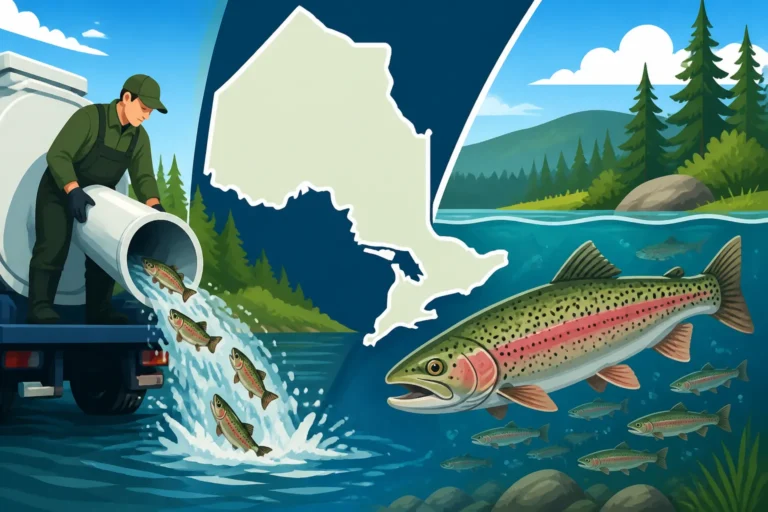
- Stocked Species: These fish are raised in hatcheries and regularly released into lakes and rivers by government agencies or private groups to enhance fishing opportunities. While they provide fantastic angling, these populations often wouldn't exist or persist without human intervention. Many of our urban pond fisheries and even some larger lakes see annual stocking of various trout species.
The frustration often comes when you're trying to understand specific regulations or trying to target truly wild, native populations. Knowing the difference helps you appreciate the unique ecological value of what you’re catching and where.
Why the Distinction Matters for Anglers and Conservation
For us anglers, understanding these categories isn't just an academic exercise. It profoundly impacts how we approach our fishing, where we choose to fish, and how we think about conservation. Native trout populations are often more sensitive to environmental changes, habitat loss, and competition from introduced species. Their genetic integrity and survival depend on protecting their specific habitats. When you're targeting a native species, you're tapping into a legacy that spans millennia, and that adds a whole different layer of appreciation to the experience. It also informs how we practice catch-and-release, especially in fragile headwater streams. For example, specific areas might have special regulations or seasons designed specifically to protect native populations, so understanding which fish are native to that particular zone is critical for compliance. You can learn more about these specific rules in guides like Ontario Fishing Regulations Explained.
Ontario's Crown Jewel: The Brook Trout (Salvelinus fontinalis)
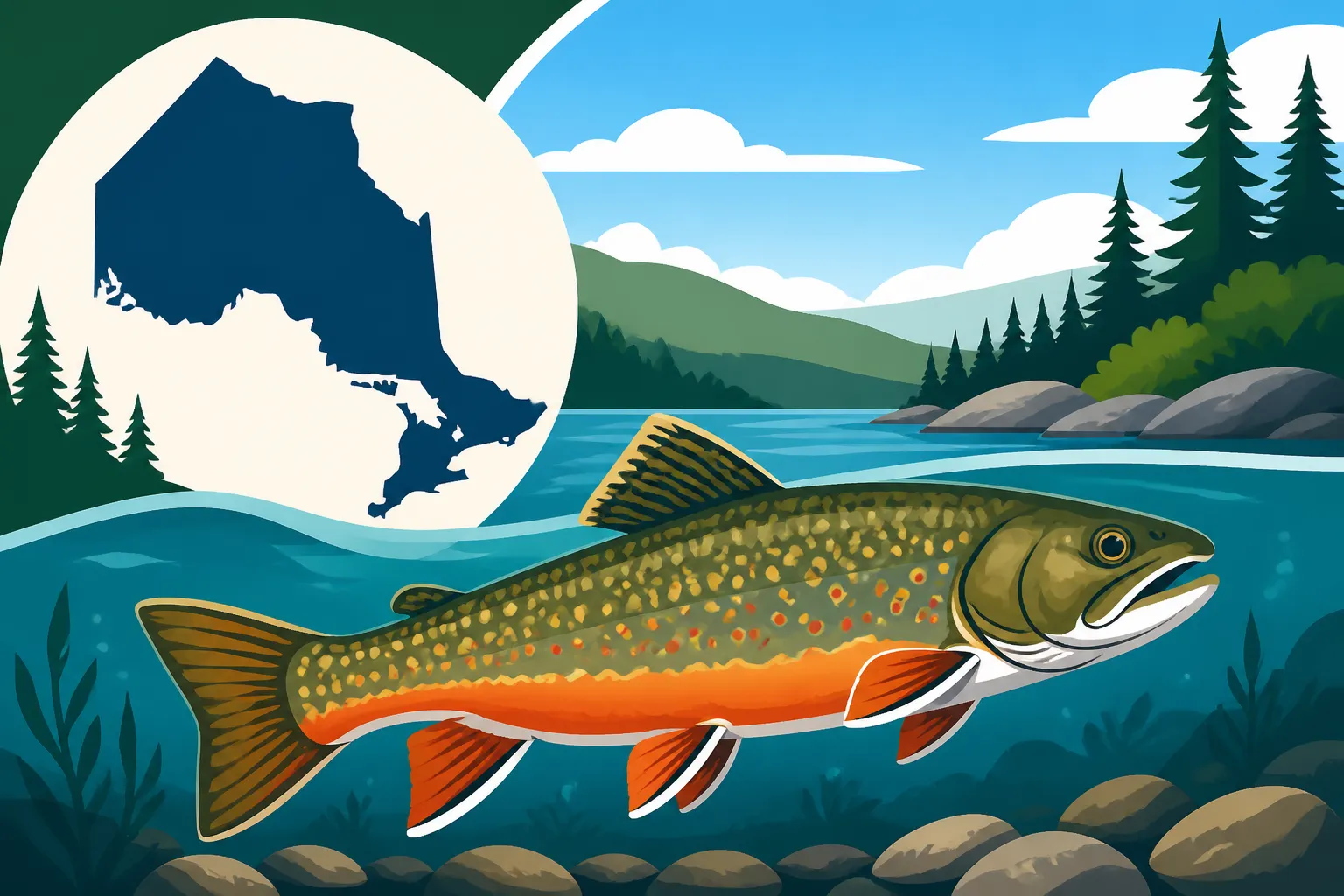
When it comes to truly native trout that grace the vast majority of Ontario's landscape, the undisputed champion is the Brook Trout. Often affectionately called "brookies" or "speckled trout" by local anglers, this magnificent fish is a true icon of our northern wilderness. They are not just a fish; they are a living indicator of pristine, healthy freshwater ecosystems.
The Speckled Beauty: Identification and Characteristics
Brook trout are perhaps one of the most beautiful fish you'll ever encounter in Ontario. Their backs are typically an olive green, adorned with distinctive worm-like markings, often called "vermiculations," that range from pale green to yellow. Their sides are usually lighter, studded with vibrant red and yellow spots, many of which have stunning blue halos around them. The belly can range from white to a brilliant orange or red, especially in spawning males, with a striking white leading edge on their pectoral, pelvic, and anal fins, often bordered by a thin black line. This striking colouration acts as incredible camouflage in their complex stream and lake habitats.
It's important to remember that brook trout are actually part of the char family, not "true" trout in the scientific sense, but for all intents and purposes in the angling world, they are our beloved trout. Their size can vary dramatically depending on their habitat; small stream brookies might only be 6-8 inches, while those in larger lakes with abundant food can grow significantly bigger, sometimes reaching impressive sizes, especially in remote northern waters.
Preferred Habitats and Why They're So Special
Brook trout are creatures of cold, clear, highly oxygenated water. They absolutely thrive in the pristine conditions found in Ontario's headwater streams, spring-fed ponds, and remote wilderness lakes, especially those found on Crown land. These habitats are characterized by:
- Cool Temperatures: They need water temperatures to stay below 20°C (68°F) for extended periods and prefer temperatures much cooler than that, ideally in the 10-16°C (50-60°F) range. This is why you often find them tucked into shady pockets, undercut banks, or near spring inflows during the warmer months. You can often discover more about their habits in articles like Brook Trout Native Range in Ontario.
- High Oxygen Levels: Their preferred waters are typically well-aerated, either by natural currents in streams or by cold stratification in deep lakes.
- Clean Substrates: They require clean, gravelly bottoms for spawning, free from excessive siltation.
- Complex Structure: Fallen logs, boulders, undercut banks, and overhanging vegetation provide crucial cover from predators and strong currents.
- Minimal Competition: They often do best in environments where they don't have to compete directly with other introduced species like rainbow or brown trout, or even warm-water species like bass, which can outcompete them for food and space.
Finding and catching native brook trout is a truly special experience, often requiring a hike into remote areas and a more subtle approach. It's about connecting with the purest form of angling Ontario has to offer. Dedicated anglers often seek out specialized gear for these adventures, and you can find many great options for fly rods, reels, and tackle bags suitable for stream or remote lake fishing by checking out fishing gear sections online, like those offered by Amazon, or through local tackle shops.
Other Ontario Trout and Salmon: Clarifying Their Status
While the brook trout is our primary native superstar, Ontario's waters are also home to other incredible trout and salmon species. However, their status – native, naturalized, or stocked – can sometimes be a bit more nuanced or vary by location. It's helpful to understand where these other fish fit into the picture.
Lake Trout (Salvelinus namaycush): A Northern Native
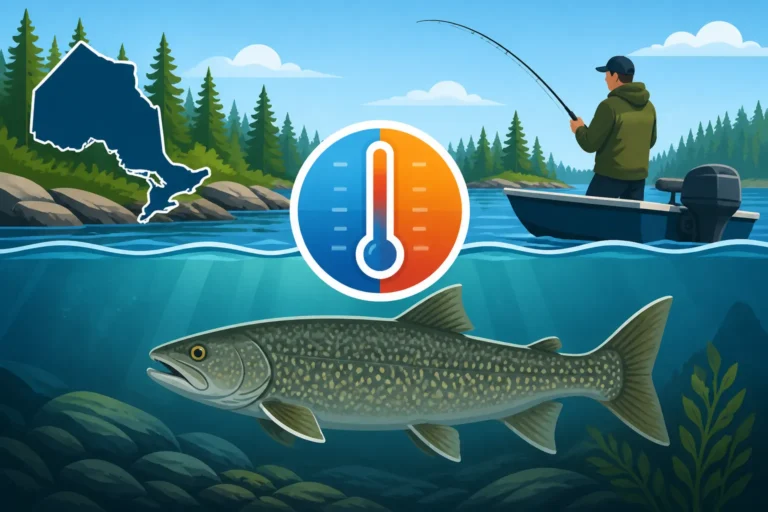
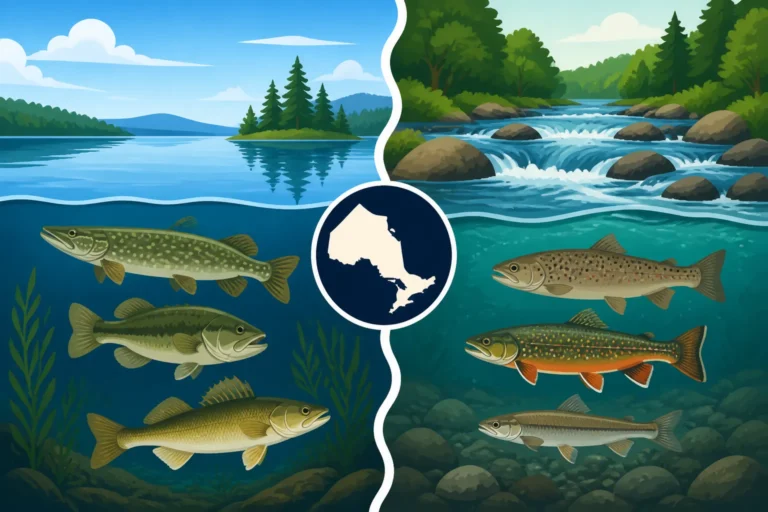
Another proud member of the char family, the Lake Trout is undeniably native to many of Ontario's deep, cold, oligotrophic (nutrient-poor) lakes, particularly across the vast Canadian Shield. These magnificent fish are built for the depths, often cruising cool waters for pelagic baitfish. While brook trout are the widespread stream and smaller lake native, lake trout are the quintessential native of our large, deep northern lakes.
Their evolutionary history in these glacial lakes is just as long and complex as the brook trout's in its own domain. They are prized by anglers for their size and fighting prowess. In some areas, lake trout populations are entirely wild and self-sustaining, a true testament to their native status. Elsewhere, especially in more accessible or heavily fished lakes, stocking might supplement existing native populations or create fisheries where they once existed or never did. How to Catch Lake Trout in Ontario provides excellent tips for pursuing these impressive fish.
Naturalized and Stocked Trout: Rainbow and Brown Trout
When many people think of "trout fishing" in Ontario, especially in southern and central regions, they're often picturing rainbow trout or brown trout. These species, while providing fantastic fishing, are not native to Ontario.
- Rainbow Trout (Oncorhynchus mykiss): Originally from the Pacific coast of North America and Asia, rainbow trout were introduced to Ontario waters in the late 19th century. They have since become widely naturalized in many rivers that flow into the Great Lakes, particularly those with strong cold-water inputs and good gravel spawning beds. These "steelhead" runs, as they are known when they migrate from the Great Lakes into tributaries to spawn, are legendary. In many inland lakes and streams, rainbow trout populations are maintained through stocking programs. They are aggressive feeders and provide a thrilling fight.
- Brown Trout (Salmo trutta): Hailing from Europe, brown trout were also introduced to Ontario in the late 19th century. They are known for their hardiness and ability to thrive in waters that might be slightly warmer or more disturbed than what brook trout prefer. Like rainbows, they have established naturalized populations in many Great Lakes tributaries and some inland streams, especially those with good overhead cover and varied structure. Elsewhere, they are frequently stocked to provide angling opportunities. Browns are notoriously wary, making them a challenge for even experienced anglers.
Both rainbow and brown trout offer incredible fishing, and their wild, naturalized populations are a huge asset to Ontario's angling scene. However, it's crucial to distinguish them from native brook trout for conservation purposes, especially when considering how they might compete with or impact existing native populations. Finding the right gear for these species is often easy on platforms like Amazon, which offers a wide array of options for fly fishing, spin fishing, and conventional setups.
Unique Regional Variants: Aurora Trout and Splake
Ontario is also home to some truly unique trout-like species that add further flavour to our fishing tapestry:
- Aurora Trout (Salvelinus timagamiensis): This is a distinct and incredibly rare subspecies of brook trout, found only in a handful of small, highly acidic lakes in the Temagami region of northeastern Ontario. They are visually stunning, with a more silvery appearance than typical brook trout, often lacking the worm-like markings. Due to their extreme rarity and sensitivity to environmental changes, they are managed under strict conservation efforts, including rotational lake closures to protect their fragile populations. Anglers interested in these unique fish should absolutely consult Ontario Aurora Trout Rotational Lake Closures for the most up-to-date information on where and when they might be fished (usually catch and release only, if at all).
- Splake (Salvelinus fontinalis x Salvelinus namaycush): The splake is a fascinating hybrid fish, a cross between a brook trout and a lake trout. This fish is entirely man-made, bred in hatcheries to combine the faster growth rate of lake trout with the earlier maturity and aggressive feeding habits of brook trout, while also tolerating a wider range of habitats than pure lake trout. Splake are stocked in many Ontario lakes to provide fishing opportunities where neither brook trout nor lake trout might thrive optimally. They are identifiable by characteristics that blend both parent species, often having a fork in their tail that is less pronounced than a lake trout's, but more so than a brook trout's. They are not a native species, but a successful program-based fish.
Understanding these distinctions helps us appreciate the full spectrum of trout and salmon fishing experiences available in Ontario, from chasing wild brookies in remote streams to targeting powerful steelhead in river runs.
| Species Name | Native to Ontario? | Primary Habitat Types | Key Distinguishing Features | Conservation Status (General) |
|---|---|---|---|---|
| Brook Trout | Yes | Cold, clear headwater streams, spring-fed ponds, remote cold lakes. | Olive green back with worm-like markings (vermiculations); red and yellow spots with blue halos; white leading edge on lower fins, often with a black border. | Vulnerable to habitat degradation and competition; subject to specific regulations in many areas. |
| Lake Trout | Yes | Deep, cold, oxygenated oligotrophic lakes. | Dark grey to olive green, lighter belly; often has light spots on a darker background; deeply forked tail. | Varies by lake, some robust native populations, others supplemented by stocking. |
| Rainbow Trout | No (Naturalized/Stocked) | Great Lakes tributaries (naturalized steelhead), various stocked lakes and rivers. | Iridescent silver body with small black spots; distinct pinkish-red stripe along the lateral line (more prominent in spawning fish). | Widely established, often self-sustaining in specific systems, heavily stocked elsewhere. |
| Brown Trout | No (Naturalized/Stocked) | Great Lakes tributaries, larger cold streams with good cover, some stocked lakes. | Golden-brown to olive back with dark spots surrounded by pale halos; often red or orange spots on sides; less pronounced markings than brook trout. | Established in many systems, highly sought after by anglers; stocked. |
| Aurora Trout | Yes (Subspecies) | Highly specific, acidic lakes in Temagami region. | More silvery than typical brook trout, often lacking vermiculations; red and yellow spots present. | Extremely rare; critically endangered; strict protections and rotational fishing closures. |
| Splake | No (Hybrid) | Stocked in various lakes, often where parent species might not thrive alone. | Hybrid characteristics: generally slender, often with faint worm-like markings and spots; tail slightly forked, more so than brook trout, less than lake trout. | Maintained entirely by stocking programs; provides recreational angling opportunities. |
Protecting Our Native Trout: Why Conservation Matters
The allure of native trout fishing in Ontario goes beyond just the catch; it's about the entire experience of connecting with wildness, often in remote and breathtaking landscapes. But this privilege comes with a responsibility: to protect these precious resources for future generations. Our native brook trout and lake trout are vital components of Ontario's biodiversity and are often very sensitive to environmental changes.
Responsible Angling Practices for Native Trout Waters
When you're out chasing native trout, particularly brook trout in smaller streams, a few key practices can make a huge difference in their survival and the health of their populations:
- Catch and Release with Care: Many native trout fisheries operate on a mandatory or strongly encouraged catch-and-release basis. When releasing fish, minimize handling, keep the fish in the water as much as possible, and use wet hands. Barbless hooks are also highly recommended to reduce harm. Understanding proper release techniques is crucial, and you can find excellent guidance in resources focused on ethical angling, including many videos and articles available online through platforms like Amazon's fishing section.
- Mind the Water Temperature: Native brook trout are extremely sensitive to warm water. In late summer, or during heatwaves, stream temperatures can rise to lethal levels for brookies. If water temperatures are approaching or exceeding 20°C (68°F), it's often best to put away the trout gear and target warm-water species, or fish at very early morning or late evening when waters are coolest. Prolonged stress from being caught in warm water can be fatal, even if the fish swims away initially. For more details on this, check out When Ontario trout streams get too warm to fish.
- Respect Their Habitat: Stay on established trails where possible, avoid trampling stream banks, and pack out all your trash. Anything that degrades water quality or riparian habitat directly impacts native trout. This also means being mindful of what you bring into their environment, from invasive species on your wading boots to chemicals from bug spray.
- Know Your Regulations: Each Fisheries Management Zone (FMZ) and even specific bodies of water can have unique regulations for native species. These might include specific season dates, reduced catch limits, or even special gear restrictions (e.g., fly fishing only, single barbless hooks). Always consult the current Ontario Fishing Regulations Summary for the specific zone and waterbody you plan to fish. Details on how to navigate these can be found in Reading the Ontario Fishing Regulations Summary.
The Role of Anglers in Native Trout Conservation
Anglers are often the first line of defence for native trout populations. By practicing responsible angling, reporting suspicious activity, and supporting conservation initiatives, we play a direct role in safeguarding these incredible fish. Organizations dedicated to cold-water conservation rely on angler participation and advocacy to protect vital habitats from threats like pollution, habitat fragmentation, and climate change.
Ultimately, seeking out and connecting with Ontario's native trout is a profoundly rewarding experience. It’s an adventure into the heart of our natural heritage, offering not just the thrill of the catch, but a deeper appreciation for the wild beauty that still thrives in our province. So, next time you're planning a trip, consider heading out in search of those speckled beauties and experience a truly authentic piece of Ontario's fishing legacy.
Disclaimer
This article is for general informational purposes only and does not constitute professional advice. Laws, prices and regulations vary by location and change over time. Consult a qualified professional for guidance on your specific situation.