When Ontario trout streams get too warm to fish
There's nothing quite like the crisp air of an Ontario morning, the sound of rushing water, and the promise of a beautiful trout at the end of your line. But then summer hits, and suddenly, those once-vibrant streams can feel like a guessing game. Many of us have been there, standing on the bank, wondering if the water is simply too warm, if our efforts will stress these magnificent fish, or worse, cause them harm. This comprehensive guide is dedicated to helping you understand when Ontario's trout streams become too warm to fish safely, how to recognize the warning signs, and what responsible anglers can do to protect our precious cold-water fisheries.
The Critical Connection Between Temperature and Trout Survival
Trout are truly remarkable fish, but they are also incredibly sensitive creatures, especially when it comes to water temperature. Unlike us, they can't just shed a layer or jump in a cold shower when things get too hot. Their entire physiology is tied to the temperature of their environment, and when that environment heats up, it can quickly become a matter of life or death. It’s a nuanced situation, and understanding the 'why' behind it helps us become better stewards of our waters.
Understanding Trout Physiology and Cold Water Dependence
Trout, like brook trout, rainbow trout, and brown trout, are what we call cold-water species. This isn't just a preference; it's a biological necessity. Their bodies are designed to thrive in cold, oxygen-rich water, typically ranging from about 10°C to 18°C (50°F to 65°F). Within this range, their metabolism functions optimally. They can digest food efficiently, grow strong, and fight off diseases.
When water temperatures start to climb above this ideal range, their bodies go into overdrive. Think of it like a car engine running hot – it might keep going for a while, but it's under immense strain. Trout become lethargic, their immune systems weaken, and their ability to escape predators or hunt for food diminishes. Most critically, warm water holds less dissolved oxygen than cold water. Trout need a lot of oxygen, especially for their high-energy lifestyle. As the water warms and oxygen levels drop, it becomes incredibly difficult for them to breathe. This oxygen deprivation is often the primary cause of stress and mortality in warm conditions. It's a silent killer that can turn a simple catch-and-release into a death sentence, even if the fish swims away seemingly fine.
The Lethal Temperature Thresholds for Different Trout Species
While all trout prefer cold water, there are slight variations in their tolerance levels. Knowing these thresholds can help you make an informed decision before you even cast a line.
- Brook Trout (Speckled Trout): Our native jewel, the Brook Trout in Ontario's Crown Land Lakes, is arguably the most sensitive of the bunch. They prefer the coldest water, often thriving in temperatures between 10°C and 16°C (50°F and 60°F). Anything consistently above 18°C (65°F) for extended periods can be extremely stressful, and prolonged exposure to 20°C (68°F) or higher is often lethal. These fish are indicator species; if brook trout are struggling in a stream, it's a clear sign of environmental stress.
- Rainbow Trout (Steelhead): These vigorous fighters are a bit more tolerant than brookies, with an optimal range of 10°C to 18°C (50°F to 65°F). They can often withstand short periods in water up to 21°C (70°F), but anything sustained beyond that, especially coupled with low oxygen, becomes very dangerous. Many of our Great Lakes tributaries hold rainbows, and these larger rivers can often warm faster than smaller, spring-fed streams.
- Brown Trout: Known for their resilience, brown trout are generally the most heat-tolerant of the "big three" common trout species. Their preferred range is similar, 10°C to 18°C (50°F to 65°F), but they can often survive in water up to 22°C (72°F) for short durations. However, even browns will become severely stressed and susceptible to disease and death if temperatures remain high, especially during or after being caught and fought.
It’s crucial to understand that these are general guidelines. Factors like water depth, current speed, shading, and even the individual fish's health can influence its tolerance. Always err on the side of caution. If in doubt, don't fish.
Reading the Water: How to Tell if a Stream is Too Warm
You don't need fancy scientific equipment to gauge if a trout stream is too warm, though a simple thermometer is definitely your best friend. Learning to "read the water" involves combining observations with common sense. It’s about becoming attuned to the subtle (and sometimes not-so-subtle) cues the environment gives you.
Essential Tools and Observational Cues
Before you even think about casting, grab a thermometer. A small, inexpensive stream thermometer that clips to your vest is an absolute must-have for any responsible trout angler. You can find excellent options on platforms like Amazon, often bundled with other Best Gear for Ontario Trout Fishing. Take a reading in shaded areas, in riffles, and in deeper pools. Get a sense of the average temperature.
Beyond the thermometer, pay attention to these environmental cues:
- Air Temperature: If the air temperature has been consistently in the high 20s or 30s Celsius (80s or 90s Fahrenheit) for several days, especially without significant rainfall, assume the water is warming up. Nights that don't drop significantly also prevent streams from cooling down.
- Water Level and Flow: Low water levels and slow flows mean the water has more time to absorb heat from the sun and less oxygenation from turbulence. Look for streams that are visibly lower than usual or where the current seems sluggish.
- Vegetation: Overhanging trees and bankside vegetation provide critical shade, keeping water temperatures down. If a stream is exposed to direct sunlight for long stretches, it will heat up much faster. Conversely, sections with dense canopy cover might still hold cooler pockets.
- Time of Day: Early morning, right after sunrise, is usually the coolest part of the day. As the sun climbs higher and beats down, water temperatures will naturally rise. Fishing late in the afternoon or evening during a heatwave is almost always a bad idea.
- Cloud Cover: Cloudy days keep temperatures down, both air and water. Sunny, cloudless days, especially after a stretch of hot weather, are when you need to be most cautious.
The Thermometer Test: Knowing When to Reel It In
This is where your stream thermometer becomes indispensable. Here’s a general guideline for Ontario trout streams:
| Water Temperature (Celsius / Fahrenheit) | Angler Action / Trout Status |
|---|---|
| Below 10°C / 50°F | Excellent conditions. Trout are active and healthy. |
| 10°C – 16°C / 50°F – 60°F | Ideal conditions. Trout are feeding, fighting strong. |
| 16°C – 18°C / 60°F – 65°F | Proceed with caution. Trout are getting stressed. Limit handling time, use barb-less hooks, focus on quick releases. |
| 18°C – 20°C / 65°F – 68°F | STOP FISHING. Trout are under severe stress. Even catch-and-release can be lethal. Consider changing locations. |
| Above 20°C / 68°F | ABSOLUTELY DO NOT FISH. This is lethal for most trout species. Find alternative activities. |
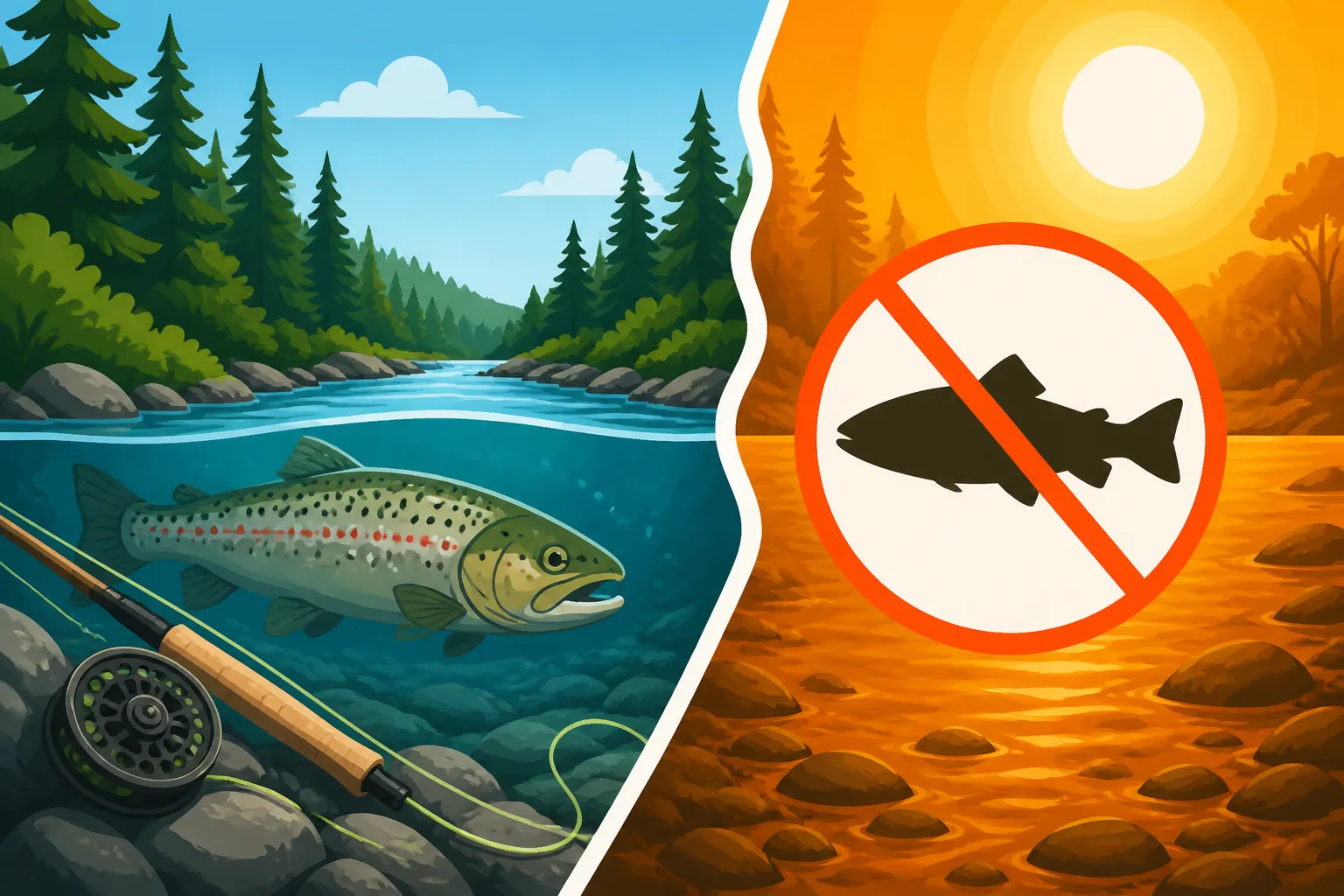
It's a simple rule: if the water temperature reaches 18°C (65°F) or higher, it's time to put the rod away for the day. This threshold is a widely accepted benchmark by conservationists and experienced anglers alike. Pushing beyond this, even for a quick photo, dramatically increases the chance of post-release mortality. Remember, you might not see the fish die, but the stress can compromise its ability to recover from the fight, digest food, or evade predators, leading to a slow death hours or days later.
Strategies for Responsible Angling in Challenging Conditions
When those summer temperatures start climbing, it doesn't necessarily mean you have to hang up your waders for the entire season. It just means you need to be smarter, more strategic, and always prioritize the well-being of the fish. There are still ways to enjoy our beautiful waterways, even if it means adjusting your targets or your tactics.
Early Morning and High-Elevation Tactics
Sometimes, simply shifting your fishing schedule can make all the difference. During a heatwave, the coolest water temperatures of the day are almost always found just after sunrise. The stream has had all night to dissipate the heat absorbed during the previous day.
- Sunrise Missions: Plan your trip to be on the water literally at first light. Fish hard for the first few hours, and then pack up before the sun gets too high and begins to significantly warm the water. By 9 or 10 AM, depending on the conditions, temperatures can already be climbing past safe thresholds. This early window often provides some of the best fishing anyway, as trout are often more active and less wary.
- Head for the Hills (or Springs): If possible, seek out higher elevation streams or those fed by cold springs. High-elevation streams are naturally cooler because they flow through cooler air and often have more forest cover. Spring-fed creeks maintain a more consistent, cold temperature year-round due to groundwater sources. Even if the main river is too warm, a small tributary entering it might offer a cool refuge for trout. Using resources like the Ontario Fish ON-Line Interactive Zone Map, Explained can help identify such areas or different Ontario Fisheries Management Zones, Explained that might have varied conditions.
When to Put the Rod Away: Prioritizing Fish Health
This is the hardest part for many passionate anglers, but it’s the most crucial aspect of being a responsible steward of our fisheries. There are times when the best decision is simply not to fish at all.
- The 18°C / 65°F Rule: As discussed, if your thermometer hits this mark, it’s a non-negotiable end to your trout fishing day on that particular waterbody.
- Prolonged Heatwaves: If there's been a sustained period of hot, sunny weather with no rain for days or even weeks, assume the water is stressed, even if it's slightly below the 18°C mark. The fish themselves will be weakened.
- Low Water / Stagnant Conditions: Visibly low water levels, slow currents, and stagnant pools are signs of severely compromised oxygen levels. Avoid these areas entirely, or consider fishing for other species in cooler, deeper waters, like those found in some lakes.
- Visible Stress Signs: If you observe trout visibly gasping at the surface, congregating in tiny pockets of cold water at tributary mouths, or acting lethargic, it's a huge red flag. These fish are already fighting for their lives.
Remember, fishing is a privilege, not a right. Our actions have consequences, and choosing not to fish when conditions are detrimental to trout is a hallmark of true conservation.
Best Practices for Catch-and-Release in Warm Water
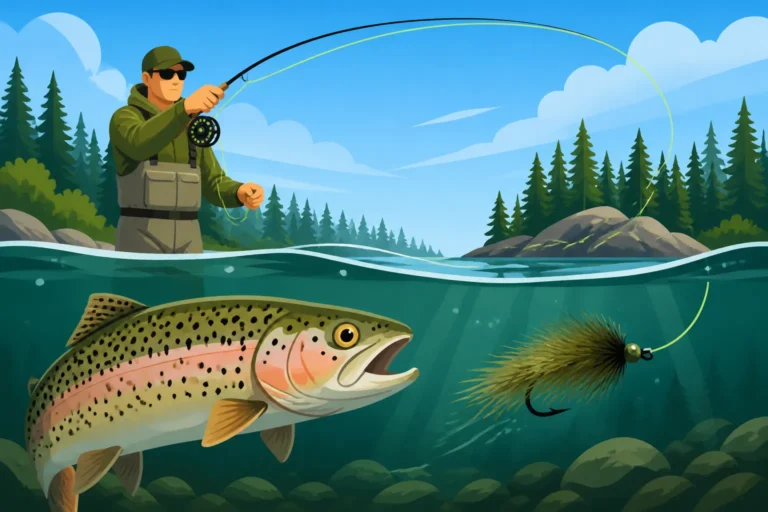
Even when you're fishing in borderline conditions, and you've made the conscious choice to proceed with extreme caution, how you handle the fish you catch becomes incredibly important. Every second counts, and minimizing stress is paramount. Many seasoned anglers consider the methods for Fly Fishing for Trout in Ontario to be less impactful than other methods in warm water conditions, but even with flies, careful handling is key.
Minimizing Fight Time and Handling
The moment a trout is hooked, its stress levels skyrocket. The struggle releases lactic acid into its muscles, much like a human sprinting. In warm, low-oxygen water, the fish's body struggles to clear this lactic acid, leading to exhaustion and a reduced chance of survival.
- Use Heavier Tackle: This might sound counterintuitive for trout, but in warm water, use the heaviest tippet or leader you can get away with for the size of fish you're targeting. A slightly heavier line, like a 4x or 5x tippet instead of a 6x, will allow you to land the fish more quickly, significantly reducing its fight time and subsequent exhaustion. You might even consider a slightly heavier fly rod weight if you're specifically targeting larger fish.
- Bring the Fish in Quickly: Avoid playing the fish for extended periods. Once hooked, apply steady pressure and bring it to hand or net as efficiently as possible.
- Keep it Wet: This is the golden rule of catch-and-release, especially in warm water. A fish’s slime coat is its primary defense against disease and parasites. Even a few seconds out of water can damage this protective layer. Keep the fish submerged while unhooking it, and avoid touching it with dry hands. Wet your hands thoroughly before any contact.
- Use a Net: A rubber-coated, knotless landing net is incredibly valuable. It supports the fish fully, prevents scale damage, and allows you to keep the fish in the water while you prepare for release. Many anglers find durable, quality nets on Amazon, which can make a huge difference in handling.
Quick Release Techniques for Trout Survival
The goal is to get the fish back into the water, unhooked and ready to recover, as fast as humanly possible.
- Barbless Hooks: Always, always, always crimp your barbs. Barbless hooks make unhooking quick and easy, often allowing the hook to slide right out with minimal effort, even if it's deeply set. This is a critical practice, especially in Ontario Catch and Release Only Waters.
- Forceps or Pliers: Have your forceps or needle-nose pliers readily accessible. Don't fumble around looking for them once the fish is in your hand or net.
- Avoid the Camera: While a photo might seem harmless, every second a trout is out of the water is a second of oxygen deprivation and stress. In warm conditions, skip the photo. If you absolutely must have one, keep the fish submerged, lift it just barely out for a split second, and get it back into the water immediately. Seriously, this isn't the time for a lengthy photoshoot.
- Revival Time: Once unhooked, hold the fish gently in the current, facing upstream. Allow water to flow over its gills. Don't force it to swim away; it will do so when it's ready. If it starts to swim and then rolls over, gently revive it again. This revival time may take longer in warm water conditions.
By employing these responsible practices, you not only increase the survival rate of the fish you catch, but you also contribute to the long-term health and sustainability of Ontario's incredible trout fisheries. Understanding the Ontario Fishing Regulations Explained is a good start, but ethical practice goes beyond the letter of the law.
Beyond the Thermometer: Long-Term Trout Conservation
While knowing when to stop fishing is vital for immediate fish health, true conservation involves looking at the bigger picture. Our local streams and rivers are under increasing pressure, and every angler has a role to play in advocating for their long-term health. Think of it as investing in the future of Best Time of Year to Fish in Ontario for generations to come.
Supporting Cold-Water Habitats
The ultimate solution to warm water stress is healthy, resilient cold-water habitat. This involves a variety of initiatives:
- Riparian Zone Protection: The area along the banks of a stream, known as the riparian zone, is crucial. Healthy vegetation here provides shade, stabilizes banks, filters runoff, and prevents erosion that can silt up spawning beds. Support local conservation groups that work on tree planting initiatives or stream bank restoration projects.
- Water Quality: Runoff from agriculture, urban areas, and industrial sites can introduce pollutants that harm trout and further reduce oxygen levels. Advocate for stricter water quality standards and support efforts to reduce pollution.
- Thermal Refugia: Identify and protect areas where trout can escape warm temperatures, such as deep pools, spring-fed sections, or the mouths of cold tributaries. These "thermal refugia" are literally life-savers during heatwaves. Understanding Do Trout Reproduce Naturally in Ontario Streams? helps appreciate the need for pristine habitats.
- Stream Flow Management: Over-extraction of water for irrigation or other uses can lower water levels and increase temperatures. Support sustainable water management policies that prioritize ecosystem health.
Educating Fellow Anglers and Future Generations
One of the most powerful tools for conservation is education. Many anglers simply don't know the dangers of warm water or the best practices for catch-and-release.
- Lead by Example: When you're out on the water, practice what you preach. Others will notice your careful handling, your quick releases, and your decision to stop fishing when it gets too hot. A calm, respectful conversation with a fellow angler who might be unknowingly stressing fish can go a long way.
- Share Knowledge: Don't be shy about sharing this information, whether it's through casual conversation, online forums, or even suggesting articles like this one. Encourage others to carry a thermometer and learn how to use it.
- Involve Youth: Take a kid fishing, but also teach them the ethics of conservation. Show them how to gently handle a fish, how to unhook it quickly, and why it's important to protect our waters. Future generations are the ultimate stewards, and their passion for fishing must be tempered with a deep respect for the resource. Teaching them proper Wading Techniques for Ontario Trout Streams also helps protect stream beds.
By taking these steps, both individually and collectively, we can ensure that Ontario's trout streams remain healthy, vibrant ecosystems, providing incredible fishing experiences for years to come. It’s a commitment to more than just catching fish; it’s a commitment to protecting a cherished natural heritage.
Disclaimer
The information provided in this guide is for general informational purposes only and is based on typical ecological principles and common angling practices. Water conditions, fish behavior, and regulations can vary widely. Always consult the most current Ontario fishing regulations summary and local advisories before heading out on the water. Anglers are responsible for their own safety and for adhering to all applicable laws and regulations.